REVIEW · VERONA
Verona: City Walking Tour with Cable Car & Wine Aperitif
Book on GetYourGuide →Operated by Walks In Europe · Bookable on GetYourGuide
Verona hits fast. In just 3 hours, you get Roman Arena views and end with a wine aperitif that feels like a real lunch. I like how the tour covers the major city highlights on foot with a local guide, and I also like that you ride the cable car for big panorama payoff without spending the whole day climbing. The one drawback to plan for: the tour keeps things street-level, with no inside visits of the Arena or Juliet’s House.
You meet in Piazza Bra, right by the Roman amphitheater’s exterior, and you move at an easy pace in a small group. Guides you may run into include Mauro, Monica, Andrea, Elisabetta, Maurice, and Moritz, and the common thread is storytelling that connects the Roman, medieval, and Renaissance layers of Verona. If you’re sensitive to stairs, the downhill portion after the cable car is where you’ll feel it.
In This Review
- Key points at a glance
- Piazza Bra to the Arena edge: getting your Verona bearings
- Roman gates and arches: Porta Borsari and the Arena from outside
- The Adige riverfront and Verona’s in-between streets
- Castel San Pietro by cable car: the Belvedere payoff
- Romeo and Juliet, outside only: stories from the street
- The wine aperitif finale: two regional wines plus ham and cheese
- Guides, pacing, and how you’ll actually experience the walk
- Walk distance, comfort tips, and who it fits best
- Price and value: why $81 makes sense here
- Should you book this Verona Arena and Wine Tour?
- FAQ
- Where is the meeting point?
- How long is the tour?
- What languages are offered?
- What does the cable car include?
- Is the Arena interior included?
- Do you visit Juliet’s House interior?
- What’s included in the wine aperitif?
- What should I know about walking and comfort?
- Is the tour wheelchair-friendly?
- Can the tour accommodate dietary needs?
- What if my plans change?
Key points at a glance
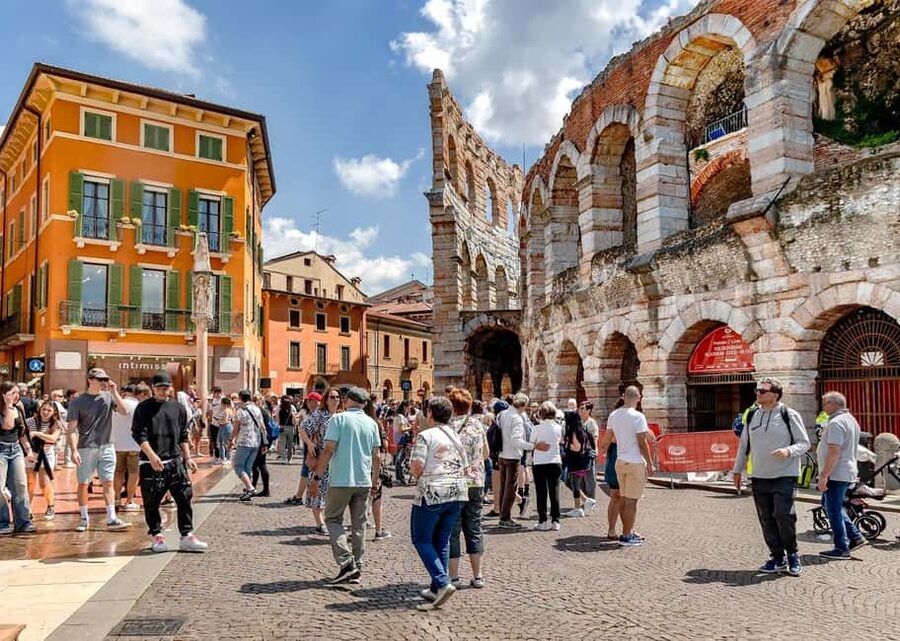
- Piazza Bra start: you begin beside the Arena and get oriented fast for the rest of your Verona days.
- Roman + medieval mix: you’ll pass key stops like Porta Borsari and the Adige riverfront bridges without wasting time.
- One-way cable car up: ride uphill to Castel San Pietro for panoramic views, then walk back downhill.
- Romeo and Juliet, outside only: you’ll see the Balcony and House from the street and get the stories tied to them.
- Wine aperitif with local pairings: two regional wines plus a ham and cheese platter to close the loop on the tour.
- Dietary support showed up in real life: multiple groups reported vegetarian-friendly and gluten-free/celiac accommodations.
Piazza Bra to the Arena edge: getting your Verona bearings
Your tour starts at Piazza Bra 10, the square that puts you within easy sightline of the Roman amphitheater. Even without going inside, seeing the Arena from the outside helps you understand why Verona grew the way it did. Your guide frames the building’s role in Roman public life, then you move before crowds fully take over your patience.
One thing I really like about this start is how practical it is. You get your bearings in the exact area you’ll likely base yourself for the rest of the trip—so later, when you’re wandering on your own, streets and squares make sense. You also begin with a quick win: the Roman setting is right there, not something you have to chase across town.
From there, you’ll head toward other Roman landmarks, and the route is planned so you’re walking through the layers of Verona instead of hopping randomly by taxi. The pace is designed for a sightseeing rhythm—enough time to look up, stop, and absorb, without turning the day into a long endurance march.
You can also read our reviews of more walking tours in Verona

Roman gates and arches: Porta Borsari and the Arena from outside
You don’t spend your time waiting in lines to enter the Arena. Instead, you learn to read it from where you stand. That matters if your main goal is orientation and context, especially if you’re visiting for a short stay. The Roman amphitheater exterior becomes your anchor point, and then the guide connects it to nearby remnants of the old city structure.
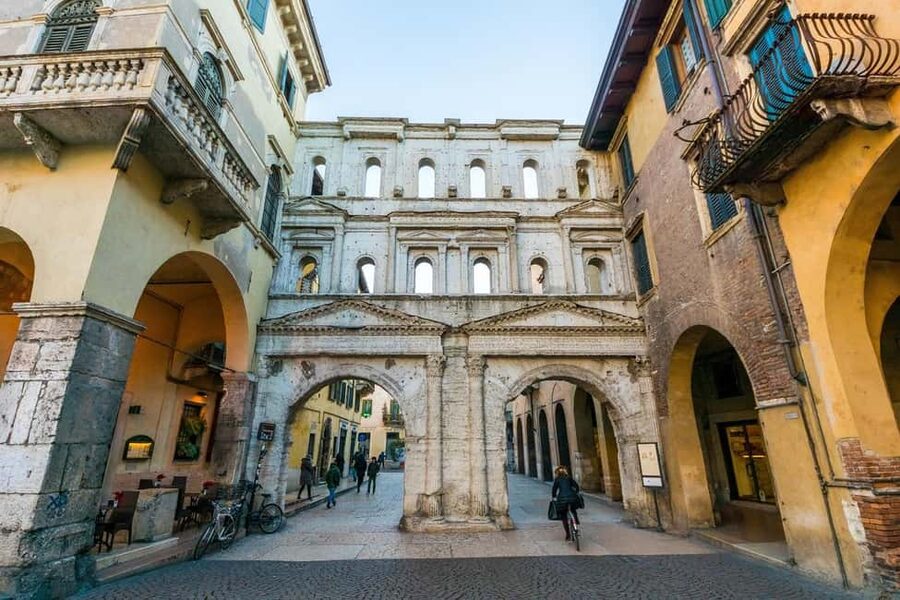
Along the way, you’ll see features like the Arco dei Gavi and Porta Borsari. These aren’t just pretty photo stops. They help you understand how Verona’s Roman-era layout still shapes street directions and the city’s overall “geometry.” When you hit the Stone Bridge area and other crossing points, the guide’s narrative often makes those bridges feel less like generic crossings and more like part of a long-running transport story.
It’s also a smart choice if you’re not trying to do Verona like a checklist. A street-level approach can be more memorable because you’re watching how people live around the ruins. You get architecture plus atmosphere, and the guide ties it together with clear explanations.
The Adige riverfront and Verona’s in-between streets
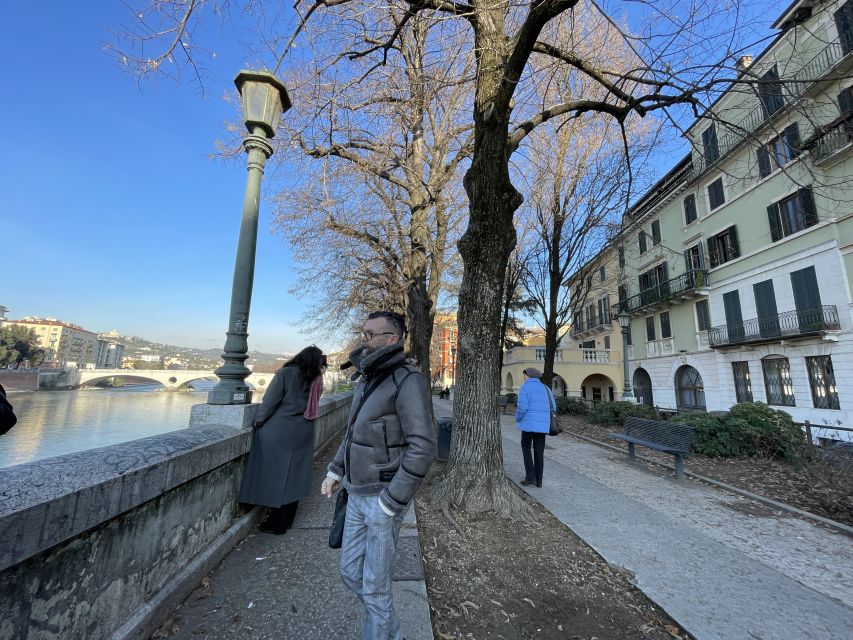
After the Roman focus, you’ll shift into the lanes where Verona feels unmistakably Italian. The walk takes you along the Adige riverfront, and this is where the tour gains texture. You’ll cross key bridges such as Ponte Pietra and Ponte Scaligero, and your guide uses those spots to tell you what changed over time.
One especially interesting story that comes up is about Saint Thomas Island—an area that used to exist in the Adige. Even if you’ve never heard of it before, hearing how geography used to work here makes the river feel like an active character in the city’s history, not just scenery.
You’ll then pass through squares like Signori Square and Erbe Square. These are ideal “pause and look” moments—good for catching your breath, people-watching, and noticing how medieval and Renaissance structures sit side by side with modern street life. The route also includes stops that help explain Verona beyond the famous names, such as the Roman Theatre area and the Della Scala Medieval Tombs you’ll see as you move through.
A quick reality check: this section of the tour is mostly walking through historic streets, so wear comfortable shoes. In summer heat, you’ll appreciate that some guides manage pacing well and can look for shade when they can.
Castel San Pietro by cable car: the Belvedere payoff
Then comes the big view moment: a one-way cable car ride uphill to Castel San Pietro (also called Saint Peter Hill in some descriptions). You’re not just changing elevation—you’re getting a classic “big picture” Verona perspective.
From the top, you’ll reach a viewpoint at Belvedere. The goal here is simple: you want to see how the city spreads and how the river and historic core relate to each other. If you’re the type who likes to understand where things are before you zoom in later, this is a high-value stop.
After the ride up, the tour has you walking back downhill along a different Adige stretch toward the center. That’s where you should think about your comfort level with stairs and uneven historic ground. Reviews note that the overall walk can be mostly flat, with steps during the downhill part after the cable car. If your legs are tired, go slow and use the breaks your guide gives you.
Also note the logistics that matter: the cable car ticket covers only the uphill ride. You’re expected to do the return walk.
Romeo and Juliet, outside only: stories from the street
No Verona visit feels complete without Romeo and Juliet. This tour gives you both—just not from behind paid doors. You’ll see Juliet’s Balcony and Romeo’s House from the outside, and your guide shares the background stories tied to these sites.
That approach works for a couple of reasons. First, it keeps the tour flowing and keeps you focused on Verona’s broader timeline. Second, seeing the balcony and the house from street level gives you a sense of how these legends fit into daily life around them—tourists gather, locals pass, and the city keeps moving.
If you specifically want to go inside Juliet’s House or enter the Arena, this tour isn’t that. But as an orientation piece, it still helps a lot. You’ll know where to return later if you decide you want the interior experience.
The wine aperitif finale: two regional wines plus ham and cheese
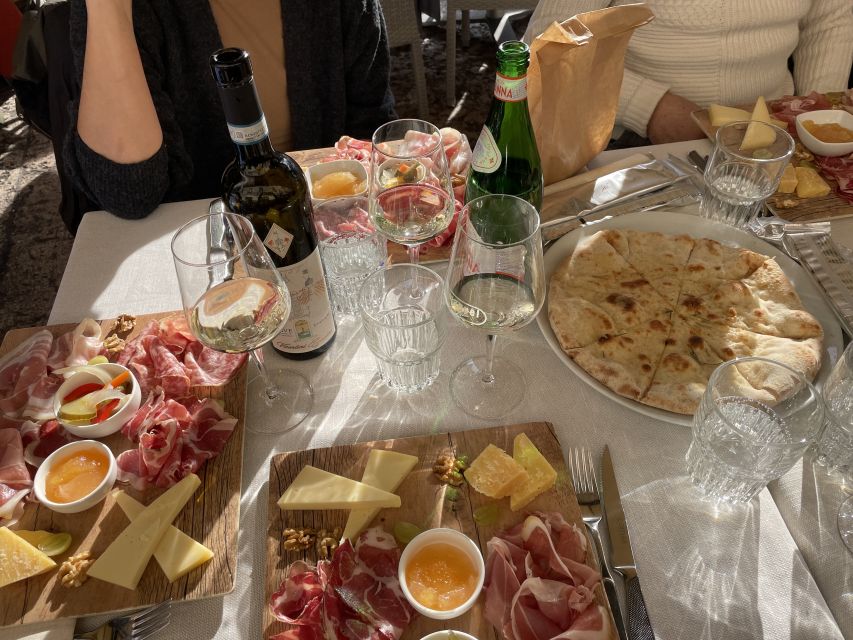
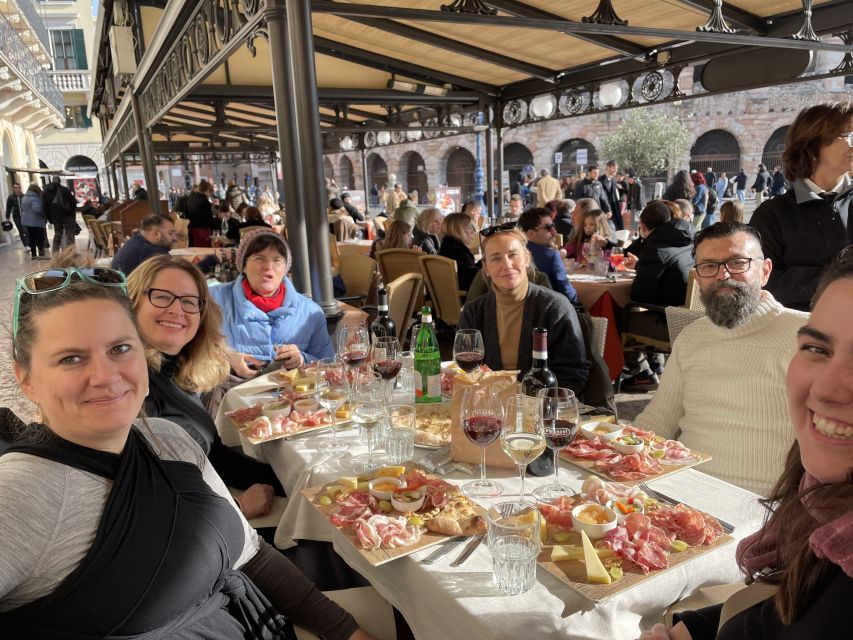
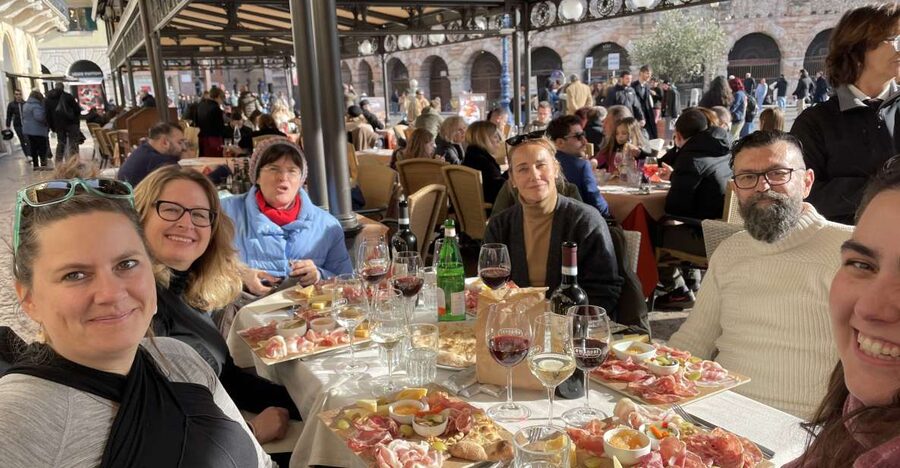
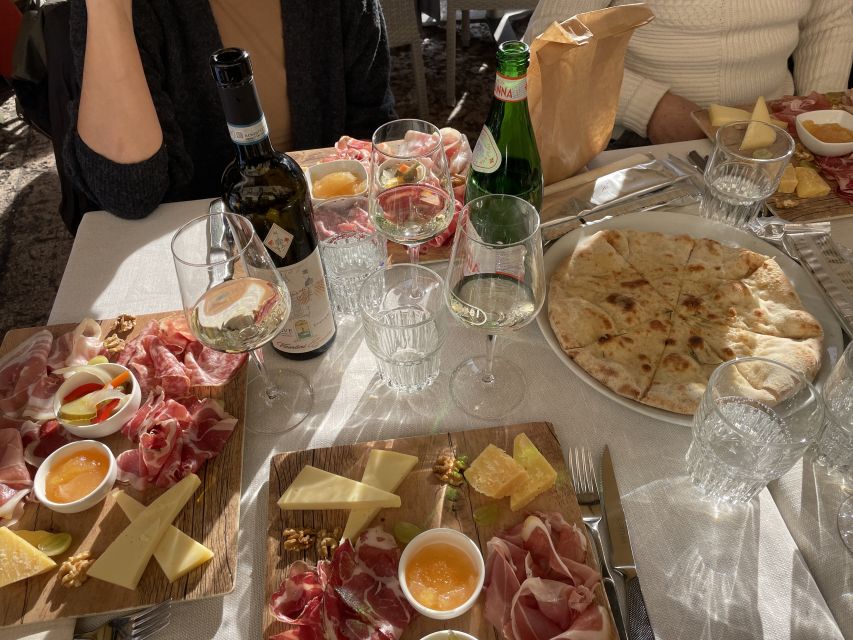
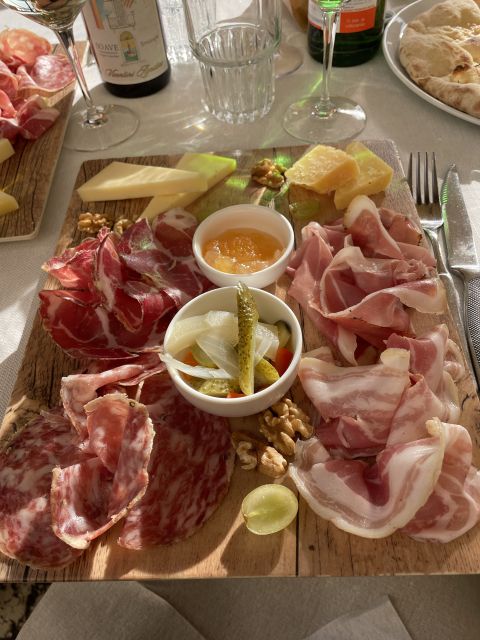
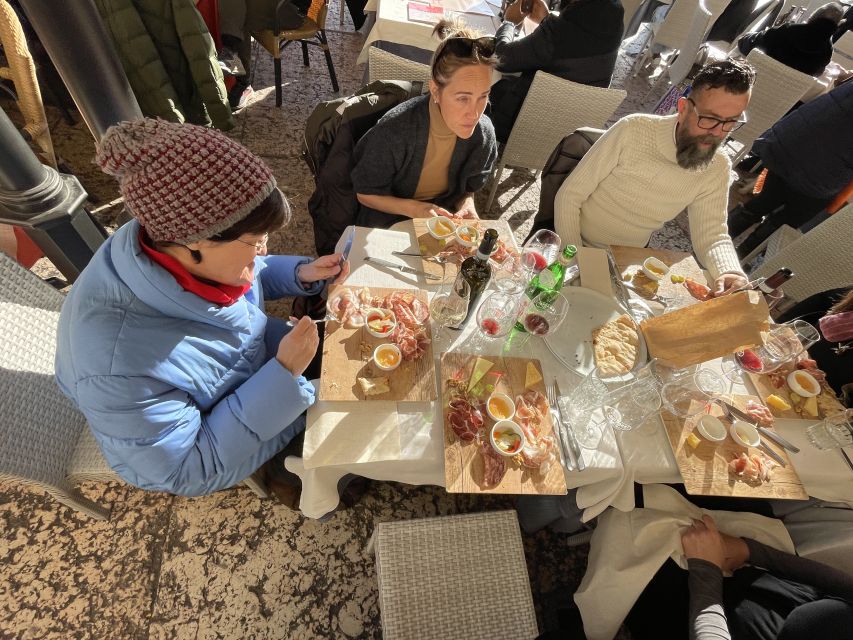
After the walking and the views, you finish with a wine aperitif that’s designed to feel like a relaxed reset, not a quick sip-and-run. The platter typically pairs local ham and cheese with bread, and you’ll receive two different kinds of regional wine.
What’s impressive is the “enough food to feel satisfied” factor. Multiple groups described the portions as generous, in practice closer to a proper lunch than a tiny tasting. That turns the tour from a sightseeing-only experience into something that’s actually enjoyable at the end of the day.
Vegetarians have also been accommodated in at least some sessions, and gluten-free/celiac requests have been handled in specific ways. One group reported separate cutlery and careful steps to reduce cross contamination, including dedicated bread and antipasti platter. That’s a great sign. Still, if you have allergies, don’t assume it will happen automatically—tell the operator ahead of time so the restaurant can plan properly.
If you’re trying to decide whether you want a “food tour” or a “sights tour,” this lands in the middle: it’s a walking history tour with a food and wine landing pad, not a full cooking class or deep restaurant crawl.
Guides, pacing, and how you’ll actually experience the walk
The tour shines most when the guide is in top form, and here the track record looks strong. Guides including Mauro, Monica, Andrea, Elisabetta, Maurice, and Moritz appear in feedback, and the comments consistently point to three things: strong storytelling, a schedule that stays on track, and an ability to keep the group engaged.
Pacing is another practical detail. Expect an easy walking rhythm, with stops that give you time to look and ask questions. Some reviews also mention hearing devices as helpful—especially when it’s raining or when the group is moving through louder streets. If you want every word, it’s worth asking about audio options when you arrive.
One more practical perk: in hot weather, guides have been reported as attentive about shade breaks. That small thing can make a tour feel comfortable rather than draining.
Walk distance, comfort tips, and who it fits best
This is a walking tour with real city distances. One review measured the walk at about 4 miles overall, and described it as mainly flat with steps involved as you come down after the cable car. Even if the pace is steady, you should plan around historic uneven surfaces and occasional stair segments.
So it fits best if you:
- want a clear first-time orientation to Verona
- enjoy Roman and medieval sights more than museum time
- like an included food-and-wine finale
- can handle a mix of sidewalks, cobbles, and some stairs
It’s not suitable for wheelchair users, and that’s worth taking seriously rather than assuming you can power through with assistance. The route includes walking segments and the cable car portion doesn’t remove the need for downhill movement afterward.
If you’re traveling with kids, it can still work, but you should judge based on stamina and attention span. If you’re older, plan for shoes that grip and take the breaks your guide offers.
Price and value: why $81 makes sense here
At $81 per person for a 3-hour experience, you’re paying for three big pieces that are hard to replicate solo at the same quality.
First is the guided routing through Verona’s major landmarks—Arena-area orientation, Roman gates and arches, riverfront bridges, and the hills. Without that structure, you can easily spend time walking in the wrong direction or missing context that makes the old stones click into place.
Second is the one-way cable car. That adds a true “view reward” and saves energy. If you were doing this independently, you’d still need to pay for the ride and then figure out the best walking loop.
Third is the wine aperitif with food: two regional wines plus ham and cheese. Even if you don’t think of yourself as a wine person, that included pairing turns the ending into something worth planning for.
Balanced note: if your priority is interior access—like going inside the Arena or entering Juliet’s House—this tour won’t fully match your goals. In that case, you may want a different ticketed attraction for interiors and use this tour for the street-level story and city layout.
Should you book this Verona Arena and Wine Tour?
Book it if you want a smart, time-saving introduction to Verona that blends Roman sights, medieval streets, and a hilltop view with a comfortable food-and-wine finish. It’s ideal for first-timers, short stays, and anyone who likes learning history through walking routes instead of museum rooms.
Skip or adjust expectations if you specifically want to enter the Arena or go inside Juliet’s House—this experience is built for outside views and storytelling, not interior tickets. Also choose carefully if stairs are a dealbreaker for you, since the downhill portion after the cable car includes steps.
If your travel style is practical and you want an included “reward ending” (wine, cheese, ham) without turning the day into chaos, this is a strong pick.
FAQ
Where is the meeting point?
You meet at Piazza Bra, 10, 37121 Verona VR, Italy. The guide will have a signboard that says Walks In Europe.
How long is the tour?
The tour duration is 3 hours.
What languages are offered?
The live tour guide speaks English and German.
What does the cable car include?
The cable car ticket covers the uphill journey only. Walking downhill is part of the experience.
Is the Arena interior included?
No. You view the Roman Arena from outside.
Do you visit Juliet’s House interior?
No. Juliet’s House is viewed from the outside only.
What’s included in the wine aperitif?
You get a wine aperitif finale with two different kinds of regional wine, plus a cheese and ham platter.
What should I know about walking and comfort?
This is a walking tour, and there are stairs involved as you come down after the cable car. Comfortable walking shoes help.
Is the tour wheelchair-friendly?
No, it’s not suitable for wheelchair users.
Can the tour accommodate dietary needs?
There’s evidence of vegetarian accommodation and gluten-free/celiac arrangements in some sessions, including steps to reduce cross contamination. If you have a dietary requirement, make sure to inform the operator ahead of time.
What if my plans change?
Free cancellation is available up to 24 hours in advance for a full refund.