REVIEW · VALENCIA
Vegetable Paella cooking class, tapas and Ruzafa market visit
Book on Viator →Operated by My First Paella · Bookable on Viator
Paella starts at the market gate. I like how this class begins with Ruzafa Market shopping and turns food choices into real paella technique, not just a demo. You also get small-group chef attention, which means you’re not stuck watching while everyone else cooks.
I’m a fan of the format: you shop, prep, cook, and then sit down for the meal. The hands-on vegetable paella is paired with tapas, and there’s a dedicated sangría workshop moment before you start cooking, so the whole morning feels like one continuous Valencia food story.
One thing to consider: the experience is offered in English, so if you want explanations in another language, you may need to rely on translation support from your group.
In This Review
- Key things that make this Valencia paella class worth it
- Ruzafa Market shopping: where your paella choices get real
- Meeting at San Valero and the short move to the kitchen
- Tapas and sangría workshop before you touch the paella pan
- Cooking vegetable and vegan paella step by step
- The meal finale: tomato salad, wine, mistela, sweets, and coffee
- Price and group size: what you’re really paying for
- Who should book this Valencia paella experience
- Should you book My First Paella’s vegetable paella class in Valencia?
- FAQ
- Where does the experience start, and what time is it?
- How long is the vegetable paella class?
- Is the paella vegetarian or vegan?
- Do you visit the Ruzafa market every day?
- What food and drinks are included?
- What language is the class taught in?
- How big is the group?
- What is the cancellation policy?
Key things that make this Valencia paella class worth it
- Ruzafa Market shopping first, so you understand what fresh ingredients do to flavor
- Small class size (max 18 for close attention, up to 20 travelers) for real participation
- Vegetarian/vegan paella you actively cook, not just taste
- Sangría workshop plus tapas to kick things off in a social way
- Full sit-down finale: tomato salad, wines, fruit, Valencian sponge cake, sweet wine, and coffee
Ruzafa Market shopping: where your paella choices get real
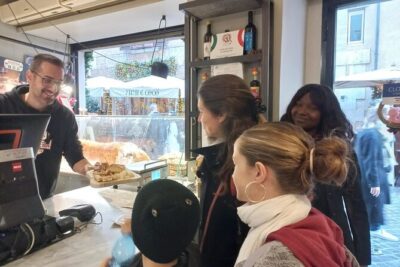
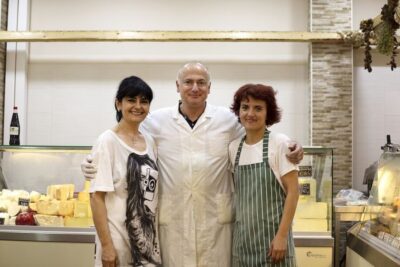
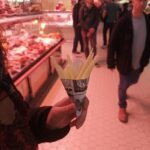
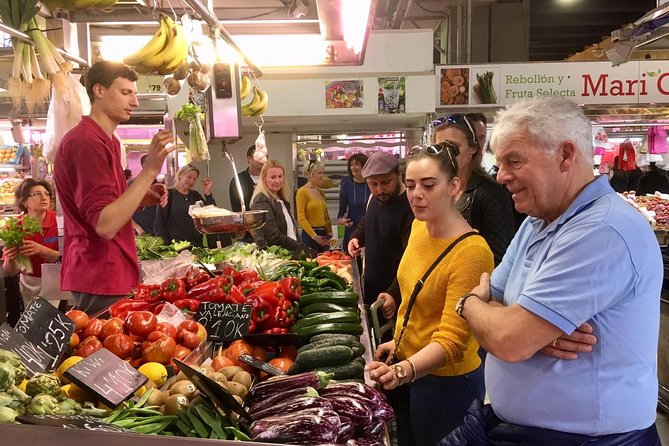
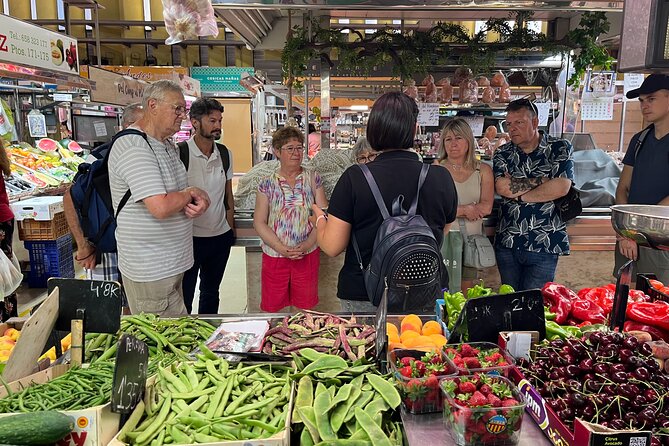
The experience starts with a walk to Mercado de Ruzafa, where you shop for the fresh products needed for a proper paella. That first step matters. Paella isn’t only about the pan; it’s about the ingredient decisions you make before heat even touches the rice.
While you’re shopping, you’ll get an explanation of the origin of paella and the customs and culture behind it. This is the kind of context that changes how you cook later. When you know what people are chasing flavor-wise in Valencia, you can follow the chef’s technique with more confidence and less guesswork.
What’s especially practical here is the shopping-to-cooking link. Instead of arriving at a kitchen already stocked, you see what you’re choosing and why. You’ll also learn how ingredients fit together—vegetables, aromatics, and the backbone of the rice dish—so your paella-making brain clicks into place.
One small trade-off: market schedules can affect which stops you see. If you’re visiting on a Sunday, the market visit doesn’t happen because it’s closed, so your morning will be slightly different from the usual flow.
You can also read our reviews of more shopping tours in Valencia
Meeting at San Valero and the short move to the kitchen
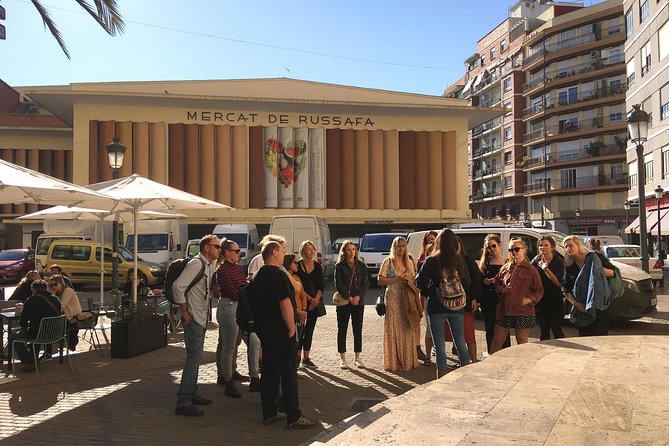
You meet at the door of Parroquia de San Valero (Carrer del Pare Perera, 6, L’Eixample) at 11:00 am. The experience is about 3 hours 30 minutes, and it ends back at the starting point, which keeps logistics simple.
After the market, it’s only an 8-minute walk to the kitchen. That’s a good pacing choice: you don’t lose energy in long transfers, and you’re not cooling down your appetite between stops.
In practical terms, this setup helps you enjoy the experience in one block. You get the market walk, the shopping, and then you move straight into the prep and cooking phase without it turning into a half-day with scattered travel time.
Tapas and sangría workshop before you touch the paella pan
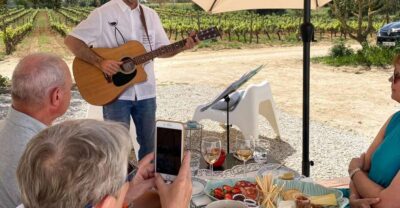
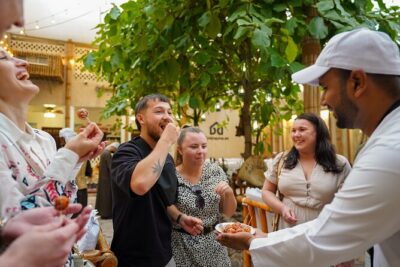
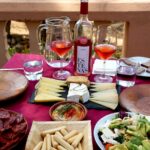
Before the cooking starts, the chef meets you in the kitchen area with tapas and drinks. The included spread includes sangría, beer, water, and other soft drinks, plus a starter line-up that may include items like patatas bravas with sojanesa, jamón serrano, manchego cheese, steamed mussels, and olives.
Even if you’re focused on vegetarian or vegan paella, this part is useful. Tapas set the flavor vocabulary. You get a quick sense of how Spanish seasoning works—salty, smoky, acidic, and herb-driven elements that show up again when you season the rice.
Then comes the sangría workshop, where you learn how it’s put together as part of the social rhythm of Spanish dining. The tone here is clearly designed to get you relaxed and involved. If you’re traveling with teens or a mixed group, this pre-cooking step is often what makes the class feel fun instead of stiff.
Tip for you: pace yourself. Sangría is part of the included experience, but you also have beer and water available, so you can keep control if you don’t want to start the cooking process tipsy.
Cooking vegetable and vegan paella step by step
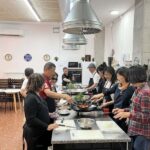
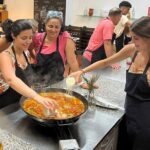
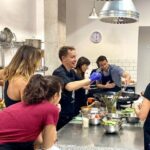
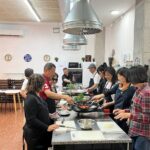
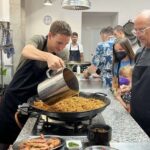
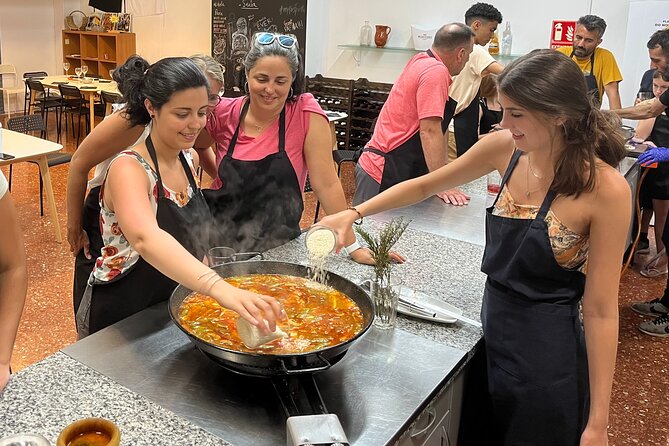
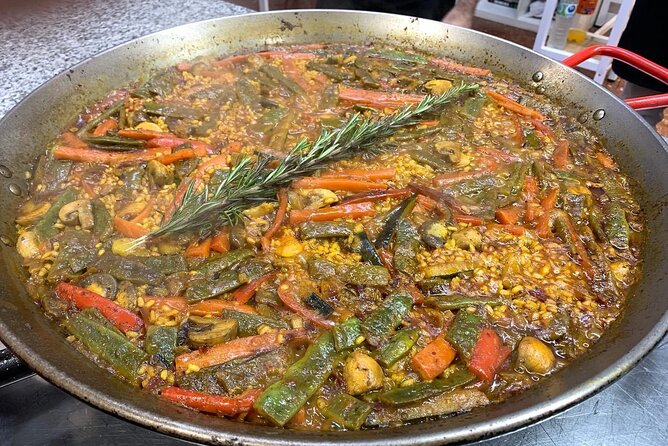
This is the main event: you prepare, cook, and then eat a vegetable/vegan paella. The best part is that the chef works with you step by step, so you’re not just dumping ingredients into a pan and hoping for the best.
A big reason this class earns such high marks is the interaction level. The group stays small enough that you can actually participate in tasks like prep and assembly. People often remember this kind of cooking class because they felt useful the whole time, not stuck in the background.
You’ll also hear about the technique behind paella, not just the recipe. That’s where you can get lasting value. If you only learn ingredients, you can still be thrown off later. If you learn technique—timing, how flavors build, and how the rice process works—you can repeat the result at home.
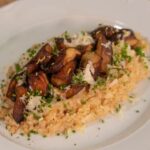
From the sample menu, you’ll be pairing your finished paella with Valencian tomato salad, which is a smart lesson for anyone who thinks paella is a one-note dish. The salad brings freshness and acidity to balance the richness of rice and vegetables.
And yes, the class is explicitly vegetarian/vegan for the paella itself. Just note that the tapas starter may include non-vegetarian items like jamón serrano or mussels. If you’re strictly vegan, you’ll want to eat carefully during the tapas portion and focus on the vegetable/vegan paella section for the full dietary match.
The meal finale: tomato salad, wine, mistela, sweets, and coffee
After cooking, you sit down and eat what you made—plus the full Spanish finishing course. The paella is served with Valencian tomato salad, and you’ll also get Valencia wines along with seasonal fruit.
Dessert is not an afterthought here. You’ll have Valencian sponge cake, sweet wine (including mistela), and then coffee. That combination is very Valencia in spirit: it moves you from savory comfort into something lightly sweet, with coffee to close out the meal-clean feeling.
If you care about value, this is part of the deal. Many cooking classes stop at the one dish. This one stacks a whole meal experience around your paella, which means you leave feeling like you did more than a recipe tutorial.
I also like that the meal is framed as part of the culture, not as a rushed buffet. The format helps you slow down and actually enjoy what you made, which is the whole point of cooking together.
A few more Valencia tours and experiences worth a look

Price and group size: what you’re really paying for
At $78.44 per person for about 3.5 hours, you’re paying for more than ingredients. You’re paying for:
- a market start (so you learn how fresh choices matter),
- a guided cooking process with equipment and step-by-step help,
- included tapas and drinks,
- and a full sit-down meal with dessert, sweet wine, and coffee.
The group size is where that value gets real. With around 18 participants focused for chef attention (and up to 20 travelers), you’re more likely to be hands-on and get answers when you need them. In larger classes, you can end up watching more than doing. Here, the point is participation.
Also, the experience is booked in advance fairly often (about 30 days on average), so if your dates are fixed, plan early. This isn’t the kind of activity you want to leave as a last-minute gamble.
Who should book this Valencia paella experience
You’ll be happiest if you want a practical, hands-on paella class that includes a real food day in Valencia. It fits well if:
- you eat vegetarian or vegan paella (that’s the main dish),
- you enjoy tapas and the social side of Spanish meals,
- you like learning technique, not just copying a recipe,
- you’re traveling with teens or a family and want everyone involved.
It can also work for mixed dietary groups, because even if tapas include non-vegetarian items, the core paella preparation is vegetarian/vegan.
If you want a strict, fully vegan menu from start to finish, this is still a solid class for your paella portion, but you should be mindful during the tapas start since those items can include meat and seafood.
Should you book My First Paella’s vegetable paella class in Valencia?
I think it’s a strong choice if you want to leave with two things: a memorable meal and the know-how to cook paella again later. The market-to-pan flow makes it easier to understand what ingredients do, and the small group helps you stay involved from shopping to tasting.
Book it if you like a guided, friendly kitchen style with tapas, sangría, and a sit-down finish that doesn’t cut corners. Skip it or adjust expectations if you don’t do well with English-led instruction, or if your trip timing lands on a Sunday and you’re counting on the market stop.
FAQ
Where does the experience start, and what time is it?
You meet at Parroquia de San Valero (Carrer del Pare Perera, 6, L’Eixample, 46006 València) at 11:00 am. The activity ends back at the meeting point.
How long is the vegetable paella class?
It runs for approximately 3 hours 30 minutes.
Is the paella vegetarian or vegan?
Yes. You shop for ingredients and then prepare, cook, and eat vegetarian/vegan paella. The sample menu lists vegan paella and Valencian tomato salad.
Do you visit the Ruzafa market every day?
No. The Ruzafa market visit is not available on Sundays because the market is closed.
What food and drinks are included?
You get some tapas, a sangría workshop with wine, beer, soft drinks, and water, tomato salad, dessert, coffee, and mistela. All ingredients and equipment to cook are included as well.
What language is the class taught in?
The experience is offered in English.
How big is the group?
It’s designed for a small group: the class mentions a maximum of 18 participants for chef attention, and the activity notes up to a maximum of 20 travelers.
What is the cancellation policy?
Free cancellation is available. You can cancel up to 24 hours in advance for a full refund. If you cancel less than 24 hours before the start time, the amount paid is not refunded.