REVIEW · VALENCIA
Valencian paella cooking class, tapas and visit to Ruzafa market.
Book on Viator →Operated by My First Paella · Bookable on Viator
Paella begins at the market, not the stove. In this Valencian paella cooking class, you start at San Valero Parish, then head into the Mercado de Ruzafa with local chefs to buy what you’ll actually cook. I love that the day links food to local life, with stories about Valencian paella traditions and customs while you’re choosing ingredients.
Next comes the fun part: a sangria workshop paired with tapas and plenty of drinks before you cook. I also love the hands-on format, where you help make the classic paella (chicken and rabbit) with step-by-step guidance from hosts like Jose and Ana/Anna. One possible drawback: it’s a late-morning, roughly 3.5-hour block that includes alcohol, so if you want a sober or super-quiet outing, you may want to plan accordingly.
In This Review
- Key Things That Make This Class Worth Your Time
- From San Valero Parish to Ruzafa: The Day’s Best Starting Point
- How the Ruzafa Market Trip Changes Your Paella Game
- Sangria Workshop and Tapas: The Mid-Morning Reset Before Cooking
- Cooking Valencian Paella the Hands-On Way (Chicken and Rabbit)
- The Meal Finish: Salad, Wines, Sweet Wine, Dessert, and Coffee
- Price and Time: What You’re Actually Paying For
- Who This Paella Day Is Best For
- Should You Book This Valencian Paella Cooking Class?
- FAQ
- What paella do you learn to make?
- What’s included in the experience besides cooking?
- Where does the tour start?
- How long is the class?
- Is the class hands-on?
- What group size should I expect?
- Is it offered in English?
Key Things That Make This Class Worth Your Time
- Ruzafa market shopping first, so your paella ingredients feel real and local
- Sangria workshop plus tapas before you ever touch the paella pan
- Hands-on paella cooking for chicken and rabbit, not a sit-and-watch demo
- A meal that finishes strong: Valencian tomato salad, wines, dessert, coffee
- Small group size (max 20) with hosts who keep everyone participating
From San Valero Parish to Ruzafa: The Day’s Best Starting Point
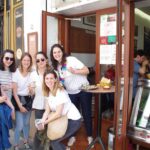
This experience starts at Parroquia de San Valero (San Valero Parish), right at Carrer del Pare Perera. It’s an easy-to-find landmark in Valencia’s Eixample area, and it sets the tone: local neighborhood energy, not a tourist factory feel. You’ll meet there around 11:00 am, then move together toward the Ruzafa market.
What I like about this start is that it flips the usual cooking class rhythm. Instead of beginning in a kitchen and then telling you what to buy, you begin with the ingredients and the people who use them. You also get a short walk as part of the flow, about 8 minutes from the market area to the kitchen space once you’re done shopping.
Practical note: go in with your schedule tight enough to arrive on time. The market time matters because that’s when you learn what makes paella ingredients different from what you might see at home.
You can also read our reviews of more shopping tours in Valencia
How the Ruzafa Market Trip Changes Your Paella Game
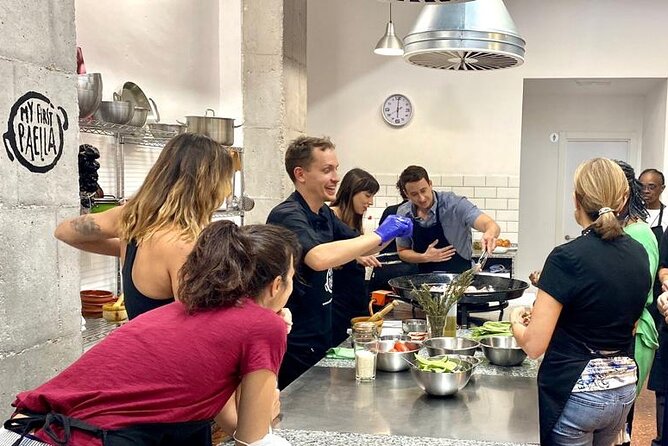
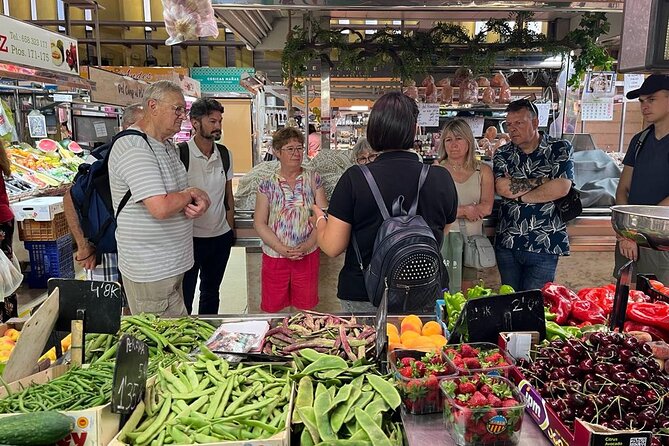
The Mercado de Ruzafa visit isn’t just photo time. You walk through the market with your group and buy the fresh products needed for a good paella. While you’re shopping, the chef or guide explains the origin of paella and shares customs tied to how Valencians think about the dish.
That context matters. Paella isn’t only a recipe; it’s a social meal with local rules about ingredients and timing. In a market setting, those ideas become concrete. You’re looking at produce and staples, thinking about how each component affects flavor, and getting a sense of what makes Valencian paella feel distinct.
Also, Ruzafa has a strong identity within Valencia, so the market visit feels like it belongs to the city, not imported from elsewhere. If you love food travel, this part alone is a reason to book.
Sangria Workshop and Tapas: The Mid-Morning Reset Before Cooking
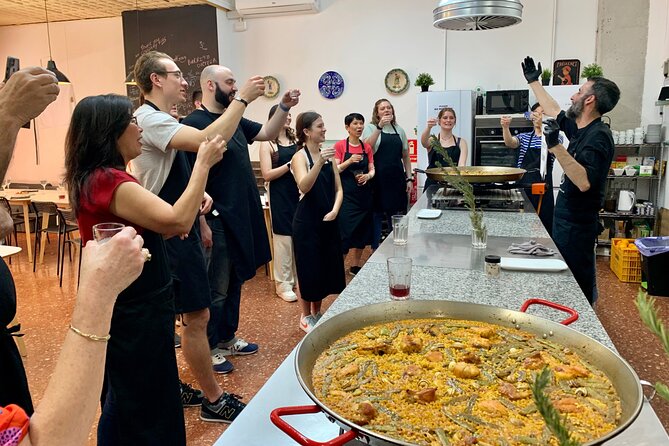
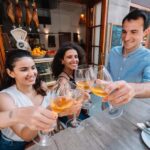
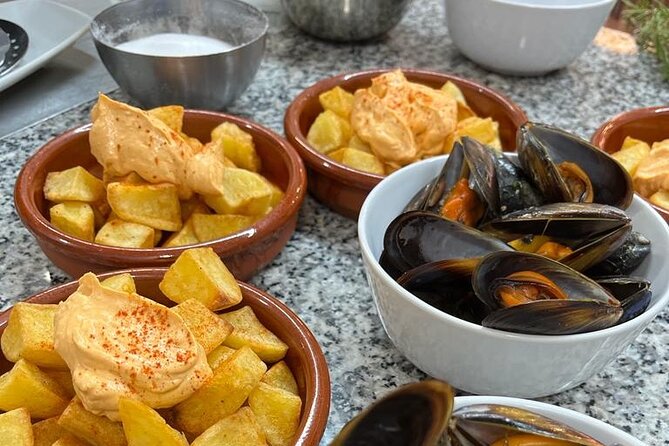
After the market, you head for the kitchen portion and settle in for food and drinks. Before the paella cooking starts, the chef is waiting with tapas and beverages like sangria, beer, and water. You’ll also get mistela, which is a fortified wine specific to Valencia.
The menu you’ll encounter includes items such as:
- patatas bravas with sojanesa
- jamón serrano
- Manchego cheese
- steamed mussels
- olives
Then there’s the sangria workshop itself. This is where the day shifts from shopping and learning into doing. Even if you don’t plan to become a professional bartender, you’ll leave with a practical feel for the flavors and how sangria fits into the Valencian meal pace.
One thing to watch: this section is generous. Multiple hosts and cooking setups create an energetic tone, and the drinks keep coming. If you’re the kind of person who prefers to stay fully in control, just pace yourself.
Cooking Valencian Paella the Hands-On Way (Chicken and Rabbit)
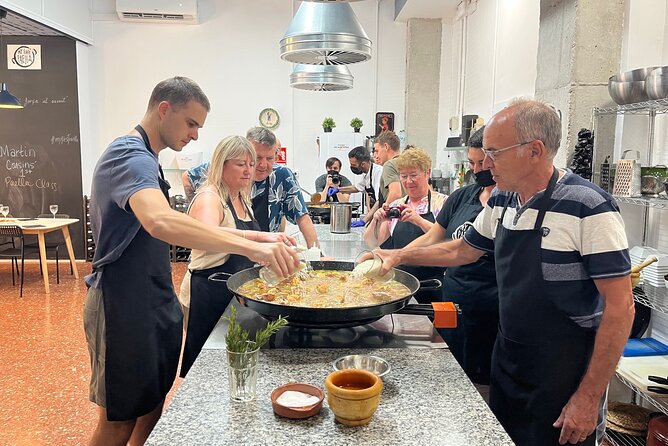
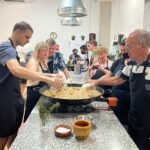
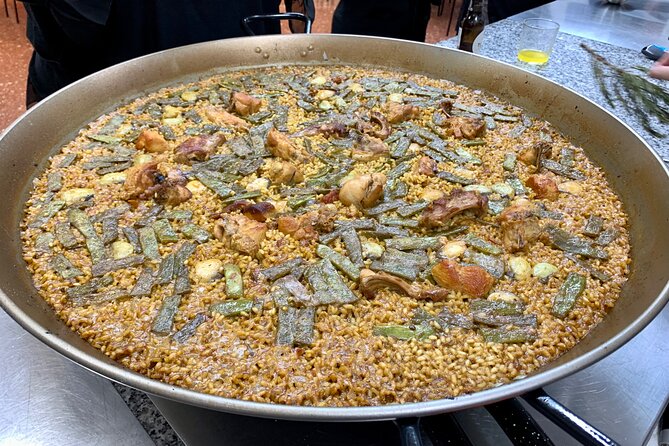
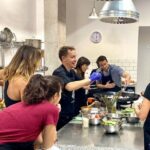
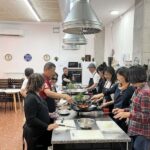
Now for the centerpiece: authentic Valencian paella. The chef walks you through the steps for paella valenciana using chicken and rabbit. This is not a class where the instructors cook and you just take notes. You participate in tasks during prep, and the hosts guide you so the group can work together without losing the rhythm.
The best part is that you’re learning the logic behind the process, not only the final outcome. You’ll see how ingredients come together and how specific prep steps affect the finished pan. It also helps that you’re working in a group of limited size, so instructions stay clear.
A detail worth knowing from how people describe the experience: some tasks feel small but matter, like managing the salt. And some tasks can surprise you physically, especially anything involving tougher prep steps. If someone offers to grind saffron, don’t be shy about asking questions first, because that work can be harder than it sounds.
Hosts like Jose and Ana/Anna are repeatedly praised for keeping the energy up and explaining things clearly, which is exactly what you want when you’re learning a recipe that relies on timing. You’ll likely have plenty of chances to ask questions as you cook.
The Meal Finish: Salad, Wines, Sweet Wine, Dessert, and Coffee
Once your paella is done, you sit down to taste the results. The meal includes:
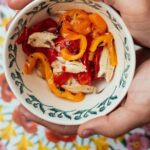
- Valencian tomato salad
- wine to pair with the paella
- seasonal fruit
- Valencian sponge cake (typical cake)
- sweet wine
- coffee
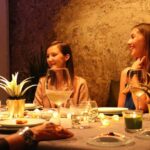
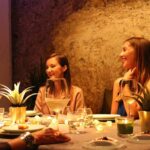
This matters for value. Many classes end right after cooking, and you leave hungry or paying extra to finish the meal. Here, the food stays part of the lesson. You’re eating the dishes in the same sequence you just learned, so the flavors connect in your mind: the salad gives contrast, the wines tie the meal together, and the dessert closes it out with something very Valencian.
I also like that they include coffee and sweet wine at the end. It makes the whole outing feel like a real lunch experience, not a timed activity you rush through.

Price and Time: What You’re Actually Paying For
At $78.60 per person for about 3 hours 30 minutes, this class prices like more than a cooking lesson. You’re not just buying access to a stove. You’re paying for:
- market shopping with a culinary explanation
- tapas and a sangria workshop before cooking
- the ingredients and guidance needed for a real Valencian paella
- the full meal afterwards, including wines, mistela, dessert, and coffee
Small group size (max 20) adds another layer of value. When a class is large, instructors can’t properly correct small mistakes or keep everyone involved. With a smaller group, you get more direct attention and more participation.
And there’s another kind of value you won’t see on the menu: you leave with skills you can use at home. Even if your first attempt isn’t perfect, you’ll know what changes the flavor and what parts of the process need respect.
If you’re doing Valencia on a budget, you’ll want to compare this to the cost of buying paella ingredients, drinks, and a proper lunch separately. In most cases, this experience wins because it bundles everything into one guided block.
Who This Paella Day Is Best For
This works especially well if you want Valencia through food, not just around food. If you like markets, you’ll enjoy Ruzafa because you’re buying ingredients while learning what makes paella ingredients important.
It also suits you if you enjoy social experiences where you talk with people while eating and cooking. The group format, the tapas start, and the sangria workshop naturally create conversation.
You might want to skip or rethink it if:
- you prefer a low-alcohol outing
- you don’t want any cooking participation (the format is hands-on)
- you’re short on time and can’t commit to a 3.5-hour block starting at 11:00 am
And if you’re traveling with kids, know that children must be accompanied by an adult. The experience is family-friendly by policy, but it’s still centered on alcohol service and a longer active schedule.
Should You Book This Valencian Paella Cooking Class?
Book it if you want the full Valencia food package in one run: Ruzafa market → sangria workshop and tapas → hands-on paella → a real lunch with wine and dessert. This is the type of activity that gives you more than a meal. You leave with a usable skill and a stronger sense of why paella matters here.
Don’t book it if you’re looking for a short, quiet, strictly non-alcoholic lesson, or if you want to watch from the sidelines. The best results come when you’re ready to participate, eat, and ask questions.
My best practical advice: come hungry, show up on time for the market portion, and be open about trying the cooking tasks the chefs assign. If you do that, you’ll walk away with a paella story you can actually recreate.
FAQ
What paella do you learn to make?
You learn to prepare authentic Valencian paella made with chicken and rabbit.
What’s included in the experience besides cooking?
It includes tapas, a sangria-making workshop, wine, sangria, mistela, beer, water, Valencian tomato salad, seasonal fruit, Valencian sponge cake, sweet wine, and coffee.
Where does the tour start?
The meeting point is Parroquia de San Valero (Carrer del Pare Perera, 6, L’Eixample, 46006 València, Spain).
How long is the class?
The duration is about 3 hours 30 minutes.
Is the class hands-on?
Yes. The cooking portion is hands-on, with the chef guiding you step by step while you participate.
What group size should I expect?
The class has a maximum of 20 travelers.
Is it offered in English?
Yes, the experience is offered in English, and it may be operated by a multi-lingual guide.