REVIEW · VALENCIA
Any Day is Sunday: Paella Cooking Class with Tapas and Sangria
Book on Viator →Operated by eatwith · Bookable on Viator
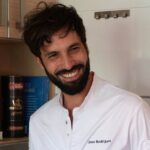
Sunday lunch, but in a kitchen class. I love the small-group feel with Chef José, and the focus on Paella Valenciana techniques you can actually repeat. The only drawback: it is not built for a big, loud group vibe, since you’re in a home-style setting.
This experience is designed around the Valencia Sunday idea: good food, conversation, and a relaxed pace while everything cooks. You’ll start with drinks and tapas, then move into paella with traditional ingredients, while José shares the story behind rice in Valencia. You finish with an orxata mousse and a farton, the sweet partner to horchata in the city.
One more thing to plan for: alcohol is part of the experience, and the menu includes choices plus options (seafood or vegetarian paella). If you have allergies or a special diet, you’ll want to say so ahead of time so the host can steer you right.
In This Review
- Key things to know before you go
- A Sunday-Style Paella Class in Valencia: 11:00 Start, Small-Kitchen Pace
- Your Full Menu: Sangria, Tapas Choices, Paella Options, and Orxata Mousse
- Sangria and tapas to start
- Paella main course: Valenciana, seafood, or vegetarian
- Dessert: orxata mousse with farton
- Hands-On Paella Valenciana: The Steps and Techniques That Matter
- The paella method is the real product
- You can participate, even if you’re not a confident cook
- Expect a teaching moment about Valencia and rice
- José’s Storytelling, Rice History, and Take-Home Recipes
- Getting There and What the Small Group Means for You
- Should You Book It? Who Wins, Who Should Rethink
- FAQ
- What is the duration of Any Day is Sunday in Valencia?
- Where does the class start and end?
- Is the class offered in English?
- What food and drinks are included?
- Can I request a vegetarian or different paella style?
- What should I do if I have dietary restrictions or allergies?
- What is the cancellation window?
Key things to know before you go
- Max 4 people means real attention: you can ask questions and get feedback without feeling like a number.
- José teaches the why, not just the how: rice history in Valencia plus clear steps for paella.
- Sangria and tapas start the meal properly: you’re not just watching ingredients get prepped.
- You can choose your paella lane: traditional paella Valenciana, or seafood paella, or a vegetarian version.
- You leave with recipes and local tips: useful beyond the pan, not just a one-time meal.
A Sunday-Style Paella Class in Valencia: 11:00 Start, Small-Kitchen Pace
This is a 3-hour class in Valencia that feels more like a friend inviting you over than a factory-style cooking course. You meet at Carrer de Guillem de Castro, and the class ends back at the same spot. The start time is 11:00 am, which is perfect if you like a full morning that still leaves you free for the afternoon.
The best part is the pace. With a maximum of 4 travelers, you’re not stuck waiting while someone else does the next step. It also makes the whole thing friendlier. You’ll talk with José while the food moves from station to station, and you can jump in where you want.
Language is another practical win. The experience is offered in English, and several comments highlight that José explains clearly while staying relaxed and funny. If you’ve ever felt lost in a cooking class because the host talks too fast, this setup is aimed at keeping you in the loop.
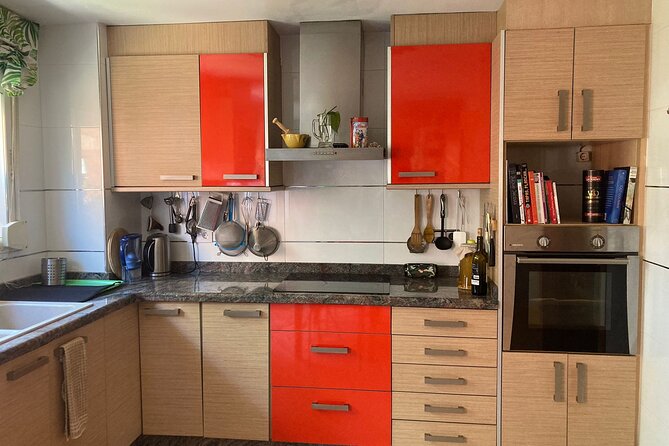
One small consideration: this happens in a home setting. That usually means comfortable, casual surroundings, but it also means you should show up ready to work close to other people and equipment. If you’re expecting a big commercial kitchen experience with lots of space, temper that expectation.
You can also read our reviews of more cooking classes in Valencia
Your Full Menu: Sangria, Tapas Choices, Paella Options, and Orxata Mousse
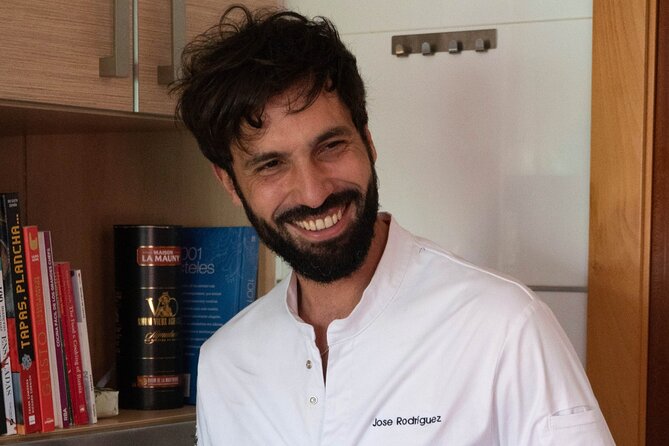
The meal is built in layers, like a proper Valencia Sunday. You don’t just get paella and call it done. You get a full arc: drink, bites, main event, then a dessert that makes sense for the region.
Sangria and tapas to start
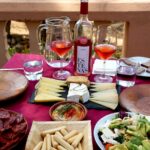
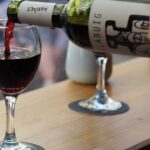
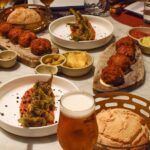
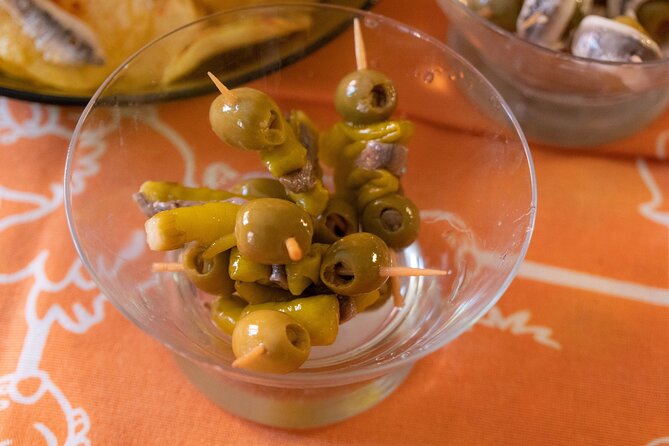
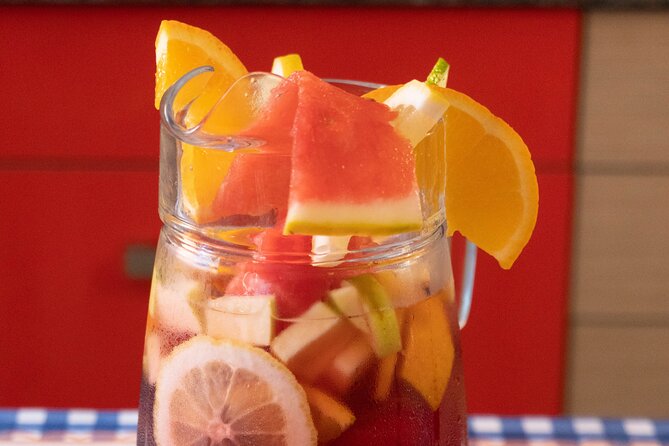
You’ll begin with sangría, a mix typically made with wine and seasonal fruit—plus oranges and lemons. Then you get to choose two tapas, with a menu that can include:
- Octopus with potato and sweet paprika
- Crispy toasts with Iberian ham and grated tomato
- Corn toast with smoked sardine, cream cheese, and aromatic herbs
The tapas matter because they set the flavor profile of the meal. You taste multiple textures—crispy, creamy, briny—before the rice even starts cooking. That helps you understand what’s balanced well with paella Valenciana.
Also, some versions of the class include extra small-course moments beyond the core outline. For example, a few accounts mention vermouth at the start and additional starter courses such as gazpacho. You’ll still get the main structure: sangria, tapas, paella, dessert.
Paella main course: Valenciana, seafood, or vegetarian
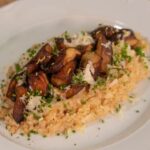
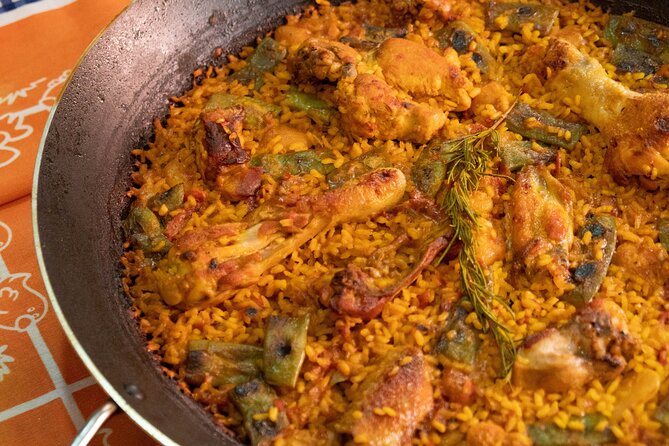
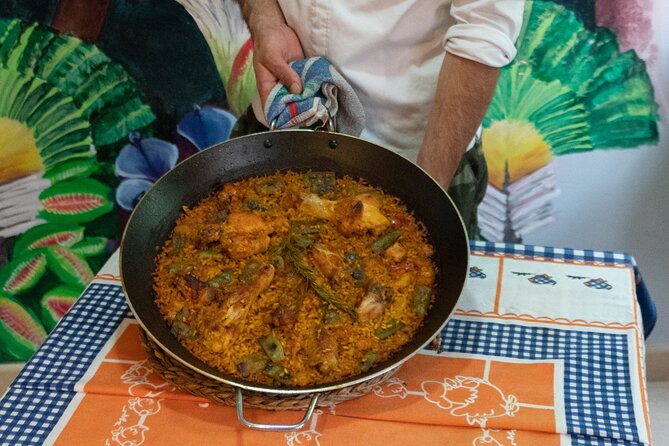
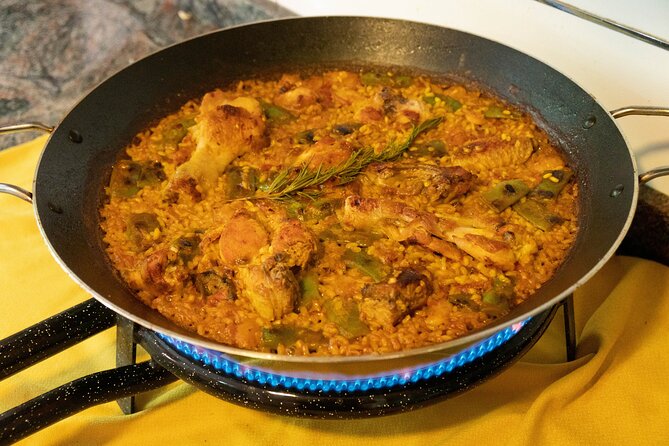
The headline is paella Valenciana. That’s the classic you want if you’re serious about learning what makes Valencian paella different from paella you might see elsewhere.
You’ll cook and then eat the paella in your session. And you’ll also have options:
- Paella Valenciana (the classic)
- Seafood paella
- Vegetarian paella
This is a big value point. You aren’t just learning the idea of paella; you’re learning the specific direction José wants you to understand, then choosing a version that fits your taste.
Some descriptions also mention variations like rabbit and chicken in certain paellas. So if you care about how ingredient choices change flavor, ask José what’s being used that day and why.
Dessert: orxata mousse with farton
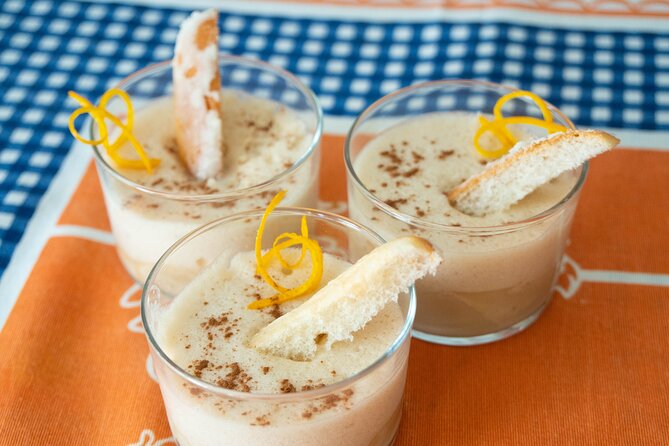
You end with orxata mousse, paired with a farton. Orxata (horchata made from a tuber) is a Valencia staple, and the mousse version turns it into something lighter than the usual drink. The farton matters too: it’s the sweet, brioche-like pastry that you dip and snack with in Valencia.
It’s a dessert that doesn’t fight the rest of the meal. After sangria and paella, you want something cooling and not too heavy. This nails that.
A few more Valencia tours and experiences worth a look
Hands-On Paella Valenciana: The Steps and Techniques That Matter
If you’re picking this class for learning, here’s what you should look for and what this experience is set up to teach.
The paella method is the real product
The biggest reason people rate this so highly is that José focuses on the actual steps: what you do first, what you add next, and how you tell when the rice is heading where it should. You’ll prep and cook, not just stand by.
You’ll get guidance on:
- how to build flavor before the rice
- how to manage the cooking stages
- how to think about ingredients as part of the dish, not separate from it
In other words, you learn the logic. That’s what lets you cook paella later instead of just recreating a one-off meal.
You can participate, even if you’re not a confident cook
You’ll usually be given a choice to cook or watch. If you want hands-on, you can do it, and several accounts mention that by the end, everyone had a hand in the kitchen. If you’re visiting as a couple, this is also good because you can both participate without the experience turning into a demo.
The upside: you’ll come away with muscle memory. The practical upside for home cooking is that you’ll understand the sequence, not only the ingredients list.
Expect a teaching moment about Valencia and rice
During the paella cooking time, José shares history and context about rice in Valencia. Even if you don’t care about food trivia, it helps you remember the basics. You learn what rice means locally, and why the dish is treated like something worth doing carefully.
When the host frames the why behind the steps, the instructions stick. You don’t have to guess what you did wrong next time, because you’ll know what you were aiming for.
José’s Storytelling, Rice History, and Take-Home Recipes
Food-only classes are fine. But this one works because it connects food to place.
José brings in local context while the meal is moving—talking about the ingredients, the region, and how Sunday gatherings shape the way people cook and eat in Valencia. You’ll feel that during conversations at the table and while you’re working at the cooking stations.
What seals the deal is that you leave with take-home materials. You get recipes to use later, plus local tips and recommendations. That’s what turns the experience into something you can use when you’re back home, planning another dinner party or trying paella again with confidence.
A practical tip for you: if you have one or two questions you want answered before you leave—like how to manage timing, or how to pick an ingredient—you’re in the right kind of class for that. With a max group size of 4, you can get personal answers rather than hoping your question floats up at the right moment.
Getting There and What the Small Group Means for You
This runs in Valencia, meeting at Carrer de Guillem de Castro near public transportation. That’s helpful because you’re not locking yourself into complicated routing or a taxi plan just to start the class.
You also get a mobile ticket, which is one less thing to worry about once you’re in the city. The start is 11:00 am, and the class ends back at the meeting point, so you don’t need to plan a second ride.
Now the small-group impact—this is not a marketing line. It changes how the class feels.
- You get more chances to ask questions in English without getting brushed aside.
- You can participate at your own pace rather than being pushed into the fastest rhythm.
- You’re more likely to get individualized technique tips, especially if you’re cooking for the first time.
There’s a potential drawback: because it’s small and home-based, it may not suit you if you want a big tour atmosphere or you’re hoping to meet lots of new people quickly. This is more about learning and eating together with José than about running around Valencia with a large crowd.
Should You Book It? Who Wins, Who Should Rethink
Book it if you want a Valencia experience that’s:
- hands-on (you’ll cook and not just watch)
- focused on Valencian paella, not generic paella
- heavy on eating: sangria, tapas, paella, and dessert in one sitting
- led by a host who brings context and technique in the same breath (José’s style is warm and detailed)
Rethink it if:
- you want a party-like class with lots of people and lots of constant movement
- you’re not comfortable around alcohol, since sangria and alcoholic beverages are part of the experience
- you have serious allergies or a complex diet and you can’t communicate your needs ahead of time
In terms of value, you’re not paying for one dish. You’re paying for a full meal structure, ingredient guidance, and recipes you can take home. For many people, that’s the difference between a nice afternoon and a trip memory that turns into dinner at home.
FAQ
What is the duration of Any Day is Sunday in Valencia?
It lasts about 3 hours.
Where does the class start and end?
You meet at Carrer de Guillem de Castro in Valencia, and the experience ends back at the meeting point.
Is the class offered in English?
Yes. The experience is offered in English.
What food and drinks are included?
You’ll have sangria, two tapas (chosen from the available options), paella (Valenciana, seafood, or vegetarian), and orxata mousse with a farton. Alcoholic beverages are included as well.
Can I request a vegetarian or different paella style?
Yes. You can choose between paella Valenciana, seafood paella, or vegetarian paella.
What should I do if I have dietary restrictions or allergies?
You need to communicate your restrictions (allergies, special diet, and similar needs) so the host can plan accordingly.
What is the cancellation window?
You can cancel up to 24 hours in advance for a full refund. If you cancel less than 24 hours before the start time, you won’t receive a refund.