REVIEW · BUSAN
Busan: Food Market Tour. Smash Seafoods and Street foods
Book on GetYourGuide →Operated by Korean Hug You · Bookable on GetYourGuide
Seafood gets personal in Jagalchi. This 3-hour Busan market tour mixes a seafood smash with street food bites and Korean drinking culture in a small group capped at 10.
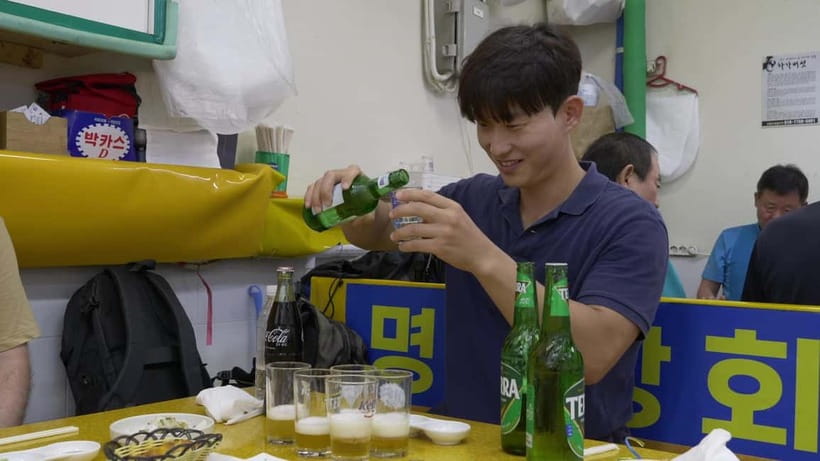
I especially like the clear start at Jagalchi Station and the fact that you’re actually fed: a seafood combo plus items like chicken gangjeong and gimbap, with soju/beer/makkeoli included if you drink. Guides like HugYou, HoGyu, DuYeol, and Doyours show up in different runs, and they tend to explain what you’re eating as you go.
The only real watch-out is that the seafood tastings can include raw fish, so if that’s not your thing, tell the guide early and be ready for bolder flavors than you might expect.
In This Review
- Key highlights to know before you go
- Jagalchi Meeting Point: Easy Start, Tight 3-Hour Timing
- Seafood Smash at Busan’s Biggest Seafood Market
- Street Food Loop: Chicken Gangjeong, Gimbap, and the Snack-to-Sip Rhythm
- Korea’s Drinking Culture Lesson: Soju, Beer, and Makkeoli Pairings
- Learning to Shop and Talk: Korean Phrases and Market Practice
- Itinerary Walkthrough: What Each Part Feels Like
- Who This Tour Fits Best (and Who Should Rethink It)
- Price and Value: Is $50 Worth It for 3 Hours in Busan?
- Should You Book the Busan Food Market Tour?
- FAQ
- FAQ
- How long is the Busan food market tour?
- Where do I meet the guide?
- What’s included in the food?
- Are drinks included?
- Is there an English-speaking guide?
- How big is the group?
- Is the tour wheelchair accessible?
- Are there specific starting times?
- What if I can’t make it on the scheduled day?
- Will I be eating raw fish?
Key highlights to know before you go
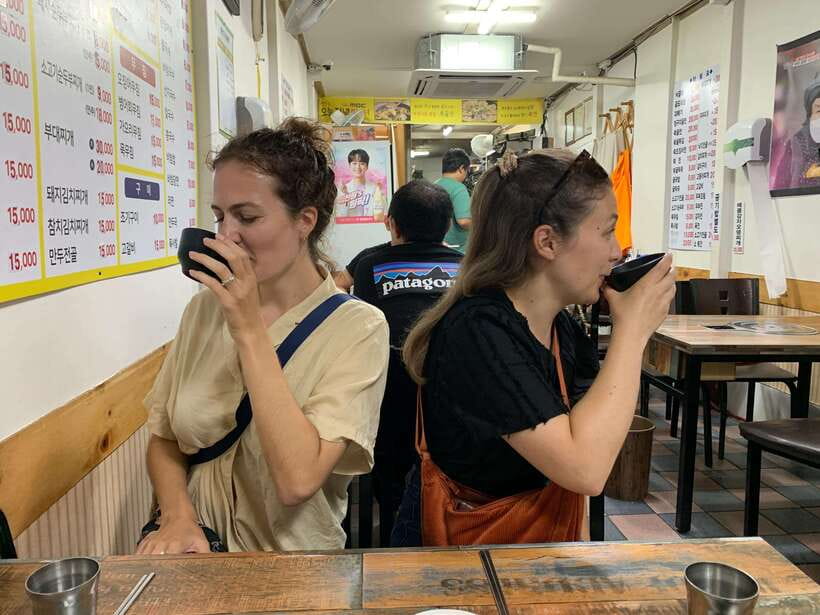
- Jagalchi Station meeting point (Exit 10 outside) makes it easy to find, even on a first night in Busan.
- Seafood smash at the biggest seafood market turns shopping into a hands-on meal.
- Included street-food dinner goes beyond one snack stop; you’ll hit multiple bites plus a seafood combo.
- Korean drinking culture explained alongside the food, with soju/beer/makkeoli included.
- Small group size (max 10) helps you move at a human pace and ask questions while you eat.
Jagalchi Meeting Point: Easy Start, Tight 3-Hour Timing
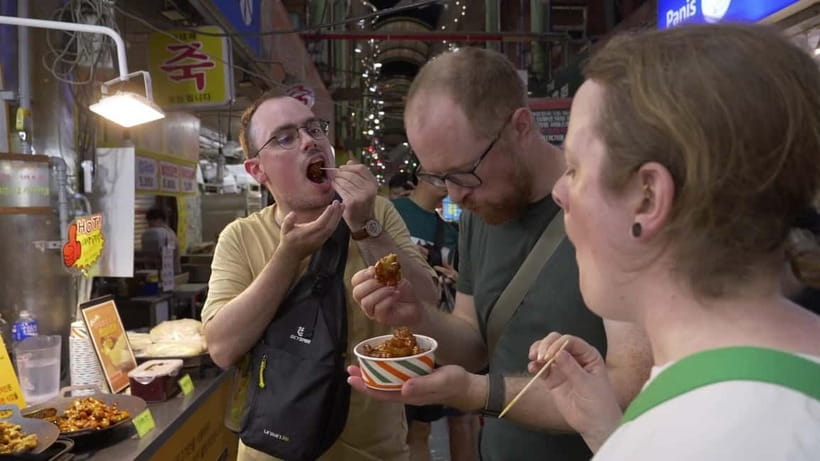
This tour is built for evenings when you want results fast. You meet at Jagalchi Station, Exit 10 (outside), then walk through Busan’s market areas on a route designed for tasting, not sightseeing lectures.
The whole experience runs about 3 hours, which is a sweet spot. Long enough to try a meaningful mix of foods and drinks, but short enough that it doesn’t swallow your whole night or require a big schedule reset.
The group is capped at 10 people, and that matters more than it sounds. In a market, you don’t want a line of people blocking shop counters or slowing down your guide’s ability to answer questions about what you’re ordering. A smaller group also makes it easier to speak up if you want less alcohol, fewer seafood-heavy bites, or specific preferences.
You can also read our reviews of more food & drink experiences in Busan
Seafood Smash at Busan’s Biggest Seafood Market
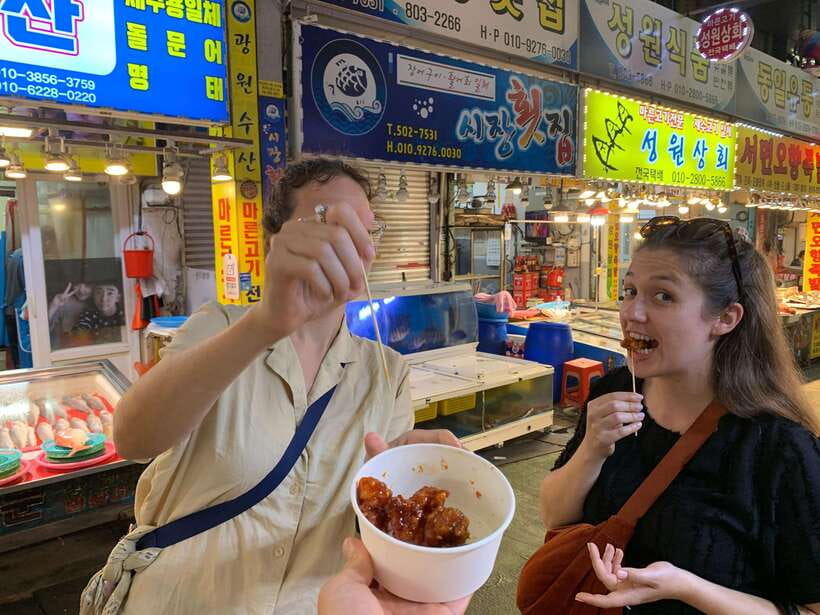
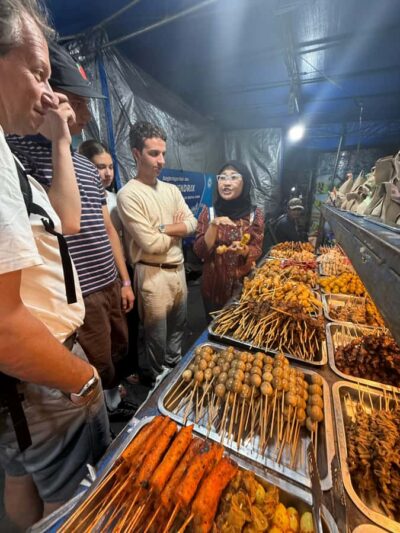
The headline moment is the seafood smash at Busan’s major seafood market. Think of it as food tasting plus a story lesson—how seafood is presented, what different types are used for, and how the meal connects to Korea’s drinking culture.
Here’s the key reality: you’re not doing a “light sampling.” The tour includes multiple items, and the seafood part can be intense in the best way. One thing to plan for is that the tastings may include raw fish. If you’re squeamish, you’ll still learn a lot, but you’ll want to communicate your comfort level right at the start.
What you gain from this section isn’t just taste. It’s context. You’ll understand why people eat this way, what to pair with soju or beer, and how traditional market food culture shapes the whole evening. Markets move fast and flavors hit strong; having a guide translates the chaos into something you can actually enjoy.
Practical tip: wear shoes you can stand in for a while. Even with a guided route, market floors and tight aisles can get uneven.
Street Food Loop: Chicken Gangjeong, Gimbap, and the Snack-to-Sip Rhythm
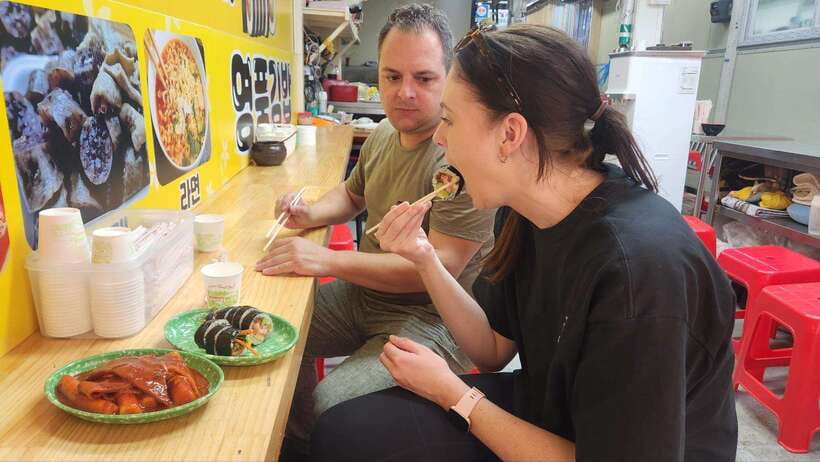
After the seafood focus, the tour shifts into what Busan does best: street food that feels like dinner and snacks rolled together. You’ll sample a mix that includes at least three or more types of foods, and the included list can cover items like chicken gangjeong and gimbap along with other market favorites.
Why this part is worth your time: Korean street food isn’t just convenience food. It’s built for sharing, dipping, and pacing your appetite. In other words, it’s designed for an evening where you keep ordering, keep tasting, and let the flavors stack instead of trying to pick one “main course.”
This also helps if you’re not sure what to order on your own. The guide steers you toward what makes sense as you move from one stall to the next. And if you’re the type who likes to ask why something works, you’ll get that kind of explanation during tastings and walks.
One more note: you may find choices that work even if you don’t want alcohol. The tour includes soju/beer/makkeoli, but at least one run mentioned non-alcoholic options being available, so you don’t have to base the whole meal around drinking.
Korea’s Drinking Culture Lesson: Soju, Beer, and Makkeoli Pairings
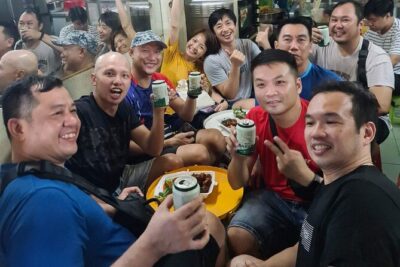
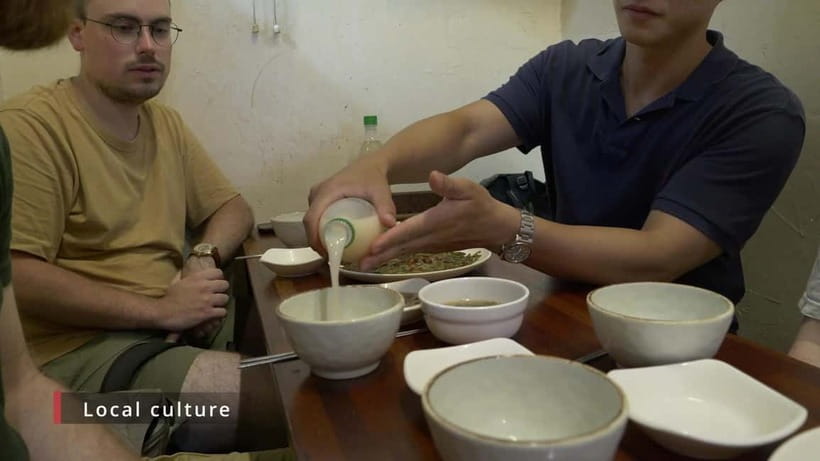
This tour doesn’t treat alcohol as an afterthought. The seafood smash comes with learning about Korea’s drinking culture, and the included options reflect the usual lineup: soju, beer, or makkeoli.
The practical payoff is pairing. Instead of just being handed a drink, you get a sense of how people match beverages to what’s on the table—especially in seafood-heavy settings where flavors can feel sharper. That turns drinking into part of the food logic, not just the fun accessory.
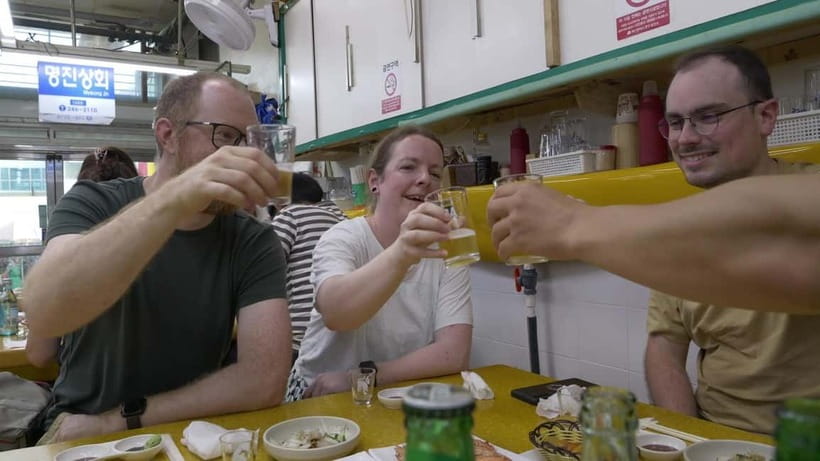
You also get a social framing. Markets are where people eat first and talk second, and drinking often sits right in the middle of that rhythm. Having a guide who explains the why makes it easier to join in without feeling lost or awkward.
If you don’t drink, don’t stress. You’ll still be there for the food market walk and tastings, and you can keep your pace. Just tell the guide what you prefer so they can keep the route comfortable.
Learning to Shop and Talk: Korean Phrases and Market Practice
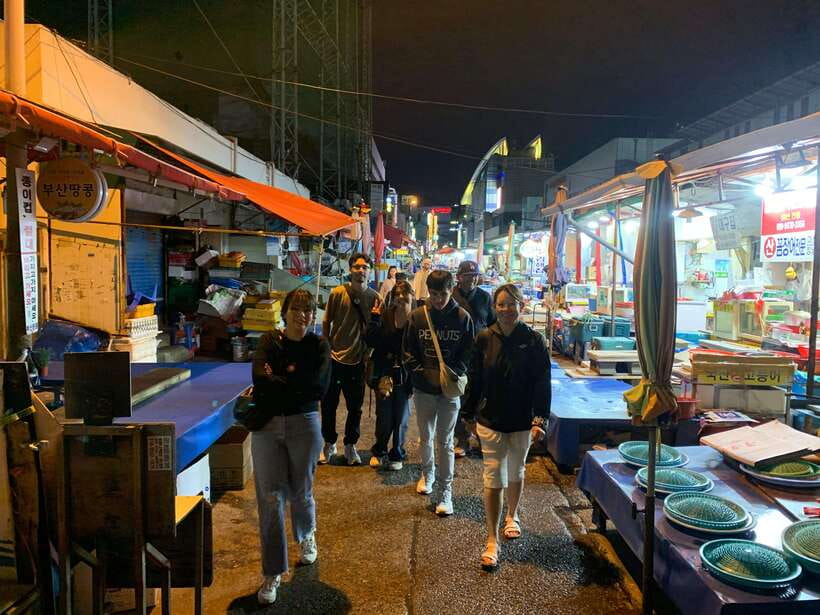
One of the most useful parts of this tour is that you’re not only eating. You also get practical practice with market interactions. The experience includes interactive shopping, including using simple Korean phrases while talking with vendors and even trying your hand at the normal back-and-forth people use in markets.
This is where a tour starts to pay off beyond the food. You’re learning how the exchange works, not just watching someone order. If you’ve ever felt like you need a translator just to buy something small in Korea, this kind of guided practice is exactly the bridge you want.
You’ll also learn what ingredients look like up close—an ingredient exploration angle that helps you understand why certain flavors happen. Even if you don’t buy much beyond tastings, this gives you better pattern recognition when you visit other markets later.
And yes, you’ll likely want to take photos. A few guides in the runs were helpful with photos, so you can expect some attention to making the experience look good while you still focus on the food.
Itinerary Walkthrough: What Each Part Feels Like
Here’s how the 3-hour flow typically plays in your body and mind.
Stop: Jagalchi Station start
You begin right where the market energy is easiest to access. Getting started at the station also keeps logistics simple on a busy evening.
Market time: seafood + street food dinner
You’ll move between the seafood market area and another food market zone, eating as you go. The route is designed around tastings, so your focus stays on trying multiple items rather than hunting down places yourself.
Finish: back at Jagalchi Station
Ending at the meeting point means you won’t get stranded across town. It’s a nice way to keep the rest of your night flexible—no awkward “how do we get back” problem.
Potential drawback: with only 3 hours, you won’t see every corner of Jagalchi. If you like to linger and browse, treat this as a guided tasting experience first, and then do solo wandering later with what you learned.
Who This Tour Fits Best (and Who Should Rethink It)
This tour is a great match if you:
- Want a first-night plan that produces real food progress, not just snacks
- Like seafood and want to understand the market logic around it
- Enjoy guided tasting that includes cultural context, especially drinking pairings
- Prefer a small group where you can ask questions and still move comfortably
You might rethink it if:
- You strongly dislike seafood in general, or specifically raw fish textures
- You’re looking for a long, slow stroll with lots of optional stops
- You want a strictly vegetarian or seafood-free menu (the provided info focuses on seafood and seafood combos)
The good news: because this is a guide-led experience with interactive shopping and tastings, you can usually steer the pace a bit. Just be upfront about your limits early.
Price and Value: Is $50 Worth It for 3 Hours in Busan?
At $50 per person, the value depends on what you’re trying to get.
For your money, you’re getting:
- A guided walk through major market areas for about 3 hours
- Three or more types of foods (including seafood combo plus items like chicken gangjeong and gimbap)
- Soju/beer/makkeoli included (with non-alcoholic options possibly available)
- Enough structure that you’re not guessing what to eat or where to stand
Here’s the simple math logic: if you planned this yourself, you’d still pay for multiple tastings and drinks, plus you’d spend time figuring out what’s good and how to order. Paying for a guide means you spend that time eating and learning instead of searching.
The small group size also supports the price. In markets, individual attention matters. A max-10 group is more likely to get real conversation time than big tour groups.
So yes, for a 3-hour seafood + street food + drink pairing format in Busan, this is the kind of deal that usually feels fair—especially if it’s your first time in the market world.
Should You Book the Busan Food Market Tour?
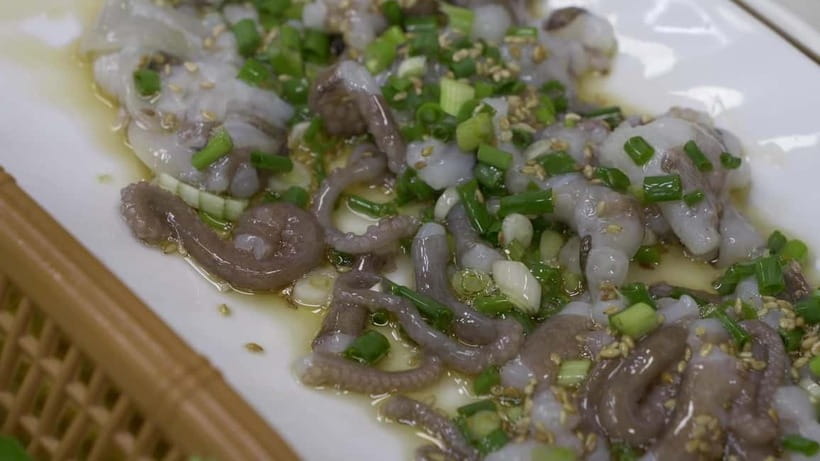
Book it if you want an easy, high-impact night: Jagalchi Station start, a true seafood smash moment, street food you can’t easily replicate on your own, and cultural context for how people eat and drink there.
Skip it if raw seafood is a hard no for you, or if you’d rather spend your time wandering without any guided direction. The tour’s whole purpose is tastings, and the seafood side can be bold.
If you’re on the fence, here’s my decision rule: if you can handle trying one unfamiliar seafood dish (or you’re willing to tell the guide to adjust), this tour is one of the better ways to get oriented in Busan’s food culture fast.
FAQ
FAQ
How long is the Busan food market tour?
It runs about 3 hours.
Where do I meet the guide?
Meet at Jagalchi Station, Exit 10 (outside).
What’s included in the food?
You’ll get three or more types of foods, such as a seafood combo, chicken gangjeong, gimbap, and other local snacks.
Are drinks included?
Yes. The tour includes soju/beer/makkeoli.
Is there an English-speaking guide?
Yes. The live tour guide is available in English and Korean.
How big is the group?
It’s a small group limited to 10 participants.
Is the tour wheelchair accessible?
Yes, it is listed as wheelchair accessible.
Are there specific starting times?
Starting times can vary, so you’ll need to check availability for the day you want.
What if I can’t make it on the scheduled day?
If you’re unable to make it, contact the provider directly.
Will I be eating raw fish?
Because the experience is a seafood smash at a seafood market, you should be prepared for seafood tastings that may include raw fish.