REVIEW · BUSAN
Busan Seafood Tour : Jagalchi market Seafood Tour & Dinner
Book on Viator →Operated by Dorawayo experience activity · Bookable on Viator
Seafood markets feel less scary after this. I like that this tour mixes Jagalchi Market shopping with a live cooking session at the host’s home, so you see ingredients before they hit the pan. Two big wins for me are the chance to touch and deal with seafood right in the market, and the hands-on instruction for making authentic Korean clam soup.
One thing to plan for: the tour includes snacks, but the main dinner seafood is purchased by you, so your final meal cost depends on what you choose. Also, it runs best in decent weather since it involves market walking.
In This Review
- Key Highlights You’ll Notice Fast
- Finding The Right Start Point In Nampo-dong (And Why It Matters)
- Nampo-dong Dried Fish Wholesale Market: Your First Taste Of How Busan Buys
- Jagalchi Market: Choosing Dinner Like You Actually Mean It
- The View and the Walking Pace
- A Real Benefit: You Don’t Have To Guess
- Market-to-Water Stroll: Short Seaside Time for Context
- At The Host’s Home: The Clam Soup Lesson You Can Actually Use
- Alcohol and Culture Notes
- What You’ll Eat: Included Snacks Versus The Seafood You Buy
- Included in Your Tour
- Not Included: Your Dinner Seafood Selection
- How To Get The Best Meal Without Overthinking It
- Go With Your Guide’s Suggestions
- Try One Adventure Item
- Remember Korean Sashimi Logic
- Show Up Hungry
- Small Group Size: Why It Changes Everything
- Price and Value: How $15 Really Works in Busan
- Who Should Book This Seafood Market and Dinner
- Should You Book This Jagalchi Seafood Tour and Dinner?
- FAQ
- Where does the tour start?
- How long is the Busan Seafood Tour: Jagalchi market Seafood Tour & Dinner?
- How many people are in the group?
- What’s included in the $15 price?
- Do I need to pay for the dinner seafood separately?
- Is alcohol included?
- What seafood dishes might I try?
- Is there any cooking involved?
- What if the weather is poor?
- Is the booking refundable if I cancel?
Key Highlights You’ll Notice Fast
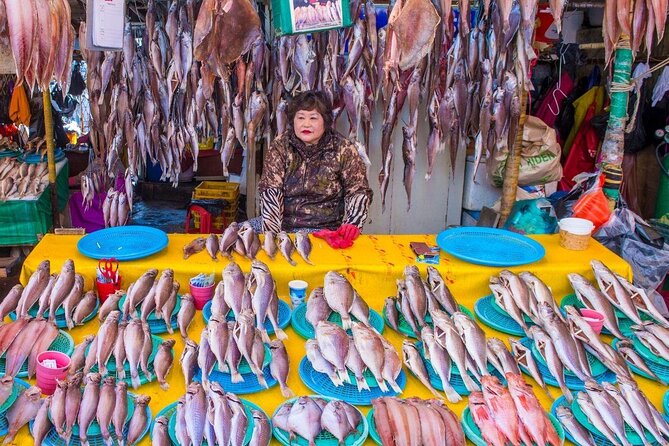
- Hands-on seafood picking: you’ll see, touch, and negotiate selection like locals do
- Market-to-home format: buy items first, then cook right after (less guessing, more confidence)
- Clam soup lesson: you’ll learn how to make clam soup with an Asian-style sauce
- What you might eat: steamed scallops, stir-fried shrimp, grilled fish, raw seafood options like small octopus
- Small group size: described as up to 10 people, with an overall cap shown as 15
Finding The Right Start Point In Nampo-dong (And Why It Matters)
This tour starts at 113-6 Nampo-dong 6(yuk)-ga, Jung-gu, Busan, South Korea, and it ends back at the same place. That matters more than you’d think in Busan, because the seafood zone is best handled on foot, and having the return point keeps your evening from turning into transit math.
The meeting spot is listed as near public transportation, which is handy if you’re coming from Busan Station, Nampo area, or farther along the coast. Your total time is about 4 hours 30 minutes, so you’re not committing a full day just to eat. You’re also not stuck rushing—there’s enough time for market walking, photos, and then sitting down to a proper meal.
Also, this is a market-led experience. That means your stomach timing matters. If you show up hungry (more on that later), the whole flow feels natural instead of rushed.
You can also read our reviews of more shopping tours in Busan
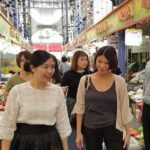
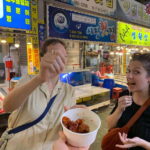
Nampo-dong Dried Fish Wholesale Market: Your First Taste Of How Busan Buys
You kick things off at Nampo-dong Dried Fish Wholesale Market. Even if you’re mainly here for live seafood, this stop gives you a useful mental model: Busan seafood doesn’t start at the restaurant. It starts with how products are stored, handled, and sold in bulk.
This part of the evening is great for perspective. Dried products can look intimidating if you’ve never seen them in a wholesale setting, but that’s exactly why it’s valuable. You’ll get exposed to the broader supply chain and see how seafood culture connects to ingredients used later in soups, braises, and grilled dishes.
The tour also sets expectations early: you’re not just watching from a distance. The experience is designed so you can see, touch, and deal with local seafood as you go. That hands-on approach usually makes the biggest difference for first-timers, because markets can feel chaotic until someone gives you a map.
One practical note: wholesale areas can be visually intense—lots of stalls, scents, and close quarters. If you’re sensitive to strong smells, give yourself a second to get oriented before you start judging what you’re seeing.
Jagalchi Market: Choosing Dinner Like You Actually Mean It
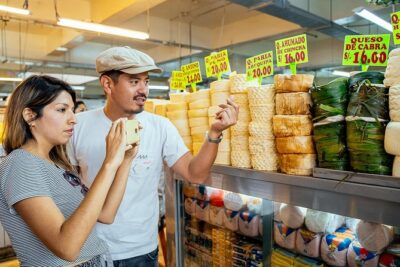
The heart of the tour is Jagalchi Market, one of Busan’s most famous seafood areas. What makes this stop special in this format is that it’s not only sightseeing. You’re expected to make choices for dinner—based on your preferences—and the tour is designed around that selection process.
The seafood you may run into is exactly the kind of list that makes non-Korean seafood lovers pause. The tour description specifically calls out items like long-leg octopus (small octopus), sea squirt, and sea cucumber. You may also encounter options like steamed scallops, stir-fried comb pen shell, raw small octopus, and raw fish sashimi.
That’s the cultural shift: in Korea, sashimi isn’t always about salmon or tuna the way it often is in the West. The tour info notes that rock fish or flounder sashimi is more popular in Korea, and it also mentions yellowtail sashimi in winter. So if you’re trying to taste something beyond the usual roll-your-eyes tourist order, this is the kind of direction the tour naturally encourages.
The View and the Walking Pace
You’ll also get time for pictures, and the market area offers harbour views. In some guides’ past runs, people also mention breezes and short breaks that make the walking feel more comfortable. Even if your weather isn’t perfect, you’ll have built-in time for movement—about 4.5 hours total means you’re not stuck waiting in one place.
A Real Benefit: You Don’t Have To Guess
The tour is structured so you’re not alone with a menu full of seafood names you can’t pronounce. The guide helps translate what you’re seeing into decisions. That’s huge if you feel intimidated by seafood markets on your own.
Tip for you: when the guide makes a suggestion, follow it—this kind of tour works best when you trust the selection process. You’ll still get a say, but you’ll benefit from someone steering you toward things that are fresh and suited to the cooking plan.
Market-to-Water Stroll: Short Seaside Time for Context
The experience description mentions you’ll see around the fish market and a seaside park. One past route also points to walking along Gwangalli Beach for photos before or around the market segment.
Why does this matter? Because seafood has a geography. Busan is coastal, and a quick walk near the water makes everything feel less random. You start the evening with a sense of place, then you move to the stalls where the sea becomes dinner.
This isn’t framed as a long beach detour, so don’t expect a full sightseeing day. But you will likely get enough seaside time to cool off, take a few photos, and reset your brain before you sit down to eat.
At The Host’s Home: The Clam Soup Lesson You Can Actually Use
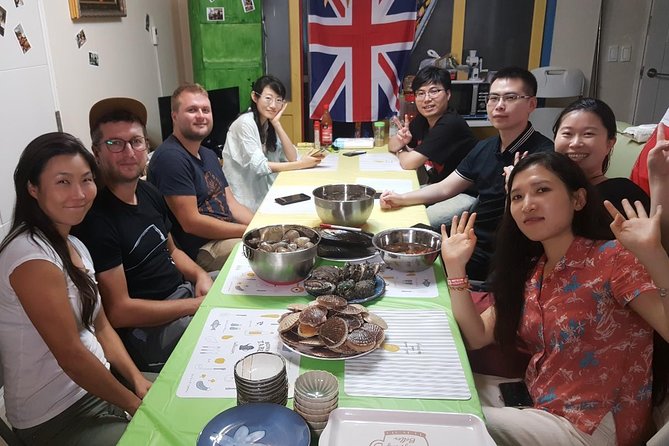
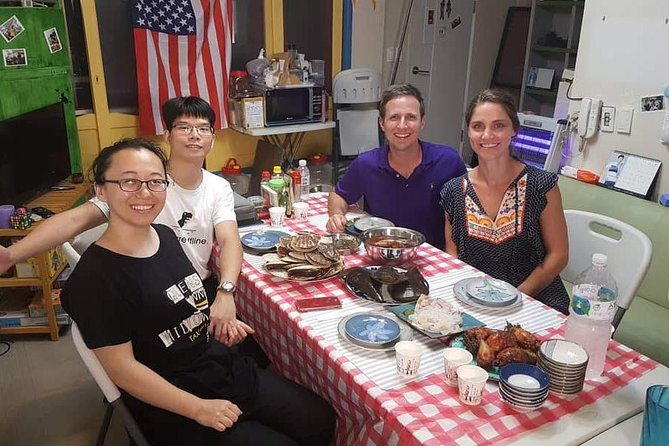
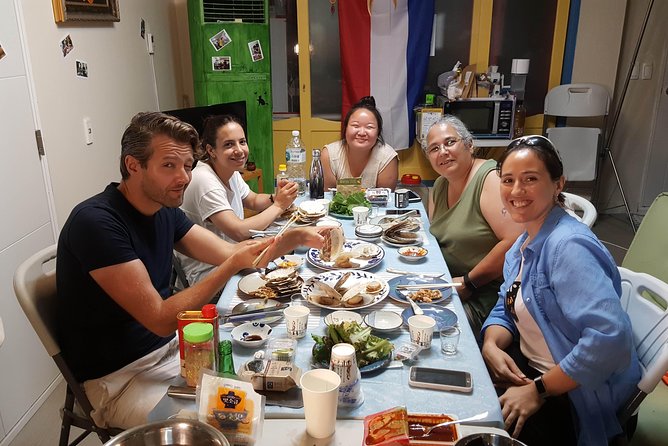
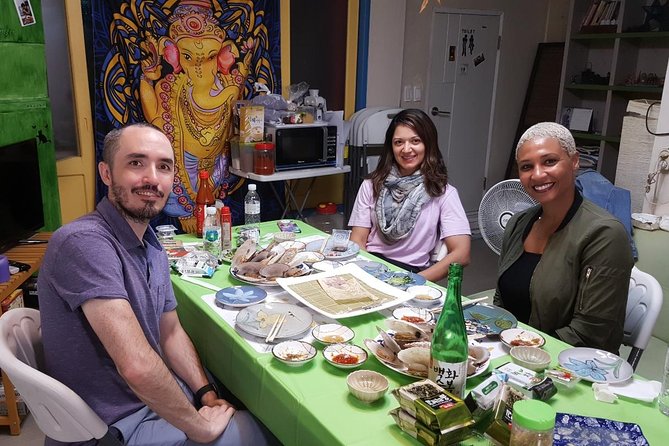
After the market, you go to the host’s home. The selling point here is simple: you watch the guide prepare the dish right in front of you, then you eat.
The most specific cooking focus is how to prepare authentic Korean clam soup. You’ll learn how to make it well with an Asian sauce. That’s a practical skill, not just a show. Once you’ve seen the flow—how ingredients are handled and how the soup comes together—you’ll be able to recreate a similar bowl later, even if you don’t have the exact same seafood options back home.
In multiple past experiences, the hosts are also positioned as chefs who care about freshness. For example, a guide named Suyang (also referenced as Suyang Chang) has prepared scallops purchased from Jagalchi and steamed them briefly so they stay fresh and not overcooked. The same host type also prepares shrimp with high-heat cooking and sauces guests will enjoy.
Another name that appears is Paul, described as teaching the preparation after buying fish. So the home portion isn’t a generic class. It’s built around the specific seafood you selected at the market and how that ingredient cooks best.
Alcohol and Culture Notes
The tour info includes learning about Korean food and drinking culture as part of the evening. Alcohol itself isn’t included, but the cultural talk gives you more context if you decide to order something locally at your own pace.
What You’ll Eat: Included Snacks Versus The Seafood You Buy
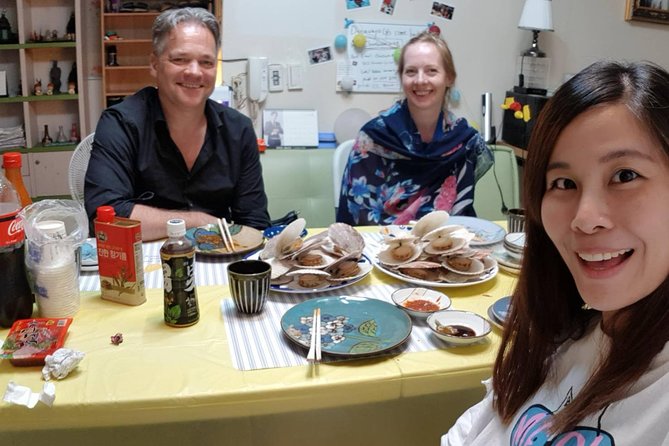
Here’s the honest value split. Your ticket price covers the guided market experience and the cooking setup, but the dinner seafood you choose comes from your pocket.
Included in Your Tour
The listed inclusions are:
- Bottled water
- Cooking service and space rental
- Snacks such as stir fried shrimp, clam soup, and grilled fish
So even without paying extra for additional items, you’re still getting a real seafood meal component. This is not just tasting spices for five minutes.
Not Included: Your Dinner Seafood Selection
The tour also clearly states that dinner seafood should be purchased by customers since people have different requests. Alcoholic beverages are also not included.
That means your best plan is to decide what kind of evening you want:
- If you want a “sample and learn” dinner, you’ll likely spend less.
- If you want to go all-in and order multiple seafood types—especially pricier sashimi or premium grilled items—expect a higher total.
This also makes the tour more flexible than fixed-menu dinners. You’re not stuck with a set portion that matches nobody’s taste.
How To Get The Best Meal Without Overthinking It
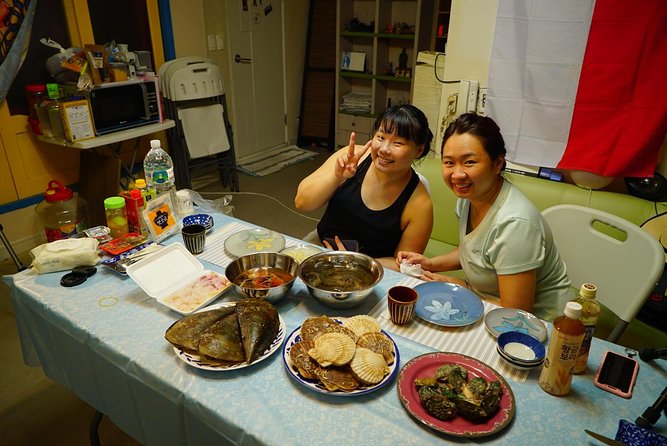
You don’t need to become a seafood expert before you go. The tour structure is there to lower the stress. Still, a few choices will help you get a meal that feels worth it.
Go With Your Guide’s Suggestions
The experience is built around selection and cooking right after. Guides often know what will work best for the meal flow and what’s freshest that day. One strong piece of advice reflected in how these hosts operate: just go with whatever they suggest, especially early in the process. It’s usually the fastest way to avoid getting stuck choosing between options you don’t understand.
Try One Adventure Item
The tour description explicitly calls out items like sea cucumber, sea squirt, and small octopus. If raw seafood seems like a hard pass, you can still be adventurous with something that’s cooked. But if you want to get the full cultural payoff, aim for at least one item you wouldn’t order at home.
Remember Korean Sashimi Logic
If your brain keeps trying to default to salmon or tuna, pause and reset. The tour info notes that rock fish and flounder sashimi are more common in Korea, and winter can feature yellowtail. If those sound good, tell the guide you want a more local sashimi direction. That’s one of the quickest ways to make the meal feel authentically Busan.
Show Up Hungry
A repeat theme from the experience style: people start eating around the mid-evening window and continue for hours. This tour is designed so you get more out of the market walk if you have appetite.
If you’ve already eaten a big lunch, you may miss the point of the guided tasting and cooking.
Small Group Size: Why It Changes Everything
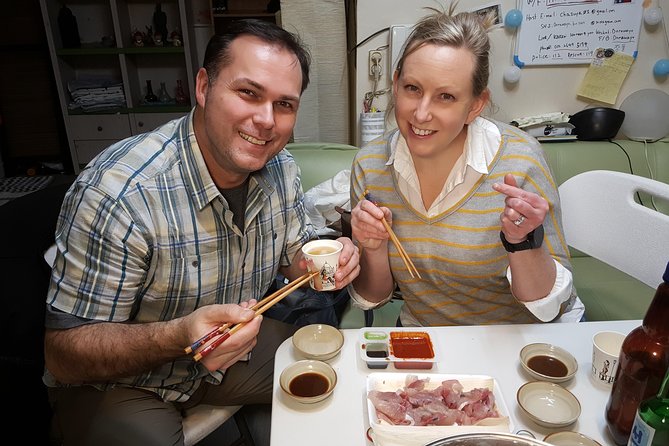
The tour is marketed as a maximum of 10 people, and another part of the info lists a cap up to 15. Either way, it’s not a huge crowd. Smaller groups mean you’ll get more time answering questions and more attention while you’re choosing seafood.
It also affects pacing. Market walking can be slow if the group is cautious; it can be exhausting if the guide is moving at breakneck speed. In this setup, the guide has room to adjust to you—how adventurous you are, how long you want at each stall, and how quickly you’re ready to switch from seafood scouting to cooking.
For you, that typically translates to a smoother dinner. You’re less likely to feel like you’re being rushed or lost in the back of the group.
Price and Value: How $15 Really Works in Busan
At $15 per person, this is priced more like a guided experience plus cooking lesson than a full seafood feast with unlimited seafood included. That sounds cheaper than it is, and that’s the truth: you still pay for dinner seafood you choose.
So where’s the value?
- You’re paying for expert guidance in two markets
- You’re paying for the cooking service and space
- You’re paying for included snacks like clam soup and stir-fried shrimp
- You’re paying for the home experience where you watch cooking happen live
Also, this kind of tour tends to be booked ahead. The average booking window listed is about 24 days in advance, which is a sign that the experience is popular for the people who want the market experience without the stress.
If you want a guaranteed affordable seafood dinner with everything included, this may not fit. But if you want a smart way to learn how Busan buys and cooks seafood, and you’re willing to budget separately for what you select, the price structure is genuinely fair.
Who Should Book This Seafood Market and Dinner
This tour is a strong fit if:
- You love seafood and want a local market experience
- You feel nervous ordering in a market without help
- You want to learn a specific cooking skill, especially clam soup
- You like small groups and clear explanations while you walk
It may be less ideal if:
- You don’t want to handle seafood items, even briefly
- You only eat a narrow range of seafood (like strictly cooked, no tentacles, no raw tasting)
- You want alcohol included in the price (it’s not included)
If you’re the kind of traveler who likes a story with dinner—where you see ingredients first—this matches your style.
Should You Book This Jagalchi Seafood Tour and Dinner?
I’d book it if your main goal is to understand Busan’s seafood culture in a hands-on way. The combination of market selection, a home cooking session focused on clam soup, and included snacks makes it a practical value choice for the price. It’s also a good way to tackle intimidating stalls without turning the evening into guesswork.
Just go in with two expectations:
1) your total dinner cost depends on what you choose to buy at the market, and
2) the experience is weather-dependent, so plan for the possibility of a date change or refund if conditions are poor.
If you want seafood, you want local direction, and you’re ready for at least one unusual ingredient (like small octopus or sea squirt), this is a very solid pick.
FAQ
Where does the tour start?
The tour starts at 113-6 Nampo-dong 6(yuk)-ga, Jung-gu, Busan, South Korea, and ends back at the same meeting point.
How long is the Busan Seafood Tour: Jagalchi market Seafood Tour & Dinner?
The duration is listed as approximately 4 hours 30 minutes.
How many people are in the group?
The highlights describe a maximum of 10 people, and another info field lists a maximum of 15 travelers.
What’s included in the $15 price?
Included items are bottled water, cooking service and space rental, and snacks such as stir fried shrimp, clam soup, and grilled fish.
Do I need to pay for the dinner seafood separately?
Yes. Dinner seafood should be purchased by customers because choices vary by request.
Is alcohol included?
No. Alcoholic beverages are not included.
What seafood dishes might I try?
The experience description mentions possibilities such as steamed scallops, stir fried comb pen shell, raw small octopus, clam soup, and raw fish sashimi. It also mentions yellowtail sashimi in winter.
Is there any cooking involved?
Yes. You’ll learn how to prepare authentic Korean clam soup and watch the host prepare the dish.
What if the weather is poor?
This experience requires good weather. If it’s canceled due to poor weather, you’ll be offered a different date or a full refund.
Is the booking refundable if I cancel?
No. The experience is non-refundable and cannot be changed for any reason.