REVIEW · SHANGHAI
Shanghai: 3-Hour Local Food Tasting Tour
Book on GetYourGuide →Operated by Shanghai Foodie · Bookable on GetYourGuide
You can eat your way through Shanghai fast. This 3-hour local food tasting tour blends dumpling soup, tea, and a restaurant walk through neighborhoods that feel both old and new. I love the Shanghai dumpling soup start in Xintiandi, and I also love that you’ll finish with real tea like Longjing green tea. One thing to consider: you’ll likely leave very full, so come hungry and plan to eat lighter the rest of the day.
The route matters here. You’re not just bouncing between restaurants; you’re walking past key city textures, including the shift from the French Concession vibe to shikumen-style buildings that mix Western and Chinese design. A plus for many people: English and Chinese guides, and the tour is set up with a separate entrance so you’re not stuck in typical lines.
My only drawback is practical: there’s no hotel pickup, so you’ll want to get to the meeting point smoothly. Also, oversize luggage isn’t allowed—light bags are the way to go.
In This Review
- Key Things to Know Before You Go
- Food Stops in Shanghai That Actually Teach You Something
- Getting There: South Huangpi Road to Xintiandi
- Xintiandi: The Dumpling Soup Start You’ll Remember
- Huaihai Road Restaurant Lineup: Multiple Stops, Real Variety
- Walking the Yunnan Road Stretch: This Is Where the City Stays Real
- Tea Time: Longjing Green Tea and Fujian Black Tea
- What You’ll Eat, How It Lands, and Why This Order Works
- Price and Value for a $79, 3-Hour Food Tour
- Who This Tour Fits Best (and Who Might Want Another Option)
- Practical Tips: How to Get the Best Night (Without Stress)
- Should You Book This Shanghai 3-Hour Local Food Tasting Tour?
- FAQ
- How long is the Shanghai local food tasting tour?
- How much does the tour cost?
- Where do I meet the tour?
- What’s included in the price?
- Is hotel pickup included?
- Are there any restrictions on luggage?
- Can I cancel, and how far ahead?
Key Things to Know Before You Go
- Xintiandi dumpling soup to kick things off in the middle of the action
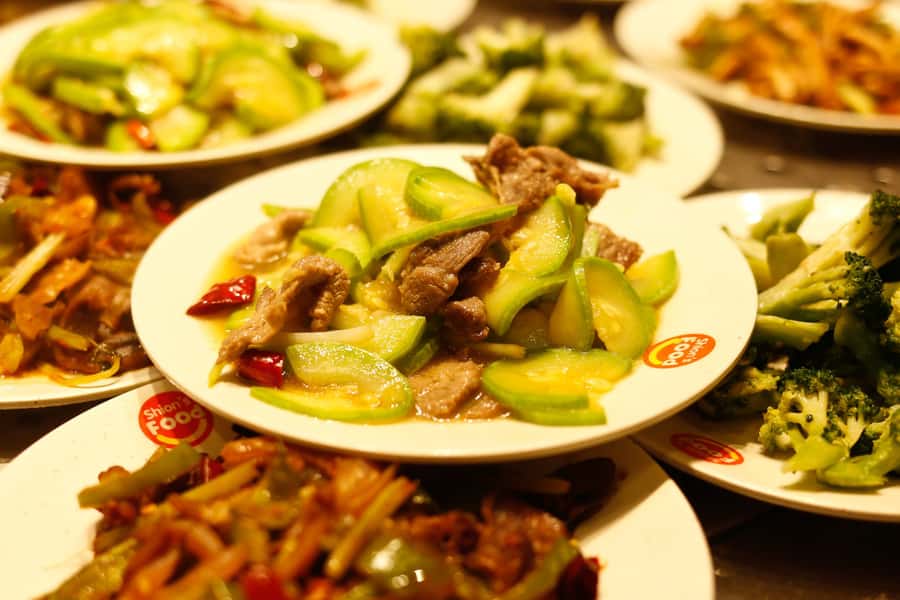
- Huaihai Road sit-down tasting at 3 different restaurants plus a dessert stop
- Yunnan Road walking stretch for a more local street feel
- Tea tasting with options like Longjing green tea or Fujian black tea
- Architecture context from French Concession areas to shikumen neighborhoods
- Plenty of food in a short 3-hour window, so arrive truly hungry
Food Stops in Shanghai That Actually Teach You Something
Shanghai food tours often get stuck in one lane: eat fast, take photos, move on. This one does the opposite in a smart way. You start in a central area where locals still flow through daily life, then you head toward Huaihai Road for multiple tastings. That structure matters because it lets you compare flavors across different places instead of repeating the same dish five times.
The tour also gives you context while you walk. You’ll notice how the streets and buildings change as you move through different parts of the city center, and your guide ties that to what people eat and how people live. That’s the real value: you leave not only stuffed, but with a clearer sense of why the food fits the city.
And yes, it’s a short tour. Three hours sounds quick until you realize you’ll be eating multiple items across several stops, plus drinking tea. The pace is purposeful, not rushed, and the food is the main event.
You can also read our reviews of more food & drink experiences in Shanghai
Getting There: South Huangpi Road to Xintiandi
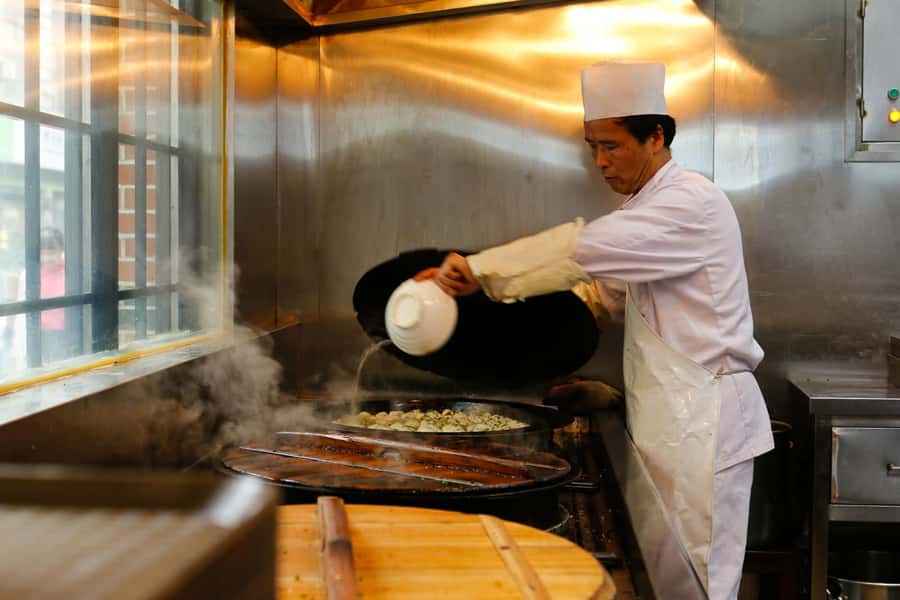
Your meeting point is straightforward once you find it. Meet at Exit 2 of South Huangpi Road station on Shanghai Metro Line 1 (黃陂南路站二号出口). This spot is also tied to the site of the first CPC national congress, so it’s a landmark you can anchor your navigation to.
If you’re the taxi type, the backup point is No. 333 Huaihai Road (淮海中路333号) in front of Xintiandi Plaza. The guide waits right at the meeting spot and greets you there, which is helpful if you’re arriving a bit late or you’re juggling metro transfers.
A small but important detail: there’s no hotel pickup, so don’t assume you’ll be collected. Also, oversize luggage isn’t allowed, which usually means you’ll want a compact bag rather than anything bulky.
Xintiandi: The Dumpling Soup Start You’ll Remember
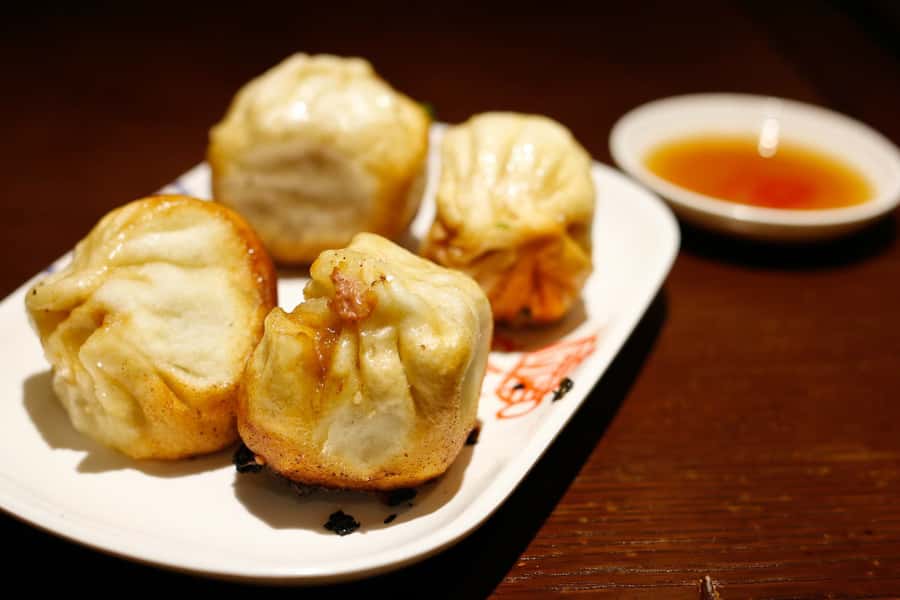
The tour kicks off in the Xintiandi area, and the first tasting is one of the city’s classic comforts: dumpling soup. This is a great opener because it’s a dish that tells you a lot fast. Shanghai-style dumplings (especially when served as soup) aren’t just about the filling. You’re tasting the broth, the texture, and how well the dumplings hold up in liquid—three skills that different kitchens can show off.
This first stop also does a psychological trick in the best way. You start with something you can’t fully replicate at home without a local kitchen’s rhythm. Even if you’ve had dumplings before, the local version tends to hit differently, and it sets the bar for the rest of the meal.
If you’re the kind of person who normally orders carefully in restaurants, this tour flips that. You’ll be tasting multiple items back-to-back, which is why coming hungry is so strongly worth it. People consistently leave very full by the end.
Huaihai Road Restaurant Lineup: Multiple Stops, Real Variety
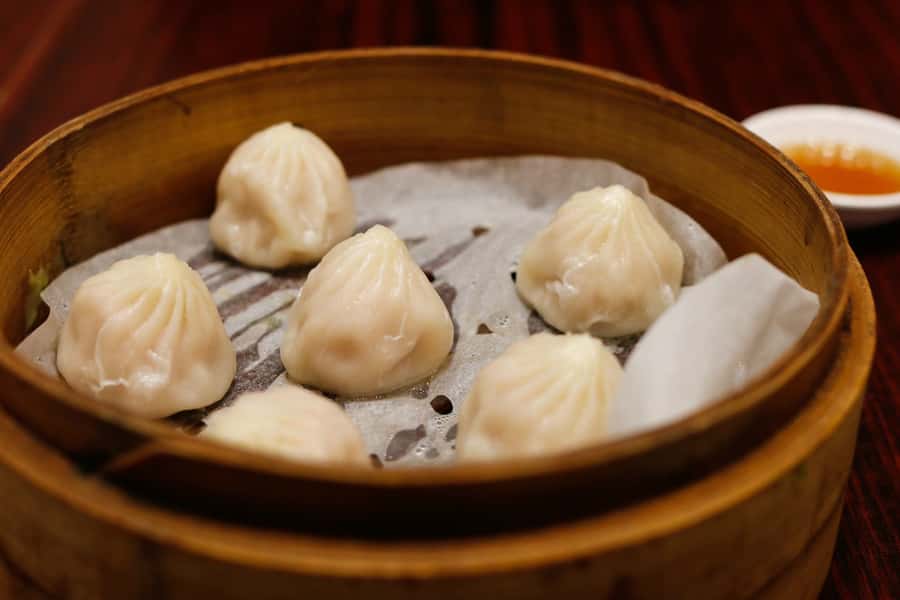
After Xintiandi, the tour shifts toward Huaihai Road, where you’ll sit down at 3 different restaurants and then head to a dessert shop. The key is variety across stops: different kitchens, different styles, and different textures—so your meal feels like a story instead of a snack run.
Here are the specific dishes you should expect from the tour description:
- Parched chicken
- Red-braised pork
- Scallion oil noodles
- Candied lotus rice
- Moon cakes
- Plus tea, often Longjing green tea or Fujian black tea
In practice, what I like about this lineup is the mix of flavors and formats:
- You get savory, braised depth (red-braised pork).
- You get noodle comfort (scallion oil noodles).
- You get sweet-and-sticky balance (candied lotus rice).
- You get seasonal-style pastry energy (moon cakes).
- And you get tea to reset your palate between heavy bites.
From the experience pattern people report, there can also be extra variety beyond the headline list—things like fruit drinks or other local sweets show up depending on the exact plan and shop choices on the night. The main idea stays the same: you’re fed in a way that feels local, not like a checklist.
Walking the Yunnan Road Stretch: This Is Where the City Stays Real
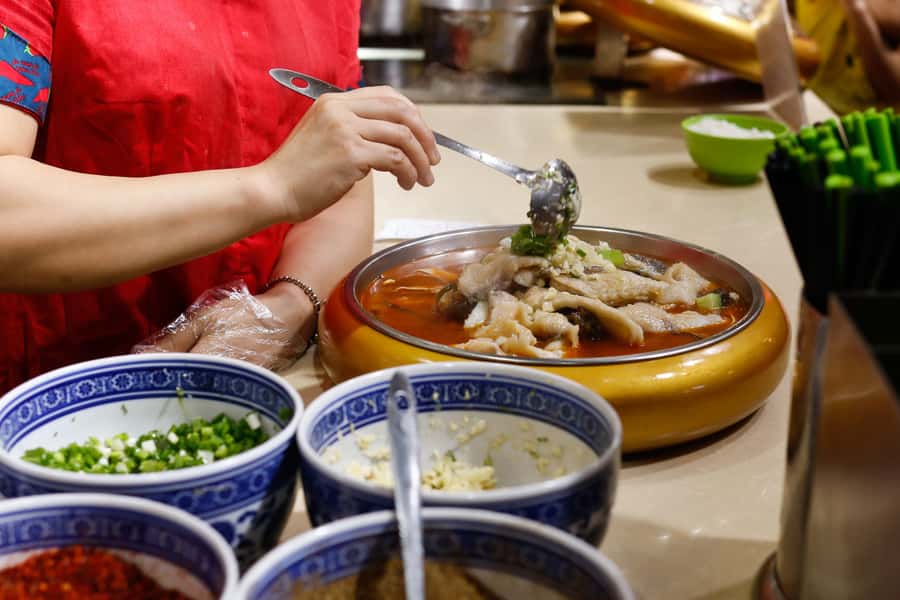
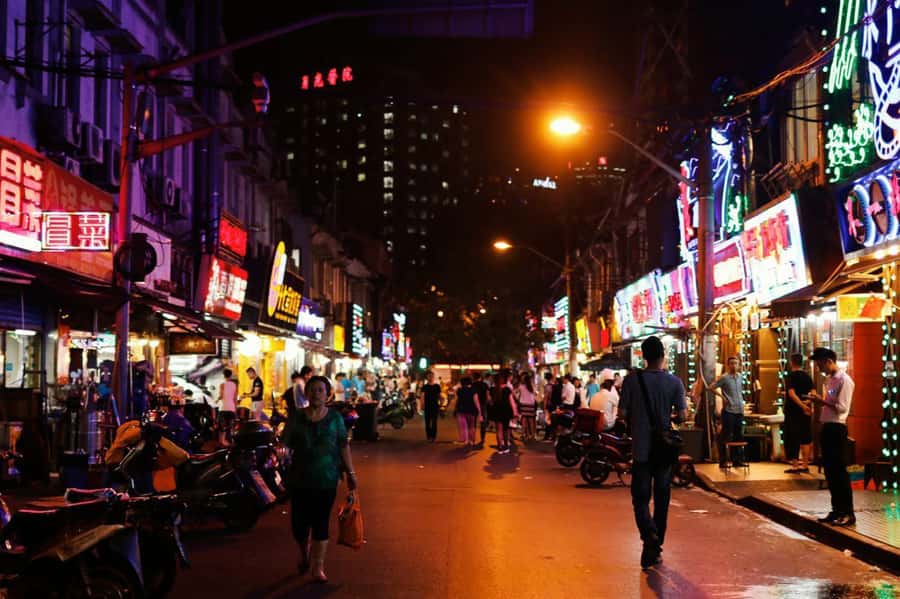
One of the most enjoyable parts is the walk itself. You’ll walk along Yunnan Road, and that matters because food in Shanghai is tied to place. A tour that only whisks you from door to door can feel like you’re eating in transit. This one gives you small stretches of street time so you can feel the neighborhood layers.
As you move, you’ll also notice a change in architecture. Your guide points out the shift from the French Concession area feel to shikumen buildings—those distinctive neighborhoods that blend Western facades with Chinese living spaces. This isn’t trivia for trivia’s sake. It helps you understand why Shanghai can feel so hybrid: the city grew through trade and immigration, and that shows up in both streets and food.
If you like street-level travel—people watching, reading signage, noticing building styles—this walking segment turns the tasting into a mini orientation course.
A few more Shanghai tours and experiences worth a look


Tea Time: Longjing Green Tea and Fujian Black Tea
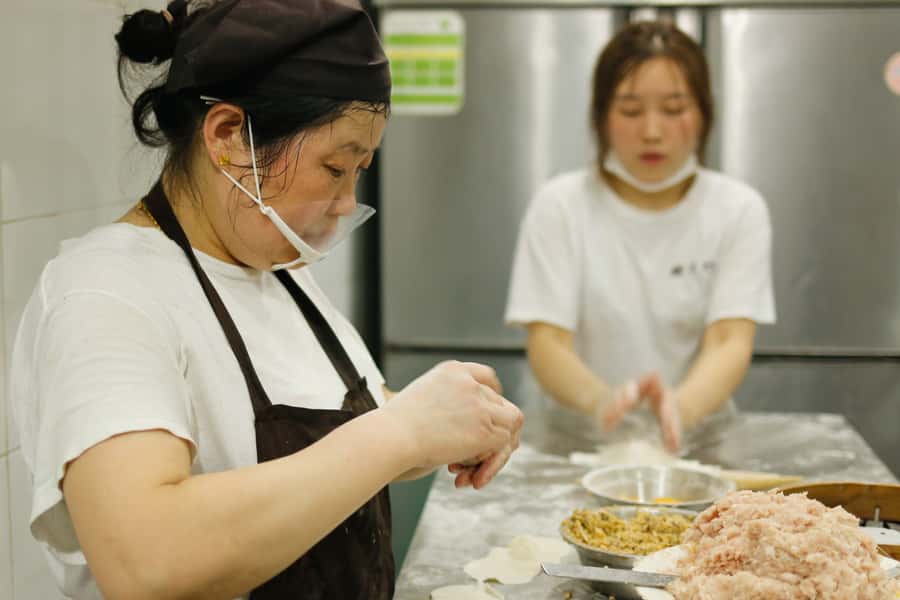
Tea might sound like an afterthought, but here it’s part of the tour’s structure. You’ll try an authentic cup of Longjing green tea or Fujian black tea, and that choice is exactly the kind of detail that makes local food tours feel more serious.
Green tea like Longjing is typically lighter and more grassy, which pairs well after dumplings and oily noodle dishes. A black tea like Fujian’s tends to feel fuller and warmer, which can handle braised meats and sweeter desserts.
Even if you don’t consider yourself a tea person, you’ll probably notice two things:
- Tea changes how you perceive the next bite.
- Your guide’s explanation makes it feel like a local ritual, not just a drink refill.
What You’ll Eat, How It Lands, and Why This Order Works
The dish sequence isn’t random. It’s built around contrast—brothy, then savory and braised, then noodles, then sweet items, and a final reset with tea and dessert.
You can think of the tour menu as a set of flavor lessons:
- Dumpling soup teaches broth depth and texture.
- Red-braised pork teaches sweetness-to-savory balance and how long cooking changes meat.
- Scallion oil noodles teach aromatic simplicity—flavor from technique, not complicated ingredients.
- Parched chicken gives you a crunchy, savory bite that cuts through heavier foods.
- Candied lotus rice brings sticky sweetness to contrast the savory.
- Moon cakes add a pastry finish that’s familiar to many visitors but still very much a local experience.
- Tea ties it together and helps you keep your palate from turning numb.
And a practical note: because portions add up across multiple restaurants, don’t start with a big pre-tour meal. I’d treat the tour like your main dinner. You’re paying for food and drinks, so it’s not the time to “just nibble.”
Price and Value for a $79, 3-Hour Food Tour
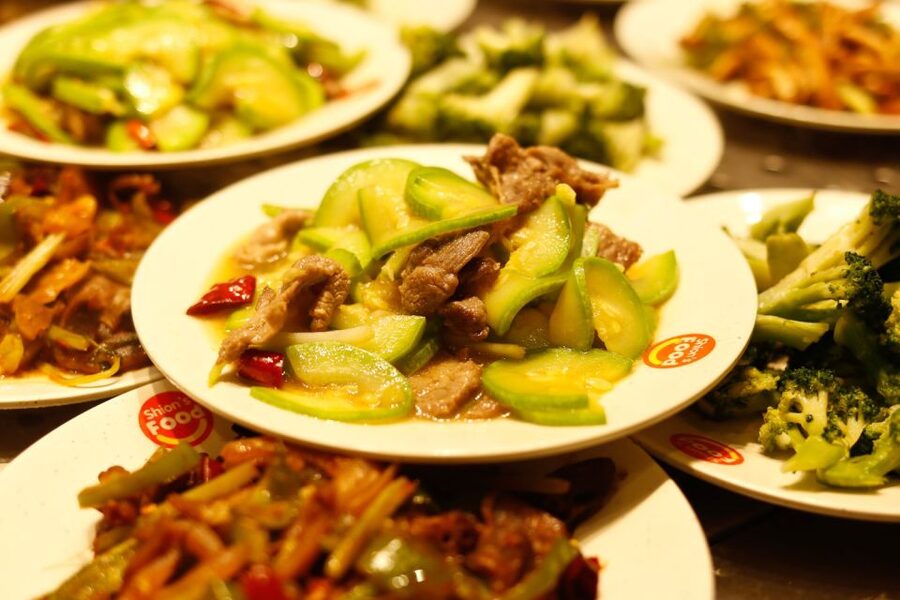
At $79 per person for a 3-hour experience, the value comes from what’s included: food and drinks plus a local guide. For Shanghai, that can be a very fair deal because it covers more than one meal. You’re not just tasting one restaurant’s specialties—you’re sampling across multiple places while someone handles ordering and timing.
It also saves you effort. In a city this big, it’s easy to end up in the wrong kind of restaurant if you’re winging it. A guided tasting puts you closer to the right places for what you actually want to try.
Is it “cheap”? No. But it’s not overpriced either for what you get: repeated tastings, tea, a walking route, and local explanations. For many people, the payoff is twofold—food plus city context.
Who This Tour Fits Best (and Who Might Want Another Option)
This tour is a strong fit if you:
- Want authentic Shanghai street-to-restaurant flavors without doing hours of planning.
- Like tours that combine food with neighborhood stories.
- Prefer a guided pace where you don’t have to decide everything yourself.
- Are excited by dumplings, noodles, and sweet finishes.
It may feel less ideal if you:
- Have a very strict food schedule and hate the idea of eating repeatedly over three hours.
- Are hoping for a low-food tasting where you just try a bite or two at each stop (this tour is built to fill you up).
- Need help with complex medical diets beyond what you can communicate to a guide. The tour data says guides can be accommodating, but the exact range isn’t spelled out, so it’s best to ask directly when you book.
Practical Tips: How to Get the Best Night (Without Stress)
A few small moves will make the tour smoother:
- Come hungry. People consistently mention leaving very full.
- Bring water-friendly common sense: when you’re eating salty and sweet items back-to-back, your mouth will thank you later.
- Wear comfortable shoes for walking along Yunnan Road.
- If you’re carrying a bag, keep it compact since oversize luggage isn’t allowed.
- Plan on using metro or taxi to reach the meeting area—there’s no hotel pickup.
One more thing: the guides named in guest feedback include people like Jade, T.J., Curt, Yu, Helen, Jim, and Ken. That’s a good sign. Different guides can bring slightly different energy and may lead to different shop choices, but the core experience stays the same: lots of local food, tea, and city context.
Should You Book This Shanghai 3-Hour Local Food Tasting Tour?
If you want an efficient, food-first introduction to Shanghai, I’d say yes—this is the kind of tour that helps you eat like a local and understand the city while you do it. The big reasons: multiple restaurant tastings in a short window, the tea element, and the neighborhood walking that explains why Shanghai feels the way it does.
Book it if dumplings, noodles, braised meat, and sweet endings are your kind of travel. Skip it only if you know you dislike eating lots of different items in one sitting or you need hotel pickup convenience.
Bottom line: for $79 and three hours, you’re buying a guided meal crawl with real Shanghai texture, not just a list of dishes.
FAQ
How long is the Shanghai local food tasting tour?
It lasts 3 hours.
How much does the tour cost?
The price is $79 per person.
Where do I meet the tour?
Meet at Exit 2, South Huangpi Road station (Line 1). If you’re using a taxi, you can also go to No. 333 Huaihai Road, in front of Xintiandi Plaza.
What’s included in the price?
The tour includes food and drinks and a local guide.
Is hotel pickup included?
No. Hotel pick-up and drop off are not included.
Are there any restrictions on luggage?
Yes. Oversize luggage is not allowed.
Can I cancel, and how far ahead?
You can cancel up to 24 hours in advance for a full refund.