
REVIEW · NEW DELHI
Old Delhi Food Tour Safari – The Capital of Flavors
Book on Viator →Operated by TRAVEL INDIA ONE DAY · Bookable on Viator
Spices, stories, and street food in five hours. This Old Delhi Food Tour Safari strings together Delhi’s food streets with Mughal-era culinary context, plus a guided look at Khari Baoli, Asia’s big wholesale spice hub. You’ll walk away with a clearer sense of what you’re eating and where it came from, not just a list of dishes.
I also like that it’s a private tour tailored to your group, and it stays flexible so you can lean heritage or go vegetarian-only. One thing to consider: you’ll be navigating tight lanes and crowd flow, so plan for comfortable shoes and a bit of street-life chaos.
In This Review
- Key highlights worth making time for
- Old Delhi in Five Hours: What You Really Get From This Safari
- Price and Value: Why $8.35 Can Be a Real Bargain Here
- Meeting Point in Paharganj: Get Your Bearings Before the Lanes
- Gurudwara Sis Ganj Sahib: Where Food Meets Mughal-Era Storytelling
- Chandni Chowk and Naughara: The Market Geometry Behind the Street Food
- Khari Baoli Spice Market: How Delhi’s Wholesale Engine Powers Your Plate
- The Rickshaw/Tuk-Tuk Ride: Saving Your Legs Without Losing the Flavor
- Choosing Heritage-Focused vs Vegetarian-Only
- Guides Make the Difference: Danish and Sona/Sonal’s Style
- What to Expect at Each Stage (And What to Watch For)
- Best For Who? Pick This If You Want Smart Street Food, Not Random Wandering
- Should You Book the Old Delhi Food Tour Safari?
- FAQ
- FAQ
- How long is the Old Delhi Food Tour Safari?
- Is this tour private or shared?
- What does the tour cost and what’s included at that price?
- Do I need to pay admission tickets during the tour?
- Is hotel pickup or drop-off included?
- Are shopping purchases included in the tour price?
- What if the weather is bad?
- (Optional) Can the tour be vegetarian-only or heritage-focused?
Key highlights worth making time for
- Private group pacing so the route and explanations can fit your crew
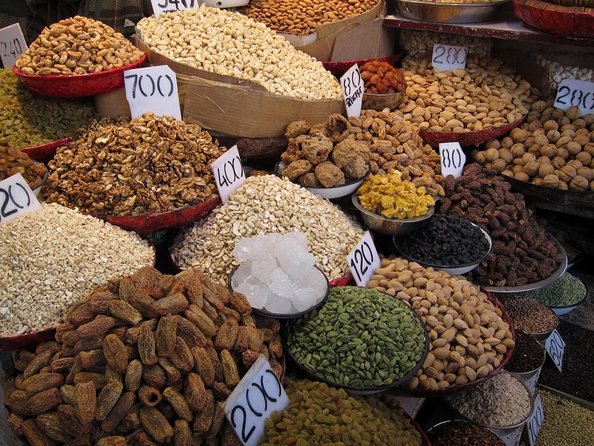
- Khari Baoli spice and nut market with hands-on market touring (spices, nuts, herbs, rice, tea)
- Sis Ganj Sahib stop that connects food to history, including Guru Tegh Bahadur’s story
- Chandni Chowk food lanes near the 17th-century Mughal-era market area
- Rickshaw/tuk-tuk ride to keep the walking manageable in busy areas
- Highly rated guides like Danish and Sona/Sonal for humor, helpful tips, and safety
Old Delhi in Five Hours: What You Really Get From This Safari
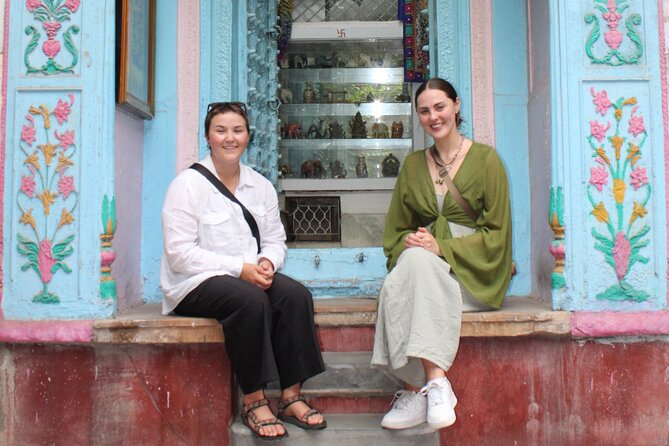
This tour is built for people who want Old Delhi flavor without spending a full day getting lost in it. It runs about 5 hours and focuses on street food stops plus two big context anchors: a Sikh landmark tied to Mughal-era history, and the wholesale spice world of Khari Baoli.
What makes it more useful than a typical “eat and go” crawl is the way the guide’s explanations turn food into a story you can actually remember. You start with a meeting point that orients you, then you move through the market zone with a plan. You’re not just chasing smells—you’re learning how Delhi’s culinary mix formed and how spices and street stalls fit together.
Another plus: it’s private, so you’re not stuck following someone else’s pace. If your group wants more heritage talk, you can choose that. If you’d rather focus on a vegetarian-only food crawl, you can do that too.
You can also read our reviews of more food & drink experiences in New Delhi

Price and Value: Why $8.35 Can Be a Real Bargain Here
At $8.35 per person, this is priced in the “why not” zone—especially because the tour includes more than just a guide walking you to places.
Here’s what’s included that matters for value:
- Food and drinks and street food/snacks
- A water bottle
- A tuk-tuk ride / rickshaw
- A spice market tour
- Your guide/escort
What’s not included is mostly predictable: you pay for any shopping items you choose in the markets, and there’s no hotel pickup/drop-off.
If you’re thinking, okay, how can it be that cheap? The honest answer is that you’re paying mainly for guide time and guided access to the best stops—not for museum tickets, private cars, or elaborate dining reservations. That’s exactly why it works for Old Delhi. The food is already there; you’re buying the shortcuts: safe navigation, smart timing, and a guide who knows where to take you.
Meeting Point in Paharganj: Get Your Bearings Before the Lanes
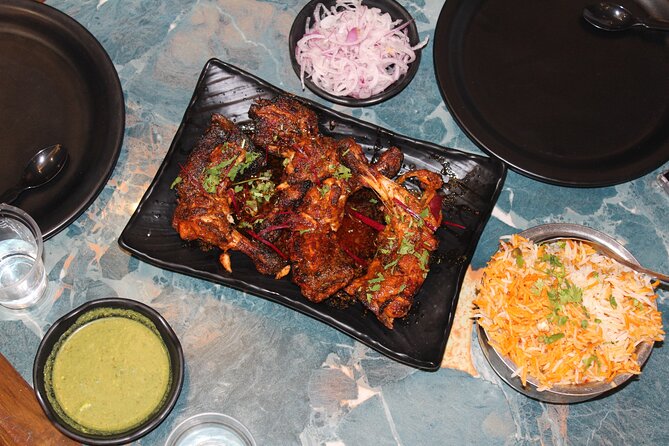
The tour starts at Hindustan by Backpackers heaven in Paharganj. Your representative meets you there, then gives an overview of the Old Delhi Food and Heritage Tour so you know what’s coming next.
That first handoff matters more than it sounds. Old Delhi can feel like sensory overload fast—noise, smells, people, traffic. Starting with a quick structure helps you enjoy the chaos instead of fighting it.
Also, note the practical detail: the meeting stop lists admission ticket not included. This doesn’t mean you’ll definitely pay at the start, but it’s a reminder to expect that not every minute is covered by tour inclusions.
Gurudwara Sis Ganj Sahib: Where Food Meets Mughal-Era Storytelling
One of the tour’s best “why this is different” stops is Gurudwara Sis Ganj Sahib. It’s a significant Sikh temple dedicated to Guru Tegh Bahadur, who was executed by Aurangzeb. The gurudwara is located at the site connected to where he was beheaded.
Why put a religious site on a food tour? Because it changes how you read the city. Delhi’s food isn’t floating in a vacuum—it sits inside centuries of rulers, communities, and changing cultures. This stop helps you connect the culinary story to the people and history that shaped the city.
You also get a clean win for logistics: the stop lists admission free. That’s useful when you’re trying to keep the tour cost and pacing consistent.
Chandni Chowk and Naughara: The Market Geometry Behind the Street Food
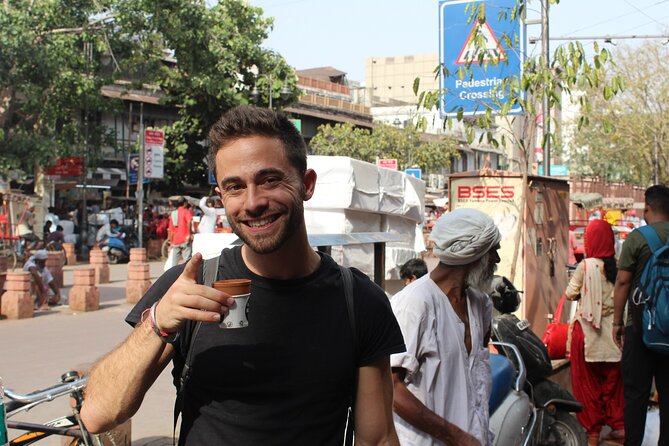
Next you head toward Chandni Chowk and the area described as Naughara (row of nine houses). Chandni Chowk is known for narrow streets, old-style shops, and the kind of street food culture that needs guidance if you want to avoid the wrong stalls and wrong timing.
This area was established in the 17th century by Mughal Emperor Shah Jahan, which gives the market a deeper timeline than many visitors expect. When you understand the age and layout of a place like this, the street food feels less random. It starts to feel like a system that grew over time.
The tour allocates about 30 minutes here, with admission listed free for this stop. That short window is intentional. You’ll get to see and taste without getting stuck wandering too long.
Practical note: the tour focuses on navigation through crowd flow, not a leisurely stroll. If you hate tight spaces, this is still doable, but you’ll want to keep your patience turned on.
A few more New Delhi tours and experiences worth a look




Khari Baoli Spice Market: How Delhi’s Wholesale Engine Powers Your Plate
The highlight for many people is the Khari Baoli market segment, described as Asia’s largest wholesale spice market. You’ll spend about 30 minutes touring and learning in that wholesale environment—spices, nuts, herbs, and also staples like rice and tea.
This isn’t just sightseeing. It’s the point in the tour where your taste starts to make more sense. When you see spices and ingredients in bulk and understand what gets sold there, you get a better grip on why Delhi food tastes the way it does—how flavors travel from wholesale to street stall to finished dish.
You’ll also likely appreciate the guide’s role here. Markets move fast; it’s easy to miss what’s important when you’re busy staring at everything. A good guide helps you focus on what connects to the food you’ll be trying.
Admission for the spice-market stop is listed as free. So even if you’re watching your budget, you’re not paying extra just to access this core experience.
The Rickshaw/Tuk-Tuk Ride: Saving Your Legs Without Losing the Flavor
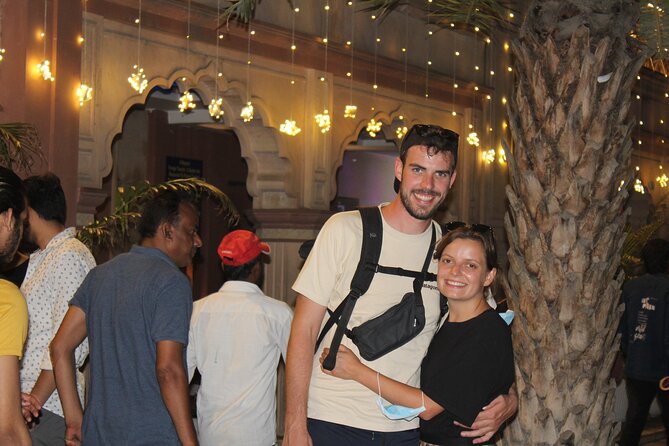
Old Delhi can punish your feet if you do it wrong. That’s why I like that this tour includes a tuk-tuk ride / rickshaw. It breaks up the walking and helps you keep energy for tasting and short stops.
In crowded areas, the ride isn’t just convenience—it’s safety strategy. You cover distance without trying to squeeze through every lane on foot. It also helps the tour keep moving at a human pace for a half-day format.
If you’re prone to getting tired quickly, this included ride is a big part of why the tour feels efficient.
Choosing Heritage-Focused vs Vegetarian-Only
One of the smartest features here is that the tour can shift based on your appetite and interests:
- Heritage-focused option
- Vegetarian-only food crawl option
If you choose heritage-focused, you’ll get more of the city context threaded into the route. That pairs well with people who like history and want their food tour to explain the “how did this happen?” behind what they’re eating.
If you choose vegetarian-only, you’re tailoring the tasting to your dietary preference. That’s especially helpful in a city where menu variety can be wide and confusing if you’re relying on your own instincts while navigating street stalls.
Either way, the private format helps you avoid the one-size-fits-all feeling that can happen on shared tours.
Guides Make the Difference: Danish and Sona/Sonal’s Style
The strongest praise in the feedback points to one thing: the guides. Names that come up include Danish and Sona/Sonal, and they’re consistently described as friendly, down-to-earth, and serious about safety.
Here’s what that usually means in practice:
- You’ll get clear advice on where to eat and how to handle the street flow.
- You’re more likely to feel comfortable and safe, especially if it’s your first time in Delhi.
- The guide doesn’t just lead you; they help you make good choices and eat confidently.
Also mentioned: guides can be generous with food, and they bring a sense of humor. That matters because when you’re sampling multiple street items, the mood shifts from “trying” to “enjoying,” and you remember the good details instead of just the spice level.
What to Expect at Each Stage (And What to Watch For)
This tour is structured, but Old Delhi is still Old Delhi: smells, crowds, and constant movement. Here’s how to mentally prepare for the rhythm.
Early orientation: You start in Paharganj with an overview, which helps you handle the first transition into the Old City streets.
History stop: Sis Ganj Sahib adds a pause and meaning. It’s not only about food, it’s about context.
Market-food pairing: Chandni Chowk and Naughara give you the street-stall energy, with time kept tight so you can sample without wandering too long.
Wholesale spice immersion: Khari Baoli adds ingredient-level understanding, which makes your tasting more satisfying.
Transport support: The included ride helps you keep your energy for the final tasting and wrap-up.
If you want to get the most out of it, come hungry—but not reckless-hungry. You’ll likely be sampling multiple items, plus drinks and snacks. Pace yourself so you can actually enjoy the flavors instead of just chasing fullness.
Best For Who? Pick This If You Want Smart Street Food, Not Random Wandering
This is a great fit if:
- You have about half a day and want the major Old Delhi flavor zones
- You want private guidance through crowded areas
- You care about food context, not only the list of dishes
- You’re new to Delhi and want help with navigation
It may not be your ideal choice if:
- You dislike close quarters and crowds (the lanes can be tight)
- You want a super slow, sit-down restaurant experience (this is street food plus markets)
Should You Book the Old Delhi Food Tour Safari?
I’d book it if you’re aiming for maximum flavor and maximum usefulness in a short time. For a low price, you get a private guide, planned stops with free entry at multiple points, a spice market tour, and an included rickshaw/tuk-tuk ride. That combination is exactly what helps a first-time visitor taste with confidence.
If you’re the type who wants to eat first and learn second, it can still work—you’ll leave with plenty of food memories. But if you like history and ingredient-level context, this one feels especially satisfying.
FAQ
FAQ
How long is the Old Delhi Food Tour Safari?
The tour lasts about 5 hours.
Is this tour private or shared?
It’s a private tour, so only your group participates.
What does the tour cost and what’s included at that price?
The price is $8.35 per person, and it includes food and drinks, a water bottle, street food/snacks, a tuk-tuk ride/rickshaw, a spice market tour, and your guide.
Do I need to pay admission tickets during the tour?
Admission is listed as free for stops like Gurudwara Sis Ganj Sahib and the market areas. However, the first meeting stop lists admission ticket not included, so don’t assume every portion is ticket-free.
Is hotel pickup or drop-off included?
No—hotel pick-up and drop-off aren’t included.
Are shopping purchases included in the tour price?
No. Shopping of any items in the market is not included.
What if the weather is bad?
This experience requires good weather. If it’s canceled due to poor weather, you’ll be offered a different date or a full refund.
(Optional) Can the tour be vegetarian-only or heritage-focused?
Yes. You can choose heritage-focused or a vegetarian-only food crawl option.


![[HOT] Hanoi Old Quarter Walking Street Food - Small Group Tour - Getting picked up (and how the 3-hour flow stays simple)](https://d.iwantfoodtours.com/wp-content/uploads/hot-hanoi-old-quarter-walking-street-food-small-group-tour-400x267.jpg)