REVIEW · ZANZIBAR
Mamas of Zanzibar – A Unique Cultural & Culinary Experience
Book on Viator →Operated by Mamas of Zanzibar - Authentic Zanzibar Cultural Experience & Cooking Classes · Bookable on Viator
Cooking in Zanzibar homes feels personal. This 4-hour experience brings you into a community setting led by Zanzibari women, with a market walk, hands-on cooking, and a proper lunch break. You’ll learn everyday techniques and taste traditional island flavors that don’t feel like a staged tourist performance.
Two things I really like: first, the market-to-kitchen flow, including a stop by the nearby fish market, so you see ingredients before they hit the pot. Second, the welcome focus on warmth and hospitality, with hosts like Maskat helping set the tone and making it feel like a shared morning rather than a class you rush through. One consideration: there’s no air-conditioned vehicle included, so expect heat and sun exposure for any short transfers on the day.
In This Review
- Key points before you go
- A Zanzibar cooking morning that feels like community time
- Meeting at 9:00 and starting with a real welcome
- The 9:30 market walk (and the nearby fish market stop)
- Back to Pishi HQ: prep work, cooking classes, and small-group training
- 11:30 free time: neighborhood exploring, a boutique shop, and henna
- Lunch at 12:15: home-cooked food, juice, and Swahili sweets
- Vegetarian friendly, and they’ll work with dietary needs
- How long is it, and what does the 4 hours actually feel like?
- Price and value: what you’re really paying for
- Who this is best for (and who might want a different plan)
- Should you book Mamas of Zanzibar?
- FAQ
- How long is the Mamas of Zanzibar cooking experience?
- What time does the tour start?
- Where is the meeting point?
- Is lunch included?
- Is the experience vegetarian friendly?
- Does it include a market visit?
- Is there an air-conditioned vehicle included?
- How many travelers are in the group?
- What happens if the weather is bad?
- Cancellation and “plan B” in one line
Key points before you go
- Small group size (max 10) keeps it conversational and hands-on
- Market time plus fish market stop helps you understand what Zanzibaris actually buy and cook
- Home-cooked lunch included plus Swahili sweets and drinks
- Hands-on training from local women makes the recipes practical, not just theoretical
- Vegetarian friendly and they’re open to special dietary needs
- Schedule can flex depending on group energy and extra activities
A Zanzibar cooking morning that feels like community time
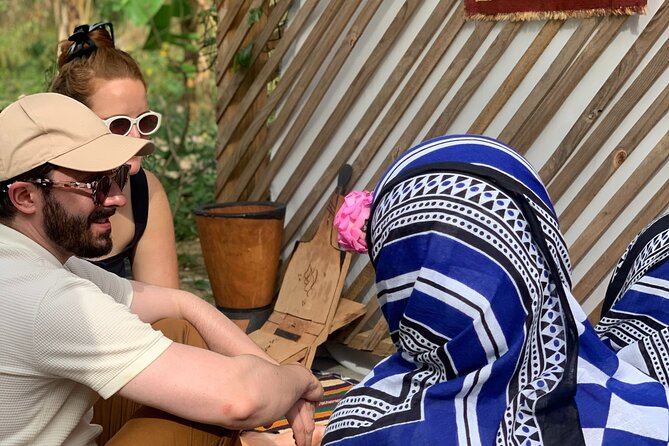
In Zanzibar, the best meals often come from routines, not restaurants. This experience is built around that idea: you show up, meet the women leading the day, shop for ingredients, then cook together in a home setting before sitting down for lunch.
What makes it especially attractive is the balance. You get structure (market, cooking class, lunch) but the day isn’t stiff. Even the description hints that the itinerary may shift based on group stories and extra fun activity, which is often a good sign with small-group cultural experiences.
You’re also paying for more than food. You’re paying for access: the chance to learn how everyday dishes are put together, with a recipe you can take home afterward.
You can also read our reviews of more tours and experiences in Zanzibar.

Meeting at 9:00 and starting with a real welcome
The tour starts at 9:00 am at V6X8+8H Zanzibar (the meeting point is the same place you end). You’ll be greeted and brought into the flow of the morning with an introduction to the menu and the day’s routine right after you arrive.
The timing is part of the charm. You’re not dealing with a half-day that eats your evening too, and you’re not arriving late in the day when markets are winding down. Instead, you’re stepping into Zanzibar life early enough to see ingredients being chosen while people are still moving with purpose.
If you’re staying around Stone Town, this kind of tour fits well because it doesn’t require you to lose your whole day to transport. It’s also marked as near public transportation, which helps if you’d rather not rely on a private car.
The 9:30 market walk (and the nearby fish market stop)
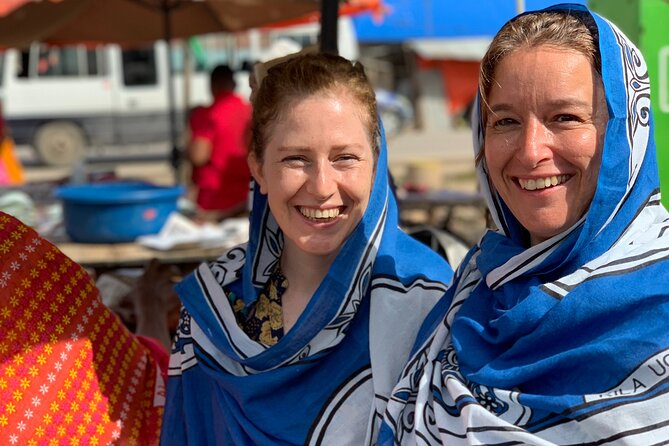
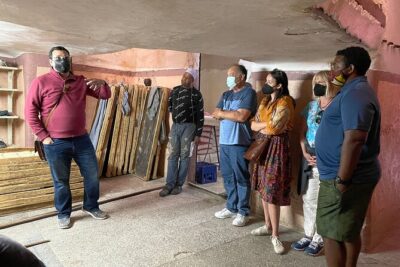
Around 9:30, you head to the local market. This is where the experience earns its credibility. A cooking class can be just chopping and tasting, but a market walk forces you to pay attention to what’s fresh, what’s common, and what people actually cook with.
An included highlight here is a visit to the nearby fish market. Even if you don’t eat fish, seeing the fish trade and the everyday energy of the market helps you connect ingredients to local routines. It also makes the cooking session feel grounded, because you’re not only learning recipes—you’re learning context.
A practical tip: wear comfortable shoes. Market floors and paths can be uneven, and you’ll likely be walking and standing more than you expect for a “short” 4-hour tour.
Back to Pishi HQ: prep work, cooking classes, and small-group training
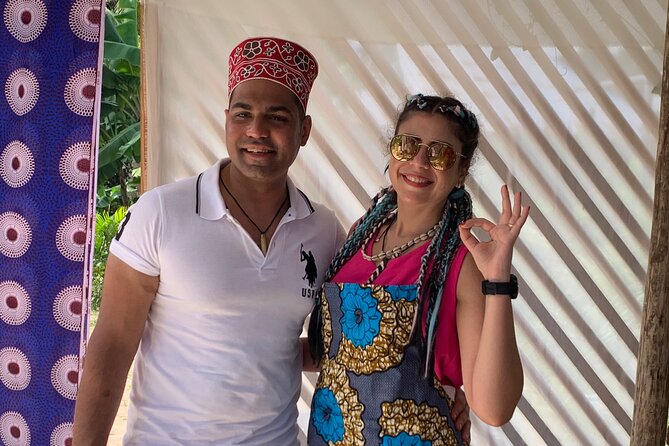
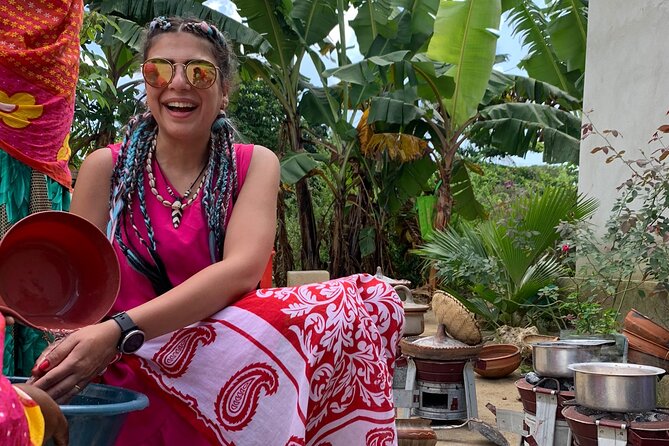
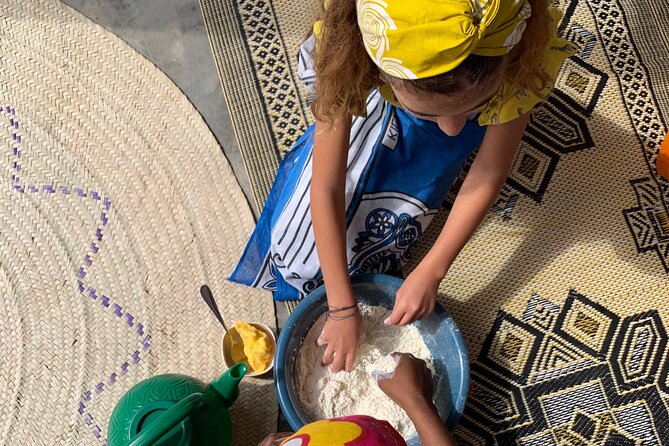
By about 10:15, you’re back at Pishi HQ to prepare for cooking. From 10:30 to 11:30, you’ll do hands-on cooking classes with traditional guidance from Zanzibari women. This is the core of the value: you’re not watching from the sidelines.
The experience is described as hygienic, and the format supports that. When you’re trained while you work, it’s easier to follow steps and avoid the awkwardness that happens when you try to cook “like the guide” without clear direction. You also get practical skills you can repeat later.
One detail worth noting: the day includes prep tasks like peeling ingredients. In one welcome moment from the host team, there was mention of peeling green bananas, which is the kind of hands-on work that makes you realize how much technique lives in everyday cooking.
And yes, it’s built for real learning. You’ll get an easy-to-follow recipe to take with you, so you don’t leave with memories only.
11:30 free time: neighborhood exploring, a boutique shop, and henna
From 11:30 to 12:00, you get some free time while lunch logistics come together. During this window, the experience includes time to explore the neighborhood, and you’ll be able to check out a boutique shop plus henna painting as an option.
This is a good segment if you want to slow down and absorb what’s around you without rushing. It also helps break the pace between cooking and eating, so you’re not stuck waiting around with nothing to do.
Two small practical notes:
- Bring something light for sun protection if you tend to burn easily.
- If henna painting is on your must-do list, it helps to ask early so you’re not timing it at the last minute.
Lunch at 12:15: home-cooked food, juice, and Swahili sweets
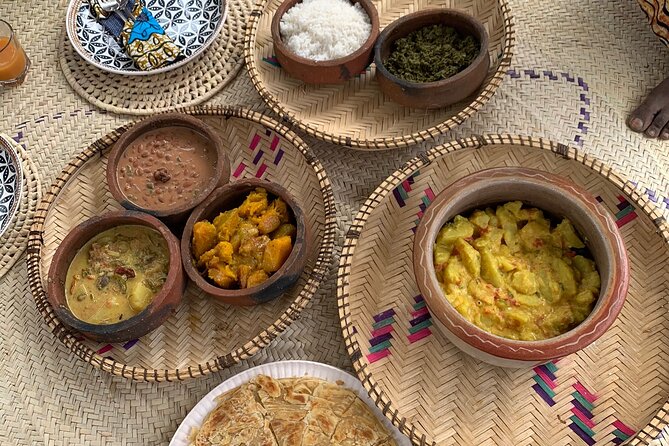
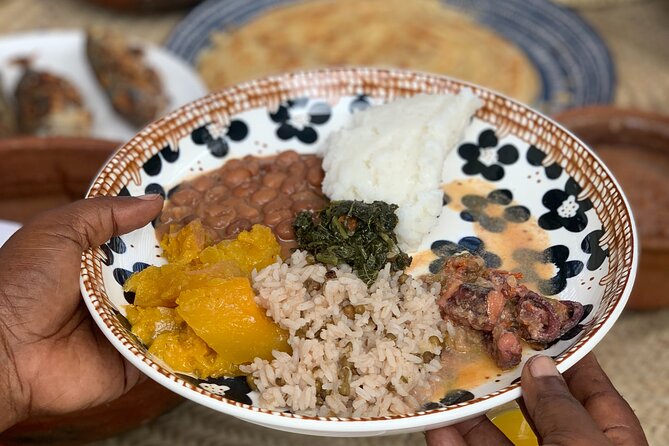
Lunch starts around 12:15. The big promise here is simple: what you cook is what you eat. That matters. When you participate in the cooking, the meal feels earned, and the flavors click faster because you remember the steps that built them.
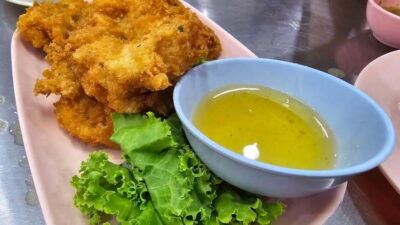
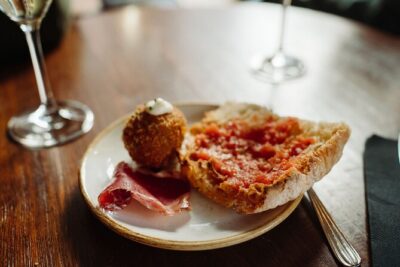
Lunch is included, along with a glass of juice. You’ll also receive Zanzibar snacks and traditional Swahili sweets as gifts. That means you don’t just leave full—you leave with small extras that feel like a thank-you from the women who hosted the day.
For me, the lunch part is where these experiences usually separate into two types: classes where you leave with a plate, and experiences where you leave feeling fed in a broader way. Here, the added sweets and goodies push it toward the second category.
Vegetarian friendly, and they’ll work with dietary needs
This experience is vegetarian friendly, and the hosts say they’re happy to cater to special dietary requirements. That’s a meaningful point, because “vegetarian friendly” can range from real to vague in many places.
Since the class is home-based and hands-on, it makes sense to ask about your needs when you book. You’ll get the best results when the kitchen has time to plan what you’ll cook and eat.
If you’re traveling with dietary limits, I also like that the meal is not optional. Lunch is included and tied directly to what’s cooked during the class, so it’s easier to coordinate.
How long is it, and what does the 4 hours actually feel like?
The duration is listed as about 4 hours with a start time of 9:00 am and end around 13:00 (back at the meeting point). In practice, that timing is ideal for a first-culture day in Zanzibar because you’re not committing to the kind of half-day that ruins the rest of your plans.
The schedule is also flexible. The day may shift because classes depend on group stories and extra activities can pop up. That can sound vague, but in a small group setting, it often means you’ll spend the right amount of time on the right parts, not just race from step to step.
And with a maximum of 10 travelers, you’re not swallowed by a big crowd. That size usually helps you get answers while you cook, not after the meal.
Price and value: what you’re really paying for
The price is $116.31 per person. That’s not a budget price, but it also isn’t just “paying for lunch.” You’re paying for:
- market time (including a fish market visit),
- hands-on cooking instruction in a home-style setting,
- lunch plus drinks,
- and a take-home recipe.
When you compare that to paying for a guided market walk plus a cooking class separately, the value becomes easier to see. The math works better because the same morning covers multiple pieces of the experience, all tied together.
Another quiet value factor is group size. A small group often costs more than a large one, but it also changes what you get: more attention, better pacing, and a more personal cultural exchange.
One more thing: since the experience is described as non-touristy and community-led, you’re buying access that doesn’t feel like you’re ticking a box. For many people, that’s the main reason the reviews are so positive.
Who this is best for (and who might want a different plan)
This tour fits you if you want a practical food experience. You’ll do real prep, learn techniques you can repeat, and eat what you cooked with a local-food context.
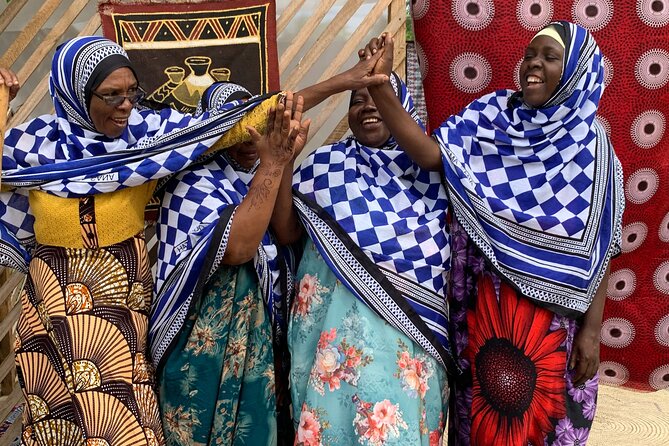
It’s also a solid choice if you care about meeting people and learning the story behind the cooking. The host team is described as Zanzibari women eager to share daily lifestyle, not only dishes. That hospitality shows up in the way the experience is framed and in the welcoming tone of the hosts, including Maskat.
You might choose differently if:
- you hate markets and prefer meals prepared entirely in a restaurant setting,
- you get heat-sensitive easily (since an air-conditioned vehicle is not included),
- or you want a tightly timed, no-surprises schedule.
Should you book Mamas of Zanzibar?
If you like food that comes with context, you should book this. The combination of a market walk, hands-on cooking, and an included home-cooked lunch is a strong three-part package for the time you’re in Zanzibar.
I’d especially recommend it if you’ll be in or near Stone Town and you want one memorable morning that doesn’t feel like a tourist performance. The small group limit, the focus on vegetarian options, and the fact that you leave with a recipe all point toward an experience built for real learning, not just a nice photo.
FAQ
How long is the Mamas of Zanzibar cooking experience?
It lasts about 4 hours.
What time does the tour start?
The start time is 9:00 am.
Where is the meeting point?
The meeting point is listed as V6X8+8H Zanzibar, Tanzania.
Is lunch included?
Yes. Lunch is included, along with snacks and drinks.
Is the experience vegetarian friendly?
Yes. The experience is vegetarian friendly and can cater to special dietary requirements.
Does it include a market visit?
Yes. You visit a local market, and the experience also includes a visit to the nearby fish market.
Is there an air-conditioned vehicle included?
No. An air-conditioned vehicle is not included.
How many travelers are in the group?
The maximum group size is 10 travelers.
What happens if the weather is bad?
This experience requires good weather. If it’s canceled due to poor weather, you’ll be offered a different date or a full refund.
Cancellation and “plan B” in one line
Free cancellation is available up to 24 hours in advance for a full refund.