REVIEW · NEW DELHI
Evening Food Tour
Book on Viator →Operated by Delhi by Locals · Bookable on Viator
Old Delhi tastes better at night, and this Old Delhi food tour uses metro, rickshaw, and on-foot lanes to show you where people actually eat. I also like that all tastings are included, with tea, bottled water, and dinner, so you can spend your brain on flavor, not budgeting.
One thing to consider: you’ll be moving through busy markets and narrow streets. Plan on comfortable shoes, and go easy on spice if you’re sensitive—your guide can usually help you choose as you go.
In This Review
- Key highlights you’ll feel fast
- Old Delhi at 5:30 pm: why this timing works
- The transport mix: metro, then rickshaw, then walking
- Khari Baoli spice market: the smell lesson you can’t read
- Chandni Chowk and Nai Sarak: street food focus with guide control
- Old Famous Jalebi Wala: crisp jalebi and hot samosas
- Jama Masjid from outside: history without the tourist trap
- Paranthe Wali Gali: the bread street where you’ll want seconds
- Karim’s near Jama Masjid: Mughlai dinner that feels like Old Delhi
- Price and value: what $45 gets you in real terms
- Who this tour suits (and who should plan differently)
- Should you book this Old Delhi food tour with Delhi by Locals?
- FAQ
- How long is the evening food tour in Old Delhi?
- Where is the meeting point and what time does it start?
- How much does the tour cost, and what’s included?
- What food stops are included during the tour?
- How big is the group?
- What is the cancellation policy?
Key highlights you’ll feel fast
- Metro plus rickshaw route: you get the look, the sounds, and the local pacing
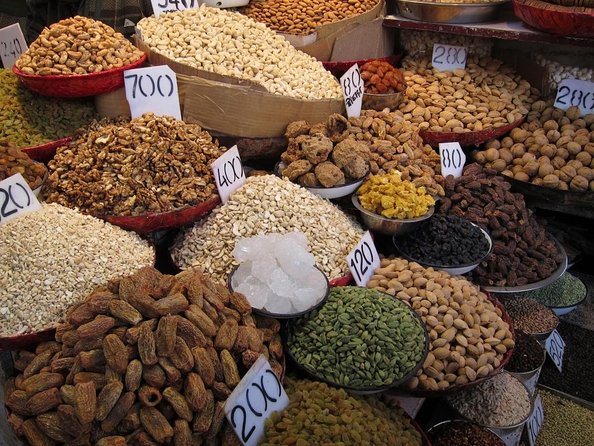
- Khari Baoli spice market: the South Asia scale hits in person
- All food and drinks handled: tea, bottled water, tastings, and dinner are included
- Old Delhi food stops you can’t self-plan easily: jalebi, samosas, paranthas, and more
- Jama Masjid area + Karim’s: Mughlai classics with a strong Old Delhi link
- Small groups of up to 6: easier for navigating crowds and staying together
Old Delhi at 5:30 pm: why this timing works
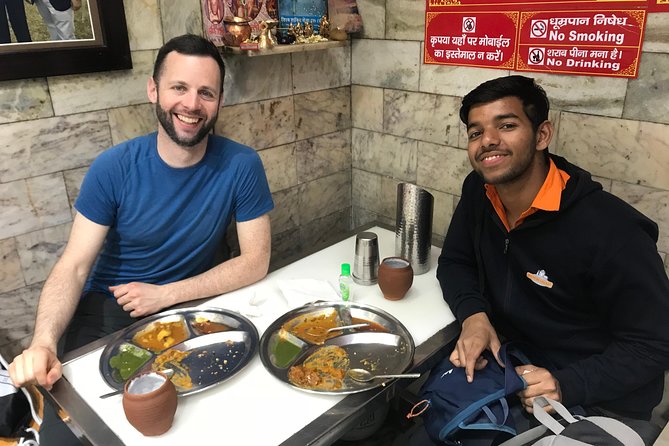
Old Delhi changes fast after sunset. Daytime can feel like a sprint; evening tends to slow down just enough for you to taste, ask questions, and notice how shopkeepers and food sellers actually run their lanes.
This tour starts at 5:30 pm from the Inner Circle (Connaught Place) area, and it ends back there. That matters because you’re not stuck figuring out return transport after you’ve eaten your way through Chandni Chowk and beyond.
The duration is about 3 hours 30 minutes, which is a sweet spot for a first night. Long enough to hit multiple neighborhoods, short enough that you don’t have to plan your whole evening around it. And since it’s guided, you spend less time guessing where to go and more time doing what you came for: eating and learning.
If you’re the type who likes a plan but still wants the surprise of street life, this one fits. You get a structured flow—spices, markets, sweets, then proper Mughlai dinner—without feeling like you’re trapped in a museum.
You can also read our reviews of more food & drink experiences in New Delhi

The transport mix: metro, then rickshaw, then walking
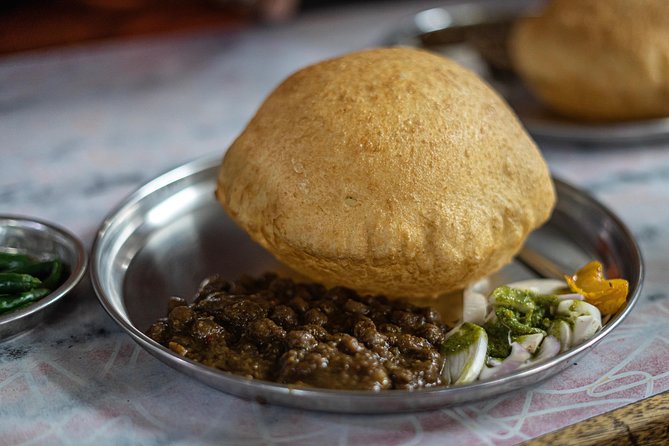
I like that this tour doesn’t pretend you can see Old Delhi from a single viewpoint. You’ll move by metro and rickshaw, plus on foot between stops. That gives you a real sense of scale: open transit corridors, then suddenly tight lanes and shoulder-to-shoulder foot traffic.
The rickshaw portion also changes your pace. It’s not just transport—it’s a quick way to see the texture of the spice and street-food districts without needing to power-walk the whole distance. It helps on the days when your feet would rather be eating than sweating.
You’ll also likely pass through parts of Old Delhi that feel intimidating if you arrive alone. Having a guide and a small group size helps you stay oriented. It’s not about hiding you from the city—it’s about helping you navigate it without getting lost in it.
One more practical point: this is an evening tour, so expect streets to be active and a bit unpredictable. Bring layers if it cools down, and keep water on your mind even though bottled water is included.
Khari Baoli spice market: the smell lesson you can’t read
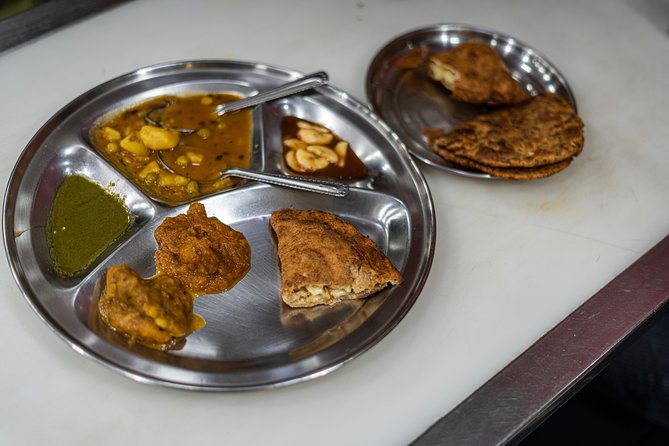
Stop 1 is Khari Baoli, and yes—this is where you see why it’s described as South Asia’s largest spice market. Walking through, you don’t just notice spices. You notice the system behind them: the way stalls are arranged, how ingredients are grouped, and how vendors talk about aroma and heat.
The tour includes a rickshaw ride here, which is handy because Khari Baoli is intense. You get close enough to experience the market, but you’re not trying to manage traffic and crowds at the exact moment you’re getting your bearings.
What you’ll take away isn’t a trivia dump. It’s context for how Indian cooking gets built: spices aren’t just added at random. They’re chosen for flavor, color, and the way dishes hold together across simmering and frying.
This is also one of the best stops to reset your expectations for the evening. When you understand the spice logic, the later tastings—chaat-style flavors, sweets, and Mughlai-style gravies—make more sense on your tongue.
Chandni Chowk and Nai Sarak: street food focus with guide control
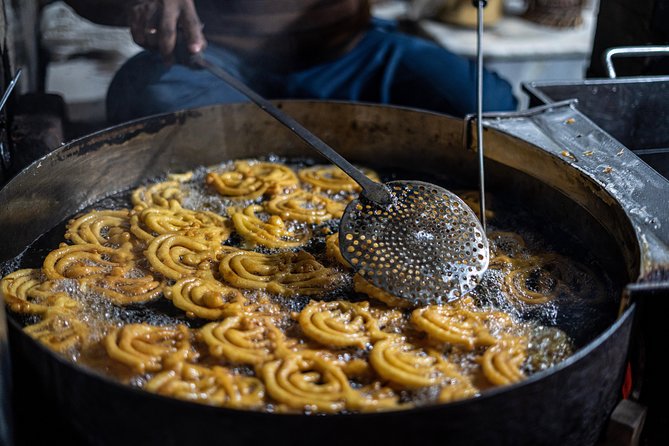
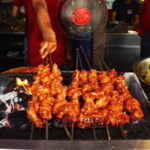
Next you head into Chandni Chowk, where the big win is choice and safety. The tour description highlights fun for foodies and a range of safe food options. That’s important because Old Delhi street food isn’t one thing—it’s dozens of styles in a small radius.
Chandni Chowk is also a street for watching people work. Even if you’re mainly there for eating, you’ll notice how fast vendors can assemble something hot and fresh. That speed is part of why the food tastes different than what you get in quieter areas.
Then you stop at 2584–2585, Nai Sarak, a place where the tour frames things as secrets behind India’s cuisine. You’ll get guided commentary, which is key here. Without it, you can end up eating lots of things but missing what makes them different from other Indian dishes.
The value of these market stops is simple: you’re not randomly sampling. You’re sampling in a sequence that builds understanding—spices first, then street-food flavor patterns, then sweets and breads, and finally a more sit-down style dinner.
Old Famous Jalebi Wala: crisp jalebi and hot samosas
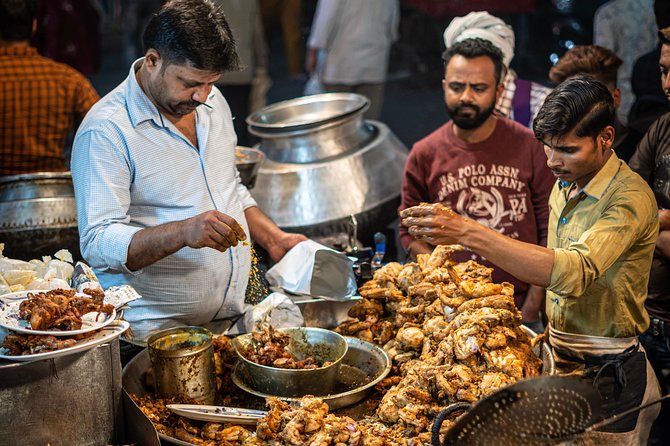
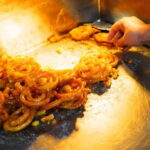
One of the most fun points in the route is Old Famous Jalebi Wala. Here, the focus is specific: crispy golden jalebis and fresh hot samosas. If you like your sweets with crunch, this stop is built for you. Jalebi’s texture is a big deal—when it’s freshly made, it snaps before it melts.
Samosas also give you contrast. You go from syrupy, sticky sweet to savory, spiced pastry in the span of one tasting stop. That’s a smart way to keep your palate awake.
The tour includes admission here as part of the tasting. Translation: you’re not doing extra payments mid-walk, and you don’t have to decide if this one bite is worth the extra cost. That makes the evening feel smoother.
A small practical note: jalebi can be quite sweet, even if you love desserts. If you’re not sure how you’ll handle sugar, it’s still worth trying—just pace the bites. Your guide’s job is to help you keep tasting without overdoing one thing too early.
A few more New Delhi tours and experiences worth a look




Jama Masjid from outside: history without the tourist trap
You’ll learn about Jama Masjid and see it from outside. This is the part of the tour that turns the street-food night into more than a food run.
Even outside the monument area, the guide’s commentary helps you understand why this part of Old Delhi became such a food center. Religious and market life often develop side by side here, and that overlap shows up in the food culture.
This stop is also practical. It gives you a brief visual break from eating and tight lanes. It’s not a long sit-down visit, so you keep your energy for the later bread and dinner.
If crowds are a lot for you, take a moment to pause and breathe. Then get back to the next lane—because the best part about this tour is how quickly it shifts from sight to taste.
Paranthe Wali Gali: the bread street where you’ll want seconds
Next is Paranthe Wali Gali, a street known for paranthas. The tour frames this as trying different stuff bread, and that’s exactly what makes it worthwhile.
Parantha is one of those foods that’s bigger than just bread. It’s layered, pan-cooked, and often stuffed, which means each version can feel like a different meal. On this stop, you’re not just tasting one plain item. You’re tasting bread as a platform for fillings, spice balance, and that satisfying fried/crisp edge.
This is also where you’ll appreciate the pacing. After jalebi and samosas, paranthas give you something warm and savory that grounds the evening. It helps you build up to the final dinner stop without crashing.
If you’re watching what you eat, this is the place to be honest with your guide. You want enough variety to feel the point of the tour, but you also want to save room for the Mughlai dinner later. The small group size makes those adjustments easier.
Karim’s near Jama Masjid: Mughlai dinner that feels like Old Delhi
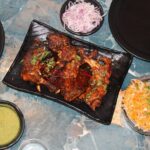
The final big food stop is Karim’s, described as one of Old Delhi’s most iconic food institutions serving Mughlai cuisine for over a century. It’s founded near Jama Masjid and is known for rich curries and tender kebabs with traditional flavors passed down through the years.
This is dinner included, and it’s a strong closer for a street-food evening. Jalebi, samosas, chaat-style bites, and paranthas are your quick hits. Karim’s gives you a more complete meal rhythm—warm sauces, hearty portions, and that Mughlai feel of slower cooking and deeper spice blends.
The best part is how the evening comes together. You start with spices at Khari Baoli, you move through the street-food texture of Chandni Chowk and Nai Sarak, you learn what sweet and bread do for the palate, and then you end with a restaurant-style classic that connects back to the Jama Masjid area.
If you’re trying Old Delhi for the first time, this ending is the moment you go from snack tourist to actual dinner participant.
Price and value: what $45 gets you in real terms
At $45 per person, this tour can look simple—until you see what’s included. You’re getting a professional guide, metro and rickshaw transport, tea and bottled water, and all tastings, plus dinner. That’s a lot to package into a single fixed price.
Value is not just about cost. It’s about time and decision fatigue. In Old Delhi, choosing stalls and figuring out what to try takes effort, and doing it without local guidance can lead to more repeats or fewer “must-try” styles. Here, the structure helps you hit variety quickly.
Also, the group size is capped at a maximum of 6 people per booking. That tends to make the experience feel more responsive. It’s easier for a guide to manage orders, traffic crossings, and pacing when the group is small.
One more detail: tastings are included throughout, but not every stop is a full meal. Some are spice/market learning moments that add context; others are your actual eating moments. That blend is part of the value. You don’t leave with a stomach-only memory. You leave with a story you can repeat.
Who this tour suits (and who should plan differently)
This is a great fit if you:
- want a guided Old Delhi food route without spending your evening map-guessing
- like street food but want a guide to keep you on track
- enjoy history tied to what you eat, especially around Jama Masjid and Karim’s
- want a small group rather than a large bus-style crowd
It may not be the best fit if you:
- hate crowds or have trouble with lots of walking
- are extremely sensitive to spice and don’t feel comfortable making choices on the fly
- need a very quiet, seated experience—this is active and hands-on by design
One practical tip: Old Delhi nights can change quickly. If rain or other conditions pop up, your guide may adjust the plan, and you might not cover every stop. That’s not a failure—it’s how flexible street-level tours work.
Should you book this Old Delhi food tour with Delhi by Locals?
I’d book it if you want your first Old Delhi night to feel organized, flavorful, and genuinely local in how you move. The combination of Khari Baoli spices, Chandni Chowk street energy, jalebi and samosas, paranthas on Paranthe Wali Gali, and a proper Karim’s Mughlai dinner is a smart sweep for about 3.5 hours.
If you’re the type who likes to learn while you eat, this works because the guide experience includes culinary context, not just where to buy snacks. And with a small group of up to 6, you get a better chance to ask questions and adjust your pacing.
Book it if you’re excited about street food culture and want a real sense of Old Delhi after dark. Skip it only if you’d rather do Old Delhi at your own speed with zero guidance.
FAQ
How long is the evening food tour in Old Delhi?
It runs for about 3 hours 30 minutes.
Where is the meeting point and what time does it start?
The tour meets at Inner Circle, Block A, Connaught Place, New Delhi, starting at 5:30 pm. It ends back at the meeting point.
How much does the tour cost, and what’s included?
The price is $45 per person. Included are a professional guide, metro and rickshaw transport, tea and bottled water, all tastings, and dinner.
What food stops are included during the tour?
You’ll visit Khari Baoli (spice market), Chandni Chowk, Nai Sarak, Old Famous Jalebi Wala (jalebi and samosas), Paranthe Wali Gali (paranthas), and Karim’s (Mughlai dinner). You’ll also learn about Jama Masjid and see it from outside.
How big is the group?
The tour has a maximum of 6 travelers per booking.
What is the cancellation policy?
You can cancel for a full refund up to 24 hours before the experience starts. Free cancellation is available, and any changes made less than 24 hours before start time aren’t accepted.