REVIEW · NEW DELHI
Chandni Chowk Old Delhi Food Tour with Spice Market
Book on Viator →Operated by Tour4Fun · Bookable on Viator
Old Delhi can feel like a living maze—this tour helps you move. A guide-led walk through Chandni Chowk keeps you from getting turned around, while you snack your way through classic market stops. You’ll also ride a cycle rickshaw, which turns the chaos into something fun to look at.
What I like most is the focus on food that’s explained, not just handed over. Guides such as Gajendra (and also Achaleshwar, from what I’ve seen in reviews) tend to talk through what you’re eating and how each place fits into Old Delhi life.
The main drawback to consider is time and crowds: this is a walking tour in a busy area, and you should expect lots of people and tight lanes. If you’re coming at midday, one stop matters too—Digambar Jain Lal Mandir is closed from 12 to 5 PM.
In This Review
- Key Highlights You’ll Actually Care About
- Chandni Chowk in 3 Hours: Why This Short Tour Feels Just Right
- Getting Oriented With the Guide (So You Don’t Wander in Circles)
- Digambar Jain Lal Mandir (1656) and a Birds Hospital Pause
- Gurudwara Sis Ganj Sahib and the Langar Experience
- Khari Baoli: The Spice Market Scale That’s Hard to Imagine
- Gadodia Market: Old Haveli, Spice Village Feel, Rooftop Views
- Kinari Bazar: Wedding Details, Women’s Decor, and 350-Year-Old Havelis
- The Famous Street Stop: When You Need the Real Old Delhi Feel
- Price and Value: Is $45 Worth It?
- What’s Included (And What’s Not)
- Practical Tips for a Smoother Walk Through Old Delhi
- Should You Book This Chandni Chowk Food Tour?
- FAQ
- How long is the Chandni Chowk Old Delhi food tour?
- What’s included in the price?
- How much does the tour cost?
- What are the main stops on the route?
- Is there an admission fee for the markets and sights?
- What happens if the weather is bad?
Key Highlights You’ll Actually Care About
- Navigate Chandni Chowk safely with a guide who knows the winding lanes
- Vegetarian snacks + coffee/tea included, so you’re not hunting for bites mid-walk
- Cycle rickshaw ride for a quick change of pace and better views
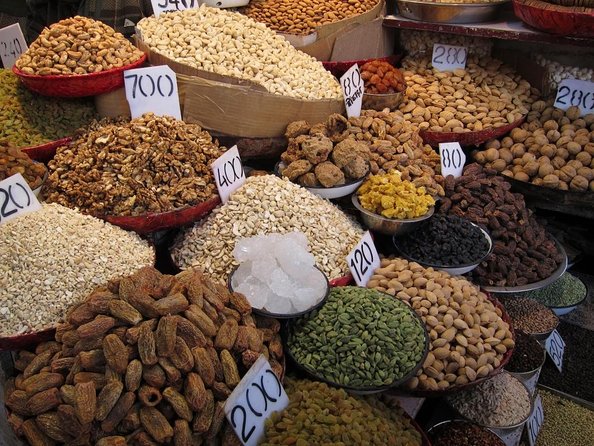
- Khari Baoli: Asia’s biggest spice market with 1,000+ shops
- Langar at Gurudwara Sis Ganj Sahib with daily service for 10,000+ people
- Wedding-focused Kinari Bazar with decades-old havelis (Naughara), plus decorative shopping zones
Chandni Chowk in 3 Hours: Why This Short Tour Feels Just Right
This is a 3-hour Old Delhi experience designed for real life—limited time, limited patience for confusion, and zero interest in “winging it” in crowded lanes. Chandni Chowk isn’t the place where you easily wander in a straight line. So the value here is simple: a guide helps you get where you need to be without spending most of your visit asking, sorry, where is…?
You’ll cover multiple market areas and religious landmarks in a tight loop, and you’ll also get a built-in rhythm. You walk, you snack, you stop for sights, and then you ride a cycle rickshaw for a quick reset. That mix matters because it keeps the tour from turning into one long street-stumble.
The group is capped at 20 travelers, which usually means you can still hear explanations instead of just following a moving blob. It’s also a mobile ticket tour, which is handy if you like keeping things low-friction on your phone.
You can also read our reviews of more food & drink experiences in New Delhi


Getting Oriented With the Guide (So You Don’t Wander in Circles)
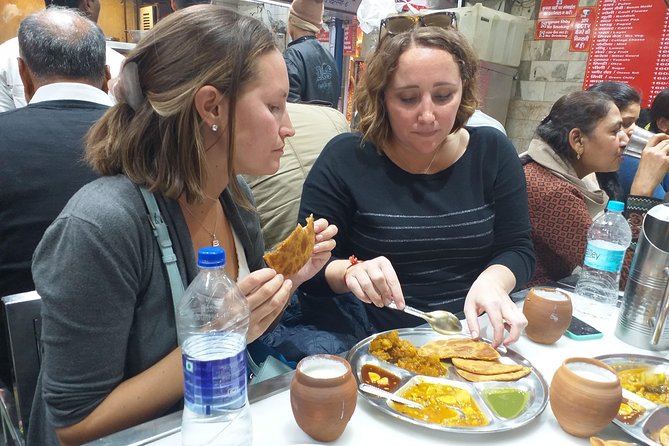
The best part of these “Old Delhi” tours is the person holding the thread. In the reviews, guides like Gajendra and Achaleshwar are repeatedly praised for friendly guidance and clear communication. That’s not fluff—when you’re in a maze of lanes, someone who can read the flow of people and traffic saves you time and stress.
You’ll see busy streets and markets up close, but you’re not doing it blind. A good guide does two things well:
- helps you navigate fast (so you’re not constantly searching)
- helps you understand what you’re seeing (so the food and markets feel meaningful)
You’ll likely spend less energy on logistics and more on sensory stuff: the smells at the spice market, the visual overload at wedding bazaars, and the small details in religious spaces.
One practical point: since it’s a walking tour, wear shoes you can tolerate for a few hours on uneven pavement. If you’re the type who hates walking, this tour will feel like a compromise. If you’re okay with walking a lot for great street scenes and snacks, it’s a strong fit.
Digambar Jain Lal Mandir (1656) and a Birds Hospital Pause
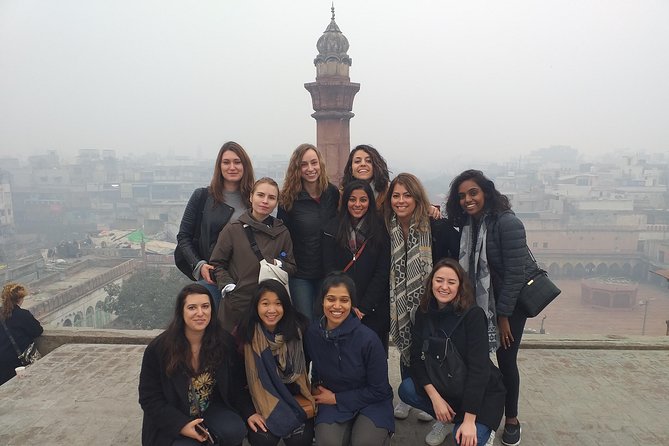
One stop is Digambar Jain Lal Mandir, built in 1656. This is one of those places where you get a break from market intensity. It’s known for gold-plated painting, and it also includes a birds hospital—a detail that makes the site feel practical and human, not just decorative.
There’s also a timing catch you should plan around: the temple is closed from 12 to 5 PM. If your schedule tends to run late (or you’re arriving hungry and slow), consider that you may miss this stop depending on the day and your tour timing.
Even if you only get a short look, this kind of stop is valuable because it shows you Old Delhi beyond food stalls. It connects religion, craft, and daily life in a way you can’t really replicate from a street-level glance.
Gurudwara Sis Ganj Sahib and the Langar Experience
Next up is Gurudwara Sis Ganj Sahib, dedicated to the Ninth Guru Teg Bahadur. This stop stands out because it’s tied to something you can actually see in action: the Langar (free kitchen).
Here’s the key detail that makes it real: every day more than 10,000 people eat, and there’s also service involved. That means you’re not only touring a building—you’re witnessing a system of community care that’s running daily.
If you’re curious about how places of worship operate as living community hubs, this stop gives you a clear answer. It also changes the pace after markets. Where spice lanes can feel loud and commercial, the gurdwara space is about routine, service, and shared meals.
Khari Baoli: The Spice Market Scale That’s Hard to Imagine
Now for the part most people come for: Khari Baoli, described as Asia’s biggest spice market with 1,000+ shops. Once you’re inside, the sheer scale hits you. It’s the kind of place where it’s easy to feel overwhelmed if you’re just walking on your own, because you might not know where to start or what’s worth your attention.
That’s exactly where the guide helps. You’re not only seeing spices—you’re learning what they’re used for and how the market works. The value of an organized tour is you get the context while you’re surrounded by the scents and colors.
One small timing advantage: the stop includes an admission ticket that’s free, so you’re not spending extra time sorting out fees or guessing what matters once you arrive.
If you like photography, this is also a great place to look slowly. Prices and shopfronts matter less here than the texture of the place: sacks, grinders, displays, and the way merchants interact with customers.
A few more New Delhi tours and experiences worth a look




Gadodia Market: Old Haveli, Spice Village Feel, Rooftop Views
After Khari Baoli, you’ll move to Gadodia Market, which is described as part of the spice market and made up of an old haveli in Old Delhi. Think of it as a smaller, more lived-in zone—almost like a small spice village, where people live and work.
The standout feature is the rooftop. You’ll get a birds-eye view of Old Delhi from above the lane-level crowd. Even if you’ve been in cities with rooftops, this perspective helps you connect the dots. You start to understand how the streets link up, where markets sit relative to each other, and why getting lost on foot is so easy.
As with other market stops, admission here is also free, so you can focus on the experience instead of budgeting for entry.
If you’re the type who likes seeing both street-level chaos and a calmer overview, this stop is a smart balance. It also makes the route feel less repetitive than “walk, eat, walk, eat” because you actually get a change in viewpoint.
Kinari Bazar: Wedding Details, Women’s Decor, and 350-Year-Old Havelis

Then comes Kinari Bazar, a market known for wedding items and decorative goods for women’s dresses and home decoration. This is a different vibe than the spice market. Instead of smell and powder, you’re dealing with visual detail—trims, decorative elements, and the craft side of Old Delhi.
You’ll also visit some 350-year-old havelis (Naughara). That time depth adds a layer beyond shopping. It helps you see how old residential architecture connects to today’s commercial life.
One reason this stop works well inside a food-focused tour: it keeps your brain engaged. After spices and street snacks, switching to textiles and decor stops the sensory fatigue. And if you like to remember places through specific visuals, Kinari Bazar gives you that.
Also, like the other market stops, entry here is free according to the tour info.
The Famous Street Stop: When You Need the Real Old Delhi Feel
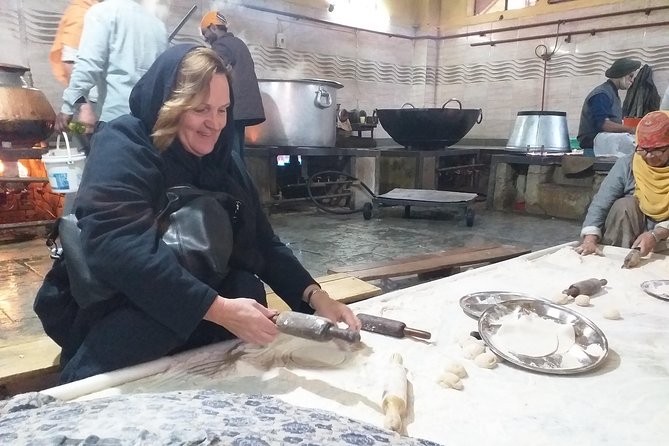
The itinerary includes time on one of the famous streets of Old Delhi. The exact street name isn’t specified in what you were given, but the purpose is clear: you get a broader street-level view of the neighborhood vibe.
This part is useful because it ties everything together. Markets can be slightly “contained” in your mind, but streets show you how the city actually moves—where people gather, how shops spill into sidewalks, and how neighborhoods function as part of daily life.
If you’re sensitive to crowds, this is the segment where you should slow down, breathe, and focus on what your guide is pointing at. Don’t rush to keep up. That’s how you miss the good stuff.
Price and Value: Is $45 Worth It?
At $45 per person for about 3 hours, this isn’t the cheapest way to snack around Old Delhi. But it’s also not trying to be. The value comes from what’s built in:
- Coffee and/or tea
- Vegetarian street food snacks
- Rickshaw ride
- Guide-led navigation and explanations
- Market and site time that includes free admission at the stops listed
If you tried to recreate this on your own, you’d have to piece together your own route, figure out what to eat and where, and manage your own transport for the rickshaw moment. That can work for confident planners. But in Old Delhi, confidence can turn into confusion fast.
So the real question isn’t only the cost. It’s whether you want structure. For most first-timers, $45 feels reasonable because the guide removes the hardest part: knowing what’s worth your attention and how to move through it smoothly.
Also, the average booking lead time is about 20 days, which suggests it’s a popular slot. If you’re traveling on peak dates, don’t wait until the last minute.
What’s Included (And What’s Not)
You’ll get coffee and/or tea, plus vegetarian street food snacks. You’ll also ride in a cycle rickshaw as part of the experience.
What’s not included is shopping. That’s normal for food tours, but it’s worth stating so you don’t expect a refund if you end up tempted by spices, wedding decor, or haveli crafts. If you want to buy something, set a small budget and treat it as a bonus, not a requirement.
Because the tour includes multiple market areas, you can end up seeing a lot of goods even when you’re not planning to buy. I’d call that a feature: you get the full sense of place, not a curated bubble.
Practical Tips for a Smoother Walk Through Old Delhi
A few things help you enjoy this tour more and complain less:
- Wear comfortable walking shoes. You’ll be on foot through crowded lanes.
- Bring water or plan to sip on what’s offered. Tea/coffee is included, but you’ll still want to stay hydrated.
- Be ready for a temple timing possibility. Since Digambar Jain Lal Mandir is closed 12 to 5 PM, your day’s schedule could affect whether you see it.
- Go with an open mind for vegetarian street food. The tour is focused on vegetarian snacks, and it’s part of the point.
- Ask questions. In the reviews, guides like Gajendra and Achaleshwar are praised for answering questions and offering tips. If you’re unsure about what you’re tasting, ask.
And one small mindset shift: Old Delhi can look overwhelming. Instead of trying to “see everything,” pick moments. Let the guide bring you to them, and then enjoy them when you arrive.
Should You Book This Chandni Chowk Food Tour?
Book it if you want Old Delhi food and markets with less guesswork, especially if you’re short on time. The mix of Khari Baoli spices, the Langar at Gurudwara Sis Ganj Sahib, and the decorative wedding-focused vibe of Kinari Bazar gives you a well-rounded snapshot of the area.
Skip it (or think twice) if you hate crowds or you strongly prefer self-paced exploring with no walking structure. This is not a slow museum-style tour. It’s a street-and-snack experience.
If you value a guide who helps you understand what you’re eating and seeing, and you like the idea of a cycle rickshaw break from walking, this one’s a solid bet.
FAQ
How long is the Chandni Chowk Old Delhi food tour?
It lasts about 3 hours.
What’s included in the price?
The tour includes coffee and/or tea, vegetarian street food snacks, and a cycle rickshaw ride.
How much does the tour cost?
The price is $45.00 per person.
What are the main stops on the route?
Stops include Digambar Jain Lal Mandir, Gurudwara Sis Ganj Sahib (including Langar), Khari Baoli spice market, Gadodia Market, Kinari Bazar, and time on a famous street of Old Delhi.
Is there an admission fee for the markets and sights?
According to the tour details, admission is free for Khari Baoli, Gadodia Market, and Kinari Bazar. The Digambar Jain Lal Mandir stop is described with closure hours, but no admission fee details are provided.
What happens if the weather is bad?
This experience requires good weather. If it’s canceled due to poor weather, you’ll be offered a different date or a full refund.
If you tell me your travel dates and roughly what time you’ll arrive in Old Delhi, I can suggest how to time this around the Jain temple closure window.