REVIEW · MADRID
Madrid: Ultimate Food Tour of Local Markets & Tapas
Book on GetYourGuide →Operated by Devour Tours · Bookable on GetYourGuide
Chocolate in Madrid isn’t what you expect. This 3.5-hour walk through central neighborhoods is a hands-on way to learn Spanish food by actually eating it, including 12+ tastings at family-run spots and a proper stop at a real daily market. I like that the tour goes beyond tourist highlights and puts you in front of the foods locals treat as routine. I also like the mix: bread and savory bites, then drinks and sweets, so you finish full but not wrecked.
One consideration: this is a lot of walking, and it’s not a good pick if you use a wheelchair, need stroller access, or struggle with longer stretches on foot. Bring comfy shoes and plan to stand for at least one bite the local way.
In This Review
- Key things to know before you go
- Plaza Santa Ana Meeting Point: Getting Oriented Fast
- Morning vs 5 pm: Churros and Chocolate, or Tapas and Beer
- Chocolate Madrid: Why the First Bite Matters
- MOEGA Empanadas y Pan Gallego: Bread You’ll Remember
- Mercado de Antón Martín: Olives, Cured Meats, Olive Oil, and Vermouth
- Casa González: A Deli With a 1930s Story, Plus Wine and Cheese
- Plaza Mayor Area Bite: The Calamari Sandwich You Eat Standing Up
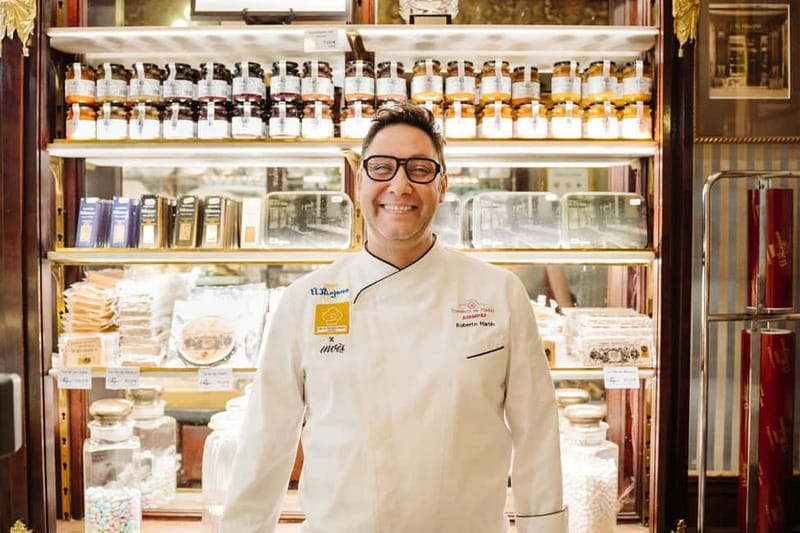
- The Long Finish at El Riojano: Dessert Since 1855 With Coffee or Tea
- Price and Portion Value: Is $90 a Good Deal?
- The Guide Factor: A Tour That Feels Like a Local Food Friend
- What You Should Bring (and What You Should Like)
- Who This Tour Fits Best (and Who It Doesn’t)
- Should You Book This Madrid Ultimate Food Tour?
- FAQ
- How long is the Madrid Ultimate Food Tour of Local Markets & Tapas?
- Where does the tour start?
- What’s included in the price?
- Is churros included on all departure times?
- Can vegetarians or people with dietary restrictions join?
- Is the tour suitable for wheelchairs or strollers?
Key things to know before you go
- 12+ tastes across 9 family-run eateries with 3 drinks built in
- Market time at Mercado de Antón Martín for olives, cured meats, produce, and extra virgin olive oil
- Churros + chocolate on morning tours; 5 pm swaps to tapas and a beer
- Vermouth education: what it is, and when locals drink it
- Cheese and wine pairing in a deli with a 1930s-era political past
- A sweet finish at a pastry shop operating since 1855
Plaza Santa Ana Meeting Point: Getting Oriented Fast
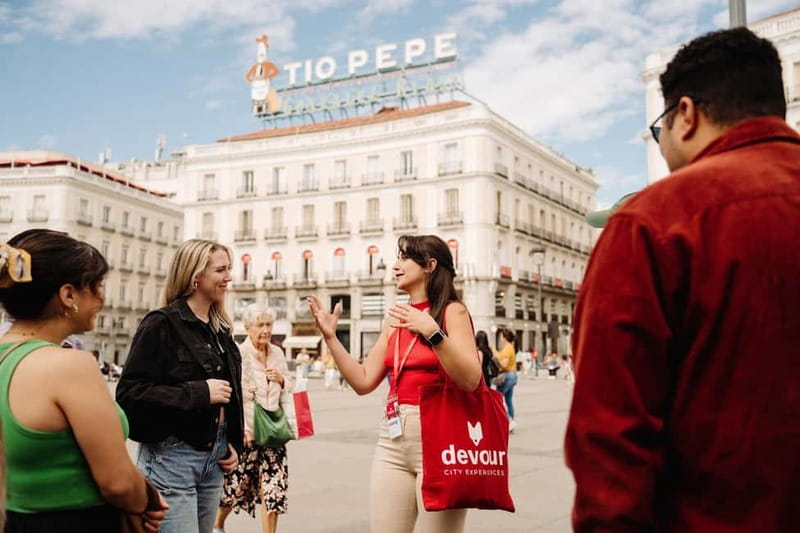
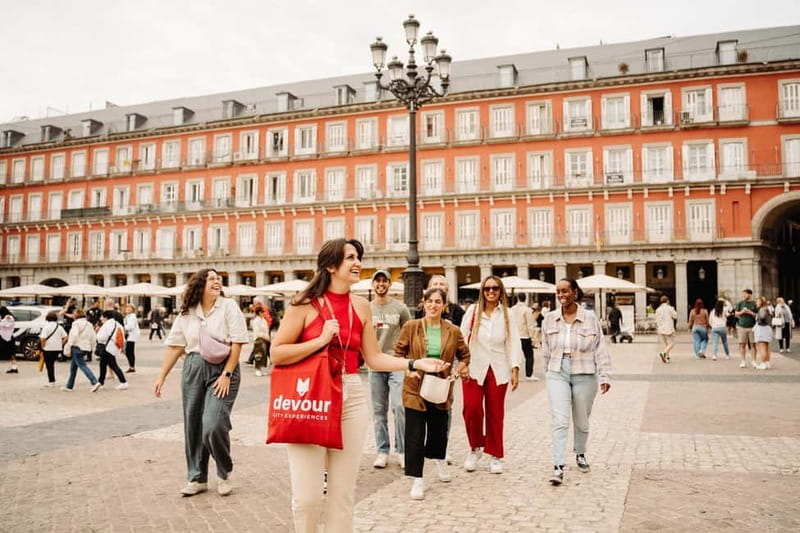
You start at Plaza Santa Ana, by the statue of Calderon de la Barca, in front of the big white hotel. Arrive about 15 minutes early so you can spot your guide holding a red Devour Tours tote bag or sign, then settle into the group.
Why I like this setup: Plaza Santa Ana is central enough that the food stops feel like part of real Madrid, not a car ride and a distant bus drop. Also, the tour is a walking format, so you’re moving through neighborhoods while you learn. That matters, because a lot of Spanish food makes more sense once you’ve seen how close markets, bars, and pastry shops are to everyday life.
You should expect a moderate pace. The tour is described as not suitable for mobility impairments or wheelchair users, and also not for strollers. If you’re steady on your feet, you’ll be fine.
You can also read our reviews of more food & drink experiences in Madrid

Morning vs 5 pm: Churros and Chocolate, or Tapas and Beer
Your experience depends on which time you book, and that changes the first half.
On morning tours, you’ll start with chocolate and the real story behind churros at a beloved neighborhood café. The tour’s focus here is origin and technique, not just a quick sugar hit. This is exactly the kind of food myth-busting I enjoy: it turns something familiar into something you actually want to think about while you eat.
If you choose the 5 pm tour, churros stop is not included. Instead, you’ll visit a popular tapas bar for two beloved local tapas plus a beer. It’s still a strong start, just shifted toward evening aperitivo energy instead of breakfast-style pastry.
Either way, you’re setting the theme early: Madrid doesn’t treat food as an attraction. It treats food as part of the day.
Chocolate Madrid: Why the First Bite Matters
The opening stop, Chocolate Madrid, is about establishing your palate. You’re tasting chocolate paired with churros (on morning tours), and you’re learning the real origins behind the combo. That small education piece makes the rest of the tastings land better later.
Even if you think you already know churros, this start can surprise you. It’s not just fry + sugar. The tour frames it like a cultural chain: how chocolate got connected to these morning treats, and how that shapes what people order today.
Practical tip: if you’re sensitive to sugar, pace yourself early. You’ll have more savory food coming soon, including bread, cured meats, and market bites.
MOEGA Empanadas y Pan Gallego: Bread You’ll Remember
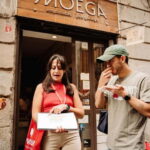
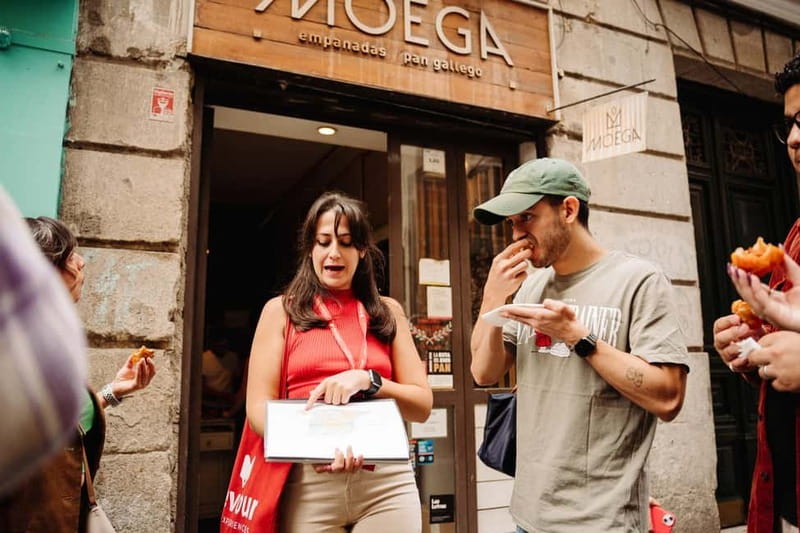
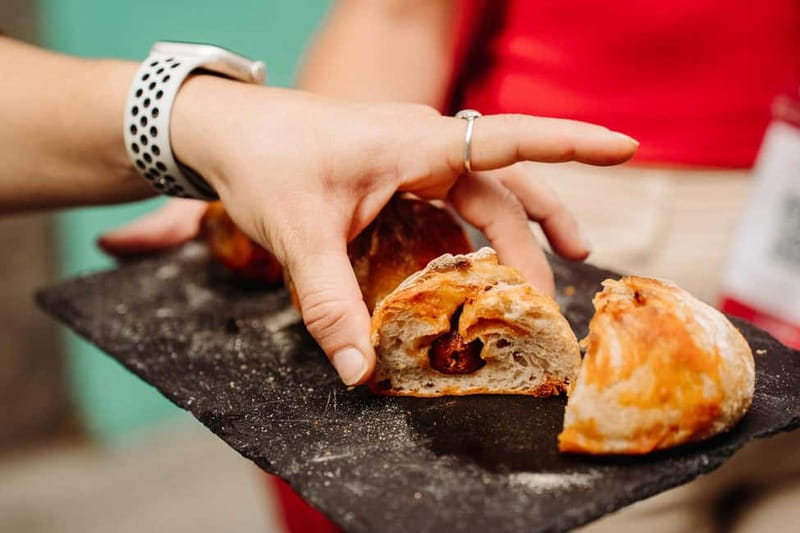
Next comes MOEGA Empanadas y pan gallego, where the tour turns to one of Madrid’s trickiest subjects: good bread. You’ll meet a tiny storefront vibe and taste what they do best, including homemade bread with chorizo-stuffed fillings.
This stop is short (it’s listed as a brief tasting), but it’s a high-impact one. Here’s why: Spanish bread is not just a vehicle for other food. Bread texture, salt level, and how the filling behaves all affect your whole impression of the meal.
If you like savory handheld foods, you’ll probably want to come back after the tour. In fact, the bread-and-stuffing combo is the kind of taste that makes you stop thinking in terms of souvenirs and start thinking in terms of returning to the same place for another round.
Mercado de Antón Martín: Olives, Cured Meats, Olive Oil, and Vermouth
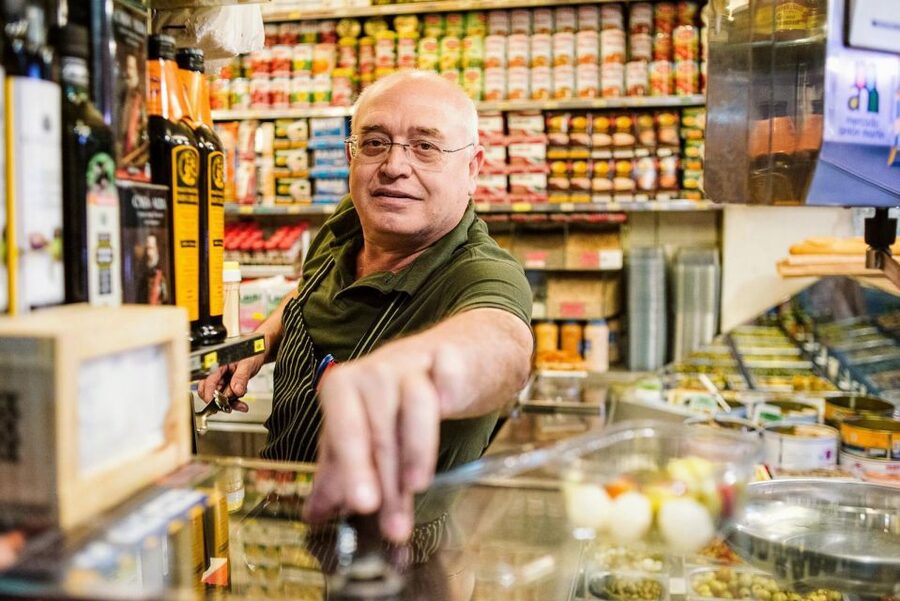
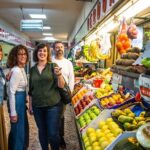
Then you step into Mercado de Antón Martín, and this is the heart of the experience for many people. Markets in Madrid are where you learn how locals actually shop, not how they shop for a photo.
You’ll sample items along the way, including:
- olives
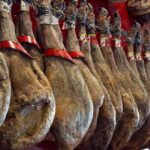
- cured meats
- locally sourced produce
- extra virgin olive oil
And you’ll sip Spain’s favorite aperitif red vermouth, plus learn why it’s special and when to drink it.
Here’s the value for you: vermouth isn’t just a drink you order blindly. It’s tied to daily routine and timing. Once you understand when locals drink it, it’s easier to recreate that feeling during your own nights out. Same with olive oil. Taste it next to other ingredients, and you start recognizing quality differences instead of just thinking it’s all the same.
One reality check: this stop is food-heavy and includes flavors like olives and cheese. If you dislike them, speak up in advance so your options can be arranged.
A few more Madrid tours and experiences worth a look

Casa González: A Deli With a 1930s Story, Plus Wine and Cheese
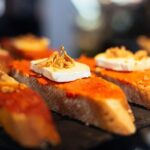
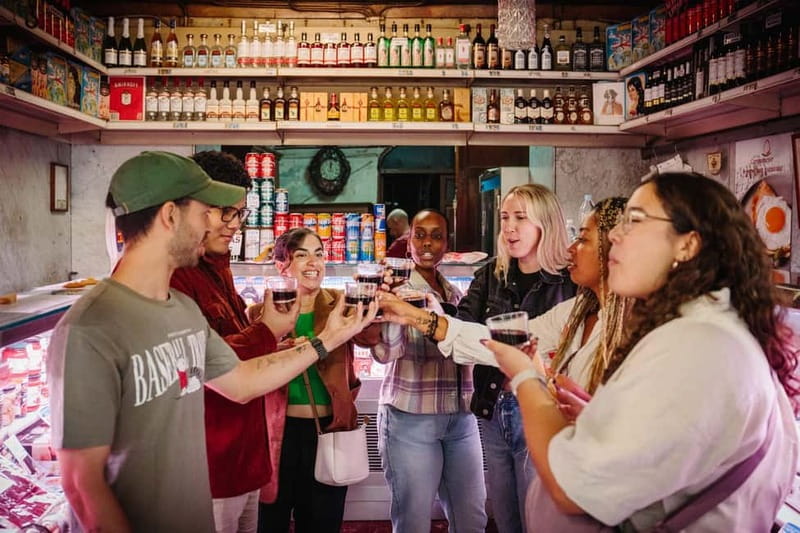
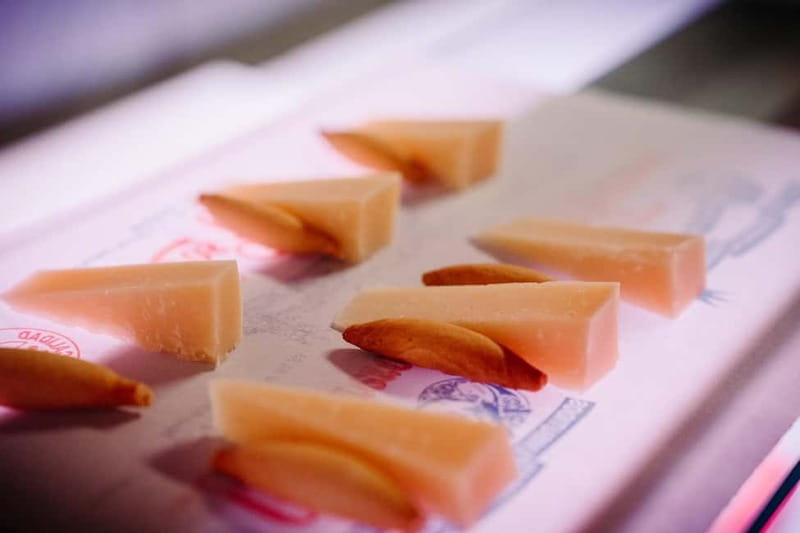
After the market, you head to Casa González, an unassuming neighborhood deli with a surprisingly dramatic past. The owner’s father held clandestine meetings in the 1930s, plotting against Spain’s newly established dictatorship. Today, the space supports a more peaceful kind of gathering: your mini tasting of cheeses from around Spain, paired with two different wines.
This stop is a lesson in contrasts. One moment you’re thinking about how food spaces can carry serious human stories. The next, you’re tasting and pairing. That makes the tour feel less like a chain of snacks and more like a look at how people use shared tables to live, remember, and celebrate.
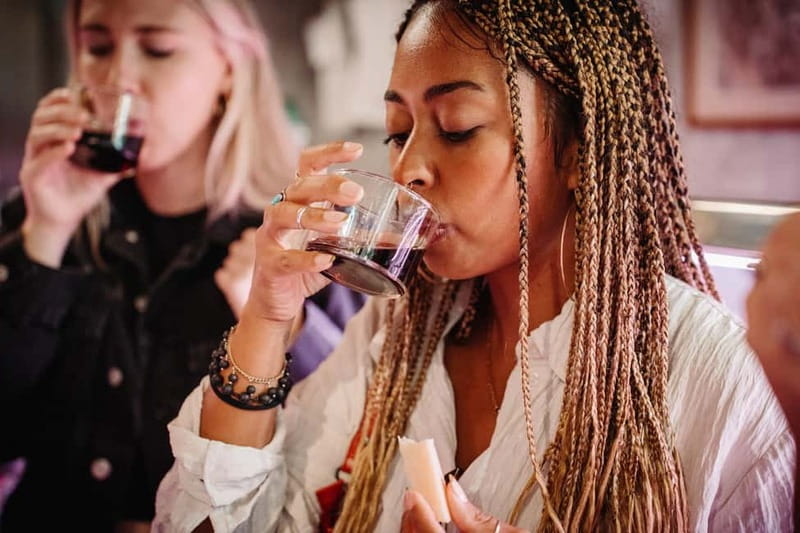
If you love wine pairings, you’ll enjoy the structure here. If you don’t drink alcohol, you can request non-alcoholic options, though the tour notes that replacements might not exist at every stop.
Plaza Mayor Area Bite: The Calamari Sandwich You Eat Standing Up
Around Plaza Mayor, the tour’s logic is simple: you’re not meant to hunt endlessly for random street food. You’re meant to eat one specific thing, done right—an excellent calamari sandwich.
You’ll find it almost anywhere in the surrounding area, but today’s version is the one with calamari rings cooked in light, crunchy batter. And you’ll eat it standing outside the bar, like locals do.
This is one of those small cultural details that turns into a big experience. You’re not waiting to sit down before you enjoy the food. You grab it, eat it, and keep moving. It also keeps the tour pace relaxed, so you don’t feel stuck at a table all afternoon.
If you’re camera-happy, this is a great stop to get quick photos. If you’re smell-sensitive, keep a moment in your planning for fried batter.
The Long Finish at El Riojano: Dessert Since 1855 With Coffee or Tea
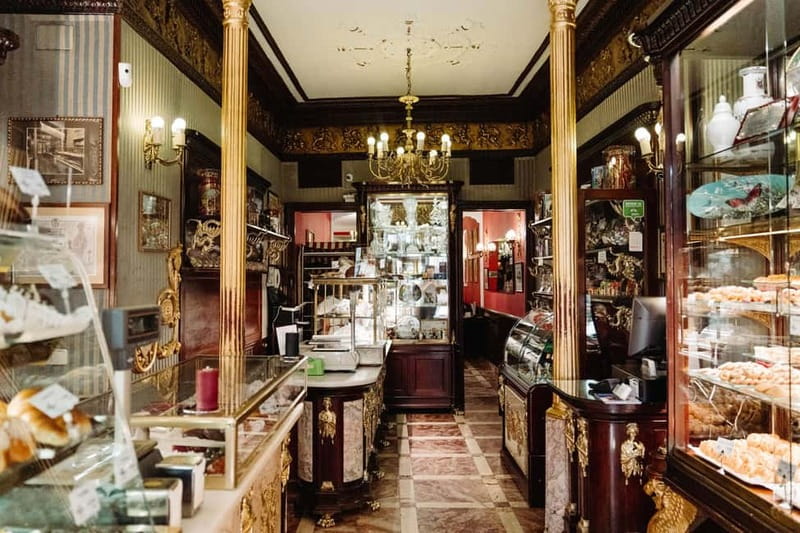
You wrap up on a sweet note at a classic pastry shop that’s been operating since 1855. The shop is opened by a pastry chef tied to Spanish royalty, and it’s the kind of place that can look ordinary from the street until you realize how old and respected it is.
The tour’s goal here is a proper ending: a classic Spanish dessert with your choice of coffee or tea. It’s a smart close because the tasting day already has salty and savory weight. Dessert resets the palate without leaving you overly full.
Also, desserts are where you’ll often remember the tour most. The market taught you what Spain buys daily. The bread and cured meats taught you what Spain values. The finale gives you something you can name—and try again later if you find the taste worth repeating.
Price and Portion Value: Is $90 a Good Deal?
At $90 per person, this isn’t a budget snack crawl. But it’s also not overpriced when you look at what’s included: 3.5 hours, a local English-speaking guide, a guided walking tour, and 6 tasting stops with 12+ tastes and 3 drinks.
Here’s how I’d judge the value if you’re you: if you bought similar amounts of food and drinks alone, you’d spend close to that amount quickly—especially with wine or vermouth involved. The tour bundles the practical things you’d otherwise figure out the hard way:
- where to go
- what to order
- how to compare quality
- and how to time aperitif culture
Another big factor is guidance. You’re not wandering and guessing. Your stops are chosen for variety: chocolate, bread, market items, vermouth, cheese and wine, calamari, then dessert. That kind of balanced rotation is exactly what you want when your Madrid itinerary is too short to trial-and-error everything.
The tour also tends to be filling. Many people describe not needing another meal later the same day, which is a sign you’re paying for actual food, not tiny tastes.
The Guide Factor: A Tour That Feels Like a Local Food Friend
The biggest repeat praise is about the guide. People name hosts like Flo, David, Arantxa, Daniel, Dani, Jose, Mitzi, Montse, Marinos, and Lilliana, and the thread is consistent: guides keep the energy up, answer spontaneous questions, and explain what you’re eating in a way that makes it stick.
That matters because food tours can go two ways. You either collect bites with little context, or you collect bites with context you can actually use. This tour leans toward the second one. You walk, you taste, and you understand why the tasting matters.
Some guides also help the stops run smoothly, including skipping lines when possible. Not every venue can control crowds, but having someone who knows how to move a group through tight spaces is a big deal.
What You Should Bring (and What You Should Like)
You already know the basics: comfortable shoes. Beyond that, here are the taste preferences that can make or break your enjoyment.
This tour includes foods like olives and cheese, so if those aren’t your thing, it may be harder to feel satisfied. One helpful approach: tell your guide early what you like and what you avoid so they can guide your choices within the tour’s structure.
Also, you’re walking for 3.5 hours. Even if the pace is moderate, it adds up. I’d bring water and plan to loosen up your schedule afterward. You’ll likely feel full, which is great for dinner planning but annoying if you’ve got strict reservations.
Diet notes that are worth taking seriously:
- Vegetarians and pescatarians can be accommodated, but the tour says replacements might not exist at every stop.
- Gluten-free is supported if you’re gluten intolerant, but it’s not suitable for celiac disease.
- Dairy-free and non-alcoholic options are possible.
- Vegans are not suitable for this tour.
If you have an allergy, contact the activity provider so they can arrange ingredients.
Who This Tour Fits Best (and Who It Doesn’t)
This is a strong pick for:
- food-first travelers who want Madrid through local eating habits
- people who like markets and want to learn how to taste extra virgin olive oil and cured products
- travelers who enjoy aperitif culture and want to know when vermouth fits
It’s also ideal if you like structured variety. You won’t just do tapas. You’ll do bread and chocolate, market shopping tastes, cheese and wine pairing, a specific calamari sandwich, and a proper dessert finish.
Skip it if:
- you need wheelchair access or stroller access
- you can’t handle moderate walking
- you’re vegan or celiac
- you dislike olives and cheese enough that you won’t feel satisfied even with alternatives
If your dietary situation is complicated, the tour can adapt in several categories, but it’s not guaranteed at every stop. It’s worth being proactive.
Should You Book This Madrid Ultimate Food Tour?
If you want a real food sampler of central Madrid without guessing where to eat, I think this tour is an excellent use of time. The format makes it hard to have a boring meal: you’re constantly moving from one style to another—café sweetness to bread, market savory to vermouth, cheese and wine to calamari to dessert. And at $90, you’re paying for the guidance plus enough tastings to feel like you actually ate your way across Madrid’s everyday flavors.
I’d book it if you’re comfortable walking, you enjoy olives and cheese, and you want a guided route that saves you from tourist traps. I’d think twice if you’re vegan/celiac, have mobility limits, or hate the idea of standing and eating one specific street-bar bite the local way.
FAQ
How long is the Madrid Ultimate Food Tour of Local Markets & Tapas?
It lasts about 3.5 hours.
Where does the tour start?
The tour meets at Plaza Santa Ana at the statue of Calderon de la Barca, in front of the big, white hotel.
What’s included in the price?
You get a local English-speaking guide, a walking tour, and 6 tasting stops with 12+ tastes and 3 drinks.
Is churros included on all departure times?
Churros are only included on morning tours. On the 5 pm tour, the churros stop is replaced by a tapas bar visit with two tapas and a beer.
Can vegetarians or people with dietary restrictions join?
Vegetarians, pescatarians, gluten free (not celiacs), dairy free, non-alcoholic options, and pregnant women can be accommodated, but replacements might not be available at every stop. The tour is not suitable for vegans or those with celiac disease, and anyone with allergies should contact the provider.
Is the tour suitable for wheelchairs or strollers?
No. It isn’t suitable for guests with mobility impairments, wheelchair users, or strollers.