REVIEW · ATHENS
Greek Food Walking Tour in Athens
Book on Viator →Operated by Athens Walks Tour Company · Bookable on Viator
Follow your nose through Athens food history. I love the 12 tastings that move from koulouri to loukoumades, and I love how guides like Adele tie each bite to what you’re seeing on the street. One catch: this tour is not set up for vegans or for gluten-free intolerance.
You get about 3 hours 30 minutes of walking and eating with a private group size up to 12. It starts at the Holy Church of the Virgin Mary Pantanassa in Monastiraki and ends back at the same meeting point.
In This Review
- Key things to know before you go
- Why Monastiraki is the perfect launchpad for Greek food
- Value check: $87.07 and where the money really goes
- How the tour actually feels: pace, groups, and personalized help
- Stop 1 in Monastiraki: markets, Hadrian’s Library area, and your first Athens bites
- Aiolou Street and the herb-and-spice corridor
- Central Market Athens (Varvakios Agora): fish, meat, produce, and why it tastes better
- Psyrri: meze culture, music at street level, and a full lunch-by-walk feeling
- Drinks: wine and tsipouro, and how to pace yourself
- What you’ll eat (and why it works as a menu)
- Who this tour is best for (and who should skip it)
- Practical tips for a smoother, happier food walk
- Should you book the Greek Food Walking Tour in Athens?
- FAQ
- How long is the Greek Food Walking Tour in Athens?
- How much does the tour cost per person?
- Is this tour private, and what is the group size?
- What language is the tour offered in?
- How many tastings and food stops are included?
- What kinds of food and drinks are included?
- Where does the tour start and end?
- Is the tour suitable for vegetarians, vegans, or gluten-free diets?
- Do I need to eat before the tour?
- What is the minimum drinking age?
Key things to know before you go
- 6 food stops / 12 tastings so you’re eating like you mean it (and you’ll plan dinner differently)
- Varvakios Agora and the fish-and-meat market for real market context, not just photos
- Monastiraki area landmarks nearby, including Hadrian’s Library and museum artifacts in the Stoa of Attalos area
- Psyrri meze streets with rembetika-style music culture and late-night energy nearby
- Wine and tsipouro for adults (18+) plus tastings of quality local products like olive oil
- Vegetarian-friendly, but not vegan and not gluten-free intolerance friendly
Why Monastiraki is the perfect launchpad for Greek food
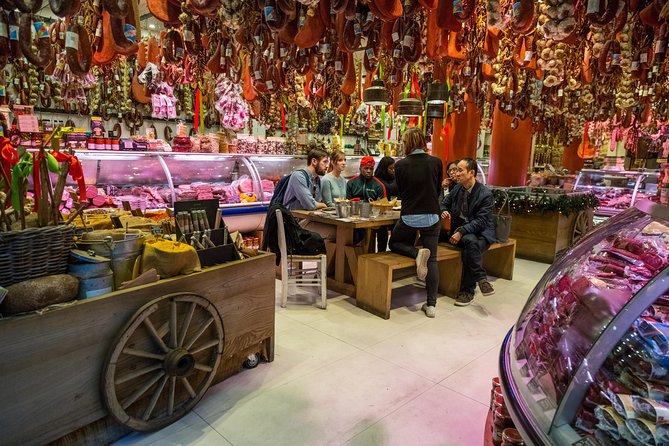
Athens has a way of feeding you before you even sit down. Starting in Monastiraki puts you in the middle of the old-meets-new part of town, where flea-market chatter and tavern life mingle right next to major sights.
You’ll begin at the Holy Church of the Virgin Mary Pantanassa in Monastiraki. From there, your route is built for walking: short transfers, frequent stops, and plenty of chances to look at shops and streets while you snack.
You can also read our reviews of more walking tours in Athens



Value check: $87.07 and where the money really goes
At about $87.07 per person, the price makes sense once you track what’s included. You’re paying for a local food leader, food and drink, and a structured route with 12 tastings across 6 stops, including market time at the fish and meat market area.
You’re also not buying each snack one by one. The sample menu alone covers a full sweep: koulouri, local coffee, pies, bread with tomato sauce, mezedes plates, souvlaki, yogurt with honey, local wine and tsipouro, and loukoumades. On top of that, the tour includes tastings of high-quality local products such as wine and organic olive oil.
The main trade-off is simple: there’s no hotel pickup or drop-off. You’ll want to be at the meeting point in Monastiraki and ready to walk.
How the tour actually feels: pace, groups, and personalized help
This is a private tour experience, with groups capped at 12. That matters because you’re not crammed into a mega-line while the guide tries to manage chaos. You also get more back-and-forth, which is where the best moments often happen: questions about olive oil, feta, wine basics, or why markets look the way they do.
Guides are often mentioned by name—Adele, Ana, Anna, Maria, Tonia, and Ana come up repeatedly—so you can expect someone who can talk food and Athens without rushing you. The tone is friendly and relaxed, with time to walk, taste, and ask.
Practical tip: come hungry. The tour explicitly asks you not to eat in advance because the food amount is plentiful. If you show up lightly fed, you’ll still enjoy it, but you might feel stuffed too soon.
Stop 1 in Monastiraki: markets, Hadrian’s Library area, and your first Athens bites
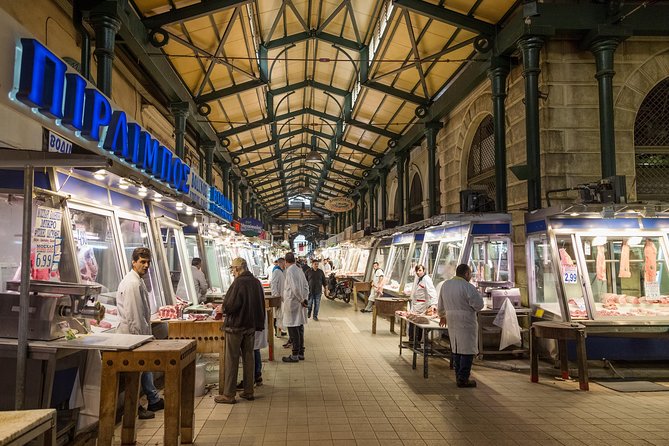
Monastiraki isn’t just a convenient starting point. It’s a district packed with layers, where you can spot iconic nearby ruins and then step into a flea-market world of sandals, soaps, and souvenirs.
On the sightseeing side, you’ll pass through the zone associated with Hadrian’s Library and the Ancient Agora area, plus the museum focus linked to Athenian artifacts in the Stoa of Attalos area. Even if you only get a quick taste of that context, it helps you understand why food culture in Athens isn’t separate from the city’s story.
Then come the market textures: shopfronts, busy sidewalks, and the kind of browsing where you naturally slow down. The drawback here is also part of the charm: this area can feel crowded and noisy, and you’ll spend a good portion of the tour moving through lively streets.
From a food standpoint, this is where the tour gets you going—think early Greek classics like koulouri and local coffee. You’ll also be in the right mental place for tomato-based bites and simple starters that make the heavier dishes make sense later.
Aiolou Street and the herb-and-spice corridor
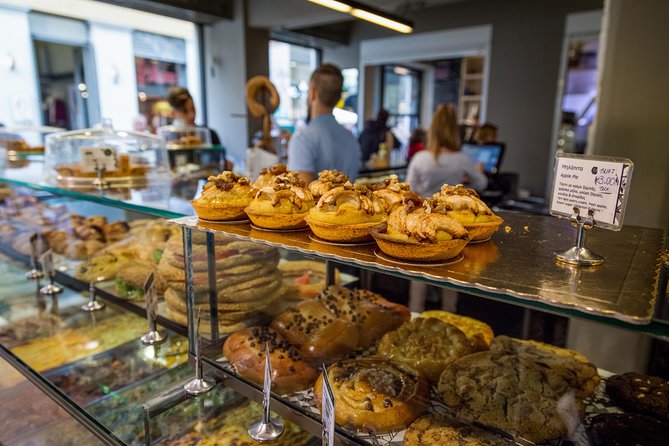
Between big market stops, the tour routes you through downtown streets with flavor built in. Aiolou Street, named after Aeolus from Greek mythology, is one of those streets where you can look around and feel how Athens connects mythology and everyday life.
You’ll also spend time on the herb and spice street area. This matters more than it sounds. When you learn what’s inside a seasoning blend or why certain herbs show up again and again, you start tasting on purpose instead of just tasting for fun.
You might see specialty stores selling ingredients and related products, and the overall tour plan includes tastings of quality local items like wine and organic olive oil. Even if the exact shop lineup shifts, the purpose stays the same: help you connect what you taste to what you’d buy if you shopped like a local.
This segment is ideal if you enjoy food as an experience, not just a meal. The downside is time: if you hate walking, you’ll still be walking here, and the best learning moments come when you pause and look.
You can also read our reviews of more food & drink experiences in Athens





Central Market Athens (Varvakios Agora): fish, meat, produce, and why it tastes better
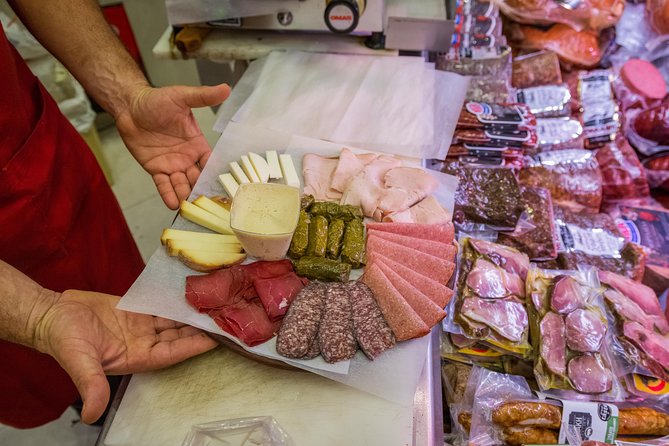
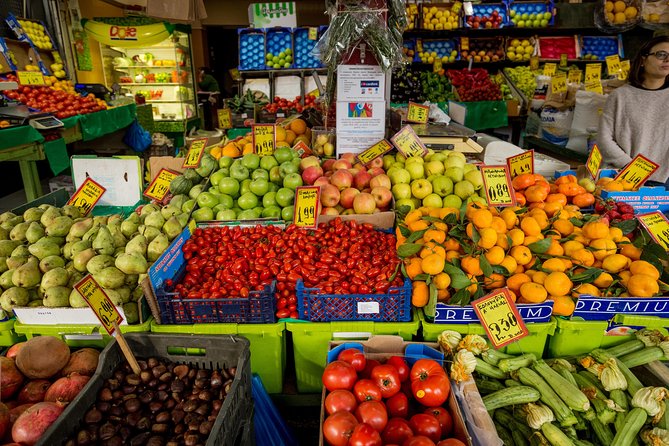
The central market area is where Athens food becomes real. You’ll be in a space where fish, meat, and produce are sold side by side, and you’ll also notice how restaurants plug into the same food ecosystem.
Your guide leads you through this part of town with the culinary history angle in mind, not as trivia but as a way to explain why certain flavors and habits show up again and again. Seeing the market setup helps you understand portion sizes, what looks fresh, and how ingredients move quickly from stall to plate.
There’s also a clear learning benefit: you can recognize ingredients later when you’re on your own. That makes your next meal more interesting because you know what to look for—especially with olive oil, herbs, and staples used in Greek dishes.
As for drawbacks, markets are not always quiet. If you’re sensitive to noise, plan for it. Also, the tour isn’t designed for gluten-free intolerance. If you have a serious dietary need, you’ll want to consider a different food experience in Athens rather than risking disappointment.
Psyrri: meze culture, music at street level, and a full lunch-by-walk feeling
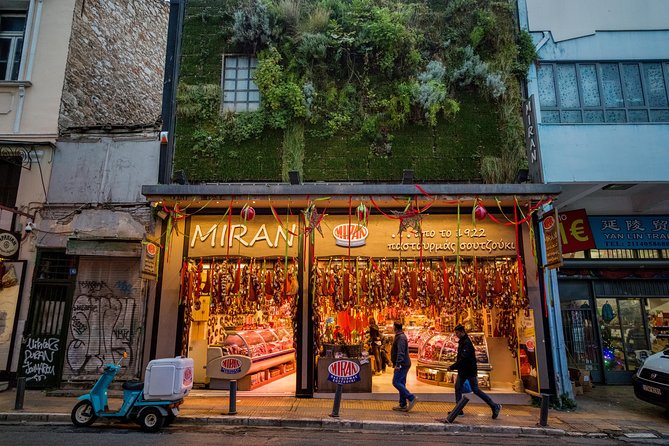
After the market context, the tour shifts into neighborhood life in Psyrri. This is the area around Iroon Square and the nearby streets where you’ll find meze-focused eateries and a music culture—often with rembetika-style roots and live entertainment.
Psyrri is one of those places where the vibe changes by hour. Even without going into a venue, you’ll feel the energy from bars and tavernas close by, including spots that can stay open late.
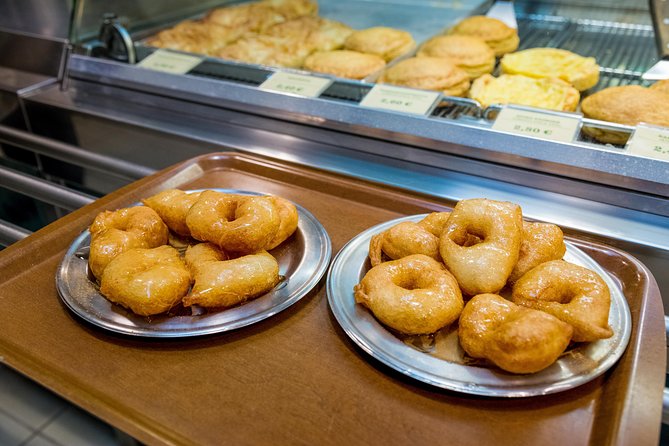
Food here tends to lean into the heart of Greek eating: mezedes (multiple small plates), then classics like souvlaki and sweet finishes like loukoumades. The tour’s sample menu includes all of those, plus yogurt with honey and the chance to taste local wine and tsipouro (with the adult 18+ rule).
This is also where the tour becomes very practical. The walk gives you a mental map of where to return later. If you use the tour as your starting point, you’ll have better odds of finding places you like instead of gambling randomly on a street corner.
The main consideration is timing. Because you’re eating a lot, you might not want a huge dinner after. Plan something lighter, or save one meal for a late-night snack if that’s your style.
Drinks: wine and tsipouro, and how to pace yourself
This tour includes local wine and tsipouro tastings, with a minimum drinking age of 18. If you’re drinking, pace it. Tastings are part of a longer food sequence, so you’ll want your energy for walking.
If you’re not drinking, you can still enjoy the walk because the food focus is strong. The included meals and sweets still do the heavy lifting.
And because alcohol is part of the plan, it’s worth paying attention to your own comfort level. I’ve found that on food tours, a little restraint early makes the dessert and coffee parts land better instead of feeling like an overload.
What you’ll eat (and why it works as a menu)
The tour’s sample menu is built like a story: snacks and starters first, then small plates and grilled comfort food, then dessert.
You can expect to see this progression:
- Koulouri and local coffee to start
- Bread with tomato sauce, plus local pies
- Mezedes plates and Greek classics like souvlaki
- Yogurt with honey
- Local wine and tsipouro
- Loukoumades for dessert
The value here is not just that you taste many items. It’s that the menu includes both everyday staples and the kind of treats Athens is proud of. Sesame bread rings set the stage. Pies and tomato bread teach you how Greeks like to keep flavors direct and satisfying. Then mezedes and souvlaki shift you into full-meal mode, and loukoumades close it out like a finale.
Who this tour is best for (and who should skip it)
This works best for you if you:
- Want a guided way to sample Greek food without guessing which places are worth it
- Like markets and street life, not just restaurants
- Enjoy learning how ingredients connect to the city around you
- Travel with curiosity and a willingness to eat your way through a neighborhood
It’s also a good fit for vegetarians. The tour says it is suitable for vegetarians if you tell the guide on the spot about preferences or allergies.
Skip it if you:
- Are vegan (the tour is not set up for that)
- Have gluten-free intolerance (the tour specifically notes it’s not recommended for this)
- Hate walking through busy areas like Monastiraki and market streets
If you’re unsure about your diet needs, your best move is to check before booking and be clear with your guide when you arrive.
Practical tips for a smoother, happier food walk
- Arrive with an empty stomach. The tour asks you not to eat in advance because the food is a lot.
- Wear shoes for uneven sidewalks and lots of stops.
- Bring a water bottle if you’re the type who likes to sip between tastings, especially in warmer months.
- If you plan to drink wine or tsipouro, slow down early so you can enjoy the rest without rushing.
Also, remember this is an outdoor walking experience. The tour requires good weather, and if it’s canceled due to poor weather, you’ll be offered another date or a full refund.
Should you book the Greek Food Walking Tour in Athens?
Book it if you want the simplest path to real Greek food culture in one afternoon: markets, neighborhood streets, and enough tastings that you can seriously plan the rest of your trip around this one stop.
Don’t book it if you’re vegan or gluten-free intolerance sensitive, because the tour isn’t built for those needs. And if you hate crowds or walking, you may find the market and Monastiraki sections stressful.
If you’re a first-time Athens visitor, this is also a smart move early in your trip. You’ll leave with food knowledge you can use on your own, plus a clear sense of where to go next.
FAQ
How long is the Greek Food Walking Tour in Athens?
It runs for about 3 hours 30 minutes.
How much does the tour cost per person?
The price is $87.07 per person.
Is this tour private, and what is the group size?
Yes, it’s a private tour/activity. Your group will be the only group on the tour, and groups are capped at a maximum of 12 people.
What language is the tour offered in?
The tour is offered in English.
How many tastings and food stops are included?
The tour includes 6 food stops with 12 tastings.
What kinds of food and drinks are included?
Food and drink are included, along with items from the sample menu such as koulouri, local coffee, mezedes plates, souvlaki, yogurt with honey, local wine and tsipouro, and loukoumades. It also includes tastings of high-quality local products and a visit to the fish and meat market.
Where does the tour start and end?
It starts at Holy Church of the Virgin Mary Pantanassa in Monastiraki (Pl. Monastirakiou, Athina 105 55, Greece). It ends back at the same meeting point.
Is the tour suitable for vegetarians, vegans, or gluten-free diets?
The tour is suitable for vegetarians. It is not suitable for vegans, and it is not recommended for gluten free intolerance.
Do I need to eat before the tour?
No. The tour asks you not to eat anything in advance because there is plenty of food.
What is the minimum drinking age?
The minimum drinking age is 18 years.