REVIEW · STOCKHOLM
Stockholm Food Tour
Book on Viator →Operated by Tours of Stockholm · Bookable on Viator
Sweden tastes best on foot. The Stockholm Food Tour turns a simple city stroll into a guided food story, with seven tastings across food halls, specialty shops, and local spots, then a finish in Old Town on about a 2-mile route. You’ll learn how Swedish food culture grew, and why Sweden shows up so often on happiness and foodie lists.
I love the lineup of tastes that goes beyond the obvious: salty licorice, fish soup, cheeses, cured meats, and Sweden’s famous meatballs. I also like that the tour is built for a full-meal feel, not snack crumbs, and that guides such as Cotton and Teresa are praised for connecting each bite to local culture and how it’s made.
One possible drawback: you spend a lot of time moving and mostly on your feet. Expect standing tastings and a brisk walking pace, so bring good shoes and keep a little extra time in your day plan.
In This Review
- Key highlights to know before you go
- Östermalmstorg start and the 4-hour pace you should plan for
- Seven tastings that really can replace a meal
- Stop 1: Östermalms Food Hall and Sweden’s culinary roots
- Fish soup and the seafood stops that teach you how to read the menu
- Licorice science: from salty black candy to royal-wedding chocolate
- Game meats and the meat-counter stop that changes your idea of Swedish eating
- Old Town finish: what to do next when you’re full of food knowledge
- Price and value: what $126.21 buys you in Stockholm
- Who this tour suits best, and who should consider an alternative
- Should you book the Stockholm Food Tour?
- FAQ
- How long is the Stockholm Food Tour?
- How many tasting stops are included?
- Where does the tour start and where does it end?
- Is the tour offered in English?
- What group size should I expect?
- What kinds of foods will I taste?
- What weather conditions are required?
- What is the cancellation and refund policy?
Key highlights to know before you go
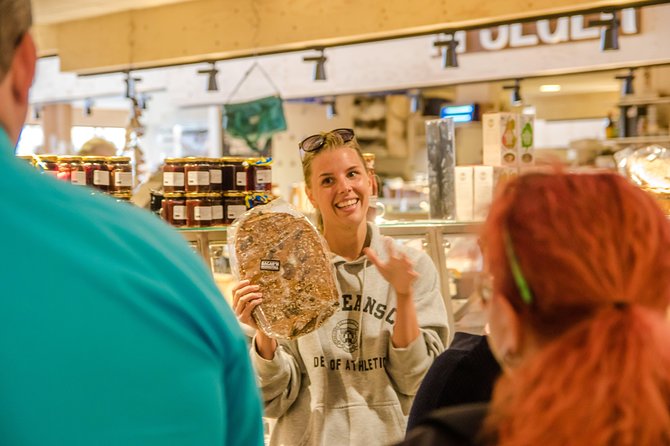
- 7 stops across food halls, markets, and specialty shops so you get a real cross-section of Swedish flavors
- Tastings that add up to a full meal rather than a few sample bites
- Licorice lovers and licorice challengers get their moment, including salty black varieties
- Game meat tastings that can include reindeer, moose, and even bear, depending on what’s offered
- Small group size (max 20) makes it easier to hear your guide and stay together
- English tour with a mobile ticket for smoother check-in
Östermalmstorg start and the 4-hour pace you should plan for
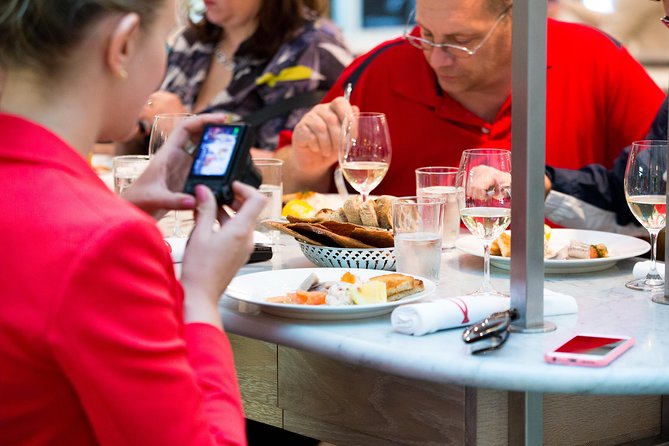
The tour starts at Östermalms Food Hall, on Östermalmsgatan (near Östermalmstorg). This matters because it’s a smart launch point: food halls are where locals actually shop and snack, so your guide can set the rules of the game early. Think “see, smell, taste, then learn,” not museum-style history.
You’re looking at about 4 hours and roughly 2 miles / 3.5 km on foot. That distance is manageable for most people, but the tempo can feel faster than the map suggests. Several experiences point to frequent walking between stops, and often you won’t have a comfortable seat waiting for you. If you’re the type who likes to linger, build in a little patience. This tour is more about flow than lingering.
The group size is capped at 20, which helps. With a small crew, your guide can keep everyone in the right order during busy food-hall moments. You’ll also be in English (and sometimes multi-lingual guides may operate), so the food stories stay clear and useful.
If weather is poor, you might be rescheduled. The tour needs decent conditions because parts of the route are outdoors, even if much of the sampling happens inside.
You can also read our reviews of more food & drink experiences in Stockholm


Seven tastings that really can replace a meal
The core promise is simple: food tasting at 7 stops, with enough variety that the total usually lands like a meal. That’s why this can be good value even at a higher per-person price. You’re not just paying for walking and talking. You’re paying for access—someone has arranged the tasting flow, the timing, and the explanations so you taste things you’d likely skip on your own.
Here’s what that tasting style tends to include:
- A mix of cheeses and cured meats
- A Swedish staple like meatballs
- A seafood segment (often fish soup and related fish plates)
- Sweet stops like pastries and coffee
- At least one licorice moment, because Sweden loves licorice the way other places love coffee
One of the best things about this format is pacing. You’re not stuck at one stop waiting for a long menu. You sample, learn the “why,” then move on while your appetite is still open. It makes the tour feel active in a good way.
Stop 1: Östermalms Food Hall and Sweden’s culinary roots
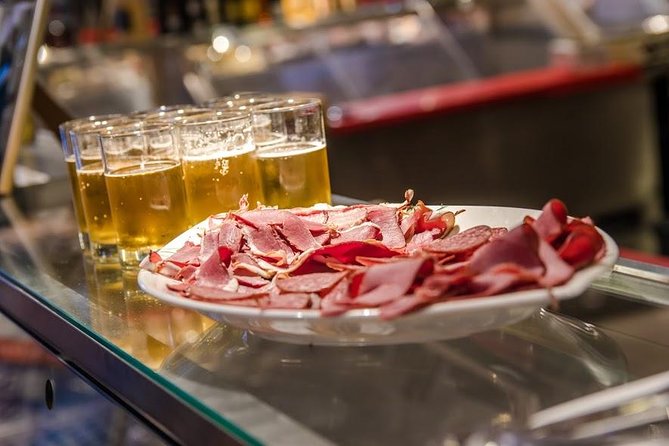
Your first stop is effectively your orientation: Östermalms Food Hall. This is where your guide can show how Swedish food culture is built—on high-quality ingredients, seasonal thinking, and lots of everyday eating in public spaces.
From there, the tour is designed to connect “what you’re tasting” to “where it comes from.” The content often covers how Sweden’s food scene grew, and why the country’s national identity shows up in what people eat and celebrate. It also ties Swedish culture to the country’s reputation for happiness, which sounds broad until you notice the theme: food is treated like a shared, daily thing, not a rare luxury.
What you might taste early on often includes:
- Cheese in a few styles
- Cured meats, sometimes including unusual game
- A meatball portion (or a lead-up explanation to meatball culture)
- A first look at sweets, especially if the guide is starting you toward licorice or chocolate themes later
If you want to hit Old Town with a better food lens, this first stop is key. You’ll start to recognize flavors and patterns. Later tastings feel more connected instead of random.
Fish soup and the seafood stops that teach you how to read the menu
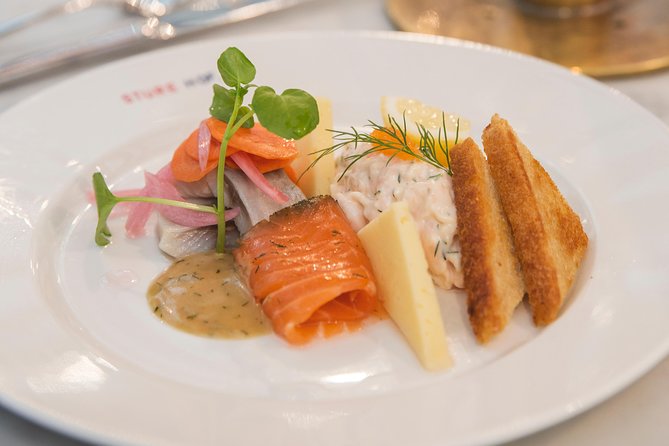
Stockholm is a city where seafood isn’t just a tourist dinner. It’s part of the normal food calendar. That’s why a seafood stop, often involving fish soup and fish preparations, tends to be a standout.
In practice, this part of the tour helps you do two valuable things:
- It introduces a Swedish seafood “language,” so you know what to look for on restaurant menus later.
- It explains why certain fish dishes show up again and again in everyday eating.
Some routes include a market-style setting where you can see the ingredients and how the shop operates. If you’re expecting a full sit-down course, plan otherwise. This tour style is usually “taste while moving,” so you may be standing. If standing is hard for you, bring an approach that helps—like pacing your breathing, holding water between tastings, and keeping your layers ready.
Even if you’re not a huge seafood person, I’d still do this part. The explanations are often the bridge. You learn what makes the flavors “work” in Sweden, not just that they exist.
Licorice science: from salty black candy to royal-wedding chocolate
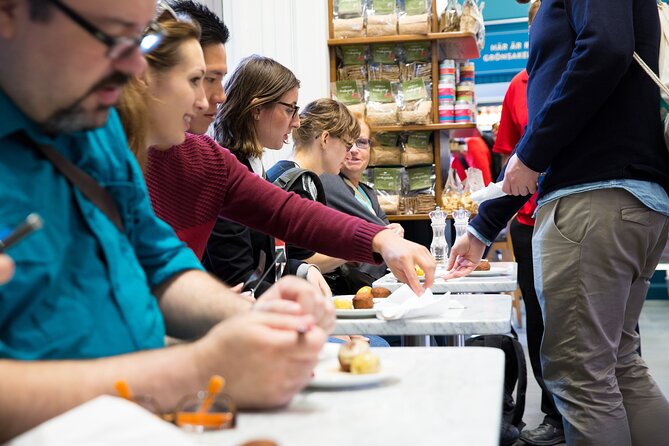
If there’s one Swedish flavor that splits people into two camps, it’s licorice. The tour embraces that. You’ll likely taste salty licorice, and sometimes you’ll go beyond the familiar sweet versions to something more intense—especially the black licorice style that shows up in northern Europe.
Here’s the part I think is most useful: the guide frames licorice as a cultural flavor, not a dare. You get context on how it’s used, why it’s valued, and why locals don’t treat it like a novelty. If you’ve had licorice before that was only sweet and you assumed that’s the whole story, this tour can reset your expectations.
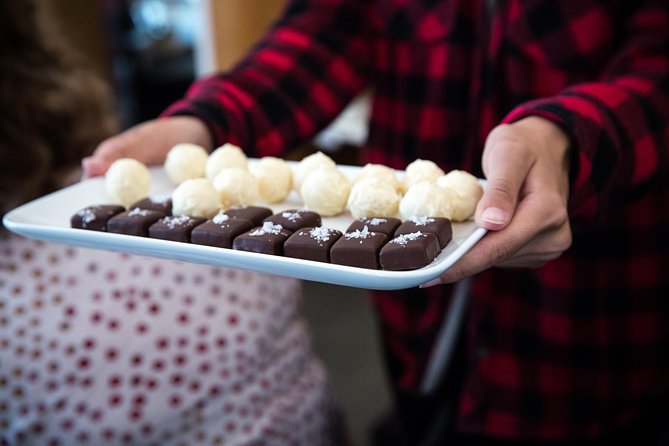
You may also encounter gourmet chocolate connected to Swedish tradition—one tasting mentioned is chocolate served at royal weddings. That’s a fun contrast to the salty licorice theme. Sweden isn’t just “quirky candy.” It’s also capable of showing how indulgence fits into ceremonies and status.
A practical note: take licorice seriously on this tour. If you hate it, at least smell it first, then take the smallest tasting portion your guide offers. You can learn the flavor profile without punishing your taste buds.
Game meats and the meat-counter stop that changes your idea of Swedish eating
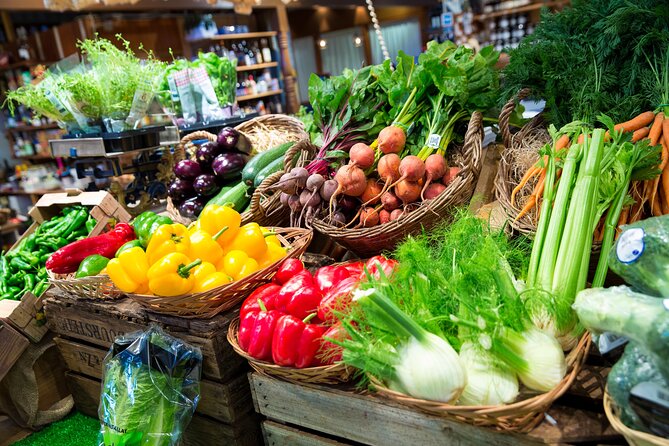
This tour has a track record for pushing past the “safe” options. Some tastings can include reindeer, moose, and even bear—game meats that most visitors never order. That’s not about shock value. It’s about learning how Sweden uses local meat traditions and how vendors prepare them.
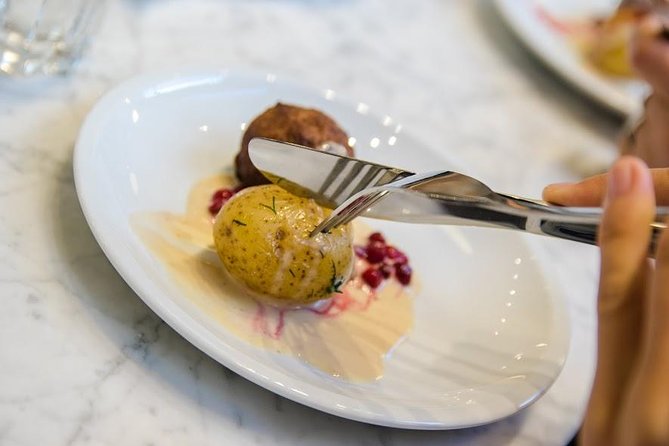
When you taste game meats on a guided route, you get something you can’t easily replicate on your own: a quick explanation of how the meat is prepared and how it fits into Swedish eating culture. It helps you understand that Swedish food isn’t only dairy and meatballs. There’s a whole side of the menu shaped by what’s available and what’s culturally meaningful.
You may also try cured meats and spreads at cheese-and-meat stations. This is where the tastings can feel like a mini sampling board: you eat a bite, learn what you’re tasting, then compare it to the next item right away.
One possible downside for some people is texture and intensity. Game meat can be stronger than chicken or pork. If you have a sensitive palate, tell your guide politely. They can’t guarantee every stop changes, but they can often help you manage portion sizes.
Old Town finish: what to do next when you’re full of food knowledge
The tour finishes around Kindstugatan 1, with the experience ending in Old Town. That timing is smart. You’ll have food in you, context in your head, and a better idea of where your curiosity should go next.
Old Town can be touristy, so walking through it right after your food lessons helps you spot better options fast. You’ll know what “real Swedish flavors” feel like in your mouth. Then you can choose where to return for a longer sit-down meal.
The final stop style often includes something sweet—like pastry and coffee—as a closing note. That makes sense after salty, savory, and licorice flavors. It helps your palate reset before you go wandering.
If you’re building your day plan, give yourself time afterward to explore at a relaxed pace. You’re walking a couple miles during the tour, and you’ll likely want a little recovery time once you’re done.
Price and value: what $126.21 buys you in Stockholm
At $126.21 per person, this isn’t a budget snack crawl. But the value argument is strong if you want guided access and a full tasting flow.
You’re paying for:
- Seven arranged tasting stops, which usually means you don’t have to piece together multiple bookings
- Explanations that turn what you taste into something you can recognize later
- A route that covers key types of Swedish food: savory, seafood, sweet, and the licorice personality test
- A group cap (max 20) that keeps the experience organized
If you tried to do this on your own, you’d spend time figuring out what to buy, where to buy it, and how much to eat without getting stuck with leftovers. This tour handles that part. You get structured variety, and you leave with a practical short list of foods and shops you’d actually return to.
To judge if it’s worth it for you, ask one question: do you like learning while eating, and do you want multiple Swedish bites in one morning/afternoon? If yes, the cost usually feels fair. If you prefer long restaurant meals or low walking, then this price won’t match your style.
Who this tour suits best, and who should consider an alternative
This works best if you:
- Want an easy way to sample a broad range of Swedish food in one go
- Enjoy walking through neighborhoods and learning as you move
- Like tasting foods you might not pick off a menu alone
- Don’t mind being on your feet during tastings
It may not be the best match if you:
- Struggle with longer stretches of walking or keeping up a group pace
- Need lots of seated time at each stop (many tastings are quick and done while standing)
- Have strong aversions to licorice or bold flavors and don’t want to compromise
Still, even for picky eaters, licorice can be a teachable moment rather than a dealbreaker. You can often manage it by taking small portions and letting the guide know what to prioritize.
Should you book the Stockholm Food Tour?
I’d book it if you want a guided shortcut to Swedish flavors—meatballs, fish soup, cheeses, sweets, and that licorice conversation you’ll remember. The small group size, seven stops, and “tastings that add up to a meal” make it a solid choice when you’re short on time but hungry for local food culture.
Skip it or look for another style if you dislike standing tastings or you know you’ll feel stressed by brisk walking. Bring good shoes, keep expectations realistic about mobility, and you’ll get a fun, flavor-filled route that also teaches you how to order better food later in Stockholm.
If you’re doing this as part of a first visit, it’s a smart early win. You’ll leave with more than souvenirs. You’ll leave with a better sense of what Stockholm actually eats.
FAQ
How long is the Stockholm Food Tour?
The tour runs for about 4 hours.
How many tasting stops are included?
You’ll visit 7 different stops for food tastings across bars, restaurants, farmers markets, and specialty shops.
Where does the tour start and where does it end?
The tour starts at Östermalms Food Hall on Östermalmsgatan, Stockholm. It ends at Kindstugatan 1, and the experience finishes in Old Town.
Is the tour offered in English?
Yes, the tour is offered in English.
What group size should I expect?
This experience has a maximum of 20 travelers.
What kinds of foods will I taste?
Expect Swedish favorites such as salty licorice, gourmet chocolate, fish soup, and Sweden’s famous meatballs, along with tastings that add up to a full meal.
What weather conditions are required?
The tour requires good weather. If it’s canceled due to poor weather, you’ll be offered a different date or a full refund.
What is the cancellation and refund policy?
You can cancel for a full refund up to 24 hours before the experience starts. If you cancel less than 24 hours before, the amount you paid won’t be refunded.