REVIEW · SEVILLE
Seville Food Tour: Vermut, Churros & 10+ Tasty Local Dishes
Book on Viator →Operated by Secret Food Tours · Bookable on Viator
Seville tastes better with a plan. This 3.5-hour small-group walk mixes vermut, churros, and local tapas with major sights like the UNESCO-listed Alcázar and the Cathedral bell tower. You’ll move through Seville with a native guide, tasting along the way instead of guessing where locals actually stop.
What I like most is how you eat your way through neighborhoods (especially Triana) while you also get real context for what you’re looking at. I also like that the tour stays small (max 12), so the guide can answer questions and keep the flow moving.
One thing to consider: you’ll walk a fair bit on uneven old-town streets, and you may have moments where you’re waiting at popular food stops or standing at a bar.
In This Review
- Key highlights worth your attention
- Walking from Plaza del Salvador to real Seville food stops
- The Setas-style rooftop viewpoint and the value of early orientation
- Parque de María Luisa architecture break: Neo-Mudéjar with a Renaissance wink
- Seville Cathedral bell tower: from minaret to bell tower
- The Alcázar of Seville: Peter of Castile and UNESCO 1987
- A dodecagonal watchtower with prison history
- Triana: where Seville food culture feels most natural
- What you’ll eat and drink: churros, vermut, ham, and more
- The guide factor: why people rave about Albania, Camila, Cristina, Sarah, Xavier, and Adrian
- Walking pace, bar stops, and the realistic part of eating in old Seville
- Price and value: $105.21 for food, drinks, and UNESCO-grade context
- Who this tour suits best (and who should consider alternatives)
- Practical tips to get the most out of your Seville food walk
- Should you book? My honest take
- FAQ
- How long is the Seville Food Tour?
- What is the group size limit?
- Is the tour offered in English?
- Where does the tour start and end?
- What food and drinks are included?
- Is transportation included?
- Is there a lot of walking?
- What should I do if I have dietary requirements?
- What happens if weather is bad?
Key highlights worth your attention
- 12-person max group: easier conversations, faster decisions, and less time stuck in crowds
- UNESCO sights on the route: Alcázar of Seville is built into the experience, not treated like an optional detour
- Vermut plus multiple savory tastings: sweet and savory are both covered, from churros to pork and anchovies
- Triana food focus: you spend time in a key Seville district known for its food culture
- Guides named often in reviews: you’ll likely get a lively, history-meets-food explanation from people like Albania, Camila, Cristina, Sarah, Xavier, and Adrian
Walking from Plaza del Salvador to real Seville food stops
This tour starts at Plaza del Salvador, 8, in Seville’s old center, and finishes at Puente de Isabel II, 30 on the Triana side of the river bridge. That ending matters. You get dropped right where the evening food energy starts to feel natural, not forced.
You’re not doing a museum day. You’re doing old Seville, but with your head turned toward what you’re tasting. The rhythm is part sightseeing, part eating, part learning how Seville thinks about food: simple ingredients, strong flavors, and plenty of small portions that add up fast.
The pacing is also built for first-time orientation. If this is your first night in town, I think it’s a smart way to learn the basics of what to order later, without wasting time on menus you won’t understand yet. One review even called it a perfect start-of-trip plan, and I agree with the logic.
You’ll want comfortable shoes. The tour description calls out a fair amount of walking, and old Seville streets don’t do “easy mode.” Bring something that won’t turn your feet into a complaint department.
You can also read our reviews of more food & drink experiences in Seville
The Setas-style rooftop viewpoint and the value of early orientation
One of the first stops is a sculptural wooden structure with an archaeological museum, plus a rooftop walkway and viewpoint. Even if you don’t go deep into museum time, the viewpoint angle is useful. It helps you connect where you’ll walk later to how the city sits around the river.
Why this stop works on a food tour: it gives your brain a map. After that, every alley and plaza makes more sense. You stop thinking, Where am I? and start thinking, Oh, that’s why this area feels like it does.
Also, it breaks up the walking with something visually satisfying. You’ll have those short “I get it now” moments, especially when you can look out over Seville and understand the direction you’ll be heading.
Parque de María Luisa architecture break: Neo-Mudéjar with a Renaissance wink
Next comes a plaza in Parque de María Luisa, tied to Regionalism architecture that mixes Renaissance Revival elements with Moorish Revival style, often described as Neo-Mudéjar. This is a stop where you could easily skim past on your own.
On the tour, you’ll get the meaning behind the shapes: Seville’s architecture reflects layers of influence, and that’s the same theme you’ll see in the food. Flavors evolve from local ingredients and historical taste, not from trend-chasing.
Even if you’re not an architecture nerd, you’ll probably enjoy this part because it’s quick and clear. You’re learning how to read a city. Then you move on before you get bored.
Seville Cathedral bell tower: from minaret to bell tower
The tour passes the bell tower of Seville Cathedral, originally built as the minaret for the Great Mosque of Seville during the Almohad dynasty. That one detail changes how you look at the tower.
This is one of those stops where the history isn’t just a trivia dump. It explains why Seville looks the way it does: you’re seeing a city that reused, rebuilt, and repurposed major structures across centuries.
If you like connecting places to stories, you’ll appreciate this. If you’re more of a “show me, don’t tell me” type, the payoff is that it helps you understand what you’ll see later around the Alcázar.
The Alcázar of Seville: Peter of Castile and UNESCO 1987
The itinerary then includes a royal palace built for Peter of Castile, described as the oldest royal palace still in use in Europe, and UNESCO World Heritage Site registration in 1987. That combination tells you this isn’t just a pretty building. It’s a living monument, and your tour uses it as a backbone for the day.
Even without a long palace lecture, it’s a strong anchor stop. It’s also an especially good transition point to food, because palace life and food culture are tied together: formality, feasting, and the use of spices and flavors shaped by geography.
I also like the mental shift this stop gives you. You go from street-level Seville to grand-scale Seville. Then you come back down to earth for the tastings, which feels earned, not random.
A few more Seville tours and experiences worth a look


A dodecagonal watchtower with prison history
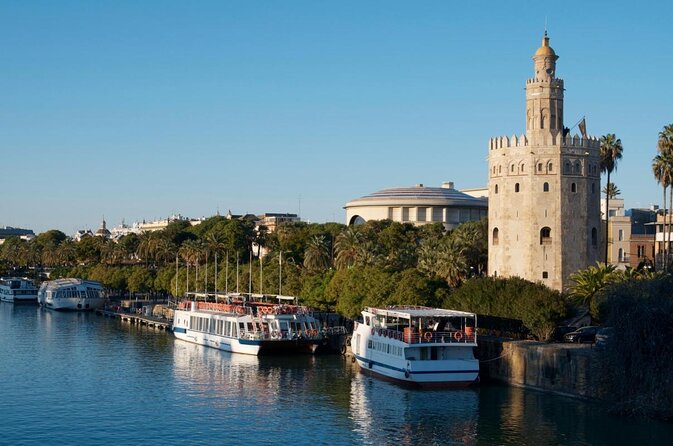
You also see a dodecagonal military watchtower, built in the first third of the 13th century, later used as a prison during the Middle Ages. The shape alone makes it memorable, but the function is what gives it weight.
On a food tour, this kind of stop matters because it teaches you that old streets have stories attached. You’re tasting food that belongs to the same city that once guarded borders, held prisoners, and shifted power.
It’s the kind of stop that won’t take forever, but it sticks.
Triana: where Seville food culture feels most natural
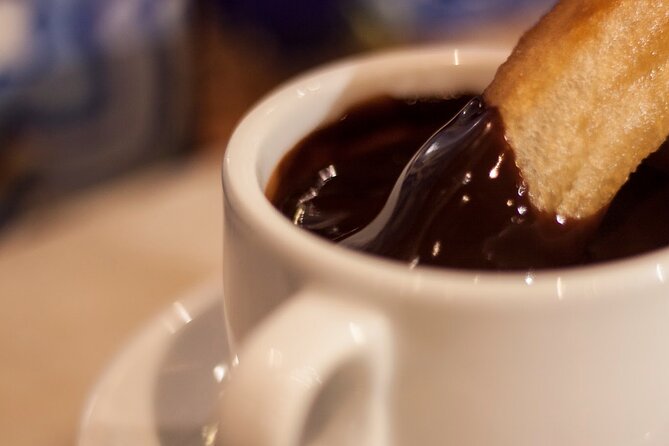
Stop 1 is Triana, on the west bank of the Guadalquivir River. Triana isn’t just a location on a map. It’s a mood. This is where you’re more likely to feel Seville’s daily life and local food rhythms.
And it’s here that your tastings really come into focus.
If you like “walk, taste, learn, then come back later on your own,” Triana is a great payoff. You end near the Isabel II bridge right on the Triana side, so you can keep the evening going without searching for how to get there.
What you’ll eat and drink: churros, vermut, ham, and more
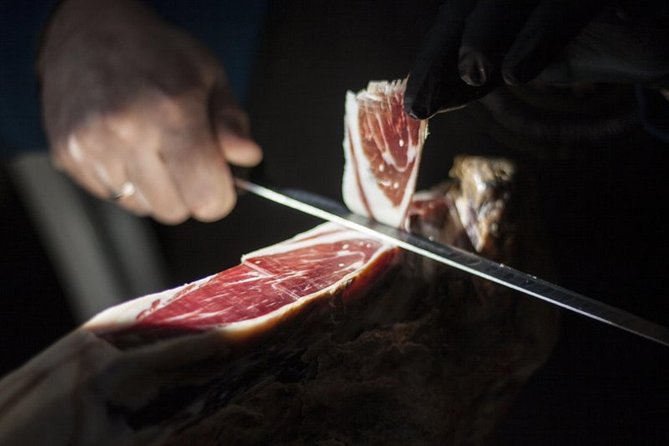
This tour’s biggest strength is that it doesn’t treat food like a single cookie-cutter tapas list. It builds a variety of flavors across sweet, salty, and tangy.
Here’s what’s included:
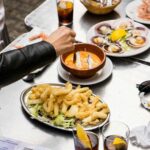
- Amazing churros plus hot chocolate
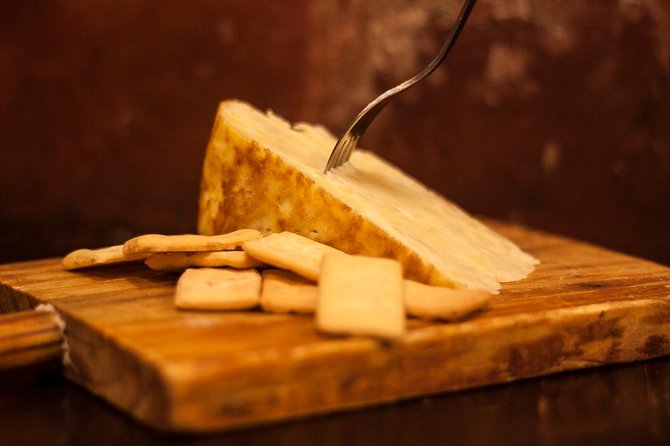
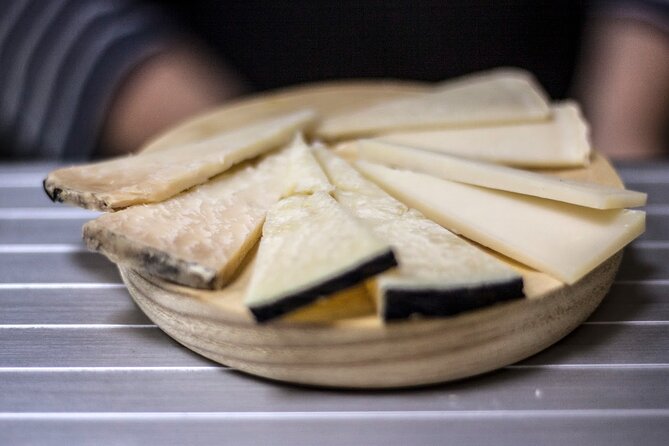
- Iberian ham and local cheese
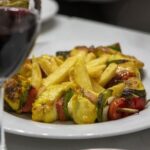
- Fried eggplant with molasses
- Pringa, an Andalusian-style sandwich
- Anchovies in vinegar
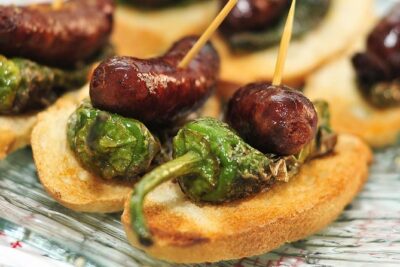
- Pinchito, an Andalusian pork skewer
- Our delicious secret dish
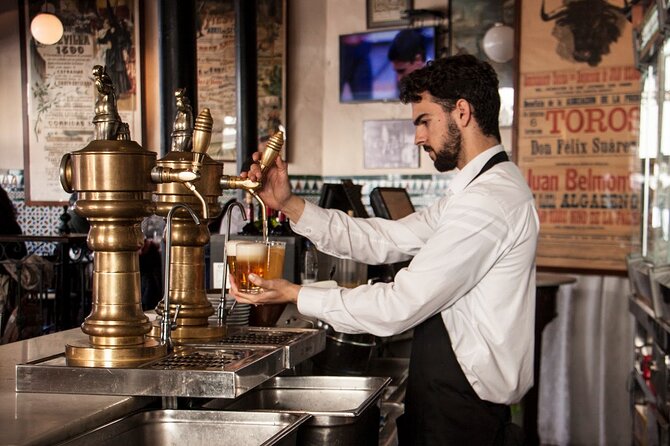
- Drinks: local beer, tinto de verano, and vermut
What that means for you in real life: you’ll have both classics and surprises. The eggplant with molasses is the kind of combo that makes you think, Oh right, Andalusia loves sweet-salty tension. The anchovies in vinegar help you understand why Seville food can hit with brightness, not just richness.
You’ll also get a drink lineup that helps you learn the basics of local choices. Vermut and tinto de verano are not just “free drinks.” They’re a window into how people pace an evening: sip, snack, talk, repeat.
One practical tip: go in hungry. One review straight-up advised not to eat before. I agree with the logic, because you’ll likely leave full, and you’ll want your next round of exploring to feel like fun, not forced digestion.
The guide factor: why people rave about Albania, Camila, Cristina, Sarah, Xavier, and Adrian
This tour is built on small-group storytelling. The guide is the engine. In the reviews, names like Albania, Sarah, Cristina, Camila, Xavier, and Adrian come up again and again, and the common thread is a mix of food explanations and Seville context that you can actually use.
Here’s what you should look for during the tour:
- The guide tying what’s on your plate to where you are standing
- Quick, practical advice you can carry forward, not just long speeches
- A friendly tone that keeps the group moving and questions welcomed
Because the group size is capped at 12, you’re not a face in the crowd. You’re more likely to get answers that match what you care about—tapas ordering tips, neighborhood context, and what to look for next in Seville.
Also, since it’s a walking format, the guide’s personality directly affects your comfort. If they keep a steady pace and explain stops clearly, the whole thing feels easy.
Walking pace, bar stops, and the realistic part of eating in old Seville
A few practical realities come with the territory.
First: there’s a fair amount of walking, so build in shoe comfort and water. Even if the tastings are plentiful, you’ll still be moving between areas.
Second: some food stops can be popular and tight. That can mean brief queues or standing at the bar. It’s normal. The good news is the tour is designed for this style of dining, not the sit-down, plated restaurant version.
Third: the experience won’t use microphones. That’s not automatically a problem, but it means audibility depends on noise level and where you stand. If sound is an issue for you, aim to position yourself where you can hear the guide best, not at the edge of the group.
One more thing: portions can be satisfying early. The tour includes a mix of items across multiple venues, so you may feel extra full after the first couple of tastings. It’s still part of the design: you should leave fed, not starving and ready to buy your own dinner immediately.
Price and value: $105.21 for food, drinks, and UNESCO-grade context
The price is $105.21 per person for about 3 hours 30 minutes in English, with a small group max of 12. That’s a fair chunk of money, so let’s make it practical.
You’re paying for three things at once:
1) Multiple tastings across sweet and savory items (churros, ham, cheese, eggplant with molasses, pringa, anchovies in vinegar, pinchito, plus a secret dish)
2) Included drinks (hot chocolate, local beer, tinto de verano, vermut)
3) A guided route that connects food stops to major sights, including the Alcázar and the Cathedral bell tower story
If you were doing this on your own, you’d spend money on tastings plus the time cost of finding good places and figuring out what to order. The tour reduces that guesswork, and the included drinks matter because they would otherwise add up quickly.
Value gets even better if you want a first-night plan. A guided orientation plus food typically beats trying to assemble five tapas stops from scratch after a long travel day.
Who this tour suits best (and who should consider alternatives)
This tour fits best if you want:
- A food-first introduction to Seville, with walking sights folded in
- A guided route through older areas like the Alcázar zone and Triana
- An experience that ends near Triana, so you can keep exploring without a transport headache
It’s also a strong pick if you like meeting people, since the group is intentionally intimate at 12.
Consider another plan if:
- You hate walking or have foot issues that make uneven streets hard
- You need a quieter environment where you can sit for long stretches
- You’re very sensitive to crowds and standing in bar lines
Practical tips to get the most out of your Seville food walk
A few small moves will make this tour smoother:
- Wear comfortable shoes and plan for older-street unevenness
- Eat lightly beforehand, or skip a full meal so the tastings feel fun, not like a chore
- If you have dietary needs, contact the operator in advance so they can cater best (the tour explicitly asks you to do this)
- Bring a little patience. Popular food spots can require waiting, and that’s part of the real Seville experience
If you’re a self-planner, use this tour as your ordering cheat sheet. After you taste pringa, pinchito, and anchovies in vinegar, you’ll know what to look for when you’re on your own later.
Should you book? My honest take
Book this tour if you want a mix of real Seville food and major sights without turning your day into a checklist. The combination of churros, vermut, savory tapas-style tastings, and stops tied to Alcázar and the Cathedral tower story gives you a lot of payoff for the time.
Don’t book it if you hate walking or you’re looking for a purely seated, quiet experience. Bar-style tastings, some standing, and city noise are part of the deal.
If you match the vibe, this is an excellent first-night move. You’ll finish full, your feet will complain a little, and you’ll be able to order with confidence on the next night out.
FAQ
How long is the Seville Food Tour?
It runs for about 3 hours 30 minutes.
What is the group size limit?
The tour has a maximum of 12 travelers.
Is the tour offered in English?
Yes, it’s offered in English.
Where does the tour start and end?
It starts at Pl. del Salvador, 8, Casco Antiguo, 41004 Sevilla, Spain and ends at Puente de Isabel II, 30, 41010 Sevilla, on the Triana neighborhood side of the bridge.
What food and drinks are included?
Included items include churros, Iberian ham, local cheese, fried eggplant with molasses, pringa, anchovies in vinegar, pinchito (pork skewer), a secret dish, hot chocolate, local beer, tinto de verano, and vermut.
Is transportation included?
No, private transportation is not included.
Is there a lot of walking?
Yes. The tour involves a fair amount of walking, so comfortable shoes are recommended.
What should I do if I have dietary requirements?
Contact the tour in advance with any dietary requirement so they can cater for you as best as possible.
What happens if weather is bad?
The experience requires good weather. If it’s canceled due to poor weather, you’ll be offered a different date or a full refund.