REVIEW · SEVILLE
Seville Jewish Quarter Small Group Tour with Tapas and Drinks
Book on Viator →Operated by Seville Unique Experiences · Bookable on Viator
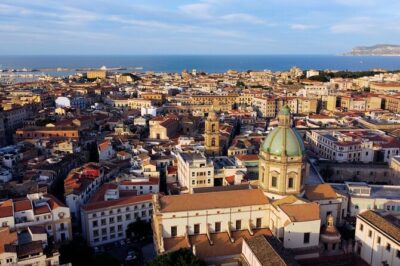
Jewish Seville has layers you can feel. This small-group walk links the stories of the former Jewish Quarter with the city’s changing power center, including the path toward the Alcázar. Photography-friendly streets and clear storytelling make it an easy way to understand how Seville grew.
I especially love the way the route walks you through multiple time periods in a logical flow, from planning and fortifications to worship spaces and memory. The second big win for me is the finish: three tapas-style courses with two drinks in a local bar, so you get history and dinner without juggling plans.
One possible drawback: this is more about what the neighborhood meant than about seeing lots of preserved physical remnants. If you want lots of standing ruins, you’ll still learn a lot, but the payoff is mainly interpretive.
In This Review
- Key things I’d focus on before you go
- Starting at Plaza del Triunfo: where the tour sets its story
- Following the urban changes that shaped 21st-century Seville
- Susona and the Street of Death: the story stop that sticks
- Fortified walls, the Alcázar edge, and why defense mattered
- The medieval Jewish cemetery: preserved at a curious structure
- Three Mediterranean cultures and one site of worship
- Hidden secrets in houses now tied to a hotel
- The square that gave the neighborhood its name—and a church reborn
- Tapas dinner with three courses and two drinks included
- Dietary needs: handled with notice
- Price and value for a 3-hour small-group evening
- Who this tour suits best (and who might want something else)
- Should you book the Seville Jewish Quarter tapas and drinks tour?
- FAQ
- Where does the tour start and end?
- How long is the Seville Jewish Quarter tour?
- What language is the tour offered in?
- Is the group size small?
- What food and drinks are included?
- Can the restaurant accommodate allergies or intolerances?
- Is there free cancellation?
Key things I’d focus on before you go
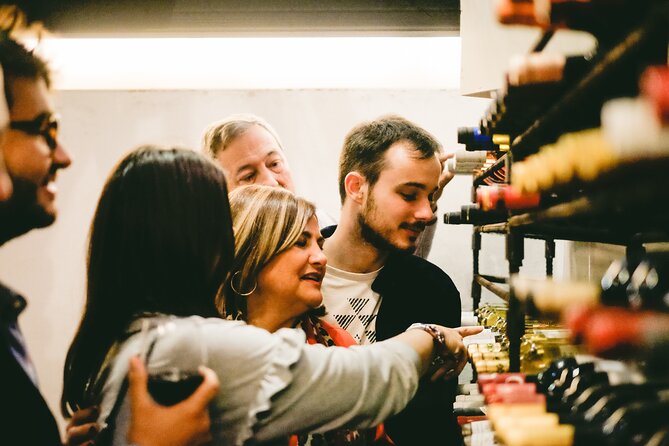
- Small group (up to 10): easier pace, more question time, and less elbow-to-elbow on the narrow streets.
- Susona and the Street of Death story: a memorable narrative thread that ties places to legend.
- Cemetery + worship-site layering: you learn why different eras left marks in the same area.
- Food inclusion is real: three tapas courses plus two drinks, with typical Andalusian dishes like salmorejo and croquetas showing up.
- Dietary needs can be handled: you can flag allergies/intolerances when booking so the restaurant gets informed.
Starting at Plaza del Triunfo: where the tour sets its story
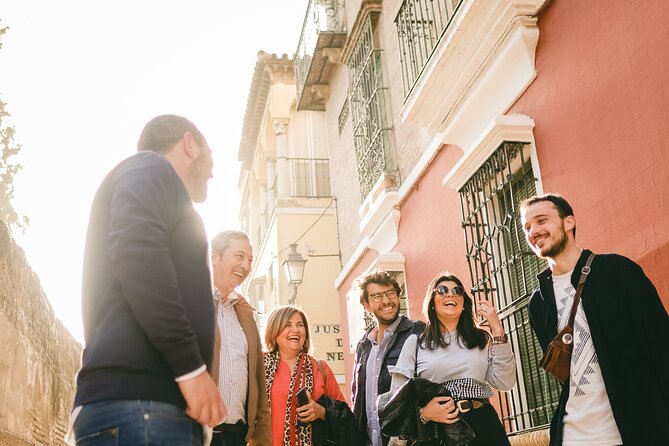
You meet at Plaza del Triunfo, in Seville’s historic core, and the experience starts with a straight shot of orientation. This isn’t just an intro speech. The guide frames what you’re about to see by putting the Jewish Quarter (often tied to Santa Cruz) into Seville’s bigger timeline.
Expect the first part to include two key things: a welcoming historical introduction and an explanation of the origin of the Alcázar as you head toward the Jewish Quarter area. That Alcázar angle matters because the neighborhood’s story isn’t floating in isolation. It’s connected to power, protection, and who controlled the land over time.
Tip: Bring your camera. Even if you’ve been to Seville before, the approach from major squares down into tight lanes gives you that “wait, this is why people photograph here” moment.
You can also read our reviews of more tours and experiences in Seville.

Following the urban changes that shaped 21st-century Seville
Before you hit the legend-heavy stops, the tour shifts into how the area changed. One segment focuses on urbanistic changes—how the neighborhood’s structure and layout evolved and helped shape what you see today.
I like this approach because it helps you read Seville like a map. When you later encounter squares, walls, or odd architectural leftovers, you’ll understand why they look the way they do now. The tour treats urban planning as a story, not just a list of facts.
What to watch for: Pay attention to small transitions—street widths, openings that feel like they lead somewhere secret, and how plazas connect different pockets of the Quarter. Those are the “why” behind the neighborhood’s look.
Susona and the Street of Death: the story stop that sticks
Now you get to one of the tour’s most intriguing parts: the legend of Susona and the Street of Death. This is where the walking becomes more cinematic. Instead of memorizing names, you’re following a narrative tied to place.
Even if you’ve heard bits of Jewish Quarter stories in other contexts, this one works because it’s anchored in the geography you’re moving through. You’re not just told a legend. You see how a tight street and a specific corner can carry a whole moral and historical meaning.
If you’re the type who likes your history with characters and suspense, this stop is a high point. It also gives you a mental “bookmark,” so the tour doesn’t blend into generic sightseeing.
Fortified walls, the Alcázar edge, and why defense mattered
After the legend stop, the walking turns more practical: the importance of the fortified area around the Jewish Quarter and the Alcázar.
I appreciate how this section explains protection as part of daily reality. You start thinking about walls, boundaries, and how those defenses influenced where people lived, moved, and worshipped. It’s not scary-history for its own sake. It’s context for why the neighborhood’s layout and boundaries matter.
Look for: anything that feels like a boundary—edges where neighborhoods feel contained, transitions where you sense you’re approaching a protected zone. The guide connects those impressions to the fortified reality.
The medieval Jewish cemetery: preserved at a curious structure

One of the more moving stops is the old medieval Jewish cemetery, preserved at a curious structure. This is where the tour shifts from legend and planning into something quieter and more respectful.
There’s not much point trying to hunt for big, dramatic remains. The value here is understanding that the cemetery exists as a preserved memory within a living city. The tour gives you the framework to recognize why that preservation is unusual and meaningful.
Photography note: If you want pictures, keep it respectful and consider your angle. Use the street setting to show context rather than treating the site like a backdrop.



Three Mediterranean cultures and one site of worship
Another stop highlights how one place in the area was used as a worship place by the three cultures of the Mediterranean. This is one of those Seville stories that makes you slow down. You learn how layers of belief and power can leave traces in the same physical spot across centuries.
I like this section because it avoids a simple good vs. bad storyline. Instead, it explains how places evolve: worship spaces can be adapted, renamed, and reshaped as communities change.
How to get the most out of it: listen for the guide’s “before/after” explanation. When you understand what came first and what changed, you’ll see the building and setting with better eyes.
Hidden secrets in houses now tied to a hotel
Next comes one of the more surprising stops: houses in the area with hidden secrets of the medieval Jewish Quarter, preserved at a hotel today.
This is the kind of information you’d miss if you were just wandering. The tour helps you notice how ordinary-looking facades can sit above older stories. It’s also a reminder that history isn’t always out in the open as ruins; sometimes it’s tucked into structures people still use.
Practical takeaway: If you’re checking out hotels anyway, this is the stop that explains why certain buildings feel “more important than they look.”
The square that gave the neighborhood its name—and a church reborn
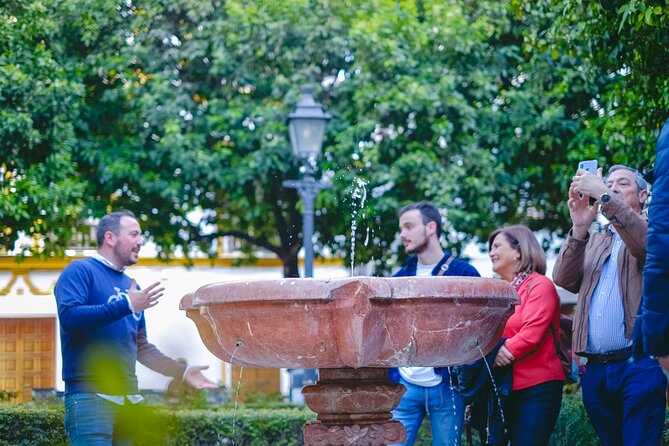
The tour ends the core walking segment at the square that gives name to the whole neighbourhood. From there, you learn about the origin of the first church of the area, and how it transformed throughout the centuries.
This stop ties the whole route together. You start at a major square, you move through legends, fortifications, worship layers, and a cemetery, and then you land at a civic heart where the story becomes visible through changing religious and community identity.
I found this the right note to end on because it’s grounded in something you can picture long after the walk: a public place that keeps getting repurposed.
Tapas dinner with three courses and two drinks included
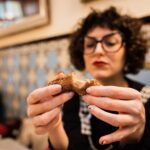
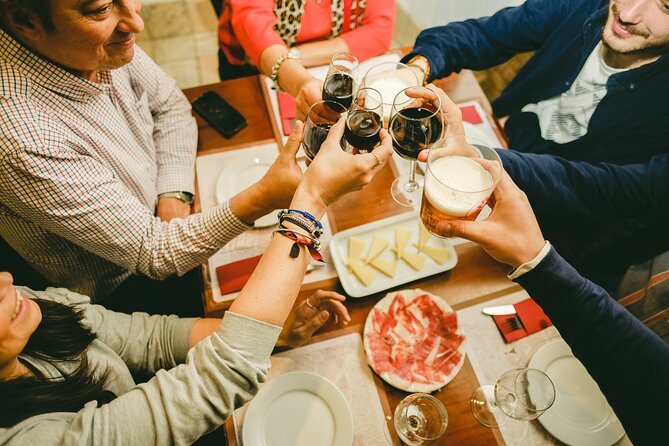
Dinner time is built right into the experience. After the walk, you head to a local tapas bar, where each person gets a meal made of three tapas plus two drinks.
The menu is described as different for each session, but the dishes fit classic Andalusian comfort food. You might see combos such as:
- salmorejo and croquetas
- oxtail
- spinach with chickpeas
- pisto
- pork cheeks
- aubergines, anchovies, or calamari
- gazpacho or mushrooms
One thing I really like about how this is set up: it’s not tapas as “snack grazing.” It’s a proper set of three tapas courses, which means you get fed without needing to plan a second meal later.
Dietary needs: handled with notice
If you have allergies or intolerance, you can advise at booking, and the restaurant gets informed accordingly. That matters because Spanish menus can be tricky with pork, shellfish, gluten, and cross-contact. One of the strongest practical perks here is that the food plan can be adjusted without turning the evening into a research project.
What to do: If you’re gluten intolerant or avoid pork/shellfish, flag it clearly during booking. Then you can relax and eat.
Price and value for a 3-hour small-group evening
At $71.35 per person for about 3 hours, this tour isn’t just “a guide.” You’re paying for three things that travel alone would cost you separately:
- A small-group guided walk through multiple story layers in a tight area (so you don’t waste time guessing what matters).
- Included time with specific thematic stops (Susona legend, fortified context, cemetery preservation, worship-site layering).
- A full tapas meal: three tapas plus two drinks.
If you’d otherwise spend money on a guided history walk plus dinner, the value math tends to work out well. You also get a smoother evening flow. Instead of doing history first and scrambling for food after, you’re guided straight into it.
Who this tour suits best (and who might want something else)
This is a great fit if you want:
- a compact evening in the Jewish Quarter with a clear narrative thread
- photography opportunities in narrow streets and small plazas
- history explained with place-based stories, including legend
- a built-in dinner with typical Andalusian dishes and drink pairing
It may be less ideal if you mainly want:
- lots of visible ruins and major standalone monuments
- a tour focused heavily on wine-cellar hopping or extended sit-down dining
Also, the walking is described as not difficult, and it’s about an hour and a half on foot, with the meal rounding out the full experience.
Should you book the Seville Jewish Quarter tapas and drinks tour?
If you’re spending only a day or two in Seville and want a high-impact evening, I’d book it. The combination is the point: you get the Jewish Quarter’s layered story and end with real food, in the same neighborhood, without extra planning.
I’d especially recommend it if you like history that feels connected to streets and buildings, not just dates. And if you’re food-motivated, the included three-course tapas layout with two drinks is a strong value.
FAQ
Where does the tour start and end?
It starts at Plaza del Triunfo and ends at Calle Lope de Rueda, both in Seville’s historic center.
How long is the Seville Jewish Quarter tour?
The duration is about 3 hours.
What language is the tour offered in?
The tour is offered in English.
Is the group size small?
Yes. The tour is limited to a maximum of 10 travelers.
What food and drinks are included?
Dinner includes three tapas per person and two drinks.
Can the restaurant accommodate allergies or intolerances?
Yes. You should advise of any allergy or intolerance at the time of booking, and the restaurant will be informed.
Is there free cancellation?
Yes. You can cancel for a full refund up to 24 hours in advance of the start time.