REVIEW · NEW ORLEANS
French Quarter walking Food Tour Famous Flavors of New Orleans
Book on Viator →Operated by Tastebud Tours · Bookable on Viator
Follow your appetite through the French Quarter. This guided walk mixes iconic food stops with quick hits of French Quarter architecture, plus stops that connect you to landmarks like Jackson Square. It’s priced as a single ticket and built around included tastings that add up to a real lunch.
I like that you get enough food for a hearty meal, not just a few nibbles. I also like the hit list of classic New Orleans bites, from Tujague’s red beans and rice to Laura’s pralines and candies.
One consideration: it’s a walking tour with no gluten-free or vegetarian options, and the food tends to be meat- and rice-forward.
In This Review
- Key highlights before you go
- French Market Meetup: Where Your French Quarter Food Story Starts
- What’s Actually Included: Tastings Built to Add Up to Lunch
- Tujague’s and the Creole Core: Red Beans, Gumbo, and Jambalaya Energy
- Laura’s Pralines and Candies: The Sweet Stop People Remember
- Little Vic’s Muffaletta: A Quiet Courtyard Escape from Bourbon Street Chaos
- Croissant D’Or Pastries: Why This Bakery Stop Matters for the Pace
- Nola Po-Boy and Cafe Fleur De Lis: Seafood Meets Roast Beef in One Afternoon
- Walking Route, Timing, and Zig-Zag Reality on a 3-Hour Walk
- Guide Style: Humor, Creole vs Cajun Clarity, and Mardi Gras Lore
- Dietary Fit and Food Reality: Rice, Meat, and No Flex Guarantees
- Price and Value for $75: When It Makes Sense
- Should You Book This French Quarter Walking Food Tour?
Key highlights before you go
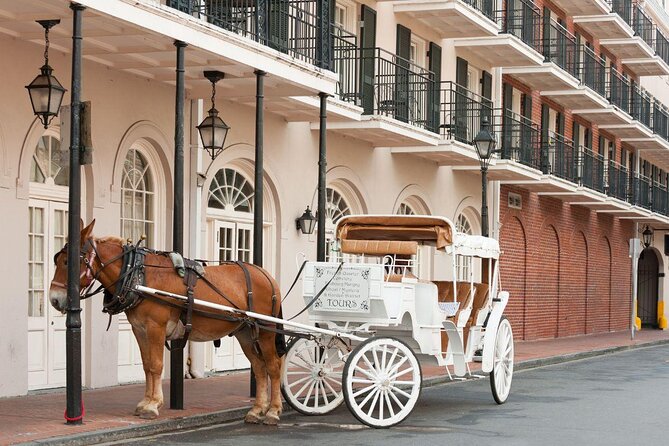
- French Market meetup plus Jackson Square storytelling: you start in the French Market area and circle through major Quarter sights.
- Classics in classic rooms: stops include Tujague’s, Laura’s Pralines and Candies, Little Vic’s, Croissant D’Or, and Po-boys plus a French Market café.
- Lunch-level tastings: the ticket includes multiple food samples intended to keep you full for the day.
- Creole and Cajun flavor explanations: your guide typically breaks down the distinctions in plain language.
- Small group size (max 16): you’re walking with a tighter group, which helps with pacing and attention.
French Market Meetup: Where Your French Quarter Food Story Starts
The tour begins at the French Market complex area (816 Decatur St). That matters because the French Market feels like a working hub, not just a tourist postcard. From there, you’ll start working your way into the heart of the Quarter, with your guide linking what you’re eating to the places you’re seeing.
A big part of the value here is the pairing: food plus setting. Along the way, you’ll hear anecdotes and legends tied to New Orleans’ food culture, and you’ll also make time for key landmarks like Jackson Square. It’s a good way to get your bearings fast, especially if it’s your first trip.
You’ll be on your feet for about 3 hours. Wear comfortable walking shoes. The route can involve zig-zag movement through streets and blocks, so good footwear is not optional.
You can also read our reviews of more walking tours in New Orleans

What’s Actually Included: Tastings Built to Add Up to Lunch
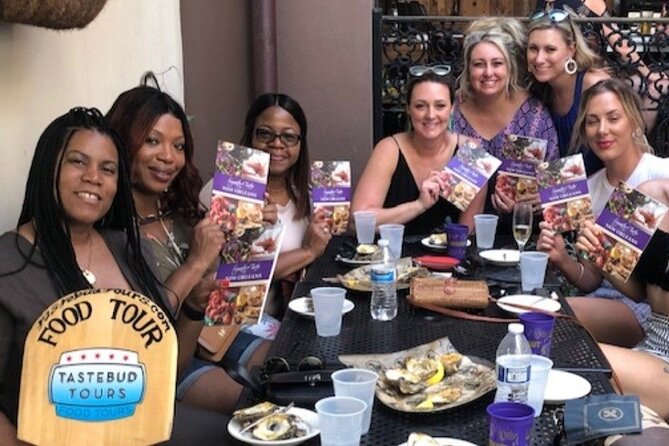
This is sold as a food walking tour, and the ticket includes the tastings. The intent is clear: you should end up with more than enough food to qualify as lunch, not just a snack tour. The sample menu shows what that typically looks like: gumbo, red beans and rice, jambalaya, Creole and Cajun favorites, po-boys, muffaletta, rice-focused mains, and pralines.
In practice, you’re sampling several signature styles at multiple spots, so you’re not stuck with just one cuisine lane. You’ll also get a dessert stop built into the schedule, which is a nice pacing choice because New Orleans meals can run heavy.
Two notes that affect how full you feel:
- Alcohol is not included, but drinks can be purchased at stops.
- There is no gluten-free option and no vegetarian option, so the tour choices stay meat- and staple-forward.
Tujague’s and the Creole Core: Red Beans, Gumbo, and Jambalaya Energy
Tujague’s is one of the tour anchors. The restaurant has a long story tied to the building itself, and it’s known for classic Creole dishes served in a setting that feels old-school. On this tour, you’re set up to taste red beans and rice at Tujague’s, a dish that locals treat like a cornerstone for home-style New Orleans cooking.
The wider menu preview also points to other Louisiana staples like gumbo and jambalaya. Even when each tasting is a smaller portion, the theme is consistent: you’re getting the heart of Creole and Cajun comfort food rather than random tourist bites.
Why that’s useful to you: New Orleans has a lot of food styles, and trying to order your way through them on your own can turn into trial-and-error. This tour does the short cut. If you want an intro that makes you understand what to seek out later, this is a strong start.
Potential drawback: several people note that rice shows up a lot across the tastings. If you already love rice but want more variety in non-rice dishes, you might feel boxed in by the menu theme.
Laura’s Pralines and Candies: The Sweet Stop People Remember
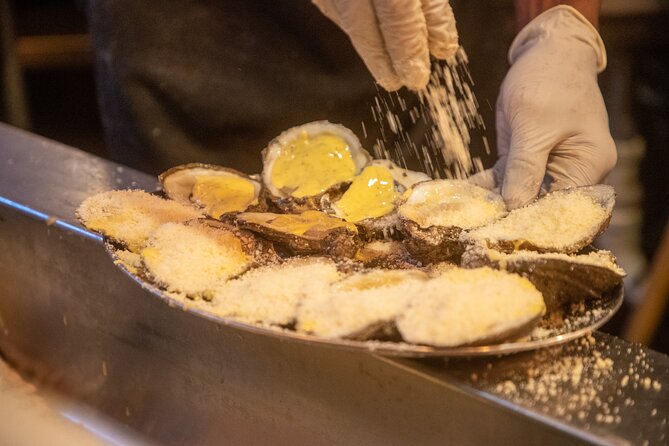
If there’s one stop that feels like a New Orleans rite of passage, it’s Laura’s Pralines and Candies. The tour includes this classic candy shop, and the big selling point is that pralines and chocolates are made daily in the French Quarter kitchen, using recipes that trace back to the 18th century.
For you, this stop is more than dessert. It gives you an easy-to-share food memory, since pralines and chocolates travel well and make good gifts. It also gives your taste buds a break from savory spice before the tour pushes deeper into the next meal pieces.
Laura’s is also where you’ll see the broader Creole-and-Cajun candy approach, not just one generic sweet. If you like your souvenir edible, this is a practical win.
Tip for getting the most out of it: pace yourself. Dessert is built into the tour, so you don’t need to add a separate bakery stop on your own later unless you really want seconds.
Little Vic’s Muffaletta: A Quiet Courtyard Escape from Bourbon Street Chaos
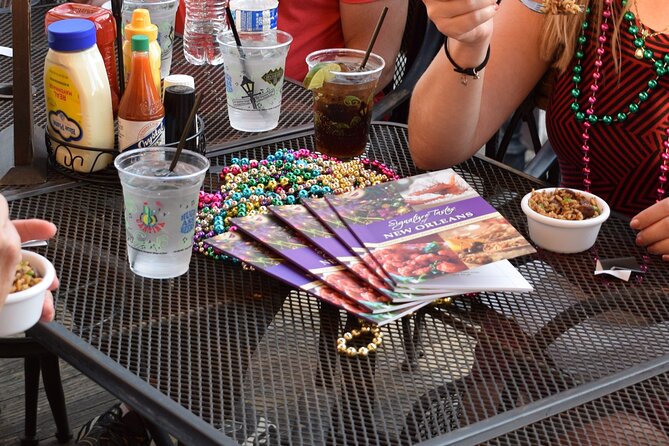
Little Vic’s Rosticerria is part of the muffaletta plan. The tour includes a traditional muffaletta sandwich on homemade bread, and the location has a bonus: it’s tucked down on Toulouse Street with a calmer Creole courtyard setting.
That courtyard detail is the kind of small thing that makes the whole tour feel more real. You’re not just eating while standing in a loud corridor. You’re getting a sense of how these places can feel like a neighborhood pause.
Why the muffaletta works on a walking tour: it’s sturdy, flavorful, and easy to understand as an iconic New Orleans sandwich. You’ll taste it and instantly know what people mean when they talk about the Quarter’s layered comfort food.
Watch-outs:
- If you’re expecting seafood-forward variety, this tour’s center of gravity is the classic Creole/Cajun menu theme.
- If it’s hot or windy, courtyard seating may feel different than a fully climate-controlled spot.
You can also read our reviews of more food & drink experiences in New Orleans




Croissant D’Or Pastries: Why This Bakery Stop Matters for the Pace
Croissant D’Or Patisserie is the bakery stop on the tour. It’s been serving authentic French pastries in the French Quarter for nearly thirty years, which means you’re not just getting a random sweet. You’re getting a long-running pastry tradition in the middle of the Quarter.
This stop helps in two ways:
- It keeps the tour moving with a different texture than the heavier savory dishes.
- It breaks up the meal so you can keep walking without feeling like you’re dragging.
If you’re the type who likes to end a meal with something buttery and flaky rather than only sugar candies, this is a good counterbalance to pralines. It also makes the tour feel more like a full New Orleans food afternoon, not a single-style tasting march.
One practical tip: if you know you’re sensitive to cold desserts in windy weather, plan to eat the pastry right away rather than saving bites for later in the walk.
Nola Po-Boy and Cafe Fleur De Lis: Seafood Meets Roast Beef in One Afternoon
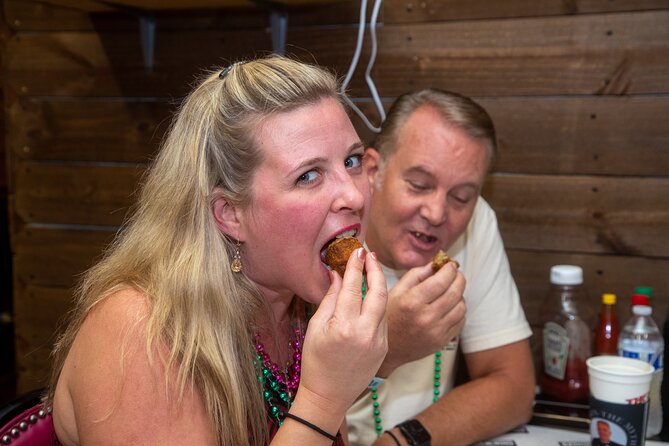
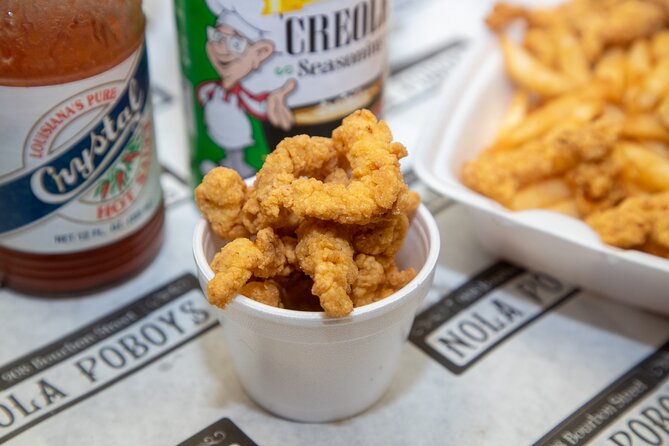
The tour includes a po-boy stop at Nola Po-Boy. The featured choice is a hot roast beef po-boy, fully dressed. This is a smart pairing with the rest of the menu because po-boys are a New Orleans language of their own. You’ll taste a classic and then understand why locals argue about bread, fillings, and sauce.
Then the tour connects to the historic French Market with Cafe Fleur De Lis. Here, the included tasting is shrimp and cheese grits, which adds a seafood note to the mix. Even if you’re not a seafood fanatic, this helps round out the lunch theme with a Southern-style comfort bowl that’s different from the sandwich world.
The broader menu preview also suggests more rice-focused mains, so your plate may lean toward rice and sauce again before dessert. That’s normal for this tour’s style.
If you want to get the most enjoyment out of this section, slow down at these final stops. Several people mention the tour works because you get moments to sit and eat, not just walk and grab. Use those seating breaks to reset.
Walking Route, Timing, and Zig-Zag Reality on a 3-Hour Walk
The tour is about 3 hours and runs in all weather conditions, which is exactly what you’d expect in a walking-tour format. The practical part: you need to dress for conditions, and you may end up in cold windy shade at times. Bring layers even if the day looks mild in the morning.
The other practical reality is pacing. Some people like that there are enough stops to sit briefly and eat. Others feel the route can involve lots of zig-zag movement and passing the same streets more than once as you hop between eateries.
So here’s how you can plan:
- If you want the least stress, commit to sturdy shoes and accept that the route isn’t a straight line.
- If you’re prone to getting cold, consider that a short lunch break won’t cancel wind chill during walking segments.
Also remember: this tour won’t be able to accommodate last-minute changes. Build a buffer into your day, especially if you’ve got dinner reservations afterward.
Guide Style: Humor, Creole vs Cajun Clarity, and Mardi Gras Lore
A huge part of the experience is your local guide. Names that come up often in the tour’s guide reputation include Charles, Kim, Roger, Lyndel, Linda, and Tish. Across those guides, the common thread is storytelling that stays tied to what you’re eating.
Expect explanations about Creole and Cajun distinctions in plain language, not a textbook lecture. People also praise guides for humor and for knowing when to move the group along versus when to slow down for the tastings.
One standout type of story you’ll likely hear: Mardi Gras Krewe details, including symbolic items thrown from floats. Even if you’re not planning to attend a parade, this kind of lore helps you understand why so many New Orleans traditions show up in food culture, festivals, and neighborhood life.
If you’re the type who likes your tour guides interactive, this is where it pays off. You’ll get the kind of context that makes the next restaurant you choose on your own feel easier, not random.
Dietary Fit and Food Reality: Rice, Meat, and No Flex Guarantees
Let’s talk about what you should realistically plan for.
- No gluten-free option is offered.
- No vegetarian options are offered.
So this isn’t the tour to book if you need a fully meat-free menu. Even within the classic Louisiana dishes, the flavors tend to be savory and meat-forward. One person even called out that the tour can feel like mostly savory dishes if you’re looking for vegetarian-friendly items.
Also, be ready for rice-heavy choices. The menu preview and included tastings make that clear. Gumbo, red beans and rice, jambalaya, and rice-focused mains are all part of the theme.
Allergies: you can (and should) let the tour know ahead of time if you have food allergies. That’s your best bet for avoiding surprises.
The good news for most people: if you’re open to the traditional New Orleans lineup, this tour is built around those staples. You’ll likely leave with a mental map of what you want to order next.
Price and Value for $75: When It Makes Sense
At $75 per person for about 3 hours, you’re paying for two things: multiple included tastings at well-known places and a guide who connects food to the French Quarter’s setting. It’s not just a checklist of bites.
Here’s why it can feel like a value:
- Several classic stops are included, including dessert.
- The tour is positioned as enough food for lunch.
- You get walking-time context, not just receipts and directions.
What isn’t included:
- Alcoholic drinks (you can buy them if you want).
- Gratuity is not included.
So the best way to judge whether it’s worth it for you is simple:
- If you want a structured way to sample classic French Quarter cuisine without spending extra time planning orders, this price can feel fair.
- If you’re hoping for a highly individualized menu with major dietary swaps or lots of non-rice variety, you may end up wishing you booked a different type of food tour instead.
Should You Book This French Quarter Walking Food Tour?
Book it if you want a classic French Quarter intro that pairs included tastings with landmark storytelling. This is especially smart as a first food outing in New Orleans, when you want to learn what the city actually eats and then use that knowledge to guide your next restaurant meal.
Skip it or compare alternatives if your top priorities are vegetarian or gluten-free options, or if you strongly prefer seafood-forward variety over classic Creole/Cajun staples. Also consider that the route is a true walk, so comfort shoes and weather-ready clothing will make or break the day.
If you’re excited by Tujague’s red beans and rice, Laura’s pralines, a proper muffaletta, po-boy culture, and a final savory bite like shrimp and cheese grits, this tour is an easy yes for a full lunch-style afternoon.