REVIEW · NEW ORLEANS
French Quarter walking Food Tour: Signature Tastes of New Orleans
Book on Viator →Operated by Tastebud Tours · Bookable on Viator
New Orleans on foot is fun when the plan is built around eating. This French Quarter walking food tour pairs Creole, Cajun, and French-inspired tastings with stop-by-stop context, so you’ll understand what you’re tasting and where the flavors come from. I like that it’s structured enough to feel like lunch, not random snacking.
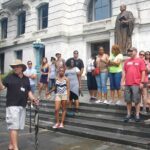
I also love how the tour leans into iconic landmarks as part of the experience—like passing Bourbon Street and checking in with sights around St. Louis Cathedral and Royal Street. One thing to keep in mind: it’s a walking tour with cobblestones and uneven sidewalks, so if you’re slow-walking or have mobility limits, you’ll want to plan carefully.
In This Review
- Quick hits before you go
- Price and what $85 really covers
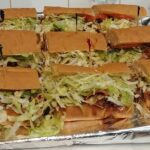
- The flavor plan: gumbo, jambalaya, and a praline sweet finish
- Meeting at 816 Decatur St: where the afternoon starts
- French Market stop: eating and the city’s street-level context
- Laura’s Candies: the sweet stop that actually lands
- Bourbon Street and St. Louis Cathedral: landmarks with purpose
- Royal Street and the loop back: why the route matters
- New Orleans Creole Cookery: classic comfort-food territory
- Alcohol to-go cups: an easy add-on if you’re 21+
- Walking pace, cobblestones, and how to avoid stress
- Guides like Charles, Roger, Reagan, and others: what to look for
- Who this tour is best for (and who should skip)
- Should you book this French Quarter food tour?
- FAQ
- What’s the duration of the tour?
- How much does it cost?
- Where do I meet the guide?
- Is the tour in English?
- What’s included in the price?
- Is alcohol included?
- Can the tour accommodate dietary restrictions like gluten-free or vegetarian?
- How many people are in each group?
Quick hits before you go
- All tastings included and designed to add up to a real lunch (gumbo, jambalaya, Cajun favorites, pralines).
- Small group size (max 16) helps keep the walk from feeling like cattle herding.
- Pralines from Laura’s Candies give you a sweet finish at an old-school French Quarter stop.
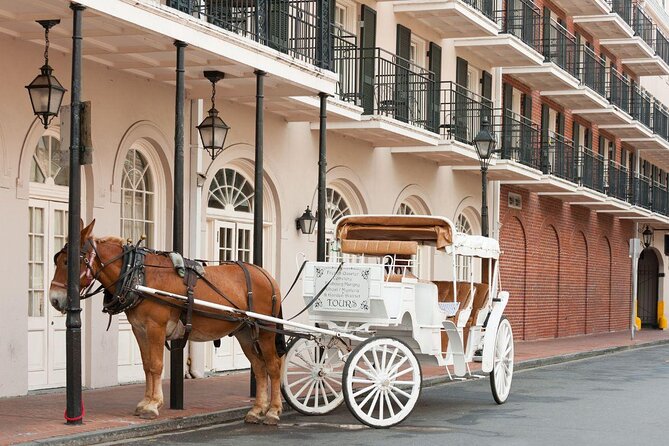
- A landmark loop through Bourbon Street, St. Louis Cathedral, and Royal Street adds context beyond food.
- Alcohol to-go cups are available for adults 21+, but drinks are not included.
- Menus can change, so expect the core classics even if the exact dishes shift.
Price and what $85 really covers
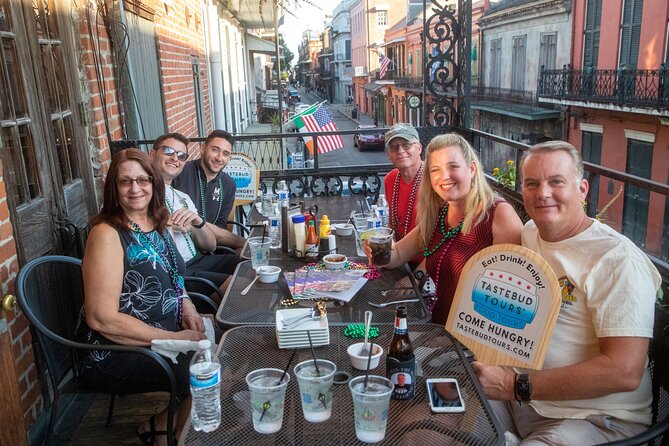
At $85 per person for about 3 hours, this isn’t one of those bargain “a couple bites and a brochure” tours. You’re paying for a guided walking route plus multiple restaurant tastings. The big value is that the tastings are included, and the total amount is meant to be filling enough for lunch.
That matters in New Orleans, where eating well can add up fast. If you’d otherwise grab one casual meal and one dessert, you’d likely spend close to this anyway—especially if you add drinks. Here, the pacing is built around stops, and the guide keeps the walk moving with food stories so you’re not just walking from one place to the next.
Two practical notes from how this runs:
- You should plan to walk at a steady pace. The tour isn’t advertised as a sit-everywhere experience.
- Portions are generally generous, so if you’re the type who likes lots of tiny samplers, you may wish for more variety through more frequent stops.
You can also read our reviews of more walking tours in New Orleans
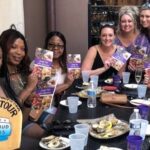
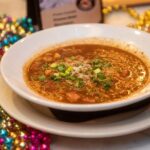
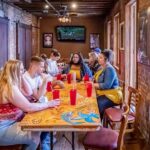
The flavor plan: gumbo, jambalaya, and a praline sweet finish
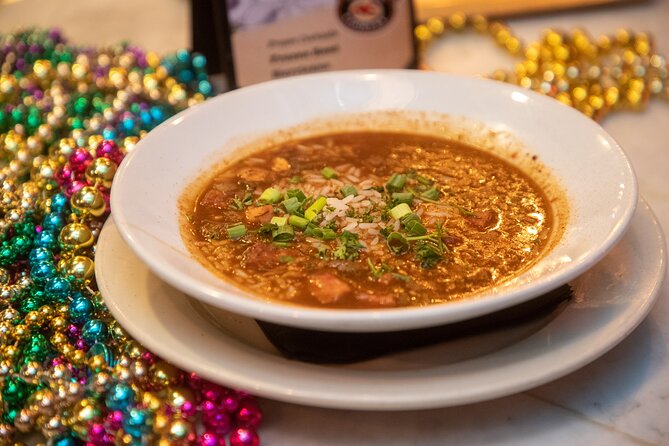
The sample menu gives you a clear idea of the arc of the meal:
- Starter: gumbo
- Main: jambalaya
- Main: Cajun favorites
- Dessert: pralines
That’s a smart mix because gumbo and jambalaya are the two dishes most people use as their “New Orleans compass.” If you’ve never had either, this tour lets you compare styles in a single afternoon: the roux-based comfort of gumbo, the rice-and-meat comfort of jambalaya, and then a third helping of Cajun favorites to round it out.
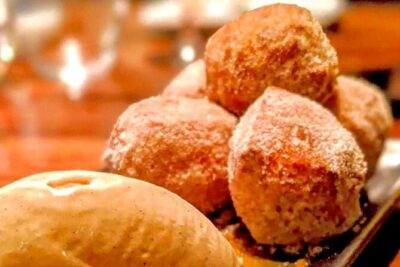
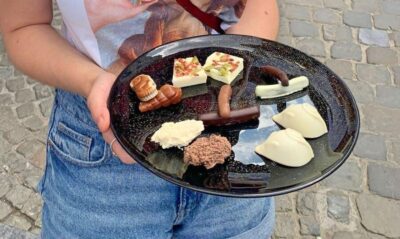
Dessert is where the tour locks in its personality. You end with pralines from Laura’s Candies, which is one of those French Quarter institutions that feels like it belongs in the background of the city’s sweet tooth. The point isn’t fancy plating. It’s old-school flavor—sticky-sweet, nutty, and unmistakably local.
If you’re a picky eater, read this carefully: the tour does not offer gluten-free or vegetarian substitutions. So if you need an alternative, you’ll either want to skip this one or choose another style of food tour that can accommodate you.
Meeting at 816 Decatur St: where the afternoon starts
You meet near the French Market at 816 Decatur St. This is a good starting spot because it’s central to the French Quarter action but not so deep in the tourist maze that you feel lost immediately. The timing is built for an afternoon stroll—come hungry, because the tastings are meant to work like lunch.
The tour ends back in the French Quarter, so you’re not locked into a long commute afterward. You can keep exploring afterward with a fuller stomach and a better sense of how the streets link together.
One more reason I like starting around the French Market: it helps you orient fast. Even if you’re only on your first day in town, you’ll start putting map pieces together—what’s close, what’s a short hop away, and which corners feel connected by foot.
French Market stop: eating and the city’s street-level context
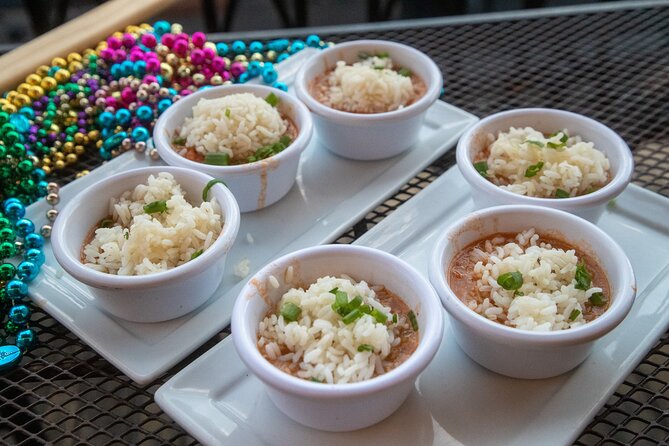
At the French Market, the vibe is part of the “tasting tour” formula. You’re not just meeting your guide and heading out; you’re starting in a place that people associate with local food culture.
What makes this stop useful is how it sets up the rest of the walk. New Orleans cooking isn’t one single style. It’s a mix that includes Creole, Cajun, and French influences, and the guide uses the streets and the nearby food culture to explain how those influences landed and evolved.
Food-wise, you’ll get one of your first samples early enough that you’re warmed up—not waiting until halfway through to taste something. That helps if you’re the kind of person who needs the first bite to settle you in.
Laura’s Candies: the sweet stop that actually lands
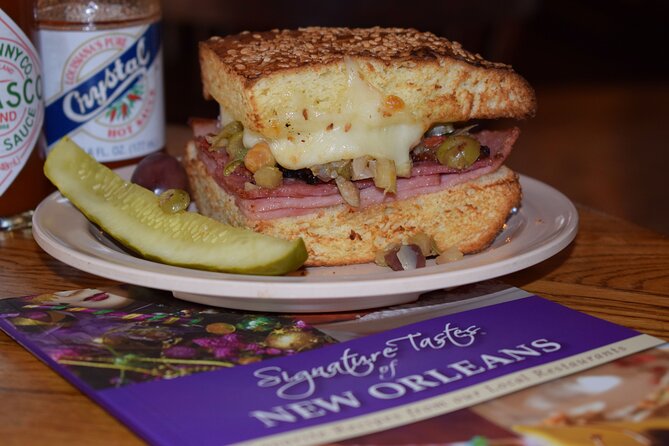
The Laura’s Candies stop is the one you’ll remember even after you’ve been back to your hotel and unpacked. Pralines are one of those foods that can taste like a single-note candy if you’ve never had a legit version—but a classic shop makes it clear that there’s nuance.
Expect a dessert-style tasting designed to be your finish, not just a “here’s a small bite” afterthought. And because pralines are so tied to New Orleans, it’s also an easy way to take a taste of the city home—if you want to grab more afterward, you’re already in the right place.
If you’re sensitive to very sweet flavors, it’s worth planning around that. The tour is built to end sweet.
You can also read our reviews of more food & drink experiences in New Orleans

Bourbon Street and St. Louis Cathedral: landmarks with purpose
Along the way, you’ll pass through areas many visitors recognize instantly:
- Bourbon Street (you’ll see it on the loop)
- St. Louis Cathedral (the stop is part of the route experience)
- Royal Street (again, tied to the walking route)
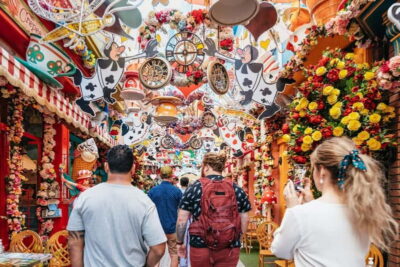
These aren’t just photo stops. The value is that the guide uses them as reference points while talking about food culture—where people gathered, how neighborhoods shifted, and why certain dishes and ingredients became part of everyday life.
If you’ve never visited the French Quarter, seeing these anchors while you’re also eating helps your brain lock the geography in. You’re learning the streets while the meal is unfolding, so the tour feels more like a guided orientation than a random list of restaurants.
One drawback to know: these are busy, walk-in-the-crowd type areas. So even with a guide, you may have to accept that the pace is influenced by pedestrian traffic and street conditions.
Royal Street and the loop back: why the route matters
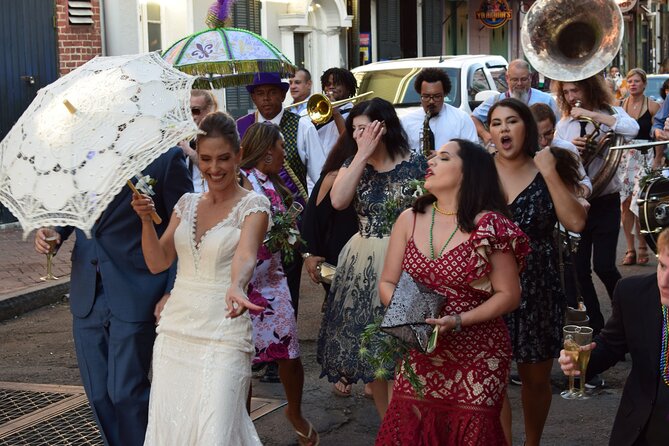
Royal Street is a good example of why this type of tour works better than “only eat and leave.” The street feels like a key thread in the Quarter—different buildings, different vibes, and a sense of how the area connects.
The tour route also includes a return through Bourbon Street later on, which keeps the afternoon from feeling like a straight line. You get a loop effect: you see more of the area in one session without needing to plan a route yourself.
For some people, that loop style feels efficient. For others, it can feel like you’re walking past the same blocks twice. If you’re the type who wants lots of new streets every minute, this is the part you’ll want to weigh against your preferences.
New Orleans Creole Cookery: classic comfort-food territory
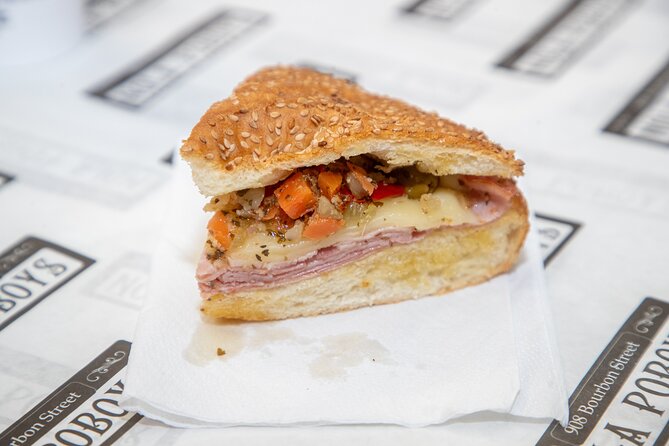
The last restaurant stop is where the tour leans into classic comfort—New Orleans Creole Cookery. This is where you’ll likely feel the full meal impact, since your tastings across the walk are meant to add up.
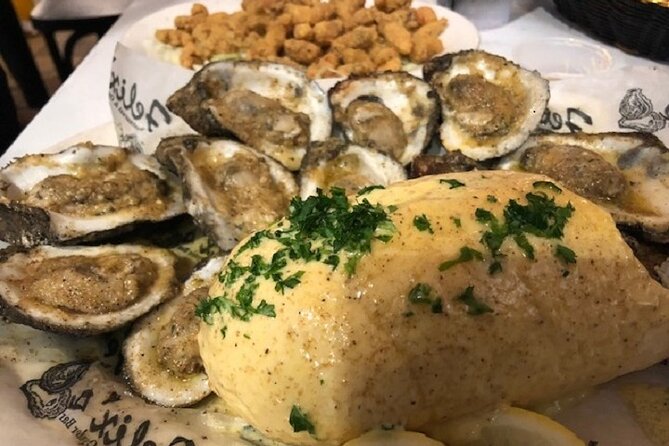
By the time you reach this point, you’ve already had your early signature flavors (including gumbo) and you’re moving into the heart of the main-course experience (including jambalaya and Cajun favorites). In other words, you’re not ending with a token bite. You’re ending with the “this is why people come to New Orleans” feeling.
One practical thing I’d keep in mind: because menus can change, the exact dishes may shift while still staying within the “signature tastes” concept. The core classics should still anchor the experience, but the supporting items could vary by day.
Alcohol to-go cups: an easy add-on if you’re 21+
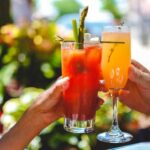
If you’re 21 or older, you can purchase alcoholic drinks during the tour using to-go cups. Drinks aren’t included in the price, but the to-go format is convenient. You don’t have to stop your walking rhythm to track down a place to sit with your drink.
It’s a nice option if you want a beer, a cocktail, or something local to match the moment. Just remember that the tour is still a walking experience. If you plan to drink, go slower than you normally would.
Walking pace, cobblestones, and how to avoid stress
This is where you should be honest with yourself. The tour is designed for a moderate physical fitness level. The French Quarter’s sidewalks can be rough—cobblestones, cracks, uneven patches—so the walk isn’t effortless even if it’s short.
Also, group walking means you may need to keep up through crosswalks and turns. If you’re easily winded, have knee or hip issues, or rely on a slow pace, you’ll want to set expectations now.
A small tip that can make the difference: pick a spot near the front early and stay there if possible. That helps with hearing the guide (when the group is close) and reduces the “straggler shuffle” feeling.
If you’re sensitive to strong walking pace, you can also plan your day around it. Wear supportive shoes. Don’t schedule a long museum walk right after. Treat this like a meal plus a neighborhood orientation.
Guides like Charles, Roger, Reagan, and others: what to look for
The biggest difference between a good food tour and a great one is the guide. This one has a strong track record of guides who mix food with street-level stories and practical context.
Names that show up in the guide praise include:
- Roger
- Charles
- Reagan
- Kimberly
- Kim
- Lyndel
- Richard
- Suzette
Even if you don’t get the same guide, the pattern is clear: the best tours here are the ones where your guide connects dishes to the neighborhood. If you want that “why is it like this?” feeling—how gumbo became a centerpiece, how jambalaya fits local tastes, why pralines became part of the sweet culture—watch for a guide who explains more than just the menu.
When the guide is doing that well, the tour becomes more than eating. It becomes a quick French Quarter education you can use the moment you step out afterward.
Who this tour is best for (and who should skip)
This is a great fit if you:
- Want a classic lunch made of New Orleans staples (gumbo, jambalaya, pralines).
- Are doing the French Quarter for the first time and want an easy way to learn the street layout.
- Prefer a small group walk where food stops are planned and included.
- Like history tied to real places—cathedral, Royal Street, and Bourbon Street—without needing a museum ticket.
You might want to skip or choose a different option if:
- You need gluten-free or vegetarian substitutions (the tour can’t accommodate those).
- You have significant mobility limits. Cobblestones and uneven sidewalks can be a deal-breaker for comfort.
- You’re specifically chasing lots of variety and lots of separate tastings. This tour is focused on signature staples and a manageable number of restaurant stops, even though you’ll see multiple landmarks along the way.
- You’re sensitive to hearing the guide over street noise. If that’s a concern, staying toward the front and bringing patience helps.
Should you book this French Quarter food tour?
Book it if you want an afternoon that feels like lunch plus orientation—gumbo, jambalaya, and pralines in the French Quarter, paired with a guide who turns streets into food context. The $85 price makes sense because the tastings are included and the timing is built around a satisfying meal, not snack hopping.
Skip it if your priority is dietary substitutions or if walking cobblestones for a few hours will make the day unpleasant. Also consider your taste preferences: the tour is built around signature classics. If you’re hoping for a wide variety of very different dishes at many tiny portions, you may find yourself wanting more change in the lineup.
If you’re ready to walk, eat, and learn the neighborhood at the same time, this is a strong choice for a first or second visit to New Orleans.
FAQ
What’s the duration of the tour?
It runs about 3 hours.
How much does it cost?
It costs $85.00 per person.
Where do I meet the guide?
You meet at 816 Decatur St, New Orleans, LA 70116.
Is the tour in English?
Yes, it’s offered in English.
What’s included in the price?
All tastings are included, designed to add up to a satisfying lunch, plus the guided experience.
Is alcohol included?
No. Adults 21+ can purchase alcoholic drinks during the tour using to-go cups.
Can the tour accommodate dietary restrictions like gluten-free or vegetarian?
No. The tour does not offer substitutions to support dietary restrictions or lifestyles, including (but not limited to) vegetarian, vegan, or gluten-free options.
How many people are in each group?
The group is limited to a maximum of 16 travelers.