REVIEW · NEW ORLEANS
New Orleans Food Walking Tour of the French Quarter with Small-Group Option
Book on Viator →Operated by Destination Kitchen · Bookable on Viator
Follow your nose through the French Quarter. This half-day walking tour pairs classic New Orleans bites with street-level stories, landmarks, and solid food-stop variety across the neighborhood. French Quarter flavors plus multiple restaurant tastings are the core idea, so you’re not just eating, you’re learning how the food got here.
I especially like the lineup: you may sample seafood gumbo, Creole brisket, po-boys, jambalaya, muffuletta, pralines, and beignets. I also love that your guide connects what you’re tasting to the place, including an easy stop near Cafe du Monde, which helps the whole area click fast.
One thing to plan for: you’ll do a fair amount of walking, and many dishes have spice and pork, with no substitutions for the set tastings. If you have a real allergy, tell them ahead of time and be ready that options can be limited.
In This Review
- Key Things I’d Focus On
- Entering The French Quarter: Where Your 3-Hour Food Walk Begins
- The Food Lineup: Gumbo, Po-Boys, Jambalaya, Muffuletta, Pralines, Beignets
- Seafood Gumbo and Other Starters
- Main Tastings: Creole Brisket, Po-Boys, Jambalaya, and More
- Dessert Stops: Pralines and Beignets
- How Your Guide Shapes the Experience (And Why Names Like Jack, Susan, Nate, Lauren, and Kristi Matter)
- Walking Pace and French Quarter Flow: What 3 Hours Feels Like on Royal Street
- Small-Group Upgrade: What Changes When You Get 13 or Fewer
- Price and Value: Is $75 Worth It for a Tasting Tour?
- Spice, Pork, and Allergies: The Real-World Limits You Need to Know
- Landmarks and Context: Why Seeing Cafe du Monde Helps
- Best Times to Book and Best Matches for This Tour
- Should You Book This French Quarter Food Tour?
- FAQ
- How long is the New Orleans Food Walking Tour of the French Quarter?
- What does the tour cost?
- What food do you sample on the tour?
- Is alcohol included?
- How big are the groups?
- Where does the tour start and end?
- Are substitutions offered for the food tastings?
- Does the tour accommodate allergies and dietary restrictions?
- What happens if the weather is bad?
- Can I cancel and get a refund?
- Are service animals allowed?
Key Things I’d Focus On
- Iconic NOLA dishes, one after another: gumbo, po-boys, jambalaya, muffuletta, pralines, beignets
- History tied to food: French Quarter context while you eat, not just “food facts”
- Landmark timing: you’ll see stops like Cafe du Monde during the walk
- More personal in small group mode: upgrade keeps groups to 13 guests or fewer
- Plenty of food for the price: this isn’t a snack tour; it’s a meal-like tasting run
- No swaps, so allergies need early communication: set tastings only, pork is common
Entering The French Quarter: Where Your 3-Hour Food Walk Begins
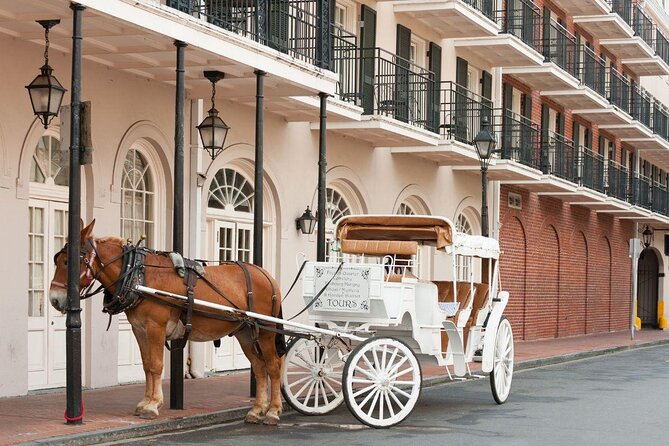
This tour starts at 600 Royal St and stays centered in the French Quarter, where walking is the whole point. The meet point is easy to find and places you right where most first-time visitors want to be: on the grid of Royal Street, close to the kind of energy that makes the neighborhood feel like a living food map.
You should expect a 3-hour format (approx.) that’s paced for tasting: you’ll walk between multiple stops, then slow down to eat and listen. A big part of the value here is that you’re not doing the mental work of deciding where to go next. Your guide handles the order of things and keeps you moving through the Quarter at a comfortable rhythm.
If you’re the kind of traveler who gets stuck in decision loops—What do I order? Where is the line worth it? What’s actually local?—this setup helps a lot. The walk gives you a framework, and each tasting adds a piece of the bigger story.
You can also read our reviews of more walking tours in New Orleans

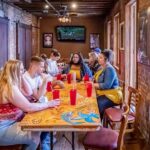
The Food Lineup: Gumbo, Po-Boys, Jambalaya, Muffuletta, Pralines, Beignets
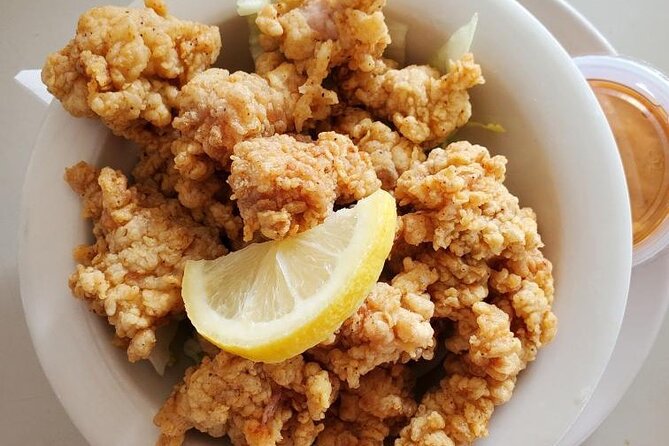
The menu is flexible based on what’s available, but the tour’s “core set” gives you a very strong sampling of Louisiana staples. When you sign up, you’re basically choosing a guided sampler of the foods that people come to New Orleans to eat.
Here’s how the flavors usually stack up, and what to look for as you go:
Seafood Gumbo and Other Starters
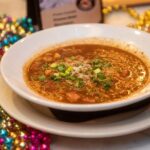
You may start with seafood gumbo, which is one of the most recognizable Creole dishes in the city. Gumbo is also a great starter because it sets expectations: thick, flavorful, and built for slow satisfaction. Expect bold seasoning and a comfort-food vibe that feels like it belongs in the Quarter.
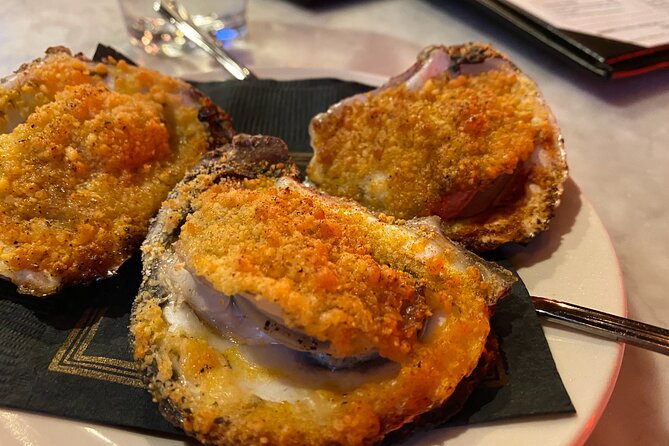
Depending on availability, other starters can include oysters and alligator sausage. That’s a big win for variety. Oysters give you a clean, briny contrast to richer stews. Alligator sausage is an adventurous choice that still feels very “New Orleans” rather than gimmicky.
Practical tip: gumbo can be spicy, even when it doesn’t look flashy. If you’re sensitive, it helps to pace yourself and ask your guide what to expect at each stop.
Main Tastings: Creole Brisket, Po-Boys, Jambalaya, and More
From there, the tour builds into hearty mains. You might taste Creole brisket, which brings a saucier, slow-cooked flavor profile that’s different from the lighter vibe of seafood.
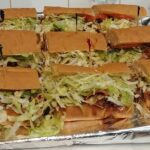
You may also get a po-boy sandwich. In plain terms, po-boys are the Quarter’s comfort-food workhorse: crunchy bread, filling toppings, and usually a bold hit of flavor. It’s also one of the easiest sandwiches to understand once you’ve seen it in action and been told how it fits into local eating habits.
Another main you can try is jambalaya, the dish that brings it all together with rice, meat (often multiple options), and the kind of seasoning that makes you taste the region even before you learn the story. If you’ve ever wondered why Louisiana food feels layered—this is the answer in a bowl.
And if your tastings include muffuletta sandwich, you’ll get a different kind of satisfaction. Muffuletta tends to focus on tangy, savory fillings and a hearty feel that works well as your “I need something filling” stop.
Dessert Stops: Pralines and Beignets
The dessert phase is where this tour really earns its reputation. You can sample pralines (sweet, creamy, and very New Orleans) and beignets, which are the powdered sugar postcard for the city.
Beignets are especially fun on a walking tour because they’re easy to eat in the moment and instantly connect you to the landmark culture of New Orleans. Even if you’ve seen beignets in photos, there’s something about having one warm on the street that makes the city feel real fast.
If you have a sweet tooth, this is where you’ll feel the most payoff. If you don’t, you still get a good taste of why people plan their day around dessert.
You can also read our reviews of more food & drink experiences in New Orleans
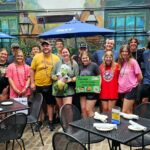



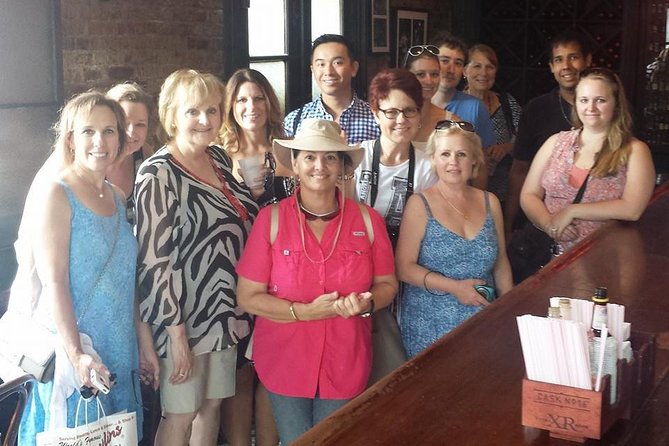
How Your Guide Shapes the Experience (And Why Names Like Jack, Susan, Nate, Lauren, and Kristi Matter)
A food tour lives or dies by the guide. Here, you’re walking through an area with a lot of history and a lot of food choices, and you want someone who can translate both.
From the experience patterns shared by guests, the guides often bring two key strengths:
- They connect each dish to the city in clear, story-driven explanations.
- They keep the group engaged, including answering questions and sharing where to eat next.
You’ll sometimes hear names called out like Jack, Susan, Nate, Lauren, and Kristi. While your actual guide may vary, the consistent theme is that these guides don’t just recite facts. They help you understand what you’re tasting and where it fits in the French Quarter’s food culture.
One more practical detail: guides often influence how smoothly the tour feels. When the pacing is right, you get to enjoy the meal moments instead of rushing between locations.
Walking Pace and French Quarter Flow: What 3 Hours Feels Like on Royal Street
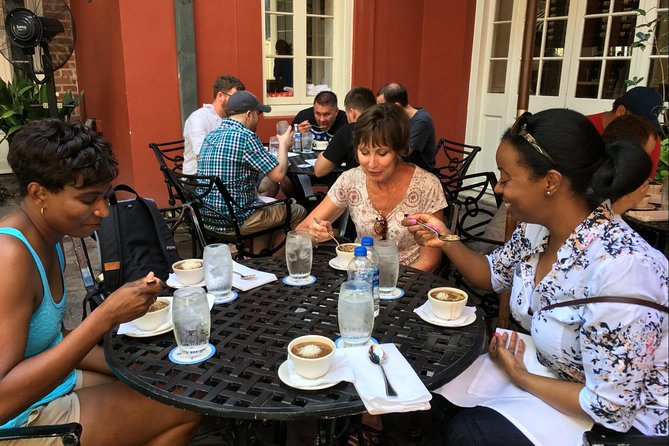
This is a walking tour, so build your day around it. Most of the tour’s value comes from being able to move between several tastings without you having to plan routes. You’ll cover enough ground to feel like you explored the neighborhood, but it’s still timed around eating.
I recommend showing up with comfortable shoes and a willingness to slow down. The French Quarter streets can feel uneven and crowded in parts, and you don’t want to be thinking about footwear instead of food.
Also, the tour is designed for a tasting rhythm. That means you might not feel like you need lunch afterward. One common theme in how people describe the tour is that it’s enough to make the rest of the day easier.
Small-Group Upgrade: What Changes When You Get 13 or Fewer
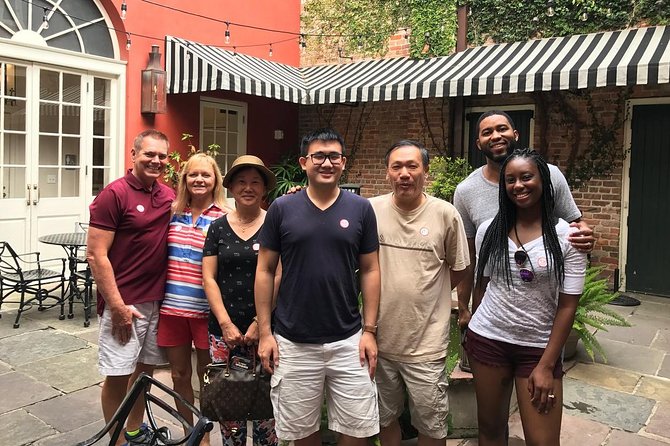
If you upgrade to the small-group option, you’re capped at 13 guests or fewer. That matters because French Quarter food tours can get loud and rushed when groups are big. Smaller groups usually mean:
- More time for your guide to explain choices
- Better odds of getting your questions answered
- A more relaxed pace when you stop to eat
If you’re traveling as a couple or solo and you want attention from the guide, the small-group upgrade is the simplest upgrade to justify. It’s not about “better food,” because the tastings come from the same overall selection. It’s about how the experience feels while you’re there.
For families, smaller groups can also make the walking and timing feel more manageable. For everyone else, it usually just feels calmer.
Price and Value: Is $75 Worth It for a Tasting Tour?
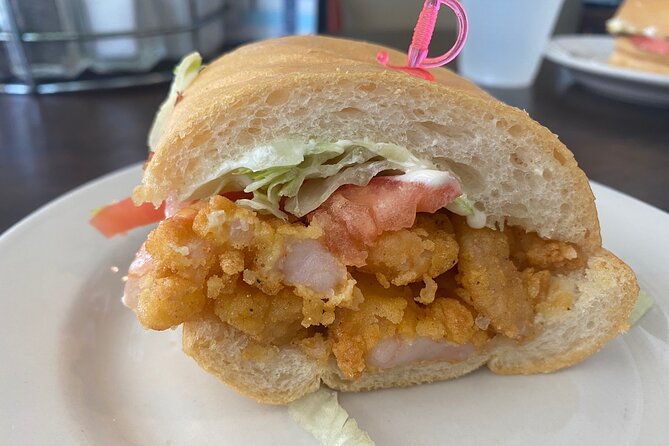
At $75 per person for about 3 hours, the price makes sense when you think about what’s included:
- A guided cultural walk with a culinary focus
- Multiple restaurant tastings across the French Quarter
- A set of iconic dishes that covers starters, mains, and dessert
This isn’t a “one bite at each stop” situation. The included menu list alone—gumbo, brisket, po-boys, jambalaya, muffuletta, pralines, beignets—reads like a full eating plan. Add the fact that alcohol isn’t included (but is available for purchase for those 21+), and you can control your spending if you want.
You should also budget for gratuity. Gratuities aren’t included, and the recommendation is 15–20%. One small practical note from real-world touring: having cash for tips can make things easier in the moment.
If you’re the kind of traveler who hates wasting money on the wrong place, this tour can be a fast shortcut. You’re paying for taste testing plus guidance, which is often cheaper than buying a full meal in a place that isn’t the right fit for you.
Spice, Pork, and Allergies: The Real-World Limits You Need to Know
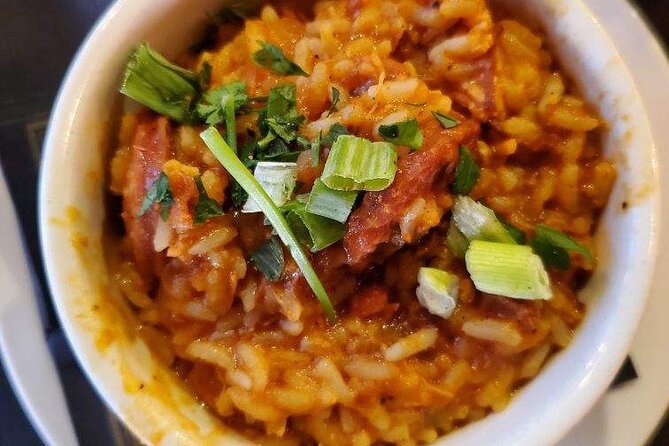
This tour is built around set tastings, and that comes with rules. There are no substitutions, and items and stops can change based on availability. Food allergies are taken seriously—if you have a true allergy, you should advise the team—but don’t expect swaps.
Also, many authentic Louisiana dishes include pork. That matters for dietary needs beyond allergies, like religious restrictions or personal avoidance.
If you’re someone who gets nervous about spicy food, you should know that New Orleans flavor often includes heat. One of the easiest ways to make the tour work is to pace yourself and be upfront when you start.
Landmarks and Context: Why Seeing Cafe du Monde Helps
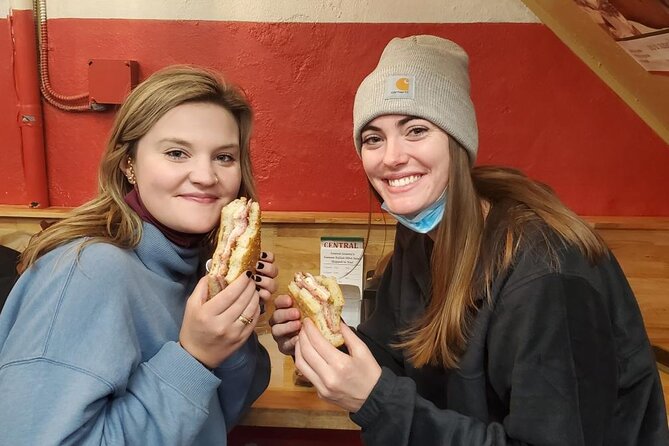
A standout feature is that you’ll get an iconic landmark moment during the tour, including Cafe du Monde. Even if you’ve already decided you want to go there later, seeing it in the middle of a food narrative helps you connect the dots.
It’s not just a photo stop. It’s a way to feel how the Quarter’s food habits connect to daily life, especially around beignets. The guide’s explanations also help you see why certain foods are so strongly tied to the neighborhood identity.
Best Times to Book and Best Matches for This Tour
This tour is ideal when:
- You’re in New Orleans for a short time and want the big hits
- You’d like an easy first-day activity to orient yourself in the French Quarter
- You want a guided sampler rather than reading menus all afternoon
It’s also a good match for solo travelers because it’s structured, social in a relaxed way, and helps you learn places to try after the tour. Couples often like it too, because it gives you something shared to talk about beyond just walking around.
One timing note: it’s weather-dependent. It’s best when conditions are good because it’s a walking format.
Should You Book This French Quarter Food Tour?
I’d book it if you want a hands-on introduction to New Orleans food without the stress of planning every stop. The combination of iconic dishes, dessert payoff, and a guide who ties food to the neighborhood makes it a strong “first visit” choice. And if you can swing the small-group upgrade, the calmer group size can make the experience feel more personal.
I’d hesitate if you need frequent food substitutions, or if your dietary needs are strict enough that you can’t rely on a fixed tasting menu. And if walking is hard for you, remember this is built around being on your feet for a chunk of time.
If you’re in the “I want to taste the classics and learn as I go” camp, this tour is one of the best ways to do it in the French Quarter.
FAQ
How long is the New Orleans Food Walking Tour of the French Quarter?
It runs about 3 hours (approx.).
What does the tour cost?
The price is $75.00 per person.
What food do you sample on the tour?
The tour may include seafood gumbo, alligator sausage, oysters, Creole brisket, po-boy sandwiches, jambalaya, muffuletta sandwich, pralines, and beignets. Exact items can change based on availability.
Is alcohol included?
No. Alcoholic beverages are not included, but you can purchase them on site for guests 21+.
How big are the groups?
The maximum group size is 18 travelers. There’s also a small-group option that limits the group to no more than 13 guests.
Where does the tour start and end?
It starts at 600 Royal St, New Orleans, LA 70130, USA, and ends at Roux Royale near Royal St.
Are substitutions offered for the food tastings?
This tour highlights set tastings and does not offer substitutions. If you have any true food allergies, you should advise the team.
Does the tour accommodate allergies and dietary restrictions?
You can notify true food allergies in advance, but keep in mind there are no substitutions. Also note that many Louisiana dishes include pork.
What happens if the weather is bad?
The tour requires good weather. If it’s canceled due to poor weather, you’ll be offered a different date or a full refund.
Can I cancel and get a refund?
Yes. Free cancellation is available. You can cancel up to 24 hours in advance for a full refund, but within 24 hours the amount you paid isn’t refunded.
Are service animals allowed?
Yes, service animals are allowed.