REVIEW · SEVILLE
Sevilla Food Tour: Tapas, Wine, History & Traditions
Book on Viator →Operated by Seville Food Sherpas · Bookable on Viator
One thing about Sevilla: you eat your way into its soul. This 3.5-hour tapas and wine stroll pairs four drink tastings with classic bites and street-level history, led by guides who bring the city to life. I like how the route threads through neighborhoods, so you’re not just sampling food—you’re learning where it fits. One possible drawback: portions are tasting-sized, and the tour isn’t built for strict vegan eating, so plan accordingly.
I especially like the mix of food, drink, and real Sevillian context. You’ll start at Plaza de la Encarnación near Metropol Parasol, then work through places like Alfalfa, Santa María la Blanca, and the Santa Cruz Jewish quarter—each stop tied to local habits and traditions. The group stays small (max 12), which helps the pace and keeps the conversations going.
If you’re sensitive to alcohol, or you want a big, sit-down dinner feeling, keep expectations realistic: you’ll get enough food for a lunch/dinner experience overall, but each bar is a short stop, and drinks can feel strong. Also, if you have celiac disease, this tour isn’t recommended due to gluten cross-contamination risk.
In This Review
- Key highlights worth planning for
- Starting at Metropol Parasol: how the tour kicks off
- Walking through Sevilla’s old lanes (and why the route matters)
- Stop 1: Plaza de la Encarnación and the food-history intro
- Stop 2 at Los Soportales: chicharrones, montaíto, and a beer from the barrel
- Stop 3 near Plaza del Pan: a quick stop for traje de flamenca
- Stop 4 in Alfalfa: a rustic tavern, tostas, montaditos, and regional wine
- Stop 5: Centro Histórico walking stretch
- Stop 6 at Santa María la Blanca: grandma-style cooking and Betis talk
- Stop 7 in Barrio Santa Cruz: patio tavern, albóndigas, pestiños, and PX
- What you’ll actually eat and drink: the tasting reality
- Price and value: is $83.44 a smart deal?
- The guides: what makes the experience feel special
- Who should book this Sevilla tapas and wine tour
- A few “go smart” tips before you set out
- Should you book this Sevilla Food Tour?
- FAQ
- How long is the Sevilla food tour?
- How much does the tour cost?
- Where do we meet and where does the tour end?
- Is the tour offered in English?
- How many people are in the group?
- What’s included in the price?
- Are drinks included, and how many?
- Is the tour suitable for people with celiac disease?
- Is the tour recommended for vegans?
- Can I cancel for a full refund?
Key highlights worth planning for
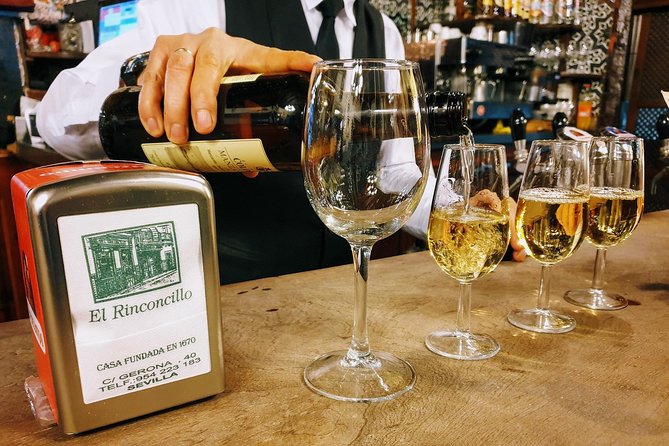
- Four wines (or beer/soft drinks) paired with tapas as you walk, not just one long tasting menu.
- Small group max 12, which makes it easier to ask questions and move at a comfortable pace.
- Neighborhood-hopping route through Alfalfa, Santa Cruz, and historic lanes on foot.
- Practical food culture lessons: why tapas are built for sharing, ordering, and lingering.
- Stories you can use: flamenco traditions, neighborhood identity, and even football culture at one stop.
- Stops are flexible depending on season and partners, so what you taste may vary.
Starting at Metropol Parasol: how the tour kicks off
You meet at the Fuente Pública Siglo XVIII in Casco Antiguo, right by Plaza de la Encarnación and next to Metropol Parasol, the big wooden structure locals call Las Setas de Sevilla (the Parasol mushrooms). The vibe here is practical: you’re starting near a major landmark, so it’s easy to find and easy to anchor your evening.
Why this works: that first stretch gets you oriented fast. Sevilla is gorgeous, but it can also feel like a maze at night. Starting with a clear meeting point means you can relax once the walking starts and focus on the food.
You’ll get a local guide and a Sevilla dining guide that’s meant to help you keep eating after the tour. That’s a sneaky value point: a good food tour doesn’t end when you walk away—it leaves you with a list of places and habits to repeat.
You can also read our reviews of more food & drink experiences in Seville
Walking through Sevilla’s old lanes (and why the route matters)
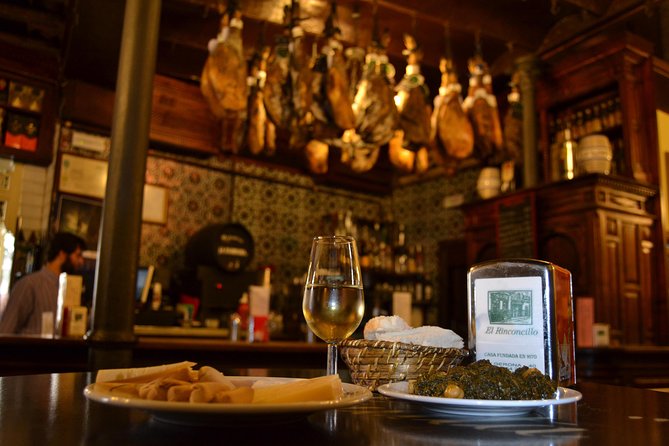
This is a walking tour, and you should expect cobblestones and tight streets. The good news is that the route is designed to show you how Sevilla’s neighborhoods feel at street level: plazas, bar fronts, and everyday hangouts—not just monuments.
The tour also moves in a way that fits a first evening in town. You’re out for about 3 hours 30 minutes, with short stops that keep energy up. Between tastings, you get little breathers and quick looks at the city’s layers, so you’re not stuck in one area all night.
The itinerary itself is built around several distinct “Sevillas”:
- a market-museum edge at the start (Parasol area),
- traditional bar streets around Alfalfa,
- then the historic heart and backstreets around Santa María la Blanca and Santa Cruz.
And the ending point is convenient for continuing on your own near the Santa María la Blanca area.
Stop 1: Plaza de la Encarnación and the food-history intro
The first stop is less about eating and more about setting the stage. You’re at the monumental fountain beside Metropol Parasol, and you’ll meet your guide there for the start of the walk.
What I like about this choice: it gives you a clear “before we taste” moment. Sevilla has a way of making food and identity feel connected. A good guide uses that early landmark moment to explain how the city’s traditions shaped bar culture—so when you later see menus, you’re not reading them like a tourist, you’re reading them like a local who knows what to look for.
Admission is free at this meeting stop, so there’s no extra cost before the fun begins.
Stop 2 at Los Soportales: chicharrones, montaíto, and a beer from the barrel
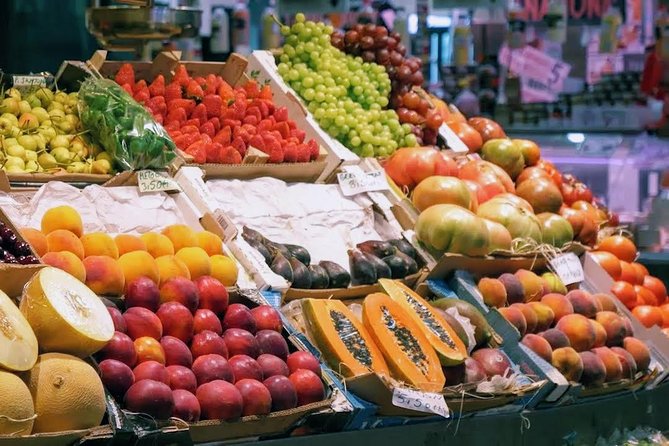
Next you head to Los Soportales, where you’ll settle into the first real tasting vibe: typical dishes like chicharrones and montaíto. It’s served in the style bar regulars would recognize, which is part of the appeal of doing tapas this way.
You’ll pair it with Cruzcampo beer straight from the barrel or choose another drink (beer or wine depending on the option that night). This matters because Spanish beer culture isn’t “one-and-done.” It’s part of the rhythm of ordering, chatting, and taking another bite.
Possible consideration: if you’re not a fan of pork-based snacks (chicharrones often go that direction) or you prefer lighter starters, tell your guide your preferences. The tour asks you to share dietary restrictions, and that’s your best chance to keep the experience enjoyable.
Stop 3 near Plaza del Pan: a quick stop for traje de flamenca
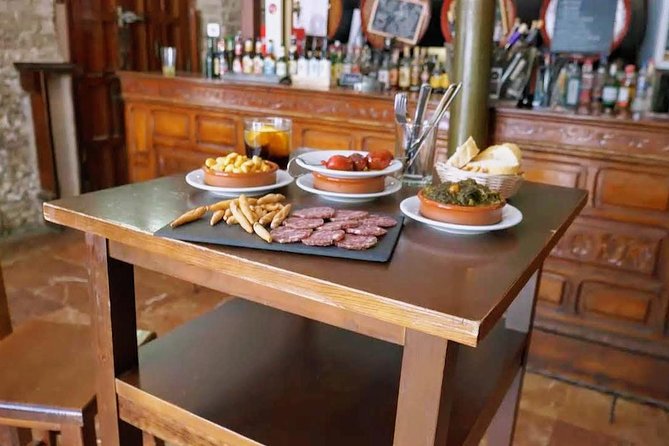
You’ll then make a short stop at Plaza del Pan (near Jesús de la Pasion) for a glimpse into the traditional traje de flamenca—the classic flamenco dress tied to Feria and local festivities.
This is a “blink and you’ll miss it” moment, but it’s useful. Tapas culture in Sevilla isn’t only about food; it’s about celebration, identity, and what people wear when they go out. Seeing the dress up close helps the guide’s stories about tradition land better.
A few more Seville tours and experiences worth a look



Stop 4 in Alfalfa: a rustic tavern, tostas, montaditos, and regional wine
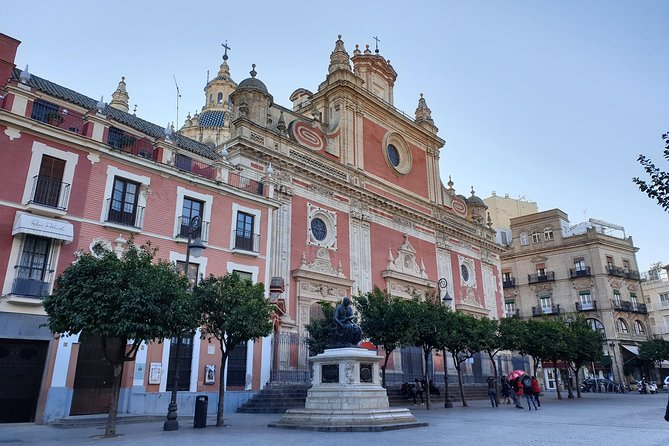
Alfalfa is one of those neighborhoods that feels like it’s always lived in. Narrow cobbled streets, local plazas, and a blend of old and new energy make it a strong mid-tour setting.
At a small tavern here, you’ll taste a short but carefully selected set of tostas, montaditos, and regional wines. The key word is short: you’re not getting a full menu spread. You’re getting a “try this because it’s Sevillian” kind of tasting.
What this stop gives you: a feel for how tapas are actually eaten. In Sevilla, the point of tapas is often variety and conversation, not one big plate. That tavern-style pacing makes you learn the rhythm.
One more honest detail: the tour notes that stops can vary by season and partner availability. So if you have a very specific “I must taste X” wish, don’t rely on one perfect order. Instead, rely on the fact that the guide will choose reputable places that match the tradition.
Stop 5: Centro Histórico walking stretch
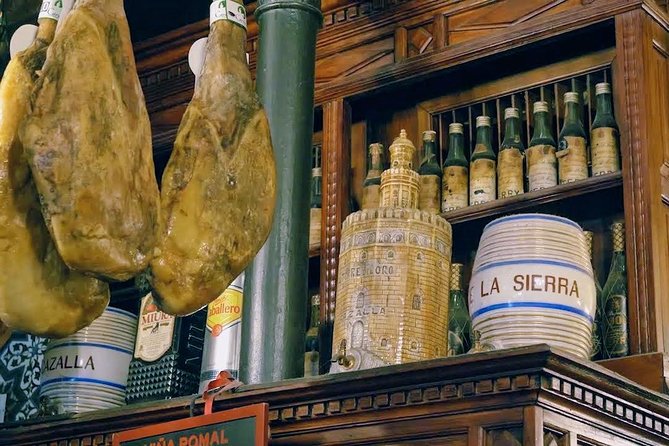
There’s a shorter historic street-walk segment after Alfalfa. This is your bridge between tastings—time to soak in the city and for your guide to connect food to place.
I like these in-between stretches because you’re building a mental map. Later, when you’re wandering on your own, you’ll recognize the vibe and understand why certain streets feel like “bar zones.”
If you hate walking in the evening, this is where you’ll feel it most. But it’s still part of the value here: you’re paying for both food and movement through real neighborhoods.
Stop 6 at Santa María la Blanca: grandma-style cooking and Betis talk
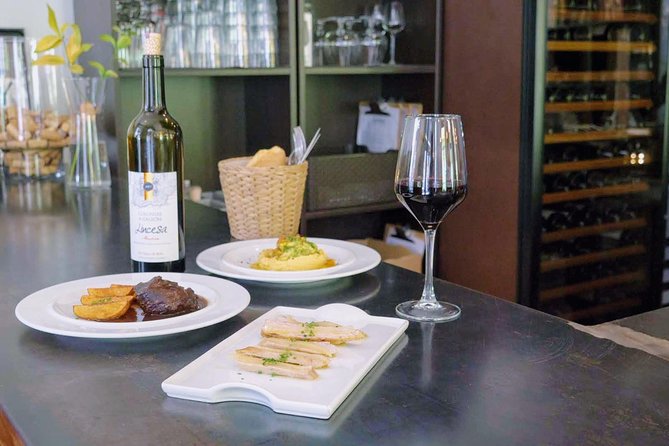
Next comes Iglesia de Santa Maria la Blanca, and the bar concept here is family-style “grandma-style” cooking. You’ll taste two local staples:
- carrillada (slow-cooked pork cheek)
- espinacas with chickpeas
That combination is classic for the region: slow, comforting, and built for sharing and late-evening appetites.
Then you get something you don’t always see on food tours: a chat about Sevilla’s football culture, including the city’s oldest Betis supporters’ club. The good part is that the guide makes it readable even if you’re not a football person. You’re not getting sports trivia; you’re learning how community identity shows up in everyday life.
Possible drawback: if you’re not into slow-cooked pork or chickpeas, this stop may feel less “perfect fit.” Your best move is to tell the guide early what you avoid so they can steer you.
Stop 7 in Barrio Santa Cruz: patio tavern, albóndigas, pestiños, and PX
Finally, you reach Barrio Santa Cruz, the historic Jewish quarter. Here, you’ll visit a family-owned tavern housed in a traditional Sevillian home with a patio interior—exactly the kind of setting where you can see why people fall for Sevilla at night.
The tastings are:
- albóndigas
- sweets like pestiños
- and a glass of PX (sweet Pedro Ximénez-style wine)
PX is one of those drinks that can feel like dessert in liquid form. It’s a smart finish because it shifts the experience from savory to celebratory. And pestiños are the kind of sweet that feels connected to tradition, not just “tourist dessert.”
If you’re expecting a final stop that’s loud and chaotic, this one usually feels more intimate because of the patio setting. It’s a great way to close the night.
What you’ll actually eat and drink: the tasting reality
The tour includes food tastings that are designed to be enough for lunch/dinner, plus 4 wines (or beer/soft drinks). In other words: you shouldn’t leave hungry, even though each bar stop is tasting-sized.
Also, the specific plates can rotate. One of the ways I think this tour delivers value is that it tends to land on “Sevilla-shaped” classics such as:
- Chicharrones de Cádiz
- pringá sandwich
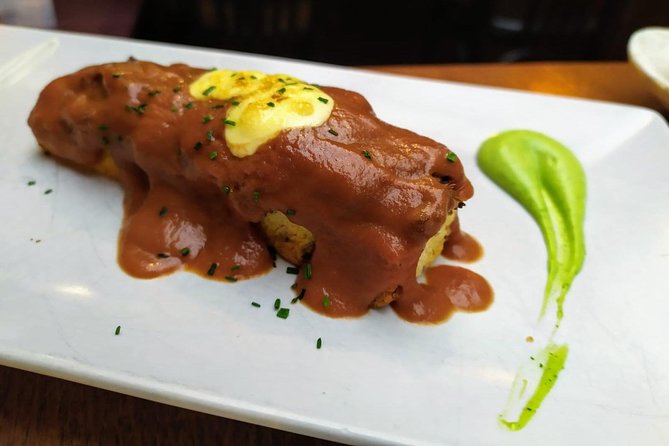
- Spanish omelette with a whisky sauce
- salchichón and other cold cuts
- seafood options like marinated cazon
- cheese from Ronda
- and a dessert of pestiño
You’ll also taste regional wines, and you may even see options like orange wine mentioned by guests. Just remember: what’s available depends on the partner venues.
About alcohol intensity: the four drink tastings can add up. One review noted the alcohol felt heavy, and that can happen if you normally drink lightly or if the pours are generous that night. If you want to pace, take small sips between bites and switch to water if your guide offers it.
Price and value: is $83.44 a smart deal?
At $83.44 per person for about 3.5 hours, this tour is priced like a proper evening out, not a cheap snack loop. Here’s why it often feels worth it:
- You’re getting enough food for a full meal across multiple stops.
- You’re getting four wines, not just one “token” glass.
- You’re getting a live guide with local stories, not an audio app.
- You get a small group max 12, so you’re not lost in a crowd.
If you were to price this yourself—four drinks plus several tapa stops plus a guide—it wouldn’t feel like a bargain. But because the tour bundles food, drink, and guidance into a set route, it becomes a good way to avoid wasting time wandering into the wrong places.
That said, there is a tradeoff: you’re paying for a selected tasting route, not full freedom. In one case, someone felt portions were small and food was mediocre. That’s the risk of any fixed menu tasting tour. If you love food enough to hunt for perfect plates all night, you might prefer a slower self-guided approach. But if you want value + context + speed, this is often a strong fit.
The guides: what makes the experience feel special
The biggest recurring theme in the feedback is the guide. Names that come up include Alejandro, Pilar, Cate, Dorota, Ella, Jeff, Stephanie, Sasha, Ferran, Agata, and Katerina.
What you’re really buying is more than food knowledge. These guides tend to connect tastings to:
- the way locals order,
- what traditions matter (like flamenco dress culture),
- and how neighborhoods shape daily life.
One practical perk: some guides share follow-up recommendations afterward, including lists of the places and dishes you tried. Even if yours doesn’t, you’ll still get the Sevilla dining guide, so you can steer your remaining nights.
Who should book this Sevilla tapas and wine tour
This tour fits best if you want:
- an easy first-night plan after you arrive,
- a fun group atmosphere (small group helps),
- both history and food culture in the same evening,
- and a reliable way to sample multiple bar styles without guessing.
It’s also good if you want to walk off dinner later. By the time you finish, you’ll have a better sense of where to go next.
It may not suit you if:
- you have celiac disease (cross-contamination risk),
- you’re vegan (not recommended),
- or you dislike alcohol enough that wine tastings would spoil your night.
A few “go smart” tips before you set out
- Eat something light before you start if you’re prone to getting shaky between tastings. The tour is filling overall, but each stop is short.
- Wear comfortable shoes. Sevilla’s streets are beautiful, and your feet will still be working.
- Bring a couple of questions. Your guide can tailor recommendations based on what you like.
- Tell your guide about allergies and dietary limits early. The tour asks for dietary restrictions, and that helps them match you with the right choices.
- Pace the wine. You’re sampling four drinks; small sips keep the evening fun instead of sleepy.
Should you book this Sevilla Food Tour?
I think this is a smart booking if you want a structured way to taste Sevilla and learn the “why” behind tapas. The combination of four wines, a walking route through key neighborhoods, and a guide-led mix of food and tradition often makes it feel like more than a meal—it’s a quick education you can carry into the rest of your trip.
Skip it if your main priority is a full sit-down dining experience, if alcohol doesn’t work for you, or if you’re vegan or need gluten-free precautions. If you fall into the typical tapas-and-wine sweet spot, this one is a strong first choice for your Sevilla evenings.
FAQ
How long is the Sevilla food tour?
It lasts about 3 hours 30 minutes.
How much does the tour cost?
The price is $83.44 per person.
Where do we meet and where does the tour end?
You start at the Fuente Pública Siglo XVIII in Casco Antiguo, near Plaza de la Encarnación, close to Metropol Parasol. The tour ends on Calle Santa María la Blanca in the Casco Antiguo area.
Is the tour offered in English?
Yes, it’s offered in English.
How many people are in the group?
There is a maximum group size of 12 travelers.
What’s included in the price?
Food tastings (enough for lunch or dinner), 4 wines (or beer/soft drinks), a local guide, and a Sevilla dining guide.
Are drinks included, and how many?
Yes. You get four wines, or you can have beer/soft drinks instead.
Is the tour suitable for people with celiac disease?
No. It is not recommended due to the risk of gluten cross-contamination.
Is the tour recommended for vegans?
No. The tour is not recommended for vegans.
Can I cancel for a full refund?
You can cancel up to 24 hours in advance for a full refund. If you cancel less than 24 hours before the start time, the amount paid is not refunded.