REVIEW · SEVILLE
Seville: Tapas, Taverns, and History Walking Tour
Book on GetYourGuide →Operated by Spain Food Sherpas · Bookable on GetYourGuide
Seville’s best tapas are never just about food. This small-group tour ties together taverns, traditional recipes, and quick city history as you walk between classic neighborhood stops. I like that it’s built for real life in Seville: you’ll learn what to order, where locals actually linger, and how the city’s past still shows up on your plate.
Two things I really like: first, you get four foodie stops in about 3.5 hours, so you’re tasting enough to feel confident ordering the next night. Second, the pairing of drinks with tapas makes the whole meal make sense, from vermouth to local wines.
One drawback to weigh: this is a walking tour, and it’s not recommended for people with limited mobility. Also, it’s not a good fit for vegans or for anyone who must avoid gluten due to cross-contamination risk.
In This Review
- Key Things That Make This Tour Worth It
- Entering Seville Through Tapas Traditions
- Meeting at Plaza de la Encarnación: A Simple Start
- Stop 1: An Early-1900s Tavern and Flaming Chorizo with Barrel Vermouth
- Stop 2: Old Moorish Streets, Fragrance Notes, and a Traditional Bakery Visit
- Stop 3: A Seville Favorite Trading Since 1942
- Stop 4: Tradition Meets Modern Fusion for the Final Meal
- How Price Stacks Up for a 3.5-Hour Tapas Crawl
- What the Guide Actually Changes (Names You Might Be Lucky Enough to Get)
- Walking Tips: Shoes, Sun, and How to Pace Yourself
- Who This Tour Fits Best
- Should You Book This Seville Tapas Tour?
- FAQ
- Where does the tour meet?
- How long is the tour?
- How many stops are included?
- What’s included in the price?
- Is hotel pickup and drop-off included?
- Does the tour have an English-speaking guide?
- What should I bring?
- Is this tour suitable for vegans?
- Is it safe for people with celiac disease or gluten intolerance?
- How big is the group?
Key Things That Make This Tour Worth It
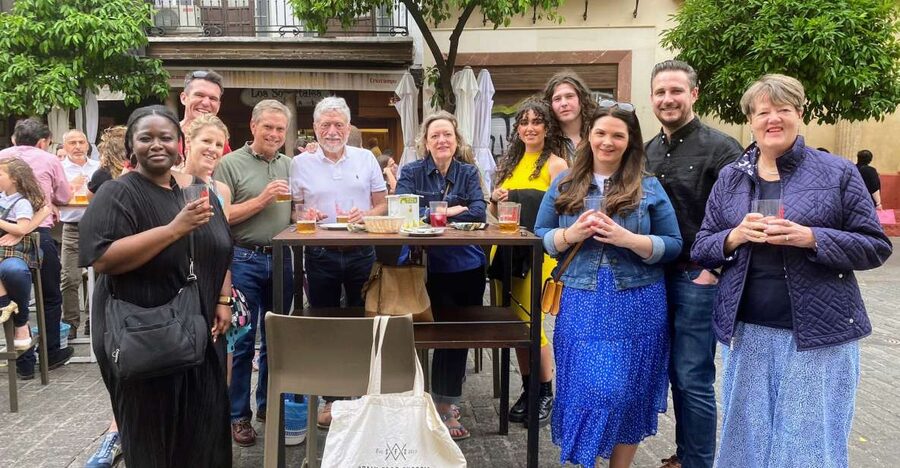
- Small-group format (max 12): easier conversations, better pacing, and more personal attention when you ask what to try next.
- Four distinct stops: from a long-running early-1900s tavern to a bar trading since 1942, then a bakery stop and a final fusion meal.
- History you can taste: you’ll connect tapas habits to Seville’s Moorish-era influences and the city’s evolving dining culture.
- Drinks included: vermouth and wine show you how locals think about balancing flavors, not just filling time.
- Guides with serious storytelling skills: guides like Remy, Jeff, Sasha, and others are repeatedly praised for turning ordering into a mini history lesson.
Entering Seville Through Tapas Traditions
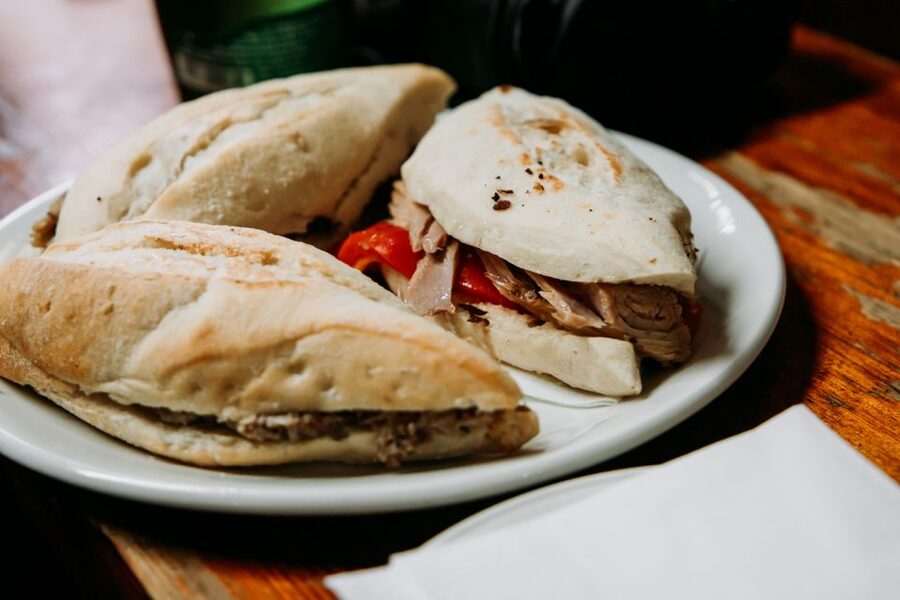
Tapas in Seville isn’t a snack. It’s a rhythm. People hop between places, eat in small portions, talk a lot, and keep the drinks flowing. That’s why a guided route works so well on a first visit: you’re not guessing, you’re learning the local tempo.
This tour focuses on that tempo with four stops and a steady flow of food and drinks. You start at a classic tavern, walk through historic lanes tied to the city’s Moorish past, pause at a traditional bakery, and end at a place that mixes Andalusian roots with international touches. The walking is part of the point. You’re seeing how Seville’s layout shapes where people eat and linger.
You can also read our reviews of more walking tours in Seville

Meeting at Plaza de la Encarnación: A Simple Start
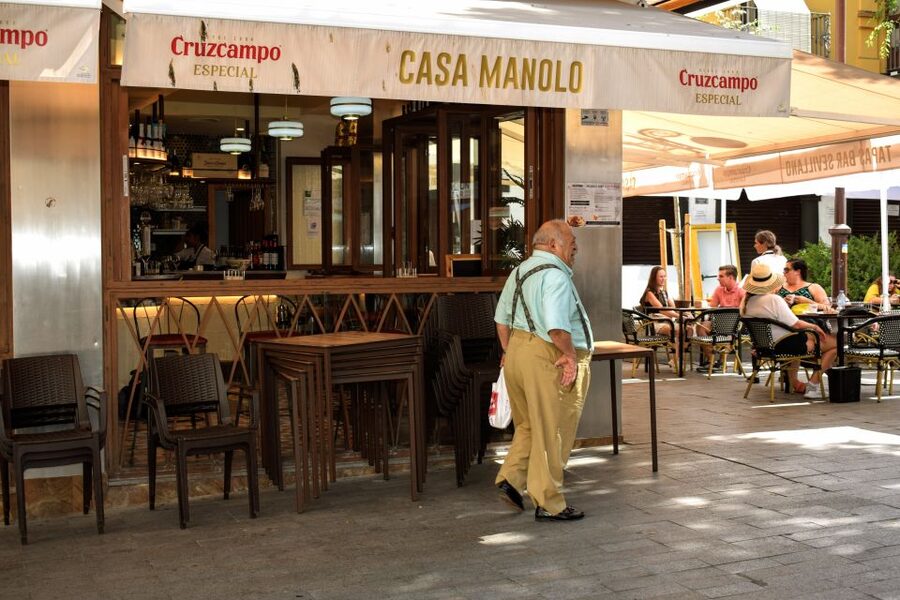
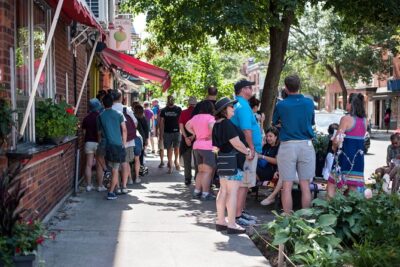
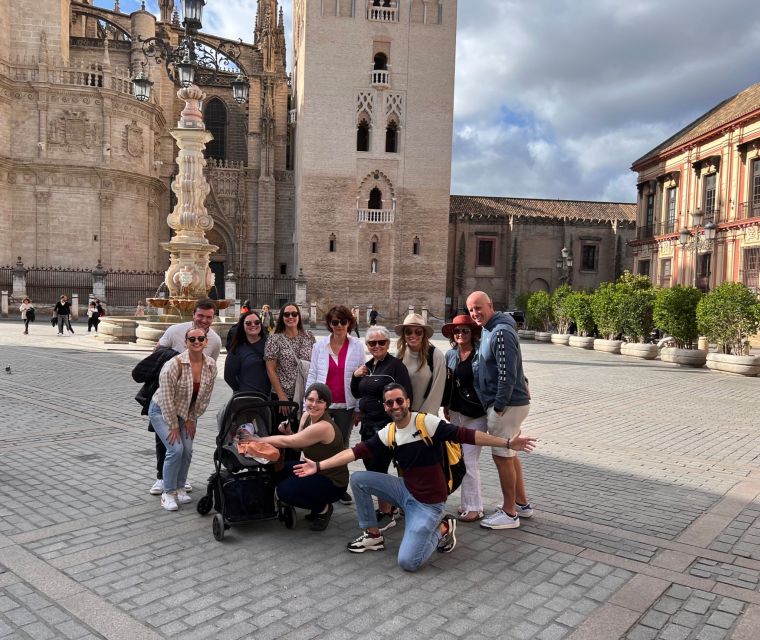
You meet at Plaza de la Encarnación, right next to the white monumental fountain in the center of the square. It’s a good meeting spot because it’s easy to orient yourself, and you’re already in the middle of a high-energy area where locals pass through.
Since the tour does not include hotel pickup or drop-off, plan to get yourself there on time with comfortable shoes. If you’re coming from far out, give yourself a little buffer; Seville’s streets can slow you down, even when the route feels straightforward.
Stop 1: An Early-1900s Tavern and Flaming Chorizo with Barrel Vermouth
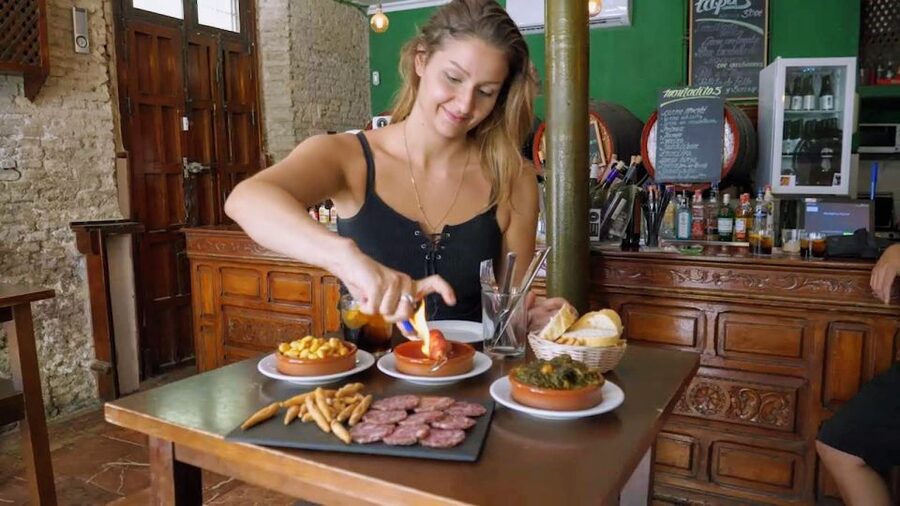
Your first stop is one of Seville’s charismatic taverns, founded in the early 1900s. That matters because old places tend to keep habits alive: the menu style, the serving order, and the way people sit with drinks before the main event.
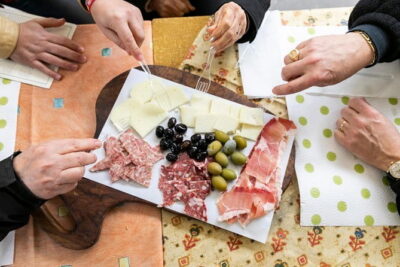
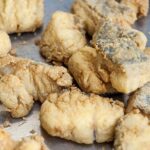
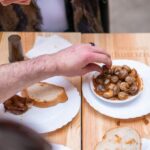
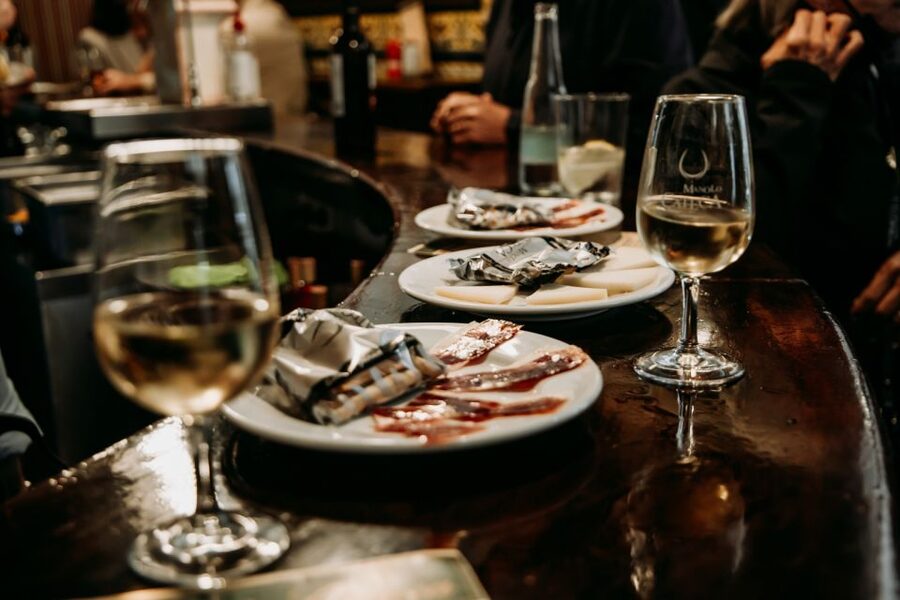
Here, you’ll taste typical dishes, including flaming chorizo served the way it’s been done for decades. You’ll also have refreshing artisan vermouth straight from the barrel, which is a big clue to how Seville treats aperitivo time: it’s not a pre-game. It’s part of the meal’s structure.
Practical tip: when your guide sets you up at the bar, watch what locals do next. The right move in Seville is often ordering something simple and letting the flavors build.
Potential downside: early stops can get busy, and you’ll spend some time standing or moving between seats and counters. If you prefer a completely seated experience, keep expectations flexible.
Stop 2: Old Moorish Streets, Fragrance Notes, and a Traditional Bakery Visit
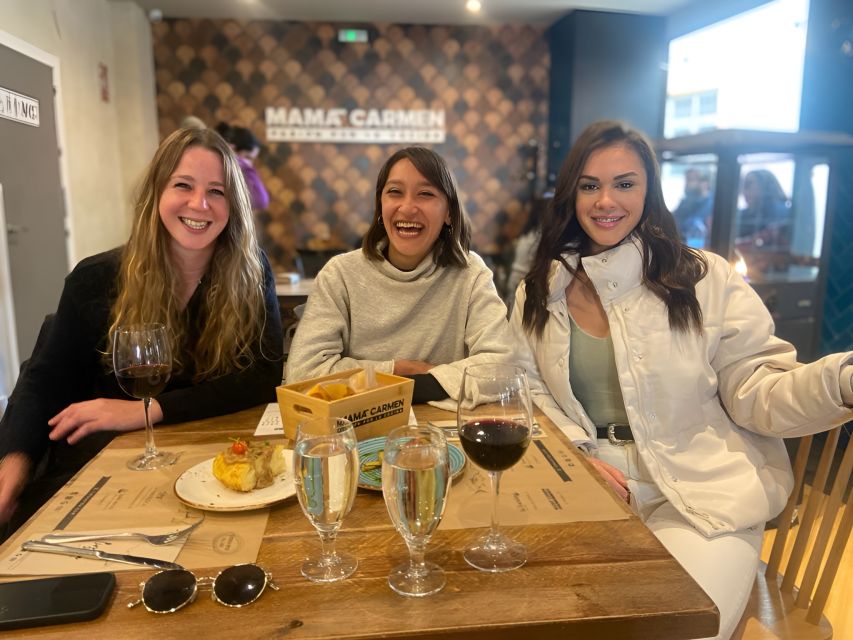
After the first tavern, you walk through historic streets and along the old Moorish souk. This is the part of the tour that helps you understand why Seville smells the way it does. You’ll hear about the secrets behind the fragrances of Seville, which is a fun way to connect the past (Moors and trade) with what you’re noticing today.
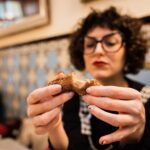
Then you visit a local bakery to see traditional cakes made using old recipes by artisans. This stop shifts the focus slightly from savory tapas to the kind of sweets locals actually grew up with. In other words, it gives you a fuller picture of what Seville considers normal.
What I like about this mix: it prevents the tour from becoming just another meat-and-wine loop. You get texture and sweetness, plus a sense of how craft is part of Seville’s everyday food culture.
Good to know: you should share any food allergies or intolerances ahead of time. The tour is explicit about needing that info, and that’s the only way they can steer you toward safer options.
Stop 3: A Seville Favorite Trading Since 1942
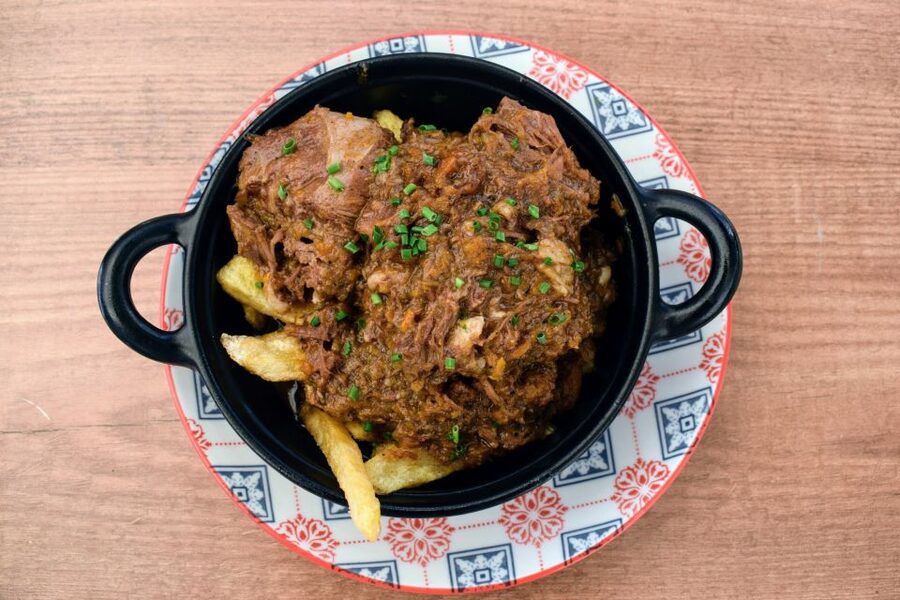
Next comes a well-known bar that’s been trading since 1942. The guide sets it up as more than a place to eat: it’s also a social center where politicians, writers, and artists gather. You’re tasting, but you’re also stepping into an older Seville pattern of meeting, talking, and returning.
The bar’s owner received the Medal of the City in 2018, which is the kind of local detail that signals legitimacy. In a city full of trendy spots, that kind of recognition helps you feel more confident you’re not just paying for decoration.
This is one of the best moments to ask your guide what you should order on your own later. The tour does a good job of teaching you the logic of choosing tapas, not just the specific dish names.
Watch-out: because it’s a famous stop, it can feel lively. If you want quiet conversation without any background noise, bring your patience and enjoy the energy.
You can also read our reviews of more historical tours in Seville

Stop 4: Tradition Meets Modern Fusion for the Final Meal
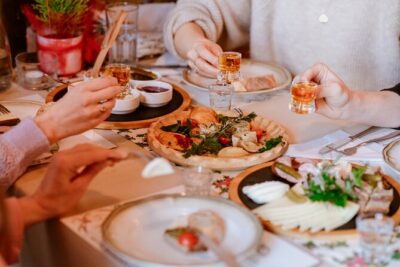
The last stop is a restaurant where tradition and modern influences come together. Think Andalusian and international fusion, with the flavors of the region still guiding the choices.
This ending is smart because it changes the pacing. You’re not stuck in the same tapas-bar style for the whole tour. By the time you reach the final restaurant, you’re ready for a slightly more polished meal structure, while still keeping that tapas spirit of trying several things.
I also like that lunch is included. That makes the tour feel like a real meal, not just a bite-by-bite tasting session. By the end, you’ll leave with enough food in your system to explore the city afterward without needing a quick scramble for dinner.
How Price Stacks Up for a 3.5-Hour Tapas Crawl
The price is $84 per person for a 3.5-hour tour with lunch and drinks included. On the surface, that’s not “cheap.” But you’re not paying only for walking and stories. You’re paying for access, ordering help, and multiple paid food stops packed into a short window.
Here’s the value math I use:
- Four paid tastings at multiple venues is hard to DIY quickly.
- Lunch + drinks cuts your total daily costs compared with figuring it out bar-by-bar.
- The guide helps you avoid the classic first-night mistake: ordering things you like in theory, but not realizing what locals prefer.
If you plan to eat tapas in Seville anyway, a guided route can be a smart way to compress research time. Even better, it teaches you what to repeat later. The tour is priced like a premium introduction, not a budget sampler.
What the Guide Actually Changes (Names You Might Be Lucky Enough to Get)
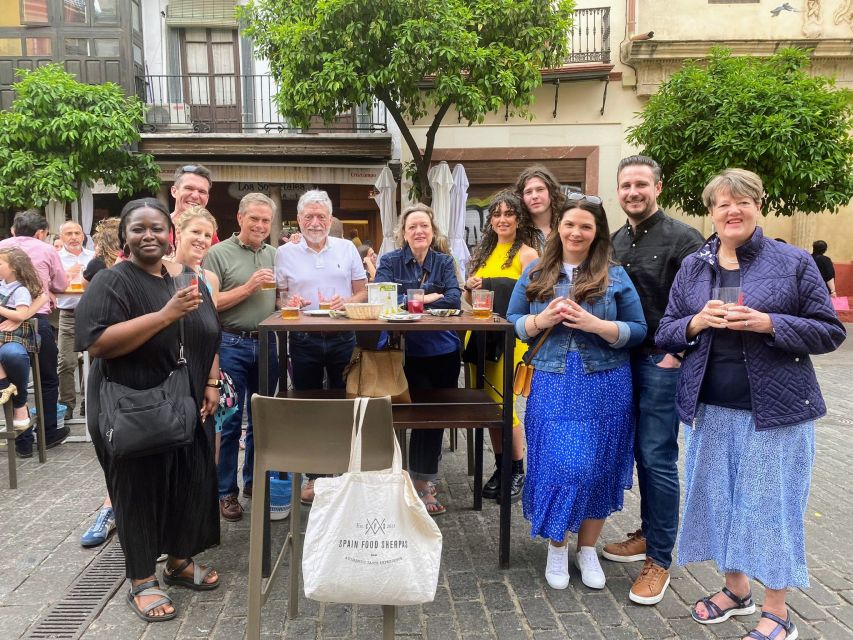
A good tapas tour guide doesn’t just name dishes. They explain what’s behind the choice and how to order like a local.
In the real world, guides like Remy and Jeff are praised for storytelling that makes Seville feel personal. Others, including Sasha and Antoinetta, are repeatedly described as fun, engaging, and able to connect food with city history. The common thread is that your guide keeps the pace lively and helps you make sense of what you’re tasting.
You also get practical recommendations beyond the stops. Several guides are noted for pointing people toward other good places to eat during the rest of your stay. That’s the kind of extra you can feel immediately, not later.
If you’re traveling solo, this format helps too. A max group size of 12 makes it easier to chat and share table talk without feeling like you’re attached to a giant bus of strangers.
Walking Tips: Shoes, Sun, and How to Pace Yourself
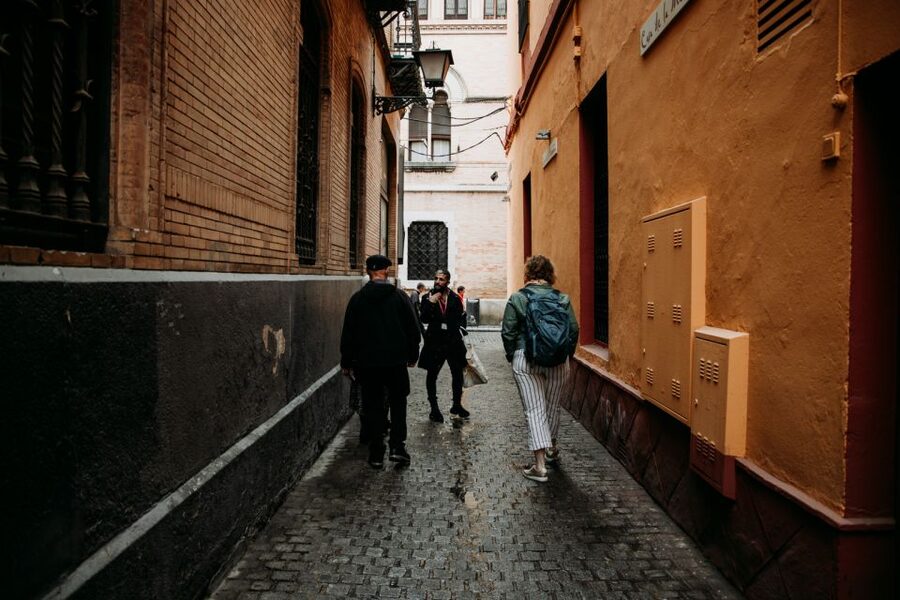
You’ll want comfortable shoes. The tour is walking-focused, and you’re hopping between venues in historic streets where surfaces can be uneven.
Bring sunscreen. Seville’s sun can be sneaky even when the weather feels mild. If you’re out for 3.5 hours, a hat and water also make sense, even though water wasn’t listed as a provided item.
Food-wise, go in hungry but not ravenous. You’ll likely feel the tour covers multiple bites across stops, with enough variety that you’re learning rather than just stuffing. Sip slowly with the drinks. It’s part of how the flavors land.
Who This Tour Fits Best
This is a strong fit if you:
- want to learn where locals eat and what to order
- like history mixed into food (short stories, not museum lectures)
- enjoy meeting other travelers in a small-group setting
- want a structured way to start tapas the right way on day one
It may not be your best choice if you:
- need a fully accessible route (it’s not recommended for limited mobility)
- are vegan (not recommended)
- have celiac disease or strong gluten intolerance (cross-contamination risk)
If you have allergies or intolerances, be upfront before you go. The tour specifically asks you to provide that information, and it’s the difference between a safe experience and a stressful one.
Should You Book This Seville Tapas Tour?
Yes, book it if you’re arriving in Seville and want a confident tapas plan quickly. This tour is built to teach you the local way: multiple tastings, drinks that make sense with the food, and history that explains why tapas works the way it does here.
Skip it if you’re vegan, gluten-sensitive to the point of celiac risk, or if walking is a problem for you. Also, if you hate standing around busy bars and prefer long seated meals only, you may find the pacing a little too active.
If you want a first-night win and a list of places you can repeat later, this is a solid way to start.
FAQ
Where does the tour meet?
Meet at Plaza de la Encarnación, next to the white monumental fountain at the center of the square.
How long is the tour?
The tour lasts about 3.5 hours.
How many stops are included?
You’ll have 4 foodie stops.
What’s included in the price?
Lunch and drinks are included.
Is hotel pickup and drop-off included?
No, hotel pickup and drop-off are not included.
Does the tour have an English-speaking guide?
Yes, the live tour guide is English.
What should I bring?
Wear comfortable shoes and bring sunscreen.
Is this tour suitable for vegans?
No, this tour is not recommended for vegans.
Is it safe for people with celiac disease or gluten intolerance?
It’s not recommended for people with celiac disease due to the risk of gluten cross-contamination, and it’s also not recommended for people with gluten intolerance.
How big is the group?
It’s a small-group tour with a maximum of 12 people.