REVIEW · MELBOURNE
Melbourne Flavors: Queen Victoria Market Food Tour
Book on GetYourGuide →Operated by Intrepid Urban Adventures - Australia · Bookable on GetYourGuide
Smell the spices before the lines form. This Queen Victoria Market food tour is a smart way to see the market early with a max-12 small group and hear vendor stories that connect what you eat to Melbourne’s immigration waves. One catch: it’s still a 150-minute walk-and-taste outing, so comfy shoes matter.
I especially like that you get more than random samples. You’re guided through the market with context, plus you try a mix that can range from classics like cheese to wilder picks that show up in stops.
In This Review
- Key Points at a Glance
- Queen Victoria Market Before the Crowds: The Best Time to Go
- A Guide Who Blends Food With Real Melbourne Stories
- What You Taste: Local Classics and Multicultural Variety
- The Coffee Stop: Melbourne’s Little Ritual
- It’s a 150-Minute Market Walk, Not a Quick Hit
- Multicultural Melbourne Through Food: The Point of the Stories
- Meet Vendors, Not Just Booths
- Dietary Needs: Easy Accommodations (If You Tell Them First)
- Who This Tour Is Best For
- Price and Value: Is $176 Reasonable?
- Sustainability Note: Carbon Neutral and B Corp
- Final Call: Should You Book This Queen Victoria Market Food Tour?
- FAQ
- Where do I meet for the tour?
- How long is the Queen Victoria Market Food Tour?
- How big is the group?
- What is included in the price?
- Can you accommodate dietary restrictions?
- Is the tour kid-friendly?
- Does the tour run in bad weather?
- Is the tour accessible?
Key Points at a Glance
- Small group (up to 12) keeps the pace relaxed and lets you talk with vendors
- Early timing before the crowds helps you shop and taste without elbow-to-elbow chaos
- Multicultural food stories explain why Melbourne tastes the way it does
- Included coffee plus multiple tastings gives you real value, not just one token bite
- Vendor rapport means you often get more than a sales pitch, you get the backstory
Queen Victoria Market Before the Crowds: The Best Time to Go
Queen Victoria Market is one of those places where timing changes the whole experience. This tour starts you off early, so you’re not trying to eat and read stall signs while people are sprinting between lines.
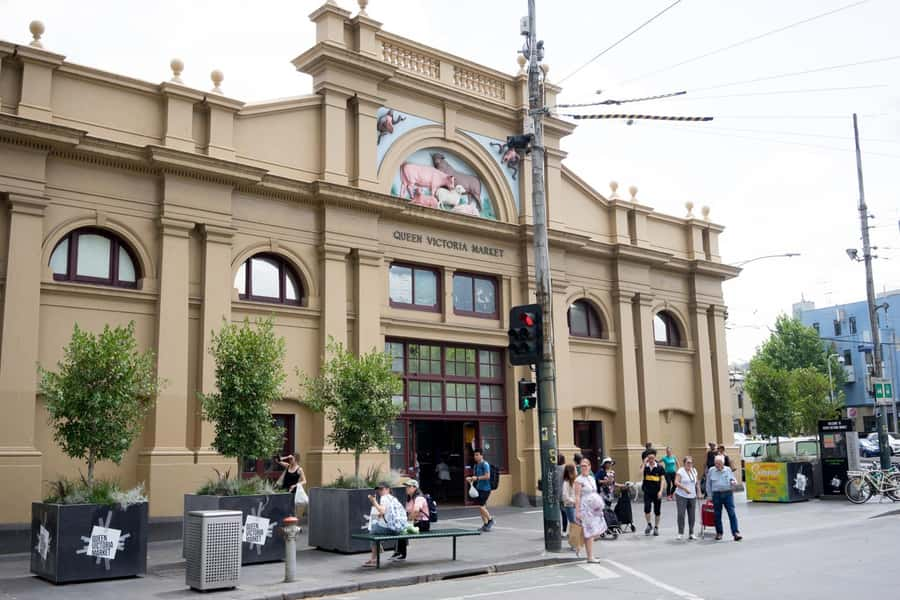
You meet at the Multicultural Hub on Elizabeth Street (outside, at 506 Elizabeth St), then you head into the market area. The walk is described as easy at about 1 km, and once you’re inside, you’ll spend most of your time moving at a comfortable sightseeing pace.
For me, the biggest win of going early is how it feels. You can actually look at what’s for sale, ask questions, and pause without feeling like you’re holding up traffic. If you like markets but hate rushing, this early start fits your style.
You can also read our reviews of more food & drink experiences in Melbourne

A Guide Who Blends Food With Real Melbourne Stories
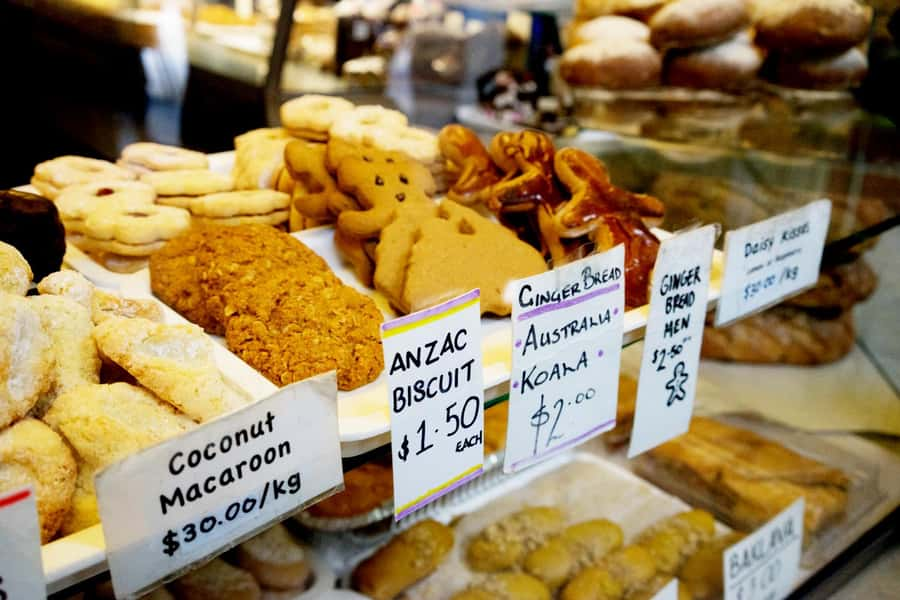
The tastings are the headline, but the stories are the hook. Your guide ties what you’re sampling to Melbourne’s food culture and history—especially how immigration shaped the city’s eating habits.
Guides named in recent tours include Tristian and Anna. The common thread in the feedback: they mix calm explanations with practical information, and they know how to connect the dots between stall products and Melbourne’s broader story.
That matters because it turns a market stop into something you can use later. After the tour, you’ll know what questions to ask when you return on your own, what to look for in different stall types, and how to spot items you’ll actually want to buy.
What You Taste: Local Classics and Multicultural Variety
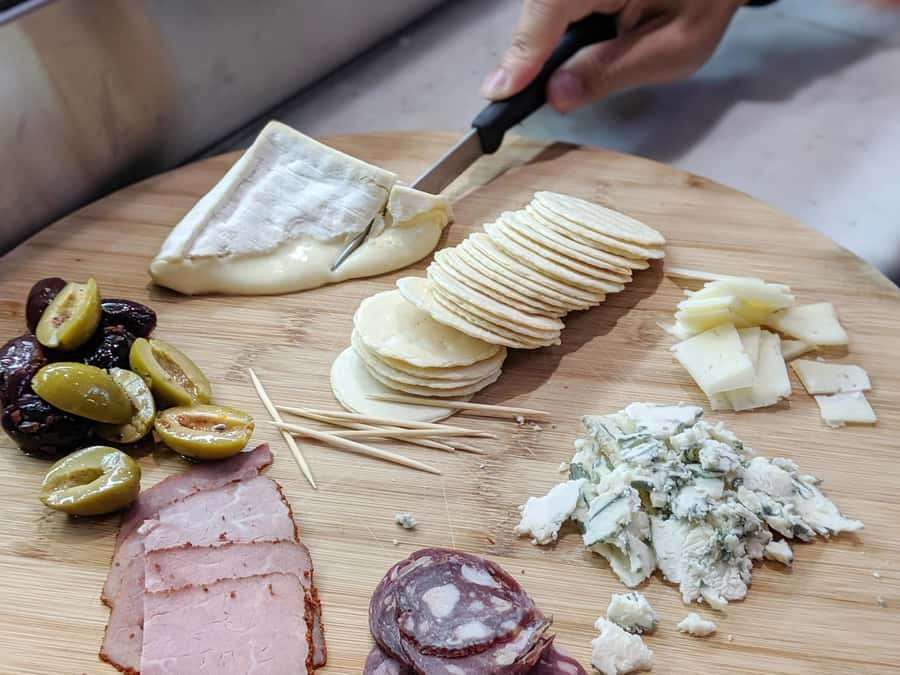
You’re not just getting one snack. The tour includes food tastings of local and multicultural specialties, plus famous Melbourne coffee, and a guided visit to Queen Victoria Market.
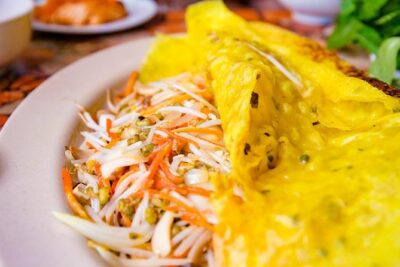
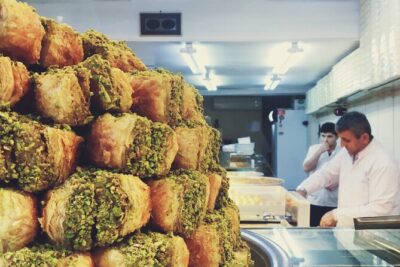
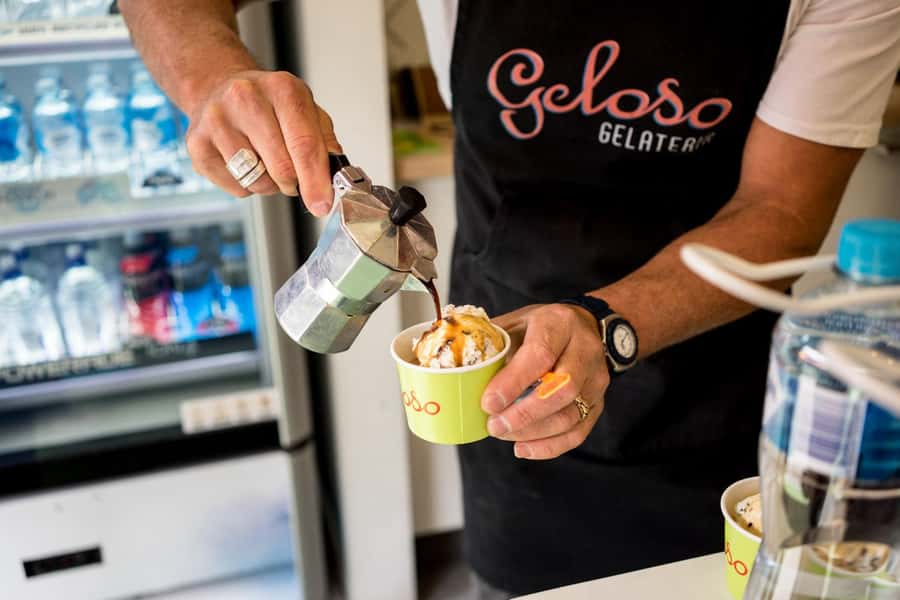
What does that look like in real life? Based on recent feedback, tastings can include things like cheese, charcuterie, hot doughnuts, squid ink salami, and even a taste of kangaroo. People also mention sorbet and standout seafood moments, including an oyster that was described as the best someone had ever tasted.
Here’s why that variety is a value: markets tempt you into the same two categories—sweet stuff or quick savory stuff. A good guide forces balance. You might still end up craving one style, but you’ll leave with a wider menu in your head for your next visit.
Also, the guide’s stall choices seem intentional. Multiple reviews mention that the vendors were friendly and welcoming, and that the guide had a strong rapport with stallholders. That usually means the tasting experience is smoother, and you get more useful context about what you’re eating.
The Coffee Stop: Melbourne’s Little Ritual
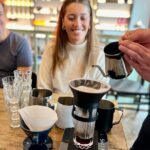
Coffee shows up in the included list, and that’s a smart inclusion. Melbourne coffee isn’t just a drink here—it’s a lifestyle expectation.
Even if you’re not a hardcore café person, having coffee built into the tour does two things. First, it gives you a mid-walk reset. Second, it keeps you from hunting for caffeine on your own while you’re trying to sample everything else.
Expect this to function like a break within the market flow, not a separate “coffee tour.” You’ll still be in the market setting, and the timing helps you stay comfortable during the 150 minutes.
It’s a 150-Minute Market Walk, Not a Quick Hit
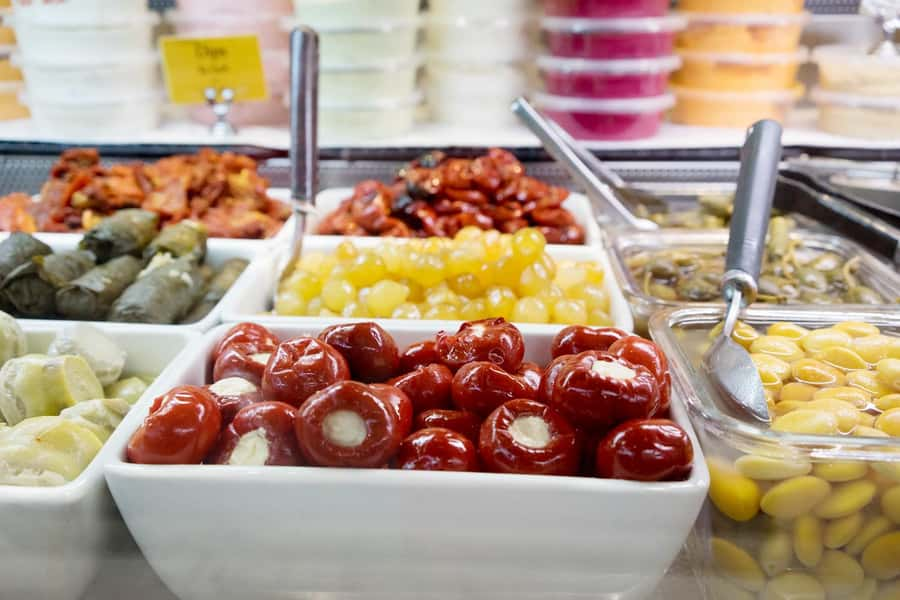
This is a short-ish tour, but it’s still long enough to matter: 150 minutes. You’ll be walking, sampling, and stopping for stories, so plan around it like you would a proper morning activity.
The pacing is one of the reasons people rate this so high. Reviews describe it as relaxing, laid back, and friendly—less like being marched and more like being guided.
Still, it’s not a sit-down experience. If your idea of a tour is mostly indoor time with minimal standing, you might find it a bit more active than you want. The good news: it’s designed for easy movement overall, and the walking distance is called out as manageable.
Also note the schedule runs in all weather. That means if it’s raining, you’ll want layers and shoes that handle wet pavement. Markets don’t pause for bad weather, and neither does this tour.
A few more Melbourne tours and experiences worth a look
Multicultural Melbourne Through Food: The Point of the Stories
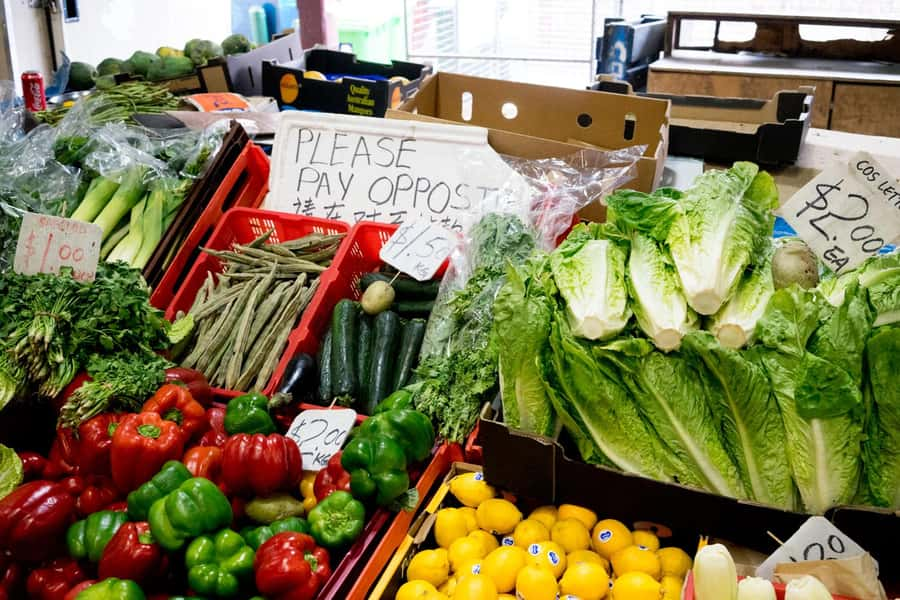
The tour spends time on how immigration shaped Melbourne’s unique food scene. That’s not just trivia. It’s the logic behind why you can find so many different flavors in one place.
When your guide explains the connection between communities and what they sell—or why certain ingredients show up repeatedly in Melbourne food—you start seeing the market differently. Instead of stalls looking random, they look like chapters.
That perspective is also useful when you shop. You’ll likely find it easier to choose what you want to bring home because you understand the cultural logic, not just the taste label. People also mention behind-the-scenes stories and market insights you wouldn’t notice if you wandered alone, especially things like how the market works and how it’s been preserved as a landmark.
Meet Vendors, Not Just Booths
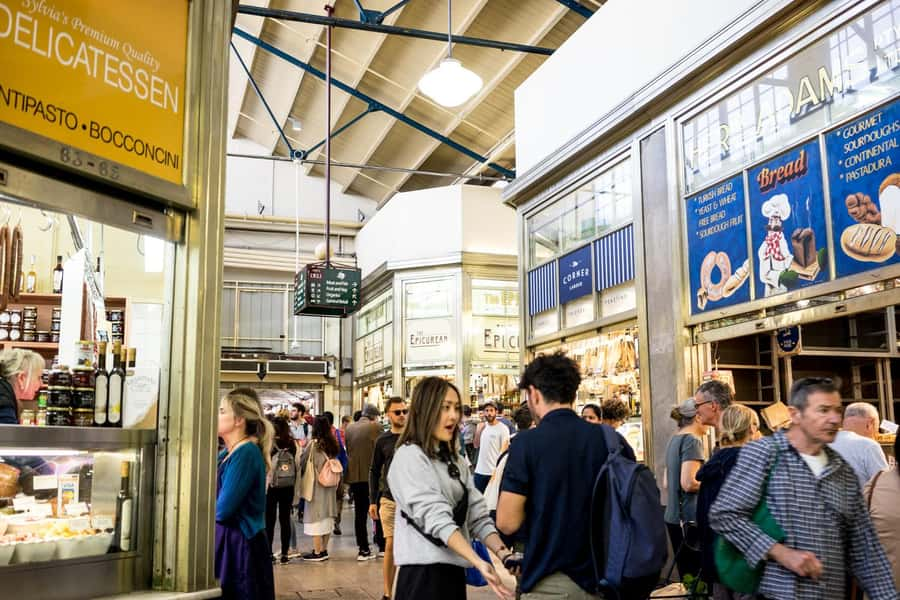
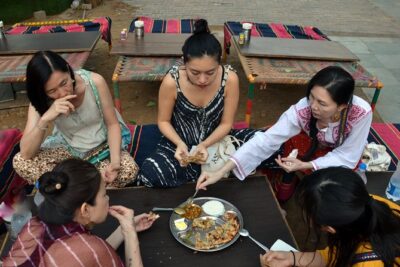
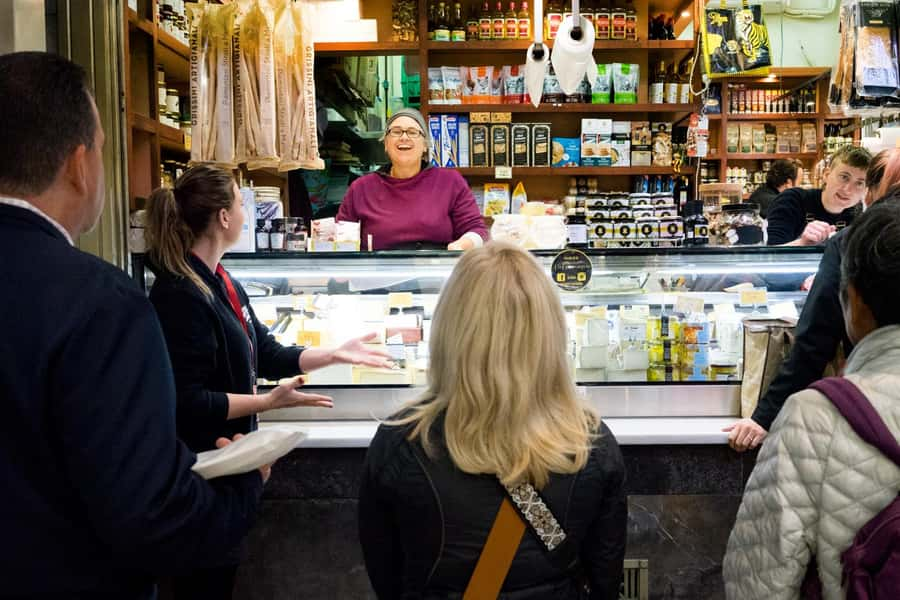
One of the standout parts in the feedback is the interaction with stallholders. People mention talking with friendly vendors who are welcoming and sometimes delighted to deal with the group.
That can make the whole experience feel more human. A market is built on relationships and repeat customers, and a guide’s presence can open the door to that.
If you’re the kind of traveler who likes chatting—asking what’s best, how to eat something, or what’s popular right now—this tour is built for that. The small group size helps here because you’re not blending into a crowd of 30 with a guide running on a timer.
Dietary Needs: Easy Accommodations (If You Tell Them First)
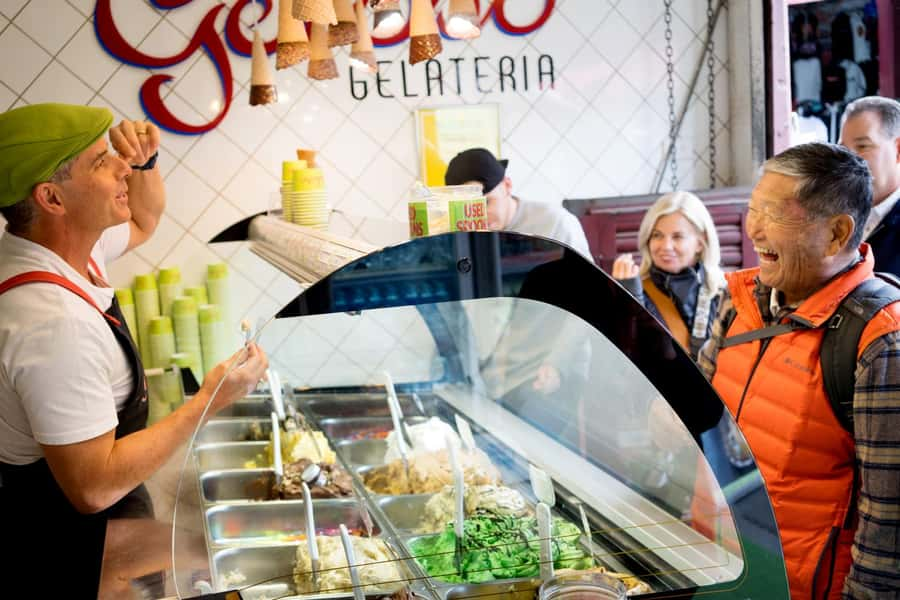
If you have dietary restrictions, this tour says it can accommodate vegetarian, vegan, and gluten-free requests. The key point: let the operator know in advance.
That’s practical. Markets can be tricky for allergies and hidden ingredients, so it’s better to plan than to hope. When accommodations are handled up front, you’re more likely to get tastings you can actually enjoy without stress.
If you’re vegetarian or vegan, you’ll probably still get a good range of samples instead of being stuck with only “just ask for the salad” options.
Who This Tour Is Best For
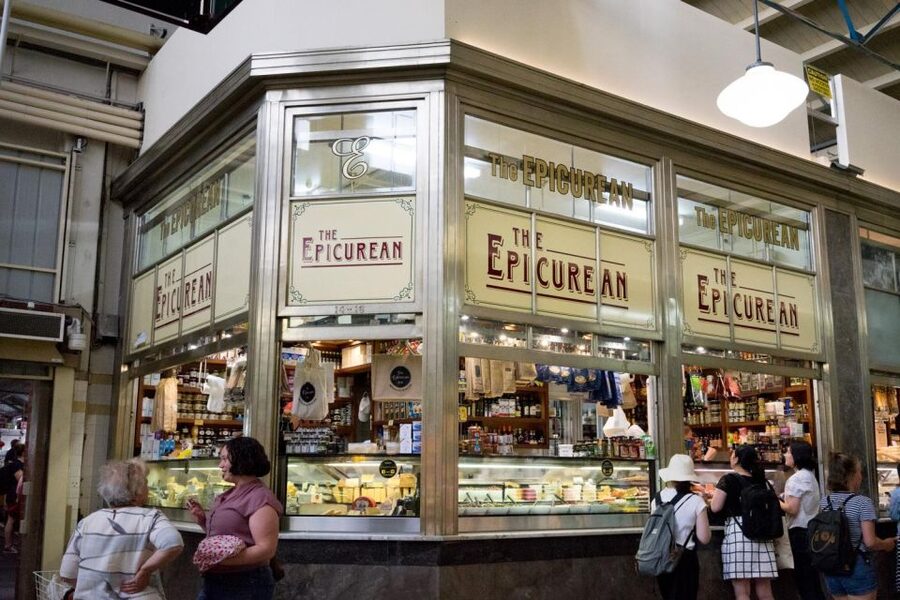
This experience fits best if you want a guided market visit where food meets story, and you don’t want to spend the whole day figuring things out on your own.
You’ll likely enjoy it if:
- you’re visiting Melbourne for the first time and want a fast way to understand how the market reflects the city
- you love markets but hate crowds
- you want variety (sweet, savory, and some surprising items)
- you like small-group tours where you can ask questions
It may be less ideal if you’re trying to fit too much into a very short day, since 150 minutes is a meaningful time block. One review even called out that this is best suited for visitors with enough time to enjoy the walk.
Price and Value: Is $176 Reasonable?
At $176 per person, this isn’t a bargain snack crawl. But it’s also not overpriced in a way that feels like you’re paying for only a label and a brochure.
Here’s where the value comes from:
- Multiple included tastings instead of just one sample
- Melbourne coffee included
- A local English-speaking guide who adds context and helps you navigate
- Small group size (max 12), which can be a big deal when you want real vendor interaction
- Early-market timing that improves the experience versus showing up mid-rush
If you would normally spend a lot time and money “just wandering,” the guide helps you avoid that waste. You can also treat it as a market orientation. Afterward, you can return on your own with a shopping list built from what you actually tasted.
As always, the best value depends on your appetite for food variety and your interest in the cultural side of what you eat. If you only want a quick taste, you’ll feel the price more. If you want a guided, thoughtful market visit, it starts to make sense.
Sustainability Note: Carbon Neutral and B Corp
This tour is described as carbon neutral and run by a certified B Corp committed to responsible travel. That’s not something you taste, but it’s part of the bigger “should I choose this?” picture.
If you care about how tourism affects places, this small signal is worth paying attention to. Markets rely on local supply chains and community support, so choosing tours that claim responsibility can align with your values.
Final Call: Should You Book This Queen Victoria Market Food Tour?
I’d book it if you want the best version of Queen Victoria Market for your first visit: early access, small-group pacing, included coffee, and tastings that go beyond the obvious. The real reason to choose this one is the pairing of food with immigrant-story context—and the way guides like Tristian and Anna help you connect with vendors instead of just drifting past stalls.
I wouldn’t rush to book it if you’re tight on time, or if you prefer minimal walking. Also, because you’re standing and sampling for 150 minutes, plan for comfort more than style.
If you’re building a Melbourne itinerary and you want a market experience that teaches you something while feeding you well, this is a strong pick.
FAQ
Where do I meet for the tour?
You meet outside the Multicultural Hub at 506 Elizabeth St, Melbourne VIC 3000.
How long is the Queen Victoria Market Food Tour?
It lasts 150 minutes, about 2 hours and 30 minutes.
How big is the group?
The tour is small group and capped at a maximum of 12 guests.
What is included in the price?
The tour includes a local English-speaking guide, food tastings of local and multicultural specialties, famous Melbourne coffee, and a visit to Queen Victoria Market.
Can you accommodate dietary restrictions?
Yes. The tour can accommodate vegetarian, vegan, and gluten-free requests if you let them know in advance.
Is the tour kid-friendly?
Yes. Kids under 6 are welcome at no charge.
Does the tour run in bad weather?
Yes. It runs in all weather, so bring layers.
Is the tour accessible?
Some areas may have limitations, but the tour says it can tailor the experience with early communication.