REVIEW · CASABLANCA
Casablanca Food Tour – Moroccan Street Food Tour
Book on Viator →Operated by Taste of Casablanca · Bookable on Viator
Smell the olives, then follow the flavors. This Casablanca street-food tour leads you through the historic Habous (Habbous) neighborhood and into the back streets where locals shop, snack, and trade stories, with 10+ tastings along the way. You’ll learn how food is part of daily life here, not just something you eat on the side.
I like two things a lot: the small group size (max 8) and the fact you’re fed enough to count it as your main meal, not a few crumbs. I also like how the route mixes real food stops with context, from market smells to how people live in this part of Casablanca (and guides like Naima, Nezha, and Hasma/Hasna are repeatedly praised for making it feel safe and personal). One possible drawback: this isn’t a great match for severe allergies or strict vegetarian/vegan/gluten-free diets, and bathroom access during the walk isn’t guaranteed beyond the start and end.
In This Review
- Key highlights worth your attention
- Why this Habous street-food walk feels like Casablanca, not a checklist
- The food lineup: what “10+ tastings” turns into on the ground
- Entering Habous: arches, bakers, and the market rhythm
- Covered market time and the tastings that keep changing
- How the guide shapes the whole experience (and why small groups matter)
- Timing, walking comfort, and clothing rules you’ll want to follow
- Price and value: why $107 can make sense for the right type of traveler
- Who should book this, and who should skip it
- Quick practical checklist before you go
- Should you book Casablanca Food Tour – Moroccan Street Food Tour?
- FAQ
- How long is the Casablanca Food Tour?
- What is included in the price?
- Where do I meet the tour?
- How many tastings and stops should I expect?
- Is the tour suitable for vegetarians, vegans, or gluten-free diets?
- What if I have a severe food allergy?
- Is there easy access to a bathroom during the tour?
- Does the tour run in bad weather?
Key highlights worth your attention
- 10+ tastings across 6+ stops, built to feel like a full meal
- Habous walking route with arches, bakers, and shopping lanes you won’t find on a quick drive
- Covered market time plus spice and olive market sights and smells
- Small group (up to 8), so your guide can answer questions as you eat
- Real local vibe, often with vendors explaining what they’re selling and how to eat it
- Rain or shine, so you’ll want weather-ready clothes
Why this Habous street-food walk feels like Casablanca, not a checklist
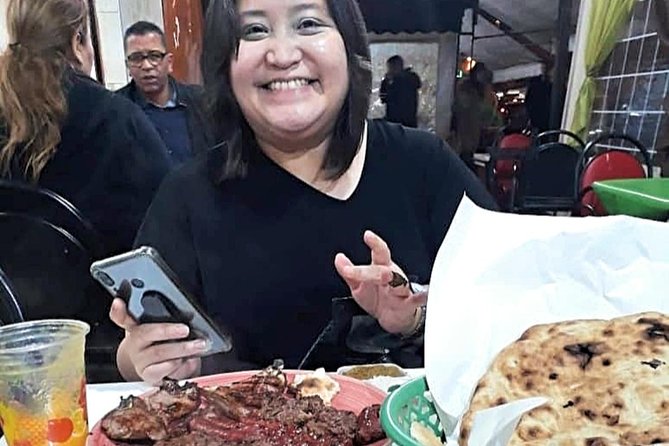
Casablanca can be a strange city to tour because so much of it gets rushed. If you want the day to feel real, food helps. This tour takes you to Habous, where the texture of the neighborhood shows up in aromas, errands, and snack habits.
You also start with a plan that makes sense. Meeting at Cafe Malakiya (Royale) keeps things straightforward, and the tour loops back to the same spot at the end. That matters when you’re short on time and don’t want to guess your way through neighborhoods with uneven street signs.
The best part is how the food and the neighborhood talk to each other. You’re not just sampling bites; you’re learning how people think about bread, spices, olive products, meat, and sweets in everyday Moroccan life. Guides such as Naima, Nezha, and Hasma/Hasna are repeatedly noted for connecting the tasting to culture and daily routines.
You can also read our reviews of more food & drink experiences in Casablanca
The food lineup: what “10+ tastings” turns into on the ground
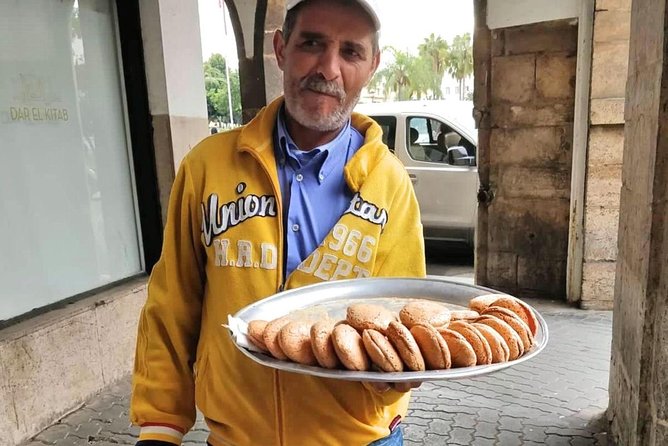
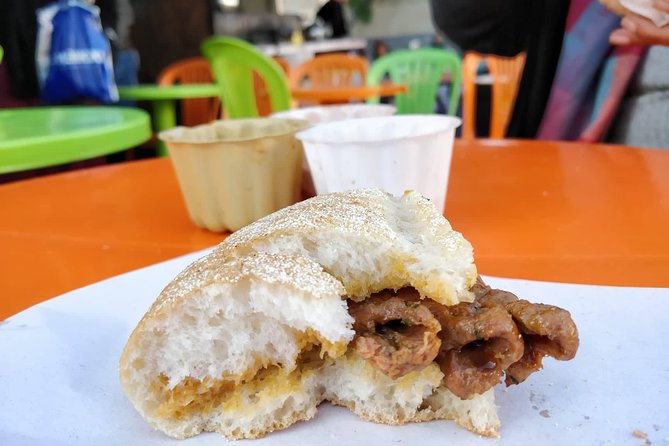
The tour is built as a curated mix of classic Moroccan tastes, and the intent is clear: you should have enough for dinner. You’ll sample savory pastries and street snacks, plus fried breads, grilled meats, and sweets like cookies and desserts. It’s also not all heavy food—there are fruit and nut moments, and you may even catch special seasonal items like prickly pears from vendors along the route.
Here’s what I’d focus on for value: you’re paying for guide time plus access. In a market full of vendors, it’s hard to know what to try, what’s safe to eat, and what’s worth the price. A good guide does that work for you while you walk, taste, and ask questions.
Also, the tastings are spread out across more than six stops. That prevents the common problem of feeling like you ate everything at once and then spent the rest of the walk trying to digest. The pacing keeps the experience fun and gives your brain something to do besides wait in line.
One reality check: this is not designed around restricted diets. It says it’s not ideal for severe food allergies or for vegetarian, vegan, or gluten-free needs. If you have restrictions, message ahead and you may get substitutions, but plan your expectations accordingly.
Entering Habous: arches, bakers, and the market rhythm
Most of the “wow” here is the setting. You walk through a historic part of the city with arched walkways and lanes that feel built for foot traffic. Along the way you’ll see crafts and housewares, and you’ll pick up on the way food-related businesses sit right inside neighborhood life.
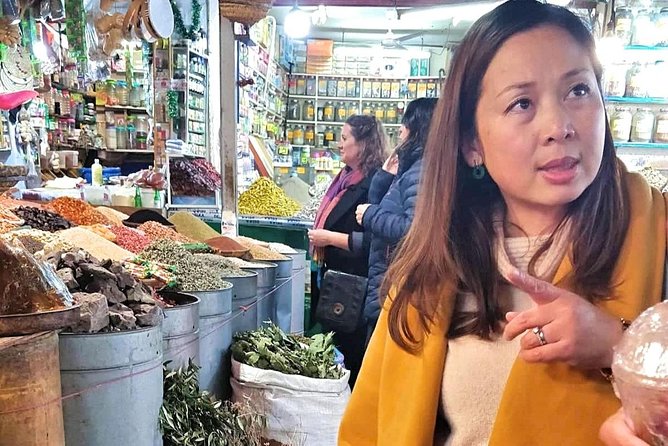
Then comes the part that makes this tour different from a basic photo walk: you head into the back streets and markets nearby. This is where you’ll notice the scent of spices and the presence of olive-market products, plus the everyday churn of people shopping and snacking. A few guides are praised specifically for pointing out those sensory details—like the smell of the olive market—and translating them into something you actually understand.
You’ll also get your first “why” moments early. Guides often explain the role food plays in Moroccan culture and society as you move from place to place. That’s valuable because it makes each bite feel like an answer, not just a random item placed in front of you.
Practical tip: wear shoes you trust. The tour involves moderate walking and standing for around 3 to 3.5 hours. If you’re comfortable on cobbles or older sidewalks, you’ll feel fine. If not, this isn’t the day to test new footwear.
Covered market time and the tastings that keep changing
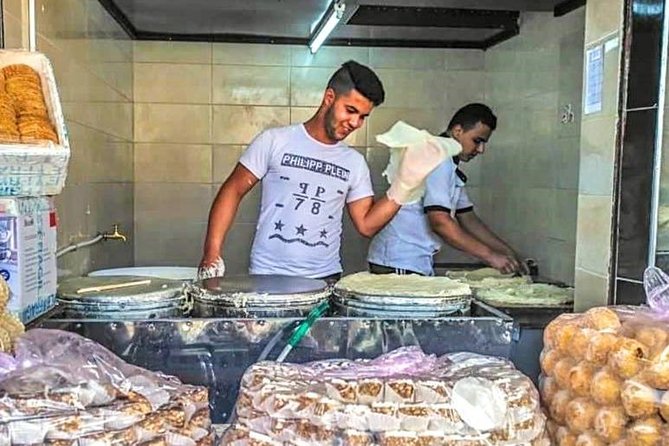
Midway through the walk, you spend time in a covered market area. That part matters because covered markets change the way food sounds and smells. You’ll hear vendors calling out, see how stalls are organized, and get a feel for the small rules locals follow while shopping.
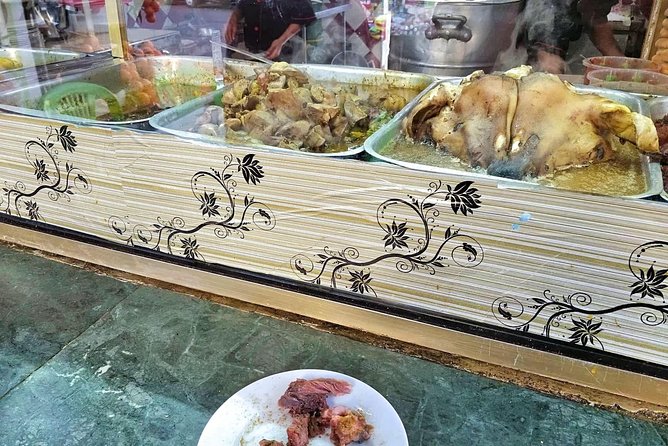
This is also where the tour’s variety really shows up. You’ll go beyond pastries and move into other categories—fried bread-type snacks, grilled meat stops, and sweet finishes. Some people highlight cookies and desserts, but I think the bigger win is how the tour balances savory and sweet so you don’t feel stuck eating only one style of food.
If you’re a camera person, keep it realistic. The tour advises against bringing expensive cameras or at least not wearing one on a neck strap, and suggests cross body bags and backpacks instead. That’s not just safety theater; it’s also practical in busy lanes where your hands need to be free.
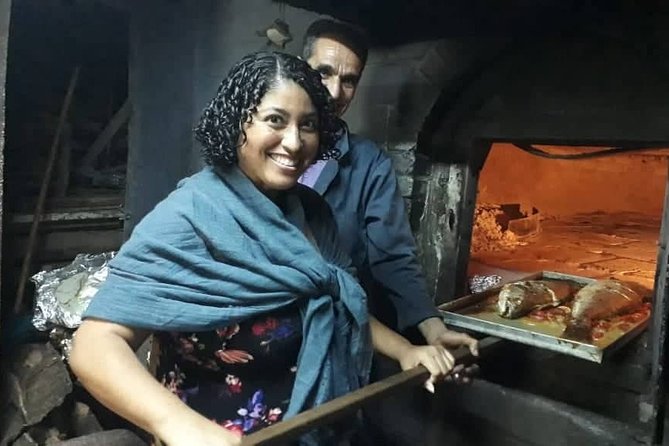
And yes, you might catch moments that feel oddly memorable for a food tour. One guide-led experience is described with a public oven, for example—exactly the kind of “only here” detail you’d struggle to find on your own. Even when you don’t notice the oven, you’ll likely notice the food process—how it’s made, how it’s sold, and how fast people move through.
How the guide shapes the whole experience (and why small groups matter)
This is a maximum 8-person tour. That small size shows up fast. You’re not shouting over a crowd, and you can ask questions without feeling like you’re slowing the line. People who want an experience that feels more like walking with a local than being herded through stops seem to really like this.
Guide style is also a key theme in the positive feedback. Names like Naima, Nezha, Nezha (spelled similarly), and Hasma/Hasna come up again and again, with praise for being friendly, informative, and responsive. Some descriptions mention learning about language, traditions, and how markets work, not just what to eat.
There’s also a safety factor that shouldn’t be ignored. Several accounts say the guide made them feel safe and guided them through chaotic streets and lanes. You can take that seriously in a place where your normal “tourist” instincts—slow down and look around—can sometimes get you in the wrong spot at the wrong time.
If you’re the kind of person who likes to ask why something is served a certain way, this tour gives you space for that. The guide isn’t just handing you samples; they’re connecting the tastings to how people actually live.
Timing, walking comfort, and clothing rules you’ll want to follow
You’re looking at about 3 hours to 3.5 hours on your feet. The tour runs rain or shine, and it’s not a “sit down and eat” event. Plan for moderate walking and being on your feet for most of the time.
Bathroom access is a real consideration. The note says they cannot guarantee quick access to a public bathroom for most of the experience, though there is one at the start and end point. If you’re bringing kids or you’re strict about timing, plan your start carefully.
Dress also matters. You’re advised to dress modestly because you’re visiting a non-touristy area of Casablanca. In warmer months, avoid bare shoulders, bare midriffs, or legs exposed above the knee. This isn’t about discomfort; it’s about blending in and showing basic respect in a neighborhood that isn’t built for outside fashion.
If you booked an evening tour, there’s another practical detail: taxis are difficult to catch in Habous at night after the tour ends. Your confirmation is supposed to suggest return transport options. That’s worth thinking about before you commit, especially if you hate last-minute logistics.
Price and value: why $107 can make sense for the right type of traveler
The price is $107 per person, and it includes a curated mix of Moroccan tastings—enough for your main meal. It also includes an admission ticket (part of the overall package). In plain terms, you’re paying for four things:
1) a guided walk through markets and food streets
2) organized stop-to-stop tastings rather than random wandering
3) interpretation of culture and food choices
4) small-group attention
If you were to try to replicate this on your own, you’d spend time figuring out where to go and what to order. You’d also miss the “permission” aspect of market life—knowing how to approach a stall, how to ask, and what’s worth your money.
Is it a fit for every budget? Not necessarily. If you only want a quick snack and you like self-guided exploring, you might find cheaper options. But if you want a first-day plan that helps you eat well later in Morocco, this tour can pay back quickly. Several people describe it as their best introduction to food in Morocco, because once you know what to look for, you order with confidence elsewhere.
Who should book this, and who should skip it
This tour is great for you if you:
- want a food-focused way to understand Casablanca beyond the main sights
- like small groups and conversation with a guide
- enjoy markets and don’t mind walking for a few hours
- want your meal handled, with tastings spread through the route
It may not work if you:
- have severe allergies or strict dietary needs (it’s not ideal for severe allergies, and it’s not built for vegetarian/vegan/gluten-free)
- want lots of guaranteed bathroom breaks during the walk
- need easy end-of-night transportation from Habous without advance planning
If you’re unsure, message ahead about substitutions. The tour notes they’ll do their best with dietary restrictions when possible, but don’t expect miracles for every restriction.
Quick practical checklist before you go
- Plan for 3 to 3.5 hours of walking
- Dress modestly for a non-touristy neighborhood
- Keep your valuables secure and avoid a neck-strapped camera
- Bring something for weather since it runs rain or shine
- If you’re going in the evening, think about how you’ll get home—taxis after the tour can be tricky in Habous
Should you book Casablanca Food Tour – Moroccan Street Food Tour?
I’d book it if you want your Casablanca day to taste like Casablanca. The combination of small group size, a Habous walking route, and enough tastings to count as your dinner is the core reason this tour works.
Skip it if your needs are very dietary or allergy-specific, or if you strongly prefer guaranteed comfort logistics like frequent bathrooms and easy pickup right where you finish. In those cases, you’ll likely enjoy a different style of tour more.
If you’re in the “I want the local food experience” camp, this is one of the most sensible ways to spend a half-day here.
FAQ
How long is the Casablanca Food Tour?
The tour runs about 3 hours to 3 hours 30 minutes.
What is included in the price?
The price includes a curated mix of classic Moroccan tastings (enough to count as your main meal of the day) and a mobile ticket. Tips for your guide are not included.
Where do I meet the tour?
You start at Cafe Malakiya (Royale), Casablanca 20250. The tour ends back at the meeting point.
How many tastings and stops should I expect?
You’ll enjoy over 10 tastings at more than six stops.
Is the tour suitable for vegetarians, vegans, or gluten-free diets?
This tour is not ideal for vegetarian, vegan, or gluten-free diets. If you have a dietary restriction, message us to see if substitutions are possible.
What if I have a severe food allergy?
The tour is not ideal for those with severe food allergies. Message us if you have a dietary restriction and they’ll do their best to make substitutions when possible.
Is there easy access to a bathroom during the tour?
They cannot guarantee quick access to a public bathroom for most of the experience, but there is one at the start and end points.
Does the tour run in bad weather?
Yes, it runs rain or shine. You should come prepared for the weather.