REVIEW · MELBOURNE
Melbourne Foodie Culture
Book on Viator →Operated by Foodie Trails · Bookable on Viator
Spice, stories, and serious street snacks. This Melbourne tour ties Immigration Museum context to a walk through laneways and food stops that make the city’s multicultural flavors feel logical, not random. You’ll move from museum history to street-level tastings and finish with a route that’s easy to repeat on your own.
I especially like the progressive meal setup at four culinary spots, because you don’t just taste food—you get a short explanation of how each stop fits the bigger Melbourne story. I also love the spice shop discovery, where you learn how different cuisines use spices and ingredients to build flavor.
One consideration: the experience depends on good weather, and it’s a 4-hour walking tour, so bring comfy shoes and plan for a steady pace.
In This Review
- Key Things That Make This Tour Worth Your Time
- Immigration Museum: The Smart Start to Melbourne’s Food Story
- Four Tastings on a Single Route: Coffee, Ice Cream, Chinatown, and Australian Classics
- 1) Coffee culture stops that set the tone
- 2) Artisanal ice cream for a sweet reset
- 3) Chinatown for multicultural flavors in motion
- 4) Authentic Australian flavors to ground the day
- Spice Shops: Where Flavor Learning Gets Real
- Laneways and Hidden Spots: Seeing Melbourne Beyond the Obvious
- Small Group Size and Guide Energy: Why It Feels Like a Local Day Out
- Price and Value: Is $125.52 Worth It?
- Who Should Book This Foodie Culture Tour?
- Should You Book? My Take
- FAQ
- What time does the tour start, and where do I meet?
- How long is the Melbourne Foodie Culture tour?
- How many people are in the group?
- What’s included in the price?
- Is alcohol included in the tastings?
- What happens if the weather is poor?
- What’s the cancellation policy for a full refund?
Key Things That Make This Tour Worth Your Time
- Immigration Museum first, then food so the tastings have context right away
- Four tasting stops that cover coffee culture, artisanal ice cream, Chinatown, and classic Australian flavors
- Spice shops with hands-on ingredient learning tied to how cuisines use spice
- Small group size (max 14) for more back-and-forth with your guide
- Coffee and/or tea included as part of the tasting flow
Immigration Museum: The Smart Start to Melbourne’s Food Story
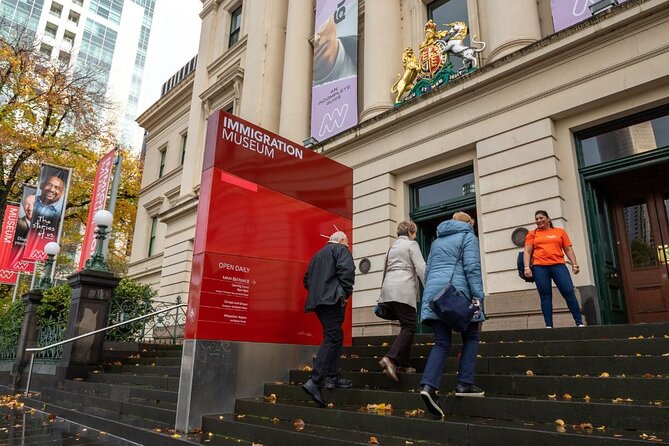
Melbourne has a reputation for food, but what I like about this tour is the order. You begin at Immigration Museum and are brought into the city’s multicultural past before you hit the laneways. That early context helps you understand why certain flavors show up again and again across the city.
There’s also special exhibition access included, which means you’re not just doing a quick look. You get a proper introduction to the stories behind migration and community life—exactly the kind of framing that makes “food tours” feel more meaningful than a snack parade.
Practical tip: after the museum, you’ll be primed to notice details in the next streetscape. Watch for shop styles, writing, menu cues, and the way different neighborhoods market food. Even if you’re only in Melbourne briefly, you’ll start seeing patterns fast.
A few more Melbourne tours and experiences worth a look
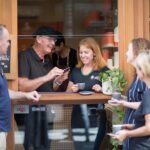
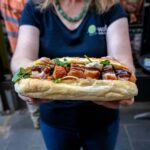

Four Tastings on a Single Route: Coffee, Ice Cream, Chinatown, and Australian Classics
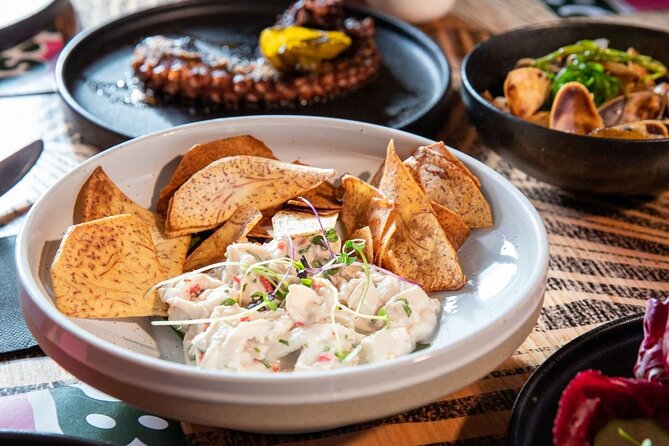
The heart of the tour is a progressive meal across four carefully chosen culinary havens. Instead of one long sit-down meal, you get a sequence of bites that keeps energy up and helps you compare flavors side by side. It’s a smart format when you want variety without feeling like you ate your way into a nap.
Here’s the flow and why it matters:
1) Coffee culture stops that set the tone
Melbourne is famous for coffee, and this tour builds that into the start of the tasting rhythm. You’ll get coffee and/or tea included, depending on what’s offered at the stops that day. If coffee is part of how you travel—whether you’re chasing a specific roast style or just love a good latte—this section gives you a quick, practical taste of local habits.
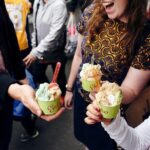
2) Artisanal ice cream for a sweet reset
Then comes artisanal ice cream, which works as a palate reset. It’s not just dessert; it gives you a different texture and a slower flavor pace before you head into more savory stops. This kind of pacing makes the overall meal feel balanced instead of heavy.
I like that the tour doesn’t treat sweets as an afterthought. Ice cream here is part of the planned variety, so you get a more rounded “food map” of the city.
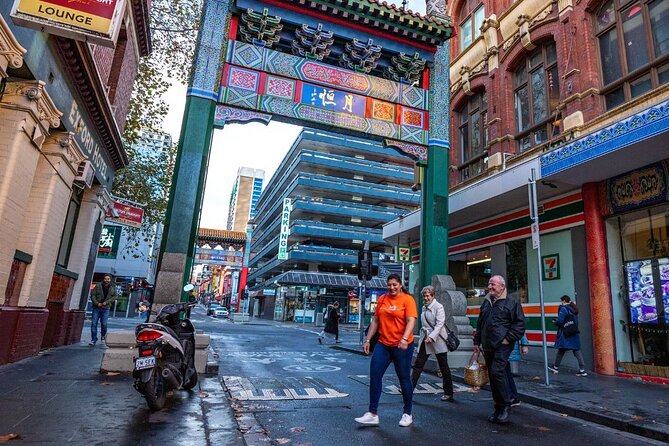
3) Chinatown for multicultural flavors in motion
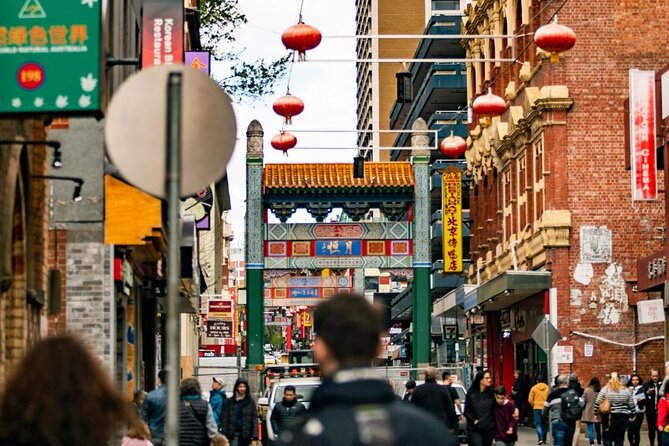
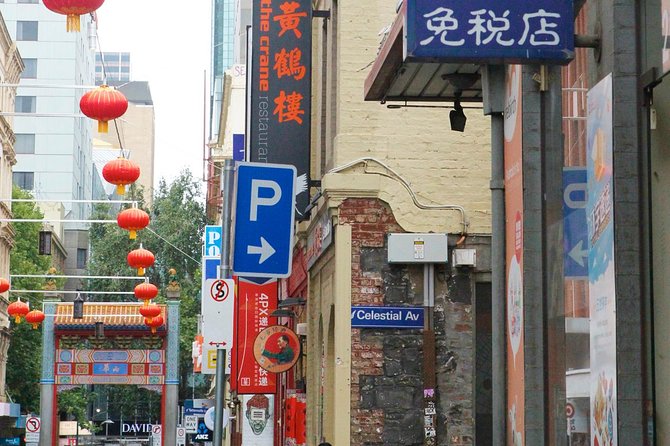
Next is Chinatown, where the tour focuses on the community and the flavors you can find in the neighborhood. You’re not just walking through; you’re tasting. That’s the big advantage: Chinatown can feel overwhelming on your own, but a planned stop helps you sample what the area does best.
Look for the small differences in spice, seasoning, and how menus signal comfort food versus something more adventurous. If you’re paying attention, you’ll start noticing how cuisines adjust flavor for local tastes.



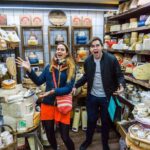
4) Authentic Australian flavors to ground the day
Finally, the tour includes authentic flavors of Australian cuisine. This is a useful landing point. After tasting across cultures, you end with something that helps you understand what “home” tastes like in a modern, multicultural Melbourne setting.
Even if you consider yourself a picky eater, this last step often makes the tour easier to digest—because you get familiar anchors after the more globally influenced bites.
Food-wise, the big takeaway is that each stop has a job. The day is designed so you can connect the dots between coffee culture, sweet craft, Chinatown food traditions, and Australian eating.
Spice Shops: Where Flavor Learning Gets Real
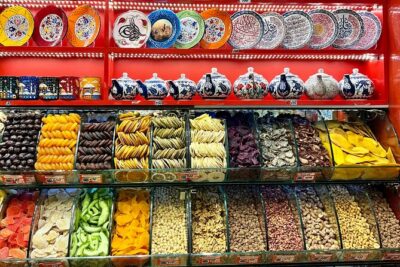
Between tastings, you’ll do a wander through local spice shops. This is one of the most practical parts of the experience, because you don’t only taste—you learn what’s in the ingredients and why they work together.
You’ll learn how spices and ingredients from different regions show up in different cuisines, and what that means for flavor. Even if you never cook with the same spices at home, you’ll start tasting more deliberately in restaurants.
A useful way to think about this segment: it turns “I liked that” into “I can name why I liked that.” You may notice differences in heat level, aroma, and how a dish balances spice with other flavors like sweetness, tang, or savory depth.
If you enjoy shopping for edible souvenirs, this is also where you’ll likely want to pay attention. Spice shops can be fun to browse even after the tour, and the knowledge you pick up helps you make better choices instead of buying randomly.
Laneways and Hidden Spots: Seeing Melbourne Beyond the Obvious
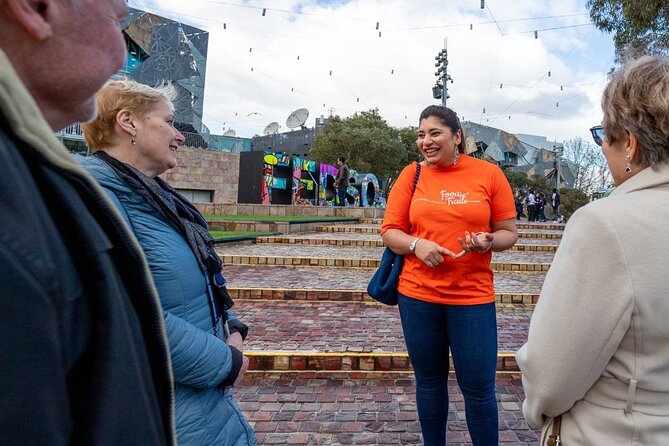
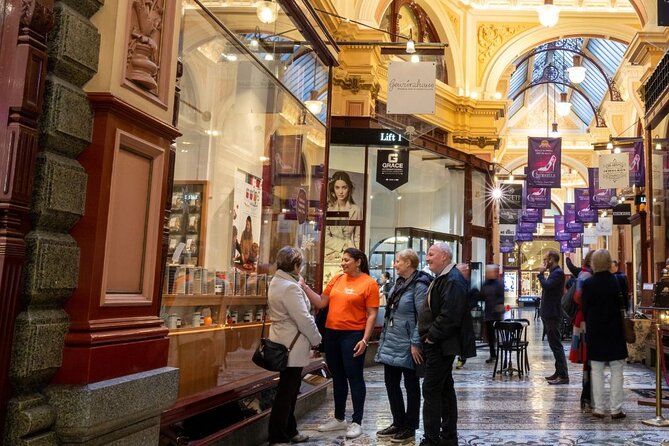
Food in Melbourne happens in lanes and side streets, and this tour leans into that. You’ll progress through laneways where the city feels less like a postcard and more like how locals actually move through it.
One of the best values here is that you’re not just following a standard walking route. You’re guided to hidden spots that search engines and guidebooks easily miss, which means you get a more accurate sense of the neighborhoods. Even when you’re short on time, these micro-discoveries make the city feel bigger—and more yours.
Practical tip: wear layers. You’ll be outside a lot, and laneway weather can change quickly. It’s also the kind of route where you’ll want water on hand, since the pacing is steady for the full 4 hours (approx.).
Small Group Size and Guide Energy: Why It Feels Like a Local Day Out
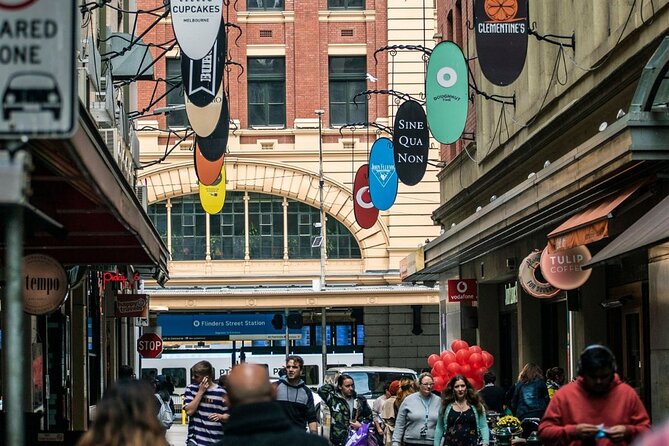
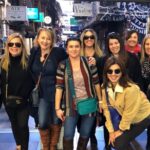
This is an intimate tour with no more than 14 travelers. That small number matters. You can ask questions, get personalized explanations, and you’re less likely to feel like a passenger in a long line.
The guides get real praise for mixing storytelling with food. Names that come up include Christine and Sophia, both described as informative and supportive, with a focus on history and culture tied directly to what you’re eating.
What I like about that style is that it’s not random trivia. The explanations connect to food choices, so it feels like you’re learning why Melbourne tastes the way it does, not just hearing facts while you chew.
Also, the tour starts with a museum intro and then moves into food blocks. That structure helps you stay oriented without needing to “figure it out” while walking.
Price and Value: Is $125.52 Worth It?
The price is $125.52 per person, and you’re usually booking about 29 days in advance. That tells me this tour is popular enough to sell out, so if the dates fit your schedule, it’s smart to reserve early.
Value-wise, here’s what you’re getting in the mix:
- Lunch / a progressive meal across four culinary stops
- Coffee and/or tea included
- Immigration Museum entry plus special exhibition access
- A spice shop walk focused on spices and ingredient learning
Alcohol isn’t included in the tastings, but you’re welcome to purchase extra drinks if you want. That means your food and core cultural learning are what you’re paying for, not a heavy alcohol bill.
Is it expensive? It can be, depending on what you usually pay for food tours in your home city. But the combination here—museum context + four tastings + coffee/tea + spice shop learning—adds up to more than just “eat here, then eat there.”
If you’re doing a short visit and want one guided day that covers history, neighborhoods, and multiple cuisines without planning, this price starts to feel fair.
Who Should Book This Foodie Culture Tour?
This tour is a great fit if:
- you want a short, organized way to understand Melbourne’s food scene
- you like cultural context, not just menus
- you’re curious about how spice connects to cuisine and migration stories
- you prefer a small group day where you can ask questions
It may be less ideal if:
- you hate walking for a few hours (this is a 4-hour approx. outing)
- you’re only interested in beer or wine (alcoholic beverages aren’t included in tastings)
- you’re traveling when weather looks shaky (the tour requires good weather)
If you’re a foodie who enjoys learning what’s behind flavors, you’ll likely get a lot out of the spice shop segment and the way the day builds context before the tastings.
Should You Book? My Take
I’d recommend booking this tour if you want a well-paced day that ties Melbourne’s food to real cultural history. The pairing of Immigration Museum context with four structured tastings and a spice shop learning stop makes it feel like you’re understanding the city, not just sampling it.
The small group size is a real bonus, and guides like Christine and Sophia are specifically noted for combining history and food in an easy, engaging way. If you’re only spending a few days in Melbourne, this is the kind of experience that gives you answers you can keep using as you wander on your own afterward.
FAQ
What time does the tour start, and where do I meet?
The tour starts at 10:30 am at the Immigration Museum, 400 Flinders St, Melbourne VIC 3000. The meeting point is at the corner of Swanston and Flinders streets.
How long is the Melbourne Foodie Culture tour?
It’s about 4 hours (approx.).
How many people are in the group?
The tour has a maximum of 14 travelers, so it stays intimate.
What’s included in the price?
It includes lunch (a progressive meal at four stops), a wander through local spice shops, a visit and introduction to the Immigration Museum including access to special exhibitions, and coffee and/or tea.
Is alcohol included in the tastings?
Alcoholic beverages are not included. You can make additional purchases if you’d like.
What happens if the weather is poor?
This experience requires good weather. If it’s canceled due to poor weather, you’ll be offered a different date or a full refund.
What’s the cancellation policy for a full refund?
You can cancel for a full refund up to 24 hours before the experience starts. If you cancel less than 24 hours before, the amount paid won’t be refunded.