REVIEW · HO CHI MINH CITY
Ho Chi Minh City: Street Food and Sightseeing by Motorbike
Book on GetYourGuide →Operated by CONNECT CULTURE CO.,LTD · Bookable on GetYourGuide
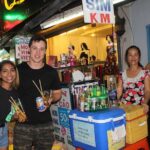
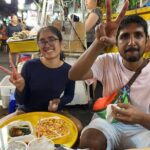
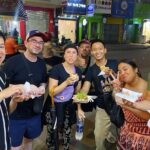
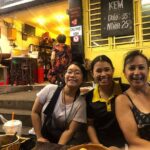
Motorbikes plus street food makes HCMC feel personal. I love how this tour mixes District 3 local apartment life with quick rides through tight city alleys, so you see more than just a set of famous landmarks. You also get full meals and drinks while moving districts, which keeps the whole thing from feeling like a rushed checklist.
Two things I particularly like are the street food variety and the stop at a Chinese temple and Chinatown markets in District 5. I’ve seen guides like Vincent and Seng (and others in the team) steer the route with confidence, then talk you through what you’re eating and why each place matters to local life.
One possible drawback: a motorbike ride is intense, and this tour isn’t for everyone. It’s not suitable for pregnant women, wheelchair users, or people over 70, and you’ll want comfortable clothes and shoes since you’ll be on the move for the whole session.
In This Review
- Key points you’ll care about
- Motorbike street food in Ho Chi Minh City: what you’re really buying
- Picking up in Districts 1, 3, and 4 without the hassle
- The District 3 apartment stop: seeing local life up close
- Riding the small alleys: why the motorbike feels like the whole point
- Flower market stop: the sensory reset in the middle of the ride
- District 5 Chinatown markets: motorbike stalls, lanterns, and medicine
- Learning at a Chinese temple: the culture behind the shops
- Floating market in old Saigon: your taste of the city’s past rhythms
- Night option changes the energy: more busy local restaurants
- Saigon Old Mafia Area: food paradise in modern form
- What you’ll eat: classic Vietnamese picks and the guide’s smart choices
- Safety, gear, and what to wear so you enjoy the ride
- Price breakdown: why $16 can feel like good value here
- Who should book this motorbike street food tour
- Should you book this Ho Chi Minh City street food by motorbike tour?
- FAQ
- How long is the Ho Chi Minh City street food and sightseeing by motorbike tour?
- Is pickup included, and where does it cover?
- What transportation and safety gear do I get?
- Are meals and drinks included?
- Does the tour include Chinese Chinatown markets and a temple?
- Is there a difference between day and night tours?
- What should I bring with me?
- Is this tour suitable for everyone?
Key points you’ll care about
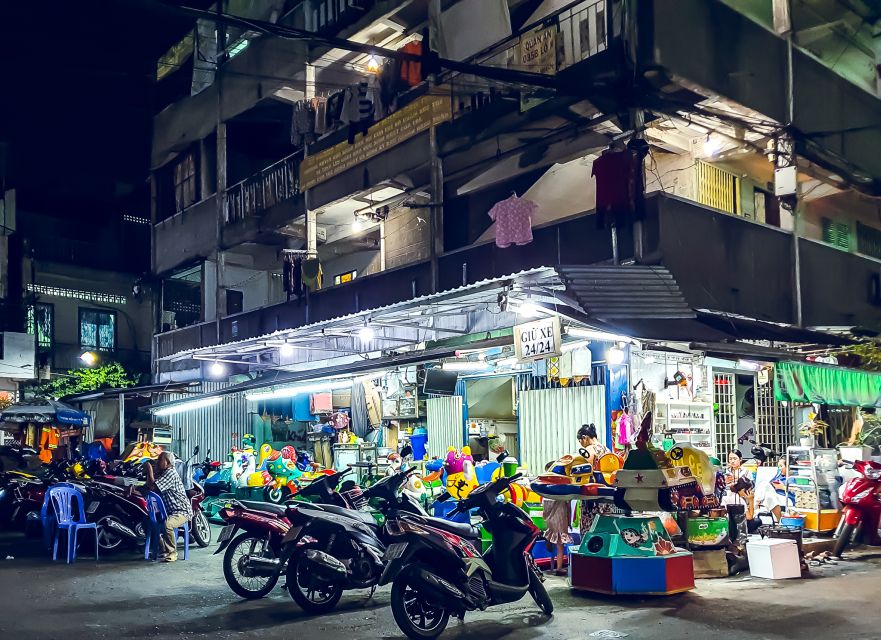
- District 3 apartment view: See everyday life in one of the city’s oldest neighborhoods, not just the tourist streets.
- Motorbike route through small lanes: Tight alleys and city traffic make the sights feel immediate.
- District 5 Chinatown markets: Motorbike stalls, Chinese lanterns, and Chinese medicine shops all in one run.
- Chinese temple stop: You learn about Chinese religious traditions in a local place of worship.
- Floating market area plus Saigon food stops: You get classic Vietnamese eats, not a diet of snacks.
Motorbike street food in Ho Chi Minh City: what you’re really buying
This isn’t just a food crawl. You’re paying for two things at once: access and momentum.
Access because you get pulled out of the main tourist lanes and guided into real local corners: District 3 street life, Chinatown markets in District 5, and the food-heavy areas around old Saigon. Momentum because a motorbike lets you cover neighborhoods efficiently, so you’re not waiting around while your energy leaks out.
For $16 per person, it also includes a lot of the stuff that normally costs extra on tours: hotel pickup and drop-off in Districts 1, 3, and 4, an English-speaking guide, motorbikes with helmets and ponchos, and all food and drinks. You’re basically buying a full afternoon or evening plan with the hard parts handled for you.
You can also read our reviews of more food & drink experiences in Ho Chi Minh City

Picking up in Districts 1, 3, and 4 without the hassle
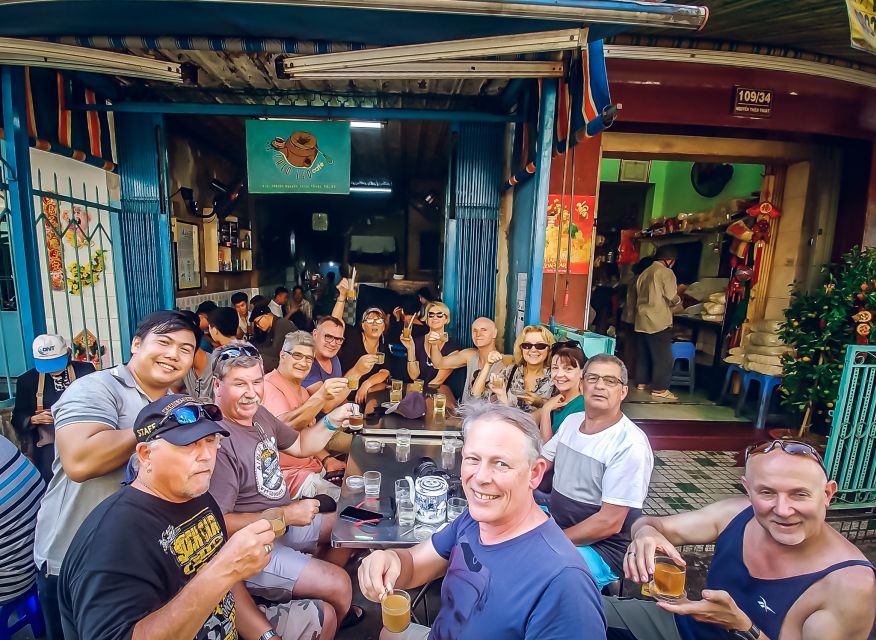
Your day starts with pickup. Free pickup is offered for hotels in Districts 1, 3, and 4, plus there’s a meeting point listed at 212 Lê Lai, Phường Phạm Ngũ Lão, Quận 1.
Why this matters: if you’re staying central, it saves you from the common problem of arriving late, standing in the wrong spot, or trying to negotiate transport while hungry. It also reduces friction at the start, which is a big deal on a motorbike tour.
If you’re outside those pickup areas, there’s a $5 USD per person surcharge added by the operator on the day. So if you want to keep the cost simple, plan your stay in or near those districts.
The District 3 apartment stop: seeing local life up close
One of the most interesting parts is the visit to an apartment in the oldest district area of HCMC. This is the kind of stop that changes how you understand the city.
Instead of treating Vietnam as a photo set, you get a glimpse of how locals live in a more residential, older part of town. That context makes the food tastier later, because you’ve already seen what everyday life looks like here—small spaces, routines, and neighborhood rhythm.
Practical note: this part of the tour is more about observation than buying things. Wear comfortable clothes you don’t mind getting a bit warm in, and keep your camera ready, but don’t expect a theme-park style show. The value is in the real-world feel.
Riding the small alleys: why the motorbike feels like the whole point
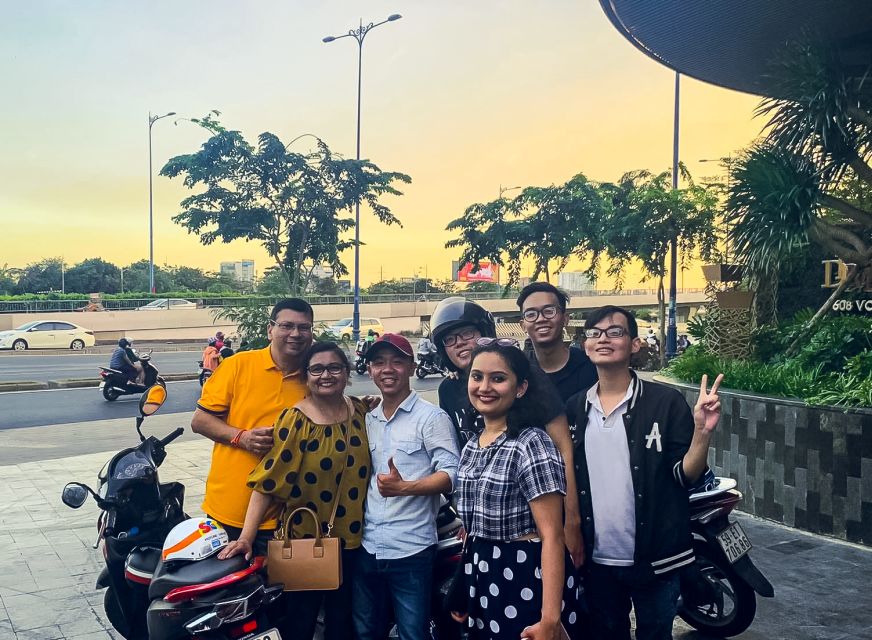
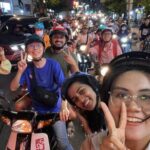
The tour’s core vibe is moving by motorbike through the city center’s tight side streets. In the reviews, people specifically mention expert riding and feeling safe while weaving through traffic and narrow passages.
You’ll get motorbikes, helmets, and ponchos. That’s a smart combo for Vietnam because weather can shift quickly, and you don’t want to spend money on gear you’ll only use once.
One key consideration: motorbike travel can be physically uncomfortable if you’re tense. If you’re the type who grips everything the whole time, you may feel it more than you expect. I’d go in with the mindset of relaxing your shoulders and holding on comfortably, not tight.
Flower market stop: the sensory reset in the middle of the ride
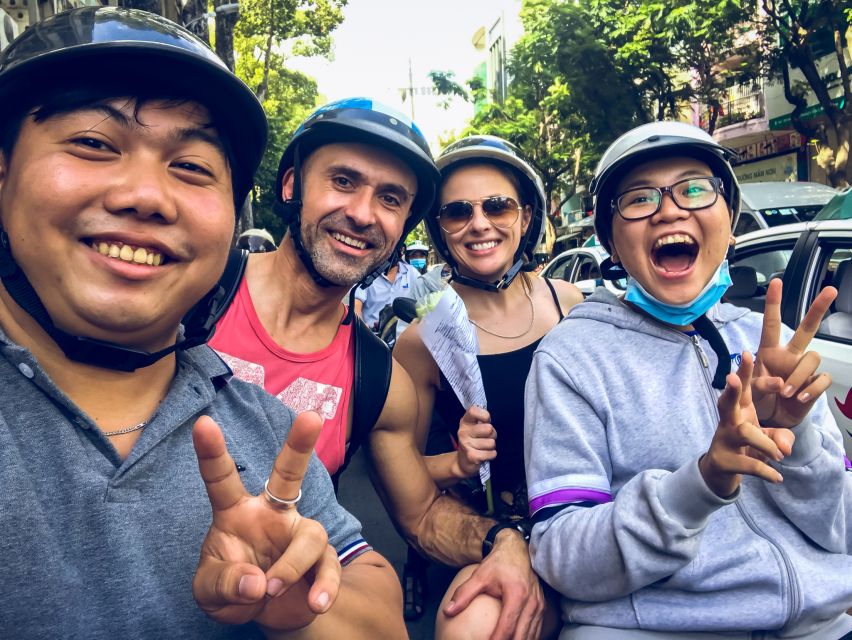
After the District 3 area, the route continues toward a large flower market. Flowers in Vietnam aren’t just decoration. They’re part of street life—used for worship, celebrations, and everyday gifting.
Why this stop works on a motorbike tour: it gives your senses a break from food and traffic. You get color and smell, and then you roll right back into the food-focused parts of the day.
If you’re thinking about photos: bring your camera, but also keep enough cash on you for small purchases. The tour includes food and drinks, yet you may want to buy something you see along the way.
A few more Ho Chi Minh City tours and experiences worth a look
District 5 Chinatown markets: motorbike stalls, lanterns, and medicine
One of the biggest advantages of this tour format is that Chinatown isn’t treated as one street with a souvenir stand. You go into District 5, where the itinerary focuses on multiple market areas.
The stops you can expect include:
- a motorbike market
- a Chinese lantern market
- a Chinese medicine market
That mix is the point. It shows how communities function beyond food and tourism. You get a real sense of what people buy and use daily—things you’d never notice if you only walked one main boulevard.
And yes, you’ll also get to sample food that fits the neighborhood atmosphere. The food side and the market side connect neatly: you’re seeing what the community is like, and then you taste what they eat.
Learning at a Chinese temple: the culture behind the shops
Between markets, you’ll stop at a typical temple that showcases the religious culture of the Chinese community.
This matters for two reasons. First, it gives you context for what you’re seeing in Chinatown. Second, it keeps the tour from becoming only an eating route. Even if you’re not religious yourself, learning how a community organizes worship and tradition helps the whole day click.
Keep your expectations simple: this is a cultural stop, so be respectful, be calm, and dress appropriately for a temple environment. (Comfort is fine, but keep it modest enough for a place of worship.)
Floating market in old Saigon: your taste of the city’s past rhythms
Next comes a floating market stop in the heart of old Saigon. Even when you’re not surrounded by full-on river scenery, floating markets represent a lifestyle that shaped commerce in the region.
This is also where you’ll likely start noticing how the food tour is designed to move in waves. You’ll ride, snack, and then hit another food-heavy stop when your appetite resets.
If you’re sensitive to crowds or prefer quiet sightseeing: arrive with patience. Market areas can be busy, and the tour is about local movement, not a private viewing experience.
Night option changes the energy: more busy local restaurants
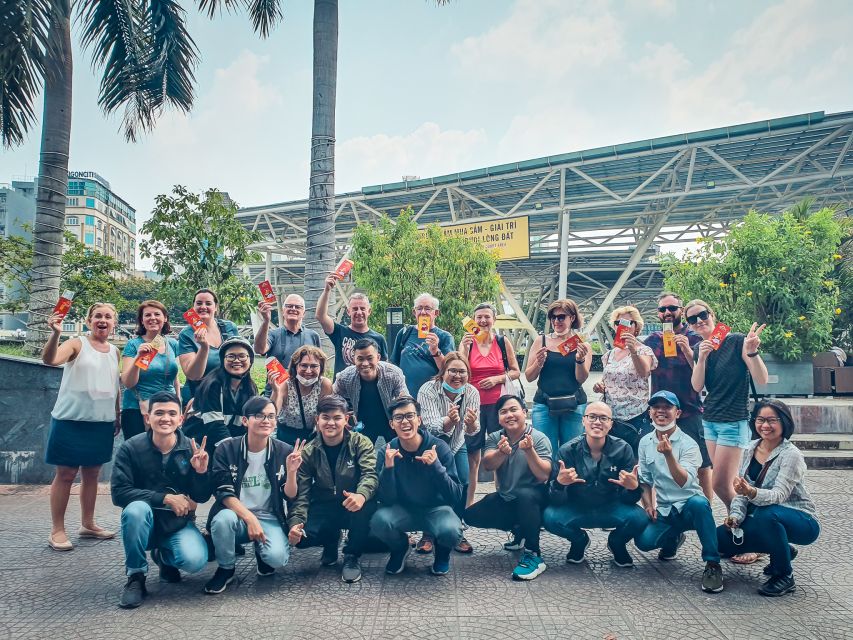
If you take the night food tour, the timing shifts. Instead of stopping when people finish their business, your guide takes you to keep eating at busy local restaurants.
That difference is bigger than it sounds. Evening in Vietnam can change everything: street activity picks up, restaurant lines form, and flavor often feels stronger once the neighborhood wakes fully up.
In short, the night option is for you if you want food in its busiest social setting, not only in the quieter early hours.
Saigon Old Mafia Area: food paradise in modern form
The tour also drives through what’s described as the Saigon Old Mafia Area, now known as a big food paradise.
It’s a name that catches your attention, but the practical value is what comes with it: modern restaurants built around older neighborhood energy. You’ll get a change of pace from markets and temples, and the guide’s job is to keep the route logical and the food quality consistent.
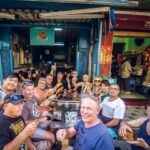
This is where your guide’s personality really shows. In the reviews, guides like Vincent, Vi, Peace, and others come across as cheerful and fun while staying professional. That matters because you’re sitting on the back of a bike for stretches, and good vibes make it feel lighter.
What you’ll eat: classic Vietnamese picks and the guide’s smart choices
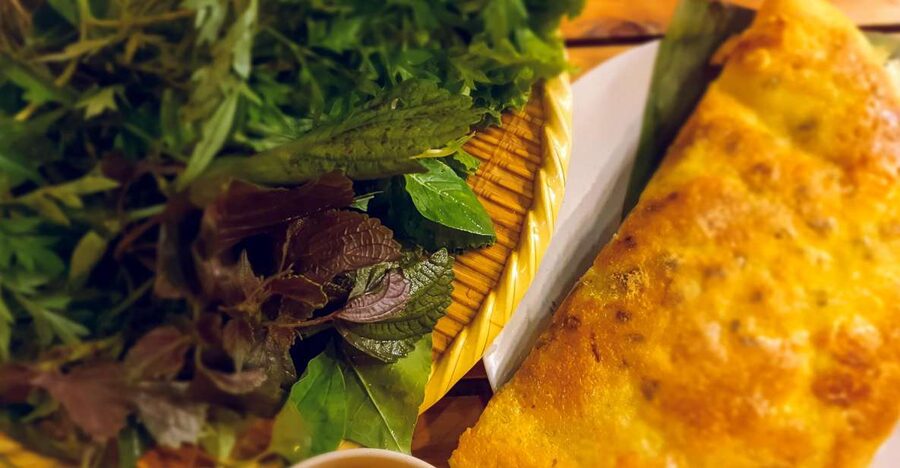
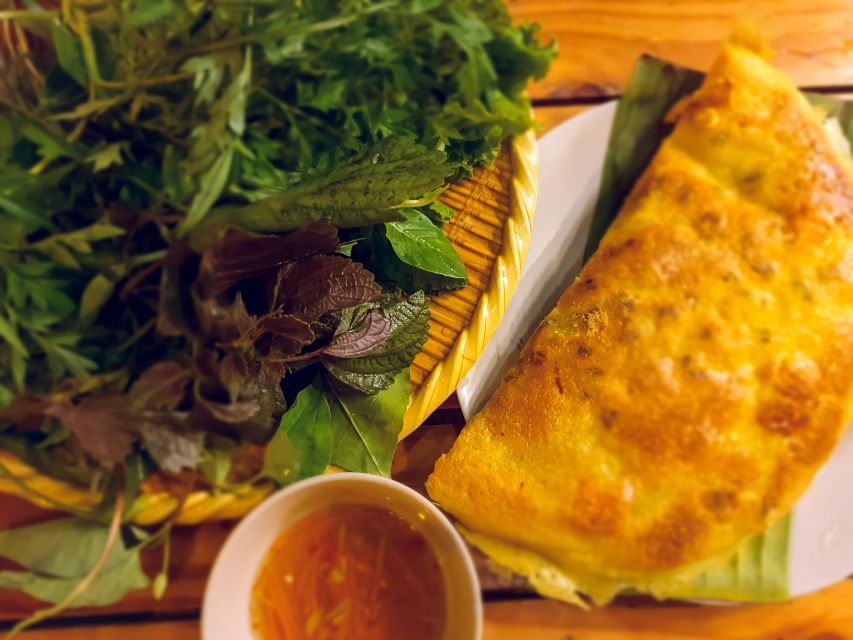
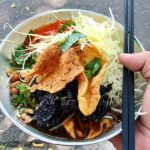
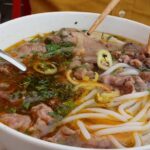
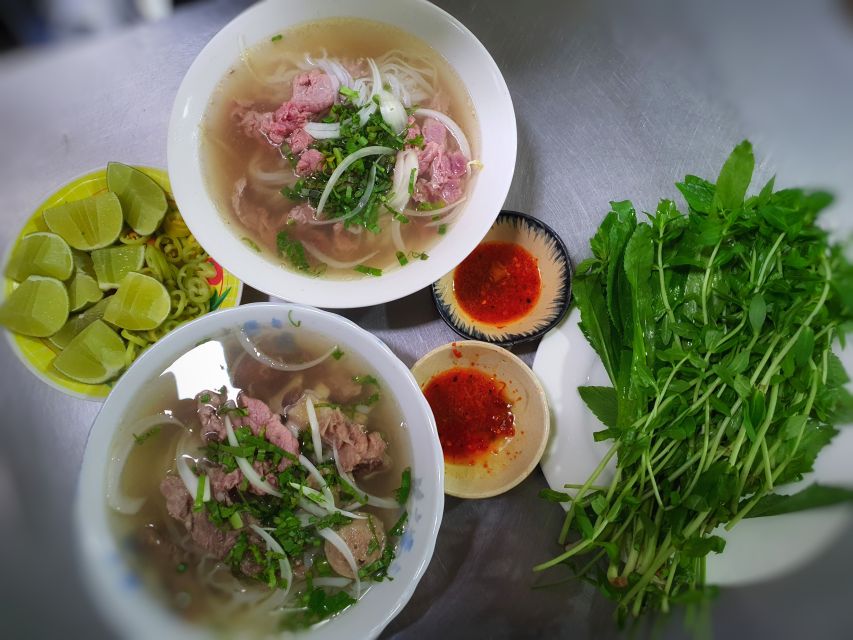
The tour is built around sampling Vietnamese street food. Exact dishes can vary by time and availability, but you can expect classics like:
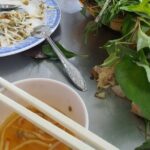
- beef noodle soup
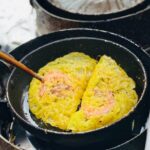
- Vietnamese pancakes
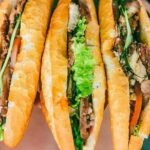
- plus other street snacks during the route
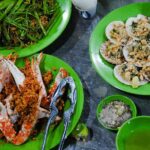
A few reviews also highlight coffee stops and specific favorites like Vietnamese ground coffee, egg coffee, pork sausage, and clams. Even when you don’t know the names ahead of time, the guide helps you decide and explains what you’re tasting as you go.
My advice: tell the guide what you like and what you don’t. If you want noodle-heavy stops, say so. If you’re avoiding certain ingredients, speak up early. The tour is set up so the guide can adjust, and that makes the whole experience feel personal instead of pre-scripted.
Safety, gear, and what to wear so you enjoy the ride
You’re provided with helmets and ponchos. That takes two common worries off your list: safety gear and rain protection.
Still, you control comfort:
- wear shoes you can walk in
- choose clothes you can move in on short stops
- keep your camera handy but secure
- bring cash for personal purchases
If you’re worried about motorbike riding in general, focus on the guide and driver team. Many review comments specifically mention expert drivers, safe riding, and feeling looked after through traffic and small lanes.
Also, the tour notes that alcohol and drugs aren’t allowed. Plan to enjoy the food and soft drinks or water that come with the tour without adding extra variables.
Price breakdown: why $16 can feel like good value here
Let’s talk value, not just price.
At $16 per person, what you’re getting is unusually bundled for a city with pricey tours:
- pickup and drop-off in Districts 1, 3, and 4
- English-speaking guides
- motorbikes, helmets, and ponchos
- all food and drinks
- photos
So you’re not arranging transport, not paying per stop for meals, and not trying to find family-run places alone. That’s where the math usually wins.
Yes, there are upgrades and add-ons. For example:
- private tour option has a $5 USD per person surcharge
- Female Ao Dai Rider upgrade is listed as $10 USD extra per pax
- car options exist (7-seat or 16-seat van) with surcharges listed
- if you stay outside pickup districts, there’s that $5 USD per person pickup surcharge
But even with those, the base experience is still strong for what’s included. If you want a guided route plus full meals without extra planning, this is the kind of deal that feels fair.
Who should book this motorbike street food tour
This works best if you:
- like street food and want to eat more than two or three items
- enjoy moving neighborhoods instead of staying in one area
- feel comfortable riding on a motorbike with a helmet
- want a local-culture angle, including the apartment visit and temple stop
It may not be for you if:
- you’re pregnant, need wheelchair access, or are over 70
- you dislike active itineraries or you hate busy markets
- you want a calm, slow walking pace
If you’re a first-time visitor to Saigon and want a fast orientation that includes food, this is often a smart “get your bearings” choice.
Should you book this Ho Chi Minh City street food by motorbike tour?
I’d book it if you want a high-value, low-planning way to eat well and see multiple neighborhoods in a short time. The mix of District 3 life, District 5 markets, a Chinese temple, and old Saigon food stops gives you a rounded picture of HCMC that you can’t get from one area alone.
Skip it if motorbike riding stresses you out, or if your needs don’t match the tour’s physical demands. Also, make sure your expectations match the format: this is local street food and city navigation, not a museum-style visit.
If you want a fun afternoon or evening with guides who know the city and keep the route moving, this is a strong pick.
FAQ
How long is the Ho Chi Minh City street food and sightseeing by motorbike tour?
It runs from about 2 hours up to around 210 minutes, depending on the available starting time.
Is pickup included, and where does it cover?
Yes, pickup and drop-off are included for hotels in Districts 1, 3, and 4. If you’re not in those areas, there is a $5 USD per person surcharge added by the operator on the day. There’s also a meeting point listed at 212 Lê Lai, Phường Phạm Ngũ Lão, Quận 1.
What transportation and safety gear do I get?
You ride a motorbike with a helmet and poncho provided.
Are meals and drinks included?
Yes. All food and drinks on the tour are included, and photos are also included.
Does the tour include Chinese Chinatown markets and a temple?
Yes. In District 5 you’ll visit markets connected to motorbikes, Chinese lanterns, and Chinese medicine, plus a typical temple showing Chinese religious culture.
Is there a difference between day and night tours?
Yes. For the night food tour, the guide takes you to more busy local restaurants so you continue enjoying Vietnamese food after the earlier business hours.
What should I bring with me?
Bring comfortable shoes, a camera, comfortable clothes, and cash.
Is this tour suitable for everyone?
It is not suitable for pregnant women, wheelchair users, or people over 70. Alcohol and drugs are not allowed during the tour.