REVIEW · HO CHI MINH CITY
Ho Chi Minh City: Downtown Walking Tour with Local
Book on GetYourGuide →Operated by Momo Travel Limited Company · Bookable on GetYourGuide
Saigon in three hours, on foot. This downtown walking tour strings together iconic landmarks and quieter corners, with a guide focused on how different government eras shaped what you see today. I like the easy pace and the many photo stops that keep it fun instead of rushed.
You’ll get a licensed, English-speaking guide, and the route is built to teach while you walk past the city’s most recognizable architecture. In particular, I love how the story connects the city’s design to everyday life, not just dates on a timeline. One thing to consider: it’s not suitable for wheelchair users, and it’s rain or shine, so you’ll want shoes you trust.
By the end, you’re not just looking at buildings. You’ll walk away with a handy pack of local recommendations you can save to your phone, plus practical context for what to do next in Ho Chi Minh City.
In This Review
- Key highlights you’ll feel right away
- Walking the heart of Ho Chi Minh City without feeling rushed
- The route: from the Former Opium Factory to Independence Palace
- Former Opium Factory: history you can almost read off the walls
- Saigon Opera House, Ho Chi Minh Statue, and the look of shifting power
- The Secret CIA Building stop: war-era stories in a modern city
- Cong Coffee break: a reset that keeps the tour enjoyable
- Saigon Central Post Office and Book Street: old-world style with real-world use
- Notre Dame Cathedral and the center streets between stops
- Independence Palace finale: where the big-picture story lands
- Why the guide makes this tour feel personal
- Price and value: $14 for a 3-hour guided history walk
- Who should book this tour (and who should skip)
- Practical tips to make your walk smoother
- Should you book this Ho Chi Minh City downtown walking tour?
- FAQ
- How long is the tour?
- What’s the price per person?
- Is the tour offered in English?
- Where does the tour start, and where does it end?
- What’s included in the price?
- Is gratuity included?
Key highlights you’ll feel right away
- Icon-to-hidden mix: Famous sights plus lesser-known stops like the Former Opium Factory and the Secret CIA Building.
- Photo-friendly pacing: Frequent photo stops keep the walk relaxed and camera-ready.
- Government-era stories: You’ll connect architecture and street life to shifting regimes over time.
- A real break at Cong Coffee: A refreshing pause that gives you time to reset and ask questions.
- Finish at Independence Palace: A strong closing stop that makes the whole walk click.
- Guides like Koi stand out: Reviewers highlight guides who are friendly, personable, and strong on American-war-era context.
Walking the heart of Ho Chi Minh City without feeling rushed
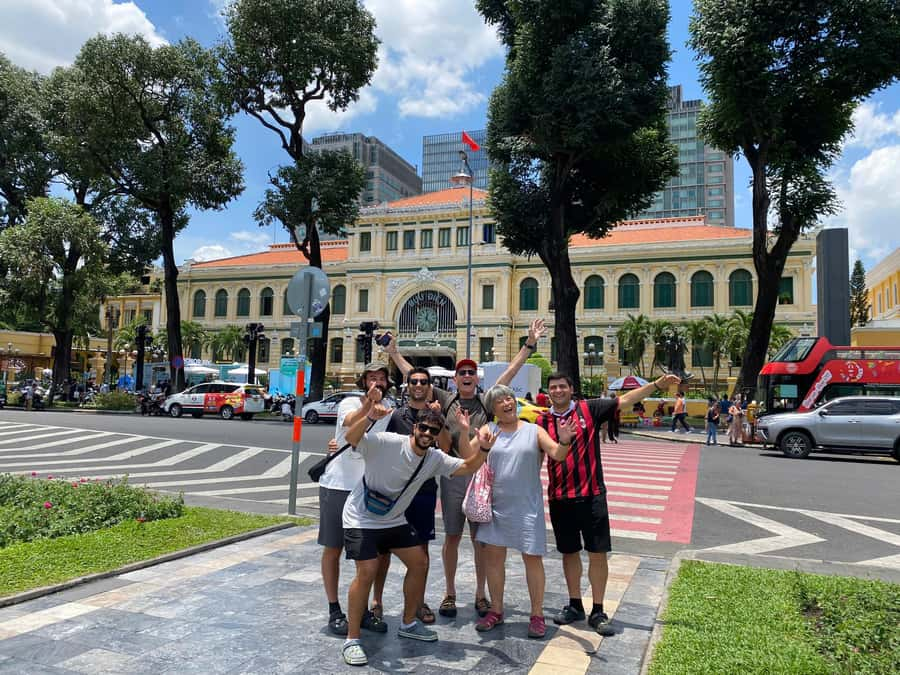
This is a smart way to start seeing Ho Chi Minh City because it focuses on the center you’ll want to revisit later. The tour is designed as an easy-paced walk, so you can actually absorb what you’re passing—rather than doing the usual checklist sprint.
At around 3 hours, it’s long enough to connect the dots between multiple eras, and short enough that you still have energy for the rest of your day. Expect plenty of time for photo stops and guided explanations at key points, which matters in a city where landmarks can feel close together but still have very different stories.
If you hate slow tours, this might feel like the wrong fit. But if you prefer history with room to think and take pictures, it’s a good match.
You can also read our reviews of more walking tours in Ho Chi Minh City



The route: from the Former Opium Factory to Independence Palace
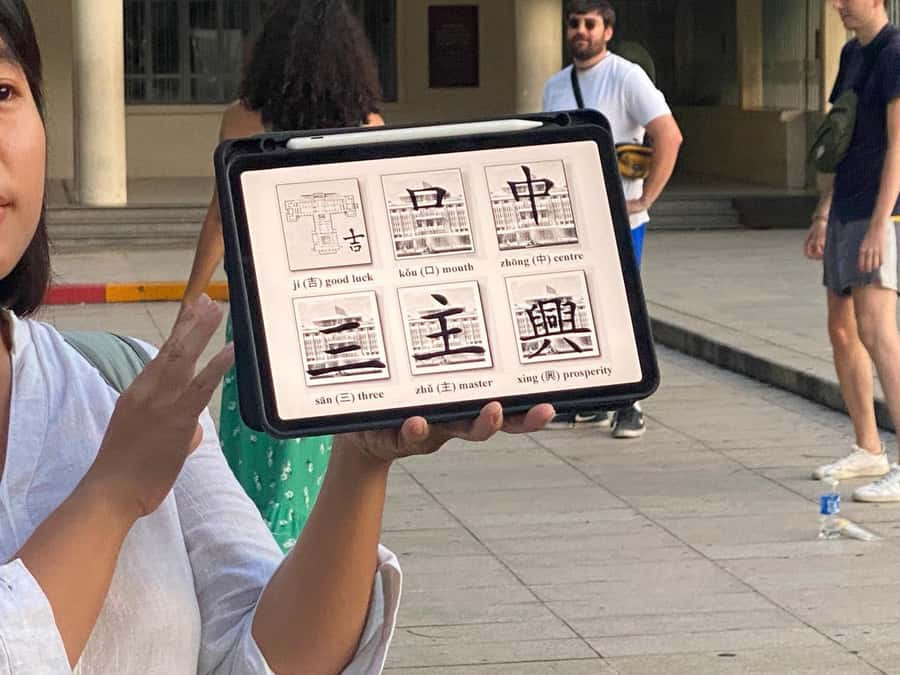
You’ll follow a straightforward downtown path through well-known buildings and more mysterious stops. The experience is structured around named places, so you always know where you are and why it matters.
Here’s what you can expect to see as the tour moves along the center of the city:
- Former Opium Factory
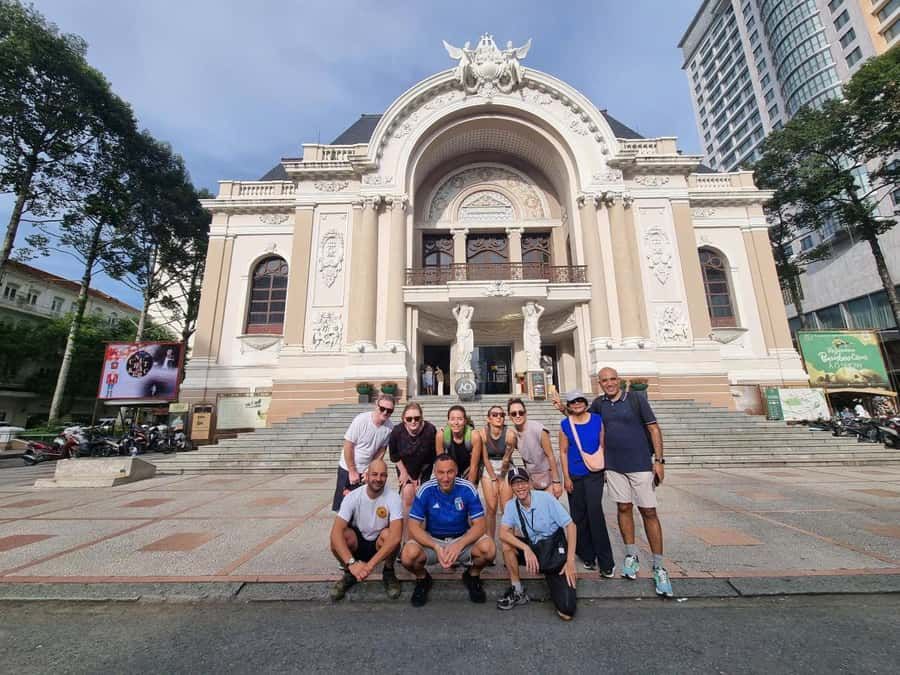
- Saigon Opera House
- Ho Chi Minh Statue
- Secret CIA Building
- Cong Coffee (break)
- Saigon Central Post Office
- Book Street
- Notre Dame Cathedral
- Finish at Independence Palace
That list already tells you the tour doesn’t only do pretty. It also touches power, conflict, and daily life. One part of the experience that I appreciate is how the guide keeps pulling your attention back to the theme: how government changes left physical marks on the city.
Former Opium Factory: history you can almost read off the walls
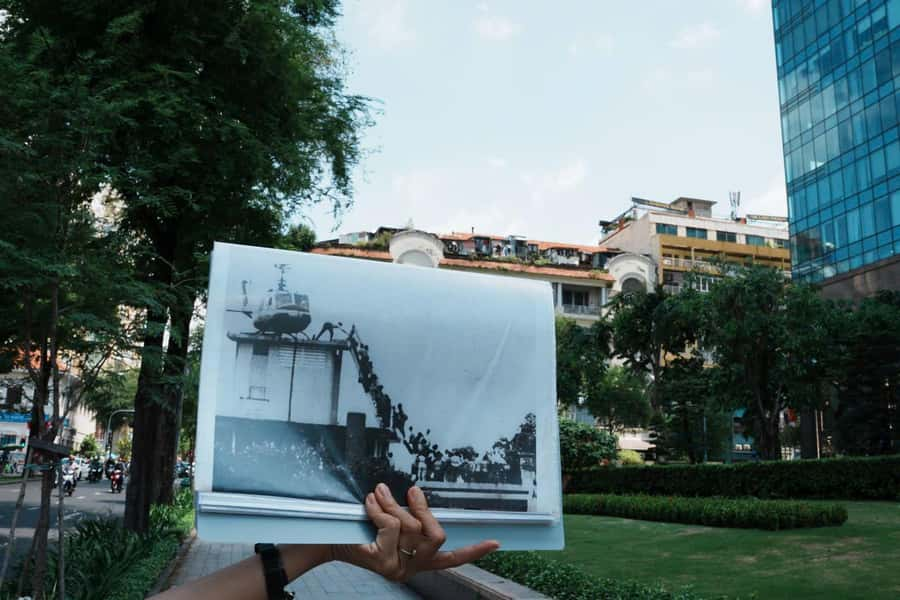
The Former Opium Factory stop sets the tone immediately. Even if you don’t know the details ahead of time, the name alone suggests a past that wasn’t built for comfort or romance. During this stop, you’ll learn how that kind of legacy can shape a city’s reputation and neighborhoods long after the original purpose has changed.
What I like about starting with a site like this is that it gives you contrast. You’re not only seeing government buildings and grand architecture. You’re also learning how economic and enforcement systems can leave behind lasting urban footprints.
Practical note: expect it to be mostly about explanation and observation from the right angles for photos. If you love museum-style hands-on history, you might still want a follow-up visit later—but as a walk-through introduction, it works.
Saigon Opera House, Ho Chi Minh Statue, and the look of shifting power

As you move toward the central performance-and-monument zone, the tour highlights how architecture can function like messaging. The Saigon Opera House and Ho Chi Minh Statue are the kind of landmarks people come for, but the guide’s job is to explain what you’re seeing beyond the postcard view.
You’ll also pass through the general area around the Municipal Theatre, which helps connect the tour’s theme: different administrations didn’t just change laws. They changed what was built, what was honored, and what public space was designed to communicate.
This is where you’ll get the most useful kind of history for first-time visitors:
- how government eras influenced cultural life,
- how public spaces reflect those priorities,
- how today’s daily life still carries traces of earlier decisions.
If you’re the type who likes to understand why a street looks the way it does, you’ll appreciate this part.
The Secret CIA Building stop: war-era stories in a modern city
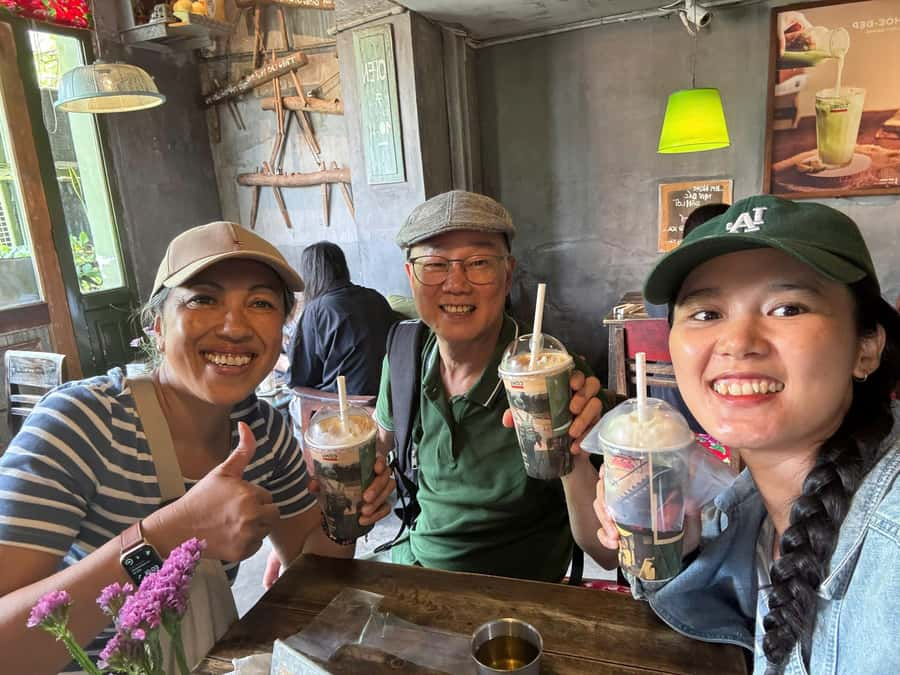
The Secret CIA Building stop is the “wait, what is that doing here?” moment on the walk. The name draws attention, and the guide uses that attention to explain how war-era power networks affected the city’s environment and perception.
I like stops like this because they remind you that Ho Chi Minh City wasn’t just evolving quietly in the background. External involvement and strategic interests have played roles in how the city developed and how people experienced uncertainty.
One consideration: because the stop is more about story than spectacle, you’ll get more out of it if you ask questions. If something sounds confusing, don’t stay silent. This tour is built for back-and-forth guidance.
You can also read our reviews of more city tours in Ho Chi Minh City






Cong Coffee break: a reset that keeps the tour enjoyable
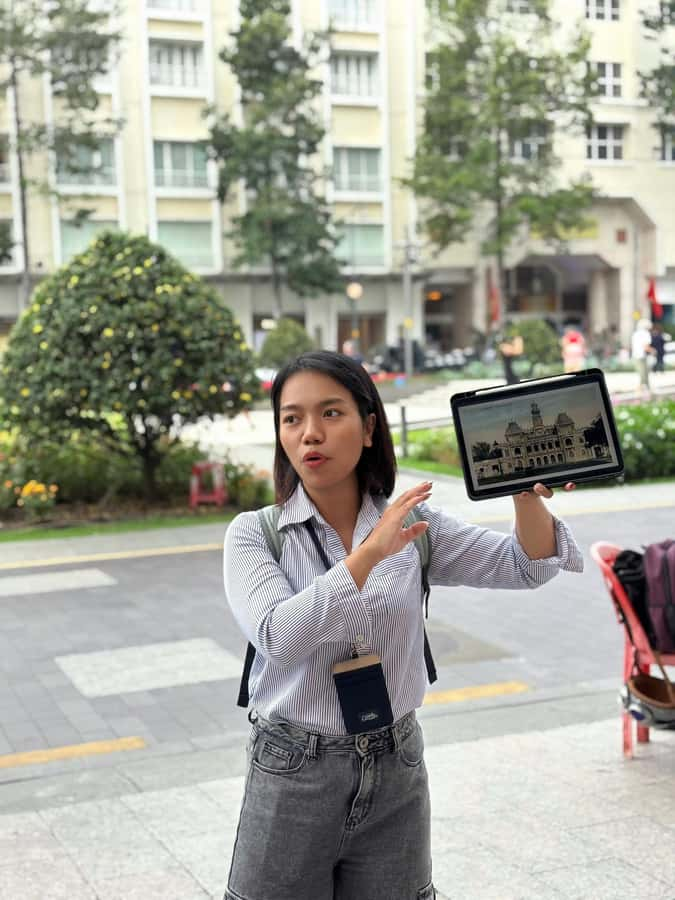
After you’ve taken in heavier history, you’ll hit Cong Coffee for a refreshing break. I appreciate that the tour doesn’t try to keep you going nonstop. A short pause improves attention and patience, especially on a walking route packed with major landmarks.
This break also gives you a natural moment to regroup:
- check your photos,
- review what the guide just explained,
- and ask follow-up questions you might not want to ask mid-street.
Even if coffee isn’t your thing, the value here is the timing. You’ll be glad you get the break before you continue to the post office, book area, cathedral, and the finale.
Saigon Central Post Office and Book Street: old-world style with real-world use

Next up is Saigon Central Post Office and Book Street. The post office is one of those buildings that looks important even from a distance, and the guide’s explanations help you see it as more than an impressive structure. You’ll connect it to how communication and administration worked when the city was being organized around different priorities.
Then comes Book Street, which adds a lighter, more everyday layer to the route. It helps balance the grand civic feel of the post office with something more human: browsing, reading, and the culture of books in the street setting.
I think this combination is smart for visitors because you get both:
- a major historic institution,
- and a street-level activity you can still experience after the tour.
If you’re a planner, you can use Book Street as a cue for what to do later that isn’t just sightseeing.
Notre Dame Cathedral and the center streets between stops
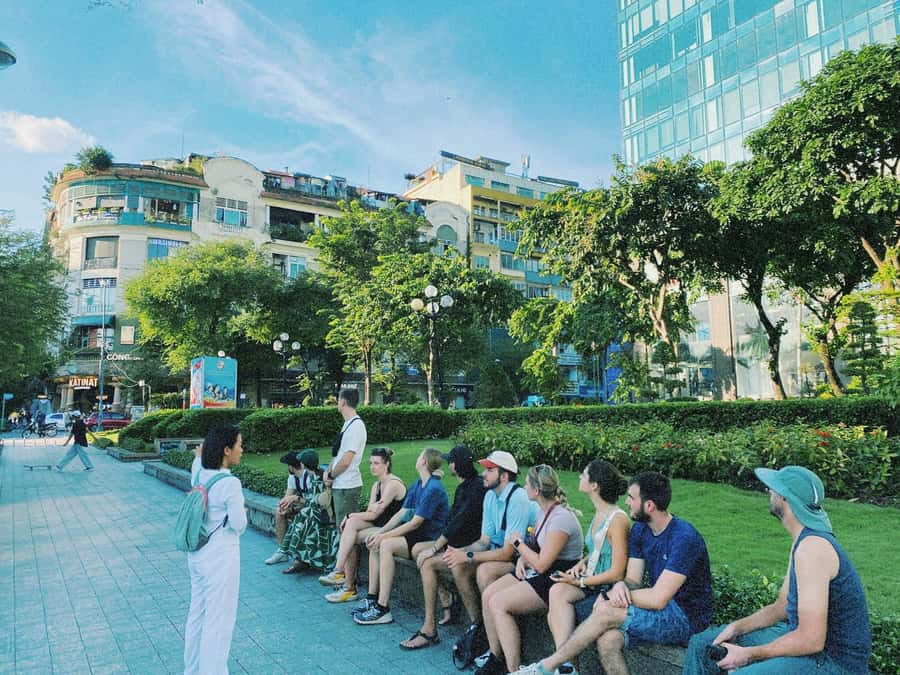
The Notre Dame Cathedral stop brings you back to a widely recognized landmark. Here, the guide ties the building into the tour’s larger theme: how different eras left their physical signatures.
This part of the tour works especially well if you like noticing details. You’ll likely spend time orienting yourself, capturing photos, and understanding why this cathedral style appears in this context and how the city’s story absorbed it.
Between stops, you’ll walk through central streets at an easy pace with guided moments and photo stops. That travel rhythm matters. It helps you see that the city’s history isn’t separated into neat chapters; it’s layered right next to each other.
Independence Palace finale: where the big-picture story lands
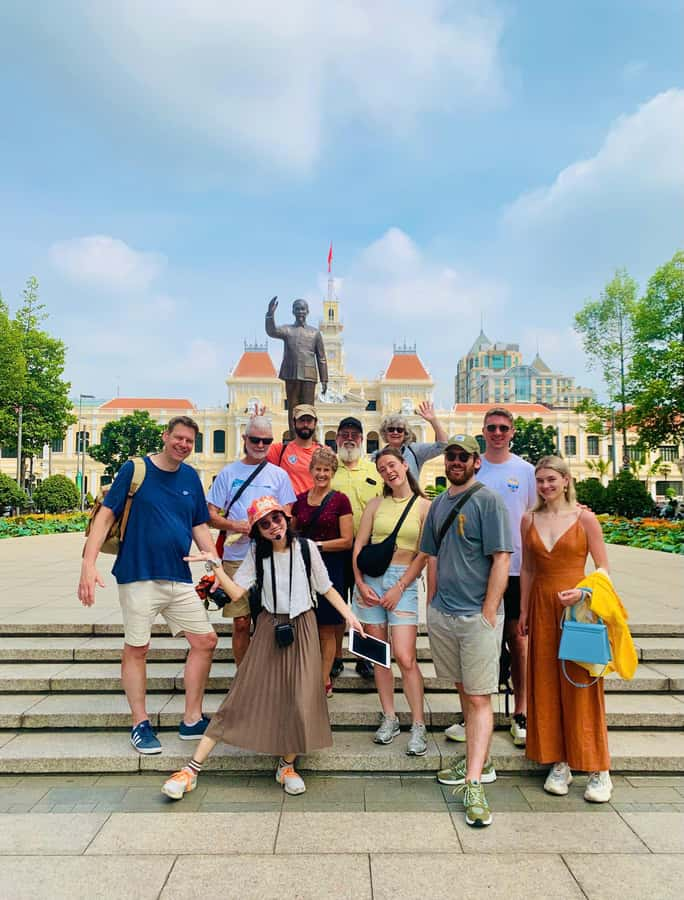
The tour finishes at Independence Palace, which is an effective ending point. By the time you reach it, you’ve already collected the tour’s key themes: shifting government eras, cultural and architectural changes, and the traces those changes left in daily life.
This is the stop that helps you step back and understand the larger arc. If you’ve been thinking, Wait, how do all these buildings connect?—that question often gets clearer here.
One practical tip: give yourself a little time to slow down at the end. Even if you don’t plan extra exploration beyond what the guide covers, the finish location is strong enough that you’ll want to take a few slower photos and re-check your bearings for the rest of your evening.
Why the guide makes this tour feel personal
The tour includes an English-speaking licensed tour guide, and the quality shows in the way the history is explained. One name that stands out in feedback is Koi. Reviewers emphasize that Koi is personable and knowledgeable, with especially strong command of Saigon history relating to the American war.
I also like that guides on this tour are expected to handle questions well. You’re not stuck listening at you from beginning to end. If you ask about what something means in everyday life, or how one era connects to another, you’ll likely get a clear answer.
Another highly praised point: the guide also provides practical local direction. One feedback theme is recommendations for places to eat and drink, plus suggestions for museums and other ideas beyond the exact route.
That last part matters. You’ll finish with a map in your head and a list on your phone, instead of leaving with just photos.
Price and value: $14 for a 3-hour guided history walk
Let’s talk value plainly. At $14 per person for a 3-hour downtown walking tour, you’re paying for three things:
- A licensed English guide to explain what you’re seeing,
- time-efficient access to multiple major and minor landmarks in one route,
- a break at Cong Coffee and a set of local recommendations at the end.
You’re not paying for a long bus ride or a complicated itinerary with lots of transfers. That’s good value in a city where traffic can drain your day fast. The walking approach also means you get the city’s rhythm instead of just looking from a vehicle window.
One thing to note: gratuity isn’t included. If your guide was good—and the feedback suggests many are—you’ll likely want to tip.
Who should book this tour (and who should skip)
This tour is a solid fit for:
- first-time visitors who want to understand the center fast,
- travelers who like history tied to buildings and street-level life,
- people who prefer an easy pace with photo stops,
- anyone who enjoys asking questions and getting thoughtful answers.
It’s not suitable for:
- wheelchair users,
- people over 95 years.
Also keep in mind it runs rain or shine, so you’ll want to plan for weather. The tour isn’t about speed, but it does mean you should be comfortable walking for a few hours in central streets.
Practical tips to make your walk smoother
Bring the basics and you’ll enjoy it more:
- Wear comfortable shoes with grip; you’ll be walking on city surfaces.
- Bring a light rain layer or umbrella since it operates in bad weather too.
- Charge your phone or keep a power bank if you plan to save the tips pack to your device.
- If you’re camera-happy, plan for the photo-stop pacing rather than sprinting ahead.
If you want to get extra value, think of two or three questions you’d like answered. The tour works best when you use the guide as a living history source.
Should you book this Ho Chi Minh City downtown walking tour?
If your goal is to get oriented fast while learning how Saigon’s architecture and street culture reflect shifting government eras, book it. The route is packed with recognizable landmarks like the Saigon Central Post Office and Notre Dame Cathedral, plus the more unusual stops like the Former Opium Factory and the Secret CIA Building that add real intrigue.
The main reasons to choose this tour over a DIY walk are the easy pacing, the guide’s ability to connect the dots, and the practical end-of-tour recommendations. If you like structure, stories, and time to pause for photos, you’ll feel like the $14 goes a long way.
Skip it only if you’re relying on wheelchair access, need a seated tour style, or you know you don’t do well with weather and walking in the center.
FAQ
How long is the tour?
The tour lasts 3 hours.
What’s the price per person?
The price is $14 per person.
Is the tour offered in English?
Yes, the tour is guided in English.
Where does the tour start, and where does it end?
Meeting point can vary depending on the option booked. Starting options include 74 Hai Bà Trưng or The Manufacturer Courtyard, and the tour finishes at Independence Palace.
What’s included in the price?
Included items are an English-speaking licensed tour guide and local recommendation tips.
Is gratuity included?
No, gratuity is not included.