REVIEW · HERAKLION
Crete: Olive, Wine, & Raki on a Flavorful Culinary Journey
Book on GetYourGuide →Operated by Localtrips4U.com · Bookable on GetYourGuide
Olive oil and raki in one smooth day. What makes this outing fun is the full flavor arc: you start at a working Cretan olive mill, then move on to a raki distillery and a small winery stop for tastings that actually explain what you’re drinking. I love the hands-on way you learn how olives become oil, and I also like the fact that the alcohol part is guided and paced instead of just thrown at you.
The one thing to keep in mind is that it’s a tight 6.5-hour schedule, so each stop has just enough time to learn and taste without turning into a long, slow hangout. Still, you’re in a comfortable premium SUV/minivan, with pickup and drop-off handled for you, plus a light lunch so you don’t start the day hungry.
In This Review
- Key things you should know before you go
- The flow of the day: how 6.5 hours stays enjoyable
- Skalani olive grove and olive mill: where the flavors start
- Olive grove walking: why the farm visit is more than scenery
- Stironas raki distillery: two rakí tastings, with context
- Archanes stop and the winery/dining moment
- Wine tasting of indigenous Crete grapes: what you’re learning as you sip
- Drinking without getting “tour-drunk”: how to handle tastings
- Comfort, drivers, and the small touches that make it feel personal
- Price and value: is $126 for 6.5 hours a fair deal?
- Who this tour fits best (and who might prefer something else)
- Should you book this olive, wine, and raki journey?
- FAQ
- How long is the tour?
- What’s included in the price besides tastings?
- Do you taste more than one raki?
- Where are you picked up and dropped off?
- Is the tour guide English-speaking?
- Is the tour refundable if plans change?
Key things you should know before you go
- You get real production time, not just storefront tastings, starting with a guided olive grove and olive mill visit.
- Raki is the star, including tastings of two different styles of rakí.
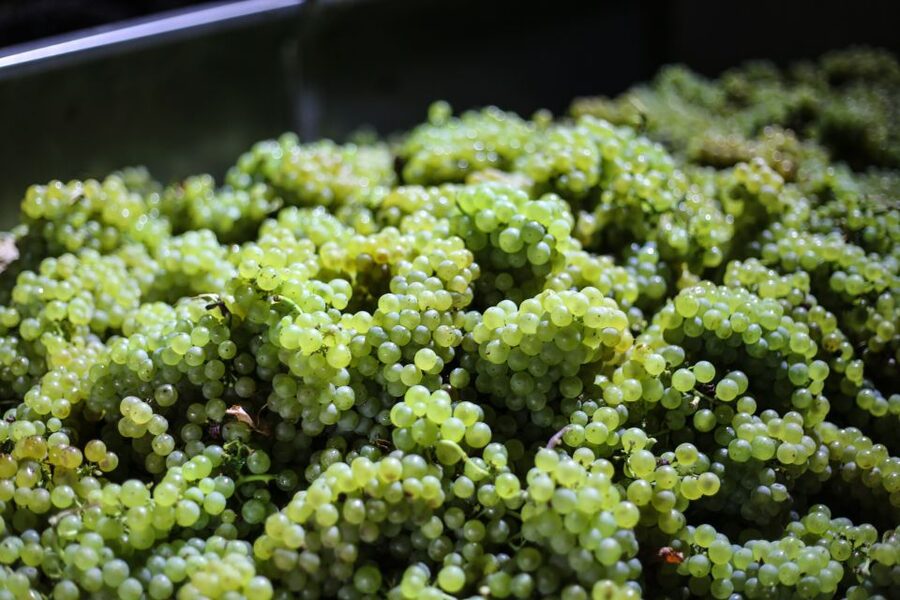
- You’ll taste wine tied to Crete, with a guided wine tasting featuring indigenous grape varieties.
- Village driving is part of the experience, so the day feels like more than a checklist.
- Lunch is included, and it’s described as a light Greek meal that actually fills you up.
- The guides are part of the value, with friendly, story-filled hosting at the olive and winery stops.
The flow of the day: how 6.5 hours stays enjoyable
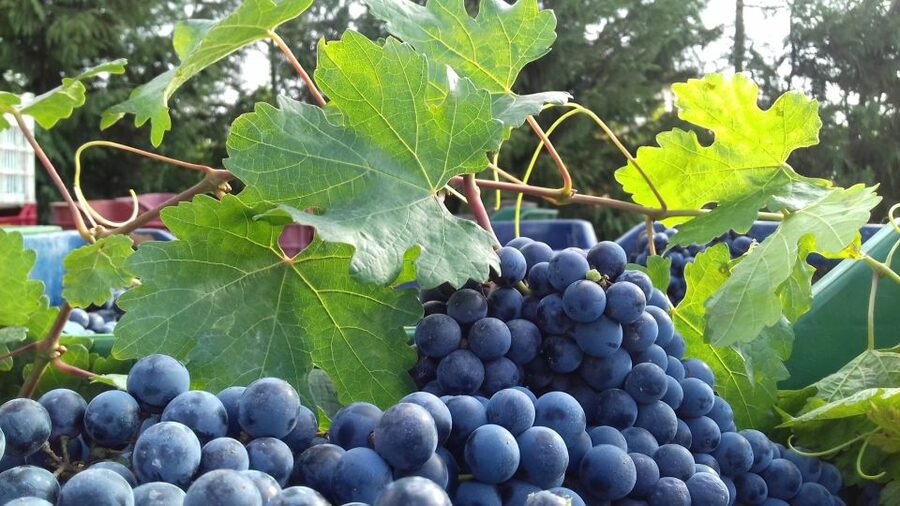
This tour is built for comfort and momentum. You’re picked up and returned to your accommodation, and the in-between travel is short enough that you’re not mentally spent before the tastings even start. Expect a series of drives (around 20 minutes at a time, plus one longer stretch) that link three main stops: an olive-focused experience, a spirits stop, and a winery area with a photo stop thrown in for good measure.
The timing matters because Cretan food and drink isn’t just about swallowing samples. When you’re chauffeured between places, you can pay attention to the guide’s explanations—how olives are processed, what makes certain grapes distinctive, and why raki takes its own path from grain and distillation. That’s where the day turns from “tasting tour” into “taste education.”
Also, this is a guided English tour, so you’re not relying on guesswork at each facility. And based on what people consistently highlight, the guide team tends to keep things interactive—questions are welcomed, and the explanations stay clear and practical.
You can also read our reviews of more wine tours in Heraklion
Skalani olive grove and olive mill: where the flavors start
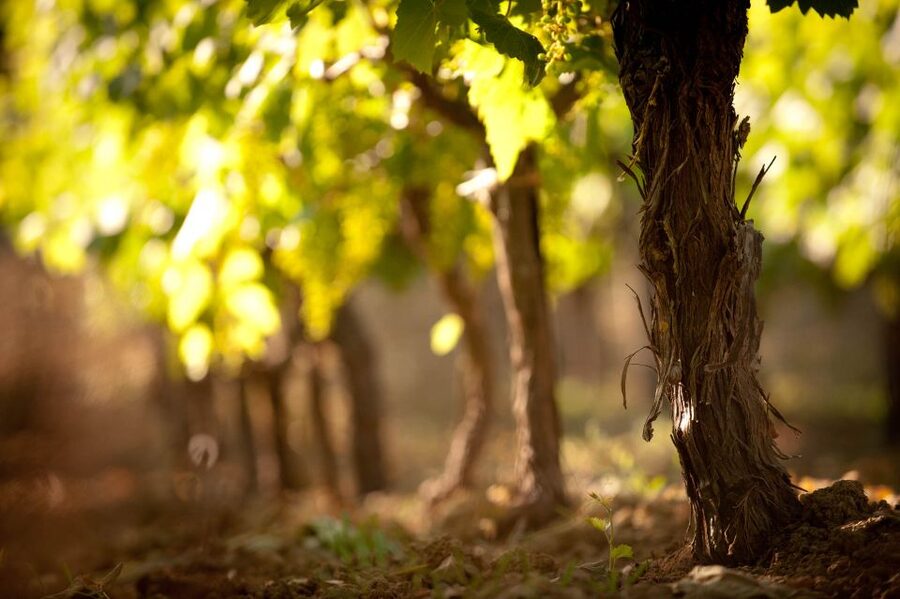
The day begins with Skalani and a guided visit that leans hard into olive craft. This isn’t just wandering among trees. You get an olive grove and olive mill experience designed to show you how production happens and why Cretans take oil seriously.
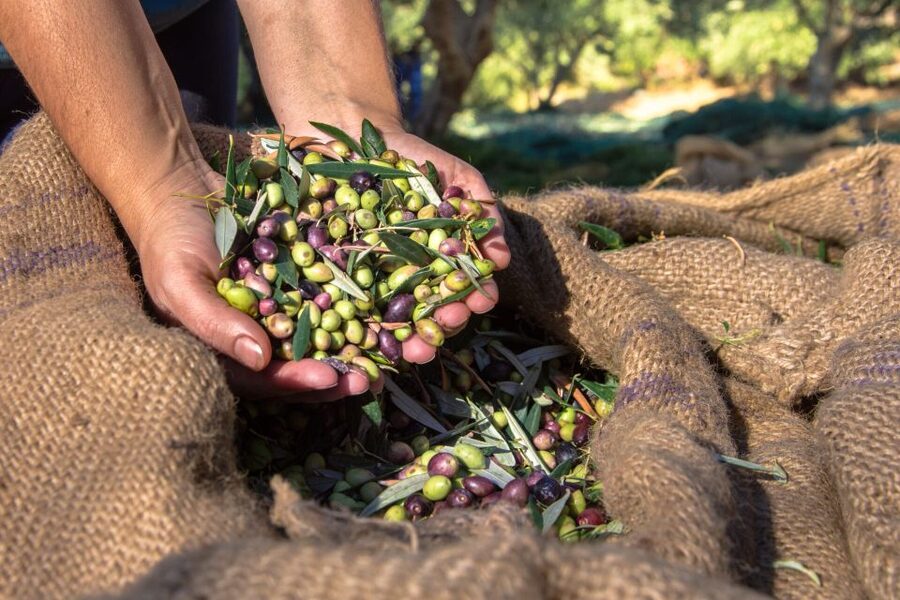
In practical terms, you’ll walk through a traditional olive grove farm, learn how olives are handled for extraction, and then taste the result. I love this opening because it sets the baseline for everything that follows. After you taste olive oil here, wine and spirits later feel more connected to place. You’re not treating the tastings like separate events; you’re tasting the same culture through different products.
What to watch for: pay attention to the guide’s description of aroma and taste in the oil tasting. Olive oil can be subtle, but guided tastings give you language for what you’re sensing. If you usually think of olive oil as just “salty” or “peppery,” this kind of start often makes you notice more.
A possible downside: it’s a working-production environment, so you may spend a fair chunk of the first part focused on process and explanations. If you want a purely scenic, no-learning day, you might find the early structure a bit firm—but for most food lovers, it’s the best part.
Olive grove walking: why the farm visit is more than scenery
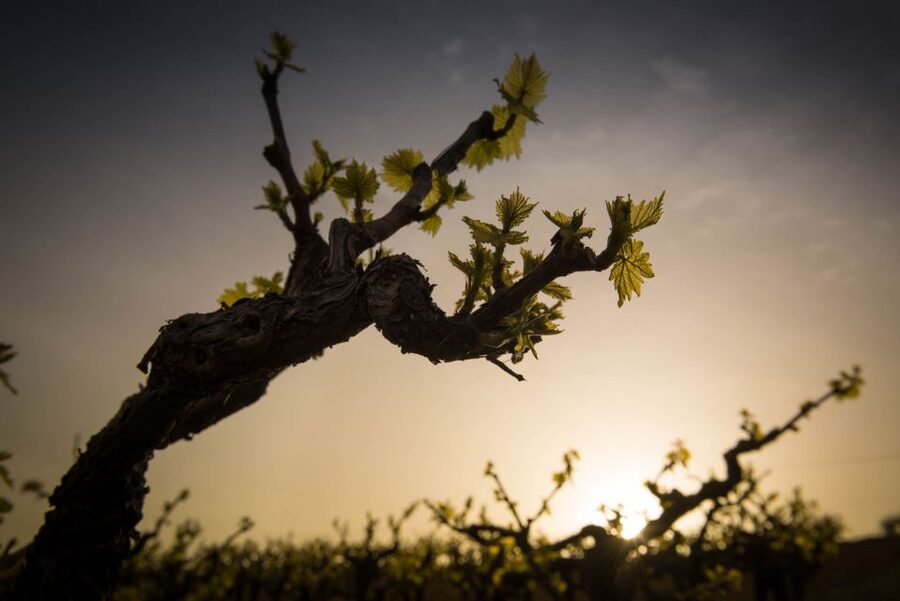
One of the best-value elements here is that you don’t just end at a mill. You also go through a traditional Cretan olive grove farm. That matters because olive oil isn’t created in a vacuum. You’re seeing the agricultural side of the story—how groves are cultivated and what “local” means when it comes to olives.
People who enjoy this sort of day often mention that the cultivation and history behind the products make the tastings click. I agree with that logic. Once you’ve walked among the trees and heard how they’re grown, tasting olive oil afterward becomes less random and more like a conclusion to a mini-lesson.
Comfort note: you’re transported in a premium SUV/minivan between stops, which helps if you don’t want long, nonstop walking. Just wear comfortable shoes for the grove walk.
Stironas raki distillery: two rakí tastings, with context
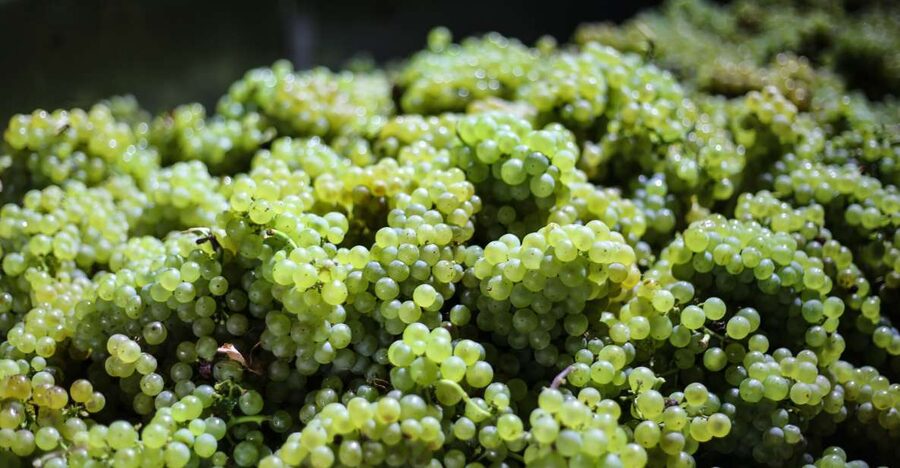
Stironas is where the day shifts from olive craft into spirits. You’ll visit a spirits-focused location, take a guided tour, and sample raki in the Rakokazano distillery area. The highlight here is that you taste two different rakí styles, which keeps it interesting rather than repeating the same flavor profile.
Raki can be easy to treat as just a strong drink. The tour’s structure works better than that because you get the process first, then the tasting. When you understand what’s happening during distillation and what goes into the spirit, the tasting stops being a guessing game. It turns into a comparison—how two styles differ and why.
I like the pacing: it’s guided, and there’s a light lunch later, so you’re not trying to judge raki while running on empty. One practical tip: go slow with the tastings. The point isn’t to win a speed contest. It’s to taste enough to notice differences.
Local snacks are included at the spirits stop, which also helps. That small detail can make a big difference on a 6.5-hour itinerary.
Archanes stop and the winery/dining moment
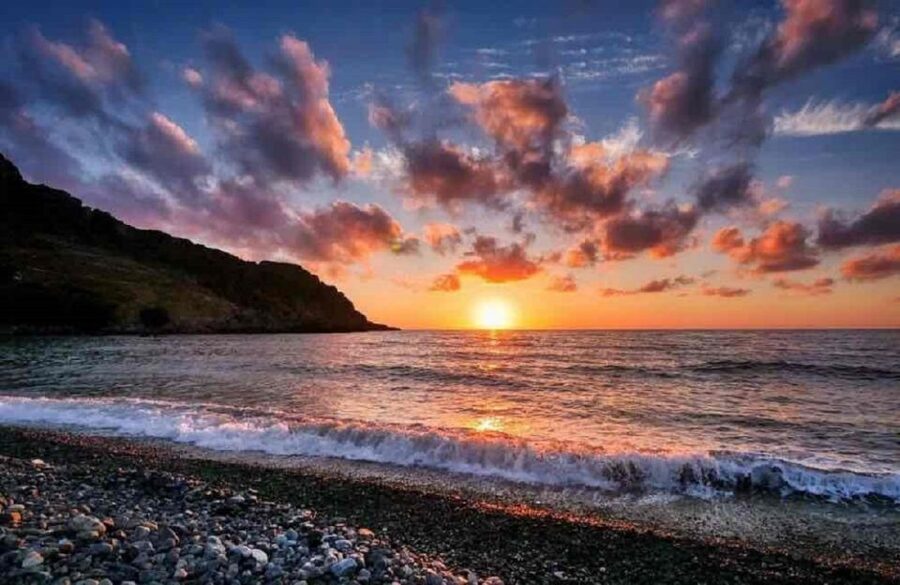
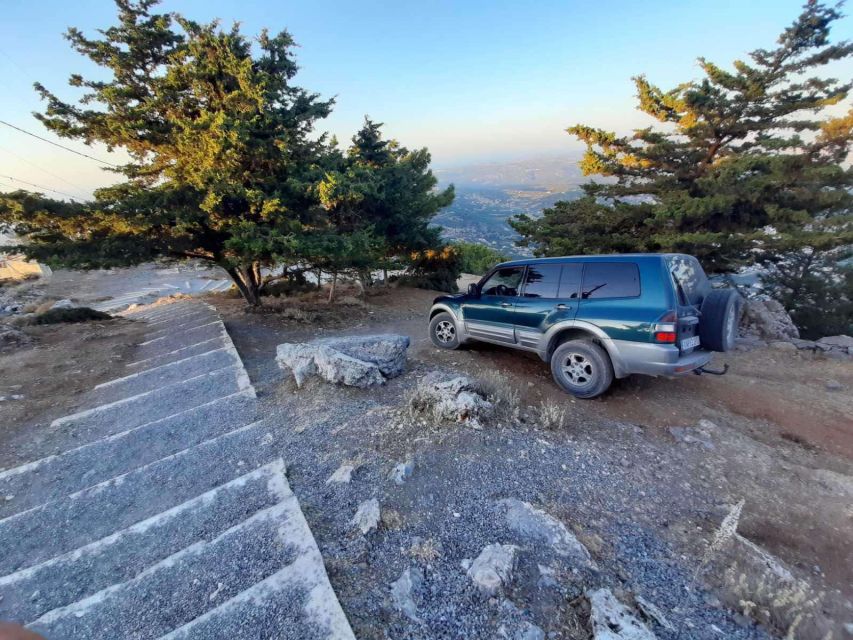
After the spirits stop, the tour continues toward Archanes. You’ll have a photo stop, plus another visit with guided time (and this is also where the day’s “food break” fits in). The tour includes a light lunch, and in this format it tends to be a proper sit-down meal rather than a quick bite from a vending machine.
I like this part because it adds a calmer rhythm. Olive mill and distillery tours are structured around process and tasting. Lunch gives you a chance to absorb the flavors and reset before the next explanation.
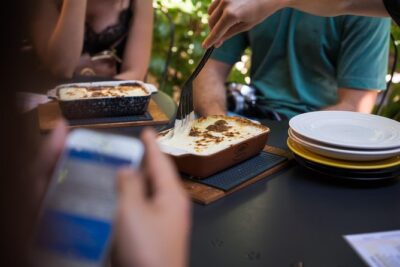
One theme you’ll likely notice from people’s experiences is how strong the lunch is for the price. It’s described as a Greek feast style meal, including vegetarian options, and it’s often singled out as one of the best parts of the day. If you care about eating well while touring, this is worth paying attention to.

Wine tasting of indigenous Crete grapes: what you’re learning as you sip
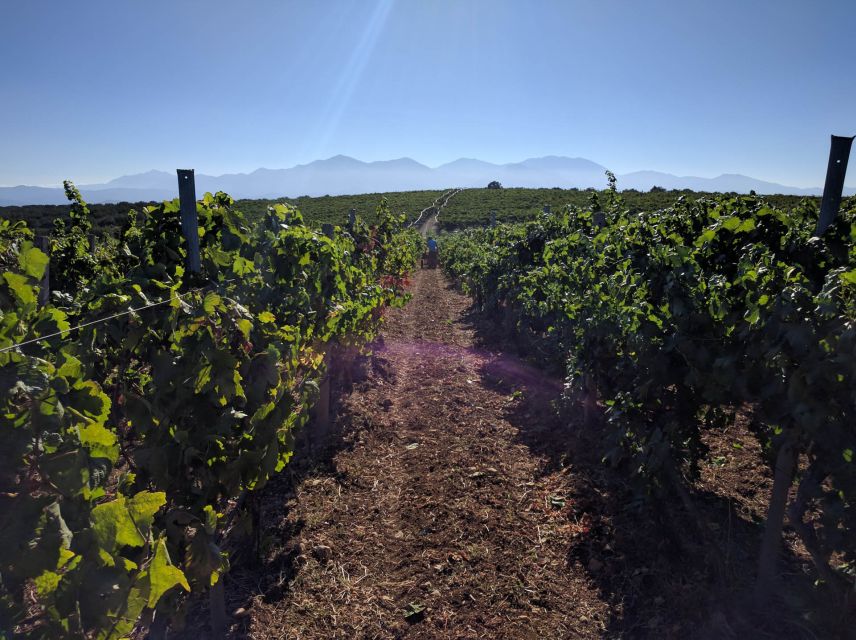
The wine portion is guided and focused on indigenous Cretan grape varieties. That’s a smart way to taste, because it keeps the tasting tied to the island’s identity. Instead of tasting “whatever is popular,” you get context for what makes these grapes different and how that translates in the glass.
In a guided tasting, you typically learn how to approach wine sensibly: swirling, smelling, and tasting in a way that helps you notice structure and character. One person specifically called out the tour as interactive and fun, which matches how these tastings usually work best—when you’re actively guided instead of passively offered a pour.
What to expect in your palate: if you like whites and reds, you should find enough variety to compare. If you prefer sweeter styles, you might want to slow down and ask the guide what to look for as you taste. The good news: the tour’s guided nature means you can get clarification instead of guessing.
Drinking without getting “tour-drunk”: how to handle tastings
This is a day built around alcohol tastings—olive oil tasting, then wine tasting, then raki tastings. So it helps to plan your own pace. You’re not just sampling, you’re learning, comparing, and listening.
My practical advice:
- Take smaller sips when the guide is explaining differences between styles.
- Eat the snacks and lunch, then return to tastings with a clearer sense of flavor.
- If you’re sensitive to alcohol, tell your guide so they can steer you to the tastings in the best order.
The tour works best if you treat it like a tasting class, not a drinking party.
Comfort, drivers, and the small touches that make it feel personal
You’ll travel in comfort in a premium SUV or minivan, and that matters more than it sounds. A comfortable ride keeps the energy up for the stops that matter, especially when you’re spending part of the day outdoors and in production areas.
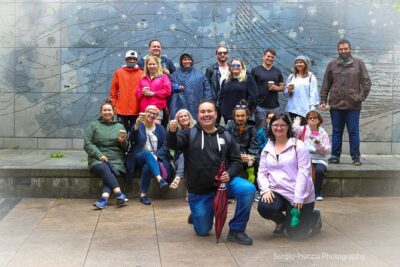
People also frequently highlight the guide and driver as part of the experience. Names that show up in past bookings include Angela and Tony behind the wheel, and guides such as Yanni/Yannis and Helen leading the day with friendly conversation and good explanations. At the olive and winery sides, hosts like Alex and Eleni have been praised for warm hosting, clear process explanations, and interactive tastings.
One reason I consider that important: when a guide is relaxed and funny, you’re more likely to ask questions. And when you ask questions, you leave with better memories than just “I tried some wine.”
Price and value: is $126 for 6.5 hours a fair deal?
For $126 per person, you’re paying for a guided full-day program that includes:
- premium SUV/minivan transport with pickup and return
- guided olive grove and olive mill time plus an olive oil tasting
- a winery guided tour with wine tasting of indigenous varieties
- a raki distillery visit plus raki tastings of two styles
- a light lunch and local snacks
That combination is the key to the value. Standalone olive oil tastings or a single distillery tour might cost less, but they rarely bundle the same variety of stops and guided comparisons. Here, the pricing makes sense if you want a “three-in-one” day that still feels structured and not rushed.
It’s also good value if you don’t want to spend your travel time arranging drivers between small producers. Those links cost time and money on your own. Getting them included lets you show up, taste, and learn.
Who this tour fits best (and who might prefer something else)
This works well if you:
- want a guided day that teaches you as you taste
- like olive oil, wine, and Greek spirits enough to enjoy multiple tastings in one sitting
- appreciate short drives between stops rather than long, complicated logistics
- want lunch included in a day that’s mostly guided visits
It might be less ideal if you:
- prefer a slower, less structured day
- don’t drink alcohol at all and don’t want tastings to be the centerpiece
- hate schedules where you’re moving every so often
Should you book this olive, wine, and raki journey?
If your idea of a great Crete day is “good food, guided tastings, and comfortable transport,” I think this one is an easy yes. The best part is the balance: it starts with olive oil craft, gives you a guided wine tasting tied to indigenous grapes, and then finishes with raki tastings that compare two styles.
Book it if you want a full flavor education without doing any planning. Pass if you’re looking for a purely relaxing day at one place with no structure. For most people who like Crete’s taste culture, this hits the sweet spot.
FAQ
How long is the tour?
The tour lasts 6.5 hours.
What’s included in the price besides tastings?
You get premium SUV or minivan transport, pickup and return to your accommodation, experienced guides, an olive grove and olive mill tour with olive oil tasting, a guided winery tour with wine tasting, a raki distillery visit with raki tasting, a light lunch, and local snacks.
Do you taste more than one raki?
Yes. The experience includes tastings of two different rakí styles.
Where are you picked up and dropped off?
Pickup and return are included to your place of accommodation.
Is the tour guide English-speaking?
Yes. The tour guide speaks English.
Is the tour refundable if plans change?
You can cancel up to 24 hours in advance for a full refund.