REVIEW · CHIANG MAI
Chiang Mai: Food Tour by Songtheaw Truck with 15+ Tastings
Book on GetYourGuide →Operated by A Chef's Tour · Bookable on GetYourGuide
Chiang Mai food tastes better when someone else orders. This 4-hour tour strings together 15+ Northern Thai tastings with a private red songthaew ride, so you can focus on eating and learning instead of plotting your route. I love that it’s built for real street-level food, not a greatest-hits checklist.
Two things I especially like: you get a strong mix of Northern dishes and snacks (not just one type), and the guide’s explanations bring ingredients like fermented flavors and herb-heavy salads into context. One consideration: this is not vegetarian-friendly, and the portion size is big enough that you’ll want to plan your day around it.
In This Review
- Key points before you go
- Northern Thai food in Chiang Mai, served in a smart order
- Meeting at Wat Lok Molee and cruising the old city in a red songthaew
- The itinerary’s rhythm: multiple stops, one guided flow
- 15+ tastings you can expect, with Northern Thai flavors explained
- Khao soi: the creamy-noodle benchmark
- Sai oua: lemongrass-stuffed, herb-forward sausage
- Crispy pork belly from a claypot style cook
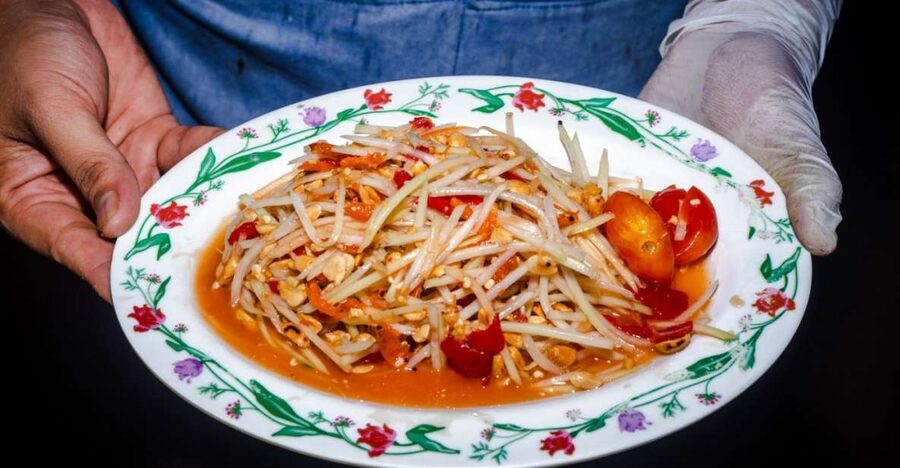
- Larb salad and tea leaf salad: the sour-herb reset
- Shan specialties, BBQ, and other Northern plates
- Market snacks and the surprising stuff
- Why the guide’s teaching style is a big deal (Moui, Aim, Noi, and others)
- Portion size is the real boss fight: how to pace yourself
- Price value: is $62 worth it for Chiang Mai food?
- Who this food tour is best for
- Should you book this Chiang Mai Northern Thai food tour?
- FAQ
- What’s included in the Chiang Mai food tour?
- How many tastings should I plan on?
- Where do I meet the group?
- Is the tour vegetarian or vegan friendly?
- What’s the group size?
- How long is the tour?
- Does the tour include alcohol?
- Should I book if I hate spicy food?
Key points before you go
- 15+ tastings over about 5 stops plus a market finale, with family-style servings.
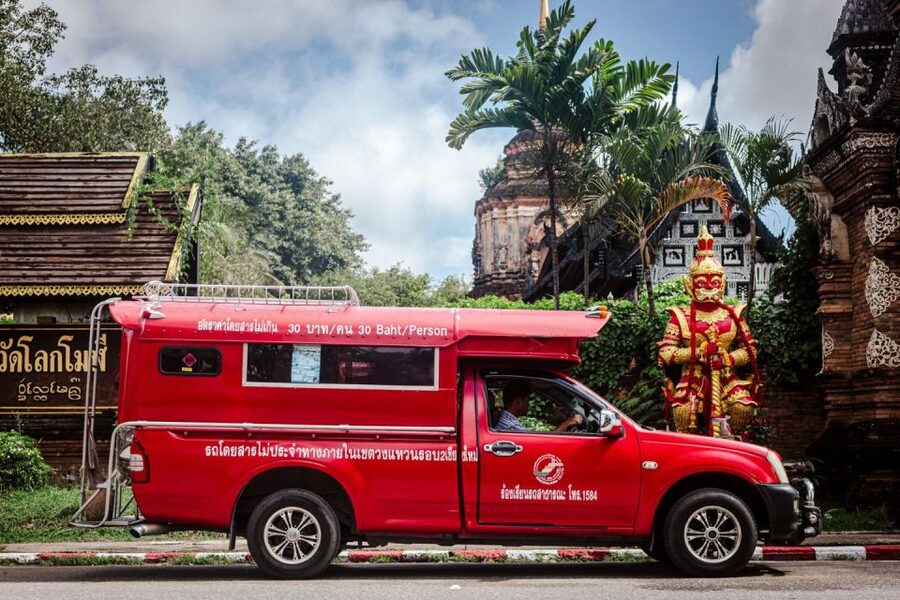
- Private red songthaew ride (rod daeng) keeps you moving without nonstop walking.
- Northern Thai focus, including dishes like khao soi, sai oua, labb-style salads, and tea leaf salad.
- Guides often teach with spice-smelling demonstrations and ingredient show-and-tell, not just talking.
- The ending includes a wet/dry market style browse and a market-food finish.
- Pace matters: many people recommend skipping breakfast and bringing patience for the big-eating portion.
Northern Thai food in Chiang Mai, served in a smart order
Chiang Mai’s food scene is everywhere—on corners, under awnings, and inside little markets. The smart part of this tour is how it turns that chaos into a sequence you can actually follow. You hop from spot to spot, snack to snack, with a guide steering you toward Northern Thai specialties.
I like that the food isn’t only about taste. You’ll also hear how the region’s ingredients and influences shape what ends up on the plate. That means when you get something spicy, fermented, herbal, or rich, you’ll know why it tastes that way and what to look for next time you eat it in Thailand.
The other big win: you don’t just try a few iconic items and call it a day. You sample enough variety to notice patterns—like how sour and fresh herbs work alongside deep savory flavors in Northern Thai cooking.
You can also read our reviews of more food & drink experiences in Chiang Mai

Meeting at Wat Lok Molee and cruising the old city in a red songthaew
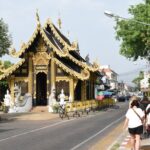
Your tour starts at the grounds of Wat Lok Molee Temple, near the city center. Go in, then turn left; your guide will be waiting under a large decorated tree next to the four-headed statue. If you’re arriving by taxi, the address detail you’ll want is วัดโลกโมฬี ถนน มณีนพรัตน์.
Once you’re set, you ride around in a private songthaew (rod daeng). It’s not just transportation—it’s part of the experience because you get breaks from heat and sun, and you can go farther than you’d comfortably walk in a few hours.
A lot of the praise centers on how smoothly the day flows: you’re constantly moving between places, but you’re not stuck standing around waiting for the group. If you’re traveling with limited mobility or you just don’t want to do nonstop sidewalk time, this truck-based format is a practical advantage.
The itinerary’s rhythm: multiple stops, one guided flow
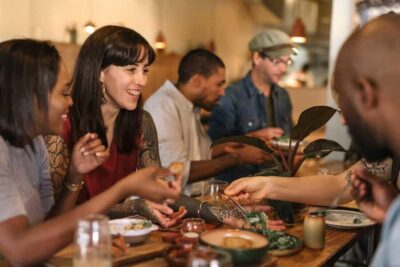
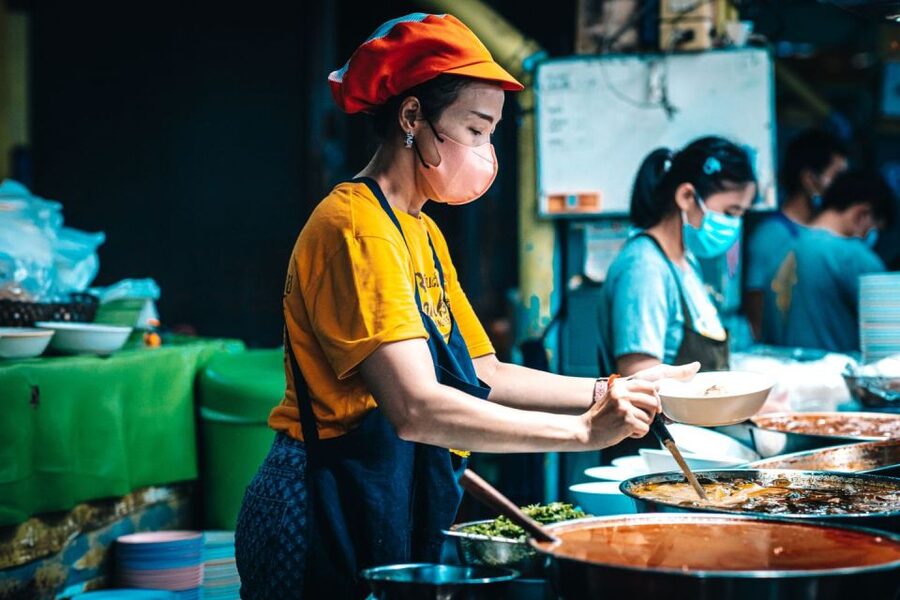
You should plan on about 5 food locations during the tour, including the market segment later on. Each stop is set up so you can eat a bunch without feeling like you’re stuck at one restaurant for ages. In a small group (up to 8 participants), your guide can keep things moving and make sure the table is ready when you arrive.
Instead of a single long lecture, you get a repeating pattern: a new dish appears, your guide explains what goes in (and why), and then you taste. That keeps your attention sharp, especially when the dishes range from crispy and rich to sour and herbal.
Also, come ready for a full day of eating. Multiple people mention being stuffed by the end, and the best advice is simple: don’t schedule a heavy breakfast beforehand. If you want to enjoy dessert and snacks at the end, you’ll be glad you did.
15+ tastings you can expect, with Northern Thai flavors explained
This tour is built around 15+ tastings, and the highlight isn’t one food—it’s the mix. You’re likely to see classic Northern Thai comfort food alongside street snacks and regional variations that you might never order on your own.
Here are dishes that come up again and again in the experience details and guest favorites, plus what to pay attention to when you taste them.
Khao soi: the creamy-noodle benchmark
Khao soi is one of the signature Northern dishes people come for in Chiang Mai. It’s comforting, saucy, and layered, so it’s a great early anchor: once you know what the dish is supposed to feel like, you’ll better understand later flavors you try.
When you taste it on the tour, listen for the explanation about the sauce and how Northern cooking balances richness with spice. Even if you think you already know khao soi, this tour’s ordering and context make it easier to notice the finer points.
A few more Chiang Mai tours and experiences worth a look
Sai oua: lemongrass-stuffed, herb-forward sausage
You’ll likely visit a market or food stop where lemongrass-stuffed sai oua shows up. This sausage isn’t just about heat—it’s about aroma and herb intensity.
If you’re the type who usually chooses food based on texture, sai oua is a good lesson in how Northern flavors can be bold without tasting random. You’ll often get something that smells bright first, then turns savory and spicy as you keep chewing.
Crispy pork belly from a claypot style cook
Crispy pork belly cooked in claypots is a major fan favorite. This is the kind of dish that rewards attention: fat meets crisp edges, and the flavor deepens because it’s been cooked in a traditional, slow-and-steady way.
One smart move here is to eat slowly. People get full fast on this tour, and pork belly can be heavy. If you take your time, you’ll enjoy it more and still have room for the later sour and herb dishes.
Larb salad and tea leaf salad: the sour-herb reset
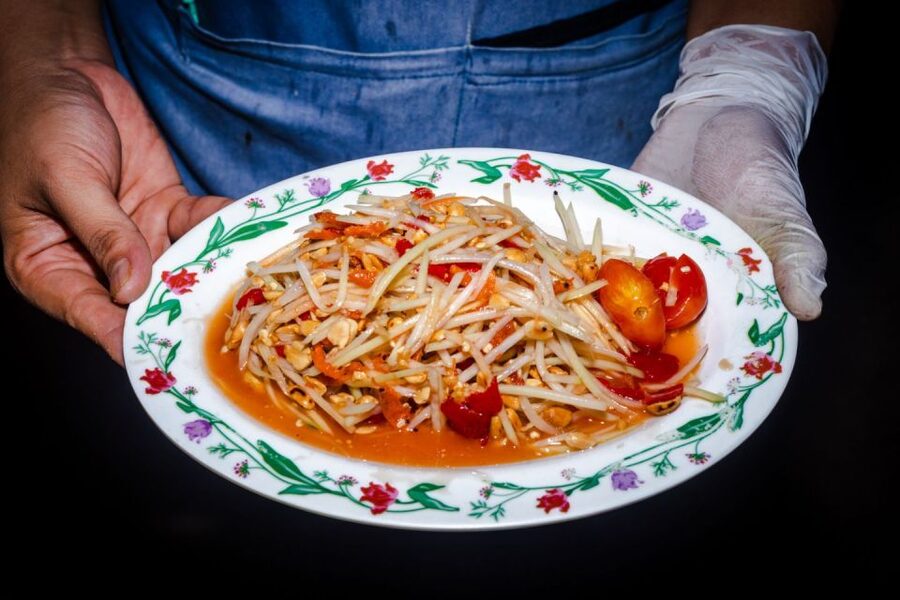
Northern Thai salads are where the tour stops feeling one-note. Dishes like larrb (labb-style salad) and tea leaf salad bring citrusy tang and fresh herb character that balances the rich fried and braised items earlier.
These are your palate reset. If you’ve had spice already, these salads can feel like a reset button: bright, cooling, and sharp in the best way.
Shan specialties, BBQ, and other Northern plates
The tour also points you toward Shan specialities, plus grilled and savory dishes that reflect the region’s food variety. One theme that repeats in the descriptions is that the guide helps connect these dishes to the broader regional culture—so you understand how cross-border influences and local ingredients show up on the plate.
If you’re a foodie who likes discovering food beyond the common tourist choices, this is the part you’ll feel most: you’re not just repeating what you see on menus back home.
Market snacks and the surprising stuff
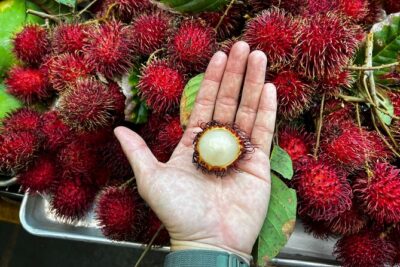
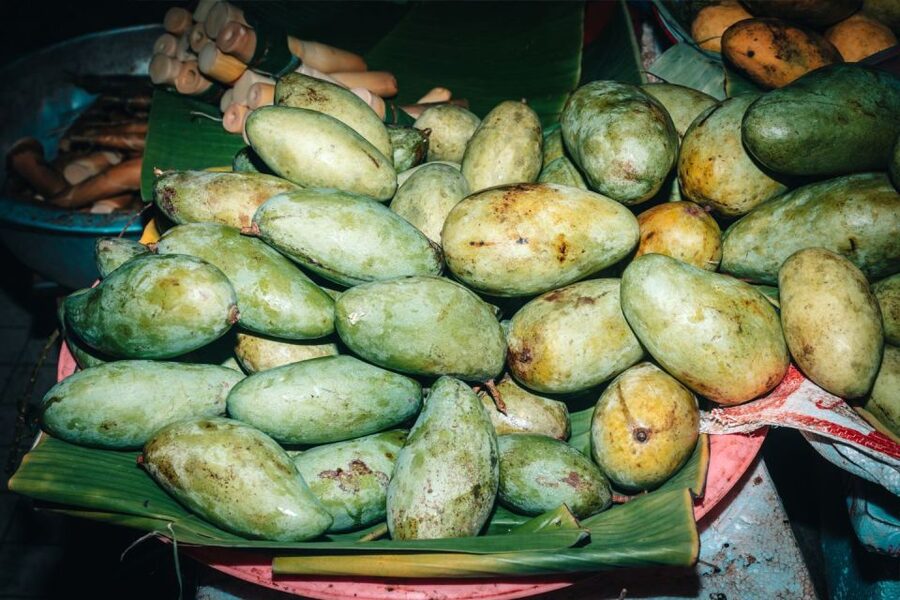
At the market finale, you’ll get more than a stroll. You’ll taste desserts and snacks, and the ending can include a spread-style finish with market foods. In some cases, guests mention trying more adventurous bites such as insects or fermented items like dried fermented soy bean paste, depending on what’s available and what the tour includes that day.
Important: this tour is explicitly not suitable for vegans, vegetarians, pescatarians, and it’s also not for people with certain allergies or who can’t consume soy sauce. If you fall into those categories, you’ll want to skip this one.
Why the guide’s teaching style is a big deal (Moui, Aim, Noi, and others)
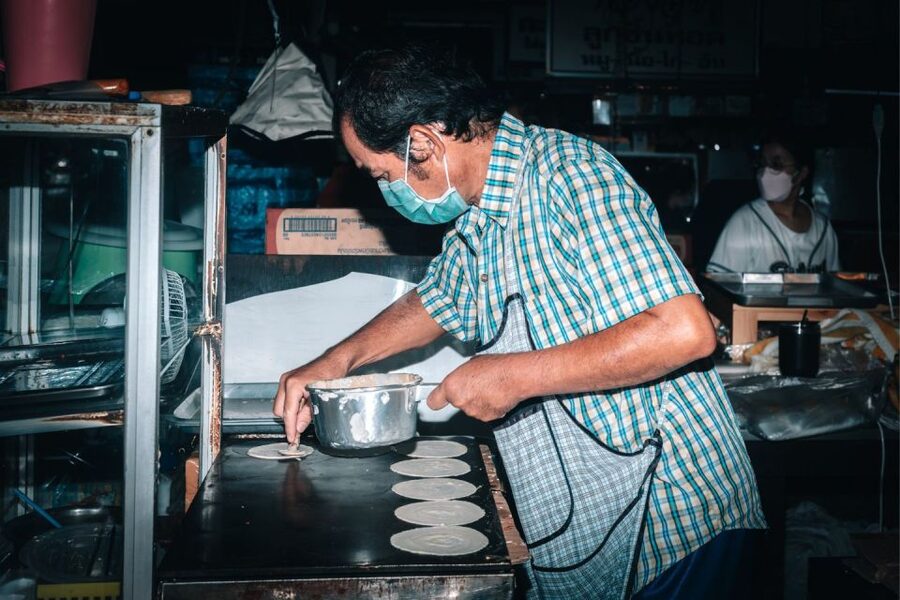
The guides are repeatedly praised, and it’s not just for friendliness. It’s for how they explain flavor and ingredient logic.
Names that show up in the experience details include Moui (often spelled MoUi), Aim, Noi, Indy, Muang, and Bun. Across those different guides, the common thread is hands-on learning. One of the most memorable examples from the descriptions: guides carry items like spice blends to smell and other ingredients such as dried fermented soy bean paste. That makes the history and the cooking choices feel immediate instead of abstract.
You’ll also hear cultural context tied to the dishes. People like the way the tour explains influences behind Northern Thai cooking, not just recipes. That’s a big reason food tours can feel fun and educational instead of just eating-on-a-timeline.
And yes, there’s practical value here too. A good guide helps you understand what to order later. By the end, you’re not just stuffed—you’re more confident about choosing similar dishes on your own in Chiang Mai and beyond.
Portion size is the real boss fight: how to pace yourself
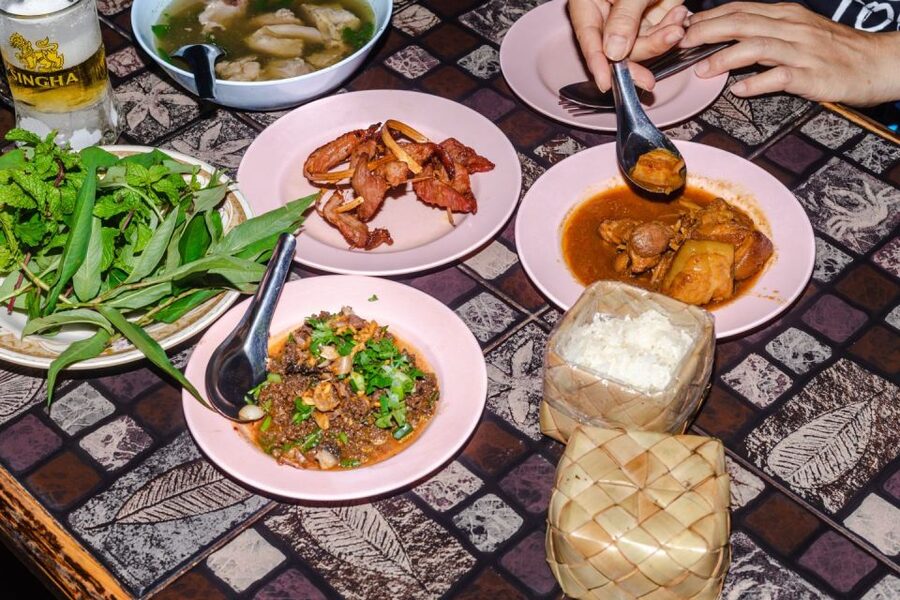
This is one of those tours where the food amount can sneak up on you. Lots of guests emphasize that you will eat a lot, often more than expected.
So here’s the practical strategy:
- Skip breakfast if your tour time is late enough that you can still function after.
- Eat, but pace between courses. If you rush, you’ll hit the wall before the market sweets.
- Bring comfortable shoes. Even with the truck ride, you’re moving through markets and small areas.
Also, note the tour runs come rain or shine, so plan for weather. Bring an umbrella if rain looks likely, plus weather-appropriate clothing.
Price value: is $62 worth it for Chiang Mai food?
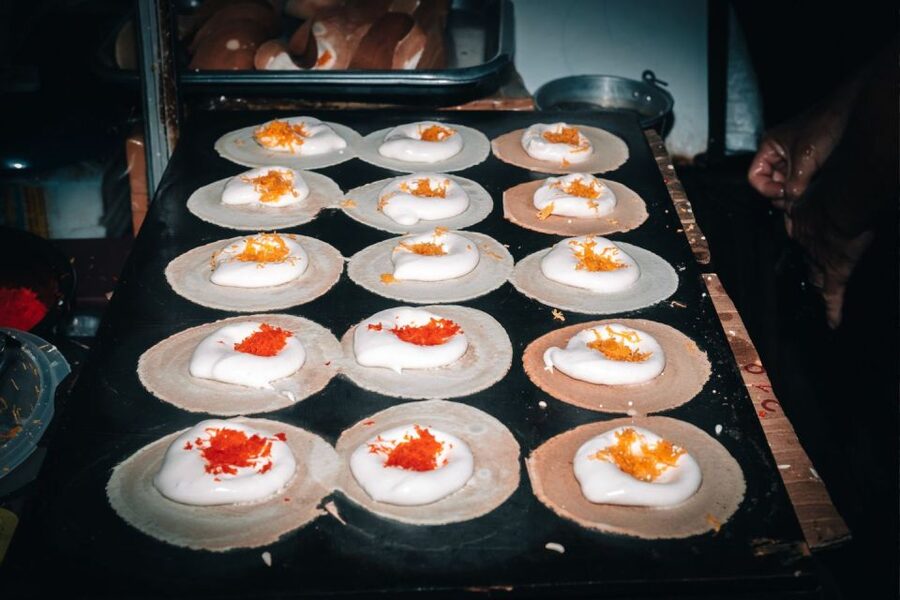
At $62 per person for about 4 hours, you’re paying for three things: 15+ tastings, a live English guide, and transport (including the private songthaew ride). You also get bottled water and soft drinks.
If you were to buy this many dishes and snacks on your own, you’d spend a lot just on food. Add in the time cost of figuring out where to go and how to order, and the tour price starts to make sense—especially for Northern Thai food, where the best bites can be hard to guess from English menus.
The small group limit (up to 8) is another quiet value point. It keeps the experience personal enough that your guide can explain dishes as you eat, instead of rushing through explanations because the group is too big.
One note: the tour price does not include alcohol, and there’s no hotel pickup/drop-off. If you can get yourself to Wat Lok Molee easily, you’ll get more value out of the included transportation.
Who this food tour is best for
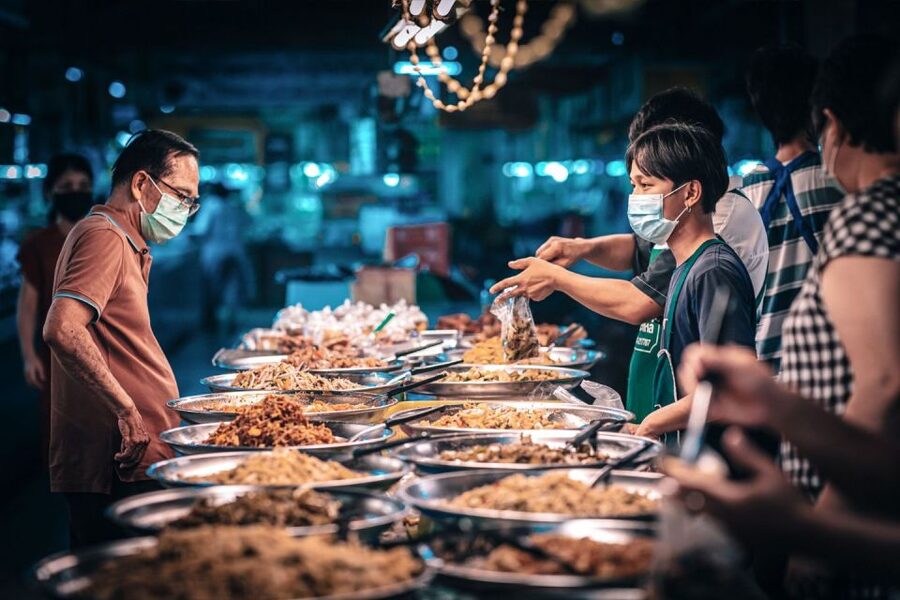
This is best for you if you:
- Want Northern Thai cuisine specifically, not only general Thai staples
- Enjoy street food and small local restaurants
- Like learning why food tastes the way it does
- Prefer a structured route over guessing where to eat
It’s a poor match if you:
- Need a vegetarian/vegan option (this tour is not suitable)
- Have severe allergies or can’t eat soy sauce
- Are avoiding nut allergens (this tour notes nut allergies as not suitable)
- Expect a gentle, small-snack experience instead of a big eating day
If you’re visiting for the first time and you want to build a mental map of Chiang Mai food beyond the most obvious places, this tour is a strong use of time.
Should you book this Chiang Mai Northern Thai food tour?
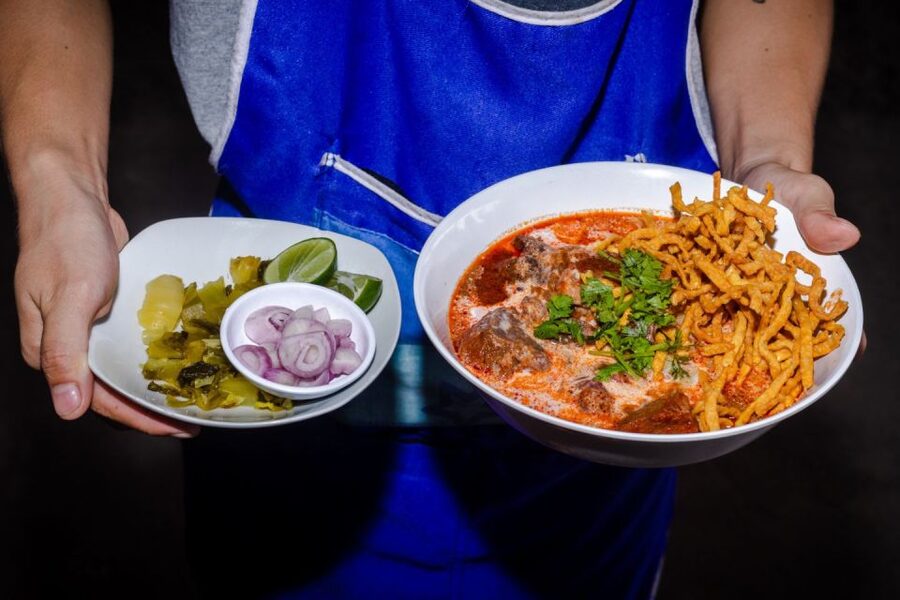
If you’re a serious eater and you want Chiang Mai’s Northern flavors, I’d book it. The combination of 15+ tastings, the private songthaew ride, and guides like Moui, Aim, and Noi who explain dishes with real ingredient context makes it feel worth the money.
Skip it only if your diet needs a vegetarian or allergy-safe format. Otherwise, go hungry, wear comfy shoes, and let the guide do the ordering work. You’ll come away with more than full stomach—you’ll have a better sense of what to look for the next time you’re hunting Northern Thai food on your own.
FAQ
What’s included in the Chiang Mai food tour?
The tour includes 15+ food tastings, bottled water, soft drinks, a guide, and transportation.
How many tastings should I plan on?
You should plan for 15+ tastings during the 4-hour tour.
Where do I meet the group?
Meet at the grounds of Wat Lok Molee Temple. Enter the temple grounds, turn left, and look for the guide waiting under a large decorated tree next to the four-headed statue. If taking a taxi, use วัดโลกโมฬี ถนน มณีนพรัตน์.
Is the tour vegetarian or vegan friendly?
No. The tour is not suitable for vegetarians or vegans (and also not for pescatarians).
What’s the group size?
It’s a small group, limited to 8 participants.
How long is the tour?
The duration is 4 hours.
Does the tour include alcohol?
No. Alcohol is not included.
Should I book if I hate spicy food?
The tour information doesn’t say it can be adjusted for spice levels. Since it includes a wide mix of Northern Thai dishes and snacks, you should consider whether you can handle spicier flavors before booking.