REVIEW · BERLIN
East Meets West: Berlin Food Culture & Street Art
Book on Viator →Operated by Fork & Walk - Food Tours Berlin · Bookable on Viator
Berlin eats meet street art.
This 3.5-hour tour strings together food, murals, and WWII-to-Communist-era neighborhood stories as you move from Friedrichshain into Kreuzberg. I like that it’s a small group (max 8), so the guide can answer your questions instead of rushing everyone along.
You also get a practical mix of tastes, from Berlin classics like schnitzel and currywurst to immigrant food and coffee culture in areas where those flavors grew roots. A bonus: you’ll visit the East Side Gallery and also stop for major street-art sights tied to the city’s split past.
One thing to consider: this is not a full sightseeing day. It’s timed around food stops and short looks at key murals, so if you’re expecting long museum-style history blocks, you may find the pacing a bit tight.
In This Review
- Key highlights worth your attention
- Route and timing: a 3.5-hour Berlin walk that feeds you
- Why this Friedrichshain-to-Kreuzberg route works for food and art
- Friedrichshain: getting the East Berlin context before you start eating
- East Side Gallery: political street art plus the Wall you can touch
- Kreuzberg’s story starts with what it tastes like
- Schnitzel stop: Berlin style at Scheers Schnitzel
- Street Art Berlin: murals as the conversation between East and West
- Slava Berlin: Ukrainian soul food and nalivanki
- Leylak and the Turkish Kreuzberg connection
- Currywurst myth and Ketels Curry
- Brammibal’s Donuts: vegan sweetness to close the loop
- Markthalle Neun: the market hall that survived the war
- The tasting math: what you’re likely to eat in real terms
- Coffee, Arabic eats, and a real mix beyond German comfort food
- Price and value: what you’re paying for at $169.38
- Who this Berlin food and street-art walk fits best
- Should you book East Meets West: Berlin Food Culture & Street Art?
- FAQ
- What food and drinks are included?
- Is there a vegetarian option?
- How much walking is involved, and what should I bring?
- Where does the tour start and end?
- Is the BVG public transportation ticket included?
- Can I get a full refund if I cancel?
Key highlights worth your attention
- Max 8 people keeps the walk more personal and Q&A easier
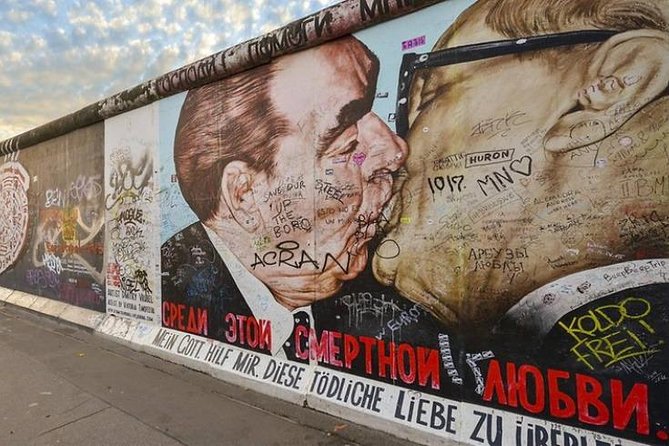
- East Side Gallery + still-standing Wall section gives real context to the street art
- 6 local tastings plus beverages and Berliner Pilsner means you’ll eat, not just nibble
- Kreuzberg’s food mix spans Ukrainian, Turkish, and classic Berlin comfort food
- Street-art focus means murals aren’t just decoration; they’re part of the story
Route and timing: a 3.5-hour Berlin walk that feeds you
The tour runs about 3 hours 30 minutes and starts at 12:00 pm from Industriepalast Hostel on Warschauer Str. 43 in Friedrichshain. It ends at U Kottbusser Tor (good if you want to hop back on the subway right after).
You’ll do a moderate amount of walking, so wear comfortable shoes. If the weather turns, bring a rain jacket or poncho, because Berlin days can switch from fine to sloppy quickly.
Also note: it’s offered in English, and you can choose a vegetarian option if you request it at booking. If you have dietary requirements beyond vegetarian, tell the operator ahead of time so the tastings can be planned.
You can also read our reviews of more food & drink experiences in Berlin
Why this Friedrichshain-to-Kreuzberg route works for food and art
This route is smart because it tracks Berlin’s story in the places where people actually live and eat. Friedrichshain is tied to East Berlin identity, and Kreuzberg is where the city’s mix of communities shows up loudly in restaurants, bakeries, and street food.
You also get the contrast you came for: you’ll see political murals connected to the Berlin Wall, then move into neighborhoods where modern culture is expressed through food and street-level creativity.
The small-group format matters here. When the guide points out what you’re eating and what you’re looking at, you understand how the city’s history shows up in daily life.
Friedrichshain: getting the East Berlin context before you start eating
Your first stop is Friedrichshain, and the focus is the neighborhood’s revolutionary East Berlin energy. Even with a short stop, it sets a tone: this isn’t only about tasting food, it’s about understanding why these neighborhoods feel the way they do today.
From there, your guide’s job is to connect the past to the sidewalks you’re walking. That connection shows up later when the tour shifts into the Wall story and the street-art scenes.
Practical note: Friedrichshain is also one of those areas where it’s easy to wander and lose track of why things look the way they do. Having a guide helps you keep your bearings fast—without needing a giant map.
East Side Gallery: political street art plus the Wall you can touch
The East Side Gallery stop is one of the anchors of the experience. You’ll explore the former Berlin Wall, including the longest stretch of still-standing Wall and the political street art along it.
This matters because the art here isn’t random graffiti. It’s a record of how people used walls as political language—especially after the Wall became a symbol with a changing meaning.
You’ll spend about 20 minutes on this section, with time to look closely. And yes, this is a place where photos make sense—but the bigger value is hearing what the murals are saying and how they relate to the city’s split and reunification story.
Kreuzberg’s story starts with what it tastes like
After Friedrichshain and the Wall murals, the tour crosses into Kreuzberg, a former West Berlin neighborhood known for its food trends, funky bars, and strong immigrant communities. The walk-through is designed so you learn the neighborhood’s meaning while your stomach is already gearing up for what comes next.
Think of Kreuzberg here as a living timeline. Food culture is showing you the city’s migration stories in a way that’s easier to remember than dates on a plaque.
Your total time in Kreuzberg across stops is significant, so the tour doesn’t treat the area as scenery. You’re there long enough to feel the neighborhood’s character, then eat in the places that help create it.
A few more Berlin tours and experiences worth a look

Schnitzel stop: Berlin style at Scheers Schnitzel
Next comes a classic: Scheers Schnitzel, described as a Berlin institution served Berlin style. This is your chance to ground the tour in a dish Berlin is known for—so later when you try currywurst, Ukrainian food, and Turkish street food, you can see the contrasts clearly.
The stop itself is short (about 15 minutes), so don’t expect a sit-down meal marathon. Do expect a well-timed tasting that fits the flow of the day and keeps you moving toward the street-art parts.
If you love comfort food, this is where you’ll likely feel the biggest immediate payoff. It’s also a good palate reset before the more regional flavors.
Street Art Berlin: murals as the conversation between East and West
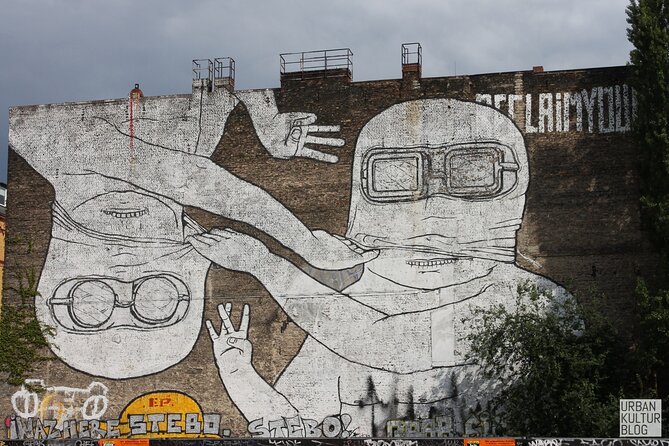
You’ll then head to Street Art Berlin, where the neighborhood is described as a mecca for street art in Europe. The point isn’t just to see famous murals—it’s to learn how stories of East and West, past and future get written onto walls.
You’ll spend about 15 minutes at this stage, and the goal is focused: see one of the world-famous murals and understand the context behind it.
If you’re a street-art fan, you’ll appreciate that the tour treats murals like a language. Instead of random sightseeing, you’re getting guided interpretation while the city keeps moving around you.
Slava Berlin: Ukrainian soul food and nalivanki
Now the tour shifts into immigrant food with Slava Berlin! Ukrainian Soulfood & Nalivanki. This stop is led by immigrant women and centers modern Ukrainian food in Berlin.
You’ll have around 20 minutes here, which is enough time to taste and learn the story behind the menu choice rather than just checking off a location. The mention of nalivanki is a helpful clue: this stop isn’t only about savory bites, it’s also about drinks that come from the same cultural world as the food.
If you like tasting your way through migration stories, this is one of the most meaningful stops. The flavors give you something concrete to remember, not just history.
Leylak and the Turkish Kreuzberg connection
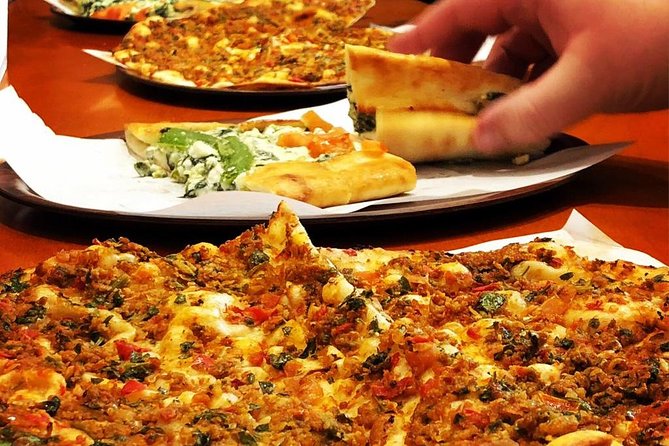
Then comes Leylak, which focuses on the Turkish influence that helped reshape Kreuzberg through the 80s and 90s. The tour frames Berlin as home to the largest Turkish population outside Turkey, and it uses that context to explain why you see Turkish restaurants and street food so deeply in this neighborhood.
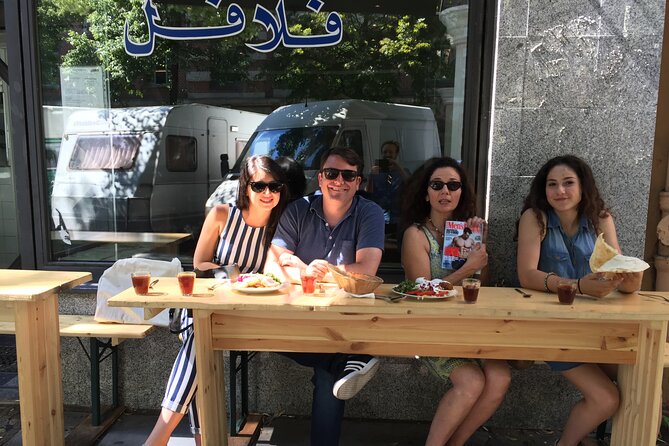
At Leylak, you’ll taste typical street-food recipes from the Anatolian region. You’ll spend about 20 minutes, and this is another “food first” stop where your job is to follow the guide’s direction and taste with curiosity.
One practical upside: by the time you reach Leylak, you’ve already had schnitzel and street-art context, so the Turkish flavors land with extra clarity. You can feel how different communities built their own daily traditions here.
Currywurst myth and Ketels Curry
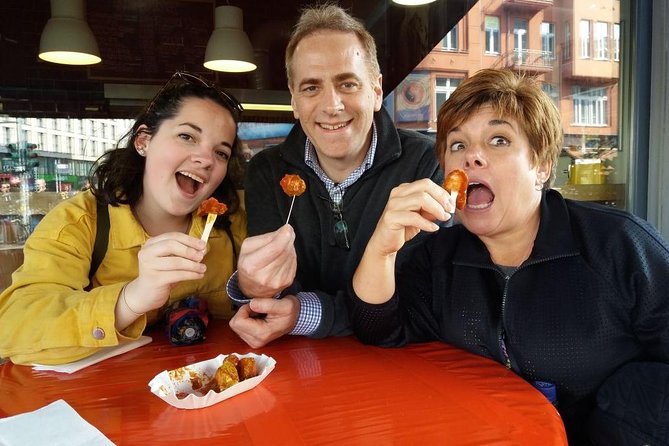
Next: Ketels Curry, tied to the story of currywurst—described as an “infamous” tale that changed Berlin’s culinary face. The tour says the story is hidden and that many Berliners don’t even know it, which is the kind of detail that makes a simple snack feel like a mini-mystery.
You’ll have about 20 minutes at this stop. That’s enough time to taste, learn the origin story, and understand why currywurst became the classic it is.
Even if currywurst isn’t your usual order, this stop is where you often get that “oh, I get why this is Berlin” moment.
Brammibal’s Donuts: vegan sweetness to close the loop
To finish strong, the tour heads to Brammibal’s Donuts (Maybachufer) for vegan donuts. The description leans into the idea that Berlin has a serious vegan scene, and the stop is your dessert payoff.
You’ll spend about 20 minutes here, and it’s timed as the final sweet note after all the savory tastings. If you’re the type who always saves room, you’ll love having dessert that still fits the tour’s theme of modern Berlin food culture.
Markthalle Neun: the market hall that survived the war
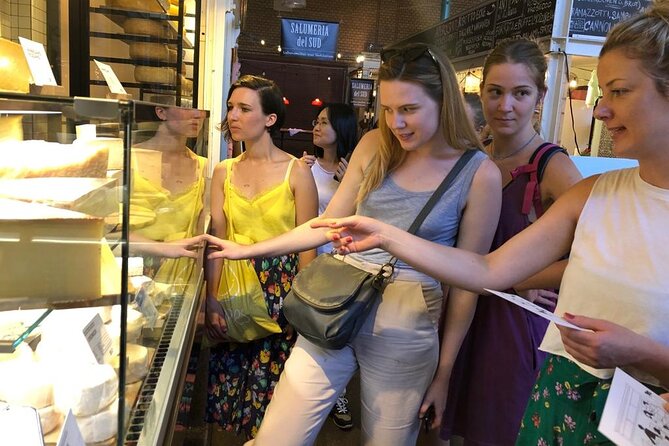
One of the best “pause and look” stops is Markthalle Neun. This is a refurbished 1900s market hall that survived WWII annihilation and avoided total replacement by commercial forces long enough to remain a local icon.
The tour says it regularly hosts event programming and brings together some of the finest food and beverage people in Berlin with producers from beyond the city. In other words, this isn’t a theme market. It’s a working food space where the mix of vendors keeps changing.
You’ll have about 30 minutes here, which is longer than most tastings-focused stops. That extra time helps because it gives you a chance to step back from the walking and actually watch how the market functions.
If you like understanding how food culture is organized, this stop is a big part of why the tour feels more than just a snack run.
The tasting math: what you’re likely to eat in real terms
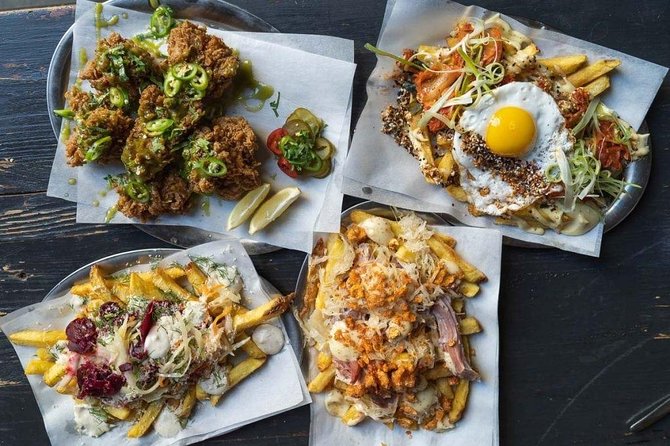
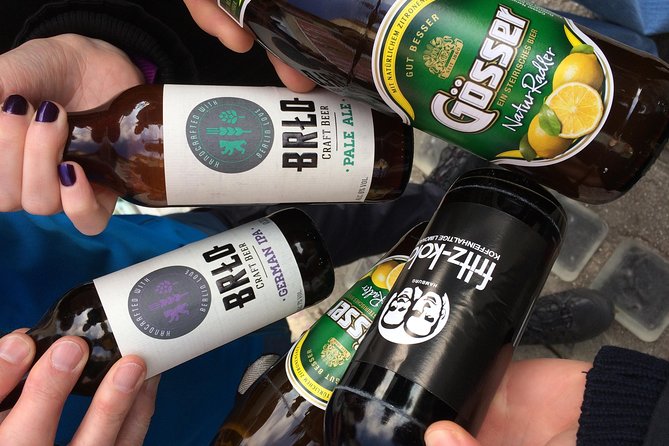
The tour includes 6 local tastings, plus beverages and a local Berliner Pilsner beer. That’s a lot of calories for 3.5 hours, and the design is clear: you should come hungry and leave full.
One more detail from the experience style: people have noted they skipped breakfast and ended up skipping dinner later because portions were enough. That’s a good sign for value, because tastings that barely register aren’t much of a win.
Your best move is simple: treat this like your main meal. If you’re the type who always eats breakfast, keep it light—then arrive ready to taste.
Dietary help is available. The tour states a vegetarian option is available if requested at booking. For other dietary requirements, you’ll need to advise the operator in advance so they can adapt the tasting plan.
Coffee, Arabic eats, and a real mix beyond German comfort food
The highlights describe a mix that goes beyond standard German food. You should expect tastings ranging from Arabic eats to hipster coffee, alongside the more obvious Berlin staples and immigrant cuisine stops.
That combination is what makes the tour feel like East Meets West, not East Meets One Type of Food. You’re watching Berlin’s identity show up in different culinary traditions, tied together by one guided route.
If coffee matters to you, don’t assume it will be a throwaway stop. The tour is built around coffee culture, so plan to actually pay attention to what you’re ordering and why.
Price and value: what you’re paying for at $169.38
At $169.38 per person for about 3.5 hours, the price only makes sense if you care about both guided context and multiple tastings. You’re not paying just for food. You’re paying for a guide, a small-group experience (max 8), and a structured route through neighborhoods you might not pick on your own.
Here’s what supports the value:
- 6 local tastings plus beverages and Berliner Pilsner are included
- Major stops are built around East Side Gallery and Wall-adjacent street art
- The route crosses Friedrichshain to Kreuzberg, tying food choices to neighborhood history
- The tour operates from a public-transit-friendly start point and ends near U Kottbusser Tor
The key trade-off is also clear: because it’s a tasting walk, it doesn’t give you hours for museums or deep monument sightseeing. If your priority is long, standalone sightseeing, you might feel like you’re moving more than you want.
But if you want the practical payoff—eat well, walk smart, and understand what you’re seeing—this pricing lands in the right zone.
Who this Berlin food and street-art walk fits best
This tour is a good match if you want:
- Street art with explanations, not just photos
- Food that reflects Berlin’s community mix, including Ukrainian and Turkish influences
- A half-day plan that still feels like it has a point, especially for first-timers
It’s also good for people who enjoy history but don’t want a textbook pace. The tour includes WWII and Communist-era context plus references like SS soldier traces in the neighborhood narrative, delivered in a way that’s meant to stick through the day’s tastings.
If you’re traveling solo and want group energy without crowds, the small group format helps. If you hate walking, you’ll want to think twice, because the plan does include enough movement to matter.
Should you book East Meets West: Berlin Food Culture & Street Art?
I’d book it if you’re hungry for both Berlin food culture and street-art storytelling in a single afternoon. The combination of Wall-era murals, Kreuzberg’s immigrant food stops, and a market hall like Markthalle Neun gives you variety that doesn’t feel random.
Skip booking if you mainly want major sightseeing time or you’re aiming for a laid-back pace with minimal walking. This tour is built around tastings and guided looks, not long waits and deep museum hours.
FAQ
What food and drinks are included?
The tour includes 6 local tastings, beverages, and a local Berliner Pilsner beer.
Is there a vegetarian option?
Yes. A vegetarian option is available, and you should request it at booking.
How much walking is involved, and what should I bring?
There’s a moderate amount of walking. Wear comfortable walking shoes and consider a rain jacket or poncho, since weather can change.
Where does the tour start and end?
It starts at Industriepalast Hostel, Warschauer Str. 43, 10243 Berlin and ends at U Kottbusser Tor (U8 and U1 line). The operator may adjust the exact meeting details by season and will reconfirm by email.
Is the BVG public transportation ticket included?
No. The BVG transport ticket is not included, though the meeting point and route are near public transportation.
Can I get a full refund if I cancel?
Yes. The tour offers free cancellation, with a full refund available if you cancel at least 24 hours before the start time.