REVIEW · AMSTERDAM
Amsterdam: Private Red Light District and Food Tour
Book on GetYourGuide →Operated by Trigger Tours · Bookable on GetYourGuide
Street corners tell big Amsterdam stories. This private 2-hour walk links the Red Light District to Dutch food, and I love the way the guide explains the area using Dutch law and coffee shop culture, in plain language. I also love the food part: you’ll taste three classic Dutch bites like kroket, Dutch cheese, and stroopwafel.
One possible drawback is that the topic is adult and legal-history focused, so if you prefer a purely scenic tour, this one may feel too direct. Another thing to weigh: the tour is short, so don’t expect a full sit-down meal; the plan is three tastings, but if you end up with fewer than expected, ask your guide to clarify what’s included.
In This Review
- Key Highlights Worth Your Time
- Red Light District Meets Dutch Food: What This Tour Really Delivers
- How the 2-Hour Private Format Changes the Experience
- Meeting Point and Route Setup: Where You Start and How You Move
- Dam Square: The City’s Center as a Jumping-Off Point
- Oude Kerk and the Nearby Streets: Old Landmarks, Real City Atmosphere
- Amsterdam Chinatown: A Quick Cultural Contrast Within the Same Walk
- The Narrowest House in Europe: When Amsterdam Gets Literally Tight
- Grachtengordel and Canals: The Backdrop for Everything
- Warmoesstraat and Nieuwmarkt Square: Streets That Feel Like Regular Amsterdam
- Amsterdam Flower Market: A Sweet Finish Without Losing the Thread
- The Food Part: What You Taste and Why It Matters
- Kroket: The Comfort Bite
- Dutch Cheese: Simple, Local, and Easy to Appreciate
- Stroopwafel: The Sweet Finale
- Set Your Expectations on Portion Size
- Coffee Shop Culture and Dutch Law: How the Guide Keeps It Understandable
- Who This Tour Fits Best
- Price and Value: Is $112 Worth It?
- Practical Tips So You Enjoy It More
- Should You Book This Amsterdam Red Light District and Food Tour?
- FAQ
- How long is the Amsterdam Red Light District and food tour?
- Is the tour private?
- What does the tour cost?
- Where do I meet the guide?
- What food will I taste?
- What landmarks or areas are included?
- Does the tour include information about Dutch law and coffee shop culture?
- What languages are available?
- Is there free cancellation?
- Can I reserve now and pay later?
Key Highlights Worth Your Time
- Private group, 2 hours: a tight walk with time for questions.
- Dutch law + coffee shop culture: clear talk about prostitution legalization and marijuana toleration.
- Three Dutch tastings: kroket, Dutch cheese, and stroopwafel are built into the experience.
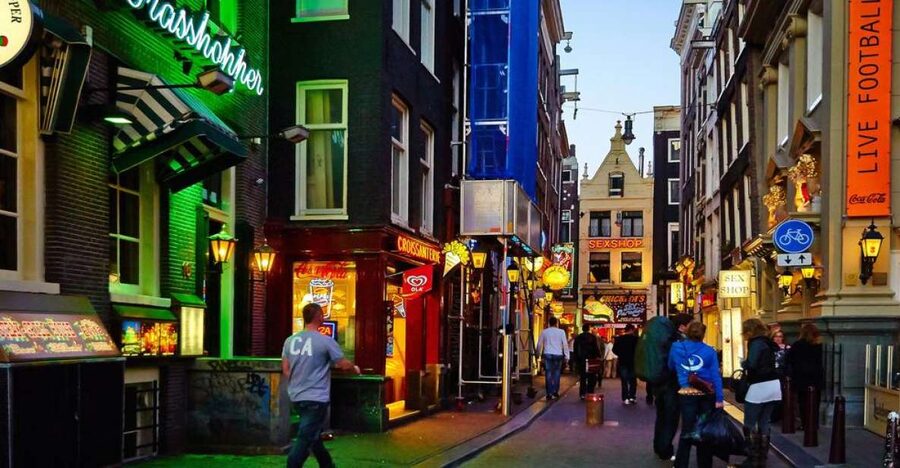
- Landmark route: Dam Square, Oude Kerk, Chinatown, Grachtengordel, Warmoesstraat, Nieuwmarkt, and the Flower Market.
- Local stories from the guides: reviews mention strong storytelling and comfort-building, including guides like Catherine, Aarre, and Katherine.
Red Light District Meets Dutch Food: What This Tour Really Delivers
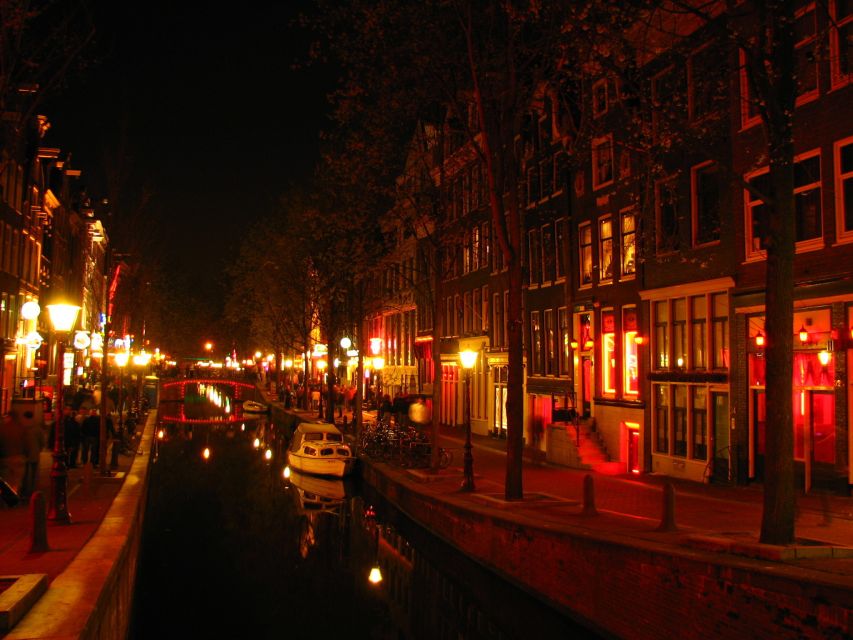
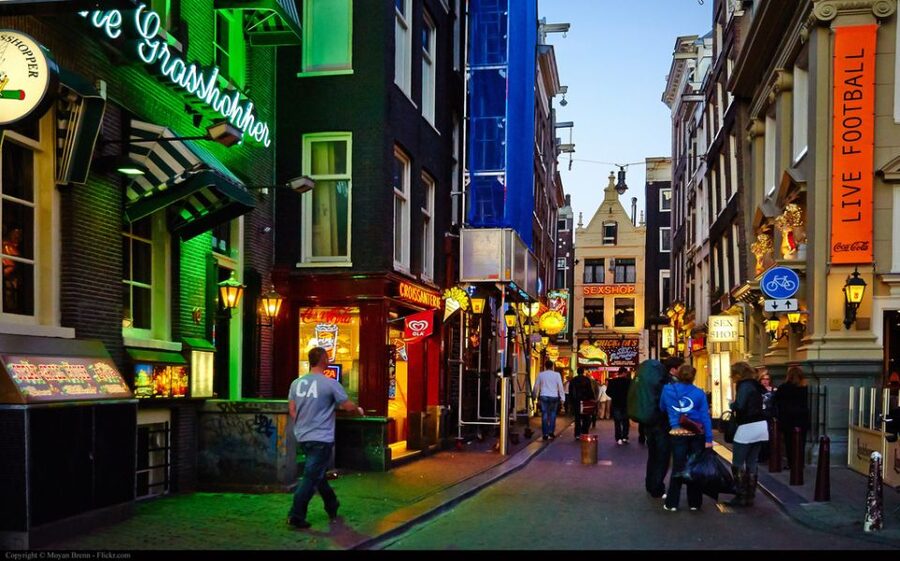
Amsterdam can feel like a puzzle. One street looks charming and then a block later you hit the Red Light District, with its rules, rumors, and very public reality. This tour doesn’t treat that contrast as a shock stunt. It treats it as context: why the area looks the way it does, how Dutch law shaped it, and how the city talks about coffee shops and cannabis culture.
The other half is pure, practical comfort: food. You don’t just hear about Dutch snacks and local habits—you taste them. That matters because Dutch food culture often reads as simple from the outside. A kroket is a kroket, sure, but when you learn what locals reach for and why certain street foods became standard, the bites make more sense.
You also get a private format. That usually means less awkwardness and more room for questions—especially important here, because the tour’s topic includes prostitution law and marijuana toleration.
You can also read our reviews of more food & drink experiences in Amsterdam



How the 2-Hour Private Format Changes the Experience
Two hours sounds short. It is short. But in Amsterdam, short can be smart if you want depth without fatigue.
In this tour, “private” is a real advantage. You’re not stuck watching a guide race past topics. You can ask where the stories connect to daily life: why coffee shops are discussed the way they are, how the city frames legalization, and what people mean by “toleration” in practice. The guide language options—Dutch, English, German, and Spanish—also help you feel fully included rather than catching only half the story.
The walk is built around a sequence of central sights and streets, so you’re moving through neighborhoods quickly. That’s good for seeing more than one side of the city. It also means you should wear shoes you can walk in without thinking.
Meeting Point and Route Setup: Where You Start and How You Move
You meet the guide at the main entrance of the Park Plaza Victoria Hotel. From there, the tour heads into the central-city walking loop that links major squares, churches, canals, and market streets, before returning to the area around Prins Hendrikkade 47A.
The route includes Dam Square early on, then keeps flowing through:
- the Oude Kerk area (the Old Church stop),
- Amsterdam Chinatown,
- the narrowest house viewpoint,
- canal-belt streets like the Grachtengordel area,
- Warmoesstraat and Nieuwmarkt Square,
- and the Amsterdam Flower Market area.
You’ll also hear about coffee shop culture and see well-known Red Light District landmarks along the walk. The point is that you experience the neighborhood as a street system, not as a single photo spot.
Dam Square: The City’s Center as a Jumping-Off Point
Dam Square is where Amsterdam feels most like a “main character.” It’s the kind of place where people gather, directions overlap, and you quickly realize you’re in the middle of things.
On this tour, Dam Square acts as a baseline. You get the city’s mood before the walk turns more sensitive. Then, as you move away from the most obvious tourist flow, the guide can connect what you’re seeing to how Amsterdam organizes daily life, including the legal framing that surrounds the Red Light District.
Oude Kerk and the Nearby Streets: Old Landmarks, Real City Atmosphere
The Old Church (Oude Kerk) stop is short, but it’s useful. You get a sense of Amsterdam’s older core while the guide sets up the idea that this area isn’t only modern entertainment. It’s layered.
Even if you’re not here for church architecture, this stop helps you reset your brain. Instead of treating the Red Light District as a separate world, you understand it’s tied into the same city fabric. That makes the guide’s legal and social explanations feel less like lecture and more like place-based storytelling.
A few more Amsterdam tours and experiences worth a look





Amsterdam Chinatown: A Quick Cultural Contrast Within the Same Walk
Amsterdam Chinatown is another short-but-smart stop. You’re not spending hours here, and you’re not meant to. It’s a contrast marker.
When you move from a legal-and-cultural discussion (Red Light District, coffee shops) into a neighborhood recognized for food and community, the city’s variety becomes obvious. You see how Amsterdam is built from different cultural pockets that sit side-by-side.
That matters because the food part of the tour doesn’t happen in a vacuum. You’re learning about Dutch street snacks while also witnessing the idea that this city eats its cultures in public.
The Narrowest House in Europe: When Amsterdam Gets Literally Tight
You’ll see the Narrowest House in Europe. Even for a quick photo stop, it lands. It’s a reminder that Amsterdam’s street grid is part history, part practicality, and part stubbornness.
The guide can use that kind of detail to explain how the city developed in dense quarters. Dense quarters are the backdrop for why the Red Light District is so visually recognizable and tightly packed. You get the physical “why” behind what might otherwise feel like pure spectacle.
Grachtengordel and Canals: The Backdrop for Everything
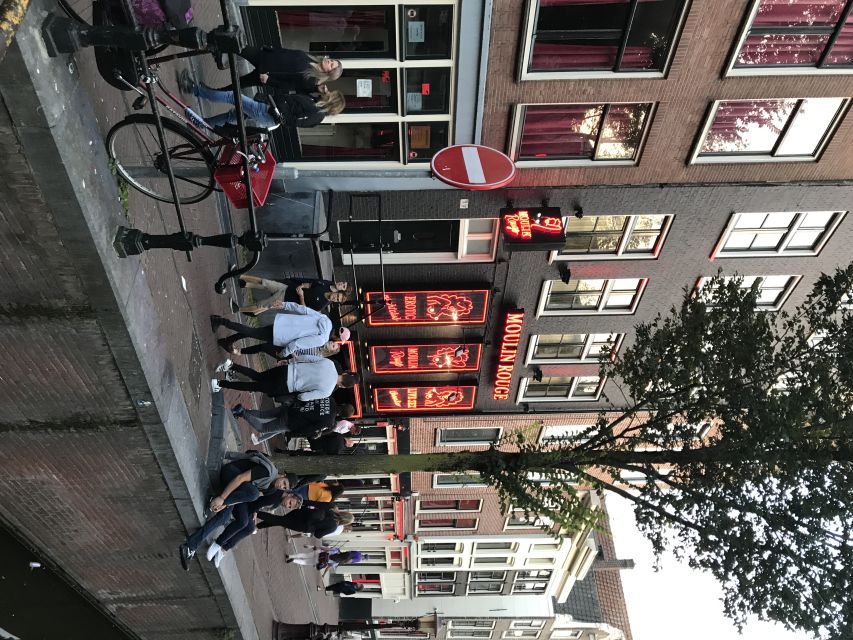
The route includes the Grachtengordel area, where Amsterdam’s canal-belt identity shows up right in the walk.
Canals are not a separate attraction in this tour—they’re a framing tool. As you move, canals and canal-belt streets remind you this is a long-lived city layout. When the guide talks about Dutch law, it doesn’t float in abstract space. It sits inside a real geography.
It also helps you pace the walk. If the Red Light District portion ever feels intense, canal streets give you a visual “breather” while the conversation stays going.
Warmoesstraat and Nieuwmarkt Square: Streets That Feel Like Regular Amsterdam
Warmoesstraat and Nieuwmarkt Square are where the tour starts to feel less like “one themed zone” and more like normal city life. That’s a good thing. It keeps the tour grounded.
You’re still in the center, still close to the Red Light District experience, but you’re also seeing how Amsterdam moves around the area. The guide’s talk about the legalization of prostitution and toleration of marijuana can feel heavy if you’re only surrounded by entertainment cues. These streets add balance.
Amsterdam Flower Market: A Sweet Finish Without Losing the Thread
The Amsterdam Flower Market stop is a practical payoff. After talking law, sex work policy, and coffee shop culture, you get something bright and everyday.
It’s also a reminder of what Amsterdam does best. This city takes attention-grabbing topics and mixes them with ordinary routines—markets, snacks, walking, and buying flowers like it’s any other day.
Even if flowers aren’t your thing, it helps end the tour on a lighter note.
The Food Part: What You Taste and Why It Matters
This tour includes tasting of three Dutch foods. The examples given are kroket, Dutch cheese, and stroopwafel. These aren’t random “tourist snacks.” They’re part of Dutch street-food identity.
Kroket: The Comfort Bite
A kroket is one of those foods you can understand fast: crispy outside, hot filling, easy to eat while walking. On this tour, it’s not just about eating. It’s about learning what locals treat as normal everyday comfort—especially in a city that loves food you can grab quickly.
If you like snack food, this is where the tour wins points because it feels like a real Amsterdam habit, not a museum plate.
Dutch Cheese: Simple, Local, and Easy to Appreciate
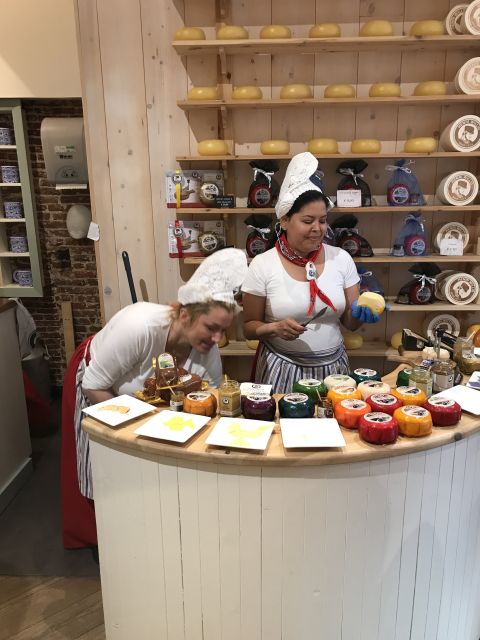
Dutch cheese has a reputation for a reason. During the tasting, you get a chance to connect the idea of cheese as a staple with how it shows up in daily eating patterns.
This is also a helpful counterpoint to the more serious Red Light District discussion. Cheese brings the focus back to something warm and familiar.
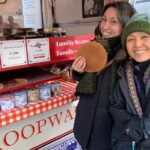
Stroopwafel: The Sweet Finale
Stroopwafel is famous for a reason. It’s sweet, comforting, and designed for bite-size pleasure. In the flow of the tour, it works like a mental exhale.
If you like sweet snacks, you’ll finish this walk happy instead of just informed. That matters because a lot of “history tours” can leave you full of facts but hungry.
Set Your Expectations on Portion Size
Here’s the honest note. This is a tasting tour, not a full meal. If you expect a big sit-down dinner level of food, you might feel underfed. The plan is three tastings, but the safest approach is to treat it as snack-sized.
If your group’s tastings feel short during the walk, say something politely to the guide. A good guide can usually clarify what was scheduled and adjust when possible.
Coffee Shop Culture and Dutch Law: How the Guide Keeps It Understandable
The tour includes educational insight about the Red Light District area and its coffee shop culture. You’ll also hear about Dutch law, specifically the legalization of prostitution and toleration of marijuana.
This is the part that makes the tour more than a walking photo set. Amsterdam handles these topics in a structured way, and the guide’s job is to connect the legal framing to what you see in the street.
The most useful guides also build comfort first. Reviews mention guides who made people feel at ease while explaining sensitive topics. Names that come up include Andrea, Catherine, Jay, Aarre, Katherine, and Agapios. So if your guide has that calm, story-led style, you’ll likely find the tone stays respectful rather than sensational.
Who This Tour Fits Best
I think this tour is ideal if:
- you want a short private walk instead of a long multi-hour expedition,
- you’re curious about how Amsterdam talks about law and tolerance in real life,
- you enjoy Dutch street snacks and don’t mind adult subject matter,
- you like learning through walking, not just sitting in a classroom.
You might skip it if:
- you want an all-pleasant, strictly family-friendly itinerary,
- you don’t want legal and policy discussion while walking through the Red Light District,
- you’re hungry for a full meal and dislike snack-only experiences.
Price and Value: Is $112 Worth It?
At $112 per person for a 2-hour private tour, you’re paying for three things at once:
1) a guide who can explain sensitive local topics,
2) time on foot through multiple central landmarks,
3) tasting of three Dutch foods.
In other words, you’re not just buying access to one attraction. You’re buying a focused evening story plus snack tastings. If you’d otherwise spend time bouncing between separate sights (and then ordering random food), this format can feel like good value because it bundles “context + food” in one guided loop.
The value question comes down to your priorities. If you care about food and you’re interested in how Amsterdam handles controversial issues through law and social policy, it’s a strong use of time. If you only want the food, you’ll likely find cheaper tastings elsewhere. If you only want the Red Light District sights, you might prefer a shorter walking history tour without food.
Practical Tips So You Enjoy It More
A few simple things help a lot on this kind of walk:
- wear comfortable shoes (it’s a walking loop),
- dress for Amsterdam weather changes, since you’ll be outside the whole time,
- come with a curiosity mindset, especially for the legal and coffee shop culture parts,
- if you’re sensitive about adult topics, decide ahead of time how you want the tour to feel.
Should You Book This Amsterdam Red Light District and Food Tour?
I’d book it if you want a private, time-efficient Amsterdam evening where you learn the “why” behind the Red Light District and coffee shop culture, and you finish with real Dutch snack tastings like kroket, Dutch cheese, and stroopwafel. The mix of landmarks—from Dam Square to Oude Kerk, through Chinatown and the canal-belt streets—keeps it from feeling one-note.
I wouldn’t book it if you’re looking for a light, purely scenic stroll or if snack portions won’t satisfy you. Treat it as a guided taste-and-education walk, not a full dinner experience.
If that matches your style, this is one of those tours where you leave with both a fuller story and a full mouth.
FAQ
How long is the Amsterdam Red Light District and food tour?
The tour lasts 2 hours.
Is the tour private?
Yes, it’s a private walking tour for a private group.
What does the tour cost?
The price listed is $112 per person.
Where do I meet the guide?
Meet the guide in front of the main entrance of the Park Plaza Victoria Hotel.
What food will I taste?
The tour includes tasting of 3 Dutch foods, such as a kroket, Dutch cheese, and stroopwafel.
What landmarks or areas are included?
The route includes Dam Square, the Old Church (Oude Kerk), Amsterdam Chinatown, the Narrowest House in Europe, the Grachtengordel, Warmoesstraat, Nieuwmarkt Square, and the Amsterdam Flower Market.
Does the tour include information about Dutch law and coffee shop culture?
Yes. You’ll hear educational insight about the area and its coffee shop culture, and about Dutch law, including legalization of prostitution and toleration of marijuana.
What languages are available?
The live tour guide is available in Dutch, English, German, and Spanish.
Is there free cancellation?
Yes. You can cancel up to 24 hours in advance for a full refund.
Can I reserve now and pay later?
Yes. The option listed is reserve now & pay later, so you can book without paying today.