REVIEW · AMSTERDAM
Amsterdam: Jordaan District Local Food Walking Tour
Book on GetYourGuide →Operated by Eating Europe Food Tours · Bookable on GetYourGuide
Six bites, one great canal walk. This Amsterdam food tour through the Jordaan is part snack run, part neighborhood story, with 6 stops and guide-led walks that make the city feel personal.
I love that the tastings are built around what Amsterdammers actually order, not tourist leftovers, and you’ll keep moving from canal corner to cozy bar without feeling rushed. I also like how the guide connects Jordaan history to the flavors in front of you, from working-class roots to its current trendy reputation.
One drawback: it involves walking and it’s not suitable for wheelchair users or people with mobility impairments.
In This Review
- Key highlights worth showing up for
- Jordaan, canals, and your first snack stop
- The pacing: 3 hours that don’t feel like 3 hours
- Stop-by-stop: how the 6 tastings build a real Amsterdam meal
- Stop 1: the canal-bridge cafe with Jordaan’s origin story
- Stop 2: a Dutch-friendly “brown café” style tasting
- Stop 3: savory bites that reflect Amsterdam’s trade routes
- Stop 4: genever and drink pairing moments
- Stop 5: a sweet turn (including the kind of pastry you’ll remember)
- Stop 6: a final bite near your next attraction
- The Jordaan lesson you can actually use
- What you actually get included (and what that changes for value)
- Price and logistics: is $101 fair for what you do?
- What to bring and how to show up ready
- Who this tour fits best (and who should skip it)
- So, should you book it?
- FAQ
- How long is the Amsterdam Jordaan Local Food Walking Tour?
- How much does the tour cost?
- Where do I meet the guide?
- How many food stops are included?
- What’s included in the tour?
- What language is the tour guide?
- Does the tour run in bad weather?
- Is it suitable for wheelchair users or people with mobility impairments?
Key highlights worth showing up for
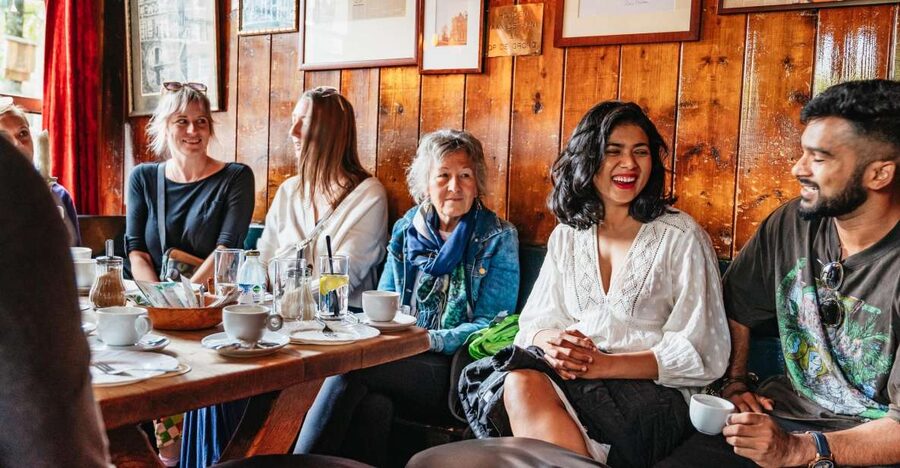
- 6 tasting stops concentrated in the Jordaan so you don’t spend the whole tour in transit
- Small, shareable bites that add up fast, so you can still plan dinner afterward
- A drink with the sit-down tastings, with beer, wine, and soda options mentioned
- Canals, bridges, and brown-café atmosphere while you learn how Jordaan evolved
- Local guide storytelling with guides like Gérard, Danielle, Elena, Rozanne, and Katya praised for pairing food and city history
- Ends near the Anne Frank House, a handy launch point for what’s next
Jordaan, canals, and your first snack stop
The Jordaan district is one of those neighborhoods that feels designed for walking: narrow streets, canal-side buildings, and those charming footbridges that seem to appear exactly when you need a photo. This tour uses that setting well. Instead of treating Jordaan like a backdrop, it treats it like an ingredient—one you learn to read as you go.
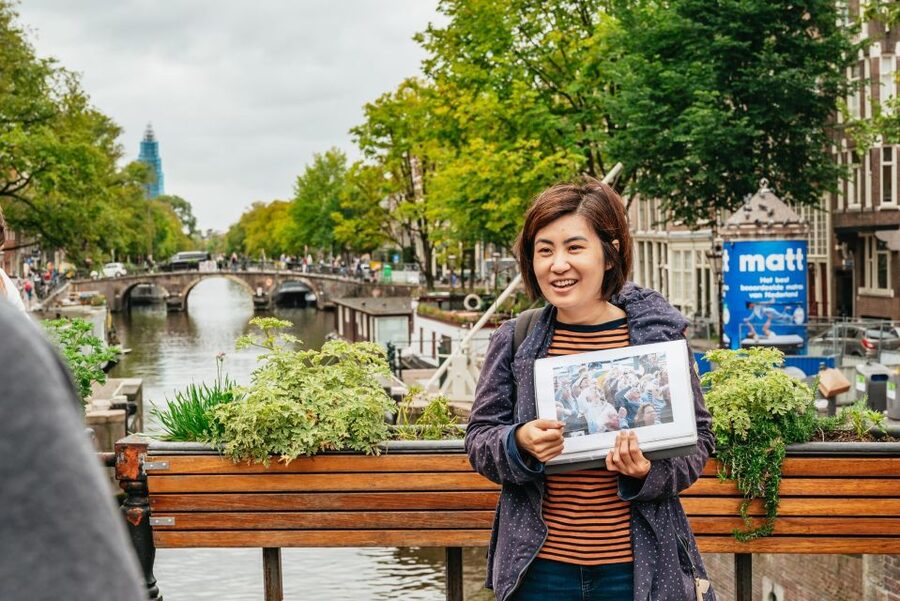
You’ll meet your guide at the back of a church, wearing the purple Eating Europe bag. That detail matters. In Amsterdam, a purple bag is basically the difference between starting on time and spending 20 minutes doing a street-corner scavenger hunt.
From the first meeting point, you’re guided to a family-owned cafe beside a canal bridge. The tone is casual but intentional: you start with the neighborhood story—how Jordaan moved from a working-class area to one of the city’s more stylish districts—and then you translate that history into food choices you can understand.
You can also read our reviews of more tours and experiences in Amsterdam.


The pacing: 3 hours that don’t feel like 3 hours
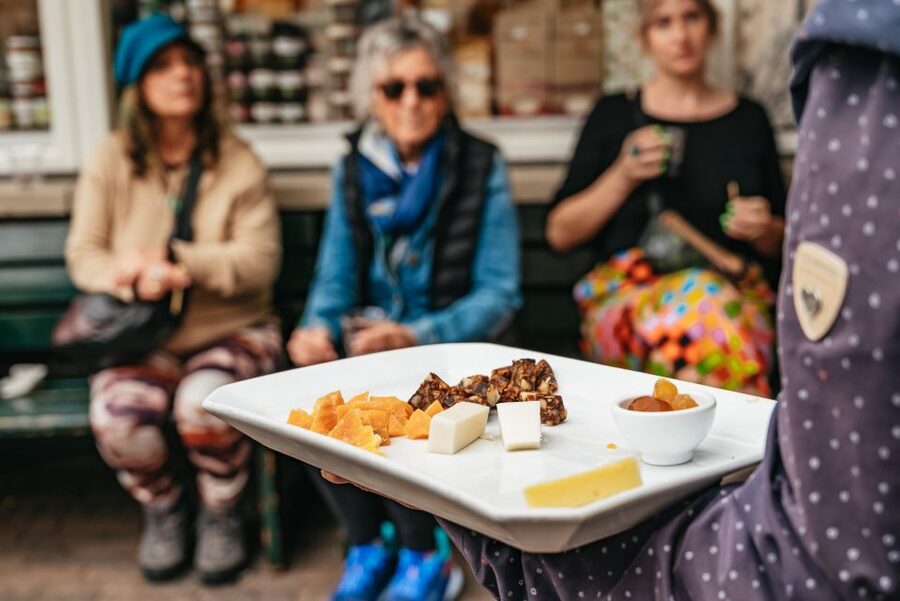
This is a walking tour, but it doesn’t drag. The structure is built around repeated cycles: a short stroll, a stop, a sit-down tasting (often with conversation), and then back out into the streets.
Most people end up surprised by how much you eat in 3 hours. Several guides and food lovers mention being pleasantly stuffed by the end, and not in a heavy way. The bites are small and often shared or tapas-style. Translation: you get variety without committing to one massive plate.
Also, the pacing tends to be efficient. One of the most consistent themes from the guide experience is that the group is handled smoothly—food and drinks show up when they should, so you’re not stuck waiting around. You also get time to talk with your guide and the rest of the group, which helps the history land.
Stop-by-stop: how the 6 tastings build a real Amsterdam meal
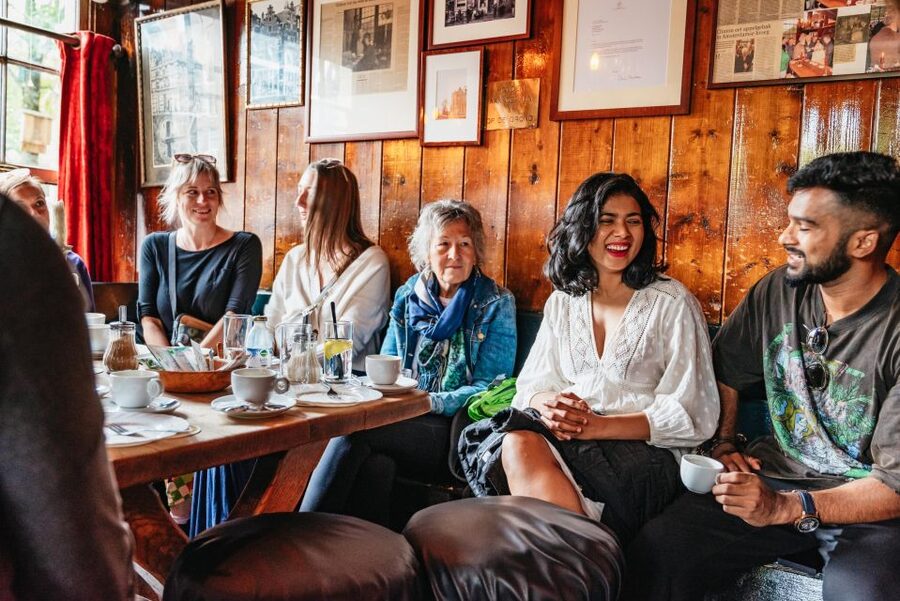
You’ll hit 6 local establishments. The exact menu can shift with seasonal availability, closures, and holidays, so the honest way to think about it is as a curated mix of Dutch favorites and Amsterdam’s food culture. What you can count on is variety in both flavors and pace: savory bites, occasional sweets, and drinks timed to the sit-down moments.
Stop 1: the canal-bridge cafe with Jordaan’s origin story
You begin at that family-owned cafe beside the water. This is where the guide sets up the whole tour: where Jordaan came from, why it became such a magnet in the city, and how trade and daily life shaped what people ate. You’re not just tasting yet—you’re learning how to connect the dots.
What to watch for here: the guide’s explanation of how the neighborhood’s identity affects its food. Once you hear it, later tastings start making more sense.
Stop 2: a Dutch-friendly “brown café” style tasting
After the intro, you move into smaller local places—often the kind of bars and cafes that feel like they’ve been in the same family for years. This is where you start sampling Amsterdam-style comfort food in bite form.
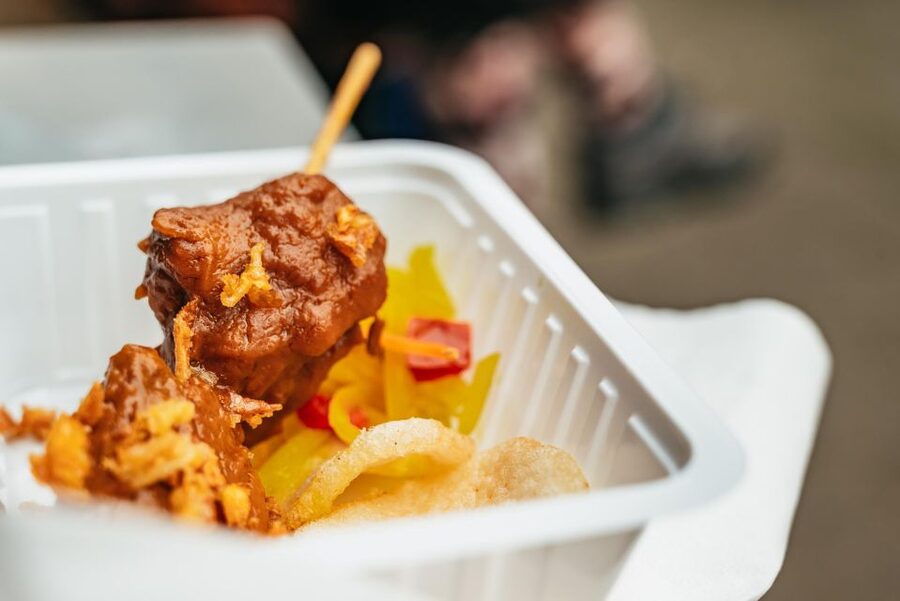
If you’re hoping for purely Dutch flavors, you’ll likely get that balance. If you’re curious about Amsterdam’s food mixing—Dutch traditions plus international influences—you’ll likely taste that too. One example people mention is roti, showing how the city’s culinary world extends beyond just classic Dutch staples.
You can also read our reviews of more food & drink experiences in Amsterdam





Stop 3: savory bites that reflect Amsterdam’s trade routes
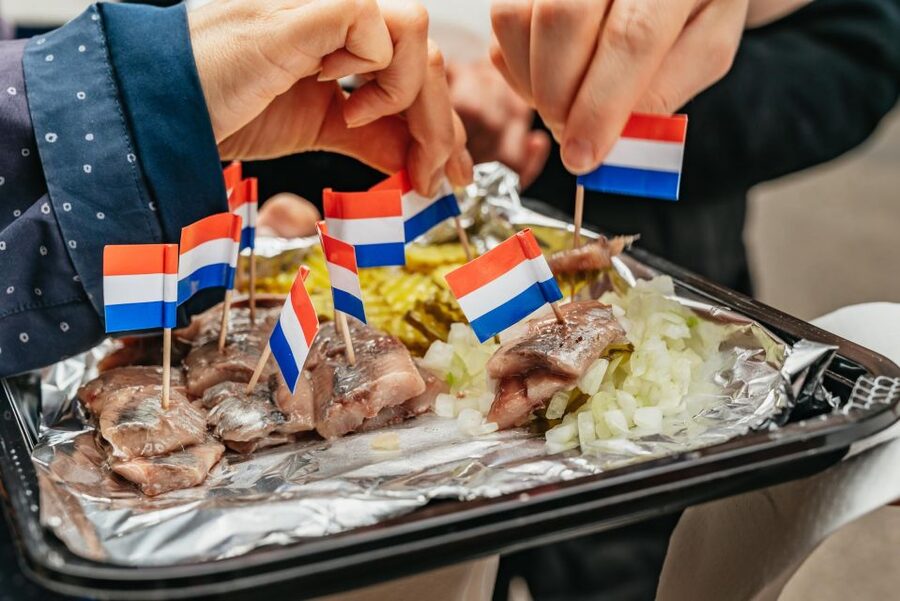
Midway through, the tour tends to shift from first-impressions flavors to a broader view of Amsterdam. This is where the guide’s historical framing is especially useful: the food isn’t random. It reflects how the city grew as a trading hub and how that history shows up on menus.
So you’re eating, but you’re also building a mental map of why ingredients and dishes show up where they do.
Stop 4: genever and drink pairing moments
Alcohol shows up, but in a casual, drink-with-your-bite way. Genever is specifically called out in the experiences shared by others, and it’s a classic fit for this kind of neighborhood stop. The drink moments aren’t treated like an afterthought either.
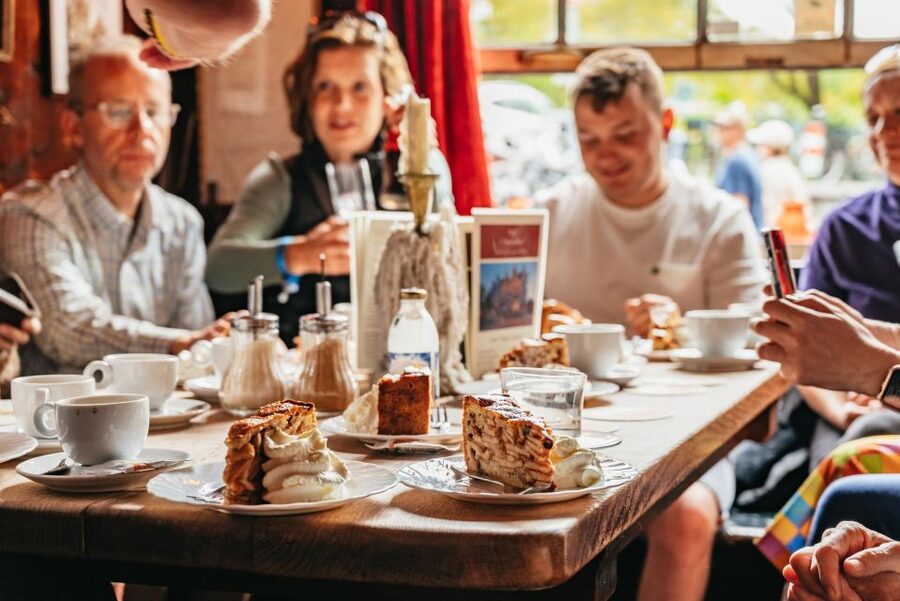
In practice, people often get a drink of their choice with the sit-down tastings. Beer, wine, and soda are all mentioned as options, which means you can keep it to non-alcoholic if you prefer.
Stop 5: a sweet turn (including the kind of pastry you’ll remember)
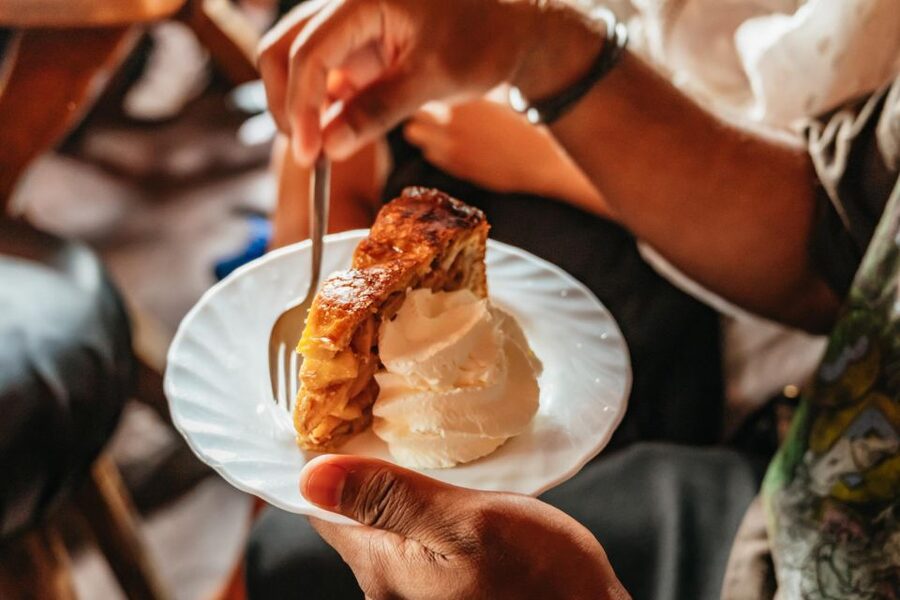
Later in the tour, you’ll typically get the sweet side of Dutch eating. One person highlights apple tart as a standout. Even if your exact sweet differs, the tour’s sweet spot is usually there to reset your palate and end on a satisfying note.
If you love pastry, tea-time treats, or anything that smells like butter and sugar when you walk into a bakery, this part matters.
Stop 6: a final bite near your next attraction
The tour ends with you walking away full and usually in a very convenient spot—just a stone’s throw away from the Anne Frank House. That’s a practical bonus. Instead of scrambling for lunch/dinner logistics right after your tour, you can treat the last stop like the end of a meal and then plan what’s next on foot.
The Jordaan lesson you can actually use
Jordaan has a reputation, but food turns that reputation into something you can feel. The guide’s job is to connect what you’re tasting to what the neighborhood used to be and what it became.
A recurring theme is how Jordaan went from working-class life to a trendier, upscale reputation. The guide’s stories help you understand why certain streets, small venues, and canal-side buildings feel the way they do today.
You also learn Amsterdam in a more grounded way. Instead of history as dates and monuments, you get history as daily life: trade routes, local habits, and the way food reflects what a city values at different points in time.
What you actually get included (and what that changes for value)
Included in the experience are:
- a guided walking tour
- a local guide
- tastings at 6 food stops
The tastings are the real heart of the value. At $101 for 3 hours, you’re not paying just for walking plus a lecture. You’re paying for guide-led access to small local places and for multiple bite-sized servings that add up to a meal.
And from the experiences shared, drinks often come with the tastings at the sit-down stops. That detail matters because it changes how you budget your day. If you’d normally pay for a drink separately, you’re getting that covered as part of the tour rhythm.
Price and logistics: is $101 fair for what you do?
Let’s do the plain math. You’re paying $101 for:
- 3 hours of guided time
- structured walking in a specific district
- 6 tastings across local establishments
- and, based on experiences shared, a drink during sit-down moments
In Amsterdam, even one good meal in a neighborhood cafe can eat a big chunk of your budget. This tour is designed so you can leave feeling like you ate—multiple people mention it can replace a meal—and not just nibbled. That’s a strong value signal.
The guide-led part is also meaningful. Finding these places on your own in a district like Jordaan is not impossible, but it’s slower and it’s hit-or-miss. A local guide cuts through that guesswork.
What to bring and how to show up ready
For this tour, pack for walking and changing weather:
- comfortable shoes (Amsterdam streets can be uneven)
- an umbrella (it runs rain or shine)
- a reusable water bottle
Also, look for the guide’s purple Eating Europe bag at the meeting point. If you’ve ever lost track in a European city, you know how helpful that visual cue is.
Who this tour fits best (and who should skip it)
This tour fits you if you want:
- a focused Amsterdam experience in one neighborhood
- a food-first way to learn Jordaan’s story
- a guide who can answer questions about what you’re eating and why it matters
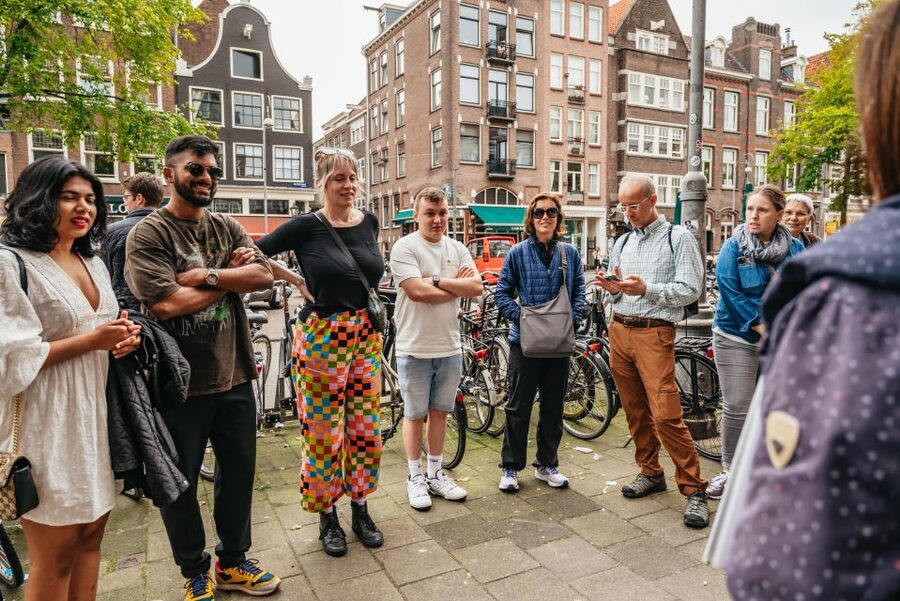
- a social, not-formal vibe (solo experiences are specifically mentioned as a highlight by people who worried about doing tours alone)
It may not fit you if:
- you use a wheelchair or have mobility impairments (the tour is not suitable for that)
- you have severe or life-threatening allergies (participation isn’t allowed for safety)
So, should you book it?
I’d book this if you’re the type of person who likes to do one great guided thing that turns into multiple small wins: a better understanding of a neighborhood, several memorable bites, and an easy path to your next stop near the Anne Frank House.
If you’re trying to decide between this and a more general sightseeing walk, go with the food version. Food gives you a reason to care about streets, buildings, and history. And at 4.8 stars from 311 experiences, it has strong staying power.
FAQ
How long is the Amsterdam Jordaan Local Food Walking Tour?
It lasts 3 hours.
How much does the tour cost?
The price is $101 per person.
Where do I meet the guide?
Meet the guide at the back of a church. The guide will be wearing a purple Eating Europe bag.
How many food stops are included?
There are tastings at 6 food stops.
What’s included in the tour?
You get a walking tour, a local guide, and tastings at the 6 food stops.
What language is the tour guide?
The live tour guide speaks English.
Does the tour run in bad weather?
Yes, it operates rain or shine.
Is it suitable for wheelchair users or people with mobility impairments?
No. It is not suitable for people with mobility impairments or wheelchair users.