REVIEW · THESSALONIKI
Thessaloniki: Open Market Food Tour with Tasting
Book on GetYourGuide →Operated by Ammon Express · Bookable on GetYourGuide
Markets do the talking here. This Thessaloniki open market food tour is a guided walk through Kapani and Modiano where you taste your way across the city’s daily food scene, not just tourist highlights.
I really like two things most: the mix of Greek coffee culture and pastry stops (yes, including bougatsa), and how the guide turns each shop into a small history lesson you can actually eat. Names like Eleni, Konstantina, and Elena come up often, and the common thread is clear storytelling tied to what’s on your plate.
One thing to plan for: the tour can occasionally run a bit long, and a planned coffee stop may change if the shop is closed that day. Build in a little cushion so you’re not stressed about a later plan.
In This Review
- Key things that make this tour worth your time
- Markets first: why this Thessaloniki tour works so well
- Starting in Ladadika: a quick “food map” before you start tasting
- The bougatsa stop: where Thessaloniki pastry gets real
- Coffee at Kapani: a break that tastes like the city
- Modiano Market: the maze with purpose
- The organic produce grocery stop: a practical ingredient lesson
- Louloudadika + Athonos Square: street energy and local atmosphere
- Folk art crafts shop: a cultural souvenir that isn’t just clutter
- What you’ll eat: plan to go hungry, not stuffed
- Timing, route changes, and how to stay unbothered
- Price and value: is $53 reasonable for a Thessaloniki food walk?
- Who this tour is best for (and who might want a different option)
- Should you book the Thessaloniki open market food tour with tasting?
- FAQ
- How long is the Thessaloniki open market food tour?
- Where do I meet the guide?
- What’s included in the price?
- Is lunch included?
- Is the tour family-friendly?
- What language is the guide?
- What should I wear and bring?
- What markets and areas does the tour cover?
- What are the cancellation and payment options?
Key things that make this tour worth your time
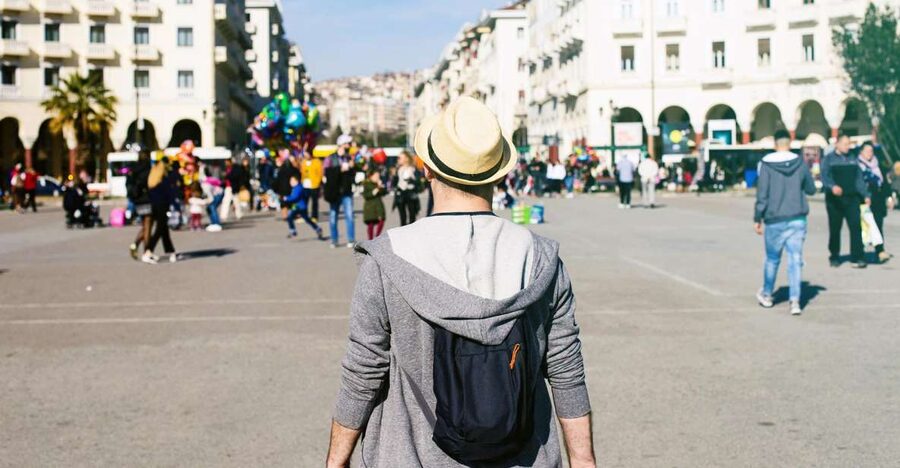
- Kapani + Modiano markets: you get the layout sense to keep exploring after the tour
- Historic bougatsa workshop: pastry isn’t treated as a gimmick, it’s part of the local routine
- Traditional Greek coffee breaks: not just drinking coffee, it’s learning how it fits local life
- Organic produce store stop: a practical look at how locals shop for ingredients
- Louloudadika and Athonos Square: the route includes lively street-food energy, not just indoor stalls
- Folk art crafts shop: a small cultural detour that doesn’t feel tacked on
Markets first: why this Thessaloniki tour works so well
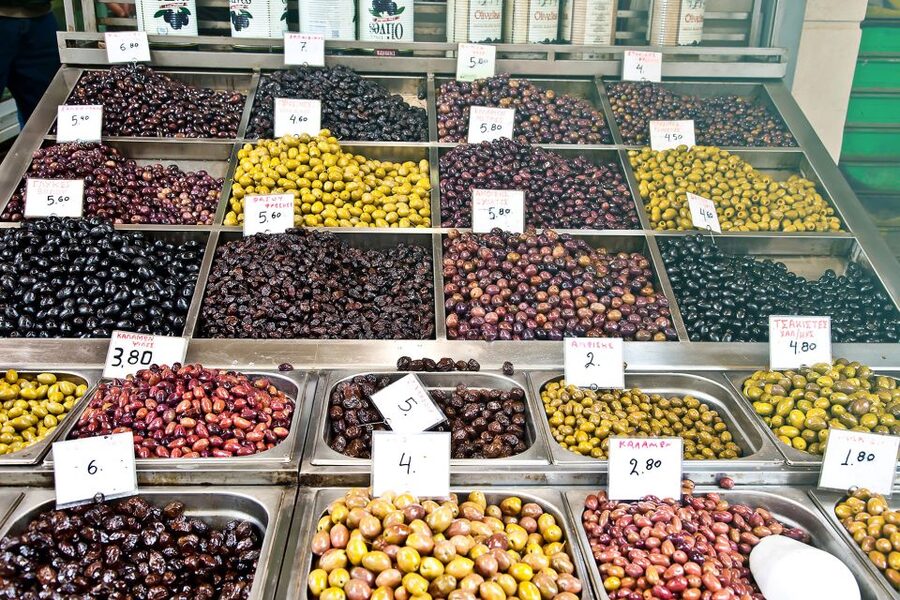
If you’ve ever walked into a Greek market and felt like you’re staring at a rainbow of food with no map, this is the fix. The tour is built around market wandering, where the fun is in the details: what’s fresh, what’s seasonal, what gets bought on a regular day, and how people actually eat.
The best value here is that you’re not paying for one big meal. You’re paying for a focused 3-hour path through the places you’d likely miss on your own, plus tastings that help you understand Thessaloniki’s food logic. You’ll come away knowing which stalls to revisit and what to order when the next craving hits.
And because the tour is described as family-friendly, it’s not a crawl that treats you like a standing line. From guide pacing to time to sit at breaks, it tends to feel like a relaxed morning walk where food still stays the main event.
You can also read our reviews of more food & drink experiences in Thessaloniki
Starting in Ladadika: a quick “food map” before you start tasting
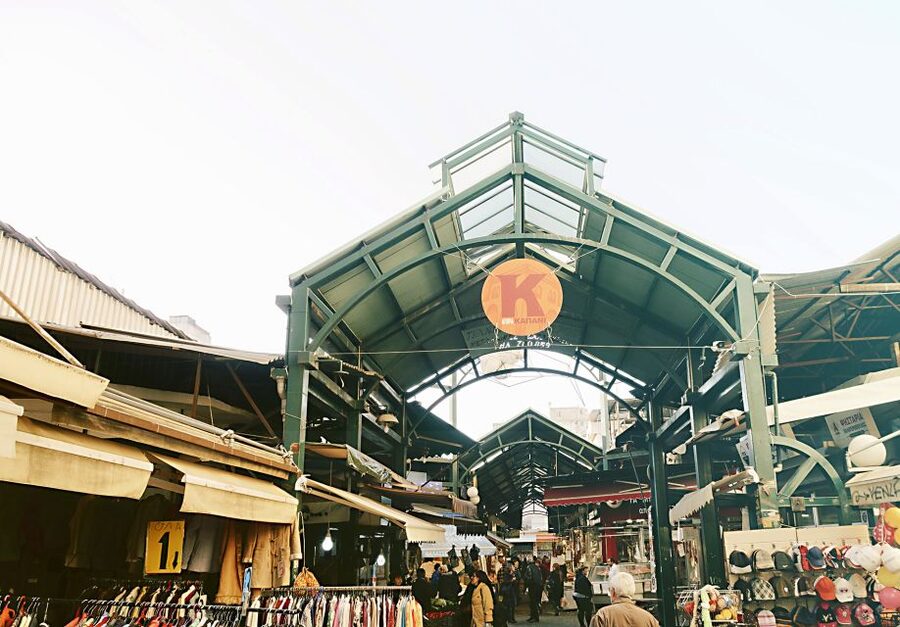
The walk begins in the Ladadika district. This matters because it gives you context before you hit the maze of stalls. You’re not just hopping between shops; you’re learning how Thessaloniki’s food scene connects to neighborhoods and daily routines.
Expect the early part of the tour to feel like orientation: streets, smells, market rhythm, and a guide who points out what to watch for. This is where you start picking up patterns you’ll notice later—like how people choose what looks best for that day, and how certain foods show up again and again across shops.
If you’re visiting Thessaloniki for the first time, this starting section helps you avoid the common mistake of seeing markets as one big shopping zone. Here, you get the idea that each area has its own character and specialties.
The bougatsa stop: where Thessaloniki pastry gets real
One highlight is the traditional pies—especially bougatsa—made in a historical local workshop. This is the kind of stop that turns a dessert into something you can place. You’re tasting a classic, but you’re also seeing it come from a specific workshop tradition rather than a generic pastry case.
What I like about this kind of stop is that it gives you a benchmark. After you’ve had bougatsa here, you’ll know what to aim for when you see it later around town. You’re not guessing anymore—you’re comparing.
You might also find other pastry-style tastings along the way (savoury and sweet versions show up in the experience), but the key is this: the tour uses the pastry as a storytelling tool, not just a calorie stop.
Coffee at Kapani: a break that tastes like the city
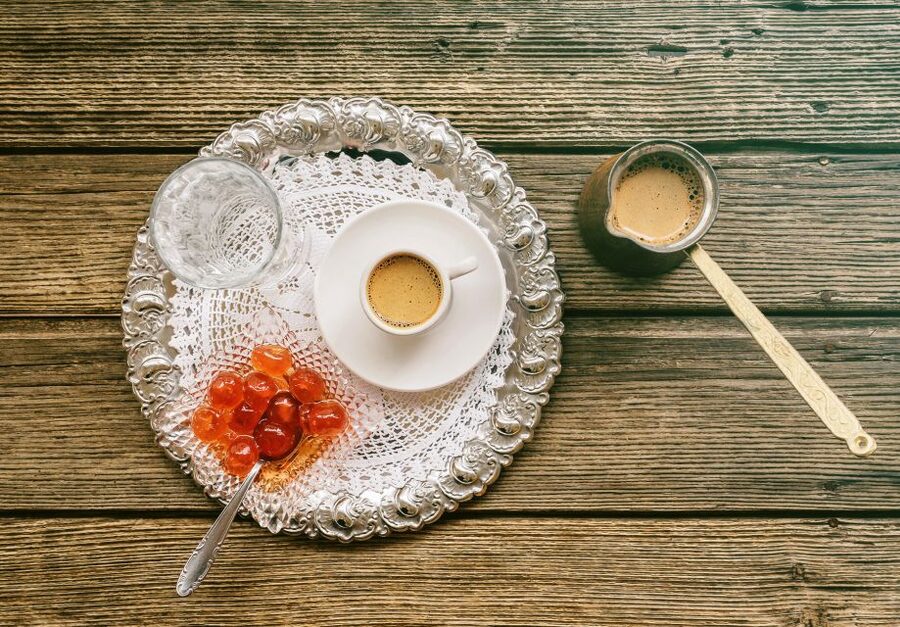
Kapani Market is a core part of the route, and the tour uses it well. You’re not expected to push through nonstop tasting. You get a traditional coffee break during the market time, plus local bites that help you keep moving without feeling like you’re rushing.
Coffee breaks in markets are more than a pause. They let you reset your senses. After a while, flavors stop sorting themselves out, and that’s when you start buying blindly. A planned coffee stop helps you slow down, taste again with clarity, and decide what you actually want to revisit.
Kapani also helps you understand why Thessaloniki’s markets are such a draw: the stall variety isn’t random. You’ll start seeing categories—cheeses, olives, spreads, prepared bites—show up again and again, and the guide helps you connect the food to everyday ordering habits.
Modiano Market: the maze with purpose
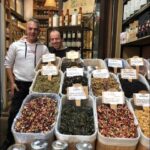
After Kapani, the tour shifts to Modiano Market. This is where the walk becomes more “maze-like,” with lots of stalls and quick discoveries. The value of having a guide here is simple: they point out what you’d likely skip if you were just browsing.
At Modiano, the tastings tend to broaden. You may sample things like local cheeses and olive selections, plus traditional bites that show how Thessaloniki does comfort food. The goal isn’t to overload you with one theme. It’s to show you the range.
Also, the tour pace tends to include time to enjoy stops rather than forcing everything to happen on a tight schedule. That’s huge in markets, because your appetite changes as you walk—and you want to feel in control of that.
The organic produce grocery stop: a practical ingredient lesson
A distinctive part of this tour is a stop at a grocery store that sells organic produce. Even if you don’t shop organic at home, this is still useful. It’s a window into ingredient choices and quality signals locals pay attention to.
This stop also tends to be tied to tastings. So you’re not just looking at produce under fluorescent lights. You’re connecting ingredient quality to what ends up in local plates.
For you, this means you’ll leave with more than “what to eat.” You’ll learn how to spot good raw ingredients—especially produce and aromatics—that make a big difference in Greek cooking.
Louloudadika + Athonos Square: street energy and local atmosphere
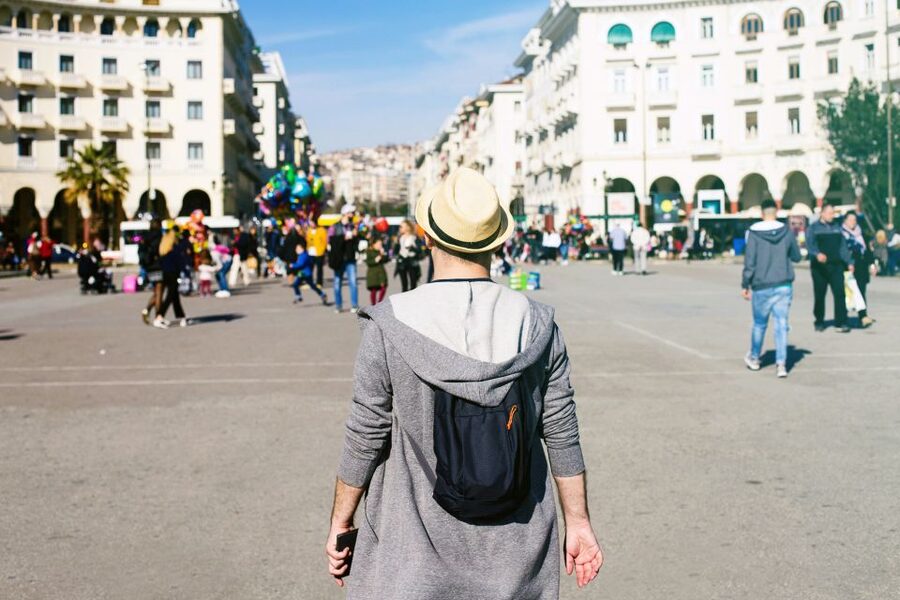
Next comes Louloudadika and Athonos Square. This section is about atmosphere: the lively streets, the feeling of daily life, and the way food culture shows up in public space.
It’s also a great point in the tour because you’ve already had the market context and key tastes. Now you can read the neighborhood. You’ll notice where people gather, how shops operate, and how the vibe changes compared to the more enclosed market alleys.
A visit here helps you avoid one common vacation trap: leaving Thessaloniki thinking it’s all markets and tavernas. It’s also streets—where you’ll likely want to wander again later, long after the tour ends.
Folk art crafts shop: a cultural souvenir that isn’t just clutter
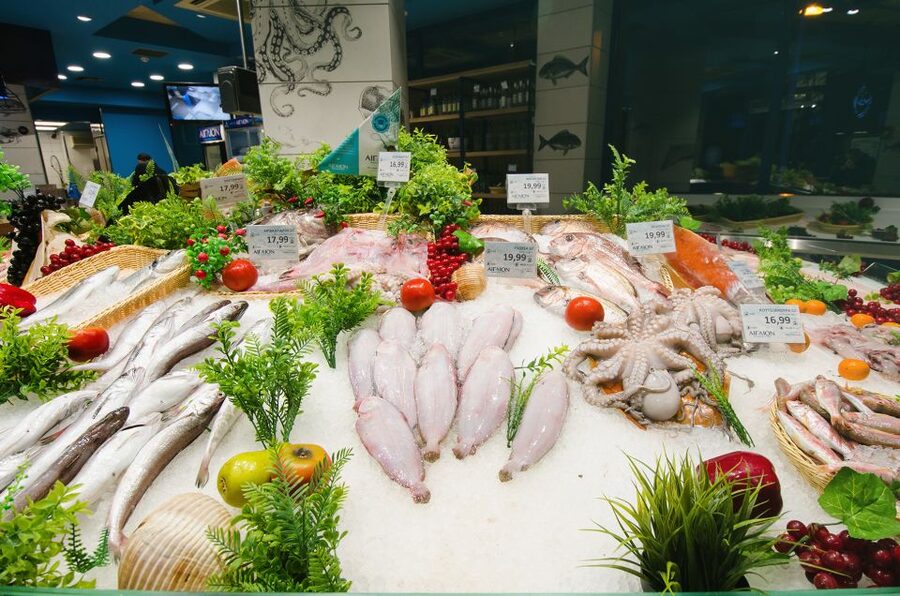
One of the quieter highlights is a traditional crafts shop that sells folk art. This is a nice break from pure food focus, and it helps you understand Thessaloniki’s broader culture through what artisans sell.
I like this type of stop because it can lead to thoughtful souvenirs. Instead of buying something that’s hard to use or display, you get a chance to pick something with real local roots—especially if you pay attention to materials and designs.
The guide’s explanations matter here. When someone can connect the crafts to place and tradition, the shop stop starts to feel purposeful rather than like a sales detour.
What you’ll eat: plan to go hungry, not stuffed
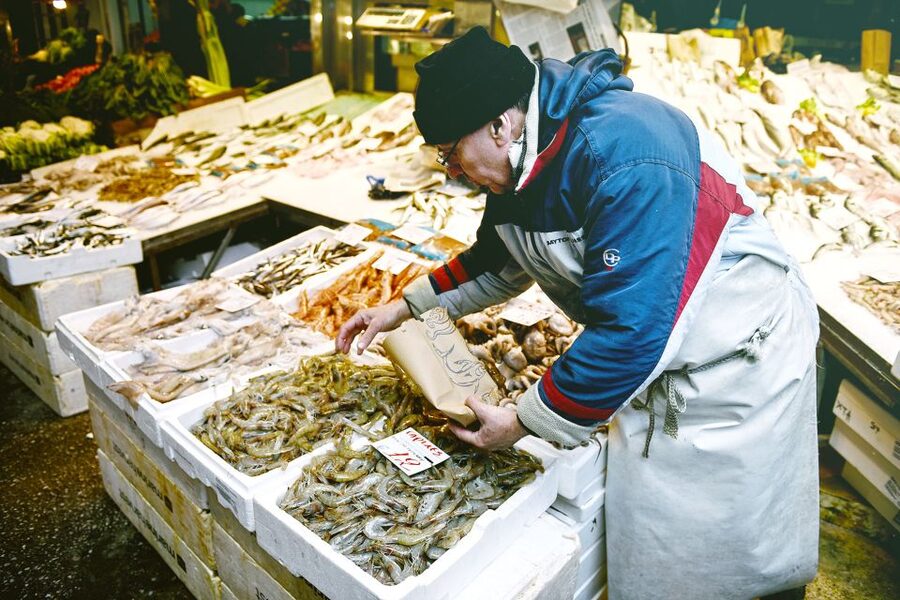
Even though the tour is only 3 hours, the tastings can add up. One of the most consistent pieces of advice from the experience is simple: skip breakfast before you go. If you eat a big meal first, you’ll spend the tour wishing you had saved room.
What you can expect to encounter includes:
- Bougatsa (sweet and often also savoured as a classic pastry)
- Greek coffee (served in a traditional style)
- Olives and cheeses (feta comes up often)
- Savoury bites like dolmadakia (stuffed grape leaves)
- Traditional spreads and dips
- Tsipouro (the local spirit) in the tasting mix
Some guides also steer the tastings toward sweets and other pastries beyond bougatsa, so you might get more dessert than you expected. That’s part of the fun—just remember, it’s still a walking tour.
Portions tend to be structured so you can try multiple things without feeling totally wrecked by the end. Still, I wouldn’t schedule anything requiring a big appetite right after. You’ll likely be satisfied, not ravenous.
Timing, route changes, and how to stay unbothered
The tour is listed as 3 hours, and that’s usually the right expectation. But you should build flexibility. Some experiences note the tour running longer than the original estimate.
Also, one coffee stop plan can shift if a shop is closed. That doesn’t usually ruin the tour, but it can change the exact setting or order of stops.
My advice: if you have a later reservation, give yourself breathing room. Markets move at market speed, and tasting tours work best when you’re not constantly checking your watch.
Price and value: is $53 reasonable for a Thessaloniki food walk?
At $53 per person for around 3 hours, the math works if you care about more than just one meal. You’re paying for:
- An English-speaking host guiding you through the market maze
- Multiple food tastings (not just a single sample)
- Traditional Greek coffee
- Expert suggestions for where to eat after the tour
In other words, you’re not only buying food. You’re buying navigation and local ordering confidence. That can easily be worth it in a city where the best tavernas can be tucked into side streets.
If your travel style is “I want to understand the place,” this is a strong value. If you’re the type who only wants a sit-down lunch and prefers to skip walking, you may feel the price more than the tastings.
Who this tour is best for (and who might want a different option)
This tour is a great fit if:
- You’re visiting Thessaloniki for the first time
- You like markets and want to learn how locals shop and eat
- You want practical recommendations for tavernas after the tour
- You’re traveling with family and want a structured, family-friendly walk
It’s less ideal if:
- You hate walking through crowds or narrow market lanes
- You’re very picky and need a strict menu ahead of time
- You’re only interested in one specific dish and nothing else
Should you book the Thessaloniki open market food tour with tasting?
Yes, I’d book it if you want the fastest path to eating like a local. The tour’s real strength is the mix: markets like Kapani and Modiano, key tastings like bougatsa and Greek coffee, plus context for where to go next in the city.
Just book it early enough in your trip that you can use what you learn. And if you have a tight schedule later that day, leave a buffer, because market timing can stretch.
If you go in hungry, wear comfy shoes, and keep an open mind about tasting sweets and savoury bites, you’ll finish the 3 hours feeling like you gained Thessaloniki’s food sense—not just a full stomach.
FAQ
How long is the Thessaloniki open market food tour?
The tour lasts 3 hours.
Where do I meet the guide?
Meet in front of Le Palace Art Hotel, 12 Tsimiski Street, Thessaloniki.
What’s included in the price?
The tour includes an English-speaking host, traditional Greek coffee, and food tastings.
Is lunch included?
No. The cost of lunch after the tour is not included.
Is the tour family-friendly?
Yes, it’s described as family-friendly.
What language is the guide?
The tour is offered with an English-speaking guide.
What should I wear and bring?
Wear comfortable shoes. In summer, bring sunscreen and a hat.
What markets and areas does the tour cover?
You’ll visit Kapani and Modiano markets, explore Ladadika at the start, and spend time in the Louloudadika area and around Athonos Square.
What are the cancellation and payment options?
Free cancellation is available up to 24 hours in advance for a full refund. You can reserve now and pay later.