REVIEW · THESSALONIKI
Thessaloniki Food Tour with a Local Chef
Book on GetYourGuide →Operated by How Greeks Eat · Bookable on GetYourGuide
Smell Greece and eat your way through Thessaloniki. I love the honey and olive oil tastings and the hands-on way the guide ties flavors to everyday life. I also really liked the farm-to-table charcuterie and the final lunch at a place you’d miss if you just wing it. The only downside: it’s 3.5 hours of steady walking and standing, so bring comfy shoes and expect to stay on your feet.
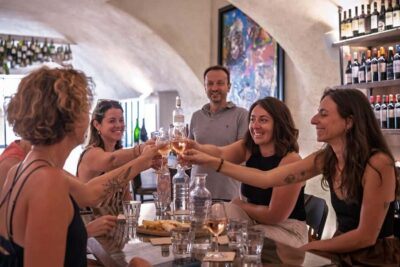
This tour is built around real neighborhood food stops, not a checklist of the usual sights. You’ll start with baked goods, cheeses, cold cuts, and locally crafted Greek drinks, then move into the market zone for herbs, spices, olives, and shopping time. At the end, you sit down with the people behind the food and taste like locals do.
If you’re the type who gets excited by labels, ingredients, and why something tastes the way it does, you’ll be in heaven. If you want a super-relaxing afternoon with minimal walking, pick a slower plan instead.
In This Review
- Key highlights you will feel right away
- The point of this Thessaloniki food tour: flavor first, story second
- Starting point and timing: plan your day around 3.5 hours of walking
- What you’ll taste at the beginning: cheeses, cold cuts, baked goods, and local drinks
- The market walk: herbs, spices, olives, and why the shopping time matters
- Honey tasting: the sweet lesson that actually teaches you something
- Olive oil and olives: where Greeks get the taste base right
- Rare spices and balsamic vinegar glazes: lessons you can use in your kitchen
- Lunch at the end: where you stop walking and start eating like locals
- Dietary needs: the real-world comfort of having options
- Price and value check: is $129 per person worth it?
- Who should book (and who should skip)
- Small practical things to bring so you enjoy it more
- Should you book this Thessaloniki food tour with Tonia?
- FAQ
- Where is the meeting point?
- How long is the tour?
- What language is the guide?
- What tastings and food are included?
- Is transportation included?
- Are pets or smoking allowed?
- What should I bring?
Key highlights you will feel right away
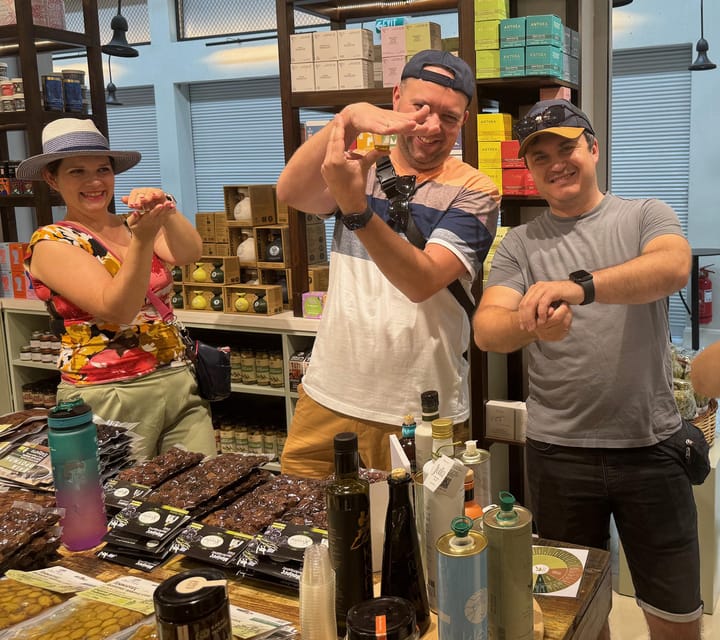
- Honey tasting with real flavor differences, not just one sweet sample
- Olive oil and olive variety sampling, so you learn what changes the taste
- Rare spices and balsamic glazes, with practical tips for using them at home
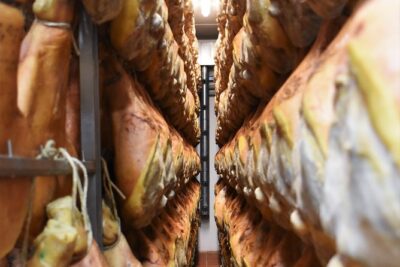
- Farm-to-table charcuterie board, centered on meats and cheeses from local producers
- Market walking plus shop time, where you can ask questions and buy small souvenirs
- Small-group vibe with unhurried pacing, plus a guide who gives restaurant recommendations afterward
The point of this Thessaloniki food tour: flavor first, story second
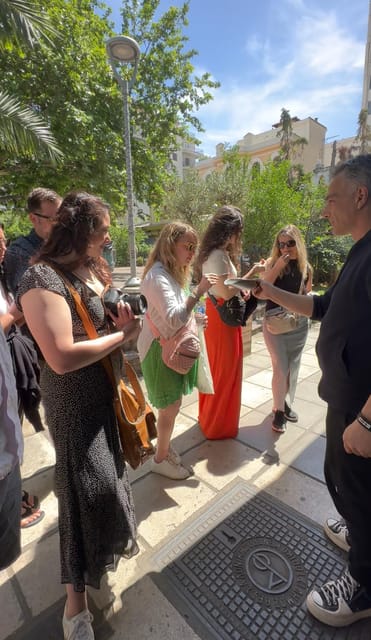
The big idea behind this experience (with provider How Greeks Eat) is simple: taste what Greeks actually buy and eat, then understand why. You’re not just collecting bites. You’re learning the logic of Greek flavor—sweet notes from honey, aromatic heat from spices, tang and depth from vinegar, and the clean backbone of olive oil.
The guide for this tour is Tonia, and many bookings highlight her friendly way of explaining food. That matters, because when you understand what you’re tasting, you can repeat it later. Instead of thinking, That was nice, you think, Okay, that honey was floral and light, and this one runs deeper.
One other thing I like: the tour isn’t “museum food.” It uses market shops and family-run sellers, so the food comes with context. You see ingredients where people source them, and you get a sense of how the city eats day to day.
You can also read our reviews of more food & drink experiences in Thessaloniki
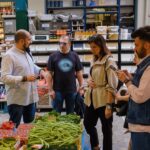
Starting point and timing: plan your day around 3.5 hours of walking
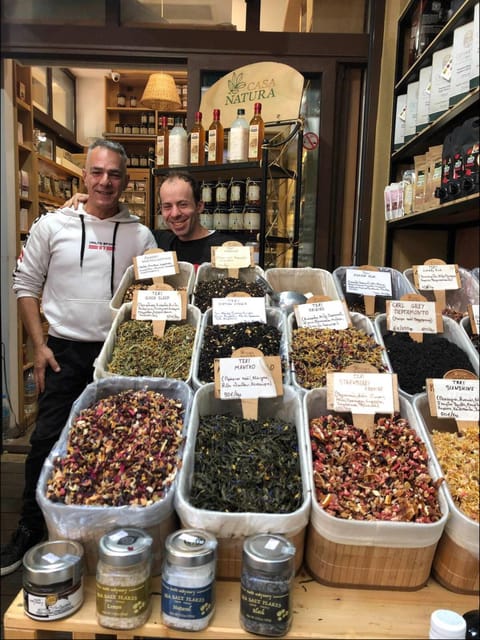
You meet at the Grigori Lampraki monument. From there, the flow is built around short hops between tasting stops and market time, ending at a restaurant for lunch.
The scheduled duration is 3.5 hours, but one reviewer noted their tour ran longer (they clocked 6.5 hours). That’s not a guarantee, but it’s a clue: this kind of tour tends to stretch when the group lingers with shop owners, asks questions, and enjoys each stop.
So here’s my practical advice: schedule this early or mid-day, not right before you need to sprint to dinner plans. Bring water and expect to stand between tastings. You’ll get breaks, but it’s still a walking food tour.
What you’ll taste at the beginning: cheeses, cold cuts, baked goods, and local drinks
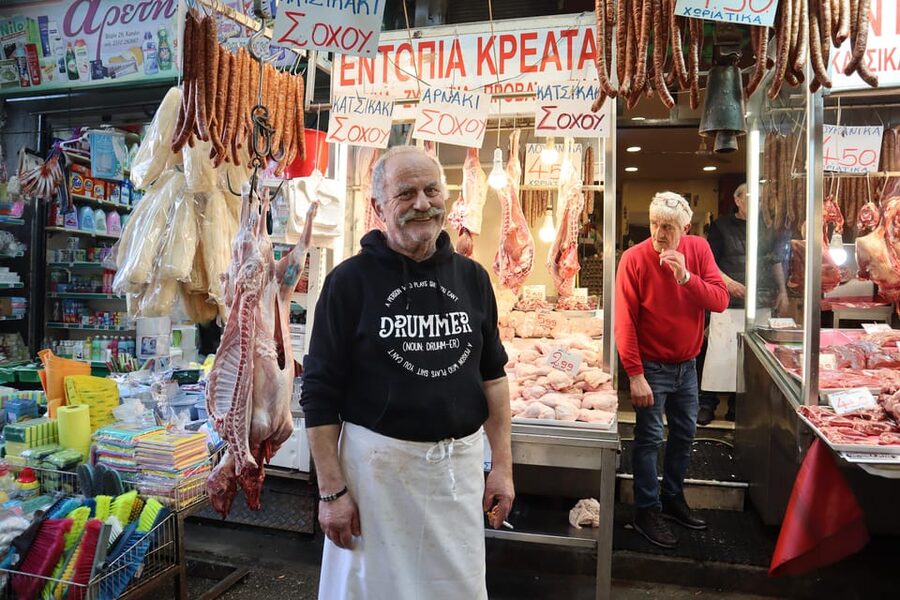
Your first stop starts you off with comfort food classics, the kind that show up often at Greek tables. Think baked goods, cheeses, and cold cuts, then refreshing locally crafted Greek beverages to balance everything out.
This part works for two reasons:
- It gives you a baseline palate. If you’re new to Greek flavors, starting with familiar formats makes the later tastings easier to understand.
- It’s a warm-up for the rest of the tour’s ingredient lessons—honey, olives, olive oil, vinegar glazes, spices.
If you’re sensitive to strong flavors, it’s also useful to know that this tour layers tastes rather than throwing everything at once. You start with milder items, then your palate gets trained for the deeper stuff.
The market walk: herbs, spices, olives, and why the shopping time matters
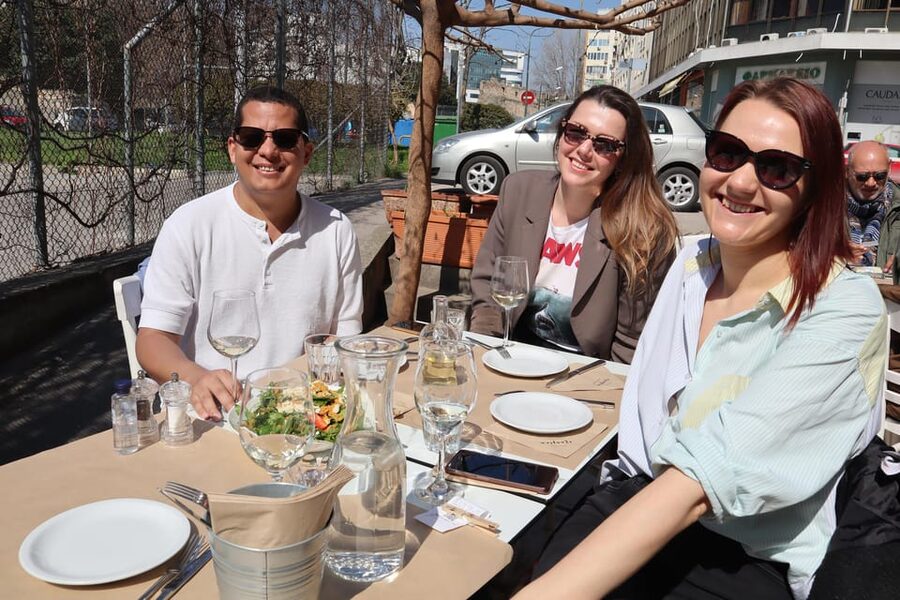
Next comes the heart of Thessaloniki’s food culture: the market and small shops. You’ll spend about 2 hours on food market visit and shopping time, which is longer than what a typical tasting tour gives you.
This is not random wandering. You’re walking in places that sell ingredients that Greeks use at home:
- herbs and spices in shops where you can ask what’s best for cooking
- olives in a range of styles, so you learn that olive flavor isn’t one-note
- tea options, where the point is learning how different teas connect to taste and everyday habits
The shopping portion is genuinely useful. If you find a spice blend or honey you loved, this is when you can buy it while the guide explains what it’s good for.
One review also mentioned many shops feel like 3rd or 4th generation family-run places. That’s a big part of why this tour feels authentic: you’re not just tasting a product. You’re meeting the people who sell it and hearing how they think about quality.
Honey tasting: the sweet lesson that actually teaches you something
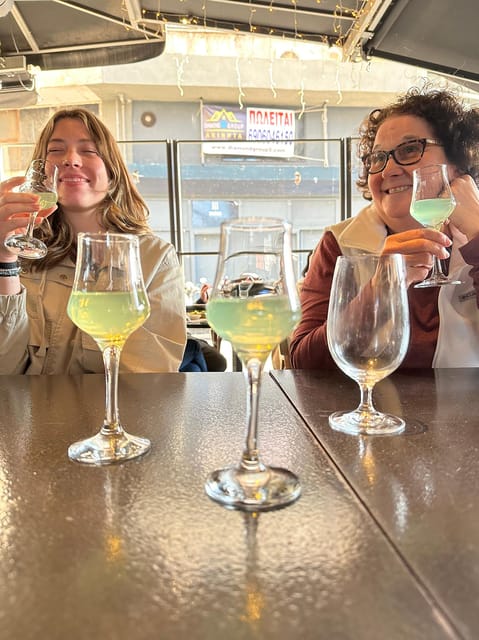
Honey is one of the tour’s signature parts, and it’s not treated like a single dessert. You’ll get an introduction to honey and its flavors, plus you’ll sample different varieties.
Here’s the practical value: honey in Greece isn’t just “sweet.” Depending on the source, it can taste floral, herbal, light, or darker and more intense. The guide helps you notice the differences, so you understand what to match it with later—cheese, yogurt, pastries, or even savory uses.
If you’re a foodie who enjoys texture and aroma (not just sugar), this honey segment is one of the best ways to upgrade your understanding fast. Even if you’re not buying much, you’ll leave with a mental map for what to look for in local shops back home.
Olive oil and olives: where Greeks get the taste base right
Another core component is olive oil tasting plus sampling variety of olives. This is where the tour goes beyond “try some olive oil.”
You’ll learn to notice differences that actually matter in cooking: intensity, bitterness, and the way oil changes the feel of other flavors on your palate. Olive variety tasting also helps you understand how Greeks think beyond the single green-versus-black comparison.
This matters for you because olive oil is one of the easiest Greek products to replicate at home—if you know what style you like. After the tour, you can shop intelligently rather than buying whatever looks fancy on a shelf.
Rare spices and balsamic vinegar glazes: lessons you can use in your kitchen
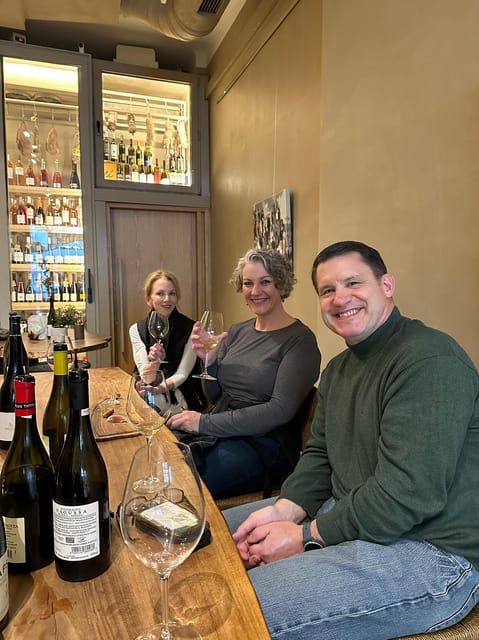
The tour includes rare spices and also rare balsamic vinegar glazes. This is one of those sections that’s easy to underestimate until you realize what it is: flavor technique.
Spices teach you aroma, heat level, and how blends work. Vinegar glazes teach you sour-sweet balance and how a finishing drizzle can change a whole plate.
More importantly, the guide doesn’t just hand you tastes. The tour is framed as learning how to use what you’re tasting when you cook later. That’s why a spice tasting feels different here than at a random souvenir market: it comes with practical direction, not just explanation.
Lunch at the end: where you stop walking and start eating like locals
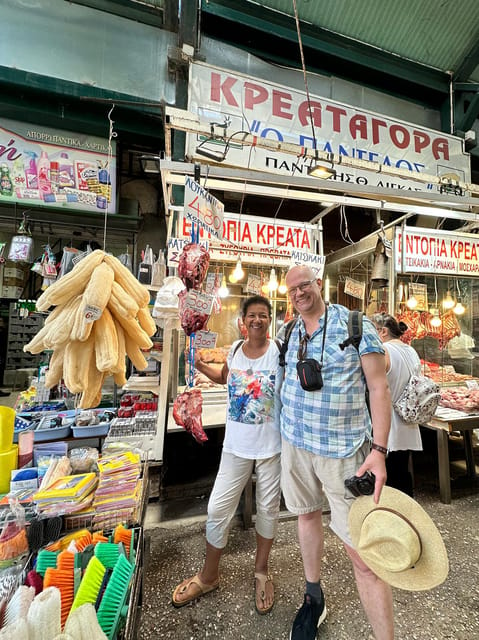
The tour concludes at a restaurant where you can watch the kitchen in action—one reason the ending often lands well. After market time, you sit down for high quality lunch, designed as part of the experience rather than a reward tossed in at the end.
The lunch setup builds on what you learned earlier, with food that matches the guide’s ingredient choices. Reviewers consistently point to the meal as a strong finish, and several mention it feels off the usual tourist route.
One reviewer even described the tour as a way to celebrate the beginning of Greek Lent with restaurants they wouldn’t have found otherwise. That’s a good reminder: the guide chooses places with local rhythm, and the timing can make the food and setting feel extra meaningful.
Dietary needs: the real-world comfort of having options
If you have dietary restrictions, this is one of the safer food tours to choose. Multiple reviews specifically mention the guide made sure people with dietary restrictions had enough options.
That doesn’t mean the tour can handle every possible need, but it does mean you’re likely to have a smoother experience than on tours where everyone gets the same plate regardless of requirements. Still, you should mention your needs when you book.
Price and value check: is $129 per person worth it?
At $129 per person for 3.5 hours, this is not a bargain-basement snack tour. It’s more like a guided food education plus a proper meal.
Here’s why it can still feel like good value:
- You’re getting multiple tastings: olive oil, honey, olives, Greek teas, plus rare spices and balsamic vinegar glazes.
- You get a farm-to-table charcuterie board with meats and cheeses, not just small one-bite samples.
- You end with a high quality lunch, which usually costs real money on its own.
- The market and shop time gives you a chance to learn and buy ingredients while the guide is available.
In plain terms: you’re paying for access. Access to local shops, ingredient lessons, and a final meal chosen by someone who knows where the city eats.
Also, the experience offers reserve now and pay later, which can help if you’re juggling days in Thessaloniki and want flexibility.
Who should book (and who should skip)
This tour fits you well if you:
- love food that connects to culture, not just food photography
- enjoy market walks and want time to ask questions in shops
- want a first-day plan that helps you eat well for the rest of your trip (many reviews mention you’ll get a long list of recommendations)
You might skip it if:
- you hate walking or standing for stretches
- you want strictly restaurant-only dining with minimal market time
- your schedule is so tight that any delay would ruin your day
Small practical things to bring so you enjoy it more
Bring:
- comfortable shoes (you’ll be on your feet)
- sun hat and sunscreen
- a camera
- water bottle for staying hydrated
And note what you can’t do: no pets and no smoking.
Should you book this Thessaloniki food tour with Tonia?
Yes, I’d book it if your goal is to eat your way through Thessaloniki the local way: honey and olive oil tastings that actually teach you flavor, market stops where you can shop intelligently, and a final lunch that feels like a real part of the day.
If you’re a “show me the ingredients” person, this is your ticket. And if you’re trying to plan meals for the rest of your stay, the guide’s restaurant recommendations can save you time and money.
If you want, tell me your travel month and any dietary preferences, and I’ll suggest how to slot this into your day so you’re not rushing afterward.
FAQ
Where is the meeting point?
The tour meets at the Grigori Lampraki monument.
How long is the tour?
The duration is 3.5 hours.
What language is the guide?
The tour has a live guide in English.
What tastings and food are included?
Included tastings are olive oil, honey and its flavors, rare balsamic vinegar glazes, olives, Greek teas and their benefits, and rare spices. You also get a farm-to-table charcuterie board and high quality lunch.
Is transportation included?
No. Transportation to the meeting point is not included.
Are pets or smoking allowed?
Pets are not allowed, and smoking is not allowed.
What should I bring?
Bring comfortable shoes, a sun hat, a camera, sunscreen, and water.