REVIEW · CEBU
The Original Cebu City Historical and Food Walking Tour
Book on Viator →Operated by Lorelie kalalang ledesma · Bookable on Viator
Cebu history tastes better with a guide. This walking tour strings together big-name landmarks and everyday food stops, so you get context while you eat, and you don’t have to worry about route-finding at the end of the day.
I especially like the small, conversational pace and the chance to connect with your guide for the kind of local context you won’t get from a quick photo stop. I also like that key sights come with admission tickets included, which saves time and makes the visit feel complete.
One thing to plan for: it’s a walking tour with an approximate 4-hour duration, so timing can shift based on how quickly your group moves between stops and what’s open (like the market). If you’re trying to squeeze it around a tight dinner or a late flight, build in a little buffer.
In This Review
- Key highlights to notice before you go
- Meeting in Cebu City: a simple start, then you’re off
- Heritage of Cebu Monument: the big story before the street food
- Yap-Sandiego Ancestral House: 1680-era architecture and cross-cultural design
- Basilica Minore del Sto. Nino de Cebu: why Santo Niño is the heart of the area
- Magellan’s Cross Pavilion: a compact stop with big symbolic weight
- Cebu Carbon Market: eat in the place locals remember, not just a food stand
- Cebu Metropolitan Cathedral: closing with another anchor of the old city
- The walking pace and public transport factor (why it matters)
- What the food part feels like in real life
- Price and value: what you’re paying for
- Who should book this tour (and who should skip it)
- Quick FAQ
- FAQ
- How long is the tour?
- Where do I meet the tour?
- Where does the tour end?
- What’s included besides the walking and guide?
- How big is the group?
- Is the tour refundable or changeable if I cancel?
- What if weather is bad?
- Should you book this Cebu City historical and food tour?
Key highlights to notice before you go
- A guide-led route (max 20 people) so you can skip map math and keep your evening relaxed
- Heritage + food in the same flow, not a history tour with random snack breaks
- Admission tickets included for multiple major stops, including the Yap-Sandiego Ancestral House
- Carbon Market with a backstory, named for carbón, Spanish for coal, tied to old train-era Cebu
- Major Cebu religious landmarks, including Santo Niño Basilica and Magellan’s Cross Pavilion
- Public transport experience may be part of how you move through town, which many people find fun and easy
Meeting in Cebu City: a simple start, then you’re off
The tour starts at Ayala Terraces (Biliran Rd, Cebu City) at 4:00 pm, then finishes at Freedom Park Carbon. That finish matters. Freedom Park Carbon is closer to where people often hang out at night than most “start-in-one-side-of-town” tours, so you’re not stranded far from dinner plans.
Group size is capped at 20, and the tour is led end-to-end. In practice, this kind of group size helps you keep a conversational rhythm. You’ll get a chance to ask questions without your guide being pulled in ten directions.
You’ll also use a mobile ticket, which is handy on a phone you already carry for maps and messaging. If you’re one of those people who hates fumbling through paper tickets while trying not to get sandwiched by locals and motorbikes, you’ll appreciate this.
Heritage of Cebu Monument: the big story before the street food
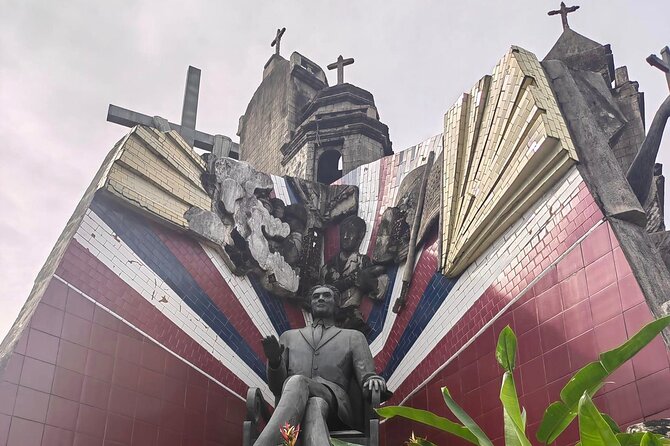
Your first stop is the Heritage of Cebu Monument, a tableau-style artwork that ties Cebu to major moments in Philippine history—highlighting the Battle of Mactan, the inauguration of Sergio Osmeña as President, and the canonization of Ped… (the monument description cuts off mid-word in the info you have). The point of this stop is less “stand here and read everything” and more “get the timeline in your head.”
Why I like starting here: it gives you a mental framework. When you later see the religious sites and the older houses, you understand that Cebu’s story didn’t happen in a single decade. It’s layers—Spanish-era influence, earlier local history, and later national events showing up side by side.
This stop runs about 30 minutes and includes admission, so you’re not just passing by a photo spot. It’s also a good moment to meet your guide properly and settle into the group pace.
Yap-Sandiego Ancestral House: 1680-era architecture and cross-cultural design
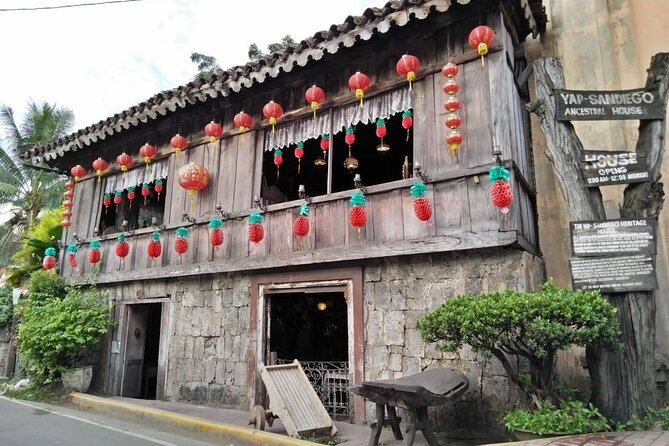
Next you head to the Yap Sandiego Ancestral House, described as one of the oldest residential homes in the Philippines, built around 1680 using wood and coral stone. What makes this stop stand out is the mix of design influences—Spanish and Chinese architectural elements—which helps you see Cebu as a port city shaped by movement and trade.
You’ll spend about 30 minutes here, and admission is included. In tours like this, it’s easy for an ancestral house visit to become a quick “look and move on.” Here, the house functions like a hinge between the monument’s broad timeline and the religious landmarks that follow.
Consideration: older buildings can mean some uneven surfaces and narrow passageways, so if you have mobility limits, take your time and keep an eye on your footing.
Basilica Minore del Sto. Nino de Cebu: why Santo Niño is the heart of the area
Then it’s on to Basilica Minore del Sto. Nino de Cebu, commonly called the Santo Niño Basilica. It’s described as a basilica in Cebu City founded in 1565 by Fray Andrés de… (again, the text cuts mid-name in the source). Either way, the date matters. This is one of the reasons Cebu’s old core draws people from around the Philippines.
This stop is about 30 minutes, with admission included. Even if you’re not religious, you’ll likely find yourself paying attention to details—because the site is both historic and active.
One practical note from how this tour is run: some stops can feel more crowded depending on the day and current events. If a cathedral area is packed, your guide will typically work the timing to keep the group moving. Still, don’t expect the kind of quiet, empty-church experience you see in photos.
Magellan’s Cross Pavilion: a compact stop with big symbolic weight
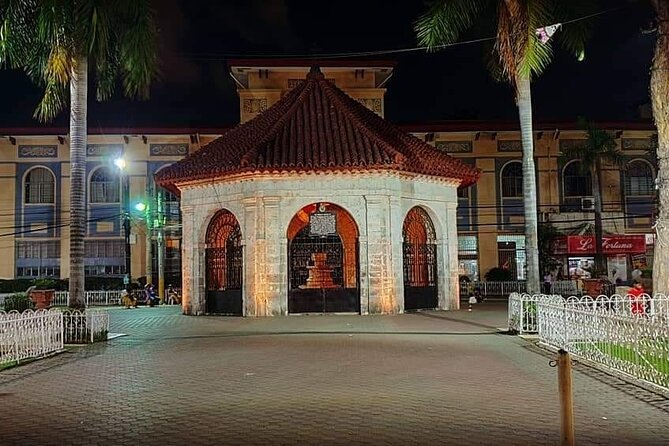
After Santo Niño, you visit Magellan’s Cross Pavilion, a stone kiosk on Plaza Sugbo beside the Basilica del Santo Niño. It houses a Christian cross planted by explorers of the 15th/16th-century era—again, the provided text cuts mid-period, but the stop itself is clearly about the famous cross tradition.
This is a 30-minute stop, with admission included. The value here is not just the structure—it’s the location. It’s right next to the basilica zone, so your brain connects the spiritual center to the rest of the historical walking loop.
If you like tours that explain why a spot is famous beyond the postcard version, this is the kind of place where your guide’s context helps a lot.
Cebu Carbon Market: eat in the place locals remember, not just a food stand
Then you hit Cebu Carbon Market. The name comes from carbón, Spanish for coal, because the area was said to be near a coal depot tied to the old Cebu Railway running in the 19th century.
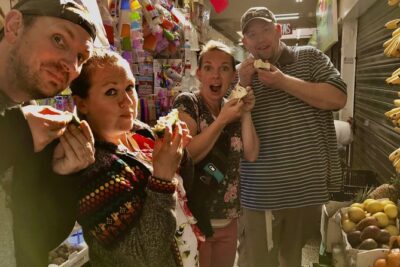
This is where the tour’s food focus becomes real. Even if you’ve eaten street food before, markets like this change your sense of what “street food” means—less curated, more local routine. The info you have notes admission is included, which suggests you’re not just walking past stalls; you’re getting access and time in the market environment.
Time here is about 30 minutes. That can feel short if you want to linger over every option. If you’re the kind of eater who wants to try everything, you’ll want to arrive hungry and keep your choices ready.
Food note: based on what people describe on this tour, you may come across classic Cebu street items and also “iconic Filipino” items that some first-timers find surprising (for example, balut and tuslob buwa show up in the provided notes). Don’t worry—you can still decide what’s comfortable.
Cebu Metropolitan Cathedral: closing with another anchor of the old city
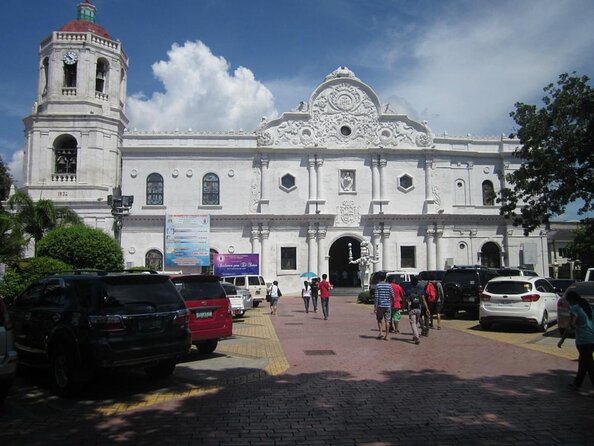
Your next big landmark is the Cebu Metropolitan Cathedral, also described with its official longer name. The notes you have mention that during World War II, much of the cathedral was destroyed by Allied bombing (and it’s implied there was later rebuilding). So this stop carries both religious significance and wartime history.
This is again about 30 minutes, and admission is included. I like using the cathedral as a “wrap-up anchor.” You’ve walked through the monument, the ancestral house, and the basilica and cross area. Finishing at another major landmark helps the whole tour feel like a coherent loop rather than a string of unrelated stops.
The walking pace and public transport factor (why it matters)
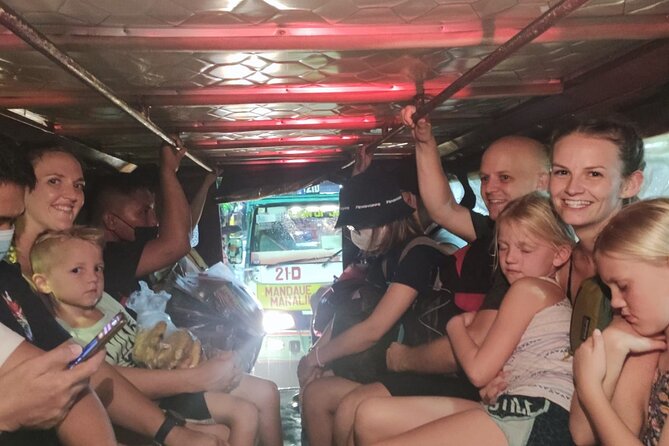
This is not a “hop in a vehicle every stop” tour. It’s designed as a walking experience, with your guide leading the way. Also, multiple accounts in your provided info mention a jeepney experience and public transport as part of how the group gets around.
That has two big effects for you:
- It makes the city feel more like Cebu rather than a sightseeing corridor.
- It can change timing depending on traffic and how fast the group moves.
That’s why the tour duration is listed as about 4 hours. It’s a realistic window, not a guarantee to the minute. If your evening is tight—like a show, a hard dinner reservation, or a strict curfew—plan for the tour to be slightly under or over.
Also, one practical expectation: you’re covered for the food and entrances, not a full “ride me back to my hotel” setup. The tour ends at Freedom Park Carbon, so you’ll want a plan for getting from there to wherever you’re staying.
What the food part feels like in real life
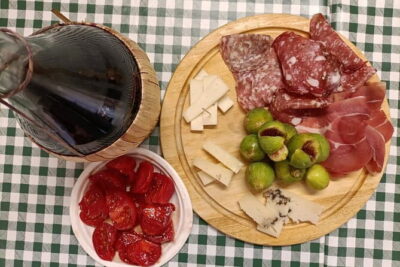
Even though the stops listed are mostly landmarks, the tour is built around the idea that you eat along the way. The best way to think of it is: you get your historical stops, then you get specific street-food tastings that match the area and the local rhythm.
From the provided notes, people describe trying items like:
- Lechon (often a highlight for meat-focused eaters)
- Tuslob buwa (a Cebu street snack associated with the local way of eating fruit and savory treats)
- Balut (a classic Philippines “are you really going to try that?” food)
- Street snacks in markets and local restaurant-style stops
Some people also point out that the balance can lean more history-and-snacks than a “food crawl where you eat nonstop.” If you’re expecting a long stretch of only food tastings, you might feel the timing is lighter on food than you want.
On the flip side, if you’re new to Cebu and you’d rather understand what you’re eating and where it fits, this format is a good fit. It’s harder to get lost in the city when your guide already knows the flow.
Price and value: what you’re paying for
The price is $69.99 per person for an approx. 4-hour walking tour. Some people think that’s steep, and I get why—because it’s not like a museum-only day where every minute is inside a paid attraction.
But here’s the value logic:
- You’re paying for a guided route that avoids planning hassles.
- Several stops include admission tickets, including the Yap-Sandiego Ancestral House and major landmarks around the old core.
- The experience pairs the sights with street-food tastings, which is often the hardest part to do confidently on your own.
Where you can feel disappointed is if you expect a strict 4-hour schedule every day, or if a market area is closed or operating differently due to timing. One note in your provided info mentions that a market area might be closed on certain circumstances (like holidays), which can affect how much you get from the food side.
My practical take: this tour makes the most sense if you want a one-evening orientation to Cebu’s old city plus food you’d be hesitant to order solo.
Who should book this tour (and who should skip it)
This is a strong choice if:
- You’re in Cebu for a short time and want a guided overview of the historic core.
- You like eating local street food, especially when someone helps you order and explains what you’re getting.
- You want the city to feel navigable without doing the hard planning yourself.
It’s less ideal if:
- You’re extremely sensitive to timing and need a guaranteed exact duration.
- You only want heavily restaurant-style food, or you want a guaranteed list of specific dishes.
- You’re looking for a full transport solution back to your accommodation.
If you fall into the “adventurous eater” camp, your odds of having a great night go way up—because you’ll be more willing to try foods that are unfamiliar to you.
Quick FAQ
FAQ
How long is the tour?
It runs for about 4 hours (approx.), starting at 4:00 pm.
Where do I meet the tour?
The start is at Ayala Terraces on Biliran Rd, Cebu City.
Where does the tour end?
The tour ends at Freedom Park Carbon, Cebu City.
What’s included besides the walking and guide?
Admission tickets are included for multiple stops, including the Heritage of Cebu Monument, Yap-Sandiego Ancestral House, Santo Niño Basilica, Carbon Market, Magellan’s Cross Pavilion, and Cebu Metropolitan Cathedral.
How big is the group?
The tour has a maximum of 20 travelers.
Is the tour refundable or changeable if I cancel?
It’s non-refundable and can’t be changed for any reason.
What if weather is bad?
This experience requires good weather. If it’s canceled due to poor weather, you’ll be offered a different date or a full refund.
Should you book this Cebu City historical and food tour?
If your goal is a first-night or short-stay Cebu plan that mixes landmarks with real local eating, I’d book it. The pairing of major sights—Santo Niño Basilica, Magellan’s Cross, and the cathedral—with a market stop like Carbon Market is a solid way to get oriented fast.
Just go in with two expectations aligned: the tour is approx. 4 hours, and the food is local street-style, not a fancy tasting menu. If you’re open to that, you’ll leave with stories you can’t copy from a brochure—plus a much better sense of why Cebu’s old core looks and tastes the way it does.