REVIEW · TANGIER
Tangier: Food Walking Tour
Book on GetYourGuide →Operated by MoroccanFoodTour · Bookable on GetYourGuide
Tangier tastes better on foot. This food walking tour turns the Medina’s narrow lanes into a working map of where people shop, snack, and eat, with an English-speaking guide steering you from market stalls to proper dishes. You’ll get the food, plus the human stuff that makes it make sense.
I love the mix of six tasting stops and a full meal, so you’re not just nibbling your way through town. I also like how guides connect each bite to daily life—where the ingredients come from, how foods are made at home, and why certain combinations show up again and again in Tangier. Names you may meet along the way include Rababe, Ismail, Mohammed, Ahmed, and Anas, each bringing their own local routes and pace.
One consideration: this is a lot of walking on old streets, and it’s not suitable for wheelchair users or people with mobility impairments. Also, you’re asked to come on an empty stomach, so show up ready to eat.
In This Review
- Key things I’d pay attention to
- Why Tangier’s Medina fits a food walk so well
- Meeting point at Sour Meêgazine and the first 10 minutes
- M’Sallah: first tastes and a sense of how people live
- Grand Socco: snacks, conversation, and local rhythm
- Place de la Kasbah: a longer stop with views and photos
- Local café break and the Ramadan-style shift
- Café Hafa finish: turning tastings into a plan
- What you’ll be eating (and how dietary needs get handled)
- Price and value: is $73 reasonable for 3 hours?
- Who should book this tour (and who should skip)
- Should you book the Tangier food walking tour?
- FAQ
- How long is the Tangier Food Walking Tour?
- How much does the tour cost?
- Where do I meet, and where does the tour finish?
- What areas of Tangier will the tour cover?
- What’s included in the price?
- Can you accommodate dietary restrictions?
- What should I bring before I start?
- Is the tour suitable for wheelchair users or people with mobility impairments?
- Are pets allowed on this tour?
- Is free cancellation available, and can I reserve without paying right away?
Key things I’d pay attention to
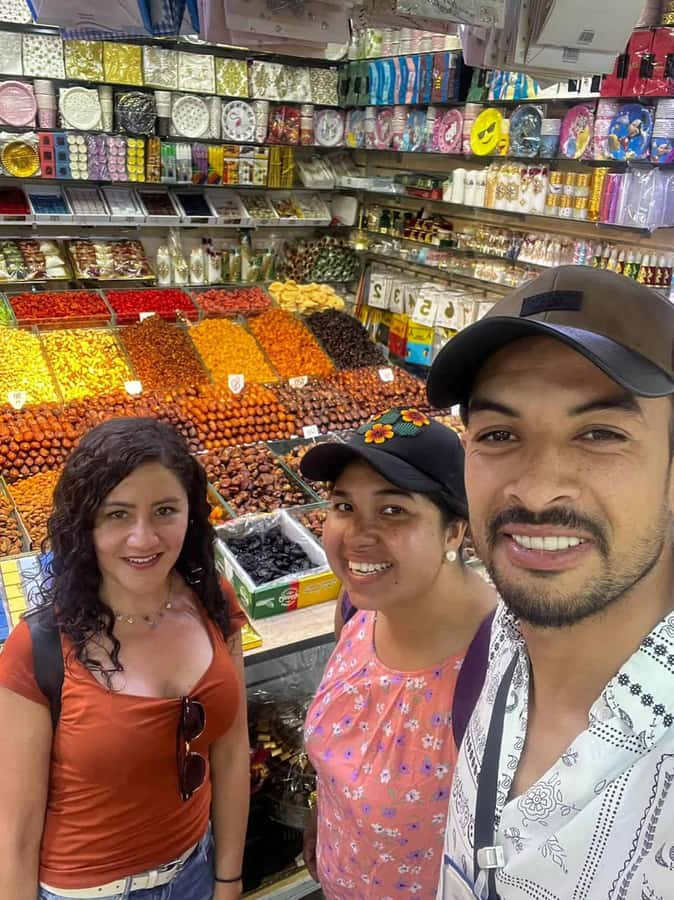
- Six tastings + a full meal: enough food that you leave satisfied, not still hunting snacks afterward
- Old Tangier districts in a tight loop: M’Sallah, Grand Socco, and Place de la Kasbah are the core stops
- Guide access to local favorites: you’re not just following a generic route; you’re pointed to stalls and cafés
- Dietary needs can be accommodated: vegetarian, gluten-free, lactose free, and more are supported if you tell them
- A calm, flexible pace: guides can adjust for groups, including kids, without turning it into a sprint
Why Tangier’s Medina fits a food walk so well
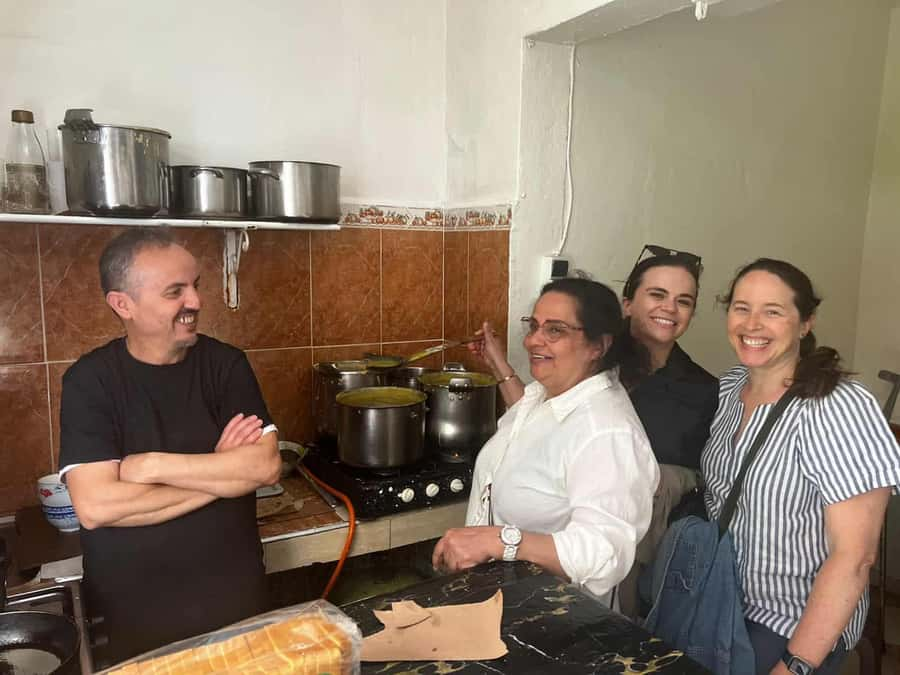
Tangier is the kind of city where food is social. People snack while they move, buy ingredients in small runs, and stop for drinks and bites as part of the day. That’s why a guided walk works better here than trying to pick restaurants on your own from a distance.
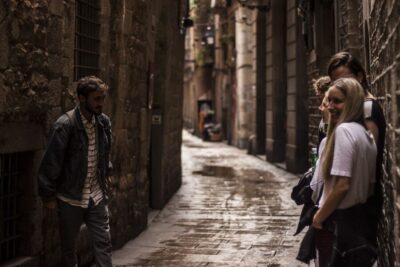
On this tour, the route is built around areas where locals actually spend time. M’Sallah and the old town district give you narrow alleyways, traditional architecture, and the feeling that you’re watching everyday Tangier instead of a staged show. Then Grand Socco and Place de la Kasbah add bigger, more open corners and classic viewpoints—so you can eat, look around, and reset without losing momentum.
The best part for you: you’re not guessing. Your guide handles the who/what/why of each stop, so you can focus on eating and asking questions.
You can also read our reviews of more tours and experiences in Tangier.
Meeting point at Sour Meêgazine and the first 10 minutes
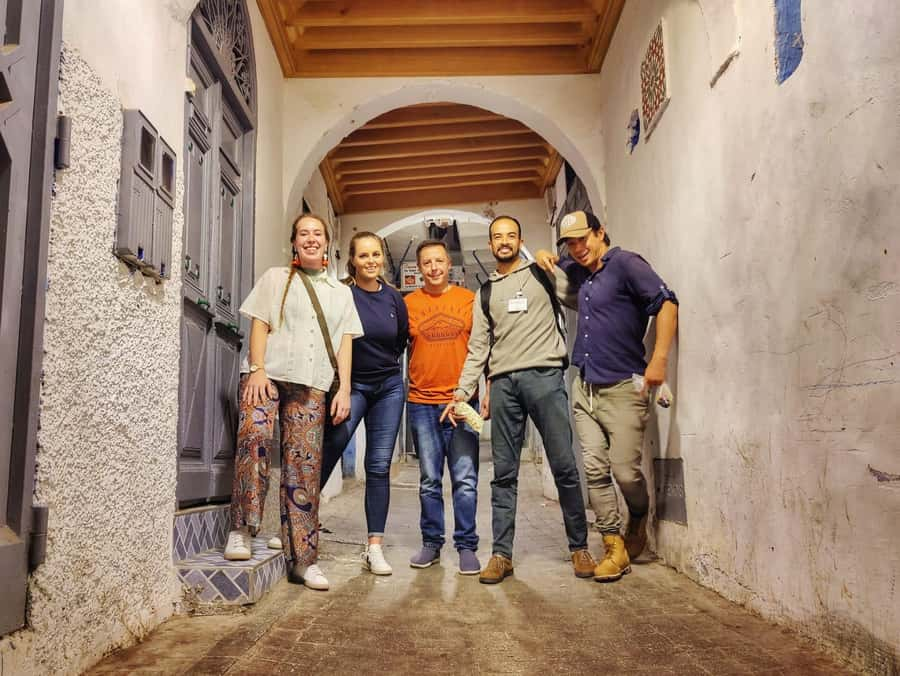
You’ll start at Sour Meêgazine, next to the 3rd cannon—the one right in the middle. It’s a specific landmark, which helps because Tangier’s old streets can tangle your sense of direction fast.
From there, the tour is designed to get you oriented quickly. Expect a guided start that sets the tone: where you’re going next, how the area works, and what to watch for as you walk. If you’re thinking about photos, this is also the moment to casually scan for good angles—especially as you move toward the higher viewpoints near the Kasbah area.
Practical tip: wear comfortable shoes. Not because this is a trek, but because you’ll be stepping around old pavement and tight turns for about three hours.
M’Sallah: first tastes and a sense of how people live
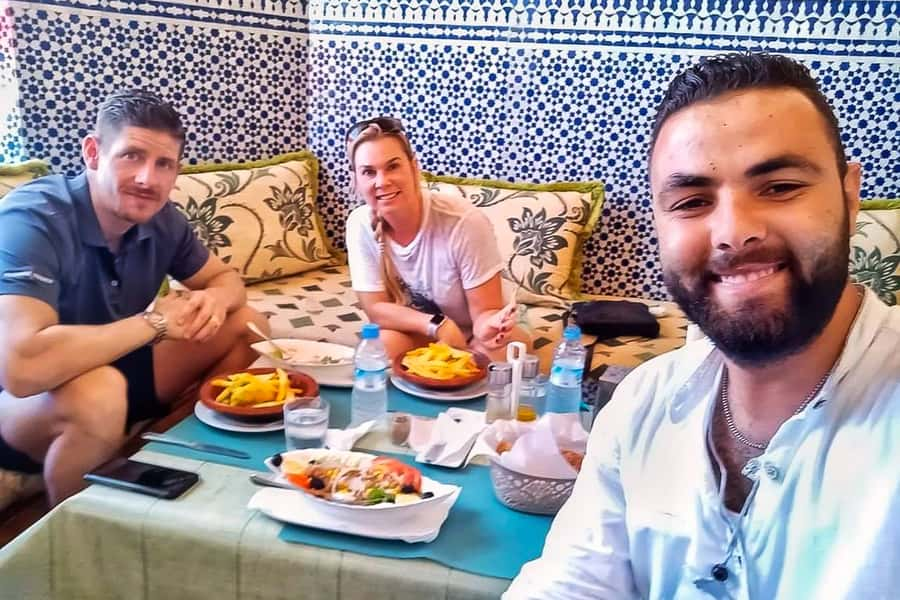
M’Sallah is where the tour begins to feel real. This isn’t just a stroll between restaurants. It’s a guided wander through a traditional neighborhood, with markets and food vendors that show up as part of daily life.
You’ll get a dedicated 45-minute guided segment here, with food tastings mixed into the walking. The tour focuses on street foods and handmade local products, including items like caliente, stuffed dates, and bissara. The “why” matters too: your guide is there to explain how certain foods are made, how people typically eat them, and what changes you might notice between a stall and someone’s kitchen at home.
What I like about this stop for you: it builds appetite and context at the same time. By the time you reach the next neighborhood, you’re no longer just eating random snacks—you’re starting to recognize flavors, textures, and patterns.
A small drawback to plan for: if you arrive hungry and then get distracted by watching people and photographing doors and alleys, the first tastings can disappear quickly. That’s on you, not the tour—just remember the instruction to come on an empty stomach.
Grand Socco: snacks, conversation, and local rhythm
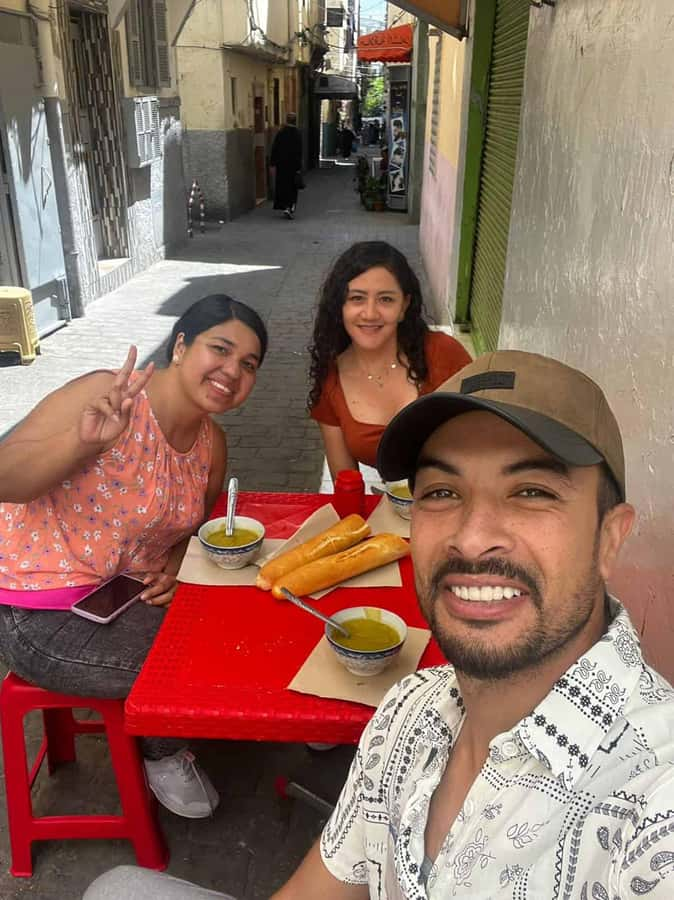
Grand Socco is a change of pace. You still get guided walking and tastings, but the energy feels different—more focused on public life and the flow of shoppers. This segment is another 45 minutes, which is a sweet spot: long enough to try multiple bites without turning the stop into a lecture marathon.
This is also where the tour tends to be extra fun if you like people-watching. You’ll see how vendors set up, how locals move through the area, and how food is woven into the day rather than treated as a separate event. Your guide should help you understand the culture behind what you see, including general traditions and everyday lifestyle.
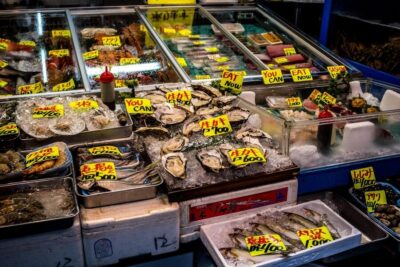
Food-wise, think “street meets café.” Reviews describe a mix that can include quick bites from markets and vendors, plus moments that feel more like a proper break. You may also notice that the guide spaces food out so you don’t hit tasting overload all at once.
Best use of your time here: ask questions. The tour explicitly encourages interaction, and it pays off. When a guide can explain the story behind a dish, you taste it differently afterward.
Place de la Kasbah: a longer stop with views and photos
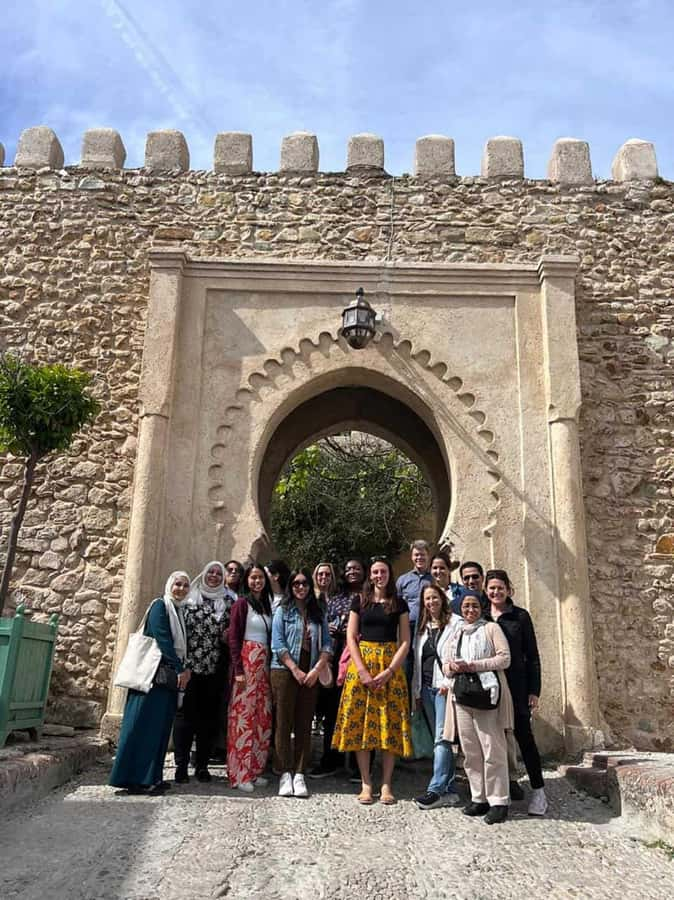
Next comes Place de la Kasbah, with about an hour of guided time and tastings. This is often the “set the hook” stop for visitors because you get better sightlines and that classic Tangier feeling—old streets narrowing toward dramatic angles and viewpoints.
You’re also likely to get more of the history and culture angle here. The tour aims to connect what you’re eating to where the city’s identity comes from, including traditional architecture, the old town layout, and how daily life works in neighborhoods shaped by centuries of movement.
Photo tip: if you care about pictures, slow down for this segment. The guide’s pacing should still keep you comfortable, but you’ll want to capture the views around the Kasbah area before the tastings move you onward.
One more practical note: this is where a full stomach starts to become tempting, especially if you’re a slow eater. That’s fine. Just be sure you don’t try to skip bites because you’ll want to save room for the café portion later.
Local café break and the Ramadan-style shift
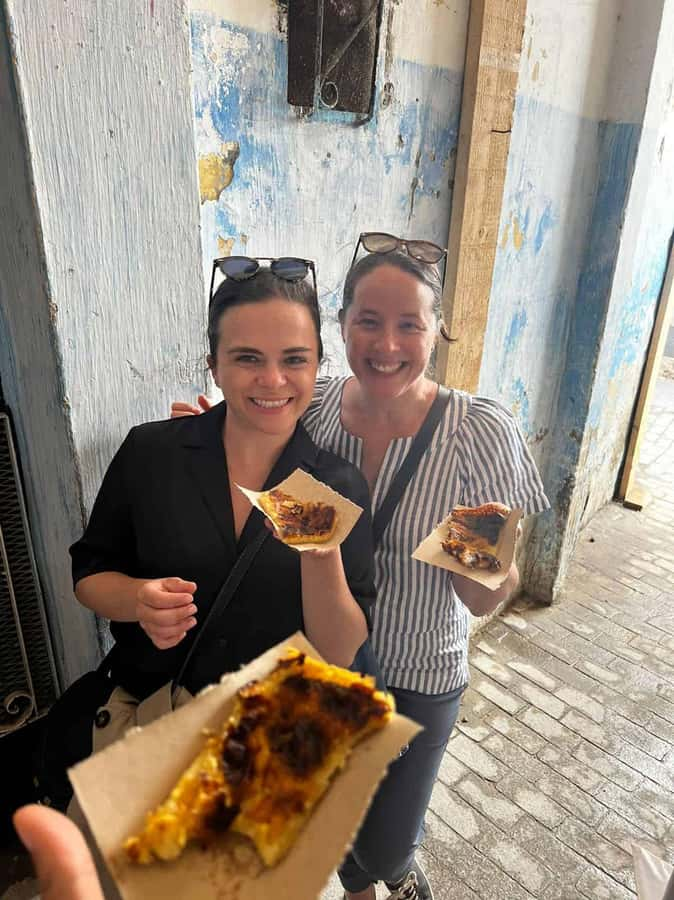
After the main medina segments, you’ll have a break at a local café, with about 30 minutes of guided time included. This is the reset point: sit, drink water, and let your feet recover for a moment.
In this café section and the final stretch, the tour is built to provide not only tastings but also a full meal. Depending on the day and your group, you might encounter dishes such as tagine, plus items like soup, bread, olives, meat pastries, and smoothies. The guide should steer selections based on dietary needs you’ve told them about ahead of time.
One standout detail from a review: during Ramadan, the tour can shift into an Iftar-style experience with the guide and their family. If your travel dates overlap Ramadan, that’s worth asking about before you go, because it changes the feel from market-snacking to a more family-centered meal moment.
If you’re the kind of person who likes to learn while eating, the café break is where you can get your best answers. This is the part of the tour where you can ask for recommendations on what to order afterward, not just what you tried today.
Café Hafa finish: turning tastings into a plan
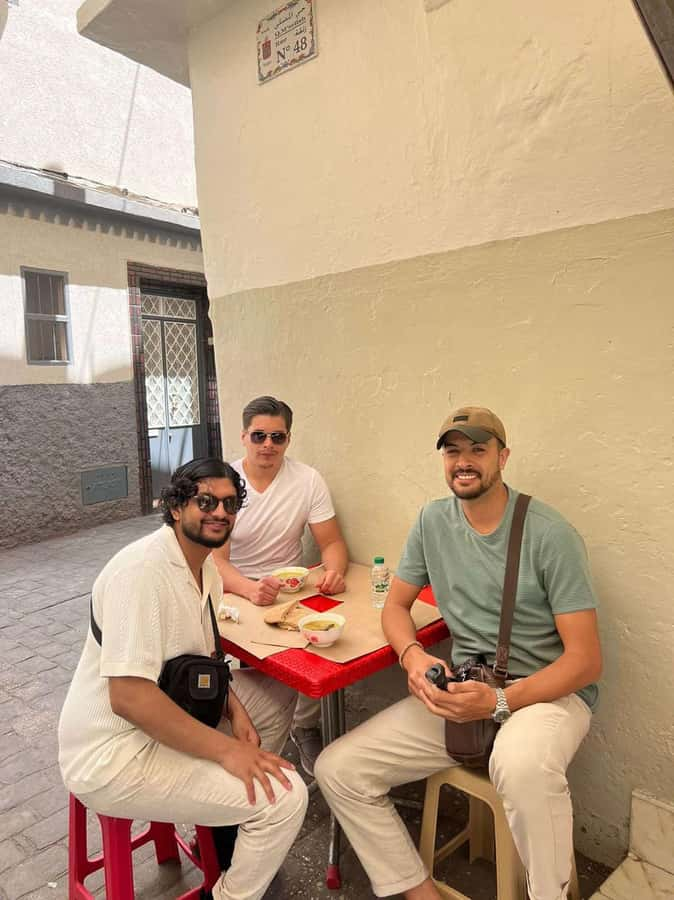
Your tour ends at Café Hafa. This matters because it gives you a “landing zone” where you can keep the momentum without needing transportation right away.
Café Hafa also tends to make sense as a finish for the way food tours work in old cities. You’ve walked the narrow lanes, tried street foods and café-style bites, and now you’re done. Your brain and stomach get to close the loop.
What I recommend you do after finishing: take 15 minutes to compare what you ate with what you see around the café. If you liked certain textures or spices, you’ll often be able to point to similar items nearby. And if your guide mentioned where to buy specific snacks after the tour, jot it down earlier so you don’t forget in the moment.
What you’ll be eating (and how dietary needs get handled)
The tour is built around handmade local products and street food classics. From the details provided, you can expect tastings that may include caliente, stuffed dates, and bissara. The full meal and additional bites can include things like local bread, soup, olives, meat pastry, smoothies, and tagine, depending on what the guide has arranged for your group.
Here’s the real value for you: the guide should help you connect the dish to ingredients and routine. It’s not just taste tests; you learn how the foods are made and how people eat them day-to-day. That makes the flavors easier to recognize later, even if you never order the exact same item again.
Dietary restrictions are part of the plan. The tour says it can accommodate vegetarians, gluten-free, lactose free, and more, as long as you tell them your preferences. So if you have to avoid certain ingredients, don’t wing it at the start. Send or state your needs clearly so the guide isn’t scrambling mid-walk.
If you’re sensitive to spice or have allergies (beyond what’s listed), you should still communicate details. The tour data mentions several categories, but it doesn’t list every allergy scenario. Better safe than trading your tour for a pharmacy run.
Price and value: is $73 reasonable for 3 hours?
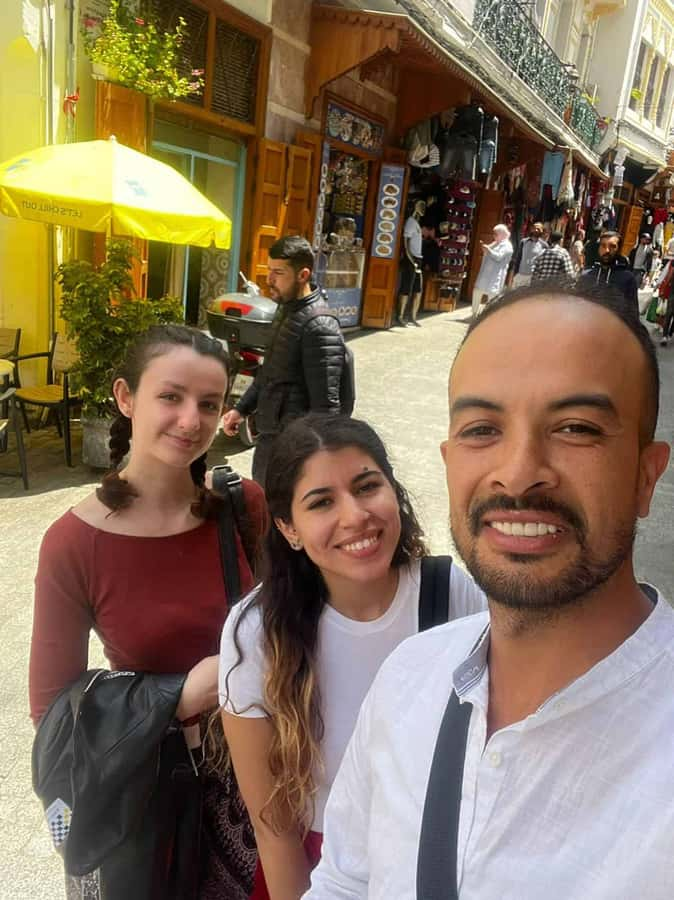
At $73 per person for a 3-hour experience, this tour looks like it’s priced for people who want more than a single guided meal. You’re paying for:
- A guide who walks with you and explains the food and culture
- Six tasting stops plus a full meal
- Bottled water
The tour also doesn’t include transportation, which is normal for a walking experience in a compact old-city zone. What that means for your value equation: you’re not paying for taxis or buses, so the cost is focused where it should be—on time, access, and organized food.
If you were doing this solo, you’d likely spend at least a comparable amount on several meals and snacks, then still miss the context that helps you order confidently. This is especially true in medina markets, where knowing what to ask and where to go can be half the battle.
So for most food lovers, the price is fair—especially because reviews highlight that the amount of food can feel like more than other tours. The best-case result is that you leave full and informed, then know where to return after the tour for round two.
Who should book this tour (and who should skip)
This is a good fit if you:
- like eating your way through neighborhoods instead of only sitting down
- want cultural context tied directly to food
- prefer an organized route when walking a historic old town
- need help navigating choices with dietary restrictions
It may not be the best fit if you:
- have mobility limitations or need wheelchair access (the tour explicitly says it’s not suitable)
- dislike walking on uneven old streets
- expect a quiet, slow museum-style pace (it’s a food walk with continuous movement, even if guides keep it comfortable)
Also, if you’re the type who arrives already full, you’ll feel shortchanged. The tour asks you to come on an empty stomach so you can enjoy all the stops.
Should you book the Tangier food walking tour?
If your goal is to eat well and understand the city at the same time, I think this tour is worth booking. The structure makes sense: M’Sallah and Grand Socco for market life, Place de la Kasbah for longer time and viewpoints, then a café break and a finish that lets you breathe after eating your way across town.
Book it when:
- you’re staying in Tangier long enough to enjoy the experience and still want to return on your own
- you care about food explanations, not just photos of food
- you have dietary needs and want an organized plan
Skip it (or pick a different style) if:
- walking is difficult for you
- you want a fully seated, low-movement meal experience
- you’re not comfortable eating multiple tastings and a full meal within three hours
If you do book: bring your good walking shoes, show up ready to eat, and ask your guide what to try again after the tour. That’s where the value really sticks.
FAQ
How long is the Tangier Food Walking Tour?
The tour lasts 3 hours.
How much does the tour cost?
It costs $73 per person.
Where do I meet, and where does the tour finish?
Meet next to the 3rd cannon at Sour Meêgazine. The tour finishes at Café Hafa.
What areas of Tangier will the tour cover?
You’ll visit M’Sallah, Grand Socco, and Place de la Kasbah, then stop at a local café before finishing at Café Hafa.
What’s included in the price?
The tour includes 6 tasting stops plus a full meal, tour guide fees, and bottled water. Transportation is not included.
Can you accommodate dietary restrictions?
Yes. The tour states it can accommodate dietary needs like vegetarians, gluten-free, lactose free, and more. Let them know your preferences.
What should I bring before I start?
Bring comfortable shoes. You’re also asked to come on an empty stomach so you can enjoy all the food stops.
Is the tour suitable for wheelchair users or people with mobility impairments?
No. The tour is not suitable for people with mobility impairments or for wheelchair users.
Are pets allowed on this tour?
No, pets are not allowed.
Is free cancellation available, and can I reserve without paying right away?
Yes. You can cancel up to 24 hours in advance for a full refund, and you can reserve now and pay later.