REVIEW · KATHMANDU
Secret Food Tour – Food Bites and Sights Kathmandu 14+ Testings
Book on Viator →Operated by I. Experience Nepal · Bookable on Viator
Eat your way through old Kathmandu. This 3-hour Secret Food Tour mixes real market wandering with 14+ tastings, led by local guides who know where people actually eat. You get a food tour that also acts like a short orientation to the city’s older neighborhoods, not just another list of restaurants.
What I like most is the pairing of Indra Chowk’s traditional bazaars with the historic lanes and temples nearby. You also get a chance to end in Thamel, where you can see how Kathmandu’s main tourist shopping area sits right next to everyday life.
One consideration: some of the best-eating spots are in the older street-food setting, so cleanliness standards can vary. If you’re sensitive, come prepared with hand wipes and a flexible mindset.
In This Review
- Key Highlights You Should Know
- Price and Value: What $35 Buys You in Kathmandu
- Getting Started at Purple Haze Rock Bar: Meeting Point and Group Size
- Indra Chowk Market Stop: Spices, Souvenir Shops, and Everyday Energy
- Historic Temples, Old Houses, and Hidden Alleys Between Tastings
- Thamel After Eating: Seeing the Shopping Hub with Different Eyes
- The Tastings: How to Eat Like This Tour Expects You To
- Guides That Make or Break It: Swoyam, Jivraj, Namrata, and Namata
- Comfort, Cleanliness, and What to Bring So You Can Enjoy It
- Weather and Timing: When the Tour Works Best
- Should You Book the Secret Food Tour in Kathmandu?
- FAQ
- How long is the Secret Food Tour in Kathmandu?
- What does the tour cost?
- Where do I meet the guide for the tour?
- What’s included in the tour price?
- Is air-conditioning provided?
- How big is the group?
- What should I do before I go?
Key Highlights You Should Know
- 14+ tastings in about 3 hours means you should plan to eat, not snack ahead.
- Indra Chowk adds a market-and-spices feel, not just restaurant stops.
- Historic lanes, courtyards, and temples are part of the experience, not background scenery.
- Small groups of up to 15 help the pace stay friendly and personal.
- Stops around Thamel let you connect shopping streets with the food culture behind them.
- Guides are often praised by name such as Swoyam, Jivraj, and Namrata, with clear English in several cases.
Price and Value: What $35 Buys You in Kathmandu
At $35 per person, this tour is trying to solve a simple problem: you want lots of local food without spending time figuring out where to go. For that price, you’re getting a guided walk, coffee or tea, and a long string of tastings across multiple spots.
The value also comes from the structure. Instead of one meal where you can only sample a few things, you’re moving through several locations, which is how you end up with a bigger variety in a short time. You’re also paying for the “how to find it” part, since several places on the route are the kind you might not notice from outside.
Is it perfect value for everyone? If you hate walking or you only want a sit-down meal, you may feel it’s not your style. But if you like street-level city life and want to eat like locals do during the day, the price makes sense.
You can also read our reviews of more food & drink experiences in Kathmandu
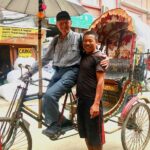
Getting Started at Purple Haze Rock Bar: Meeting Point and Group Size
The tour starts at Purple Haze Rock Bar on Paryatan Marg. The route ends back at the meeting point, so you’re not stuck trying to navigate afterward with a full stomach and tired feet.
Logistically, this matters because you can plan your day around a clear start and finish. You’ll also be able to use a mobile ticket, and pickup is offered, so you’re not limited to one exact location if you’re meeting them from the neighborhood.
The group is capped at 15 travelers, which keeps things from turning into a slow parade. In practice, that usually means you get more time to ask questions and adjust to the pace.
Indra Chowk Market Stop: Spices, Souvenir Shops, and Everyday Energy
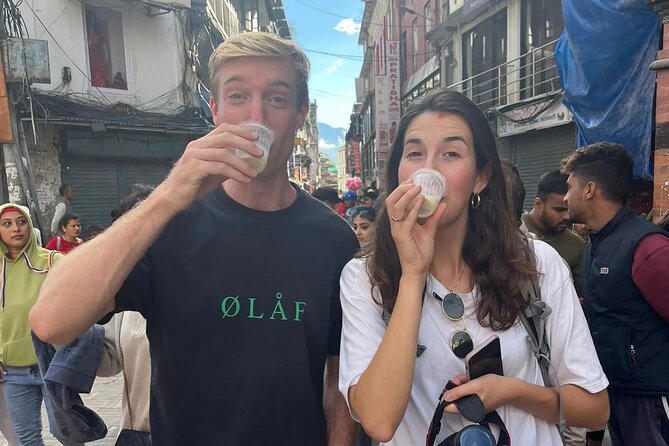
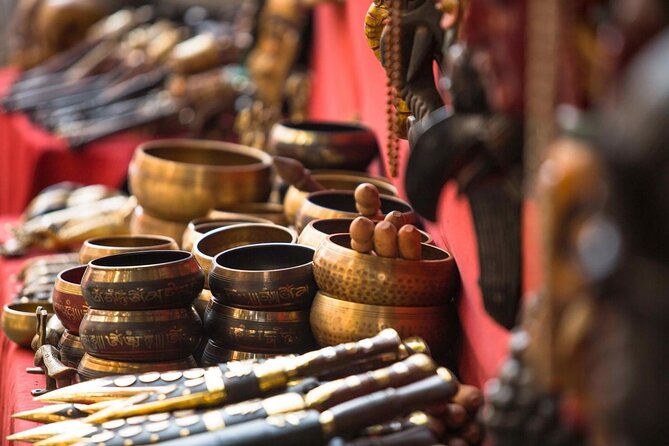
Indra Chowk is where the tour really turns into a Kathmandu market experience. It’s described as one of the city’s older markets, and it’s known for its unique bazaar feel where you can watch the day-to-day rhythm play out.
This stop is especially valuable if you’re a first-timer. Food in Kathmandu isn’t just about taste, it’s about the way markets feed into it—spices, small vendors, and the commercial flow that supports local meals. You also get a quick lesson in how the city’s food culture shows up in public spaces, not only on menus.
What to expect from a market-based stop: more looking than sitting, more smells than comfort, and a need to pay attention. If you want your guide to help you connect what you taste with what you see, this is the right place to start.
One practical tip from the experience style of this tour: go in hungry. Multiple guides and routes are designed around you getting full, not getting a snack.
Historic Temples, Old Houses, and Hidden Alleys Between Tastings
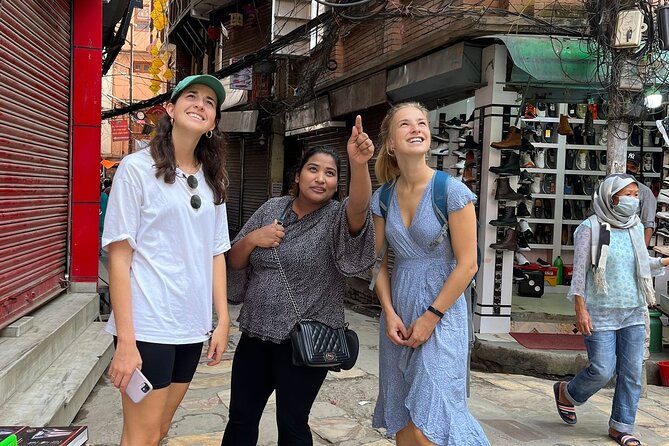
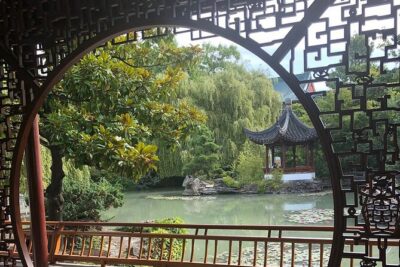
After the market, the route shifts into the older parts of the city where you’ll see temples, old traditional houses, and smaller alleys and courtyards. This is where the tour becomes more than food math, because you’re walking through the kind of spaces that shape daily life.
There’s also a reason this section works well for food. Street-food and small eateries often cluster around community spaces, so as you move through these lanes, you’re also moving through the logic of where food is easy to buy and easy to share.
The tradeoff is that you should expect less control over comfort. One of the ratings highlights the point clearly: hidden spots can be very dirty, and that can make some people nervous about getting sick. If you’re cautious, don’t ignore that signal.
My advice is simple: bring hand wipes, use them often, and pace yourself with water. If something looks risky to you, politely ask your guide what’s nearby that feels safer. A good guide should help you make choices without making you feel awkward.
Thamel After Eating: Seeing the Shopping Hub with Different Eyes
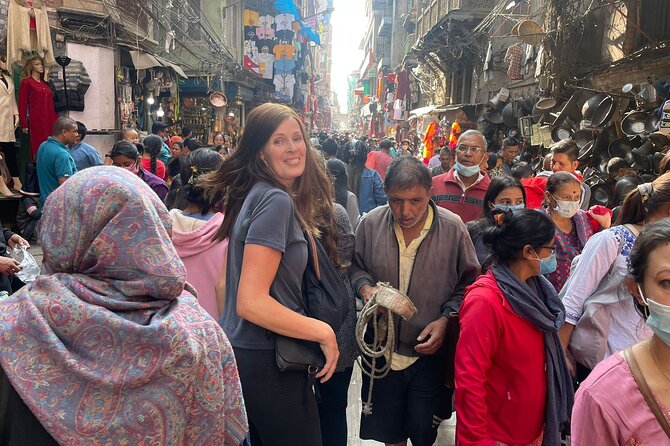
Thamel is the area most visitors associate with Kathmandu shopping. On this route, it’s not just a walk past souvenir stalls—it’s a chance to see how a tourist-focused neighborhood overlaps with older everyday life.
You can spot all the usual categories: handicrafts, jewelry, and clothing shops. But what makes the Thamel portion worthwhile is that you’ve already built context from the market and historic lanes. That changes how you notice the place; you’re not just browsing, you’re connecting it back to the food culture that helped shape the city.
If you like to shop, this is a good time to look around with less pressure. You’re already done eating most of what you came for, so you can browse without needing to stop every 10 minutes for the next snack.
The Tastings: How to Eat Like This Tour Expects You To
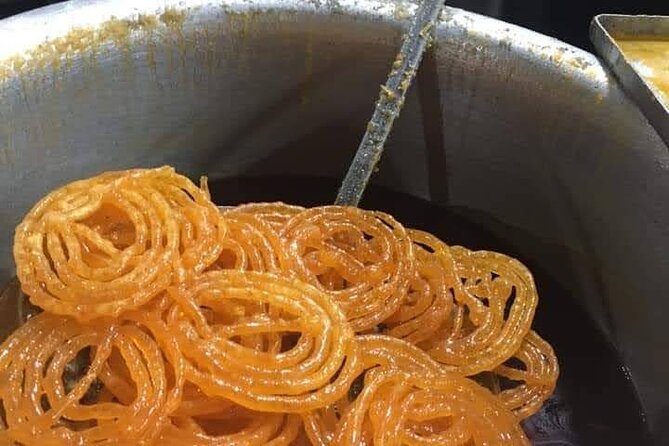
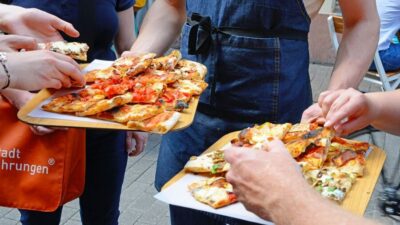
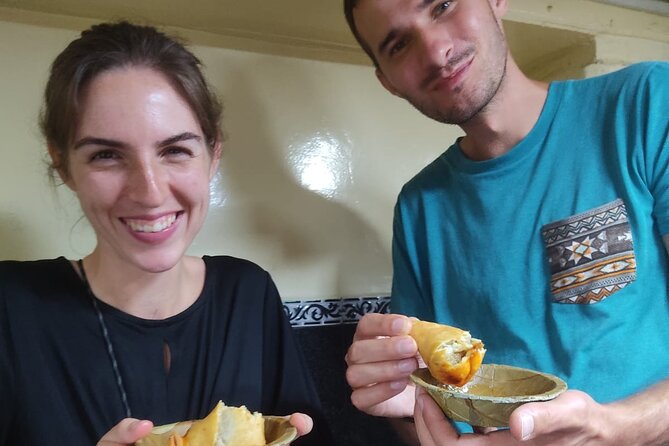
This tour is built around 14+ tastings, plus coffee or tea. That means portions are not meant for picky nibbling. You’ll be trying multiple Nepalese items across different stops, and you’ll likely finish feeling fully satisfied.
From the foods mentioned in the experience, you can expect classic Nepalese staples to appear, like momos and dal baht. You may also find options like pani-puri, and one review notes the guide was accommodating when the group asked to try it.
If you have dietary restrictions, the tour data doesn’t list details about vegetarian-only or allergy handling. So your best move is to ask the operator questions before you go. At minimum, tell your guide what you can’t eat, because this is a stop-to-stop tasting format.
A small but important mindset shift: treat this as a meal plan, not a sampler plate. If you arrive with a full stomach, you may end up overwhelmed or forcing yourself through food you don’t want.
Guides That Make or Break It: Swoyam, Jivraj, Namrata, and Namata
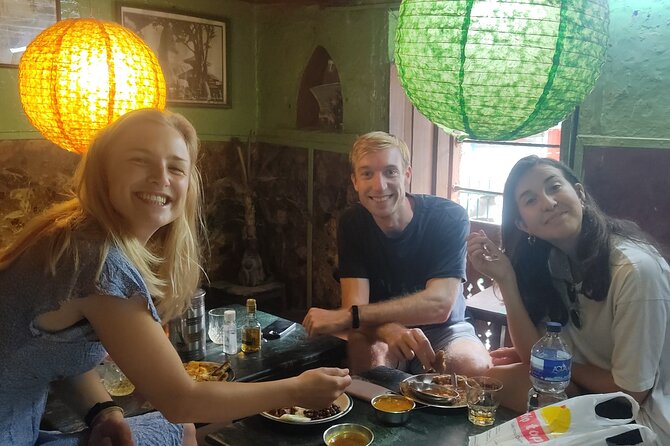
One of the strongest recurring points is the guides. People praise specific names, including Swoyam, Jivraj, and Namrata (also written as Namata in at least one review). In a few cases, English communication is mentioned as excellent, which matters when you’re learning what you’re tasting and why it belongs to the local routine.
You’ll also see a theme about friendliness and flexibility. For example, one experience notes the guide handled requests like trying pani-puri. Another mentions the guide sent information ahead of time through WhatsApp, which can help you know where to go and what to expect.
So how does that help you as a traveler? It makes the walk feel less random. If a guide can explain how people think about flavors, what ingredients are common, and how markets connect to meals, you end up remembering the experience longer than just the food.
Comfort, Cleanliness, and What to Bring So You Can Enjoy It
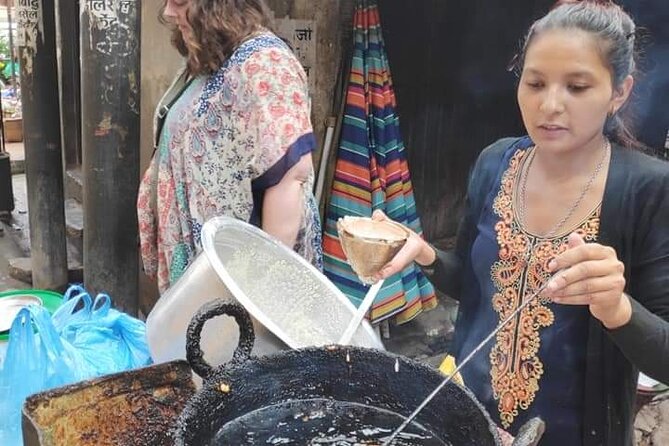
Because this is a walking food tour with market and alley stops, your comfort tools matter more than usual. Even when the food is great, the environment can be messy in older neighborhood settings.
The most repeated advice for success is straightforward: come hungry and plan for a lot of eating. A second practical suggestion is to bring hand wipes, especially if you’ll be eating at stalls or on-the-go spots.
Also think about basic walking readiness. The tour is about 3 hours, and it’s designed around moving between places. Wear shoes you can walk in comfortably, since Kathmandu’s old streets can include uneven sections and tight lanes.
Finally, be honest about your tolerance for new foods. One comment calls the tour for adventurous eaters, and that’s fair. If you prefer only familiar foods, this tour may feel like work. If you like trying things you can’t easily find back home, you’ll probably have a great time.
Weather and Timing: When the Tour Works Best
This experience depends on good weather, according to the tour information. If weather turns, you’re offered another date or a full refund, which is useful because you’re walking and sampling outdoors and around street-level spaces.
Timing matters too. A 3-hour window means you should keep other plans light around it. You’ll likely be full and ready to slow down afterward, especially since multiple reviews stress the amount of food you’ll eat.
If you want to maximize your day, book this early in your trip to Kathmandu. It gives you bearings fast, and it helps you understand what you later see on your own.
Should You Book the Secret Food Tour in Kathmandu?
I’d book it if you want a guided way to eat your way through Kathmandu’s older neighborhoods, not just a single restaurant meal. The best reason to go is the combo: Indra Chowk market life plus historic lanes plus Thamel context, all tied to a tasting-heavy plan.
It’s also a great fit if you like the idea of trying items like momos and pani-puri while learning what makes them part of everyday Nepalese eating. And if you appreciate strong guide energy, names like Swoyam, Jivraj, and Namrata show up for a reason: people remember how the walk felt.
Skip it or reconsider if cleanliness worries you a lot, or if you only want fully controlled, restaurant-grade comfort. In that case, you can still enjoy Kathmandu food, but you may want a different format with fewer street-stall variables.
If you do book, do it smart: arrive with an empty stomach, bring wipes, wear good walking shoes, and be ready to try foods you may not recognize.
FAQ
How long is the Secret Food Tour in Kathmandu?
The tour is listed as approximately 3 hours.
What does the tour cost?
The price is $35.00 per person.
Where do I meet the guide for the tour?
The meeting point is Purple Haze Rock Bar, Paryatan Marg, Kathmandu 44600, Nepal, and the tour ends back at the meeting point.
What’s included in the tour price?
The tour includes coffee and/or tea and local food and drinks through the tastings.
Is air-conditioning provided?
No. The tour information says an air-conditioned vehicle is not included.
How big is the group?
The tour has a maximum of 15 travelers.
What should I do before I go?
Plan to arrive hungry, because the tour is designed around eating a lot. Bringing hand wipes is also a practical idea since some stops involve stall-style eating.