REVIEW · SARAJEVO
Sarajevo: Sarajevo City Market, Old Town Food Tasting Tour
Book on GetYourGuide →Operated by Sarajevo Insider City Tours & Excursions · Bookable on GetYourGuide
Food starts in the market, then keeps going. This 4-hour Sarajevo Old Town tasting tour feels like time travel through everyday Bosnian flavors in places you’d probably skip. I love how it mixes market-life food with proper sit-down stops, and you get a small group size that makes it easy to ask questions without shouting across tables.
I also like the pacing. Portions are spread out, so you’re not stuffed after the first bite, and the tour ends with something sweet and memorable like baklava plus Bosnian coffee. The main consideration: it’s built around walking and tasting, so it may not suit everyone, especially if mobility is an issue.
In This Review
- Key things that make this tour worth your time
- First stop energy: meeting Insider City Tours in Old Town Sarajevo
- Sarajevo City Market and Markale: where the smells do half the work
- Učkur Pita and the bread that keeps time: small bites, big culture
- TipTop and the boza pause: an old-school drink break
- Soup, sahan, and the warm comfort of Sarajevo (Aščinica stops)
- The čevapi must-do moment and why it’s more than fast food
- Watch the coffee process, then earn that last cup
- Baklava dućan and Miris Dunja: Sarajevo’s sweet ending
- Price and value: is $57 for 4 hours a fair deal?
- Who should book this tour, and who should think twice
- Should you book this Sarajevo City Market and Old Town Food Tasting Tour?
- FAQ
- How long is the Sarajevo City Market and Old Town food tasting tour?
- How many tastings and locations are included?
- Is the tour guide available in English?
- What is the group size?
- Where do I meet for the tour?
- Is the tour wheelchair accessible?
- Is it suitable for people with mobility impairments?
- What should I bring?
Key things that make this tour worth your time
- Time-travel style route focused on what locals actually buy and eat, not just the obvious sights
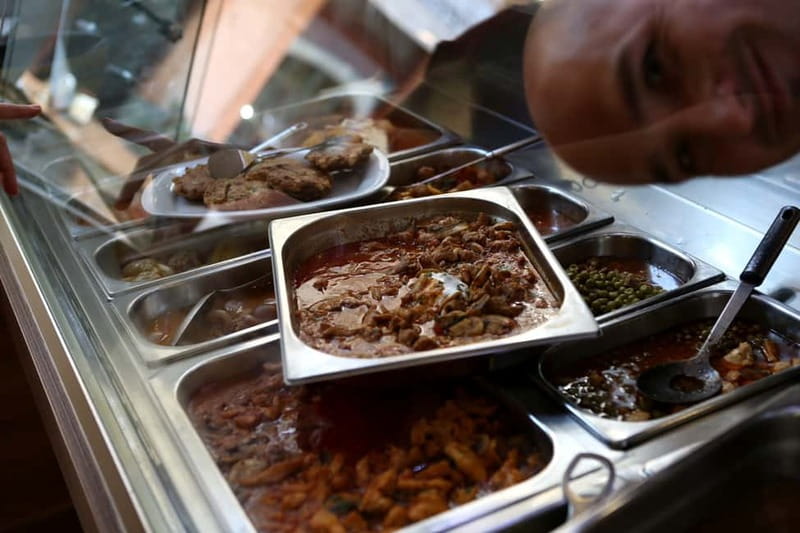
- 10 tasting locations across markets, bakeries, soup spots, and iconic Sarajevo foods
- English-speaking guide who ties food to city life and Bosnian culture
- Coffee and sweets finish with baklava and Bosnian coffee as a satisfying closer
- Small group (up to 10), which keeps the experience personal and questions easy
- Spacing that keeps you comfortable so you can enjoy each stop instead of powering through
First stop energy: meeting Insider City Tours in Old Town Sarajevo
You start at the activity provider’s office for the tour run by Sarajevo Insider City Tours & Excursions. From there, you’re on foot through the Old Town area, moving from place to place at a pace that’s active but not frantic. The tour is designed for food, so comfortable shoes matter more than you might think, especially if you’re doing this earlier in your trip when you’re still getting your bearings.
This is a guided experience, and the guide is the glue that connects everything. You’ll get explanations that go beyond what a dish is, with context on how people eat day to day and what they reserve for special occasions. In past groups, the tour has been led by guides such as Bojan, Hana, Deniz, Ilma, Alem, Denes, and Emina, and you can feel the difference when the person running it genuinely likes their city.
Expect a strong emphasis on eating culture. That means you’ll learn not only flavors, but also the rhythm: markets first, then baking, then hot dishes, and finally the sweet finish with coffee.
You can also read our reviews of more food & drink experiences in Sarajevo

Sarajevo City Market and Markale: where the smells do half the work
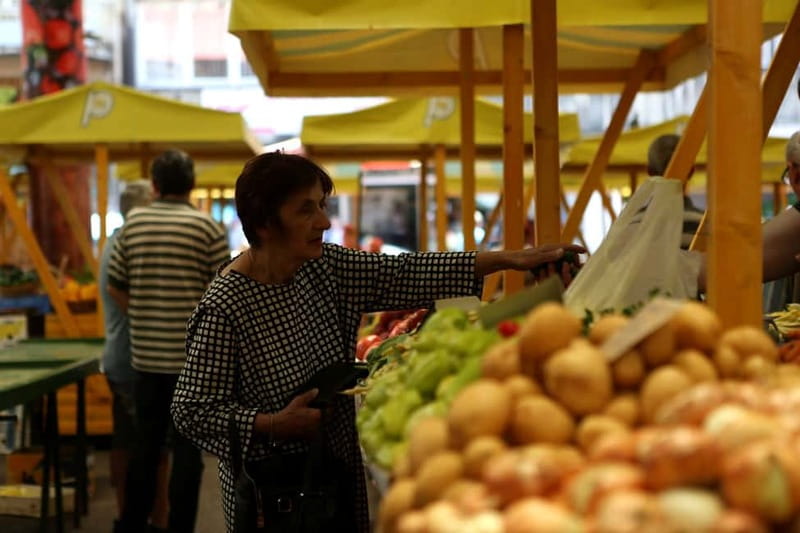
The tour opens with market life, and that’s smart. Markets don’t just add food; they set the mood. At Sarajevo City Market, you get that immediate, nose-first Sarajevo experience: stalls, chatter, and the smell of dry cured meats. This is where you’ll taste some of the best dry meat in the country, the kind of food that becomes more than a snack because it represents preservation, craft, and local daily habits.
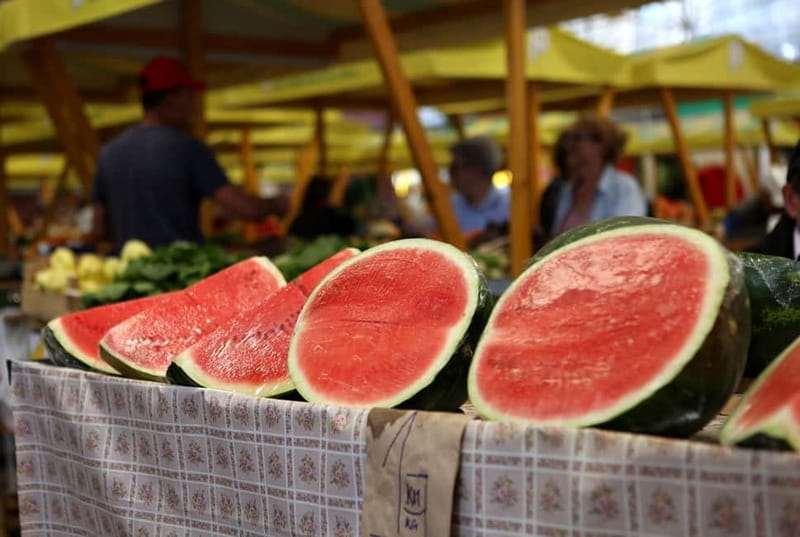
Then you head to Markale Open Market, a classic stop for fresh produce. You’re not just seeing vegetables and fruit—you’re learning how local farmers supply what people actually buy. It gives you a better sense of what ingredients show up repeatedly in Bosnian cooking, from savory pies to soups and sauces later on.
If you’re the type who wants to understand a cuisine fast, markets are a shortcut. You get a real-time look at what’s seasonal and what’s considered everyday food, not just restaurant food.
A practical note: markets can be busy and sensory-heavy. If you’re sensitive to strong smells or crowds, take your time and focus on pacing yourself. The tour’s spacing helps, but you’ll still feel it at full market volume.
Učkur Pita and the bread that keeps time: small bites, big culture
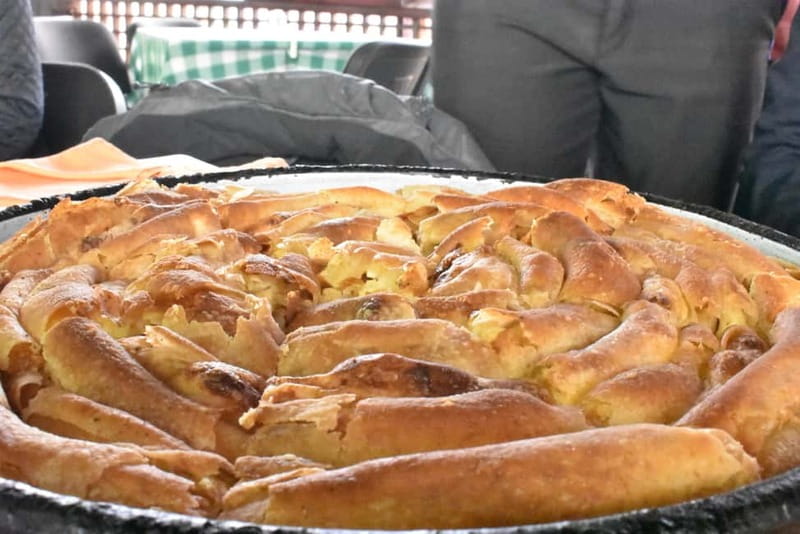
After the markets, you shift into baking territory, which is where Sarajevo food gets very specific. One of the standouts is Učkur Pita, a traditional Bosnian pie that’s unique in its style and identity. This isn’t a generic “cheese pie” situation. You’ll learn why these kinds of pies matter and how they fit into everyday eating and special moments.
Next comes somun, the special Sarajevo bread baked for only about 20 seconds. That detail matters because it tells you something about technique and speed—how bread traditions are built around fire and timing. When you taste it, you’re tasting craftsmanship, not just carbs.
These stops are also useful for your hunger level. Pies and bread are satisfying, but they tend to be portioned in a way that keeps you ready for the hot and savory hits later. If you show up hungry (you should), you’ll feel like the tour is giving you layers instead of one long buffet.
TipTop and the boza pause: an old-school drink break
Then the tour takes a breather with TipTop, where you’ll drink boza. This is a smart move because boza is one of those foods/drinks that acts like a cultural handshake. It gives you a taste of tradition, often less familiar to visitors than things like coffee or bread.
What I like about this kind of stop is the “reset.” After multiple savory bites, boza is a way to slow down, sip, and listen. It also helps you stay present for the next round of tasting, especially when the tour includes several hot dishes in a row afterward.
If you’re not sure about boza, treat it like a guided try. You’re not committing to a whole drink order for the rest of the day—you’re sampling something the region takes seriously.
Soup, sahan, and the warm comfort of Sarajevo (Aščinica stops)
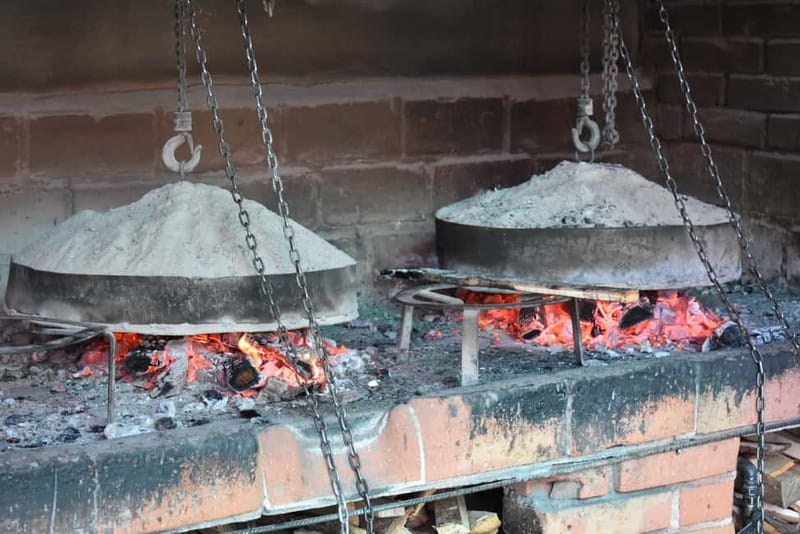
Bosnian soups and hot dishes can be a turning point on a food tour. Here you’ll meet Aščinica Stari Grad for a Bey’s soup tasting. This stop matters because it’s not just about flavor; it’s about comfort food as a cultural habit. You’ll feel why people line up for hearty bowls, especially when the rest of the tour is walking and sampling.
Then you’ll hit Aščinica, where the tasting focuses on Sarajevski sahan. A sahan-style dish points you toward the way Sarajevo cooking often lands on baked, shareable comfort—something meant to feed people and keep them warm. It’s the kind of food that makes sense in cold weather, but it also works because it tastes like a complete meal, not just an appetizer.
What to watch for: hot dishes bring the “real meal” effect. The tour’s pacing is designed to stop you from overeating too early, but if you have a very sensitive stomach, go slow and sip water between tastings.
This is also a good place to ask questions. Guides usually have plenty to connect back to history and everyday life, and soup stops are where those stories land best.
The čevapi must-do moment and why it’s more than fast food
No Sarajevo food tour would feel complete without ćevapi. This is the must-have item, and for good reason: it’s iconic, it’s simple, and it’s one of the clearest ways to taste Sarajevo’s identity.
I like how a tasting like this teaches you to look past presentation. Ćevapi can be served in ways that change the texture and flavor slightly depending on preparation, but the core experience is about grilled meat, spices, and how people eat it as a casual meal.
On this tour, ćevapi isn’t just a random bite. It sits in the middle of the day’s arc—after bread and pies, before coffee and sweets. That placement helps you appreciate it as a centerpiece, not as a filler item.
If you’re thinking about repeating Sarajevo flavors later, ćevapi becomes a reference point. You’ll know what to look for when you choose your own dinner.
Watch the coffee process, then earn that last cup
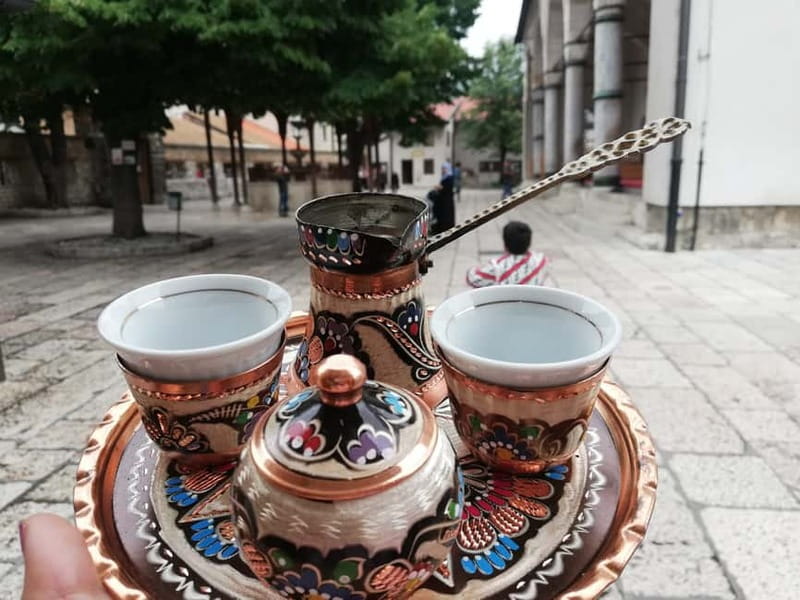
Bosnian coffee is a whole ritual, and this tour doesn’t treat it like a quick caffeine handoff. You’ll see the coffee-making process, which helps you understand what makes the drink distinct. Even if you’ve had coffee in a dozen countries, seeing the steps makes it easier to taste what’s different when you order it later on your own.
Then you bring that coffee habit home at the end of the tour, because the final stop pairs sweetness with the real finish: baklava and Bosnian coffee.
This sequence is one of my favorite parts of the whole experience. You don’t just taste— you connect. You taste coffee at the beginning with context, then again at the end as a reward.
Baklava dućan and Miris Dunja: Sarajevo’s sweet ending
The tour closes with baklava from Baklava dućan & Miris Dunja, and it’s a fitting finale. Baklava is the kind of dessert that can feel heavy, but here it works because you’ve been eating in a paced order all afternoon.
The big win is how baklava ties the city together. It’s dessert, yes, but it also connects to the idea of special occasions and the foods that people save for celebrations. After markets, pies, soup, and grilled meat, the sweetness feels earned, not tacked on.
And then there’s the coffee pairing. In many places, dessert and coffee are an afterthought. In Sarajevo, coffee has a role, and you feel it more when you’ve watched the process earlier.
If you want to keep your decision-making simple for the rest of your trip, this ending does it. You leave knowing what “works” together and what Sarajevo takes seriously in both sweet and strong tastes.
Price and value: is $57 for 4 hours a fair deal?
At $57 per person for about 4 hours and tastings at 10 different locations, the value is strong if you’re the kind of eater who likes variety. You’re not paying for a single restaurant meal. You’re paying for multiple stops, guided context, and drinks, which is how food tours justify their price in the real world.
Here’s how I’d think about the cost:
- You’re getting a mix of markets and proper eateries, not just snacks from one spot.
- You’ll sample major Sarajevo staples (bread, dry meat, pies, soups, ćevapi, and baklava).
- You also get the coffee process experience, which is a real-world cultural detail, not a throwaway add-on.
If you already know every Bosnian dish you want and you plan to eat mostly at one place, you might skip a tour. But if you want structure and variety without the guesswork, this is a very sensible use of time.
Also, the small group size (limited to 10 participants) tends to keep the experience moving and the guide accessible. That matters because you’re tasting a lot; you don’t want long waits and crowded chaos.
Who should book this tour, and who should think twice
This tour is a great fit if:
- You want a focused introduction to Sarajevo’s food culture.
- You like walking a bit and stopping often for bites and sips.
- You enjoy asking questions and getting cultural context tied to what you’re eating.
- You want a practical way to choose what to eat later after you leave.
It might be a less ideal fit if:
- You have mobility limits that make walking difficult.
- You’re extremely sensitive to tasting lots of different foods in a short window.
- You don’t want a paced, structured day where food comes in a sequence.
One more nuance from the tour details: it lists wheelchair accessible, but it also says it’s not suitable for people with mobility impairments. If that applies to you, contact the provider ahead of time so you’re not making assumptions about steps, surfaces, and how the route works in practice.
Should you book this Sarajevo City Market and Old Town Food Tasting Tour?
If your goal is to eat your way into Sarajevo quickly, I’d book it. The reason is simple: the route is built around what locals buy and eat—markets, breads, pies, soups, grilled staples, and a sweet ending with baklava and coffee—so you leave with both full satisfaction and real direction for your next meals.
I’d also do it early-ish in your trip. Even when you’re not chasing every possible sight, you’ll come away with a map of flavors: what Sarajevo does well, what to look for, and what pairings feel right. Just show up with comfortable shoes, and come hungry enough to enjoy the pacing, not fight it.
FAQ
How long is the Sarajevo City Market and Old Town food tasting tour?
The tour lasts 4 hours.
How many tastings and locations are included?
You’ll taste food and drinks at 10 different locations, with tastings included at each stop.
Is the tour guide available in English?
Yes, the tour has a live guide who speaks English.
What is the group size?
The tour is a small group and is limited to 10 participants.
Where do I meet for the tour?
Meet at the activity provider’s office: Insider City Tours.
Is the tour wheelchair accessible?
The tour details list it as wheelchair accessible.
Is it suitable for people with mobility impairments?
The details also state it is not suitable for people with mobility impairments, so it’s worth checking with the provider before booking.
What should I bring?
Bring comfortable shoes, since you’ll be walking around as part of the tour.