REVIEW · PRAGUE
Prague Food Tour with 10 Tastings of Authentic Czech Classics
Book on Viator →Operated by Secret Food Tours · Bookable on Viator
Prague runs on good bread and better stories, and this tour is built around both. You’ll get 10 tastings of Czech classics while a local guide points out what you’d miss on your own, from Lesser Town to the Lennon Wall.
I especially love the mix of food stops and sightseeing in one smooth walk. And I like that you’ll try everything from chlebíčky to soup, dumplings, pickled sausage, dessert, plus local beer and Moravian wine.
One thing to consider: the route includes a fair amount of walking, and a couple of stops can feel a bit lively, so comfortable shoes and clear communication about drinks help.
In This Review
- Key Highlights Worth Marking on Your Map
- Why This Prague Food Tour Starts in Malá Strana
- Price and Value: What $105.26 Buys You Here
- What You’ll Eat and Drink (and Why It Works)
- Stop-by-Stop: Malá Strana to Iconic Prague in One Walk
- Stop 1: Lesser Town (Malá Strana) Orientation
- Stop 2: St Nicholas Church (Baroque Prague)
- Stop 3: Charles Bridge (Vltava River Views)
- Stop 4: Kampa Park and a Fine-Dining Style Stop
- Stop 5: Lennonova zeď (Lennon Wall)
- Stop 6: Church of Our Lady Victorious and the Infant Jesus Shrine
- Guides Make or Break a Food Tour in Prague
- Walking, Pacing, and How to Set Yourself Up for Success
- Dietary Restrictions: Good News, With One Requirement
- Who This Tour Suits Best
- Should You Book This Prague Food Tour?
Key Highlights Worth Marking on Your Map
- Malá Strana focus: you tour Prague’s Lesser Town from the ground up, not just through it.
- 10 tastings, not a “snack sampler”: you leave full, with both savory and sweet Czech comfort food.
- Local guide energy: guides like Sonor/Sony/Soner, Karolina, Viktoria Vakulenko, and Tomas show up in feedback with stories tied to food.
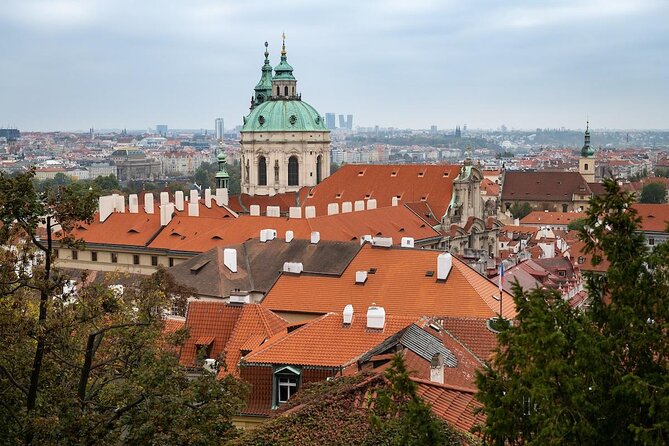
- Church and bridge landmarks, with food in-between: baroque Prague scenery while you’re eating real local dishes.
- Drink variety: Czech beer, Moravian wine, and non-alcoholic options are part of the plan.
- Dietary needs handled in advance: you’ll need to contact the operator ahead of time so they can cater well.
Why This Prague Food Tour Starts in Malá Strana
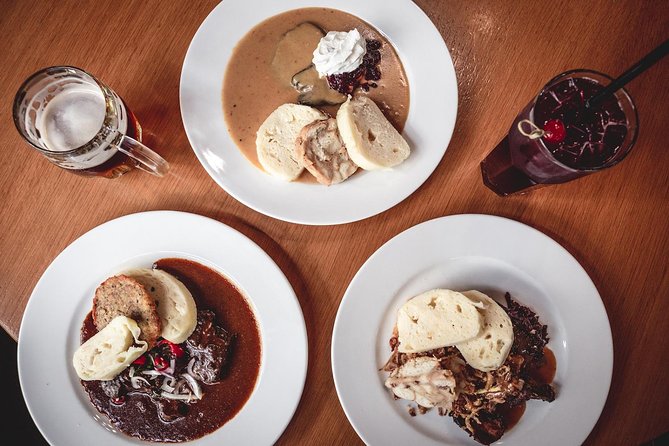
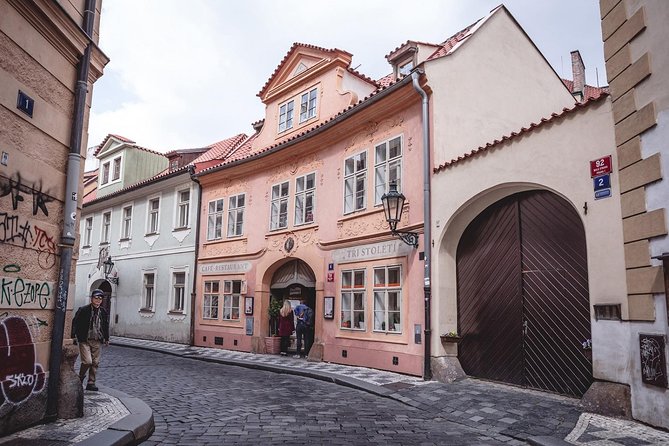
If you want Prague to feel human-sized, start in Malá Strana (Lesser Town). It’s compact, photogenic, and right at the foot of Prague Castle, so the walk feels effortless in short chunks even though it adds up.
This tour’s great value is that it doesn’t treat food as a side quest. You’re eating Czech classics while also getting oriented to what the area means, from baroque architecture to the river view at Charles Bridge.
You’ll meet at the Column of the Holy Trinity at Malostranské náměstí, and you finish under the Petřín hill near the Újezd tram station. That end point is convenient because it’s easy to keep exploring afterward without dragging yourself back across town.
You can also read our reviews of more food & drink experiences in Prague

Price and Value: What $105.26 Buys You Here
At about $105.26 per person for roughly 3 hours, the price makes sense when you look at what’s actually included. This isn’t just a bite-and-bye tour. You get 10 tastings, plus beer, Moravian wine, and water (with non-alcoholic options too).
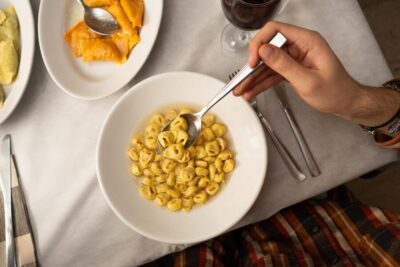
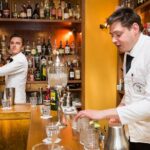
Most city food tours charge a similar number for snacks alone. Here, you’re sampling a full meal lineup in smaller portions: open-faced sandwiches (chlebíčky), soup, pickled sausage, dumplings, gingerbread, dessert, and an exclusive secret dish.
The small group size (max 12) matters too. You’re not fighting a crowd at the counter, and the guide can actually keep the pacing comfortable—especially important when the tasting stops are spread through different local spots.
What You’ll Eat and Drink (and Why It Works)
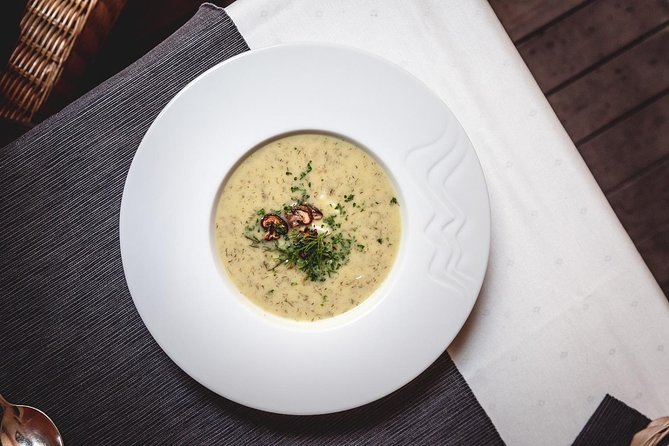
The menu mix hits the Czech comfort-food core. Here’s what’s specifically included, and why each part is a smart choice for first-timers.
Chlebíčky (Czech open-faced sandwiches)
These are practical, flavorful, and common in daily life. You get a taste that feels like a real Czech meal rather than tourist food.
Hearty Bohemian soup
Czech soups are built for cold weather and hungry appetites. Even if you’re not a soup person, this one tends to land because it’s rich and filling.
Pickled sausage
This is one of those classic Czech flavors that shows up again and again once you start paying attention. It’s salty, tangy, and perfect with beer.
Handcrafted artisanal gingerbread
Sweet Czech baking is more interesting than it sounds. Gingerbread here isn’t just dessert—it’s part of how the country celebrates everyday life and holidays.
Soft, homemade dumplings
If you want to understand comfort food in Czech cooking, dumplings are a great marker. They’re the kind of dish that tells you what locals treat as “normal good eating.”
Classic Czech dessert + exclusive secret dish
The tour includes both a standard Czech dessert and a surprise stop. That “secret dish” piece is what keeps the experience from feeling repetitive.
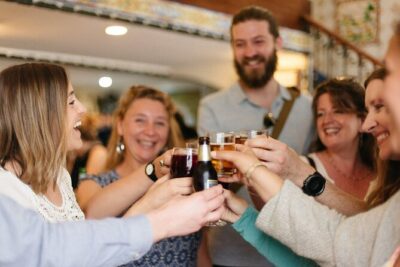
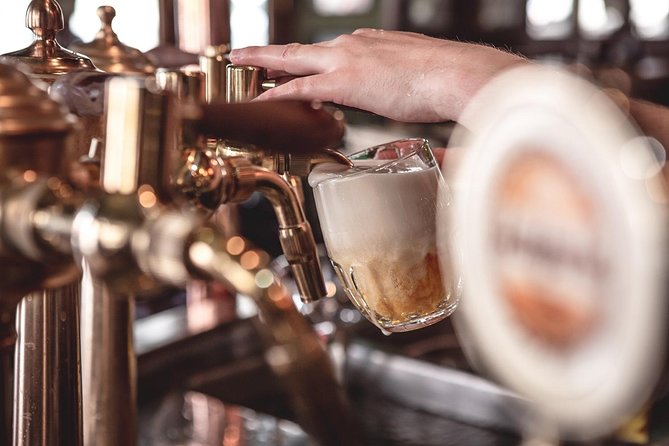
On the drink side, you’ll get local craft beer and Moravian wine, plus still or sparkling water. If you don’t drink alcohol, the tour also lists non-alcoholic local options, so you’re not stuck with just water.
Stop-by-Stop: Malá Strana to Iconic Prague in One Walk
This tour is paced for a 3-hour experience, with stops that feel close enough to keep the rhythm. The idea is simple: you see a piece of Prague, you taste a piece of Czech life, and you repeat.
Stop 1: Lesser Town (Malá Strana) Orientation
You start in the heart of Malá Strana, a district that sits at the foot of Prague Castle. This is where the tour earns its “local eyes” label because you get context before the food starts landing.
Why it’s worth it: Malá Strana’s layout helps you understand why the rest of the walk makes sense. Even if you only remember a few landmarks, you’ll remember the area’s vibe.
Possible drawback: If you’re someone who hates waiting at scenic viewpoints, the early stop can feel like a warm-up. Think of it as the tour’s quick reset button.
A few more Prague tours and experiences worth a look


Stop 2: St Nicholas Church (Baroque Prague)
Next comes St Nicholas Church, a baroque highlight in Lesser Town. Baroque churches can be dramatic on purpose, and that’s exactly the point when you’re learning to read Prague.
Why it’s worth it: You connect the architectural style to the historical periods that shaped the city. Then the food stops feel less random.
Watch for: This stop is marked as about 30 minutes, so it’s not a long sit-and-stare. It’s built for moving, listening, and then eating.
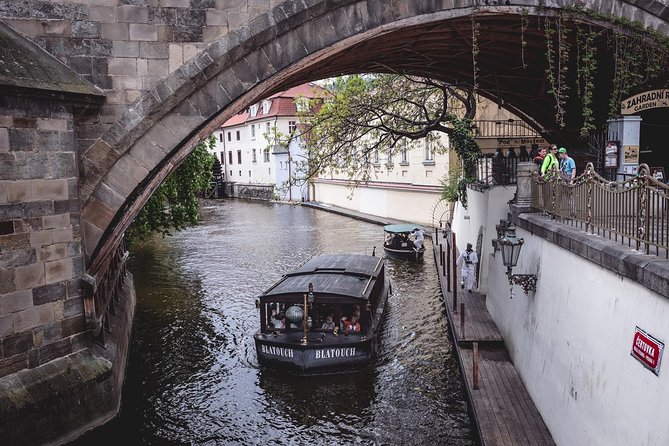
Stop 3: Charles Bridge (Vltava River Views)
Then you reach Charles Bridge, crossing the Vltava. Even if you’ve seen bridge photos before, it hits harder when you’re in the flow of the city.
Why it’s worth it: It’s a visual anchor. After a couple tastings, the bridge gives you a mental break and a great “Prague moment.”
Small tip: Wear shoes you can comfortably walk in for a few hours. Charles Bridge photos often mean standing for a bit.
Stop 4: Kampa Park and a Fine-Dining Style Stop
The route continues through Kampa Park and includes a visit to Kampa Park, described as Prague’s premiere fine dining establishment.
Why it’s worth it: This is where the tour can feel like a bridge between everyday Czech comfort food and the kind of cooking that puts Czech ingredients on a more polished stage.
Possible drawback: If you prefer only ultra-casual places, a fine-dining stop may feel slightly more formal than the rest of the walk. Still, the tour’s focus stays on tastings, not a full dress-up meal.
Stop 5: Lennonova zeď (Lennon Wall)
Now for the street-level shift: the Lennon Wall at Lennonova zeď, covered in John Lennon-inspired graffiti and Beatles-related lyrics. It’s one of those Prague stops that instantly changes the mood of your photos.
Why it’s worth it: It shows how modern culture layered itself onto the city. That contrast helps when you’re learning Prague as a whole, not just a museum.
Good to know: This is included as a short stop, so you get a quick look rather than a long wander.
Stop 6: Church of Our Lady Victorious and the Infant Jesus Shrine
The final stretch centers on Church of Our Lady Victorious and the Shrine of the Infant Jesus of Prague, connected to the Infant Jesus statue associated with the Discalced Carmelites. It’s famous for the revered wax-coated wooden Child Jesus statue, and the setting makes it feel like a living tradition.
Why it’s worth it: It’s a strong ending because you close with something deeply tied to the city’s religious and cultural identity—then you wrap up with Czech dessert.
Practical note: Like the other stops, it’s paced for the tour length, so come in ready to take in what you can quickly.
Guides Make or Break a Food Tour in Prague
The most consistent theme in feedback is that the guide personality shapes the whole experience. Names that show up again and again include Sonor/Sony/Soner, Karolina, Viktoria Vakulenko, Tomas, and Sunny/Sonny.
What I like about this tour setup is that the guide role isn’t only about handing you food. They connect the tastings to place. When you’re walking past baroque architecture and then eating soup, the city stops feeling like a checklist.
You’ll also get useful after-tour help. Multiple guides are mentioned as sending recommendations by email or offering follow-up ideas on places to visit. That can help you turn the tour into a real head start for the rest of your Prague days.
Walking, Pacing, and How to Set Yourself Up for Success
This is a walking food tour, and the route is built around multiple short stops. You’re not doing marathon distances, but you are moving for three hours, with tastings in between.
Here’s how I’d pack smart:
- Comfortable shoes are a must. Prague sidewalks are uneven in places.
- If you have a drink preference, be clear at the start. The tour includes Moravian wine and craft beer, plus non-alcoholic options, but you’ll still want your preferences communicated early so the guide can steer you the right way.
Also keep your expectations realistic. The itinerary is described as subject to change based on availability, weather, and other circumstances. That means the exact flow could shift, but the core experience—Czech tastings plus Malá Strana landmarks—stays consistent.
Dietary Restrictions: Good News, With One Requirement
The tour specifically calls out that it can meet dietary restrictions. The key is that you must contact the operator in advance so they can cater as best they can.
That’s exactly how you should approach any food tour: don’t rely on the day-of miracle. If you tell them early, you’re far more likely to get a tasting lineup that feels complete instead of awkward.
If you have allergies or strong restrictions, ask questions clearly. The tour includes a mix of dishes (sandwiches, soup, sausage, dumplings, gingerbread, dessert), so it helps when the team can plan substitutions ahead of time.
Who This Tour Suits Best
This Prague food tour fits best if you want:
- A first-time Prague introduction that mixes landmarks with eating
- A small-group experience (max 12) with a guide who keeps the pacing friendly
- A focus on authentic Czech classics, not just international “safe bets”
- A chance to try both beer and Moravian wine, plus non-alcoholic alternatives
It’s also ideal for you if you like a tour that helps you understand what you’re eating. The guide storytelling style shows up repeatedly in feedback, and it’s the reason many people say it’s more than just food.
If you hate walking or want zero spontaneity, you might find the changing itinerary element annoying. But if you’re okay with a flexible route and comfortable shoes, it’s a strong match.
Should You Book This Prague Food Tour?
I’d book it if you’re after a high-value, small-group tasting walk in Malá Strana. The included lineup covers the Czech comfort-food range—sandwiches, soup, sausage, dumplings, gingerbread, dessert—and the drink setup (beer, Moravian wine, water, non-alcoholic options) helps you experience the culture in a normal, local way.
I’d think twice if you need a very quiet tour, hate any walking at all, or refuse to communicate preferences. One key piece of advice: bring your priorities up front—especially around drinks and dietary needs—so the guide can manage the experience smoothly.
If you want a practical head start for Prague that still feels personal, this one is easy to recommend.