REVIEW · PARIS
Paris: Montmartre Food Tour with Full Meal
Book on GetYourGuide →Operated by _Do Eat Better Experience · Bookable on GetYourGuide
Montmartre tastes better when someone local leads. This 3.5-hour guided food walk pairs historic spots with iconic Paris comfort foods, from crêpes to boeuf bourguignon, while you get real context for why each place matters. You’ll also move through some of the neighborhood’s most photogenic corners as your guide stitches the food and the streets together.
I love the mix of classic sweets and savory dishes. You’re not stuck eating just one style of food: expect things like chou (a lesser-known puff pastry sweet), macarons, a traditional cheese selection, and a proper slow-cooked beef dish.
One thing to think through: Montmartre is hilly, so you’ll do plenty of uphill and downhill walking, and this tour isn’t designed for people with mobility impairments.
In This Review
- Key things to know before you go
- Starting at Moulin Rouge: how this tour sets the right mood
- The walking rhythm on Montmartre hills (and how to handle it)
- Rue Lepic: where the food comes with street-level context
- Place des Abbesses: pastries and people-watching in small doses
- Place du Tertre: the “Paris at night” vibe meets cheese and crepes
- Rue du Chevalier-de-La-Barre: boeuf bourguignon and the comfort-food pay-off
- Finishing at Sacré-Cœur: why the climb is worth it
- What’s actually included in the $117 price (and why it can be fair)
- Drinks, pacing, and group size: how it feels in real life
- Who this Montmartre food tour is best for (and who should skip it)
- Should you book this tour?
- FAQ
- What’s the duration of the Paris Montmartre Food Tour with Full Meal?
- Where do I meet the guide?
- How many food stops are included?
- What foods might I taste?
- Is water and alcohol included?
- Is hotel pickup included?
- How big is the group?
- What language is the tour offered in?
- Is the tour suitable for people with mobility impairments?
- Can I cancel for a refund?
Key things to know before you go
- A small group (max 12) keeps the pace friendly and helps your guide tailor commentary as you go
- At least 4 food stops plus water and 1 alcoholic drink means you’ll eat like it’s a proper dinner plan
- Montmartre landmarks on foot include Rue Lepic, Place des Abbesses, Place du Tertre, and the climb to Sacré-Cœur
- Seasonal swaps are normal—the exact bites can change, even though the classics stay in the mix
- Big flavor range goes from buttery pastries and cheese to boeuf bourguignon and sweet crêpe choices
Starting at Moulin Rouge: how this tour sets the right mood
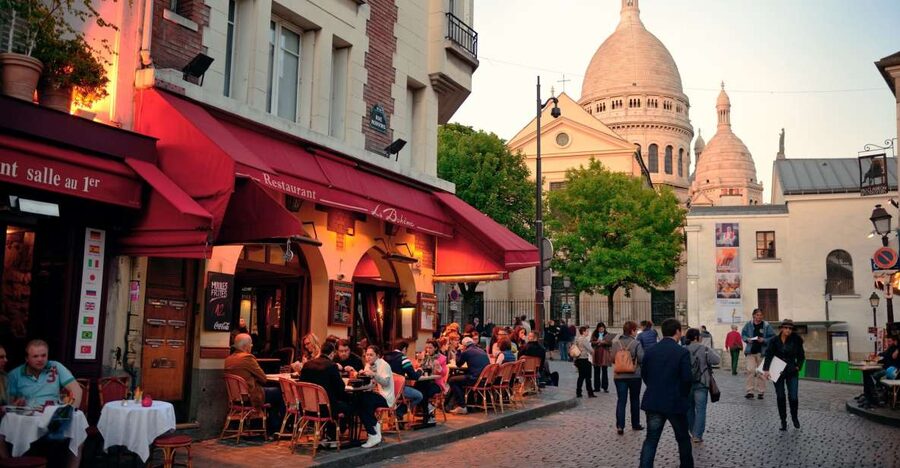
You’ll meet your guide outside the Moulin Rouge Ticket Office at 82 Bd de Clichy. Starting here makes sense: it drops you right into the Montmartre story before you even step into the narrower lanes and stairways that most people only rush through.
This tour is built for an evening feel. You’re not doing a museum-style crawl. You’re walking, stopping, tasting, and getting the “why” behind each dish and each neighborhood bend. At 210 minutes, it’s long enough to feel like a real experience but not so long that your feet fall off halfway up the hill.
The group size matters. With a maximum of 12, you’re less likely to lose the guide in a crowd. In the past, guides like Peter, Kevan, Thomas, Lolla, and Rocco have been praised for pacing, storytelling, and keeping everyone engaged. Translation for you: you should expect a tour that doesn’t just hand you food and move on.
You can also read our reviews of more food & drink experiences in Paris



The walking rhythm on Montmartre hills (and how to handle it)
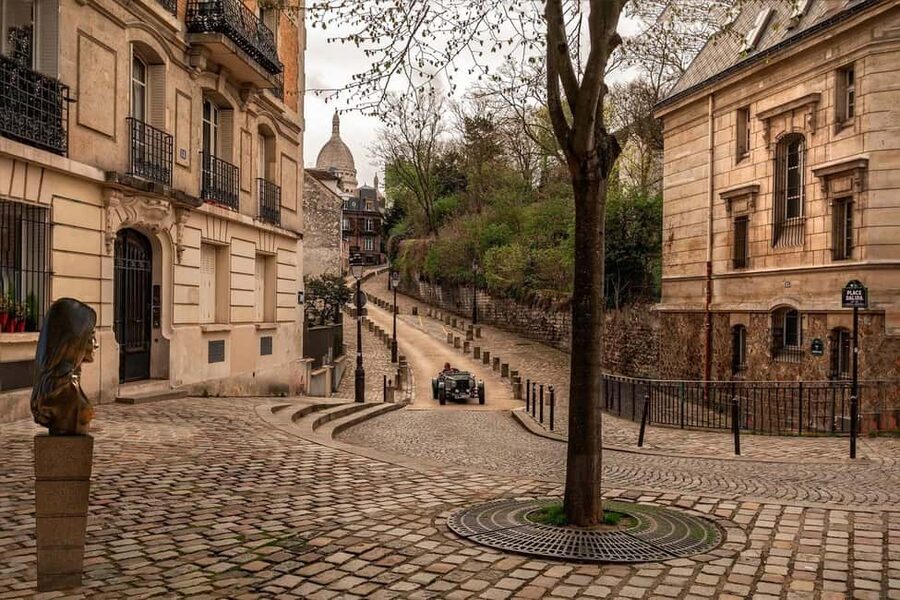
Montmartre is all about slopes. You should expect uphill and downhill as the route moves from Rue Lepic and Place des Abbesses toward Place du Tertre and then ends near Basilique du Sacré-Cœur.
That matters for comfort and appetite. If you arrive with stiff shoes or plans to “power through,” the hill will bully you. Bring comfortable shoes, take your time on the steeper sections, and plan to feel pleasantly tired by the end. One of the best parts of this kind of tour is that the walking does something for the food: you’ll taste with more pleasure when you’ve earned the next stop with a bit of effort.
Also note who this tour is best for. It’s a walking tour and not suitable for people with mobility impairments. And it’s also not built for luggage or large bags—skip the rolling suitcase and travel light.
Rue Lepic: where the food comes with street-level context
Your route includes Rue Lepic early on. This is a good starting point for food storytelling because the street gives you a “live neighborhood” feel—old Paris energy, not just postcard views.
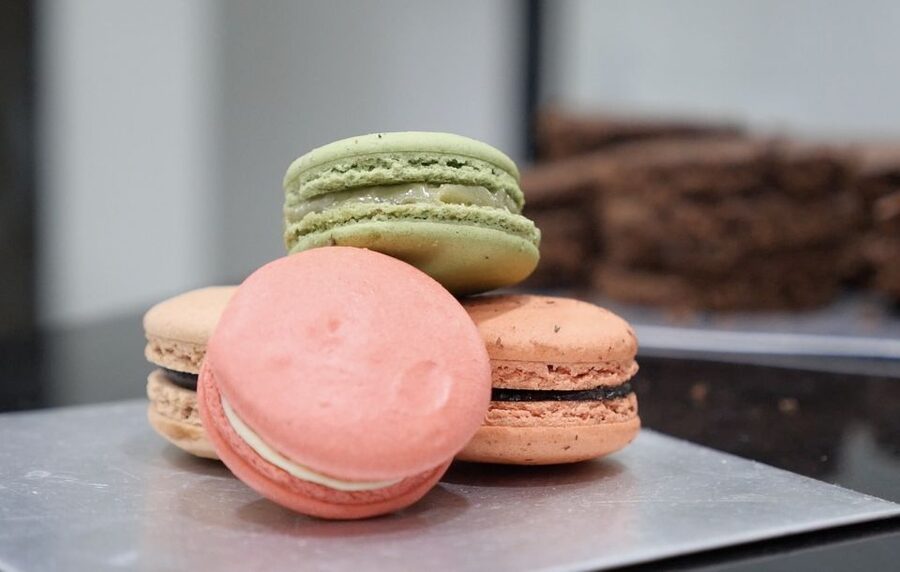
At this stage, you’re likely to get an initial tasting. The tour is designed so you have at least one serving at each stop, and tastings can include classics such as chou and macarons depending on season and availability. Chou is a nice example of what makes this tour fun: it’s a French sweet, but not as universally ordered as other options. That means you get both a familiar flavor direction and a small surprise.
In practical terms, Rue Lepic sets your expectations for the night. You learn how your guide reads the neighborhood, and you start noticing details you’d miss if you were wandering alone.
Place des Abbesses: pastries and people-watching in small doses
Next up is Place des Abbesses, another key Montmartre moment. This kind of stop works well on a food tour because it gives your brain a breather. You’re not just eating while walking—you’re pausing in a place that feels like a local living room.
You might encounter a sweet-forward stop here. One of the pastries you may taste is chou—small puff pastry made from choux pastry with sugar pearls. It’s the sort of bite that feels lightweight at first, then suddenly you realize you’ve been chewing for a while and you want one more. That’s a theme in the feedback people share about this tour: it’s not tiny samples. It’s enough food that you finish thinking, That was a real meal.
Guides have been praised for making the stops feel like a progressive dinner rather than a quick grab-and-go. The pacing tends to work—especially for families and mixed ages—because you’re not sprinting between spots.
Place du Tertre: the “Paris at night” vibe meets cheese and crepes
Place du Tertre is the kind of place where you can easily get trapped in tourist mode if you go without a plan. This is where a guided food walk earns its keep. Instead of treating the square like a generic attraction, your guide helps you connect the art scene and the neighborhood’s character to what you’re actually eating.
This part of the tour often plays to two moods:
1) a savory moment, and
2) a sweet reset.
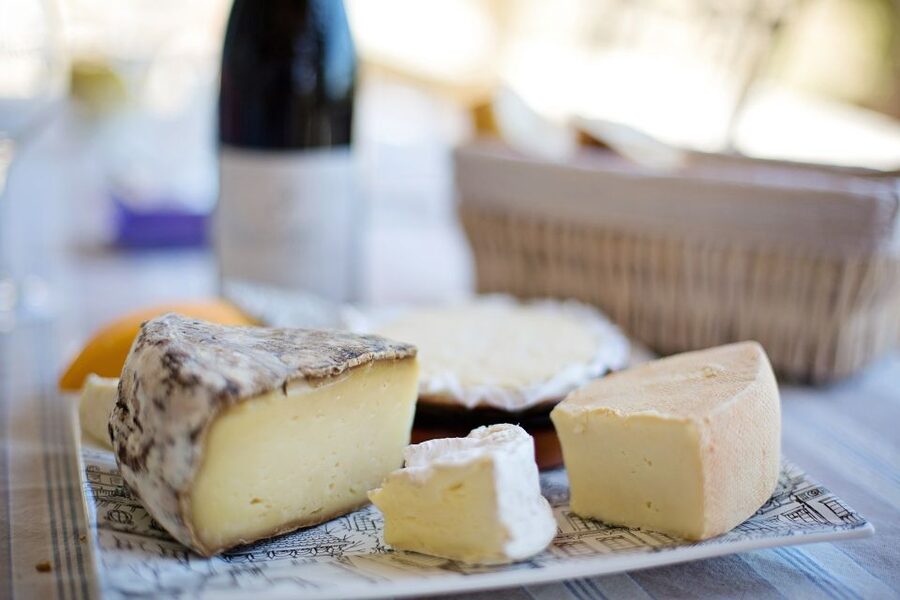
On the savory side, you may taste the mix of fromage—a selection of cheeses chosen by a specialist from the neighborhood. If you’re used to shopping for cheese only when you already know what to buy, this is helpful. You’re tasting a guided slice of Montmartre’s cheese culture without having to decode French labels on the spot.
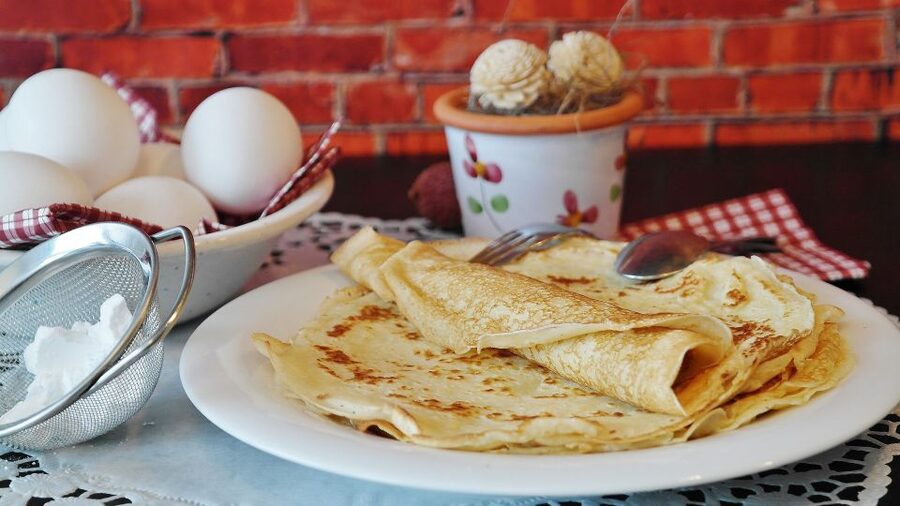
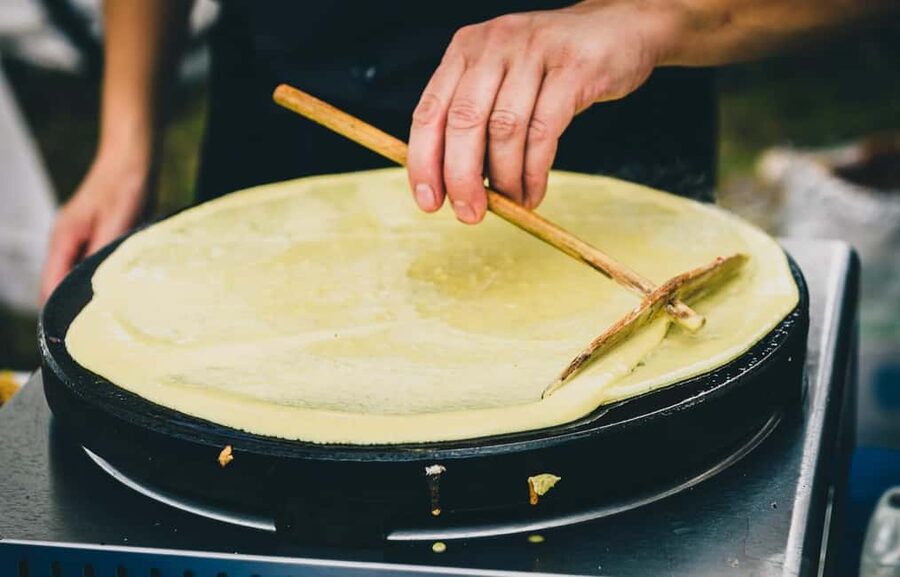
Then the sweet part: crêpe. You’ll choose from popular sweet variants. The appeal here is balance. A classic crêpe is thin, soft, and sweet without turning into dessert overload. After savory cheese, the crêpe feels like a clean finish rather than a sugar crash.
If you’re counting calories (or not), this is the segment where the evening can tip into full dinner territory. Multiple people have noted they left quite full, so come hungry.
A few more Paris tours and experiences worth a look



Rue du Chevalier-de-La-Barre: boeuf bourguignon and the comfort-food pay-off
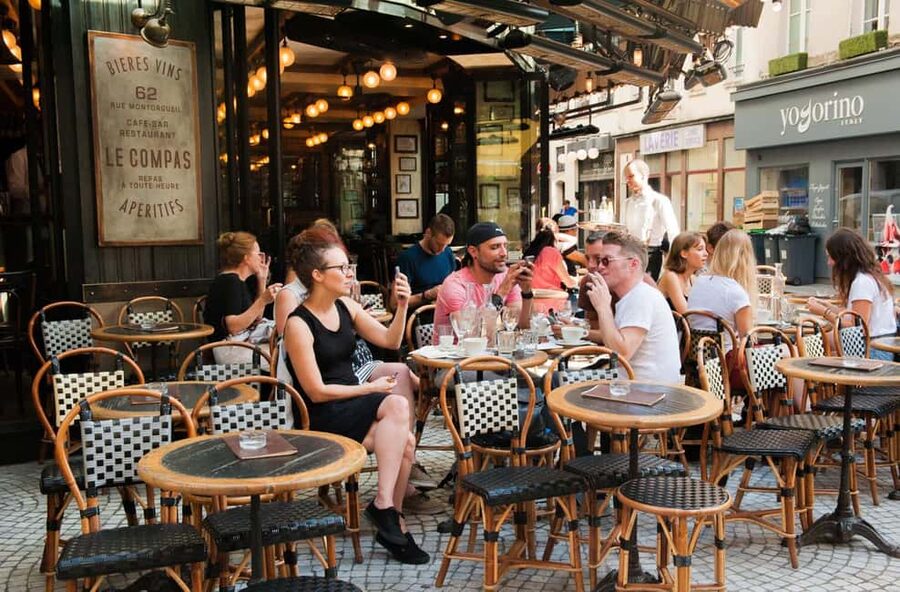
Your walk also includes rue du Chevalier-de-La-Barre, a street that helps shift the vibe from “viewpoint eating” to proper seated comfort food energy.
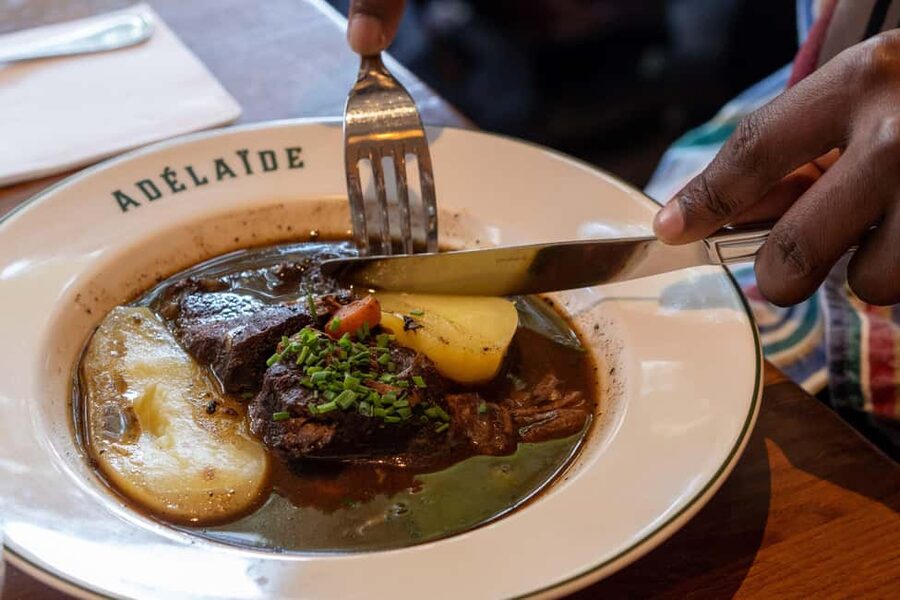
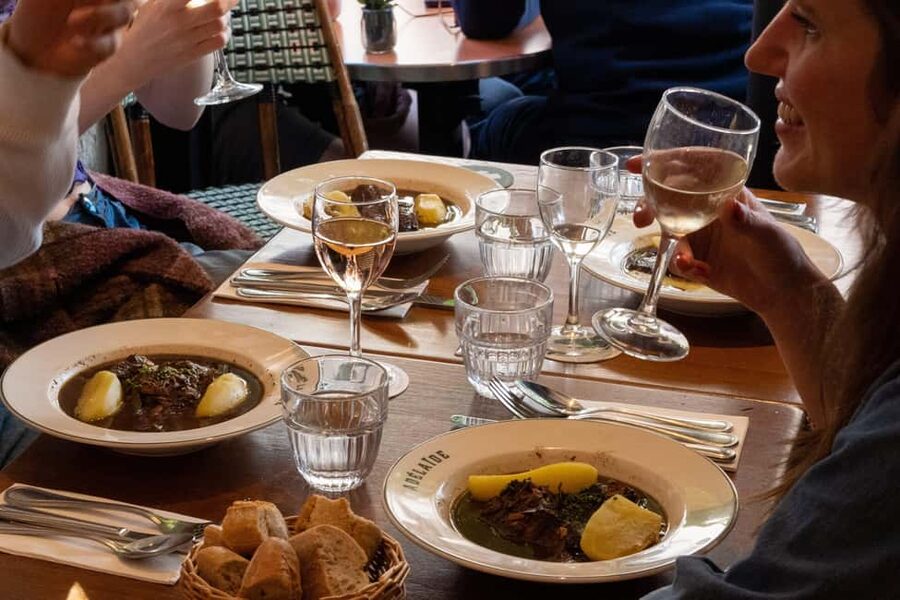
This is a strong candidate for one of the main savory tastings, especially boeuf bourguignon. This dish—slow-cooked beef braised in red wine with vegetables and herbs—originally points back to Burgundy. In plain terms: it’s what you want when you’re cold, tired, and ready to feel taken care of.
There’s one small reality check: at least one person noted their boeuf bourguignon wasn’t as hot as expected. That doesn’t mean the dish is bad. It just means timing can happen on any walking tour, and food temperature depends on service and how quickly your group moves from stop to stop.
Still, the fact that the tour aims for a proper braised beef plate is a big deal for value. This isn’t only pastries and street snacks; it’s a substantial French classic you’d normally order at a restaurant.
Finishing at Sacré-Cœur: why the climb is worth it
The tour ends at Basilique du Sacré-Cœur de Montmartre. By the time you reach it, you’re usually carrying two things: a pleasantly full stomach and a clearer map of Montmartre in your head.
Ending at Sacré-Cœur works as a “wrap-up” moment. You get a sense of arrival, and you can decide what to do next—maybe linger for views, maybe duck into nearby streets while you’re still in the neighborhood mood.
Also, you’ll feel the difference between seeing Montmartre from a distance and walking its actual routes. You’ll recognize streets and squares later, which makes it easier to explore independently the next day.
What’s actually included in the $117 price (and why it can be fair)
At $117 per person, this tour sits in the “paid experience” category, not the “cheap sampler” category. So you should ask: what are you buying?
You’re getting:
- a live guide
- at least 4 food stops
- water
- 1 alcoholic drink
- and about 3.5 hours of guided walking through Montmartre
Where the value often lands well is in how many food elements you get without having to plan routes, reserve restaurants, or translate menus. You also avoid the common problem in Montmartre: spending time walking past places and then realizing you picked only tourist-friendly items.
In the feedback, people repeatedly mention the food feels plentiful and the night feels like a real dinner party. Guides such as Marie, Yannick, Zac, Hugo, and Este have been praised for turning the tasting into a story-filled experience, not just a checklist.
If you’re the type who likes food but hates wasting time guessing where to eat, this price starts to look sensible. If you only want a single dessert and plan to eat a full meal later, then it may feel like too much. The tour’s design is very much “come hungry.”
Drinks, pacing, and group size: how it feels in real life
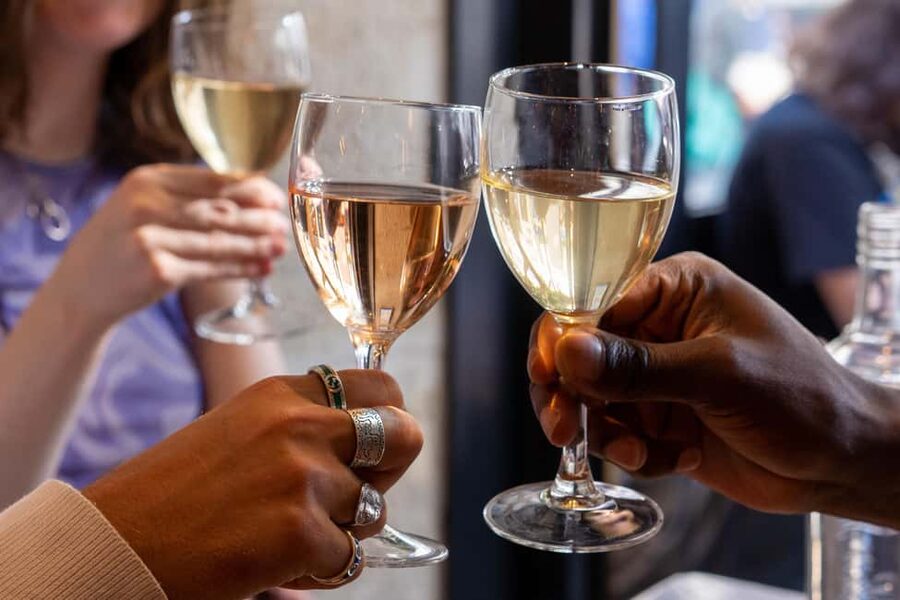
You’ll include 1 alcoholic drink during the tour. The exact drink isn’t specified, but you can expect something that fits the meal rhythm and helps you enjoy the savory stop(s) without awkward menu decisions.
Pacing is another big factor. Several people mention that guides adjust for the group and keep walking comfortable. Some even note that guides spent time learning the group’s interests, which usually results in better storytelling and smoother timing.
This also helps if you’re traveling with people who want different things: art vibes, food focus, history, or just a fun evening. A small group makes that easier than larger bus tours.
One more practical point: there’s a minimum of 2 people required for the tour to operate, and the maximum is 12. If you’re booking last-minute for a date with low availability, you might want to check starting times early.
Who this Montmartre food tour is best for (and who should skip it)
This tour is a great fit if:
- you want Montmartre views plus real food
- you like classic French dishes like boeuf bourguignon, cheese, crêpes, and macarons
- you’d rather follow a guide than spend an evening making restaurant decisions
- you enjoy a storytelling style tour where the food connects to place
Skip it (or at least think twice) if:
- you can’t comfortably handle uphill and downhill walking
- you’re traveling with mobility limitations
- you prefer a mostly self-directed sightseeing day with minimal stops
If you’re a first-time visitor, it’s also a strong “get your bearings” activity. You’ll see key neighborhoods and eat your way through them in one go.
Should you book this tour?
Yes, if you want a simple plan for an evening in Montmartre that combines at least 4 tastings, a real savory centerpiece like boeuf bourguignon, and an end point near Sacré-Cœur. For the money, the value is in the guided food stops and the fact that you don’t have to guess what to order or where to go.
You should reconsider if hill walking is an issue for you or if you hate the idea of eating a lot during one 210-minute span. Otherwise, this is one of the most practical ways to experience Montmartre like a local: you get the streets, you get the classics, and you leave with both a full stomach and a better map of the neighborhood.
FAQ
What’s the duration of the Paris Montmartre Food Tour with Full Meal?
It runs for 210 minutes (about 3.5 hours).
Where do I meet the guide?
Meet your guide in front of the Moulin Rouge Ticket Office (82, Bd de Clichy).
How many food stops are included?
The tour includes at least 4 food stops, and at least one serving of food is included at each stop.
What foods might I taste?
Possible tastings can vary by season and availability, but may include chou, boeuf bourguignon, a traditional mix of fromage, crêpe, and macarons.
Is water and alcohol included?
Yes. You get water plus 1 alcoholic drink.
Is hotel pickup included?
No. There is no hotel pickup and drop-off.
How big is the group?
The tour has a maximum group size of 12 and a minimum of 2 people to operate.
What language is the tour offered in?
Guides speak English and French.
Is the tour suitable for people with mobility impairments?
No. It is not suitable for people with mobility impairments, because Montmartre involves walking uphill and downhill.
Can I cancel for a refund?
Yes. There is free cancellation up to 24 hours in advance for a full refund.