REVIEW · NEW YORK CITY
NYC: Culture and Flavor of the Lower East Side Foodie Tour
Book on GetYourGuide →Operated by Intrepid Urban Adventures · Bookable on GetYourGuide
New York’s Lower East Side is a living food map. On this 3-hour guided walk, you’ll sample iconic immigrant dishes while your guide connects the flavors to the people and neighborhoods that shaped the city. I love how the tour feels practical (you’re walking, tasting, and learning in real time), and I also like that it’s built around a clear culture-and-flavor story rather than random stops. One drawback to plan for: it can’t cater to vegans and gluten allergies/intolerances, so check your needs early.
The route starts near the African Burial Ground National Monument area and works its way through major immigrant hubs—Chinatown, Little Italy, Nolita, and the Jewish food scene—before ending by the Tenement Museum area. Guides like Brian, Bruce, Erik, Cullen, and Alex come up often in feedback for keeping the history clear, the pacing friendly, and the food stops worth the wait. Bring comfortable shoes, because you’re covering about 1.6 km (1 mile) on sidewalks.
In This Review
- Key highlights you’ll feel on the walk
- Lower East Side flavor, with history that actually sticks
- Where you start: 7 Elk St and the African Burial Ground area
- Chinatown time: dumplings and community history in the same breath
- Little Italy and Nolita: Italian flavors plus St. Pat’s story
- The Jewish food stop: why knishes hit the right note
- Sara Delano Roosevelt Park and the Lower East Side walk-through
- Finishing near the Tenement Museum: keep the story going
- Price and value: what $63 buys you in the real world
- Who this tour fits best
- Quick practical tips before you go
- Final call: should you book this Lower East Side tour?
- FAQ
- How long is the Lower East Side Foodie Tour?
- How much does it cost?
- Where does the tour start?
- Where does the tour end?
- What food is included?
- Are drinks included?
- Does the tour run in bad weather?
- What dietary needs can the tour accommodate?
- How much walking is involved?
- Is there a private group option?
Key highlights you’ll feel on the walk

- Four dish samples that reflect multiple cuisines tied to the neighborhood’s immigration stories
- Real neighborhood landmarks like St. Patrick’s Old Cathedral and Columbus Park built into the route
- Chinatown + Little Italy + Jewish snacks in one flowing plan, no tourist-only detours
- A Tenement Museum finish point that gives your history interest somewhere to go next
- Rain-or-shine planning so you don’t lose the day to weather
- Guide-led storytelling that turns what you eat into what you understand
Lower East Side flavor, with history that actually sticks
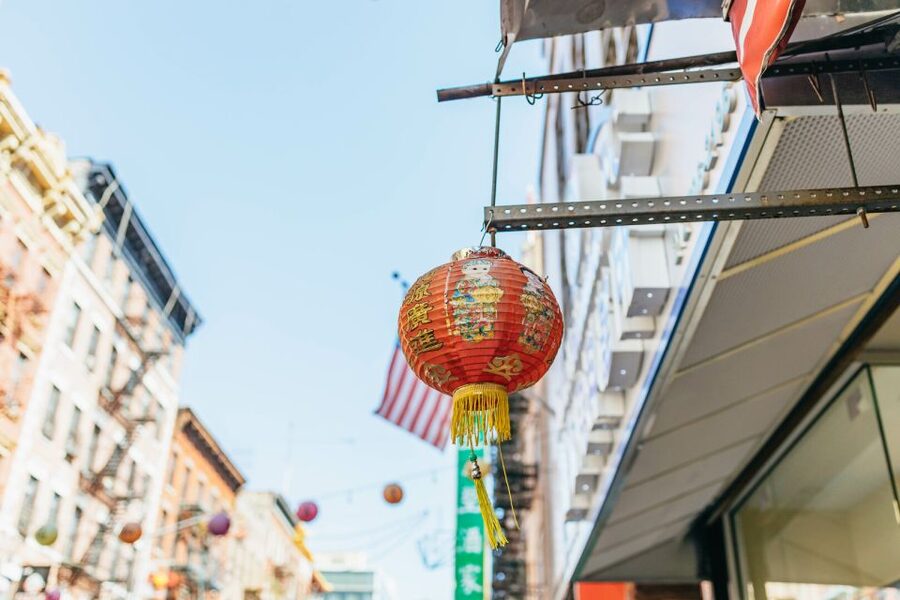
The Lower East Side works because it’s not one culture—it’s layer upon layer. One block can feel Italian, then you turn a corner and you’re in the orbit of Chinese food, then suddenly the Jewish community story comes into view with a classic potato-based snack. This tour leans into that reality. You’re not just collecting tastes. You’re building a mental map of why certain foods show up where they do.
I also like the “small but meaningful” structure. You get four food stops and four samples—so you’re tasting enough to notice differences, but not so full that you can’t enjoy the walk. And because it’s guided, you get the context for what you’re eating: what makes a dumpling dumpling, why a knish is a comfort food, and how these communities left fingerprints on modern American cuisine.
A few more New York City tours and experiences worth a look

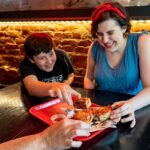
Where you start: 7 Elk St and the African Burial Ground area
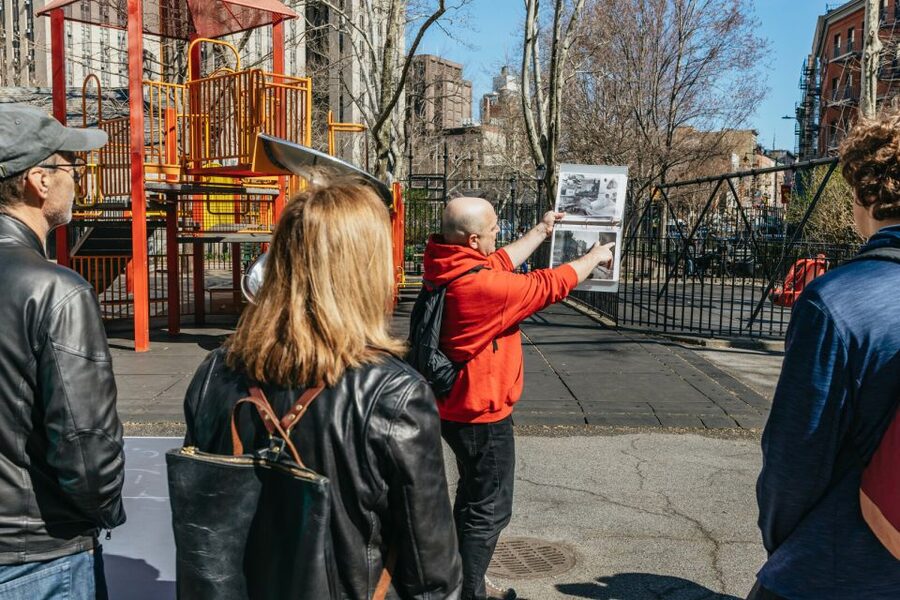
The meeting point is in front of the African Burial Ground National Monument, across from 7 Elk Street (between Duane and Elk). That matters more than it sounds. You’re starting with a place that anchors the story of Black history in New York—before the tour shifts into later immigration waves.
Right away, you’ll move past landmarks that help you orient your brain. There’s a quick stop around the New York County Supreme Court area, then you head to Columbus Park. These aren’t just walk-by photo moments. They set the stage: this neighborhood wasn’t built in a vacuum, and your guide uses those reference points to explain how the city’s social currents shaped who ended up where.
Practical note: this start location puts you in a very central pocket. If you’re new to Manhattan navigation, this is an easy place to find—and an easy place to get your bearings fast.
Chinatown time: dumplings and community history in the same breath
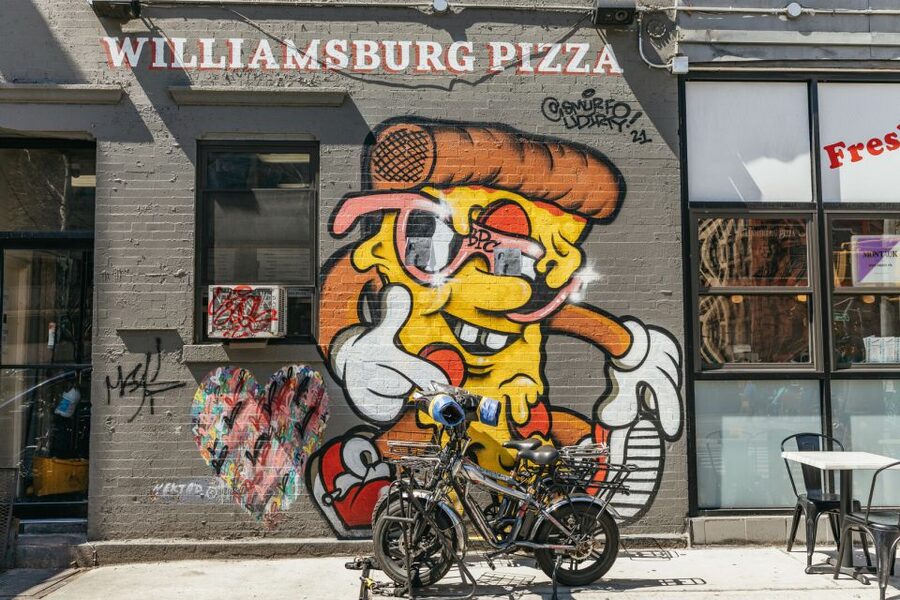
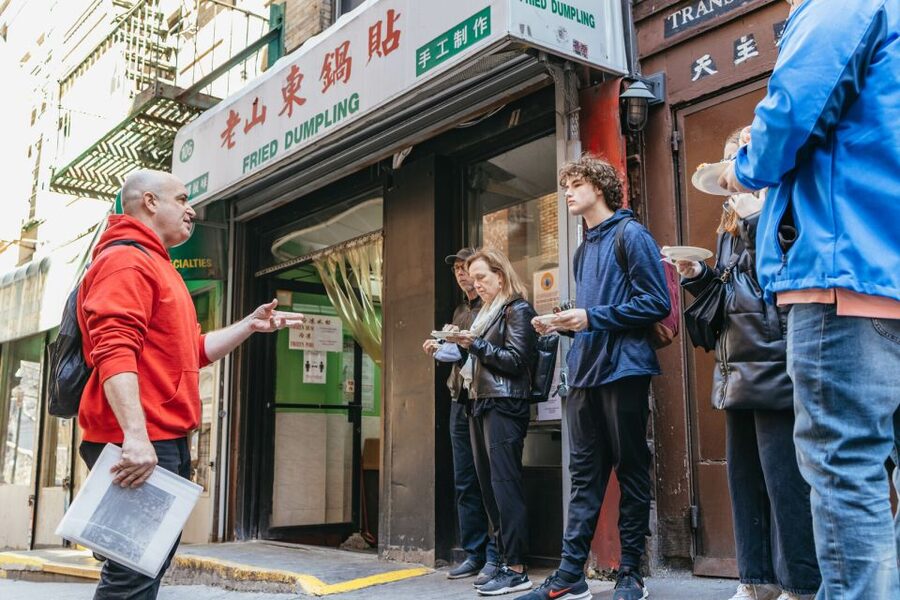
Chinatown is one of the hardest parts of New York to understand without context—and one of the easiest parts to enjoy. Your tour time here is about 20 minutes, which is enough to taste, look around, and absorb the guide’s storytelling without feeling rushed.
This is where you’re aiming for a sample like fried dumplings—a classic choice that’s popular with locals on this route. You’ll also get history about the Chinese community that once lived in the area, and how that community influenced what you see today.
What I like about this stop is the balance. You don’t need to be a food expert to get it. Your guide ties together the food and the place: street-level food habits, the kind of comfort food immigrants carried with them, and how those patterns settle into a neighborhood. It turns Chinatown from a blur of storefronts into a set of reasons.
Little Italy and Nolita: Italian flavors plus St. Pat’s story
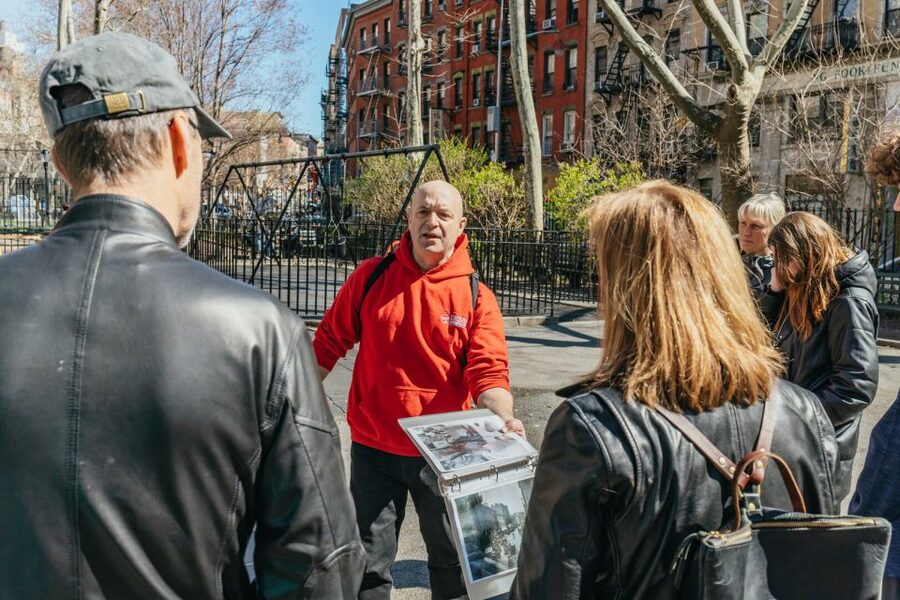
From Chinatown, you head toward Little Italy for another 20 minutes. This portion of the walk is designed to connect the historic southern-Italy immigrant community with the classic flavors that people still chase.
This is the part of the tour where you get the kind of food you associate with Italy in New York—think pizza-style Italian comfort (and sometimes other Italian-leaning samples depending on day-of availability). The goal isn’t to teach you how to order. It’s to help you understand why these flavors became symbols of home for generations and then became everyday parts of the city.
Then you transition into Nolita, with a short stop outside St. Patrick’s Old Cathedral, a focal point for the Irish Catholic community. That shift is smart because it reminds you the Lower East Side wasn’t just one immigration wave—it was many, sometimes arriving in overlapping time periods.
If you like walking routes that teach you to notice details (signs, churches, streets, crowd patterns), this section is a good payoff. You’ll start to see the neighborhood as a timeline.
The Jewish food stop: why knishes hit the right note
Next comes the Jewish community story and a traditional Ashkenazi snack: knishes. These are typically made with potato-based dough and filled with savory options.
This is a stop that’s easy to underestimate. Potatoes sound simple, but knish culture is the kind of New York comfort-food story that connects hunger, routine, and identity. A knish is the kind of snack you grab because it’s practical—and because it tastes like something you grew up with.
The route’s timing here gives you space to learn, eat, and keep moving. And it’s worth knowing: on this tour, not every sample is everyone’s favorite. One common theme in feedback is that the fried dumplings and pizza tend to wow people more than the knish, which can come down to personal taste. Still, even when you’re not obsessed with the specific bite, the cultural context is usually the takeaway.



Sara Delano Roosevelt Park and the Lower East Side walk-through
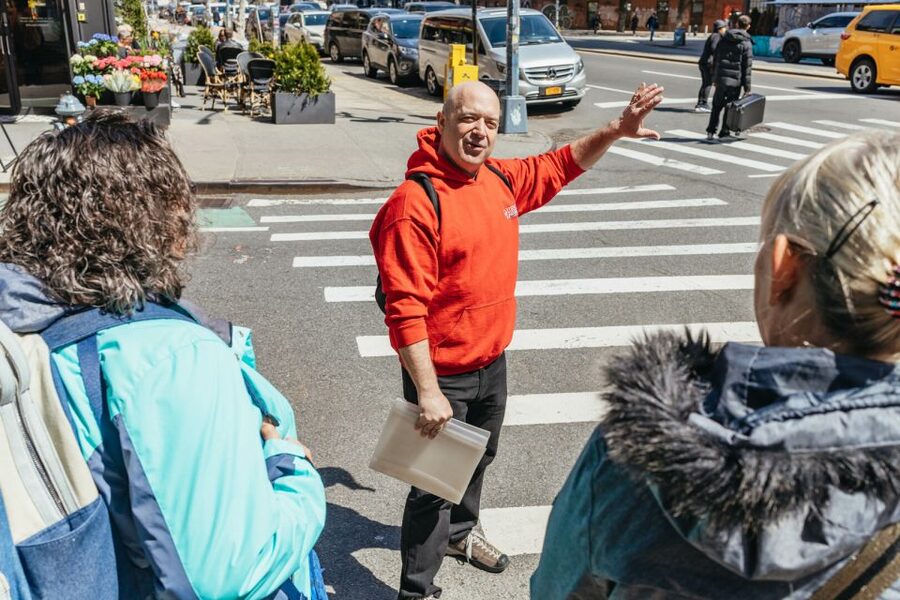
After St. Patrick’s Old Cathedral, you’ll pass through Sara Delano Roosevelt Park (about 10 minutes) and then spend roughly 30 minutes in the Lower East Side area. This is where the tour earns its name as a “Lower East Side” experience, not just a collection of neighborhood name-checks.
You’ll get the big picture: how multiple immigrant communities influenced modern American cuisine and culture. Your guide is doing the connective work here, pointing out how the city’s food identity is built from repetition—small businesses, street food, bakery habits, and family recipes turning into neighborhood staples.
I like this portion because it helps you connect the dots between stops. By the time you reach the end, you’re not only thinking about what you ate. You’re also thinking about why the neighborhood developed its particular food personality.
Finishing near the Tenement Museum: keep the story going
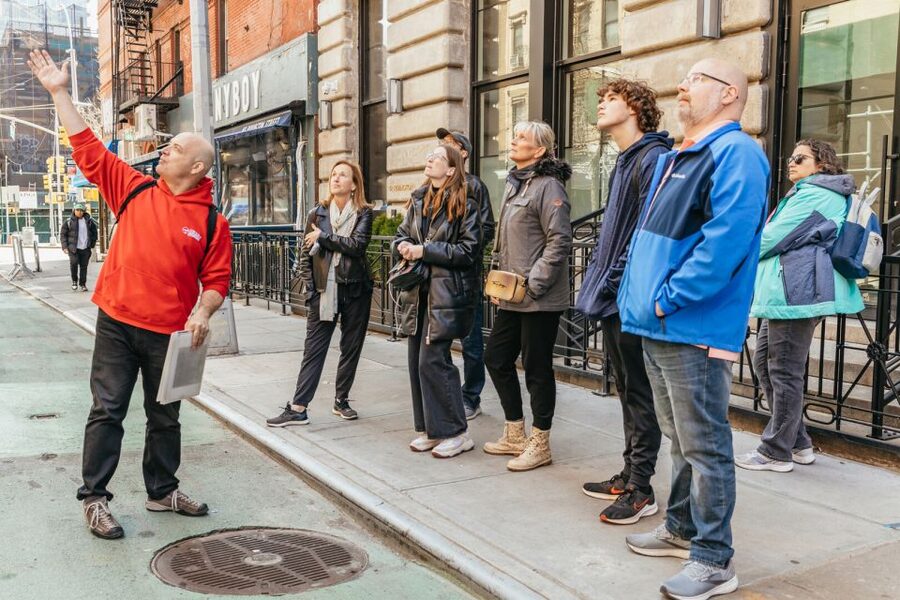
The tour finishes outside the Tenement Museum. Even if you don’t go inside right away, the point of ending here is clear: you’re leaving with a hunger for more detail about daily life, not just the flavors.
This ending works for two types of people:
- You want a taste-first history primer and then a deeper dive on your own schedule.
- You like seeing the “why” behind the food, then having a real venue to continue the story.
If you’re planning a longer day, the finish is a natural transition point. Tenement Museum-adjacent area time can become your next stop for museums, snacks, or a sit-down meal elsewhere.
Price and value: what $63 buys you in the real world
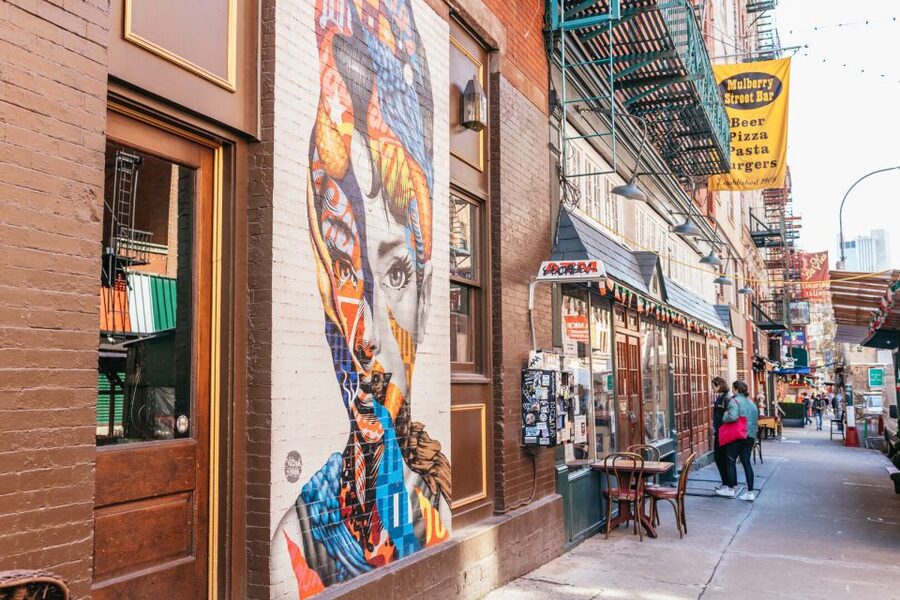
At $63 per person for about 3 hours, the value comes from three things:
1) A guided walk that connects neighborhoods to food history, not just a tasting lineup.
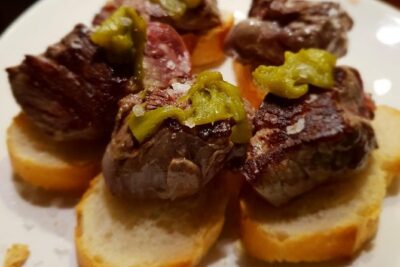
2) Four food stops and four dish samples, with examples that often include Chinese dumplings, pizza, knish, and empanada.
3) A structured route that gets you moving through multiple key areas without you having to plan every turn.
It’s not an all-you-can-eat deal. Drinks and additional food are not included, so you should expect to pay extra if you get thirsty or want a full meal afterward. But for a first-time visit to the Lower East Side, the format makes sense: you leave with favorites, questions, and a mental list of places you’ll want to try again.
Also: it’s rain or shine (except force majeure). That’s a practical perk in a city that loves sudden weather changes.
Who this tour fits best
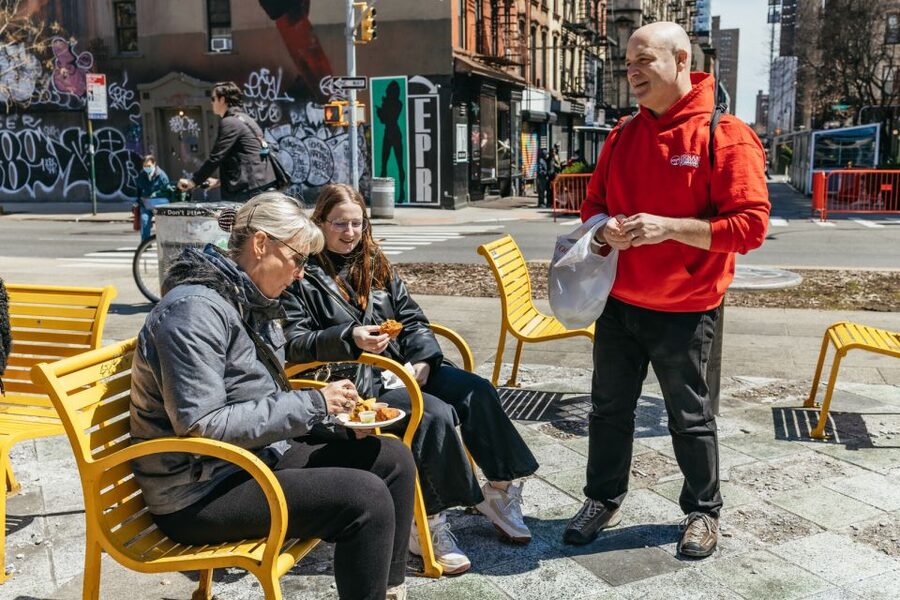
This is a great match if you:
- Want a neighborhood story that’s tied to what you actually eat.
- Like cultural context more than just restaurant-hopping.
- Prefer a guided walking pace over hopping between subway stops.
It’s not a great match if you:
- Need vegan options, or you have gluten allergies/intolerances that require strict handling. The tour can’t cater to those needs, though you can contact the provider 24 hours before to discuss specific requests.
One more fit check: it’s suitable for all ages and fitness levels, but it does include about 1 mile of walking. Comfortable shoes are not optional. Your feet will file a complaint otherwise.
Quick practical tips before you go
- Wear shoes with grip. Sidewalks in this area can be slick or busy.
- Eat lightly beforehand if you get hungry fast. You’ll have four samples, but drinks and extra food aren’t included.
- If you have allergies or dietary restrictions, contact the provider at least 24 hours ahead, since the tour cannot cater to vegans and gluten allergies/intolerances.
- Plan for weather. The tour runs rain or shine, so bring a layer you’ll actually want to wear.
- Take your notes app out briefly after each stop. The history details come in quickly, and you’ll thank yourself later.
Final call: should you book this Lower East Side tour?
If you want one solid introduction to the Lower East Side that mixes food + immigration history with real neighborhood stops, I’d book it. The $63 price feels fair for a guided 3-hour walk with multiple cultural bites, and the tour’s structure helps you learn without turning your day into restaurant research hell.
Just be honest about the food situation. If vegan or gluten-free requirements are non-negotiable, this won’t be the right fit. If you’re flexible and you like stories you can taste, you’ll likely leave with both new favorites and a clearer sense of what built New York.
FAQ
How long is the Lower East Side Foodie Tour?
The tour lasts 3 hours.
How much does it cost?
The price is $63 per person.
Where does the tour start?
You meet in front of the African Burial Ground National Monument, across from 7 Elk Street (between Duane and Elk Street).
Where does the tour end?
The tour ends at Tenement Museum (outside).
What food is included?
The tour includes a guide, the food tour, 4 food stops, and 4 dish samples. Examples given include Chinese dumplings, pizza, knish, and empanada.
Are drinks included?
No. Drinks and additional food are not included.
Does the tour run in bad weather?
It operates rain or shine, except in cases of force majeure.
What dietary needs can the tour accommodate?
The tour cannot cater to vegans and gluten allergies or intolerances. For any specific dietary request, contact the activity provider 24 hours before the tour.
How much walking is involved?
It covers 1.6 km (1 mile) of walking.
Is there a private group option?
Yes, private group availability is offered, and the tour is guided in English.