REVIEW · JAIPUR
Heritage Walk & Street Food Tasting in Jaipur
Book on GetYourGuide →Operated by Rajasthan Cultural Tours · Bookable on GetYourGuide
Jaipur tastes best on foot. This heritage walk + street food tasting turns the old city into a learning path, with local bites and cultural stops that feel like you’re walking with a friend who actually knows the neighborhood. You start in the classic Pink City zone and head into quieter lanes where the food and daily life look different from the main streets.
Two things I especially like: the street-food lineup (samosa, kachori, famous sweets, and masala chai) served in local shops, not tourist traps. And the culture + craft stops, like watching Thatheras metal beaters at work, visiting a Hindu temple, seeing a community well, and even observing bangle making using sealing wax.
One drawback to plan for: it’s a real walking tour. You’ll want comfortable shoes, and it’s not suitable for wheelchair users, with weather also doing what weather does in Jaipur.
In This Review
- Key highlights that make this tour worth your time
- Meeting at Golcha Cinema: starting where the old city makes sense
- Chaura Rasta: chai and classics like samosa and kachori
- Badi Chaupar and Choti Chaupar: two squares, a lot of local rhythm
- Tripolia Bazar and the quieter lanes: markets that feel lived-in
- Thatheras metal beaters, temple time, and community wells
- Bangle making with sealing wax: the craft lesson you didn’t expect
- What you’ll eat: samosa, kachori, famous sweets, and chai
- Walking comfort and temple etiquette: the practical stuff that keeps it enjoyable
- Price and value: about $21 for food, culture, and guided navigation
- Who should book this tour, and who should skip it
- Should you book this Heritage Walk & Street Food Tasting in Jaipur?
- FAQ
- Where is the meeting point for the tour?
- How long is the Heritage Walk & Street Food Tasting tour?
- What is the group size?
- Is the tour guide available in English?
- What street food is included?
- Is water included?
- Is hotel pickup and drop-off included?
- Is alcohol included?
- Can I take photos, including inside temples?
- Is the tour suitable for wheelchair users?
Key highlights that make this tour worth your time
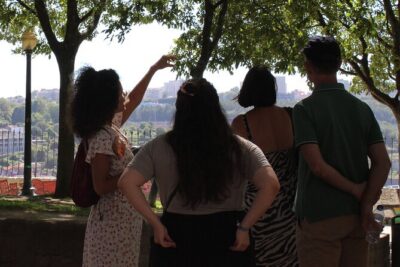
- Small group (max 10): easier conversation, faster turns at food stops, less waiting around.
- Off-the-main-lane walking: you get into gullies and side streets instead of only sticking to the obvious routes.
- Craft moments, not just monuments: Thatheras metal beaters, temple visit, community well, and bangle making with sealing wax.
- Street food that’s meant to be tried safely: multiple stops with classics like samosa and kachori, plus sweets and chai.
- English live guide: you’ll get clear context as you walk, so each stop makes sense.
- Good structure for first-time Jaipur foodies: you can sample a lot without the chaos of figuring out what to order.
Meeting at Golcha Cinema: starting where the old city makes sense
The tour meets at the entry gate of Golcha Cinema, and that detail matters. Instead of meeting at a big-ticket attraction, you start where locals actually move through the area. It’s a practical way to begin: you get your bearings early, and your guide can set the tone for the walk before you’re surrounded by a maze of lanes.
From the start, you’re walking with a live English guide and a small group (limited to 10). That group size keeps things human. In a city where streets can feel crowded fast, being able to hear explanations and stay together makes the experience much smoother.
You’ll also end up walking enough that comfort matters more than fashion. Plan on a few hours of steady foot time, and bring a water bottle. A bottle of water is included, but you’ll still want to pace yourself.
You can also read our reviews of more walking tours in Jaipur


Chaura Rasta: chai and classics like samosa and kachori
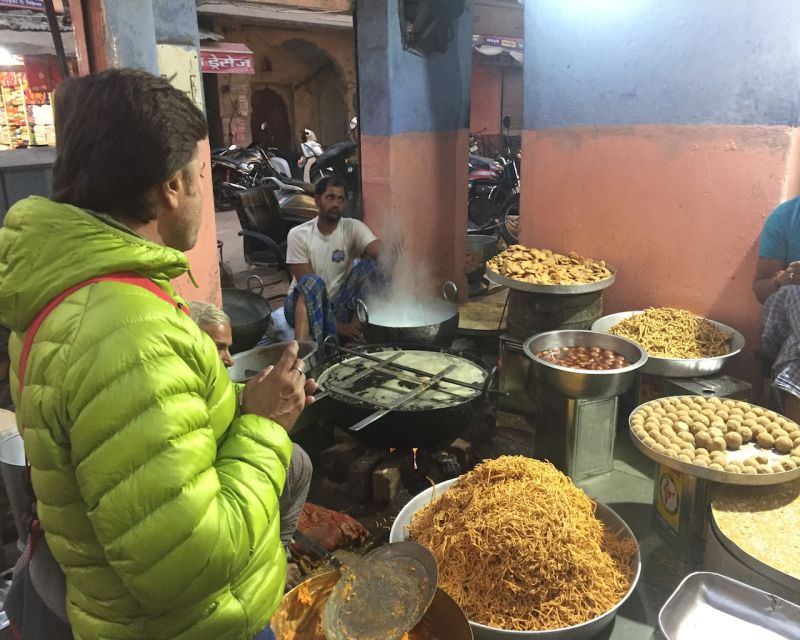
Chaura Rasta is where the tour’s food mission gets real. This is one of the first stops on the route, with tea and street food plus the guided walk piece. If you’re the kind of person who likes order, this is a good entry point: you start with familiar Indian snacks and then build from there.
Expect bites that many people use as Jaipur markers. You’ll see staples like samosa and kachori, plus the sweet side of the city later on. A key part is how the guide helps you choose. Street food is not complicated, but it can be overwhelming when you’re unsure what’s fresh or what’s worth your money and stomach space.
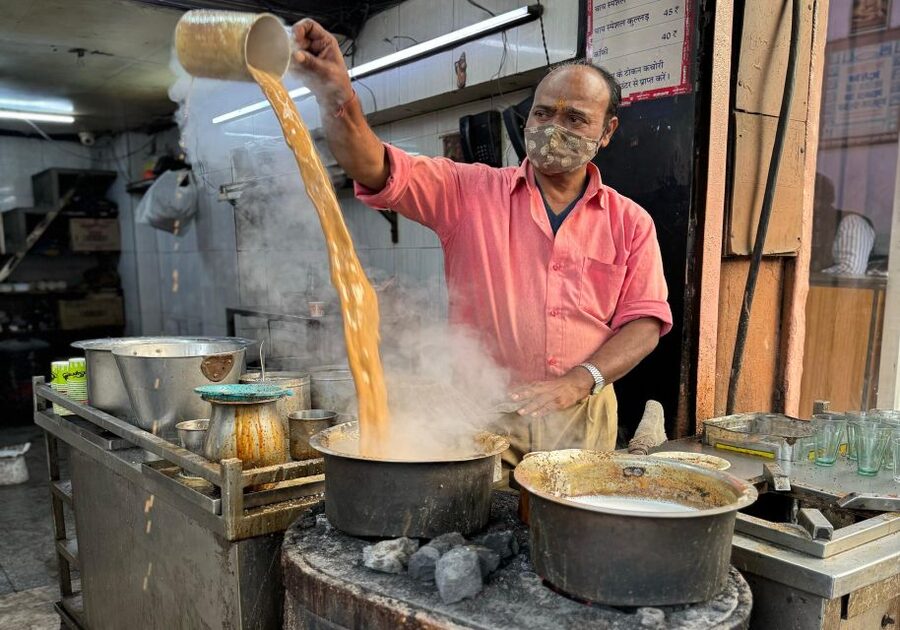
Masala chai is also part of the plan. Having chai early is a smart trick. It warms you up, gives you a familiar flavor baseline, and makes the rest of the tastings easier to judge. And since you’ll be walking, a hot drink at the right moment beats trying to power through with just water.
Badi Chaupar and Choti Chaupar: two squares, a lot of local rhythm
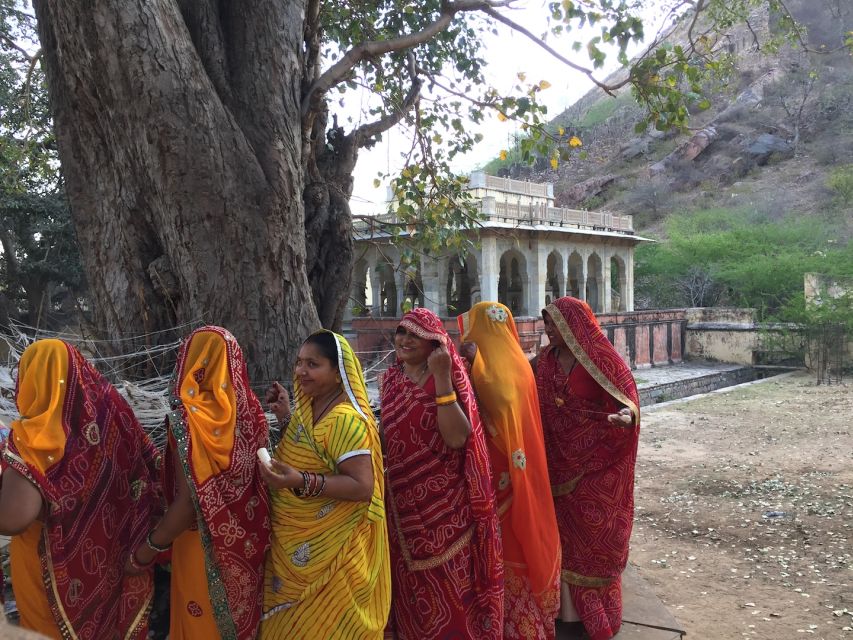
You’ll pass Badi Chaupar for another set of local snacks and food tasting. Then later, you’ll hit Choti Chaupar, which is a street-food-focused stop. These are good moments to understand why Jaipur feels like a city of layers.
At these stops, you’re not only eating. You’re learning how the old city is organized around key public areas. Squares like these act like “city rooms.” They help you track where you are as the walk turns into smaller alleys and gullies.
A practical tip: pace your bites. The tour is designed to feed you across multiple stops, so if you eat fast at the first square, the later tastings can feel heavy. If you’re sensitive to spice or sugar, tell your guide early. The tour includes options like chai and famous sweets, so you can adjust your pace without feeling like you’re missing out.
Tripolia Bazar and the quieter lanes: markets that feel lived-in
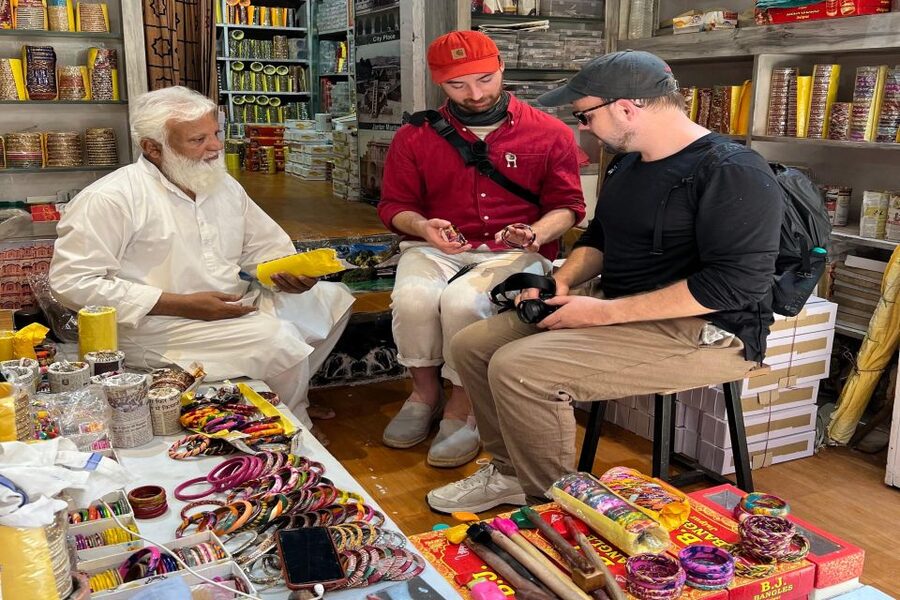
At Tripolia Bazar, you’re in market territory with more guided walking time. This is where you’ll likely notice the difference between shopping and browsing. Your guide isn’t just taking you to stalls to snack; you’ll be learning how people buy, trade, and make daily life work inside narrow lanes.
The tour description includes stops that go beyond open streets, including a chance to enter gullies within famous quadrants. That matters because Jaipur’s old city is full of small passageways that you’d miss if you only followed the main roads. Walking off the obvious lanes is where you start to see fresco-painted houses, local life, and the rhythm of craftsmen and vendors.
If you like photos, this is also where you’ll want your camera ready—just follow the temple rules when you reach religious sites. Photography is allowed, but avoid flash inside temples. (It’s a small courtesy that also prevents awkward moments.)
Thatheras metal beaters, temple time, and community wells
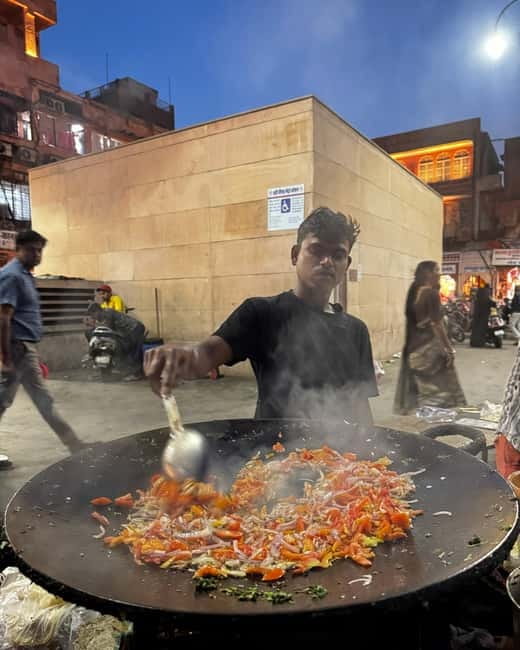
This is one of my favorite parts of the tour concept because it’s not only about food. You get a structured glimpse into how Jaipur communities live and work.
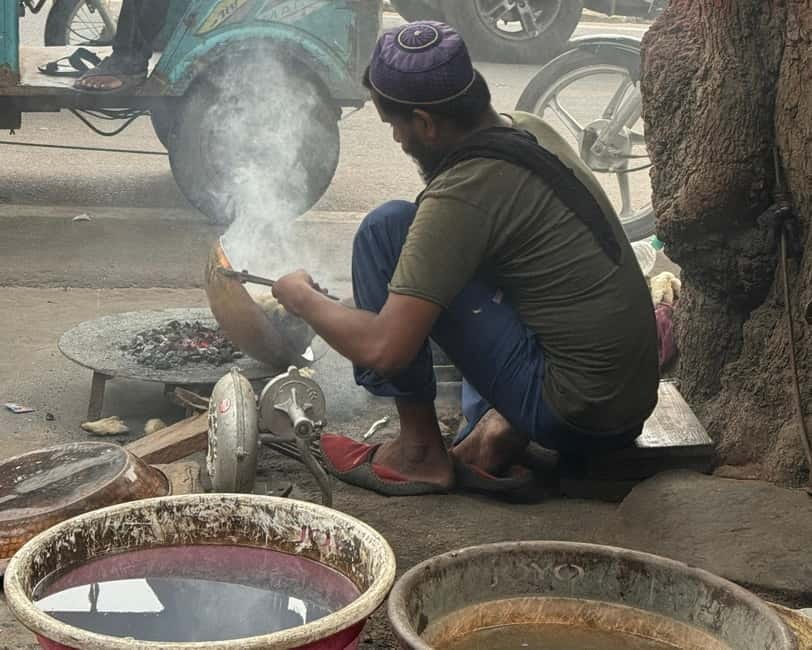
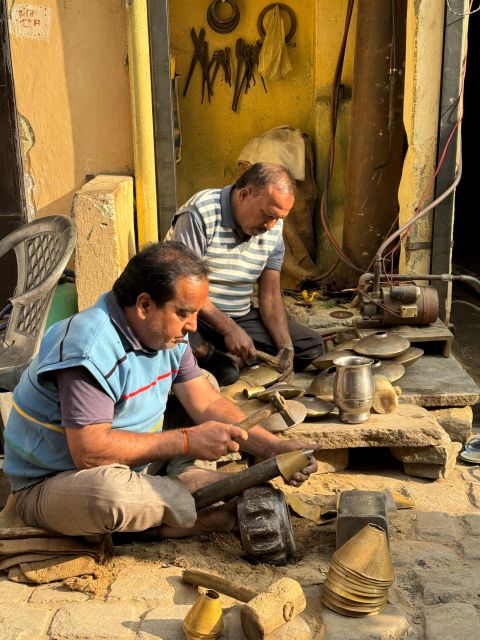
One highlighted stop is a street inhabited by the community of Thatheras—metal beaters. Watching a craft in motion gives you a better sense of why certain foods, markets, and neighborhoods exist where they do. It’s harder to reduce Jaipur to postcards when you see people producing goods right in front of you.
Then comes the Hindu temple visit. It’s not a sightseeing checkbox; you’re there as part of the city’s lived environment. Dress modestly, keep your behavior respectful, and avoid flash photography inside. Your guide will set the tone, and that’s a big part of why a food-and-walk tour can feel comfortable rather than rushed.
You’ll also see a community well. This might sound like a simple detail, but it connects you to how the city functioned before modern conveniences. Even if your main goal is eating, these little anchor points make the food taste more meaningful because you understand the daily setting it comes from.
You can also read our reviews of more food & drink experiences in Jaipur


Bangle making with sealing wax: the craft lesson you didn’t expect
Some tours treat crafts like souvenir shopping. This one gives you a front-row view instead. One of the listed experiences is the art of bangle making through sealing wax.
That detail is memorable because it’s specific. It’s not just watching jewelry; it’s learning about a process tied to local craft traditions. When you see the steps up close, you start noticing how Jaipur’s identity shows up in everyday objects—items you might otherwise walk past without a second look.
This is also a good reminder that the tour’s value isn’t only in food quantity. It’s in context. When you connect craft, community, and local architecture to what you’re tasting, the walk becomes more than snacks on a schedule.
What you’ll eat: samosa, kachori, famous sweets, and chai
The tour includes street food like samosa, kachori, famous sweets, masala chai, and more at local shops, plus a bottle of water. The exact mix can vary by stop and availability, but the core lineup is clear: savory classics first, sweets and chai woven through the route.
A smart strategy for your stomach (especially if you’re new to Indian street food): try the portions the guide recommends, and don’t rush to “finish” everything just because it’s in front of you. You’re walking for three hours. Your body needs time, and so do your taste buds.
If you’re picky or have lower spice tolerance, you’re not stuck. In practice, the experience can be adjusted to fit how you feel on the day—your guide can guide you toward what to try and help you navigate options. People with sensitive digestive systems have said they felt comfortable with the pace and choices, largely because the stops are guided and ordered.
One more tip: the sweets show up as part of the tour plan. If you don’t love sugary flavors, pace your sampling and don’t treat every sweet as mandatory. You still get the cultural experience without feeling stuffed on sugar halfway through.
Walking comfort and temple etiquette: the practical stuff that keeps it enjoyable
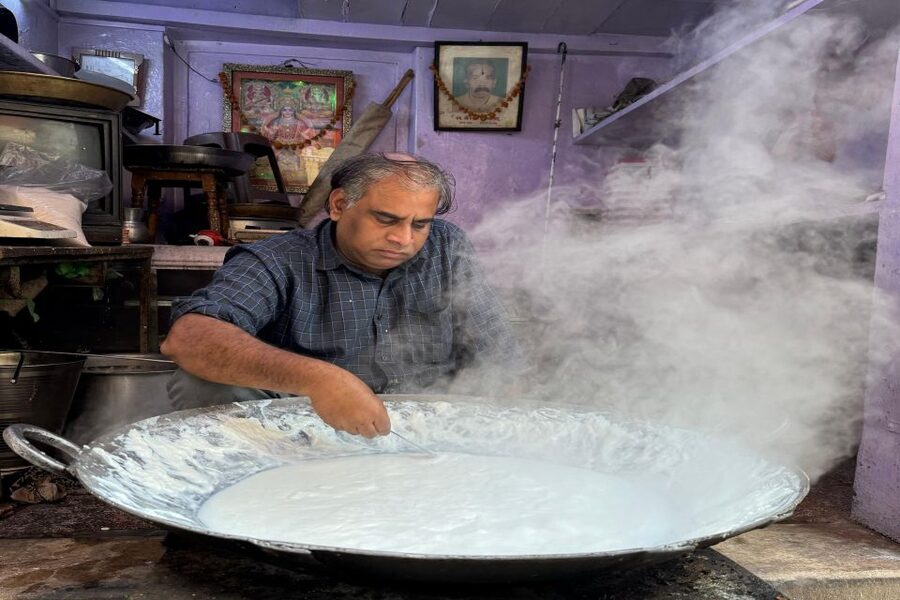
Plan for walking. This tour is 3 hours and not built around minimal steps. You’ll want comfortable clothes and especially comfortable shoes. Bring sunscreen and a hat in warm or sunny weather, because Jaipur can be bright.
For temple time, follow two simple rules: dress modestly, and avoid flash photography inside. That keeps you respectful and helps you blend in with the pace of worship.
Also bring your passport or ID card. It’s requested as part of the “know before you go” info, so it’s best not to leave it behind.
Price and value: about $21 for food, culture, and guided navigation
At $21 per person for 3 hours, this tour sits in a sweet spot for value in Jaipur. Street food in India can be cheap, yes. But what you’re paying for here is not just the cost of snacks. You’re paying for guided access to multiple food stops, local context tied to architecture and community life, and the ability to walk off main streets without feeling lost.
Included value you should notice:
- Multiple street-food tastings (samosa, kachori, sweets, chai, and more)
- A bottle of water
- A live English guide for the whole heritage walk
- The heritage walking portion itself
Not included value to plan around:
- No hotel pickup or drop-off
- No alcoholic drinks
So if you’re staying in or near old Jaipur and can get yourself to Golcha Cinema on time, you’ll get strong value out of the guided structure. If you’re far from the old city, factor in your own transport.
Who should book this tour, and who should skip it
This fits best if you want authentic Jaipur street food plus a story behind it. It’s also ideal if you’re a first-timer who doesn’t want to spend half the day figuring out where to eat and whether a stall is worth the risk.
It’s also a solid choice if you care about craft. Watching Thatheras metal beaters and learning about bangle making with sealing wax adds a level of cultural understanding that simple food-only tours often miss.
You might skip it if:
- You need wheelchair access (it’s listed as not suitable for wheelchair users)
- You can’t handle a lot of walking
- You want a purely restaurant-style meal with seating and menus
Should you book this Heritage Walk & Street Food Tasting in Jaipur?
If you want a Jaipur experience that’s both practical and local, I’d book it. The combination of street food staples (samosa, kachori, sweets, masala chai) with real community stops (Thatheras, temple, community well, bangle making) gives you more than a snack crawl. You walk away with food memories and a clearer sense of how the old city works.
Go for it when:
- You’re excited by street food but want guidance
- You like culture that shows up in daily life, not only monuments
- You want a small-group walk that keeps you from getting swept into chaos
Skip or reconsider if walking is a problem for you, or if you want hotel pickup and a more comfortable, low-step pace.
FAQ
Where is the meeting point for the tour?
You meet at the entry gate of Golcha Cinema.
How long is the Heritage Walk & Street Food Tasting tour?
The tour duration is 3 hours.
What is the group size?
The group is limited to 10 participants.
Is the tour guide available in English?
Yes. The tour includes an English live tour guide.
What street food is included?
Included street food includes samosa, kachori, famous sweets, masala chai (tea), and more at local shops.
Is water included?
Yes. A bottle of water is included.
Is hotel pickup and drop-off included?
No. Hotel pickup and drop-off are not included.
Is alcohol included?
No. Alcoholic drinks are not included.
Can I take photos, including inside temples?
Photography is allowed, but you should avoid flash photography inside temples.
Is the tour suitable for wheelchair users?
No. The tour is not suitable for wheelchair users.