REVIEW · MEDELLIN
Medellín: E-bike and Foodie Tour
Book on GetYourGuide →Operated by Turibike · Bookable on GetYourGuide
Medellín on an e-bike cuts straight to the good stuff. In just 3 hours, you roll into everyday neighborhoods, then eat your way through the dishes that shaped local life. I love the fast escape from tourist streets and the way the food stops explain what’s behind classics like pandebono, buñuelos, and arepas. The one drawback to think about: this is bike-forward, so it’s not a match if you can’t ride comfortably or have mobility limits.
You meet at Turibike, get geared up, and start pedaling with electric help almost right away. The small group setup (max 8) keeps the pace friendly, and the guide—often bilingual in Spanish and English—steers you through the city in a way that feels more like a local day out than a checklist.
In This Review
- Key highlights worth planning for
- Why Medellín on an e-bike feels like a shortcut to real neighborhoods
- Food stops that actually explain what you’re eating
- How the 3-hour ride works (and why it feels less tiring than you fear)
- Meeting Turibike on an industrial street (so you don’t waste time)
- The route from Belén to the River Parks, stop by stop
- Unidad Deportiva de Belén: the first food landing
- Parque Belén: bike time plus traditional bakery energy
- Laureles: regional bites while you ride through the city’s layers
- Conquistadores: local snacks plus another ride leg
- Food tasting stop number six: the bite that often surprises people
- Medellín River Parks: scenery and a calmer end
- Price: is $48 worth it, or just another tour fee?
- Who should book this tour, and who should skip it
- What makes the guides stand out on this tour
- Should you book the Medellín e-bike and food tour?
- FAQ
- How long is the Medellín e-bike and food tour?
- What does the $48 price include?
- What isn’t included in the tour price?
- Where do I meet the tour?
- Is this tour offered in English?
- What should I bring, and what should I avoid?
Key highlights worth planning for
- E-bike access to Belén, Laureles, and Conquistadores without the hassle of traffic and parking
- Food with context, not random samples: you’ll learn the roots behind what you’re eating
- Small group feel, usually more personal than big-bus tours
- Safety-minded riding, with maintained e-bikes and a guide watching the line
- A scenic finish at Medellín River Parks to cool down after the tastings
Why Medellín on an e-bike feels like a shortcut to real neighborhoods
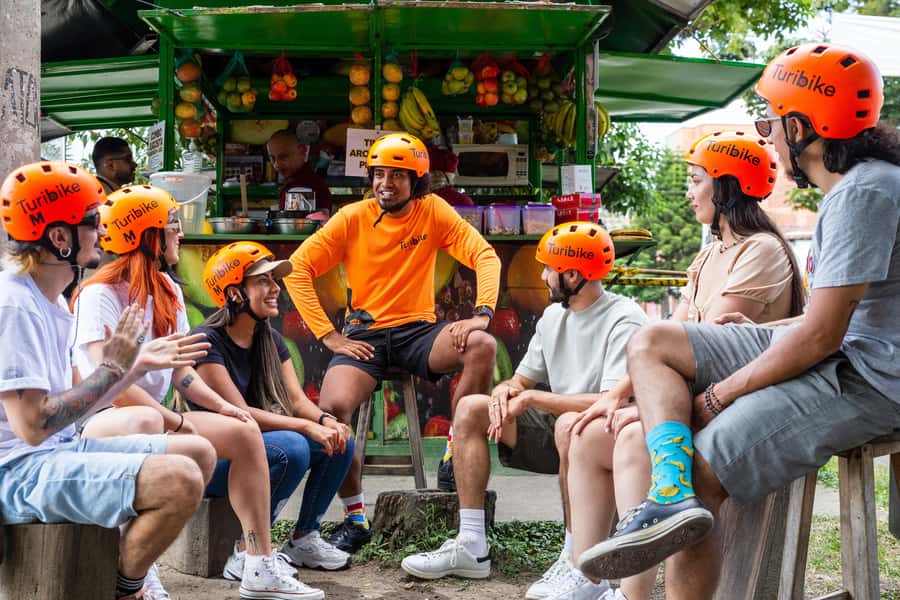
If you’re trying Medellín for the first time, the hardest part is figuring out where daily life happens. This tour solves that fast. You’ll hop on an electric bike and head away from the busiest, most obvious tourist zones almost immediately.
What I like is the rhythm: ride, stop, eat, learn—repeat. That structure keeps you from feeling like you’re only traveling or only grazing. And because you’re on two wheels, you can actually notice the city details: street layout, neighborhood flow, and the little food routines that don’t show up on postcard routes.
The guides also matter. People on this tour often call out names like David, Juan León, Juan Pablo (Toto), Dany, Dayana, Daniela, and Esteban, and the common theme is stories with real context—especially around how neighborhoods and cuisine evolved together.
A few more Medellin tours and experiences worth a look



Food stops that actually explain what you’re eating
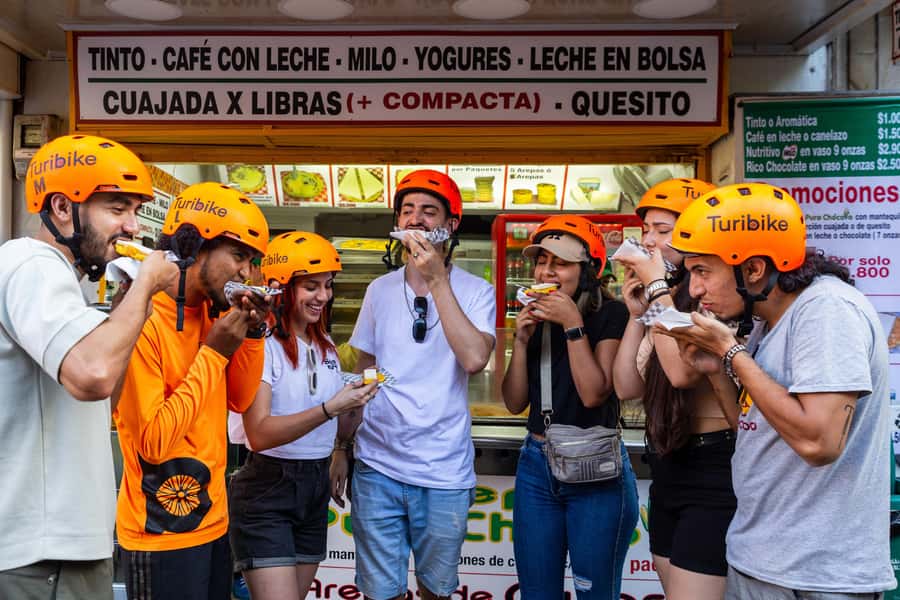
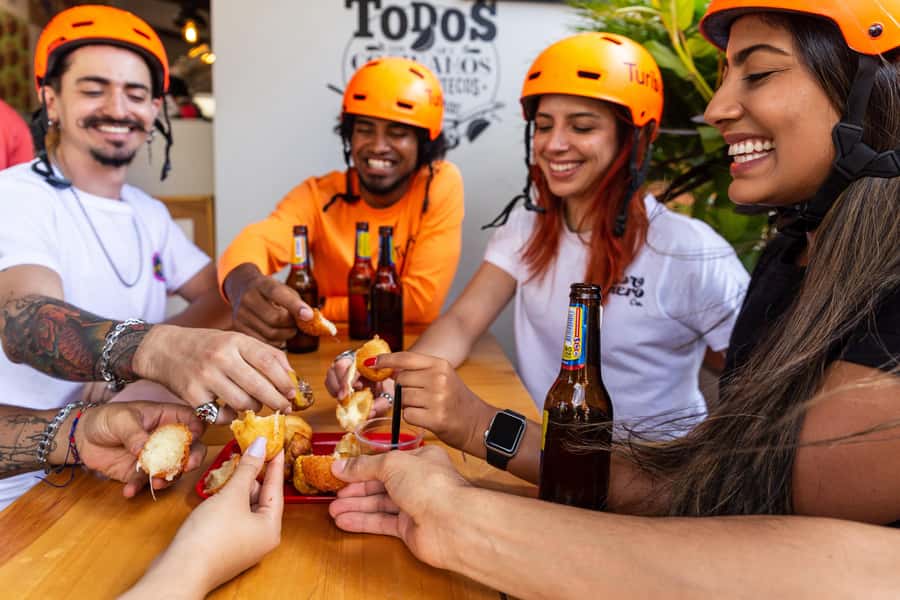
This isn’t just a tasting parade. The tour is built around understanding the roots of local food—how ingredients, techniques, and traditions show up in what Colombians still eat today.
You’ll likely hit familiar favorites and also some “wait, that’s Medellín” moments. From the stops, you may taste things like:
- Coffee (a classic starting flavor that sets the tone)
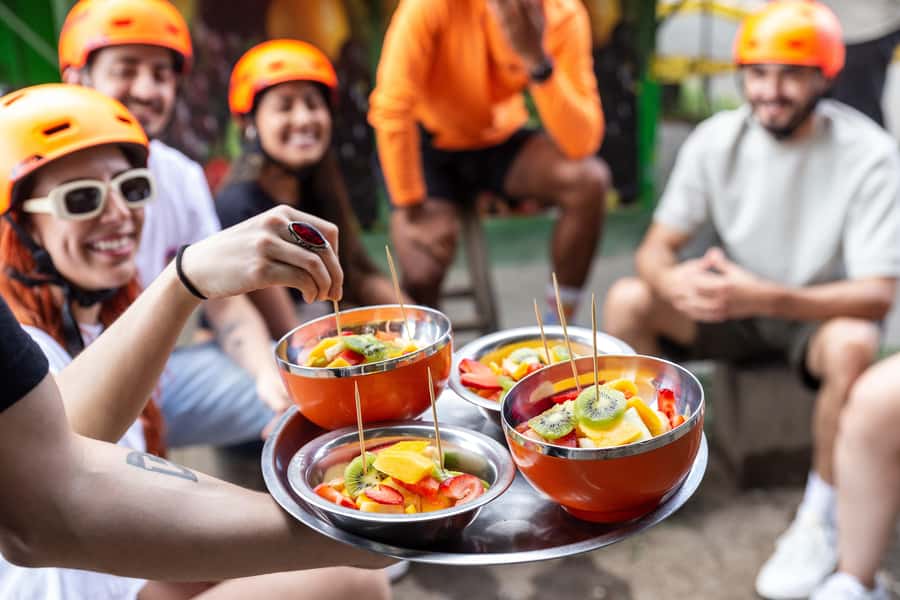
- Salpicón de frutas (fresh, fruit-forward, good as a palate reset)
- Pandebono (chewy, cheesy, and one of those snacks you remember long after)
- Guarapo (sugarcane drink that connects you to older local tastes)
- Crispy empanadas and other regional bites
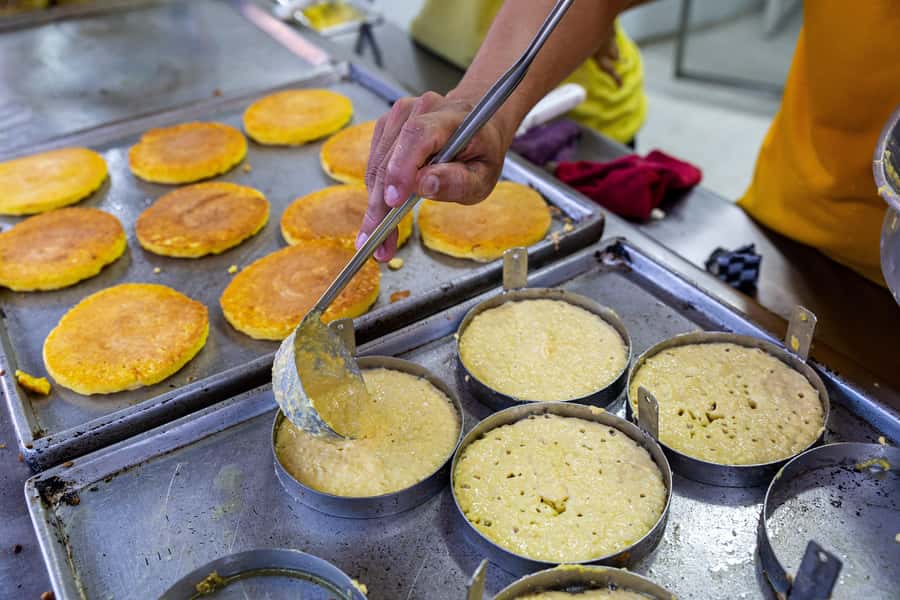
One of the best parts is the explanation angle. For example, you’ll get the kind of story that makes an arepa feel more than a snack—like when the guide walks you through how an arepa recipe ties back decades. That’s the difference between tasting food and learning a culture.
Also, pace is practical here. You’ll be eating often enough to stay fueled, but not so much that you’re stuffed by hour one. Still, come hungry. A lot of people describe this as a tour where the food quantities add up.
How the 3-hour ride works (and why it feels less tiring than you fear)
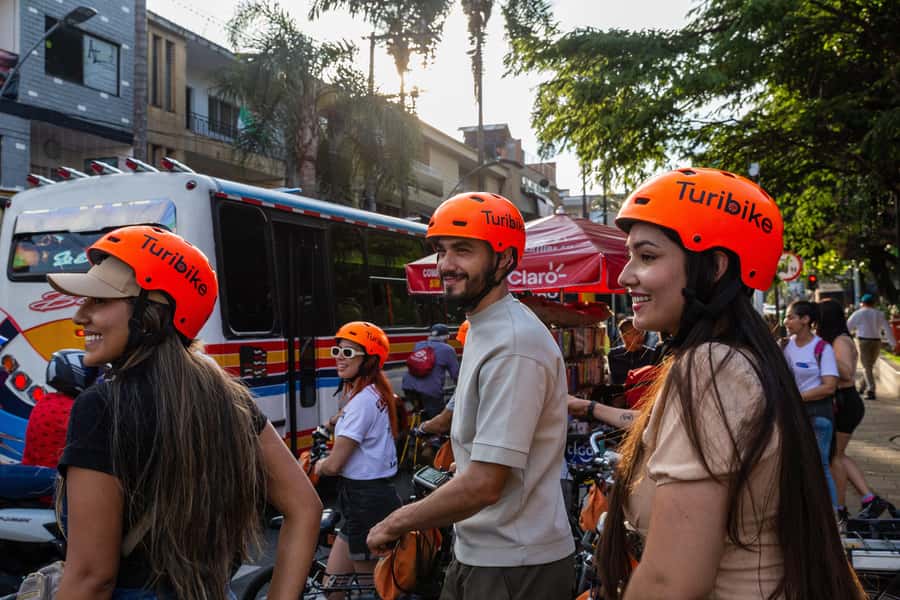
Electric bikes handle the workload, but you still get to participate. That means you’re not stuck behind a vehicle or shuffling on foot while the group catches up. You control your effort with the assist, which helps if you’re not an athlete or if hills make you nervous.
The ride is set up for small-group movement, so you don’t constantly stop for logistics. And safety is part of the experience design: e-bikes are maintained, and the guide keeps an eye on the group so you stay comfortable on bike paths.
A couple of practical notes that can make or break your day:
- Wear comfortable shoes. No flip-flops or sandals.
- Expect some “city texture”: sounds, smells, and normal street life that you’d skip in a car.
- If it lightly sprinkles (it happens), you’ll still want the grip and shoes for a steady roll.
Meeting Turibike on an industrial street (so you don’t waste time)
The meeting point is specific, and it can be easy to overthink it if you’re looking for a fancy storefront. Turibike’s office sits in a coworking space on an industrial street.
What to look for:
- A brick building
- A big black metal door
If the door is closed, knock. There’s a guard who can let you in.
This matters because the tour is time-boxed (3 hours total). Showing up 10 minutes early is smart, especially the first time you try to find the building.
The route from Belén to the River Parks, stop by stop
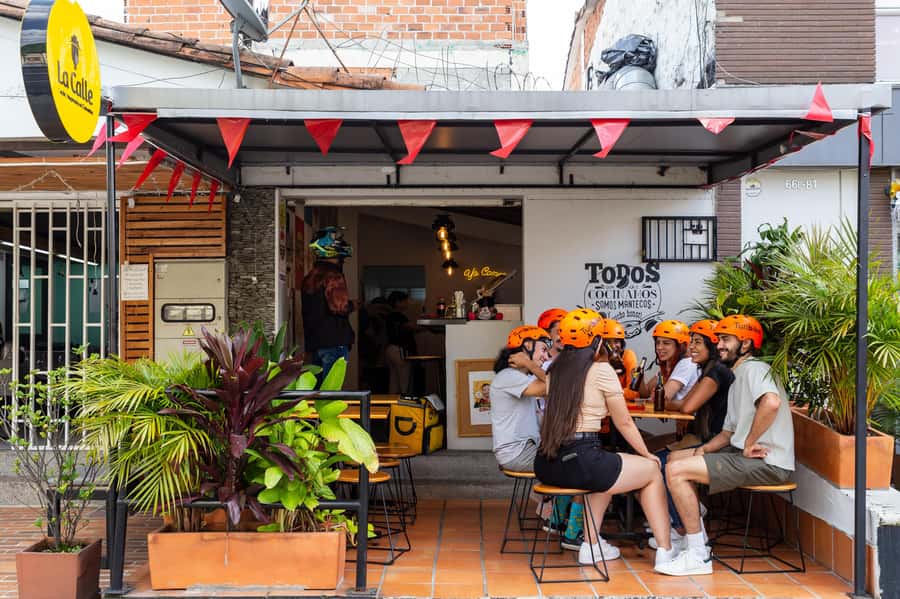
Here’s what the experience feels like as you move through the day, and what each stop tends to add.

Unidad Deportiva de Belén: the first food landing
You start at Turibike, then roll to Unidad Deportiva de Belén, where you begin with food tasting. This first bite stage is a smart move: you get your bearings, then you fuel up before the longer ride legs.
Based on what people often mention, this is where flavors like coffee, fruit snacks like salpicón, or first bites such as pandebono show up. If you’re the type who gets hangry, this start helps.
One practical consideration: beverages at the first three stops are listed as not included. So if you’re hoping for drinks right away, plan to pay for them at least early on.
Parque Belén: bike time plus traditional bakery energy
Next up is Parque Belén, mixing bike touring with more tasting. This is where the tour starts feeling less like “events” and more like neighborhood life.
You may notice scenes that feel like time slows down—like elderly men playing cards in the plaza. And you’ll likely get hit with bakery smells, such as buñuelos fresh from the oven. That aroma does something useful: it makes the tasting feel connected to a real place, not a staged snack stop.
Here’s the value: you’re learning why certain foods are still common. The guide may explain how an arepa recipe used today links back through time—so you’re not only eating; you’re building a mental map of local food identity.
Laureles: regional bites while you ride through the city’s layers
From Belén, the ride moves into Laureles for more bike touring and regional food. This segment is often where the city “texture” becomes clearer. You’ll go from street corners built for daily routines to wider neighborhood streets and landmarks that reveal how Medellín grew and reorganized itself.
The food here tends to lean regional, so expect bites that feel more “of the area” than generic Colombian fast food. People often pick out favorites like crispy empanadas and other warm, handheld snacks during segments like this.
The drawback to flag: Laureles and similar zones can feel busier than the quietest corners, so keep your attention on the guide’s pacing and the group line.
Conquistadores: local snacks plus another ride leg
Then comes Conquistadores, another bike tour stretch with local snacks. Think of this part as the “second wind” segment—more riding, more eating, but with enough variety that you’re still paying attention.
This is also where you might find that tour “click” moment: you realize you’re not just tasting different foods; you’re seeing how people live, buy snacks, and gather in different neighborhood rhythms.
Food tasting stop number six: the bite that often surprises people
There’s another dedicated food tasting stop mid-late in the tour. This is the part that tends to keep expectations in check. Even if you already know Colombian snacks, you might find a variation that feels distinctly Medellín.
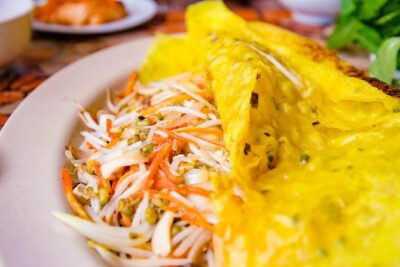
For example, some participants call out arepas de huevo as a favorite here. If you’re curious about eggs-in-arepa variations, this is where your curiosity gets rewarded—without the stress of hunting it down yourself.
Medellín River Parks: scenery and a calmer end
Finally, you’ll head to Medellín River Parks for a visit. This isn’t positioned as a food finale; it’s more about shifting from calories-on-the-go to views and breathing space.
You may pass churches or notice river-adjacent activity and infrastructure while you’re in this zone. Even when nothing “spectacular” is happening, parks near the river give you a reset after constant motion and snack stops.
And remember: food at the last stop is listed as not included—so the tastings should already be doing most of the work before you arrive here.
Price: is $48 worth it, or just another tour fee?
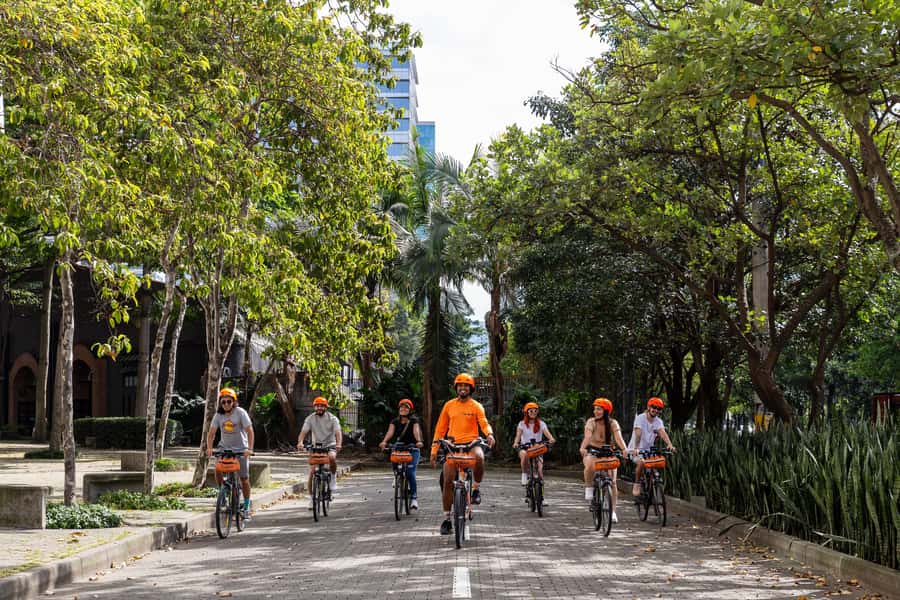
$48 for a 3-hour, small-group e-bike food tour is a value move when you factor what’s included.
Included:
- Electric bike
- Medical insurance
- Food and drinks (with the note that some beverages and the last-stop food aren’t included)
- Guide
Not included:
- Hotel pickup and drop-off
- Beverages at the first three stops
- Food at the last stop
So where’s the value? It’s in the combination. You’re getting:
1) Transport that’s actually fun and efficient in a city like Medellín,
2) Food across multiple neighborhood moments,
3) Context from a guide who connects dishes to local life and neighborhood evolution.
If you were to do this on your own, you’d likely spend time figuring out routes, finding reliable snack spots, and paying for multiple taxis or rides to cover the same distance. Here, the tour handles the sequencing for you.
Who should book this tour, and who should skip it
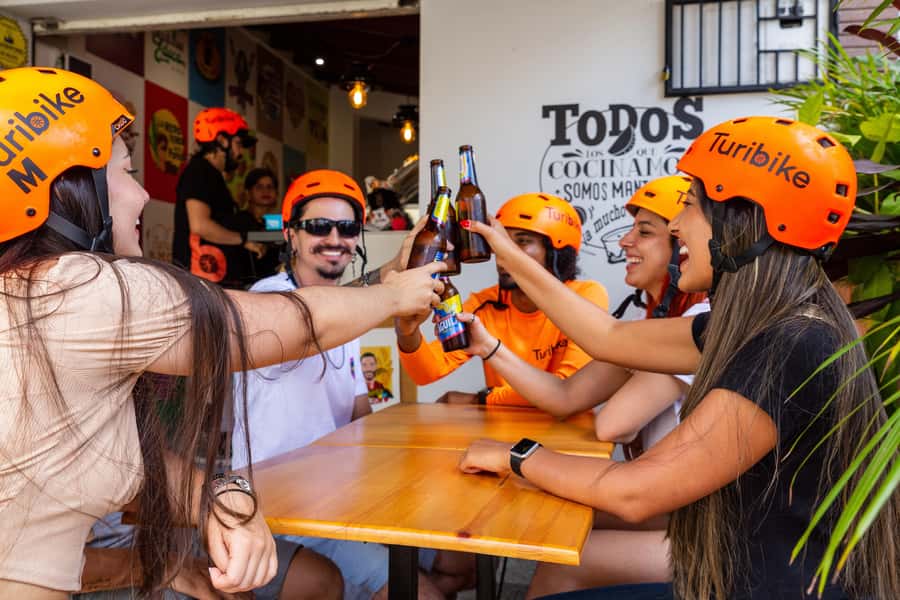
This tour fits best if you want active sightseeing plus food that has meaning.
Good match:
- First-timers who want a fast start and a realistic sense of neighborhoods
- People who enjoy snacks and don’t mind eating several times
- Travelers who learn best when food comes with stories (and lots of local context)
Not a match:
- Pregnant women
- People with mobility impairments
- Anyone who can’t ride a bike
- Kids under 140 cm (4 ft 6 in)
If you’re on the fence because you’re not confident on a bicycle, don’t ignore that. The e-bike helps, but this still expects you to ride.
What makes the guides stand out on this tour
Even with different guide names—David, Juan León, Toto (Juan Pablo), Dany, Dayana, Daniela, Esteban, Camilo, and Diana—the role looks consistent. The guides are friendly, keep the group safe, and treat the ride as part of the lesson.
A frequent theme in the way people talk about the tour is that the guide blends:
- city history and social change
- neighborhood-by-neighborhood storytelling
- food origins and what to notice while you eat
And yes, there’s usually a “friend visit” feeling. In small groups, you often get more time for questions, and the guide can tailor explanations to your pace instead of rushing everyone through the same script.
Should you book the Medellín e-bike and food tour?
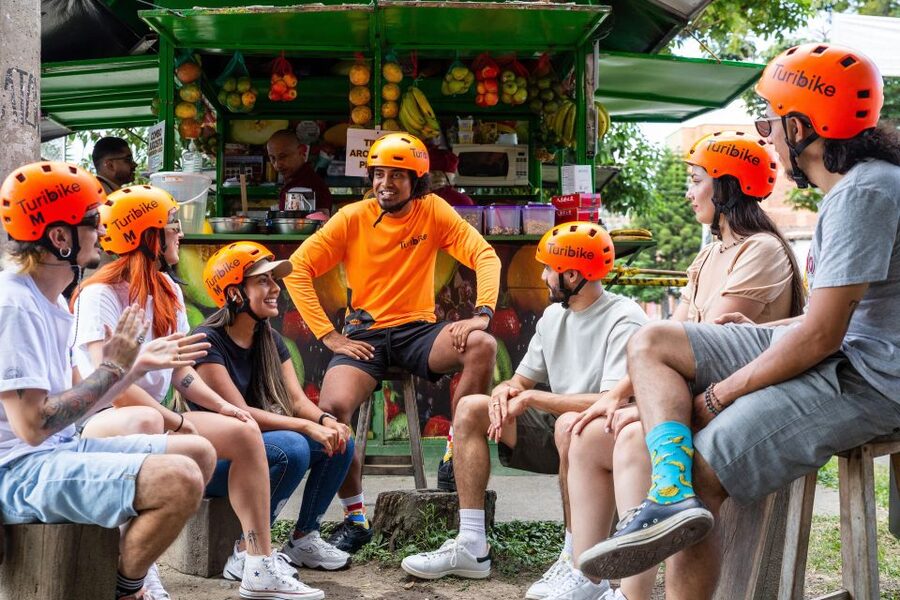
Book it if you want a memorable introduction to Medellín that doesn’t rely on tourist-only routes. The e-bike format is the key: you cover more ground than a walking tour, but you still get up-close with neighborhoods, smells, and everyday routines. Add the story-driven tastings, and you get a trip that feels like learning, not just eating.
Skip it if biking is a hard no for you, or if mobility issues make riding unsafe. Also, if you’re trying to keep food spending super tight, note that beverages at the first three stops and food at the last stop aren’t included, so you may pay a little extra to fully quench yourself.
If you’re arriving in Medellín and want one solid “start here” experience, this is the kind of tour that gives you bearings fast—and food memories that last longer than the ride.
FAQ
How long is the Medellín e-bike and food tour?
It runs for 3 hours.
What does the $48 price include?
The price includes an electric bike, medical insurance, food and drinks, and a guide.
What isn’t included in the tour price?
Hotel pickup and drop-off is not included. Also, beverages at the first 3 stops and food at the last stop are not included.
Where do I meet the tour?
The meeting point is Turibike, in a coworking space on an industrial street. Look for a brick building with a big black metal door, and knock if it’s closed.
Is this tour offered in English?
Yes. The live tour guide offers Spanish and English.
What should I bring, and what should I avoid?
Bring comfortable shoes. Don’t wear sandals or flip-flops. Alcohol and drugs aren’t allowed, and the tour isn’t suitable for pregnant women or people with mobility impairments.