REVIEW · KYOTO
Kyoto: Nishiki Market and Depachika Food Tour with a Local
Book on GetYourGuide →Operated by TripGuru Japan · Bookable on GetYourGuide
Food joy, tightly packed and worth it.
This small-group tour is a smart hit of Kyoto eating: you’ll walk the lanes of Nishiki Market and then move into the basement food world of depachika at Daimaru Kyoto. It’s designed for short trips, with scheduled tastings and just enough structure to help you try things you’d normally skip when you’re standing in front of 40 menu boards. I particularly like how the guide keeps the pace friendly while still covering the big stops, and I like the fact that the tour includes tastings (so you don’t have to guess what’s “safe” to order). The main drawback is time: you’ll sample plenty, but you won’t have long stretches for major shopping or a sit-down meal.
What makes the experience feel practical is that you’re not just eating; you’re learning how to choose, how locals think about flavor, and what a few traditional items actually are. Guides on this route often show strong English and a patient, chat-friendly style, including past guides like Vincent, Jasmine, and Mao, who were noted for stepping in when people linger or have questions. One consideration: the tour includes walking and a shrine visit, so if you’re prone to fatigue or have health limits, this may not be the right match.
In This Review
- Key highlights that matter (and why)
- Nishiki Market in 90 minutes: what you’re really tasting
- Daimaru Kyoto depachika: the basement that runs the show
- Food inclusions: what’s covered in the price ($42)
- The Nishiki-Tenmangu Shrine stop: where the walking quiets down
- Meeting point and timing: how to avoid wasting your tour
- Small group energy (max 9): why it feels different
- Who this tour is best for (and who should skip it)
- After the tour: what to do with your new food instincts
- Should you book this Nishiki Market and Depachika food tour?
- FAQ
- How long is the Kyoto Nishiki Market and Depachika Food Tour?
- Where do I meet the guide?
- How many people are in the group?
- What food tastings are included?
- Is the tour guide English-speaking?
- What should I bring with me?
- What is the walking and timing requirement before the tour starts?
- Is hotel pickup or drop-off included?
- Is this tour suitable for people with mobility issues or health conditions?
Key highlights that matter (and why)
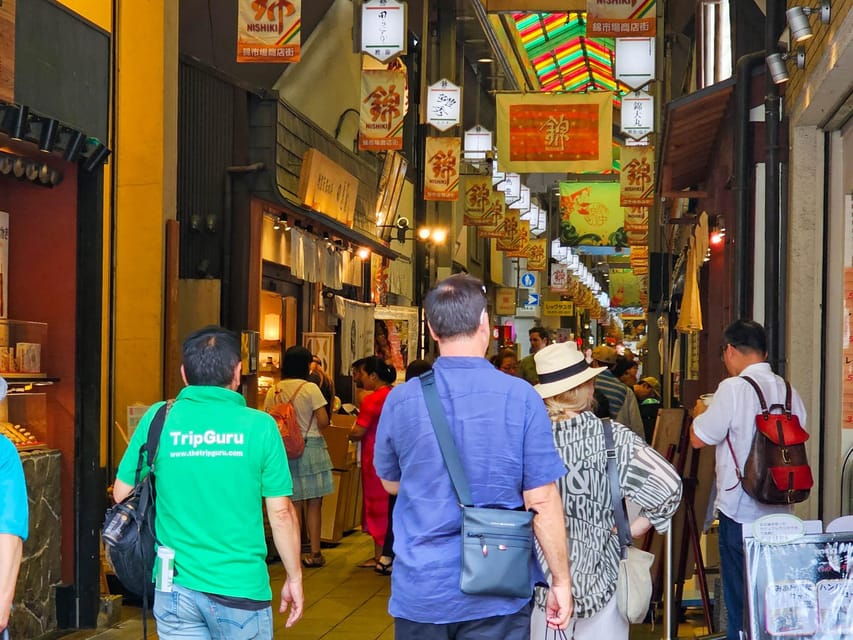
- Nishiki Market tastings that save you from menu guesswork, including items you might not try on your own
- Daimaru Kyoto depachika food hall stop in a department-store basement where Kyoto’s food culture shows up fast
- Included samples that total a real meal’s worth of variety in only 2 hours
- Nishiki-Tenmangu Shrine reset so the sensory overload gets a breather
- Small group size (max 9) that makes questions and swapping preferences actually easy
Nishiki Market in 90 minutes: what you’re really tasting
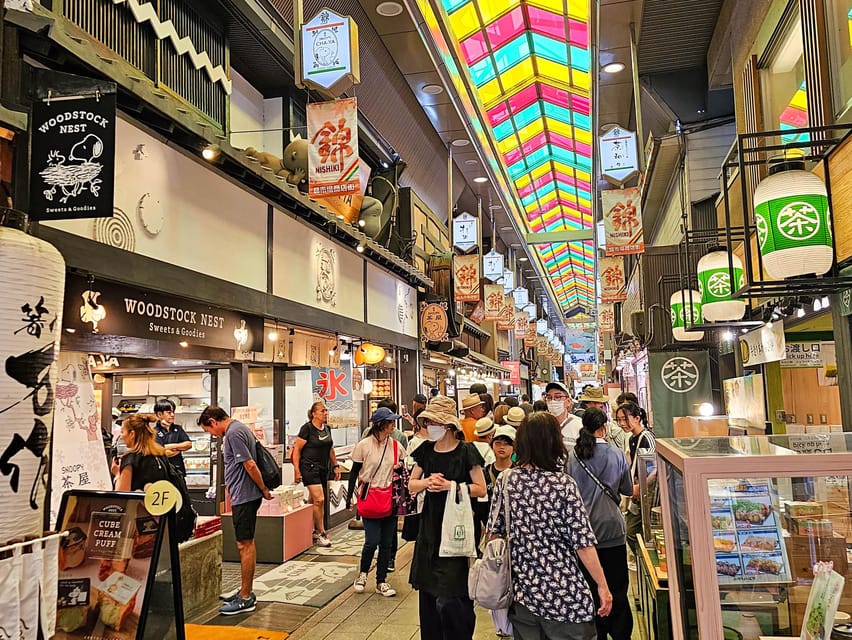
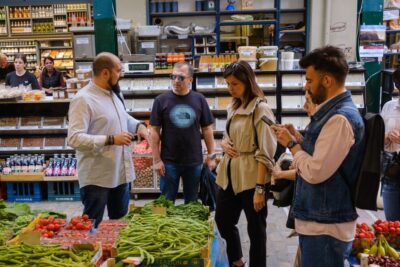
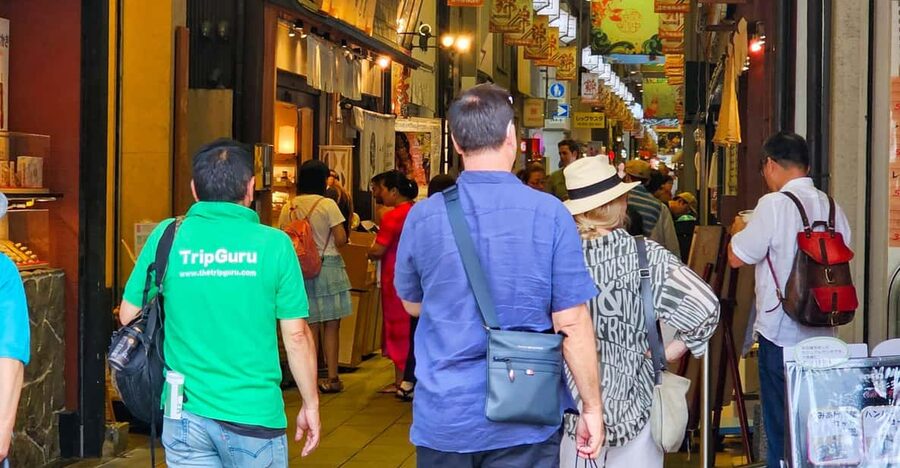
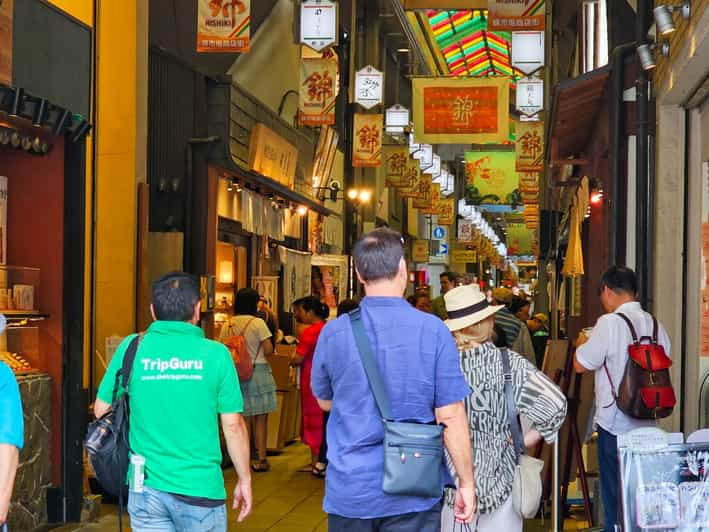
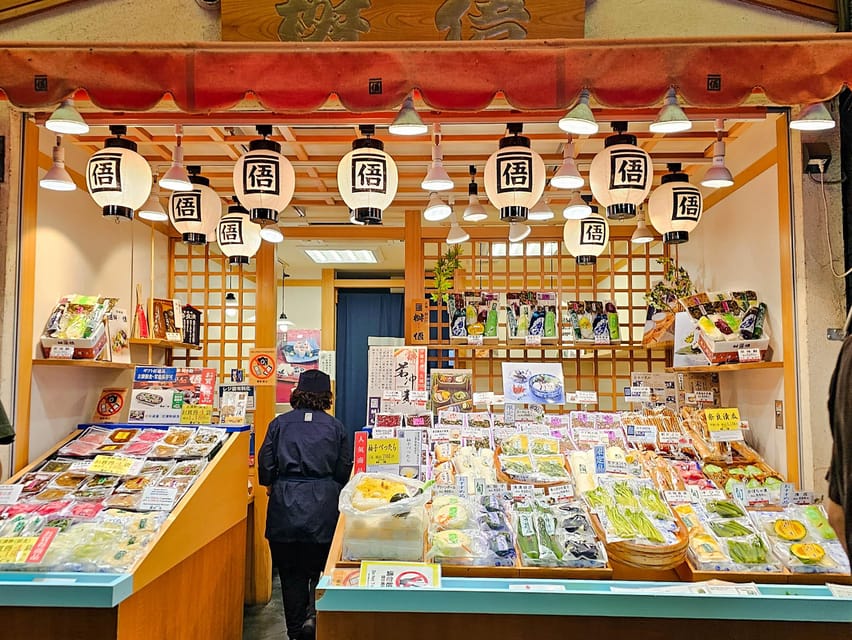
Nishiki Market is the kind of place where your senses get loud fast. It’s covered, lane-tight, and packed with stalls selling Kyoto food staples, seasonal ingredients, and the small tools locals buy when they cook at home. Your guide helps you cut through the chaos with a route that makes sense, so you spend less time circling and more time eating.
The biggest value here is guidance on what to pick. In a market like this, you can end up stuck in indecision: one stall has crispy things, another has skewers, and another has sweets you can’t translate. This tour’s tastings are built to show range—so you get both “here’s a Kyoto specialty” and “here’s a different texture or flavor style”—without having to plan every purchase.
Also, you’re not just walking and snacking. You’ll get context for what you’re tasting, and that changes how you experience food. When you understand why a tofu-skin item works with soy flavors, or why a fish preparation is treated differently, you remember it later—and you make better choices after the tour.
One more practical point: Nishiki has lots of tempting items you may want to buy after tasting. Since the tour includes time for the market visit before and after tastings, you can still shop with direction instead of wandering blind.
You can also read our reviews of more food & drink experiences in Kyoto

Daimaru Kyoto depachika: the basement that runs the show
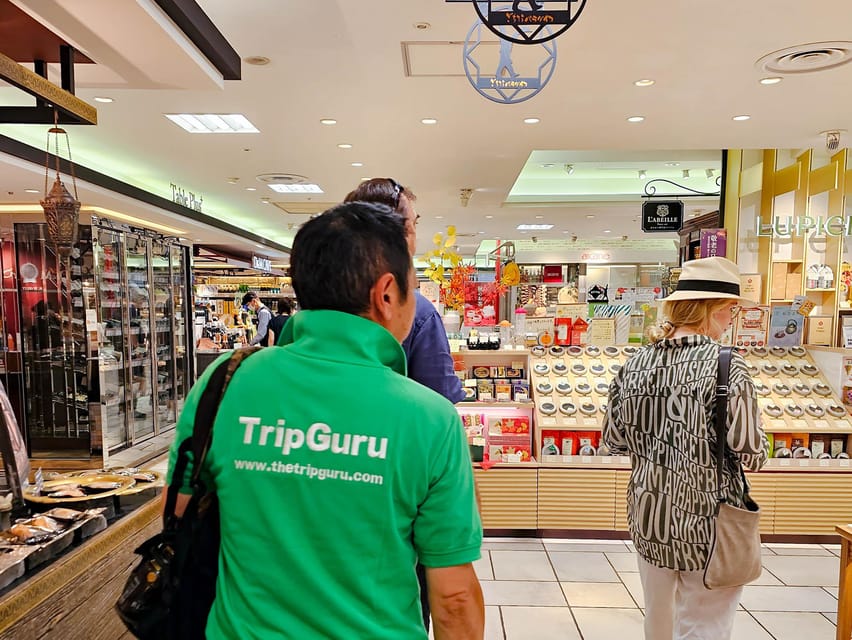
After the market, you head to Daimaru Kyoto, where the depachika food hall lives in the department store basement. That “below street level” detail matters. Depachika is where you’ll see the polished side of Japanese food: neatly arranged boxed items, prepared snacks, and sweets that look gift-ready even when you’re just buying for yourself.
I like depachika because it’s efficient. In a short timeframe, it’s one of the quickest ways to taste across regions and styles without waiting in long lines at multiple street stalls. Your guide’s role is crucial here too. You’re getting help with ordering and choosing items that fit what you already tasted upstairs, so the tour feels connected rather than random stops.
The tone in depachika is different from the market. Nishiki feels like a living workshop. Depachika feels like a curated showcase, and it’s a great place to find take-home food if you like to eat later in your hotel room or share with someone back home.
And yes, you can still shop. Past participants highlighted that guides offered recommendations without pushing purchases, which is exactly how you want a food tour to feel. You’ll be able to nibble and then decide what to bring back without feeling cornered by the menu pressure.
Food inclusions: what’s covered in the price ($42)
This is a short tour, so the “value math” depends on what’s actually included. At $42 per person for 2 hours, the tour isn’t trying to be a full dinner replacement. It is, however, built around a set of tastings that give you noticeable variety in one go.
Included food-tasting items are:
- yuba sashimi + soy milk donut
- Nishiki gyoza
- Uoriki tempura hamo fish
That combination is smart. You’re not just eating one style of snack—you’re sampling different flavor directions: tofu-based Kyoto comfort through yuba, a savory bite via gyoza, and a more special-course feel with tempura hamo fish. Even if you’re new to Japanese food, these choices are approachable enough to enjoy while still feeling “Kyoto,” not generic.
Also, since tastings are included, you avoid the trap of adding up random purchases all at once. If you’re traveling on a budget, this matters. You’ll likely want to buy extra items after tasting (because you’ll see things you want), but the main “taste coverage” is handled.
The Nishiki-Tenmangu Shrine stop: where the walking quiets down
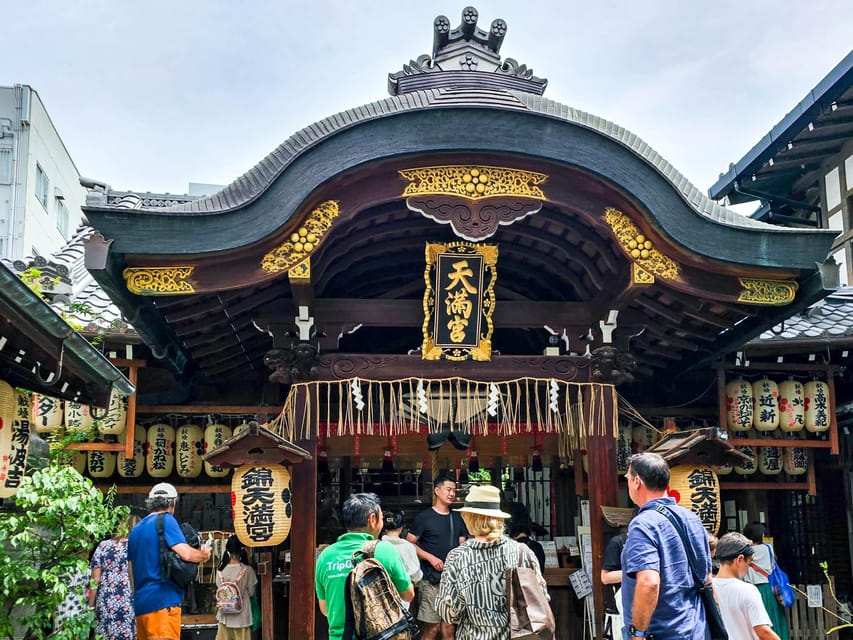
Right after the food stops, you’ll walk to Nishiki-Tenmangu Shrine, a Shinto shrine dedicated to the deity of learning. The transition is a nice change of pace. The market and depachika are sensory and crowded; the shrine area gives you a breather where you can reset your brain for the rest of your day.
You’ll get a guided visit around the shrine area, and you’ll have time to take in the small details like the architecture and the ritual step of cleansing your hands at the sacred water fountain. In practical terms, this matters because it turns the tour from pure eating into something you can connect to Kyoto as a place with culture and rhythm, not just food stops.
It’s also a good moment to pause and decide what you want to do next. If you’re the type who uses tours to plan your remaining hours, the shrine stop is a perfect mental checkpoint.
Meeting point and timing: how to avoid wasting your tour
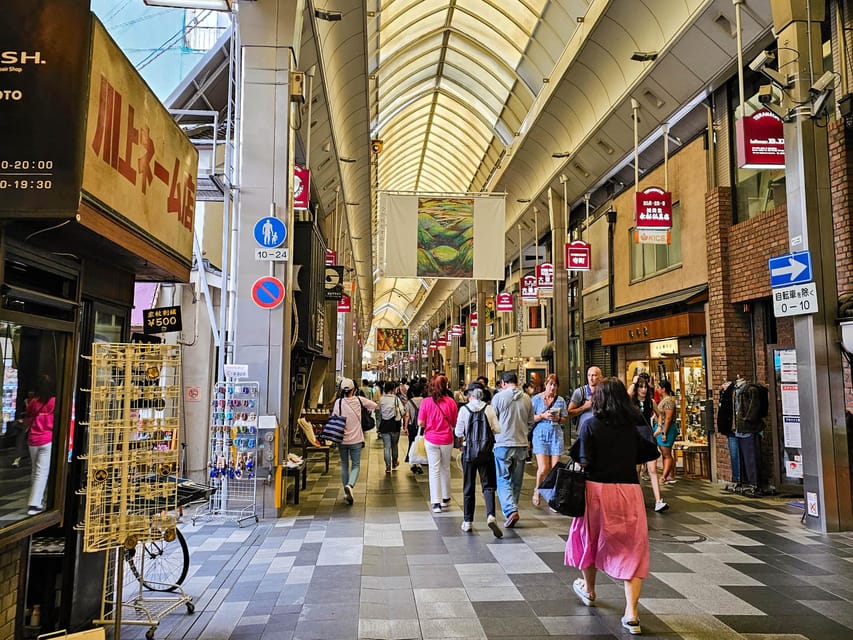
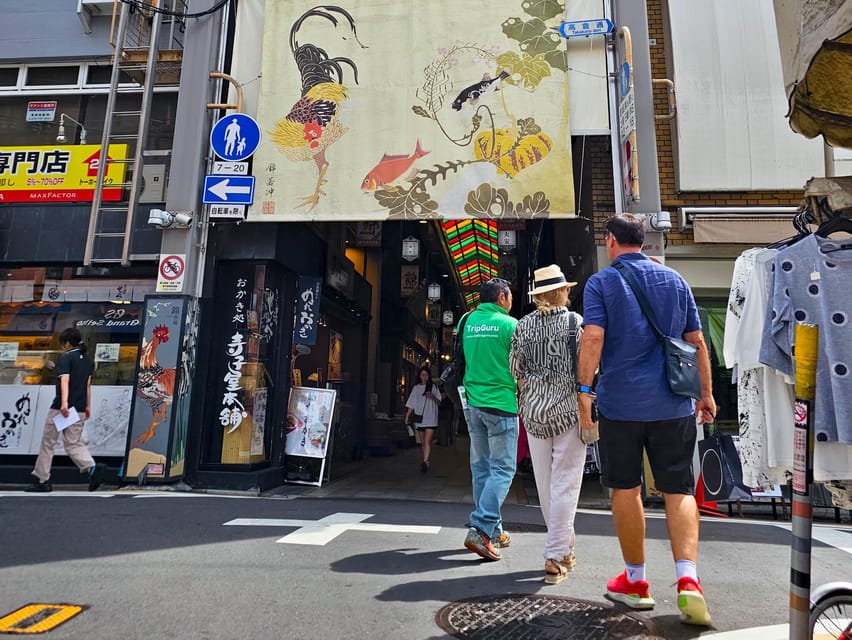
The meeting point is Apple Kyoto. Your guide will be there wearing a TripGuru shirt or holding a TripGuru sign.
Arrive early in real life, not app-time. The tour asks that you be there at least 10 minutes before the stated start, and guides only wait up to 10 minutes. That’s not just rules—this route moves quickly because two food stops plus a shrine is already a lot for a 2-hour window.
Also keep in mind traffic can surprise you in the morning, so build in buffer time if you’re coming from farther away.
What to bring:
- comfortable shoes
- camera
- cash
This is one of those tours where comfortable shoes are not optional. Even with short legs of walking, market crowds mean you’re stepping and stopping more often than you’d expect.
A few more Kyoto tours and experiences worth a look
Small group energy (max 9): why it feels different
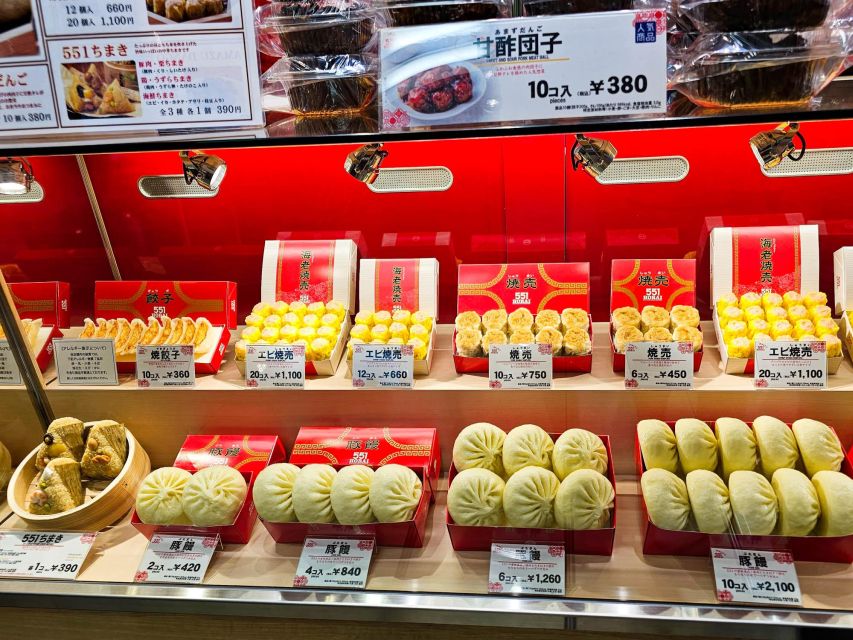
A big reason people rate this tour highly is the group size. With a maximum of 9 participants, it’s easier for the guide to keep the pace comfortable and to adapt when someone lingers longer at a stall. In real conversations, that flexibility shows up as patience rather than rushing you through.
The guide style also seems to be a strong point. Several named guides were praised for English clarity and for friendly, enthusiastic explanations, including Vincent, Jasmine, Mao, and Boris. That matters because food tours can go wrong when the guide can’t translate what makes flavors different. Here, the explanations help you actually understand what you’re tasting and why it works.
You’ll also likely appreciate that guides have been described as not pressuring people to buy. That’s huge if you’re the kind of traveler who wants to taste first and shop only if something genuinely sparks joy.
Who this tour is best for (and who should skip it)
This experience is ideal if:
- you want Kyoto food highlights without committing a whole afternoon
- you enjoy markets but want help choosing what to eat
- you like a short, structured walk with time to ask questions
- you’re traveling with limited time and want maximum payoff
It may not be a fit if:
- you have mobility impairments or need minimal walking
- you’re pregnant (this tour is listed as not suitable)
- you have heart problems or respiratory issues
That’s not just legal fine print. With a market, a depachika, and a shrine, you’re going to be on your feet in crowded conditions and moving between stops.
After the tour: what to do with your new food instincts
Once you’ve tasted tofu skin, soy flavors, gyoza, and tempura hamo-style fish, your next choices in Kyoto become easier. You’ll start recognizing patterns: what looks like a common Kyoto preparation, which sweets match the savory items you already tried, and what kinds of packaging make sense for gifts versus personal snacks.
You’ll also be in a better position to return to the stalls that impressed you most. Since you’ll see multiple areas during the walk, you’ll learn where you want to go back for an extra purchase, not just where you happened to pass by.
If you’re planning the rest of your day, the shrine stop helps too: you’ll finish at Kyoto-Kawaramachi Station, which is a convenient launch point for exploring further on foot or by transit.
Should you book this Nishiki Market and Depachika food tour?
If you like food, want Kyoto culture mixed in, and only have 2 hours, I think this is a strong yes.
Book it if:
- you want a guided route through Nishiki Market plus the depachika food hall at Daimaru
- you prefer tastings that reduce decision fatigue
- you want a small group experience that allows questions and a relaxed pace
Skip or look for a longer tour if:
- you want a full meal and long sit-down time
- you’re hoping to do heavy shopping first, then snack later
- you need an itinerary with minimal walking
For most visitors who want Kyoto’s food identity fast, this hits the sweet spot: market energy, basement food precision, and a calm shrine reset—guided, efficient, and priced to feel fair for what you actually eat.
FAQ
How long is the Kyoto Nishiki Market and Depachika Food Tour?
The tour lasts 2 hours.
Where do I meet the guide?
You meet at Apple Kyoto. The guide will be wearing a TripGuru shirt or holding a TripGuru sign.
How many people are in the group?
The group is small, limited to 9 participants.
What food tastings are included?
Included tastings are yuba sashimi (tofu skin) and soy milk donut, Nishiki gyoza, and Uoriki tempura hamo fish.
Is the tour guide English-speaking?
Yes, the tour is an English-speaking guided experience.
What should I bring with me?
Bring comfortable shoes, a camera, and cash.
What is the walking and timing requirement before the tour starts?
You should be at the meeting point at least 10 minutes early. The guide waits a maximum of 10 minutes.
Is hotel pickup or drop-off included?
No, hotel pickup and drop-off are not included.
Is this tour suitable for people with mobility issues or health conditions?
The tour is listed as not suitable for pregnant women, people with mobility impairments, people with heart problems, or people with respiratory issues.