REVIEW · CHANIA
Chania Area: Food Tasting Tour with Winery Visit & Swim Stop
Book on GetYourGuide →Operated by Allcretetours · Bookable on GetYourGuide
Ancient olives and Cretan tastings all in one day. This tour strings together Vouves Ancient Olive Tree visits, family food producers, and tastings, then cools you off with a swim stop at Nopigia Beach. It’s a food-first day that also teaches you why Cretan cuisine works so well.
I especially love the hands-on feel of the stops—honey and cheese making explained in a plain, practical way, with tasting included. One possible drawback: the winery portion can feel more like a standard production setup than the most personal, wine-specialist experience, so go in with realistic expectations if you’re picky about wine details.
The day runs about 7 hours total, starting with hotel pickup in the 08:00–09:20 window and ending back at your place in the late afternoon. If you don’t want to drive, this is a smart way to cover a lot of ground around Chania without the stress.
In This Review
- Key things to look forward to on this Chania food tasting tour
- Food tasting with a real point: why Cretan food is built to last
- Getting there: pickup, bus comfort, and the timing that matters
- Vouves Ancient Olive Tree: the 3,000–5,000-year wow moment
- The wood-oven bakery stop: Cretan savouries you can recognize
- Honey and olive grove time: how the island turns plants into sweetness
- Traditional cheese factory: learn the process, then taste the results
- Pnevmatikakis Winery in Kissamos: wine making and tastings with mixed expectations
- Nopigia Beach swim stop: where the day slows down
- Who this tour is best for (and who should rethink it)
- Value and logistics: why the tasting package feels fair
- Practical tips so you enjoy every stop
- Should you book this Chania food tasting tour?
- FAQ
- How long is the tour?
- Where and when does pickup happen?
- What are the main stops during the day?
- Is there time to swim, and are sunbeds included?
- Is the tour guided and in English?
- What should I bring for the tour?
Key things to look forward to on this Chania food tasting tour
- Vouves Ancient Olive Tree: an age estimate of 3,000–5,000 years, still alive and fruiting, with a huge trunk (about 12.5 m circumference).
- Wood-oven bakery: you’ll see how Cretan savouries like rusks and bread are made, and you’ll taste what they produce.
- Honey and cheese lessons: you’ll learn the process and get tasting at an olive grove and a multi-awarded cheese facility.
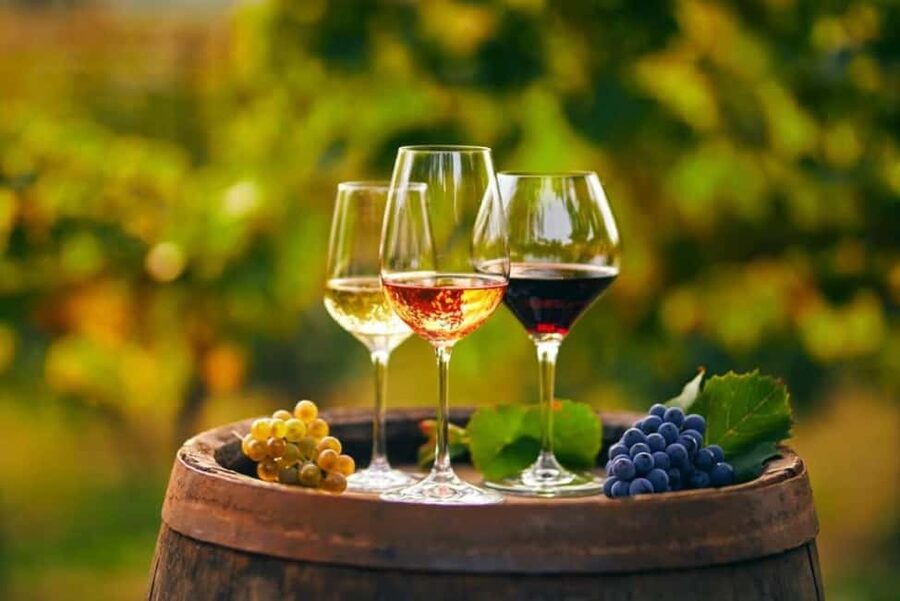
- Pnevmatikakis Winery (Kissamos): family-run wine making with a guided explanation and a tasting paired with local delicacies.
- Nopigia Beach swim time: roughly 2 hours of free time to swim and cool down (sunbeds aren’t included).
Food tasting with a real point: why Cretan food is built to last
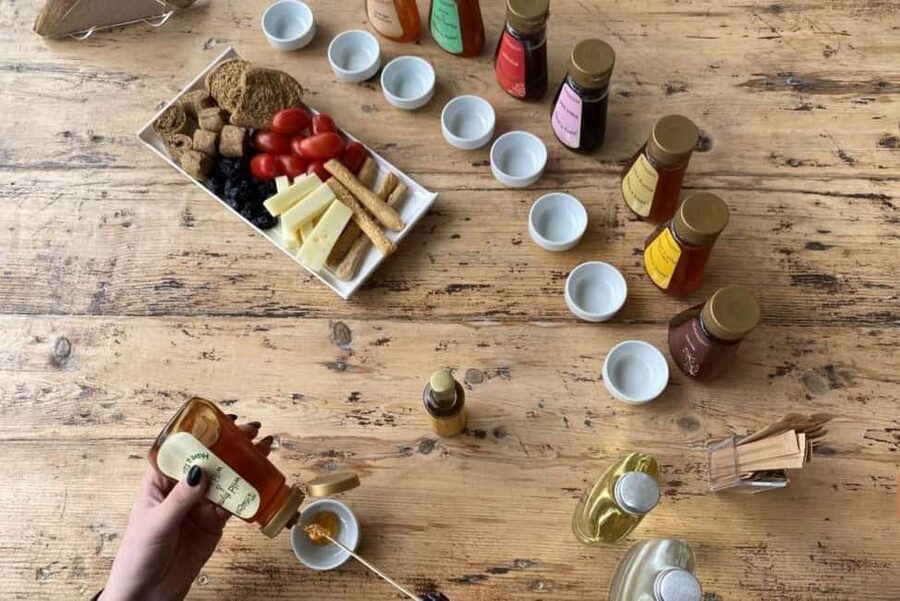
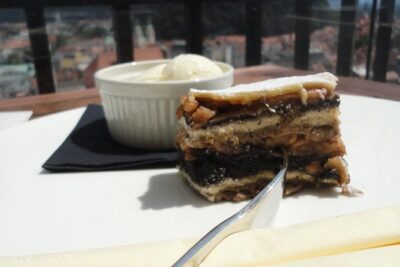
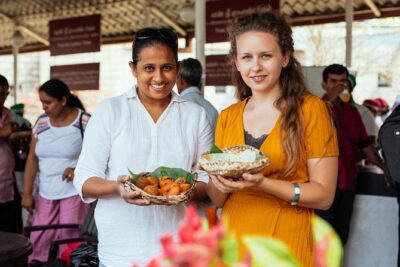
This isn’t just a string of snack stops. It’s a guided look at how Cretans traditionally feed themselves: olives for oil, grapes for wine, bees for honey, and milk turned into cheese. You’ll taste a platter that includes olive oil, tomatoes, olives, cheese, honey, and more—so you get both the story and the flavors.
The value here is that the tastings come with context. You don’t just eat and move on. You learn what you’re tasting and how it fits into daily life across the island. That makes the flavors stick, even after the day ends and you’re back with your own grocery cart.
You can also read our reviews of more food & drink experiences in Chania
Getting there: pickup, bus comfort, and the timing that matters
Pickup runs between 08:00 and 09:20 from your hotel area, then you’re on the road in an air-conditioned luxury bus. This matters because you’re visiting multiple spots around the Chania region and Kissamos area—without having to navigate narrow roads or squeeze parking into your day.
Your day is paced to hit key stops before the heat ramps up:
- 09:45 arrival at Vouves Ancient Olive Tree
- 10:45 arrival in Perivolakia Village
- 12:45 arrival at Pnevmatikakis Winery
- 14:00–16:00 free time at Nopigia Beach
- 16:20–17:20 back to your hotel
Two practical notes from real-world experience: on very hot days, you’ll appreciate sunscreen and a hat immediately. Also, bus comfort can vary—if A/C feels inconsistent, it’s good to pack light breathable clothing so you’re not miserable before lunch.
Vouves Ancient Olive Tree: the 3,000–5,000-year wow moment
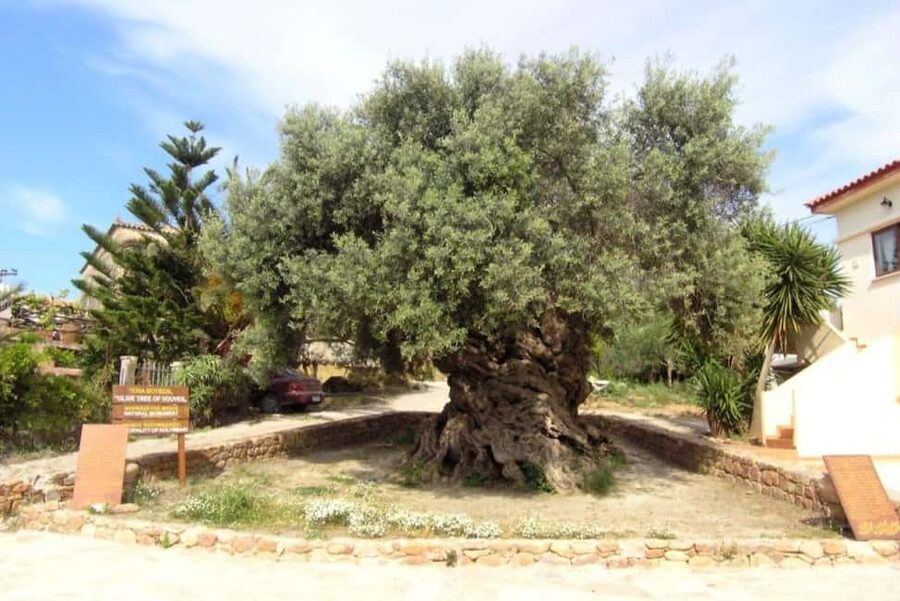
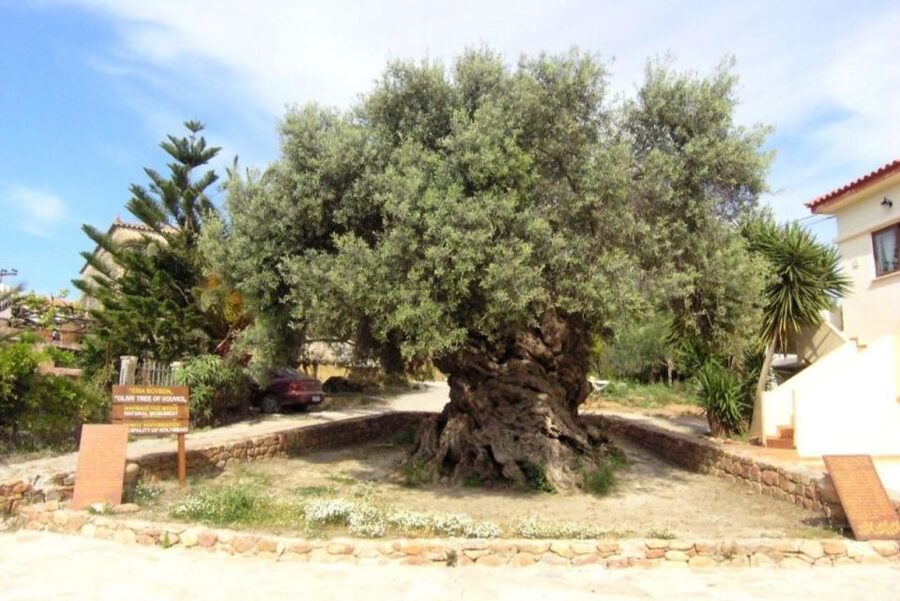
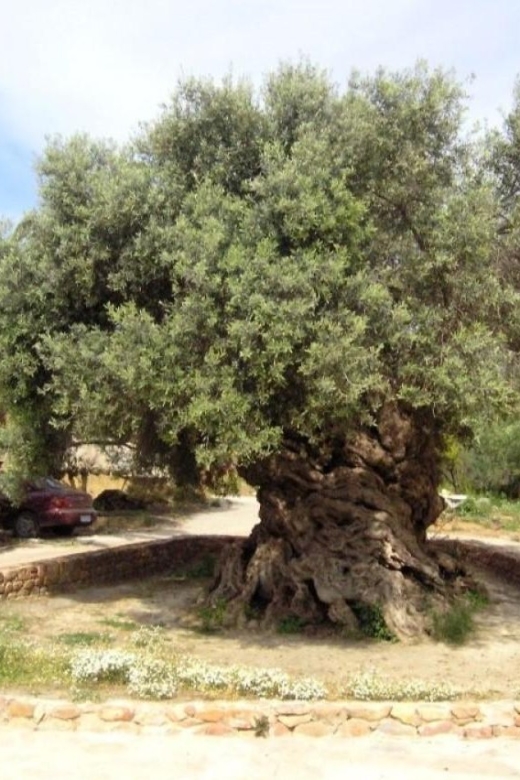
The tour’s first major stop is the oldest recorded olive tree in the world, located in Ano Vouves. The age estimate is typically given as between 3,000 and 5,000 years, and it’s still alive and producing fruit.
What makes this stop more than a quick photo? The guide frames it as a living link between wild origins and human cultivation. The tree began as a wild olive and became domesticated through the Tsounati variety. And the trunk is seriously dramatic—about 12.5 meters in circumference and roughly 4.6 meters in diameter.
I like this kind of stop because it’s not museum-only. You’re standing next to something that’s been here through wars, famines, and changing borders. You’ll leave with a better gut-level understanding of why olive oil isn’t just a condiment in Crete. It’s infrastructure for food.
The wood-oven bakery stop: Cretan savouries you can recognize
Around late morning, you’ll head to Perivolakia Village for a bakery visit. This is the part that turns the day into something you can taste with your hands, not just your eyes.
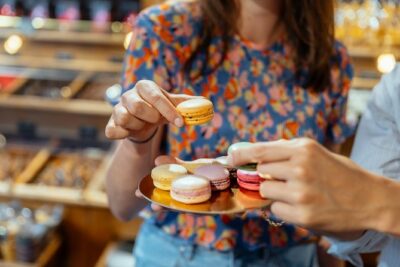
You’ll get a closer look at how Cretan traditional savouries are made—things like rusks and bread—using a wood oven. If you like the smell of baked bread, you’ll understand why this matters. The oven style and technique affect texture and flavor, and those savouries are designed to keep well.
This is also a good moment to slow down and eat something that feels like it came from a local kitchen rather than a tourist counter. Pair that with the olive-oil and cheese tastings later, and the day becomes a chain of flavors that actually make sense together.
Honey and olive grove time: how the island turns plants into sweetness
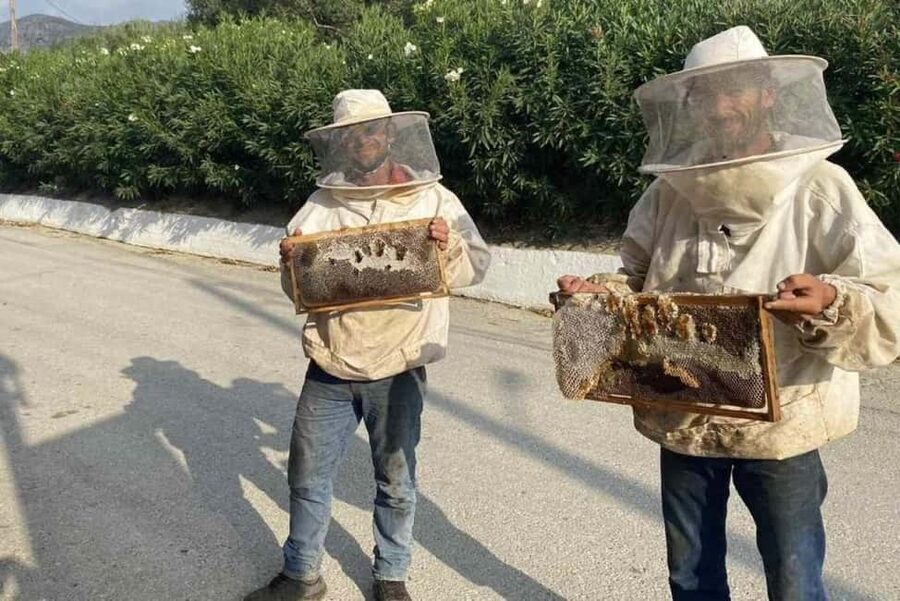
Next comes the olive grove segment, where you’ll examine the trees and learn how Cretan honey is made. This isn’t just a quick explanation. The stop is built around the idea that honey is part of the island’s natural food system.
You’ll see and learn from the grove setting, then you’ll taste. That tasting is the point: honey in Crete has a local character, and you’ll start to notice differences in how it tastes compared to supermarket bottles you might be used to.
If you’re the type who likes food science without the lecture, this part works. It’s practical. Bees, plants, seasons. Simple cause and effect.
A few more Chania tours and experiences worth a look
Traditional cheese factory: learn the process, then taste the results
The day includes a visit to a traditional, multi-awarded cheese factory. If it’s not the cheese-making period, you’ll still be able to enter and see how things work. If it is the making period, the guide will explain the process first so you know what you’re looking at—then you’ll enjoy a tasting afterward.
Either way, the goal is the same: understand how milk becomes cheese in a way that fits the Cretan lifestyle. Cheese is one of those foods that can feel complicated, but once you understand the workflow, it becomes straightforward and satisfying.
This is also where the tour’s pacing is smart. You get olive oil earlier, then honey, then cheese. That order helps your palate track each product on its own terms instead of blending everything into one long buffet.
Pnevmatikakis Winery in Kissamos: wine making and tastings with mixed expectations
After Perivolakia, you’ll arrive at Pnevmatikakis Winery in Kissamos. This is a family-run winery and it’s built on long experience and involvement in Cretan wine making.
You’ll learn about the wine-making tradition and then taste varieties from the winery’s collection, paired with local delicacies. The tour also notes that kids are welcome, with a special platter and drinks prepared for younger visitors.
Now for the practical consideration: the winery stop can land differently depending on what you love about wine.
- If you want a scenic tasting with simple access to multiple wines, this may fit nicely.
- If you’re chasing a highly detailed, wine-nerd-level production experience, be aware that the visit can feel more like a production-focused environment than a tiny artisan room.
For me, the best way to handle it is to treat it as part of the bigger Cretan food story. The wine tasting works best when you’re open to learning first, judging second.
Nopigia Beach swim stop: where the day slows down
The tour gives you 14:00–16:00 free time at Nopigia Beach—about two hours to swim, relax, and reset. This is your chance to cool off after the tastings and sun-exposed stops.
Bring exactly what the day asks for:
- swimwear and towel
- sunscreen
- sunglasses and a sun hat
- camera if you want to catch sea light
Also note: sunbeds aren’t included, so if you want one, you’ll need to rent or use beach space accordingly.
This is a great final phase because it’s not educational—it’s yours. You can swim, walk the shoreline, and do the quiet post-tour thing where your brain processes all the flavors you just learned.
Who this tour is best for (and who should rethink it)
This tour is ideal if you want a structured day that covers a lot of Cretan food culture without you driving. It’s also a strong fit for:
- food lovers who like learning the process, not just eating
- people staying in the Chania area who want a broader sense of island staples
- travelers who want a beach stop built in, not something you have to add yourself
It may be less satisfying if your top priority is world-class wine depth and you treat winery tours as a fine-art hobby. The wine experience is included and there’s tasting, but the emotional focus of the day leans more toward food (olive oil, honey, cheese, bakery goods) than toward high-intensity viticulture storytelling.
Value and logistics: why the tasting package feels fair
The big value move is that you’re getting:
- pickup/drop-off
- guiding
- an air-conditioned bus
- a superior tasting package
- multiple producer-focused stops
That package matters because each individual experience—bakery tasting, honey and olive grove learning, cheese factory visit, winery tasting—adds up fast if you try to book everything separately. Here, the day is stitched together, so you spend less time planning and more time tasting.
One more practical win: you’re not bouncing around alone. The guide keeps you on schedule and explains what to look for at each stop. Some guides are especially praised for being engaging and funny; in at least one case, a guide named Linda is highlighted for being informative and great company, which can make the whole day feel smoother and less like a checklist.
Practical tips so you enjoy every stop
- Wear light clothes. You’ll be outside at multiple points, and the day can get hot.
- Plan to eat slower than you usually do. Tastings stack quickly.
- Bring a camera, but also take a moment to just look at the olive tree and the grove. It’s a living monument, not a staged photo spot.
- If you care about wine, go in ready to enjoy what you taste rather than demanding a boutique-level tour feel.
- Don’t forget swimwear for Nopigia Beach. The timing gives you a real window to use it.
Should you book this Chania food tasting tour?
Book it if you want a well-paced, food-focused day that covers olive tree heritage, wood-oven baking, honey and cheese process, and a winery tasting, plus a proper beach break. It’s a smart way to sample Cretan staples and understand how they connect.
Skip or adjust expectations if you’re mainly looking for a top-tier, highly specialized wine tour. You’ll still taste wine and learn something, but the day’s strongest pull is the Cretan food system—olive oil, honey, cheese, and bread—ending with time to swim.
If that sounds like your kind of day, you’ll likely feel like you got a lot of Crete for your time.
FAQ
How long is the tour?
The duration is listed as 7 hours.
Where and when does pickup happen?
Pickup is from your hotel or close to your hotel in the Chania area, with pickup time in the 08:00–09:20 window. You’ll receive the voucher with exact pickup details one day before the tour by email.
What are the main stops during the day?
You’ll visit the Vouves Ancient Olive Tree, a traditional bakery with wood oven, an olive grove for honey-related learning and tasting, a traditional multi-awarded cheese factory, and Pnevmatikakis Winery for wine making and tasting. The day also includes free time at Nopigia Beach.
Is there time to swim, and are sunbeds included?
There is free time to enjoy Nopigia Beach from about 14:00 to 16:00. Sunbeds are not included, so you’ll need to rent one if you want it.
Is the tour guided and in English?
Yes. The tour includes a live tour guide who speaks English.
What should I bring for the tour?
Bring sunglasses, a sun hat, swimwear, a towel, a camera, and sunscreen.