REVIEW · BUSAN
Busan: Food Market Tour, Smash Seafoods and Street Foods
Book on GetYourGuide →Operated by Korean Hug You · Bookable on GetYourGuide
Raw fish and street snacks are a perfect mix. I love how a small group guide (Hug You, Junwoo, or Hokyu on different nights) makes the markets feel doable and even fun, and I love the all-in dinner vibe with seafood plus Korean street favorites like fishcake and hotteok. My only caution: if you avoid seafood or raw items, this tour may not be your thing.
You’ll meet at Jagalchi Station Exit 10 (outside) and spend about three hours walking between the city’s most important seafood food scenes. You’re not just ordering; you’re learning what to buy, how to eat it, and how the drinking culture fits the meal.
For $52, the value is in the combination: guided access to markets that can feel intimidating on your own, multiple tastings, and soju/beer/makgeolli included with the food.
In This Review
- Key things that make this Busan food tour worth your time
- Jagalchi Station Exit 10: Your fast pass into Busan’s biggest food zone
- Seafood smash at the largest seafood market: what to expect and how to not panic
- Korean street-food stops: fishcake, pancakes, hotteok, and the art of ordering
- Drinking culture in the mix: soju, beer, makgeolli, and how it fits the meal
- Market culture lessons that make the food make sense
- Walking between Jagalchi, BIFF Square, and Kkangtong Market
- Interactive shopping and simple Korean phrases: small effort, big payback
- Price and value: is $52 for 3 hours actually fair?
- Who should book, and who might skip this one
- Should you book this Busan seafood and street-food tour?
- FAQ
- Where is the meeting point for the tour?
- How long is the tour?
- How much does it cost?
- What language is the tour guide?
- Is the tour group size small?
- What food and drinks are included?
- Is it suitable for vegans or special diets?
- Does the tour include seafood that could be raw?
- Can I cancel and get a refund?
- Is the tour wheelchair accessible?
Key things that make this Busan food tour worth your time
- Start at Jagalchi Station with a guide who keeps you moving in the right direction
- Seafood smash at the biggest seafood market with explanations tied to what Koreans actually order
- A real street-food spread that goes beyond one snack stop
- Drinking culture included via soju/beer/makgeolli, explained in context with the food
- Small group max 10 means you’re not lost in a crowd
- Language practice with vendors using simple Korean phrases (and yes, you may haggle)
Jagalchi Station Exit 10: Your fast pass into Busan’s biggest food zone
Meeting matters on food tours. If you show up late or confused, you lose your appetite and your momentum. This one keeps it simple: meet outside Jagalchi Station, Exit 10, and the team will find you. Jagalchi is the kind of place where the sights and smells can hit you all at once, and a guide’s job is to help you get your bearings fast.
Why I like this setup for you: Jagalchi isn’t just a market. It’s a working seafood hub where ordering and walking between stalls can be awkward if you’re doing it alone. With a guide, you can focus on tasting instead of decoding menus, prices, and what looks good that day.
The group size stays limited to 10 participants, and that’s a big deal in this kind of environment. You’re more likely to get answers to your questions. You’re also less likely to feel like a tourist trying to shove through people to reach the next bite.
You can also read our reviews of more food & drink experiences in Busan
Seafood smash at the largest seafood market: what to expect and how to not panic
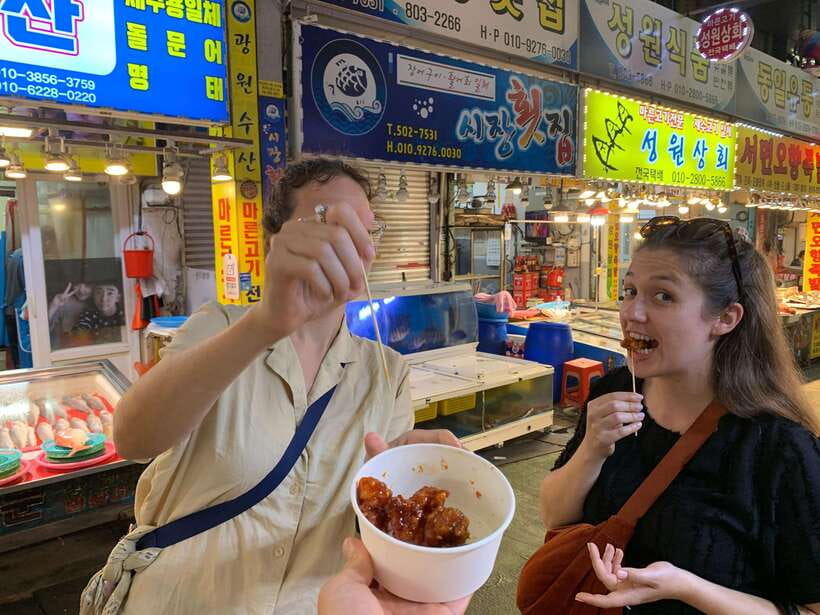
The centerpiece is the seafood smash experience at Busan’s main seafood market. The phrase might sound like a gimmick, but the point is practical: you’re eating seafood in a way that’s closely tied to how the market culture works, and you get guidance on what you’re looking at.
Be prepared for one key consideration: you may eat raw fish or seafood. One guest even warned about it directly. That doesn’t mean it’s forced on everyone, but it does mean you should go with an open mind if you want the full experience.
Here’s how to handle it if you’re unsure:
- If you’re curious but hesitant, tell your guide at the start. They can usually steer you through what’s safe and what’s most common.
- If you’re totally not into raw seafood, plan for a letdown. This tour is built around the seafood market energy, and seafood is the foundation.
What makes this stop especially valuable is the explanation. You’re not just collecting bites. You’re learning how food choice connects to the way Koreans drink and snack together.
Korean street-food stops: fishcake, pancakes, hotteok, and the art of ordering
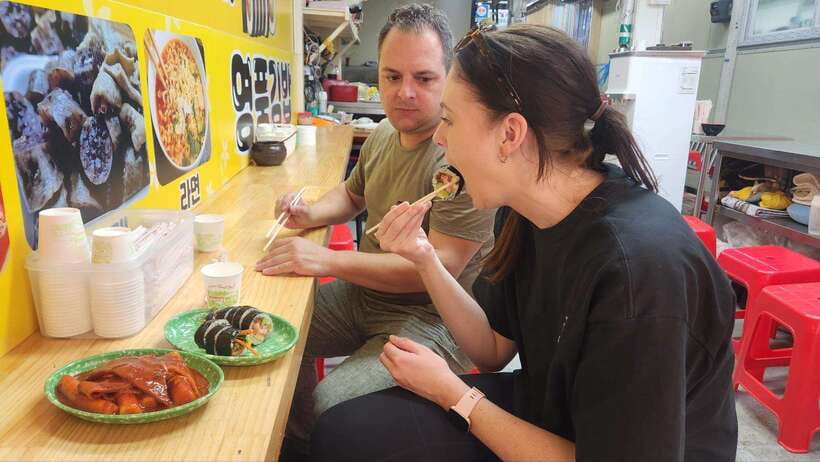
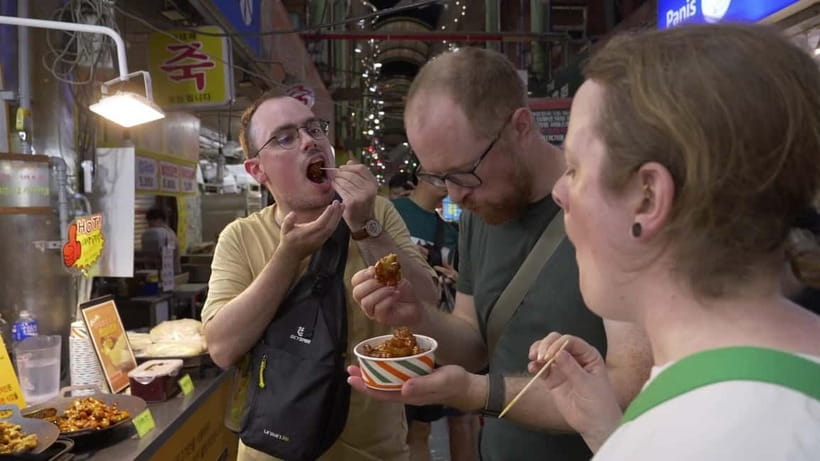
After the seafood market, you pivot into Busan’s street-food world. This is where the tour earns its title. You’ll taste three or more types of foods, and the list of likely hits includes things like fishcake, Korean savory pancakes, and hotteok. That range matters. Street food in Korea isn’t one flavor; it’s texture, sauce, and timing.
Why you’ll probably enjoy it: street vendors move fast. If you’re trying to order on your own, it’s easy to get stuck on the wrong item or miss the dish locals actually crave. A guide helps you pick items that work together as a full meal.
Even better, the tour doesn’t treat street food like a random snack hunt. It connects bites to explanations, like what pairs well with what side, and why certain dishes show up again and again in market areas.
Practical tip for you: eat slowly. Some items are best when you switch between salty and sweet. If you speed through everything, you’ll miss the contrast that makes this kind of dinner feel satisfying instead of chaotic.
Drinking culture in the mix: soju, beer, makgeolli, and how it fits the meal
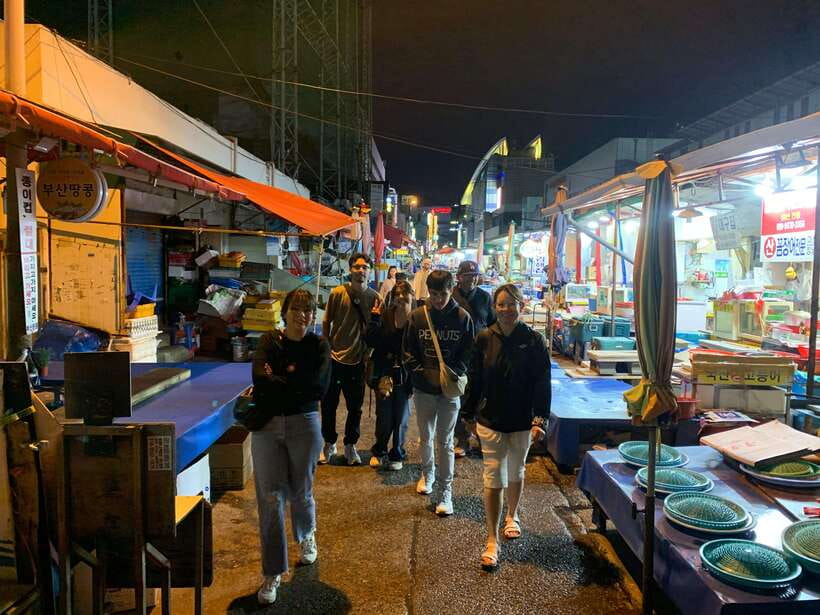
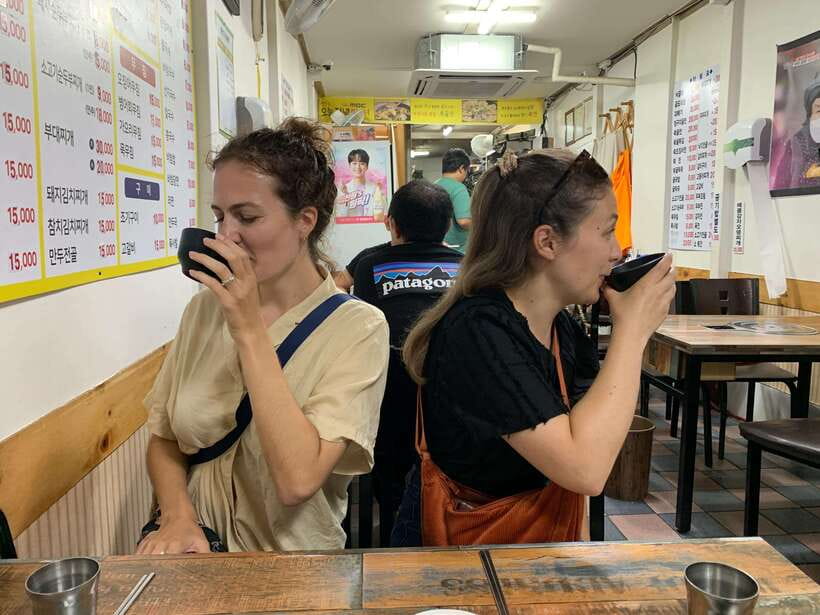
Food and alcohol are part of the social rhythm here. The tour includes soju/beer/makgeoli, and the guide explains how Korean drinking culture works alongside what you’re eating.
This isn’t just about taste. It changes the whole pace of the meal. Soju and beer can cut through strong flavors and make the market feel more like a shared hangout. Makgeolli adds a different angle with its milky, slightly tangy profile, and it’s often easier to pair with savory bites than you’d expect.
A key point for you: the guide is there to help you order and understand what you’re drinking. If you’re unsure what to pick, that’s a perfect moment to let the guide decide with you. You’ll avoid the common mistake of feeling “stuck” with a drink you don’t like while trying to keep up with the group.
Also, alcohol availability doesn’t mean you should skip water. Markets are warm, legs get tired, and you’ll want energy for the next tastings.
Market culture lessons that make the food make sense
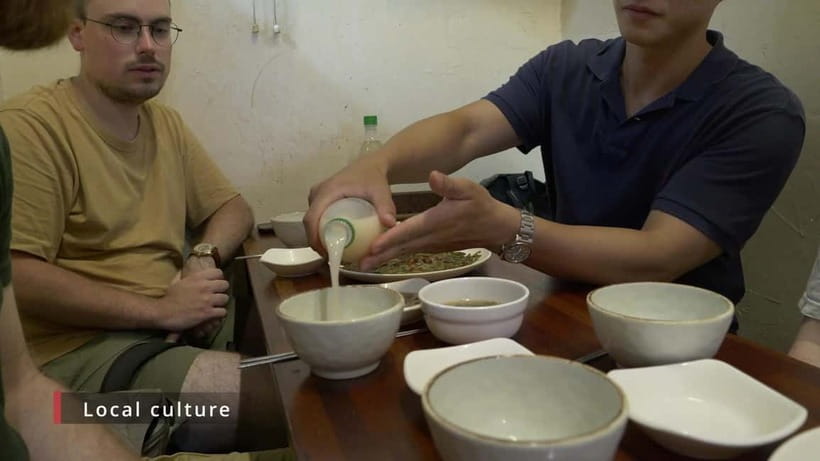
This tour isn’t only about eating. You also get insights into the history, culture, and significance of traditional Korean markets—and how they shape local communities.
Why that matters: without context, markets can feel like a maze of stalls and noise. With context, you start to recognize patterns: what seafood is common, what ingredients matter, and why certain snacks show up in the flow of the market day.
You also get ingredient exploration, meaning you’ll see and handle different Korean culinary ingredients up close. That turns the tour from a “show up and eat” event into something you can actually repeat later. When you see an ingredient in a store, you’ll know what it’s for and what it’s supposed to taste like.
And yes, there’s a social side to this too. Many guests mention feeling like they were hanging out more than “touring,” largely because guides keep conversations going while you walk and eat.
Walking between Jagalchi, BIFF Square, and Kkangtong Market
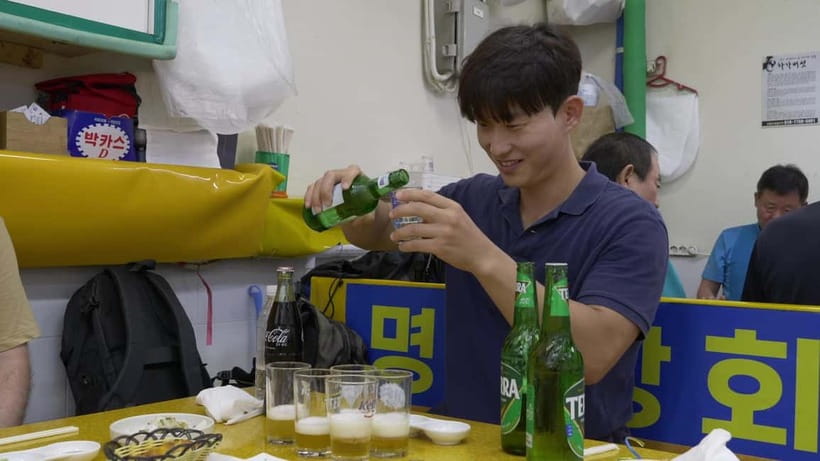
One of the best parts of the experience is the way the route adds variety. You start at Jagalchi and then move through the street-food areas that give Busan its character.
In particular, you may walk through spots connected with BIFF Square and Kkangtong Market, where the vibe shifts from seafood-focused to snack-and-stroll. That change is exactly what you want in a 3-hour window. If you stayed only in a single market area, you’d risk missing the contrast that makes Busan feel different at night.
Expect a lot of movement. It’s a walking tour, so wear shoes you can stand in. If you’re sensitive to crowds, arrive with patience. The guide helps you keep your footing and your focus, but you’ll still be in the flow of a busy market district.
Interactive shopping and simple Korean phrases: small effort, big payback
One detail I really like for you is the interactive shopping component. The tour encourages you to practice simple Korean phrases with vendors and to experience the feeling of haggling (even in a small, friendly way).
This is the kind of “I did something” memory that food tours should deliver. It also makes you feel less like a spectator. Instead of watching the transaction happen around you, you become part of it.
If you’re nervous about speaking Korean, don’t worry. You’re not signing a contract. You’re using short phrases, and the guide helps you keep it moving.
If you want to maximize this part, think of one question you can ask in advance, like what to order or what’s popular. Even one prepared question can make the whole shopping stop feel more natural.
Price and value: is $52 for 3 hours actually fair?
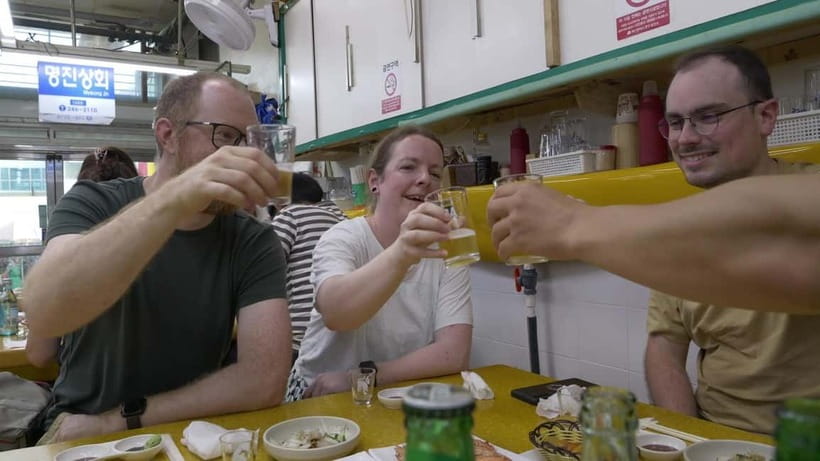
At $52 per person for about 3 hours, this tour is priced around convenience, guidance, and included tastings. You’re not just paying for walking. You’re paying for someone to:
- translate and explain what you’re eating
- steer you to good market stalls
- manage ordering in areas that can feel intimidating
- provide enough food to count as a full dinner for many people
- include soju/beer/makgeolli along the way
From a value standpoint, the included drinks and the volume of food matter most. Several ingredients and items are specifically listed as part of the tasting experience (seafood combos plus snacks like fishcake, Korean savory pancakes, and hotteok). That’s exactly the kind of “you’d pay for this anyway” value that makes the price feel more reasonable.
Who this is best for: people who want one guided night to cover a lot of culinary ground without second-guessing every order.
Who should book, and who might skip this one
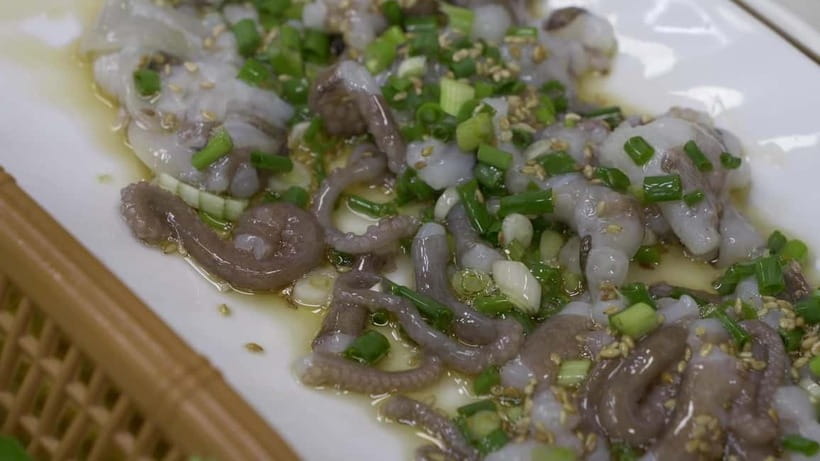
This tour is a great fit if you:
- want a food-first evening with serious market access
- like seafood and don’t mind trying items you might not order on your own
- enjoy learning how food and drinking culture connect
- prefer a small group over a big bus tour
It’s less ideal if you:
- are avoiding seafood, or you feel strongly against raw fish/seafood
- have strict dietary needs beyond what’s mentioned as not suitable for vegans
- want a quiet, low-energy outing. This is a walk-and-taste experience in active market areas.
Should you book this Busan seafood and street-food tour?
If your goal is one high-impact night in Busan where you eat a full spread, try seafood market specialties, and get the human help to navigate it, then yes, I’d book it. The combination of seafood smash, street-food tastings, and guided market context is exactly the kind of trip you can’t easily “DIY” in the same time window.
If seafood (especially raw seafood) makes you sweat, then don’t force it. You’ll enjoy the tour more when your stomach and your curiosity are both on board.
FAQ
Where is the meeting point for the tour?
You meet at Jagalchi station, Exit 10 (outside). The guide will find you there.
How long is the tour?
The tour lasts 3 hours.
How much does it cost?
The price is $52 per person.
What language is the tour guide?
The tour offers English and Korean live guiding.
Is the tour group size small?
Yes. It’s a small group limited to 10 participants.
What food and drinks are included?
You get tasting of three or more types of foods, including items such as seafood combo, fishcake, Korean savory pancakes, and hotteok, plus soju/beer/makgeoli.
Is it suitable for vegans or special diets?
The tour may not be suitable for vegans or those on special diets.
Does the tour include seafood that could be raw?
You should expect the possibility of raw fish/seafood, since seafood is a key part of the experience.
Can I cancel and get a refund?
Yes. Free cancellation is available up to 24 hours in advance for a full refund.
Is the tour wheelchair accessible?
Yes, the tour is wheelchair accessible.