REVIEW · BEIJING
Beijing: Hutong Culinary Walking Tour with 15+ Tastings
Book on GetYourGuide →Operated by Fun Beijing Travel · Bookable on GetYourGuide
Beijing is best tasted street-by-street. This Hutong food walk turns everyday alley life into snacks, stories, and quick local lessons, guided by people like Jimmy, Mike, and Lucy. Two big things I like: the sheer 15+ tastings and the way your guide adjusts choices as you go.
You’ll also get more than food. Expect explanations about Hutong life, culinary traditions, and eating etiquette—the sort of stuff that helps you order with confidence instead of guessing. Guides like Anson and May are repeatedly praised for making the tour feel like a conversation, not a script.
The main drawback to consider is simple: you’ll leave very full. So come hungry, and don’t plan a heavy dinner right after (unless you enjoy late-night regret and extra tea).
In This Review
- Key things you’ll remember from this Hutong food tour
- Dongsi Subway Exit B: the start that keeps things easy
- Hutong alley walking: what the etiquette lessons really do
- 15+ tastings: how your guide builds the day around you
- What you’ll eat in a smart, street-level sequence
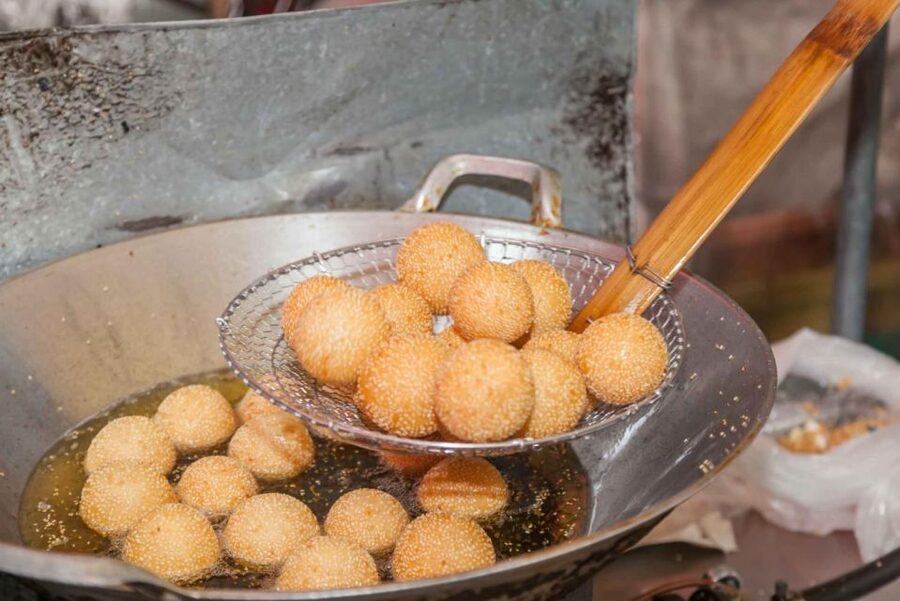
- Sesame and fried dough: sweet, crunchy, and immediate
- Dumplings and pancakes: where technique shows up fast
- Noodles and rice cakes: warm comfort with regional signals
- Hot, spicy, and layered: malatang and the skill of choosing mix-ins
- Beijing yogurt and small sweets: the in-between moment you’ll notice
- Baijiu: the bold sip that’s more about context than force
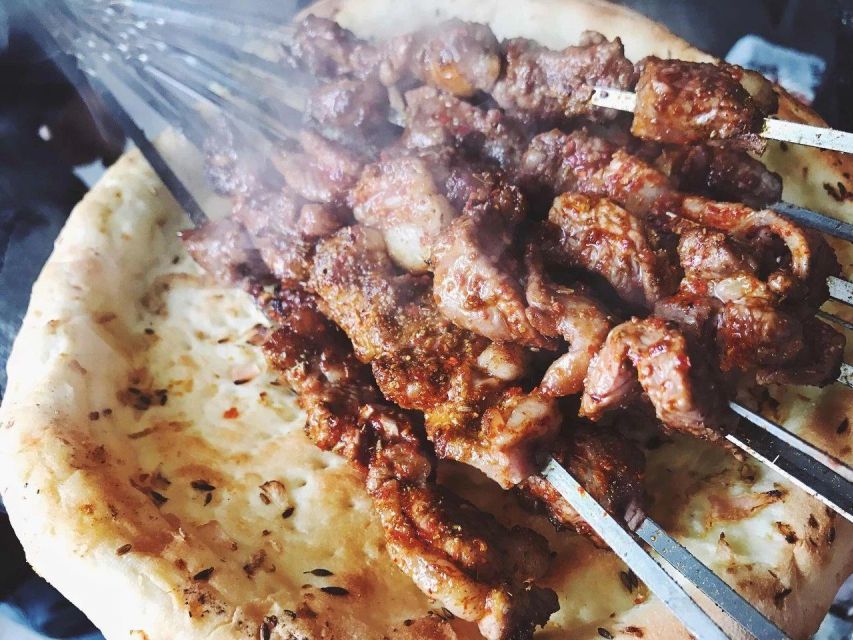
- Xinjiang lamb skewers: the savory finale people talk about
- Bold-food choices: how to decide without ruining your appetite
- Private group energy: why it feels calmer than a big group tour
- Price and value: why $76 can feel like a full food day
- Best-fit travelers (and who should think twice)
- Should you book this Hutong culinary walking tour?
- FAQ
- Where is the meeting point for the tour?
- How long is the Beijing Hutong culinary walking tour?
- How many food tastings are included?
- Is the tour led in English?
- Is this a private tour?
- Can I cancel or change plans?
Key things you’ll remember from this Hutong food tour
- 15+ tastings included: more samples than most Beijing food tours you’ll see.
- A flexible plan: your guide can steer stops toward classic bites or bolder picks.
- Hutong stories on the walk: history, neighborhood context, and food culture tied together.
- Local favorites with regional range: Beijing classics plus Xinjiang lamb skewers and more.
- Meet at Dongsi, Exit B: a clear starting point right by a major subway station.
- Support for comfort levels: you can ask for substitutions if some dishes feel too adventurous.
Dongsi Subway Exit B: the start that keeps things easy
The tour starts at Dongsi Subway Station, Exit B. You’ll be looking for a guide holding a sign with your name, so you’re not stuck trying to match faces to a vague description. This matters in Beijing, where street-level navigation can feel like a side quest if you’re tired.
You can reach the meeting point by subway at Dongsi Station, or by taxi to the area near Exit B. If you chose the optional hotel pickup, your guide will wait in the hotel lobby with your name sign. Either way, the goal is the same: get you moving fast and keep the tour from turning into logistics.
One practical tip: arrive a few minutes early. Several past guests mentioned the tour timing working smoothly, even when schedules slipped a bit. The tour also runs about 3–4 hours, so being prompt keeps the walking and eating balanced instead of rushed.
You can also read our reviews of more walking tours in Beijing
Hutong alley walking: what the etiquette lessons really do
The tour begins with a stroll through quieter Hutong lanes, where your guide sets the tone. You don’t just learn that Hutongs are old city neighborhoods—you learn how people historically lived, ate, and socialized in spaces designed for everyday routines.
A standout part is the focus on eating etiquette. That might sound formal, but in practice it’s useful. You’ll learn how to approach ordering and sharing food, and you’ll get context for how specific snacks fit into local habits. It’s the kind of guidance that helps you avoid awkward moments, like not knowing what’s meant to be eaten immediately or how to handle foods that come in communal styles.
From the reviews, guides such as Mike and Miko are repeatedly praised for turning food explanations into real-life context. One guest described discussions about daily life in Beijing alongside the bites. That blend is why this tour feels more grounded than a checklist of dishes.
15+ tastings: how your guide builds the day around you
The promise is 15+ tastings, and that’s the big value lever here. At this pace, you’re not doing “one snack and a photo.” You’re sampling multiple dishes across several small local stops, usually within close walking distance.
Your guide adjusts based on what you want:
- If you prefer classics, you’ll get the familiar-style Beijing snacks and satisfying mains.
- If you want bolder picks, you’ll get more unusual items and regional specialties.
The variety options you might encounter include:
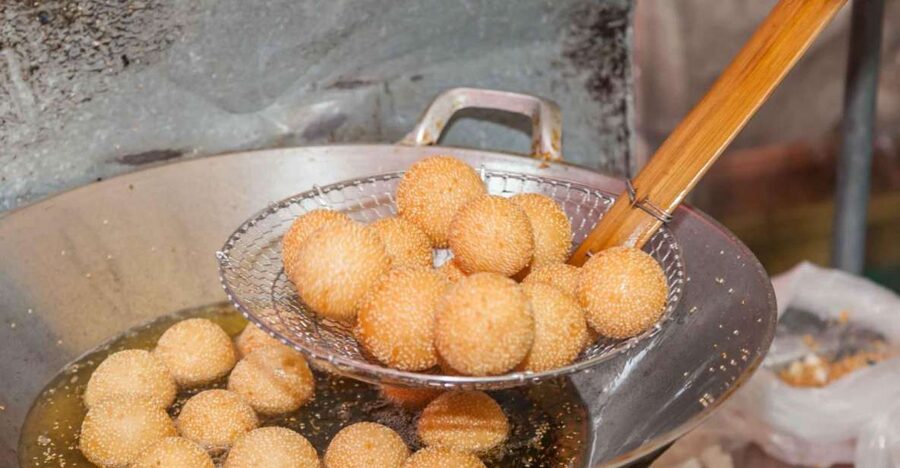
- Sesame cakes (often with honey)
- Ma hua (fried dough twist)
- Soup dumplings
- Beijing jar yogurt
- Cross Bridge rice noodles (with origins tied to Yunnan)
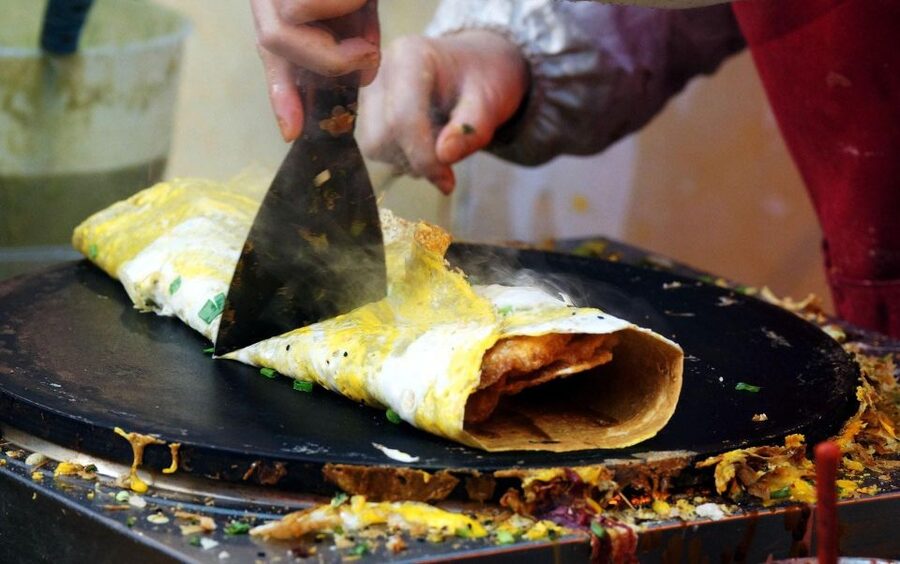
- Jianbin (fried pancake)
- A crispy fried ring snack
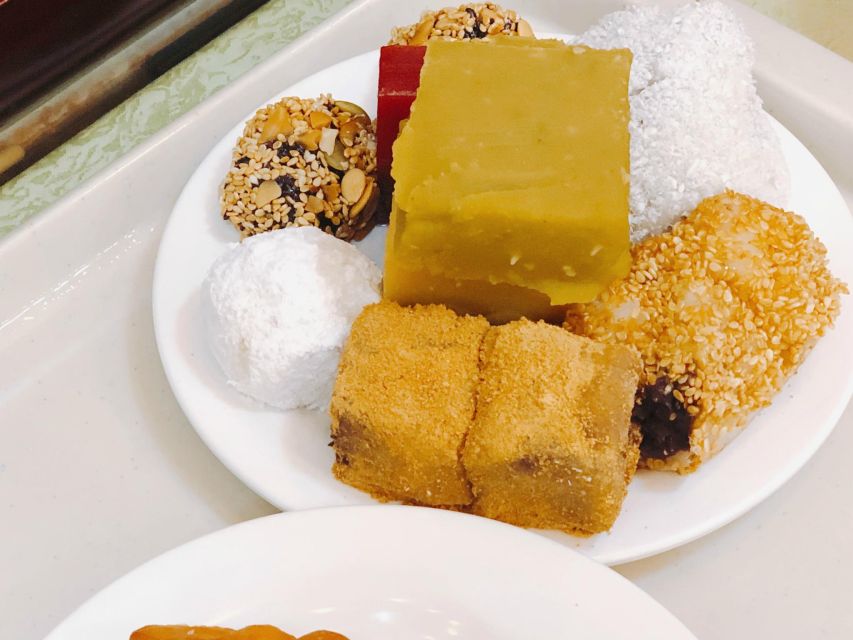
- Steamed rice cakes with sweet stuffing plus other Beijing sweets
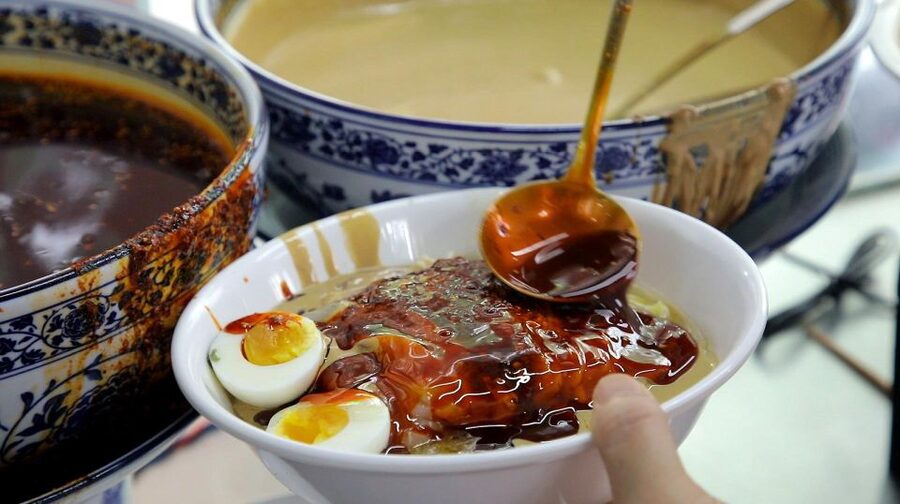
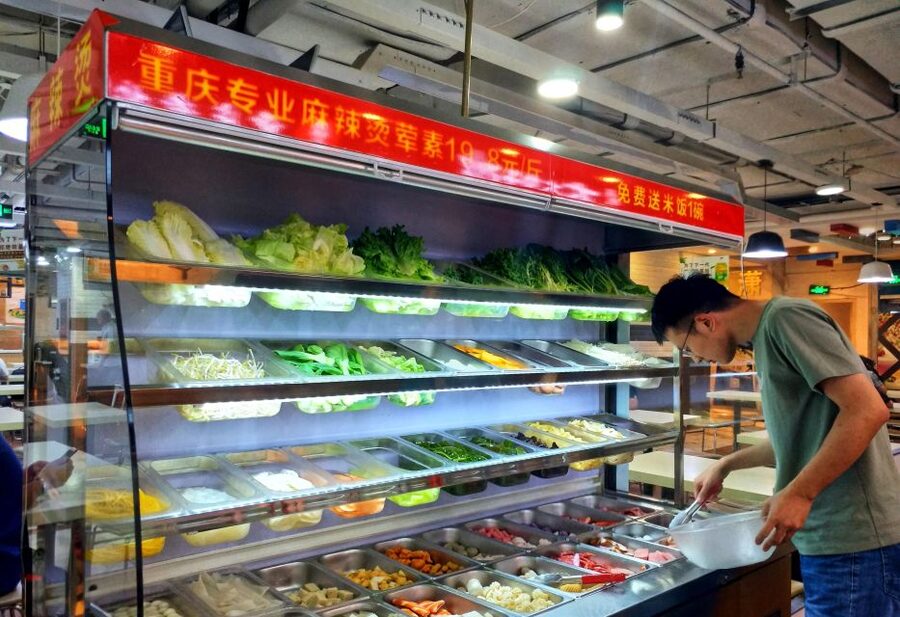
- Malatang (spicy hot base with lots of mix-ins)
- Baijiu (colorless liquor, typically 35%–60% ABV)
- Xinjiang lamb skewers with nang bread and vegetable kabobs
- Plus optional-adventure dishes like donkey burger, fried liver, intestine soup, 1000 year old egg, and bamboo worm (noted as at your cost)
You’ll see why feedback like food “comes quick and all within close distance” matters. It means you’re sampling instead of waiting—less time stuck in line, more time tasting.
Also, several guides have handled comfort levels thoughtfully. One guest described asking for a substitute when they didn’t want a challenge dish. Another described care for a vegetarian child. That doesn’t mean every stop automatically becomes vegetarian-friendly, but it does mean it’s worth communicating your boundaries clearly at the start.
What you’ll eat in a smart, street-level sequence
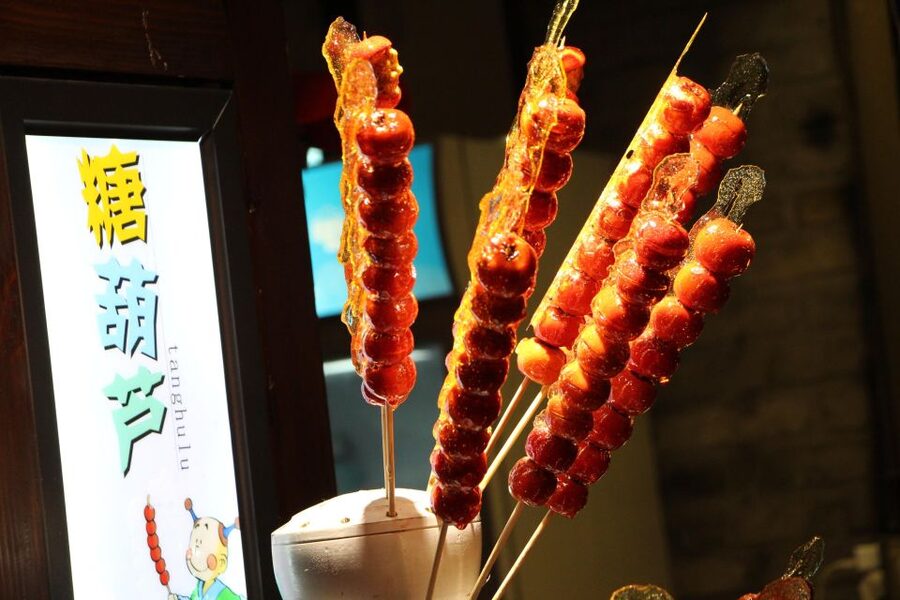
This tour is set up like a steady snack ladder. You’ll move from one stop to the next, usually keeping flavors and textures varied so you don’t get stuck in one style of food for hours.
Sesame and fried dough: sweet, crunchy, and immediate
Early bites often include things like sesame cakes and ma hua. These are great starters because they’re easy to eat while walking, and they give you that sesame-and-honey sweetness or crisp fried texture that feels very local.
If your goal is to understand Beijing flavor, this is where you start. Sesame-based snacks are common across northern styles, and seeing them early helps you recognize patterns later as the menu shifts from sweet to savory.

Dumplings and pancakes: where technique shows up fast
You might stop for soup dumplings and also jianbin (fried pancake). These matter because they’re not just food—they’re technique. Soup dumplings show you how broth and dough are balanced; fried pancake shows you how street-friendly cooking can still be precise.
Guests have mentioned dumpling highlights, including one note about a Michelin star dumpling spot. Even if your exact stop varies day to day, this category of food is a core reason people love the tour.
Noodles and rice cakes: warm comfort with regional signals
You may taste cross bridge rice noodles, tied to Yunnan, which shows the tour isn’t locked only to one local pocket of Beijing. You might also try steamed rice cakes with sweet stuffing, which feel like a cozy Beijing snack rhythm.
This part is useful if you’ve been nervous about Chinese food. Noodles and rice cakes are filling, and the guide’s explanations help you identify flavors quickly—so you spend less energy decoding and more energy enjoying.
Hot, spicy, and layered: malatang and the skill of choosing mix-ins
Malatang is the kind of dish that can make or break a spicy day. The hot base comes first, then you add ingredients. That structure means you can often choose what goes into your bowl, depending on the stop and what your guide recommends.
If you’re heat-sensitive, tell your guide early. Guides tend to steer the day based on your comfort level, and several guests praised that flexibility.
Beijing yogurt and small sweets: the in-between moment you’ll notice
Beijing jar yogurt appears as a possible stop. It’s a palate reset between heavier savory bites and spicy bowls. Don’t skip it just because you’re full—small dairy-based snacks often make the later savory flavors taste clearer.
Baijiu: the bold sip that’s more about context than force
Baijiu is included as a possible tasting. It’s typically strong, and your comfort level should set the tone. The benefit of including it (if you want the option) is that you get cultural context for how it fits into meals, not just a random shot glass.
If you’d rather not do it, you can still enjoy the food stops. This is one of those areas where it’s smart to speak up—guides adjust to preferences.
Xinjiang lamb skewers: the savory finale people talk about
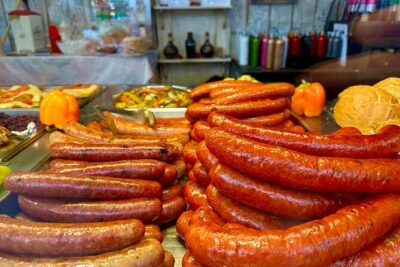
For adventurous food lovers, Xinjiang lamb skewers are a common highlight. Expect nang bread plus lamb/vegetable kabobs. This part often lands well because it’s smoky, salty, and satisfying after a sequence of sweets and dumplings.
One guide-led anecdote in the reviews highlights how much people loved the neighborhood exploration tied to these kebabs. That combination—walking + regional flavors—is where this tour feels especially “Hutong,” not just “restaurant hopping.”
Bold-food choices: how to decide without ruining your appetite
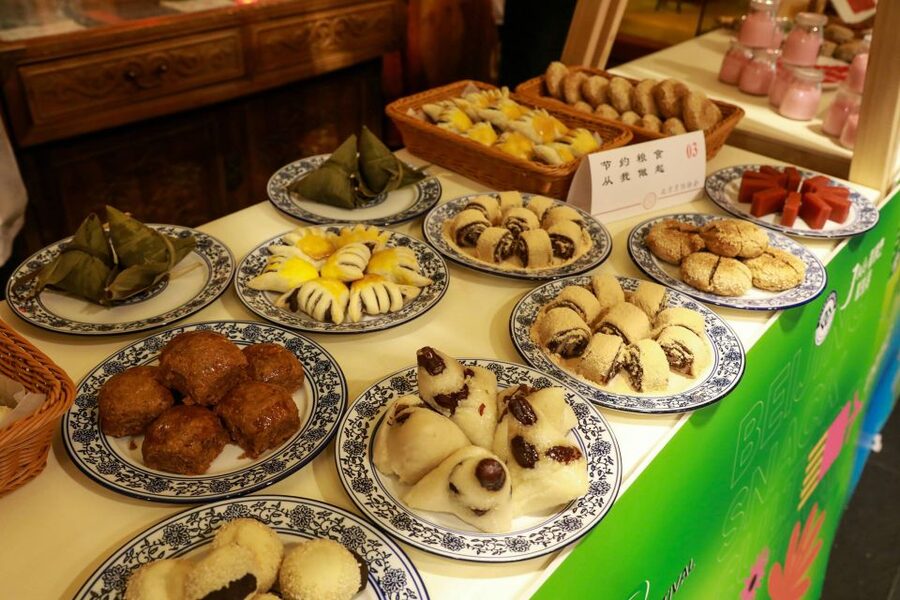
Not every dish is for every stomach. The tour description lists possible adventure items like fried liver, intestine soup, and 1000 year old egg, and it even calls out bamboo worm as optional and at your cost.
Here’s the practical way to handle it:
- If you’re curious but cautious, start with one “weird” item, not three.
- If you’re unsure about the texture, ask your guide what it tastes like and how it’s served.
- If you want alternatives, communicate it early. Reviews mention substitutions when people didn’t fancy a challenging dish.
One guest described pig liver and intestines as a surprise favorite. Another mentioned intestine soup but also emphasized you can ask for substitutes. That tells you the tour won’t leave you guessing blindly.
Private group energy: why it feels calmer than a big group tour
This is a private group experience, so the pace can actually match your appetite. Past reviews repeatedly mention guides tailoring stops—sometimes for kids, sometimes for dietary needs, sometimes for what people wanted to avoid.
If you’re traveling as a couple, it’s also a good fit. One-on-one or small-group interaction usually means more time for questions about Hutong life and why a snack exists in the first place. That’s a big deal if you like context, but you don’t want a lecture.
A side benefit: with a private group, your guide can move with fewer awkward waits. One guest noted the food was quick and the distance between spots felt manageable, which is exactly what you want in an alley maze.
Price and value: why $76 can feel like a full food day
At $76 per person for 3–4 hours, you’re paying for three things that usually cost money separately:
- A lot of food (15+ tastings)
- Local guidance that gets you into spots you’d likely miss
- Time saved on figuring out what to order and where to go
Many Beijing food experiences are priced like “a couple bites and a walk.” This one is priced like “a meal worth of sampling,” then adds storytelling and etiquette. For value, that’s the sweet spot.
Also, the tour includes bottled water and local soft drinks, which matters when you’re tasting sweet and spicy foods back to back. It keeps the day comfortable instead of turning into thirst management.
If you want a simple test: this tour is a strong buy when you want variety quickly. If you only want one or two dishes, you might prefer a lighter option. But if you want your first real Beijing food education in one outing, this price makes sense.
Best-fit travelers (and who should think twice)
This tour is a great match if you:
- Want to taste a wide range of Beijing snacks
- Like walking through neighborhoods and learning how daily life works
- Prefer having a guide who can shift stops toward your tastes
- Are okay with street-style portions and frequent eating
It’s also ideal for your first days in Beijing. Getting oriented to Hutongs and common snack types early means later meals feel easier. One review even framed it as a perfect first-night introduction before joining bigger sightseeing plans.
Think twice if:
- You don’t want a long snack sequence and would rather have a single sit-down meal
- You’re strongly against trying any adventurous items (though substitutions are mentioned, the tour is built around variety)
- You’re planning a big dinner reservation right after (you’ll probably be very full)
Should you book this Hutong culinary walking tour?
Yes—with a couple smart caveats.
Book it if you want a high-tasting-density experience in the Hutongs: 15+ samples, neighborhood context, and a guide who can tailor stops. The repeat praise for guides like Jimmy, Mike, May, Allen, Anson, and Lucy isn’t just about food—it’s about making the day feel personal and readable, especially for people who would otherwise struggle to find places on their own.
Don’t book it if you’re expecting a gentle, slow stroll with just a few bites. This is a food-focused walk. Come hungry, talk about your comfort levels up front, and you’ll get exactly what the tour is built for: a full, local Beijing flavor day in the alleyways.
FAQ
Where is the meeting point for the tour?
The meeting point is Dongsi Subway Station, Exit B. Your guide will hold a sign with your name.
How long is the Beijing Hutong culinary walking tour?
The tour lasts about 3–4 hours.
How many food tastings are included?
The tour includes 15+ food tastings.
Is the tour led in English?
Yes, the tour has a live English-speaking guide.
Is this a private tour?
The experience is listed as a private group.
Can I cancel or change plans?
There’s free cancellation up to 24 hours in advance for a full refund. The option to reserve now and pay later is also available.