REVIEW · ALICANTE
Alicante Paella Cooking Class, Tapas, Drinks and Market
Book on GetYourGuide →Operated by Alicante Tasting Club · Bookable on GetYourGuide
Paella tastes better when you buy the ingredients yourself. This Alicante paella cooking class mixes a Central Market shopping stop with a hands-on cooking session, then finishes with tapas and local drinks. Guides such as Cristina, Andrea, and Marina make the day feel local, not scripted.
I love the structure: you start with the market so you know what you’re cooking with, then you roll up your sleeves and actually cook. I also like the way the class stays social and participatory, with staff helping everyone get involved, even if you’re not a confident cook. One thing to consider: drinks (including wine and sangría) are part of the experience, so if you’re not a drinker, you’ll want to plan your pace.
If you’re hungry for a real Alicante food day, this is a strong pick. You’ll shop, cook, snack, and go home with recipes, all in a neat 3.5-hour block that fits easily into a sightseeing schedule. Just remember it’s a group activity, so even though the vibe is friendly, it may not feel ultra-private when groups run a bit larger.
In This Review
- Key points at a glance
- Where Alicante’s paella actually starts: Central Market shopping
- The purpose-built kitchen: hands-on arroz de Alicante with real participation
- Meat, seafood, or vegetarian: choosing your paella option
- Tapas and drinks: why the meal part feels like the point
- Why this $58 class is good value for a food-focused day
- Guides, language, and group energy: what the experience feels like
- Recipes to take home: turning a great day into repeatable cooking
- Making the most of the class: simple prep tips
- Should you book the Alicante paella cooking class with Alicante Tasting Club?
- FAQ
- How long is the Alicante paella cooking class?
- What’s included in the price?
- Are there vegetarian or vegan options?
- Is the tour offered in English and Spanish?
- Is it wheelchair accessible?
- Can I cancel for a full refund?
- Do you get recipes to take home?
- Is reserve and pay later available?
Key points at a glance
- Central Market ingredient shopping with a guide who explains what matters
- Hands-on paella cooking led by local chefs like Cristina, Andrea, and Marina
- Multiple paella styles with meat, seafood, and vegetarian/vegan options available
- Tapas plus local wine and sangría so you’re eating as you go
- Recipes to take home so you can recreate the dish later
- English/Spanish guidance with staff support and wheelchair accessibility
Where Alicante’s paella actually starts: Central Market shopping
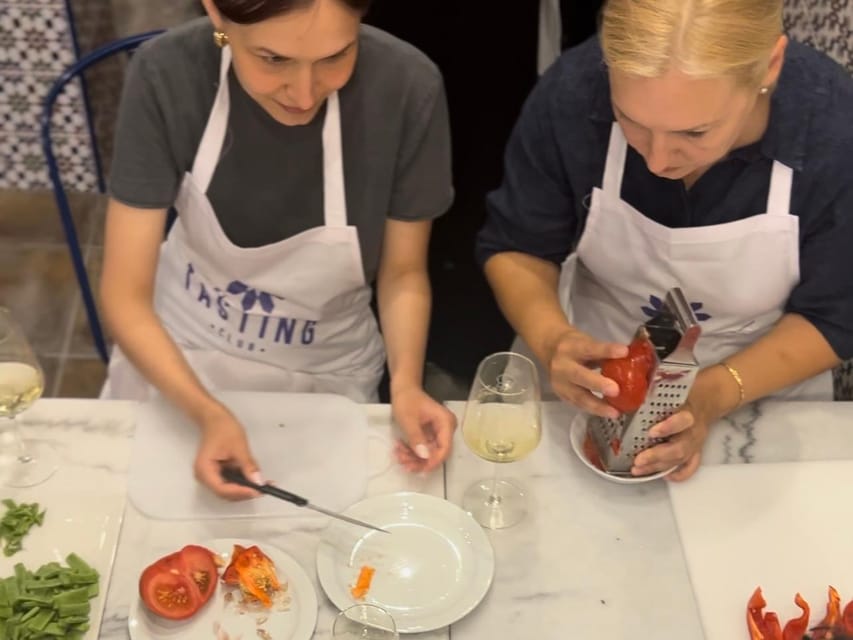
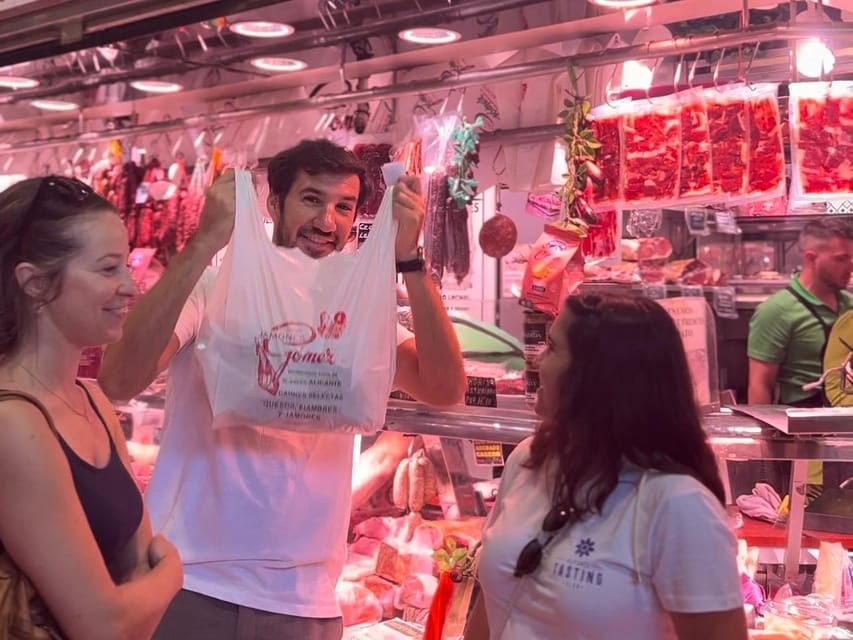
The best paella classes don’t begin with a pan. They begin with your eyes (and your shopping list) at the Central Market in Alicante, where the guide walks you through ingredients and what to look for. You’re not just buying stuff; you’re learning how the local kitchen thinks about freshness and flavor.
You’ll spend time picking the essentials for your paella, then connect those ingredients to what you’ll be doing later in the kitchen. That link matters. When you understand why you’re choosing something, cooking stops feeling like following instructions and starts feeling like building a dish.
One nice detail from real-day experience: guides often bring stories about Alicante and its food culture while you shop, so the market stop feels purposeful rather than a quick photo-op. If you like food travel that gives you context, this part is a big win.
What to watch for: markets can move fast, and you’ll be walking and looking for ingredients. If you need a slower pace, tell your guide early so they can match your speed.
You can also read our reviews of more shopping tours in Alicante
The purpose-built kitchen: hands-on arroz de Alicante with real participation
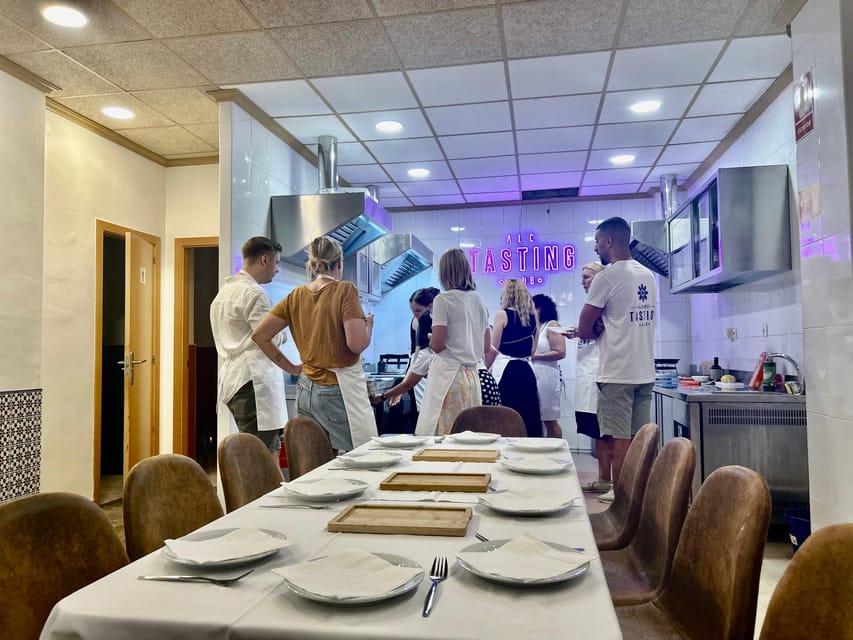
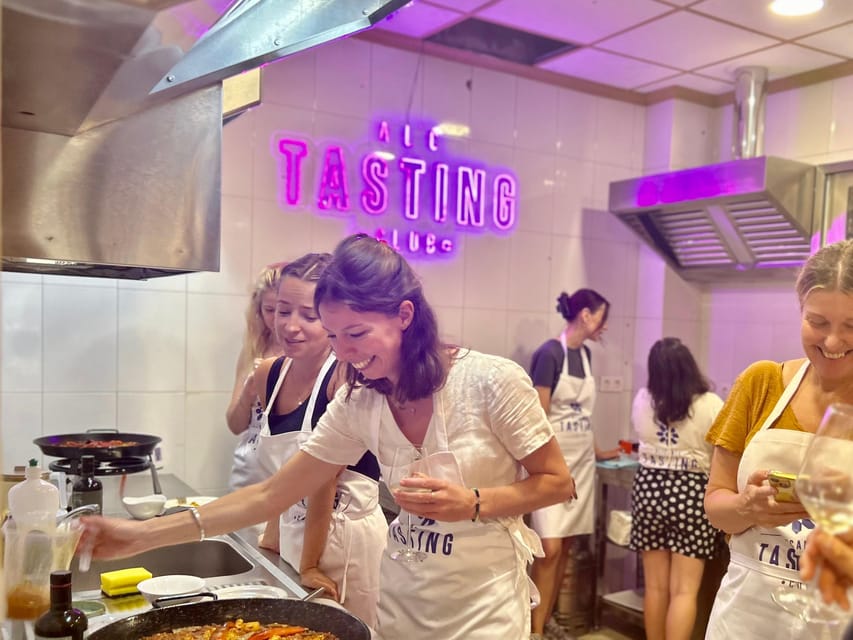
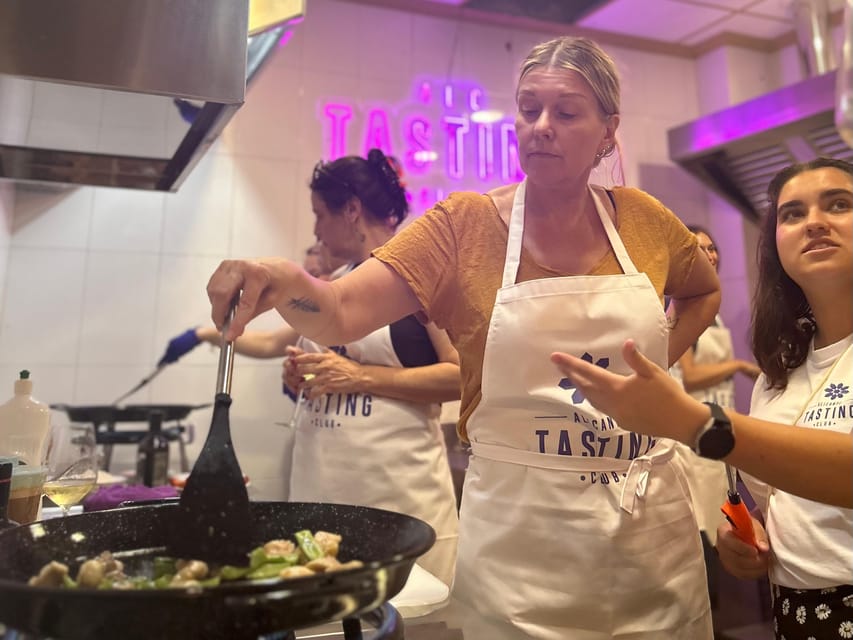
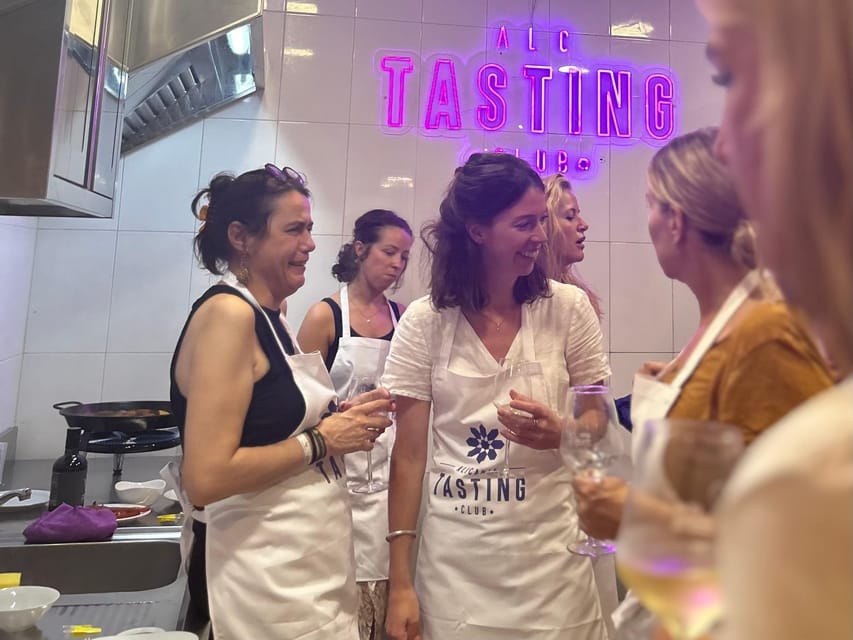
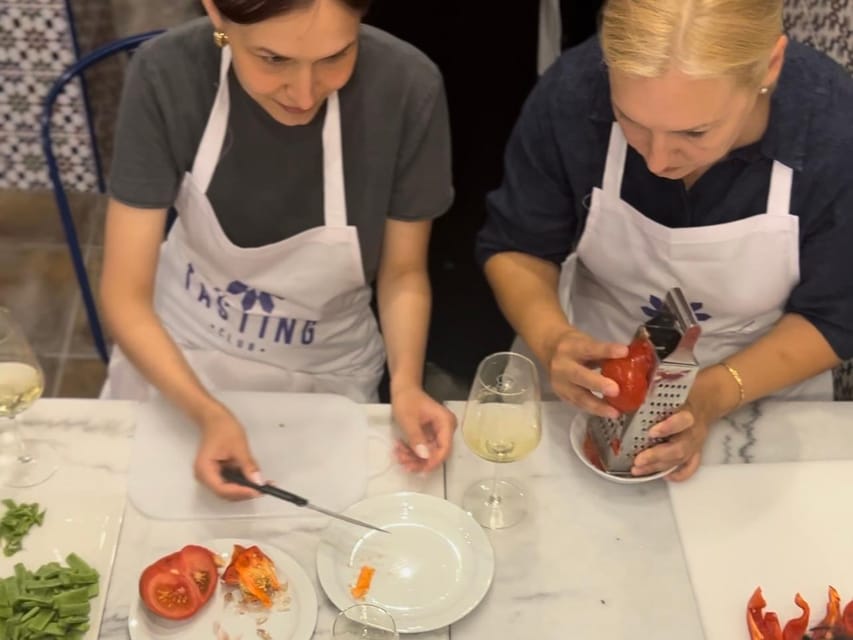
After the market, you move to the cooking space, which is set up for the class. This isn’t kitchen-tour theater. It’s a hands-on session where the guides encourage participation and keep things moving so everyone can do more than just watch.
In particular, many participants describe guides stepping in to make sure each person has a role—stirring, prepping, assembling, or learning the steps at the right time. That’s important for value. A cooking class is only as good as how much you get to do, not how much you get to listen.
A standout theme across the experiences: the teaching style is clear and friendly. Guides like Cristina and Andrea are called out for making the process smooth, patient, and easy to follow, even for people who don’t cook much at home. If you’ve ever taken a class where the chef talks for most of it, this will feel different.
Meat, seafood, or vegetarian: choosing your paella option
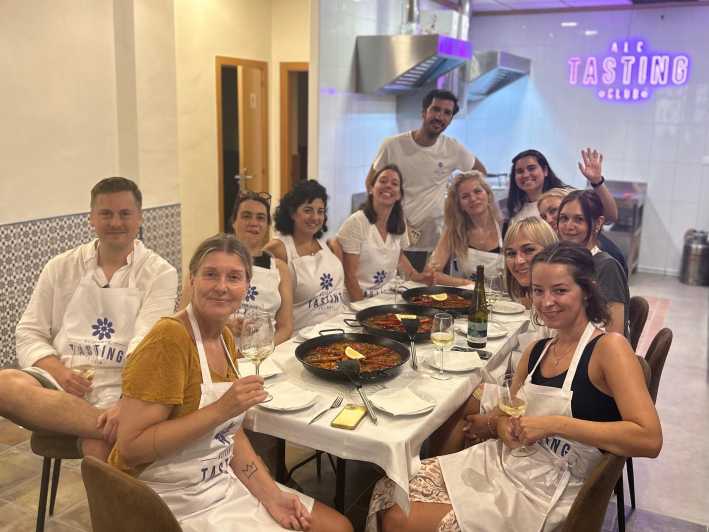
Alicante paella is not one-size-fits-all, and this class handles that well. You can choose among meat, seafood, and vegetarian/vegan options, so your group doesn’t have to settle for one flavor lane.
People who went for seafood often highlight the flavor payoff, and others praise the variety—especially when the format allows for multiple arroz preparations during the session. One participant even mentioned cooking all three versions of arroz de Alicante. You shouldn’t count on that every time, but it’s a strong sign that the class is built to adapt and keep the menu interesting.
Here’s the practical takeaway: you’ll get a paella-focused skill set, but you can still end the meal aligned with your tastes. That matters if you’re traveling with someone who wants something different, or if you’re the one who always has to “pick the option” in shared tours.
Consideration: if you’re highly sensitive to shellfish or specific ingredients, the data here confirms options exist, but it doesn’t list ingredient-level substitutions. Ask questions during the class so you’re fully comfortable with your specific dish.
Tapas and drinks: why the meal part feels like the point
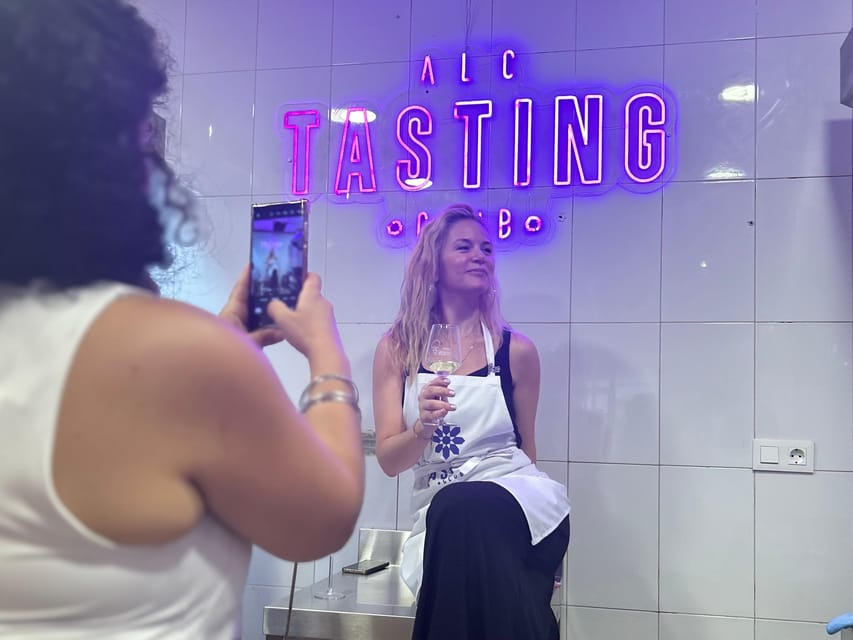
This class doesn’t treat food as a side quest. You’ll get a selection of traditional tapas alongside local wines, sangría, and other beverages, and the timing is built so you’re snacking while you learn and cook—not waiting until the very end.
More than one experience notes that the drinks felt generous and that water, wine, and soft drinks kept showing up. That’s not just comfort. It helps the session stay relaxed, especially when you’re doing something hands-on that can take focus.
Tapas also do a smart job for you as a learner. You get to taste the broader Alicante/Spanish flavor world while your paella is cooking. That makes the final meal feel cohesive rather than like two separate activities forced together.
What to watch for: because alcohol is included, pace yourself. Paella cooking takes attention, and you don’t want to end the class feeling foggy when you’re supposed to enjoy what you made.
Why this $58 class is good value for a food-focused day
Pricing at $58 per person sounds straightforward, but the real question is what you actually get. In this case, you’re not only paying for the chef. You’re paying for the full package: market ingredient shopping, the hands-on cooking instruction, tapas, paella (with multiple dietary options available), and local drinks.
A lot of classes charge extra for tasting, recipes, or anything beyond the cooking lesson. Here, the experience explicitly includes recipes to take home, which helps you convert “fun afternoon” into a skill you can use later.
Also, you’re in Alicante for a short, defined block of time: 3.5 hours. That’s ideal if you don’t want to sacrifice half a day just to learn one dish. When your schedule is tight, time is part of the value equation.



Guides, language, and group energy: what the experience feels like
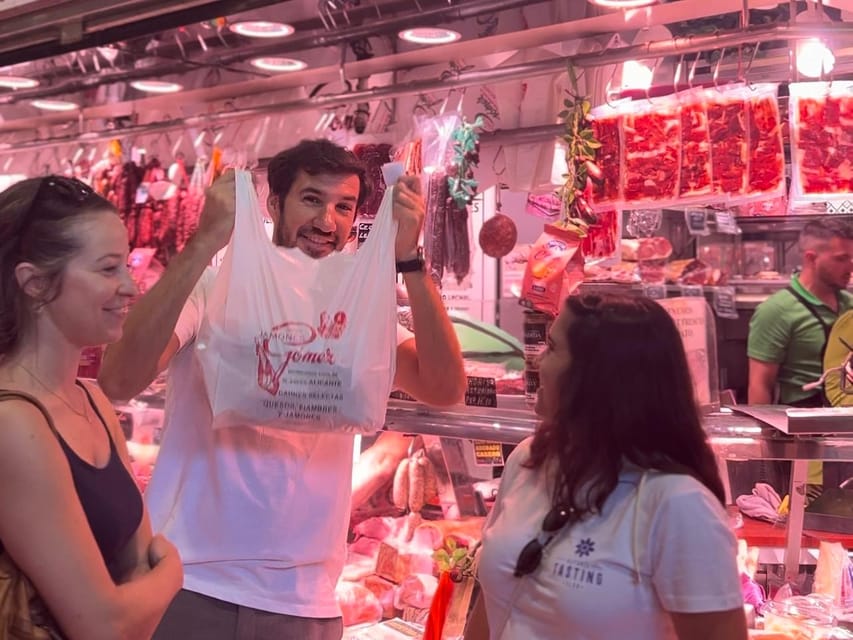
One reason participants rate this so highly is the human side. Multiple guides are mentioned across experiences—Cristina and Andrea are frequently called out, and Marina shows up in other accounts—plus staff who help during the class. The overall vibe described is friendly and inclusive, with guides making sure people feel comfortable jumping in.
Language support is practical too. The class offers English and Spanish, so you’re not stuck guessing what to do while you’re holding a spoon.
Group size seems designed for interaction. Some people mention group intimacy as a plus, while one experience notes a slightly larger group than expected. The good news: even with that variation, guides managed the process, and participants still got a clear role in cooking.
Who it suits best
- Food lovers who want a paella skill, not just a meal
- Solo travelers who like meeting people without awkwardness
- Couples and friends who want a shared activity
- Families with teenagers (this kind of interactive cooking tends to land well)
If you’re the type who learns by doing, this format is a strong match.
Recipes to take home: turning a great day into repeatable cooking
The biggest practical bonus is that you get recipes to take home. That’s the difference between taking a photo and actually cooking again later.
When you combine market learning with hands-on steps, the recipe becomes more than a list. You’ll remember why you bought certain ingredients, how the guide explained timing, and what to watch for while cooking. Even if you don’t recreate it perfectly the first time, you’ll at least know what “right” should taste like.
If you cook at home, you can also use this as a baseline and tweak your own preferences. The class already gives you meat, seafood, and vegetarian/vegan paths, which makes it easier to adapt at your kitchen table.
Making the most of the class: simple prep tips
You can’t control everything in a group class, but you can control your readiness. Wear comfortable clothes and closed-toe shoes, and go in with an appetite you can trust.
Also, pay attention during the market portion. If you know what you’re looking for, the cooking steps make more sense. You’ll come out feeling like you learned paella strategy, not just a single recipe.
Finally, take your time when you sit down to eat. This is one of those experiences where the food is part of the learning curve, so enjoy the flavors before you start thinking about the next stop.
Should you book the Alicante paella cooking class with Alicante Tasting Club?
Book it if you want a hands-on paella experience in Alicante that goes beyond cooking by adding market context, tapas, and local drinks. It’s also a good pick if you like classes where the guide keeps things friendly and makes sure you participate, not just observe.
Skip it only if you strongly prefer a no-alcohol format or you want a purely academic cooking lesson. This is a food day—tasting is baked in—so it’s best when you’re there to eat, learn, and enjoy the meal you cooked.
If you’re weighing alternatives, this one stands out for a simple reason: you don’t just leave with a dish. You leave with a method, a market education, and recipes you can use again.
FAQ
How long is the Alicante paella cooking class?
The experience lasts 3.5 hours.
What’s included in the price?
You get a market visit to buy paella ingredients, a hands-on paella cooking class with a local chef, a selection of traditional tapas, local wines and sangría (and other beverages), and paella with meat, seafood, and vegetarian options. You also receive recipes to take home, with an English/Spanish-speaking guide.
Are there vegetarian or vegan options?
Yes. The class offers vegetarian and vegan options, along with meat and seafood.
Is the tour offered in English and Spanish?
Yes. The live guide speaks English and Spanish.
Is it wheelchair accessible?
Yes, the activity is listed as wheelchair accessible.
Can I cancel for a full refund?
Yes. You can cancel up to 24 hours in advance for a full refund.
Do you get recipes to take home?
Yes. Recipes are included so you can recreate what you made later.
Is reserve and pay later available?
Yes. It’s available as reserve now & pay later.