REVIEW · BRUNSWICK GERMANY
Braunschweig: Guided Walking Tour with Food Tastings
Book on GetYourGuide →Operated by Pascal Pietsch · Bookable on GetYourGuide
Cartoon facades and snacks make Braunschweig click fast. This guided walk pairs key sights—like Dankwarderode Castle—with real neighborhood wandering and four bite-size stops for food tastings. I like that the guide doesn’t just point at buildings; the whole route is built to give you quick context and flavor.
One possible drawback: the food program can lean more global and offbeat than strictly local, so if you want only traditional Braunschweig plates, you may need to supplement with your own dinner after the tour.
In This Review
- Key Things to Know Before You Go
- Starting at Friedrich-Wilhelm-Platz: The Kultviertel Meet-Up
- Following the Old-City Trail: Castle Views and Market Squares
- James Rizzi Cartoon Houses: Street Art You Can Actually See
- Magniviertel and the Oldest-Part Feel
- Four Tastings, One Walk: What You’ll Sample
- Price and Value for $43: What You’re Really Paying For
- Getting the Most From a German-Language Walk
- Pace, Comfort, and Who This Tour Fits Best
- Should You Book the Braunschweig Walking Tour With Food Tastings?
- FAQ
- How long is the Braunschweig guided walking tour with food tastings?
- Where is the meeting point?
- What’s included in the price?
- Are drinks included?
- What language is the guide?
- Does the tour run in bad weather?
- What should I bring?
- Is the tour suitable for wheelchair users?
- Is free cancellation available?
Key Things to Know Before You Go
- Meet in the Kultviertel at the Commerzbank on Friedrich-Wilhelm-Platz, right in the center of town.
- Two major square stops plus historic lanes, with an emphasis on getting your bearings.
- Dankwarderode Castle is a key landmark on the route.
- James Rizzi cartoon-house street art shows up in a very walkable way.
- Four tastings along the route, ranging from spice-driven bites to unusual ice cream flavors.
- Rain or shine means comfortable shoes matter more than perfect weather.
Starting at Friedrich-Wilhelm-Platz: The Kultviertel Meet-Up
Your tour begins in the heart of Braunschweig’s Kultviertel, in front of the Commerzbank on Friedrich-Wilhelm-Platz. It’s a smart starting point if you’re staying anywhere central, because you’re not hunting for a random side street or a museum entrance. After the tour, you also end back at the same meeting spot, which makes planning the rest of your day easy.
From the start, this is set up like a “see-and-sample” afternoon: walk, learn a little, taste a little, repeat. The duration is about 2.5 hours, and starting times vary, so check what works with your schedule rather than assuming a single fixed departure.
Language is German with a live guide. If you don’t speak much German, don’t panic—you’ll still get plenty from the visual landmarks and the tasting explanations—but being able to follow basic conversation will help you catch the finer details.
Following the Old-City Trail: Castle Views and Market Squares
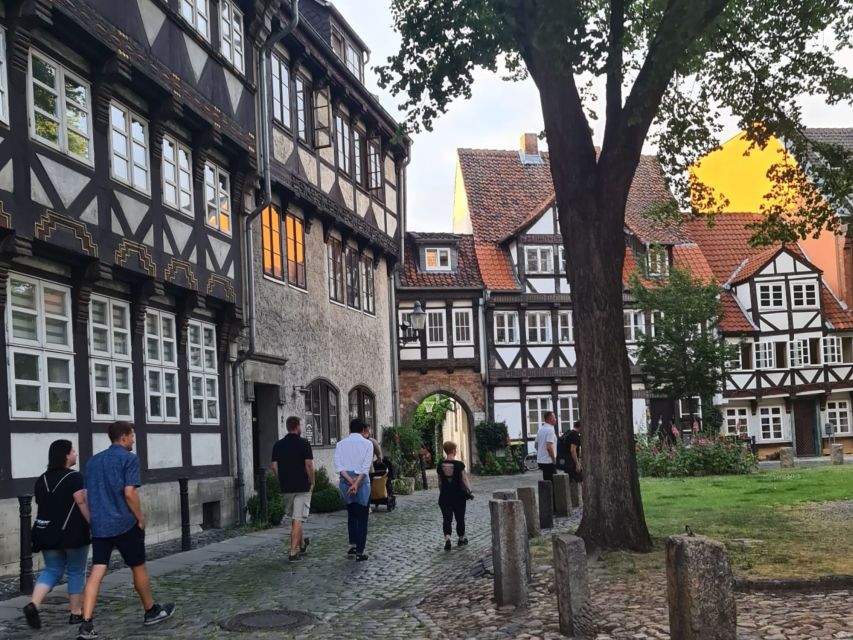
The route is built around Braunschweig’s old center, with both well-known and quieter corners along the way. One standout landmark on the walk is Dankwarderode Castle—the kind of sight that gives you instant “this city has layers” energy without requiring a full museum day. You’ll also spend time around historic market squares, which is where many German city stories make sense: commerce, social life, and everyday movement across centuries.
Why squares matter on a walking tour: they’re natural “pause points.” The guide can explain what you’re seeing because you’re not constantly turning your head. And you get a practical feel for the city layout—where the important areas sit relative to each other—so later, you can explore without feeling lost.
The walking itself is the main “transportation.” That means you’ll want shoes that can handle pavement and a bit of uneven sidewalk. The tour is not a sprint, but it is a real walk, so don’t plan it right after a long travel day with sore ankles.
James Rizzi Cartoon Houses: Street Art You Can Actually See
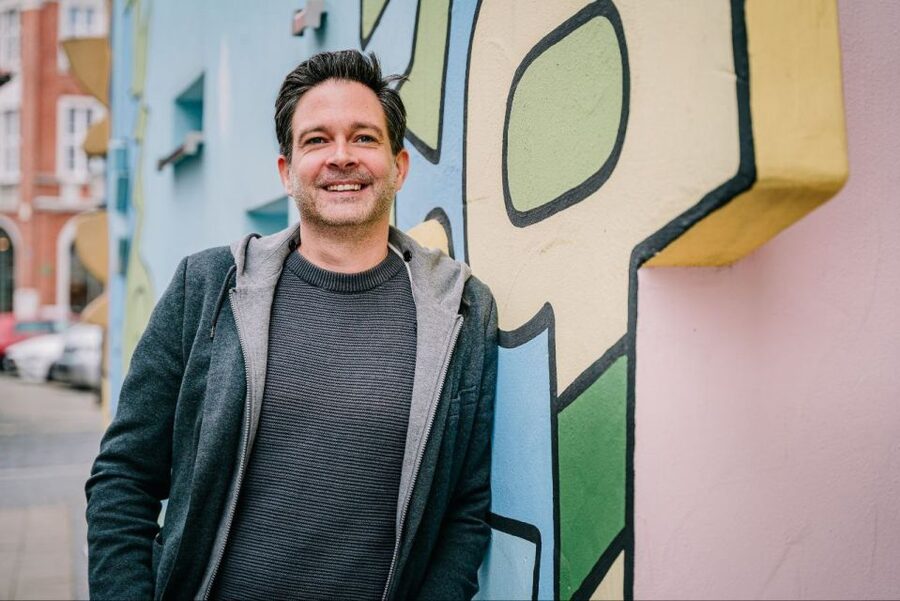
If you like modern pop art meets classic city streets, this part is a treat. Along the route, you’ll see houses decorated with colorful cartoon-style imagery by pop artist James Rizzi. It’s the kind of scene that makes you stop without thinking—because the colors are impossible to ignore.
What’s especially fun about doing this on a guided walk: you don’t just see the art, you usually learn how it fits into the city’s look and public spaces. Even if you’re not a hardcore art person, Rizzi’s style is playful enough that it keeps the tour from turning into a list of monuments. It also breaks up the day visually right when you might otherwise feel like it’s just another Old Town stroll.
For photos, aim for the sidewalks at an angle rather than straight on. Many facades pop more when you catch the street perspective around them.
Magniviertel and the Oldest-Part Feel
After the central squares, the walk continues toward the Magniviertel, described as the oldest part of Braunschweig. This isn’t just a label on a map—it changes the mood of the route. The older district character usually shows up in the tightness of streets, the way buildings relate to each other, and how the neighborhood feels more lived-in as you move through it.
On a tour like this, the value of reaching the oldest area is simple: it helps you understand how the city likely expanded over time. Even if the history isn’t delivered in a textbook way, you’ll connect the dots between landmarks, squares, and what your eyes pick up on the street.
If you’re the type who likes to understand why cities look the way they do, the route logic here works. You’re not wandering randomly—you’re moving from major public spaces into an area where the city’s earlier identity is still visible.
Four Tastings, One Walk: What You’ll Sample
This is a food tour disguised as a city orientation—and that’s a good thing. Included in the price are 4 food tastings, spread along the walk at local eateries. Drinks are not included, so you’re tasting bites rather than running up a bar tab.
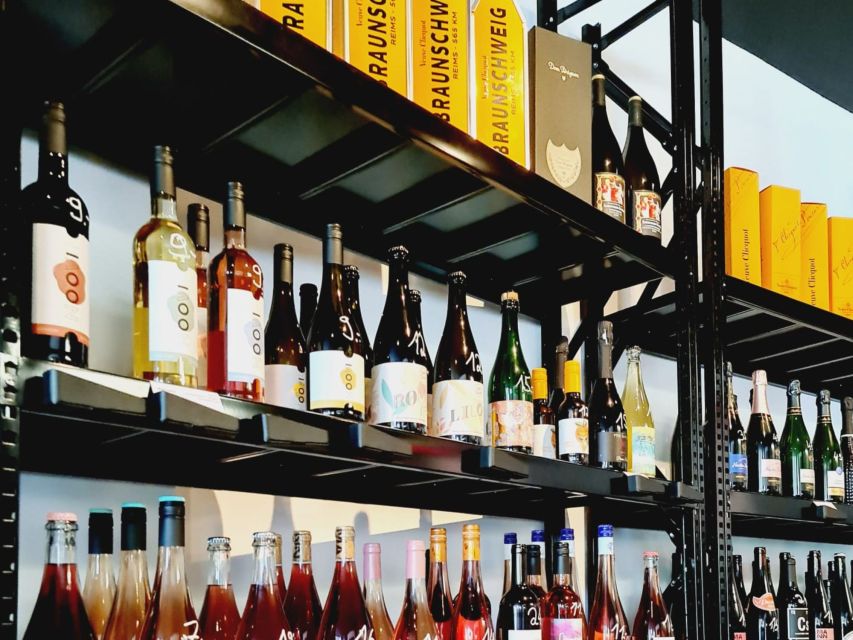
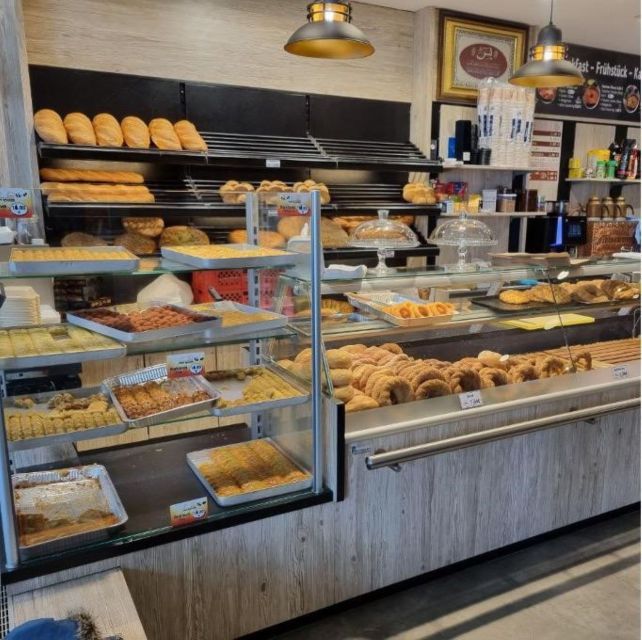
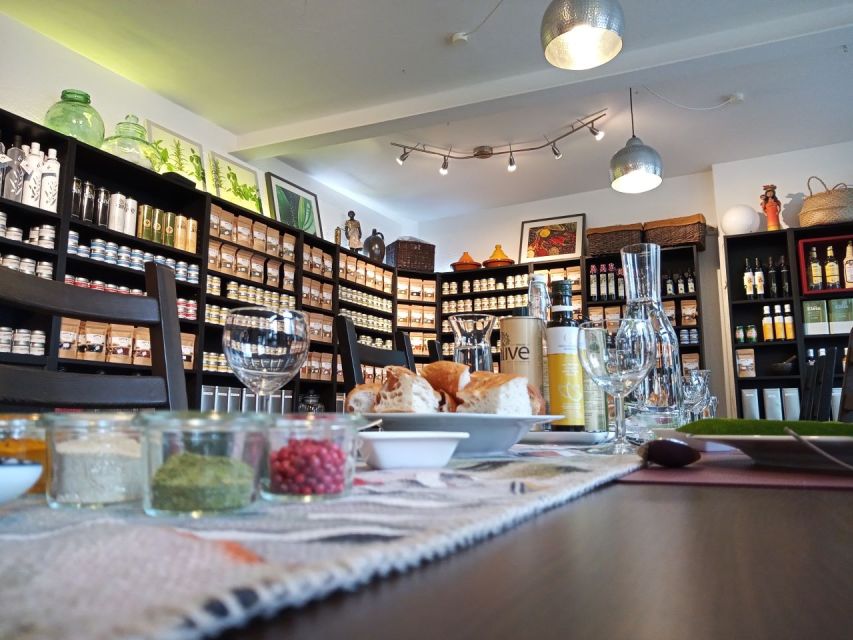
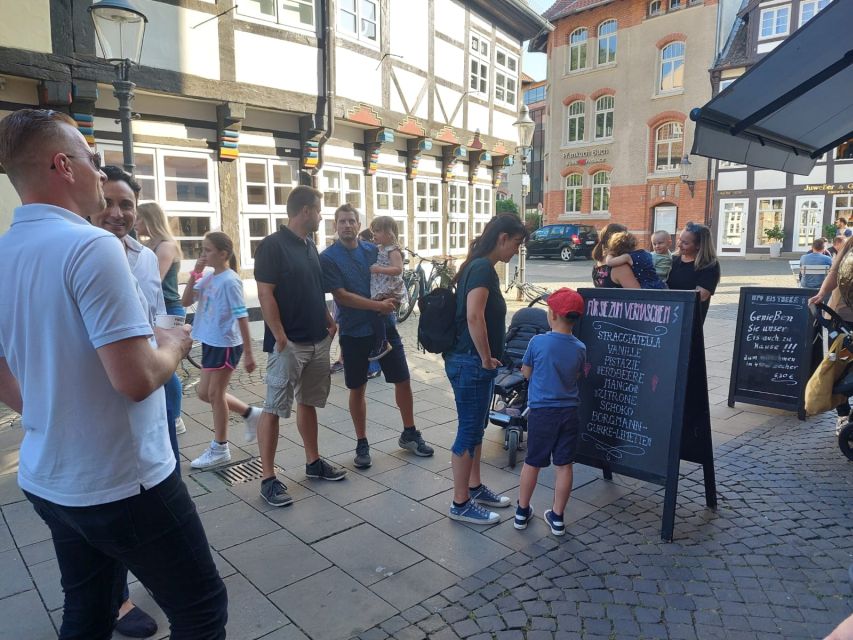
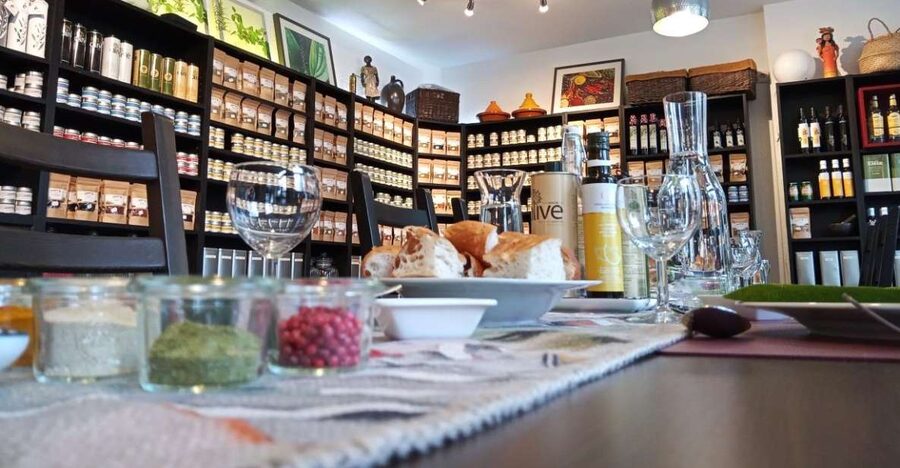
The tasting lineup can be a mixed bag in the best way: from spices sourced from around the world to unusual ice cream flavors. One past experience highlighted an Indian meal as the best stop, and another mentioned a spice-focused shop (a Gewürzmanufaktur) as especially recommended. There can also be a wine sample as part of the tasting set, though not everyone rates that component equally.
So what should you expect, practically?
- Small portions designed so you can keep walking afterward.
- Flavors that sometimes go beyond purely traditional Braunschweig dishes.
- A few stops where the guide gives context for what you’re tasting, not just the menu name.
That leads to the biggest decision point for you: do you want a strictly local food crawl, or are you happy with a “local guide plus smart mix of flavors” approach? Based on the tasting variety described, this tour can be more adventurous than you might expect from a regional city walk. You’ll likely enjoy it most if you like spices, dessert surprises, and the idea of learning through flavor.
Price and Value for $43: What You’re Really Paying For
At about $43 per person for roughly 2.5 hours, you’re paying for three things at once:
- a guided walking route through central sights,
- explanation from a live German guide,
- and four included tastings (not just one).
That matters because the food portion changes the math. Without tastings, a walking tour would usually be cheaper, but you’d also be missing the built-in “reward stops” that keep energy up during the walk. With tastings included, you’re less likely to be stuck thinking about where to eat next while you’re sightseeing.
Where value can vary is in what you personally like. If you enjoy global spice flavors and world-food twists, the tasting mix can feel like a win. If you were hoping for only classic Braunschweig specialties, you may feel like you need to plan a proper local dinner afterward to finish the job.
One more practical point: because drinks aren’t included, you should budget for extra beverages if you want beer, wine, or non-alcoholic drinks during or after the tour. The tastings are set up to be portioned; anything beyond that is on you.
Getting the Most From a German-Language Walk
Since the guide speaks German, your experience will depend a bit on how comfortable you are listening. The route still works visually: squares, castle views, and the Rizzi artwork are obvious anchors. But the tastings come with explanations, and those are where language helps you get more from the bite.
If your German is limited, I still think you’ll enjoy it, because food tours are inherently sensory. You can pick up patterns—spice notes, sweetness level, what the shop emphasizes—then use the guide’s words as a bonus layer.
If you’re fluent or near-fluent, you’ll get extra value because you’ll follow both the city storytelling and the tasting background without straining.
Pace, Comfort, and Who This Tour Fits Best
This is a walking tour that takes place rain or shine. That means you should plan for weather and keep your focus on comfort. Bring comfortable shoes. If you’re visiting with blisters already forming, you’ll hate this.
It’s also not suitable for people with mobility impairments or wheelchair users. The activity description is clear on that, so if accessibility is a concern, skip this one and look for another format that’s designed with mobility needs in mind.
Who this tour suits well:
- You want a quick orientation to Braunschweig’s center and older areas.
- You like city walks that include food stops rather than just sightseeing.
- You enjoy playful visual moments, especially the Rizzi artwork.
- You’re happy with tastings that can mix local and international flavors.
Who might find it less perfect:
- You want a deep, slow history lecture where every building gets a long explanation.
- You want only strictly traditional Braunschweig dishes, with no world-food detours.
Should You Book the Braunschweig Walking Tour With Food Tastings?
I’d book this if you want a 2.5-hour plan that does two jobs well: it helps you understand Braunschweig’s layout and it gives you included tastings so you don’t have to decide where to eat mid-walk. The combination of classic landmarks like Dankwarderode Castle, public squares, and the unmistakable James Rizzi cartoon-house art makes the sightseeing part feel memorable.
I’d think twice if your top priority is purely local food in traditional form or if you’re looking for the most detailed city history lesson you can find. In that case, you may enjoy the walk but should plan additional time for a local dinner and some independent exploration.
FAQ
How long is the Braunschweig guided walking tour with food tastings?
The tour lasts about 2.5 hours.
Where is the meeting point?
You meet in front of the Commerzbank on Friedrich-Wilhelm-Platz.
What’s included in the price?
The tour includes a walking tour with a guide and 4 food tastings.
Are drinks included?
No. Drinks are not included.
What language is the guide?
The live guide speaks German.
Does the tour run in bad weather?
Yes, it takes place rain or shine.
What should I bring?
Bring comfortable shoes for walking.
Is the tour suitable for wheelchair users?
No. It is not suitable for wheelchair users or people with mobility impairments.
Is free cancellation available?
Yes. You can cancel up to 24 hours in advance for a full refund, and you can also reserve with pay later.