REVIEW · WROCLAW
Wroclaw Food Tasting Tour with Delicious Poland
Book on Viator →Operated by Delicious Poland · Bookable on Viator
Wrocław at dinner time is a smart move. This tour strings together Polish food and city history in a small walking loop, with 10–11 tastings across five local eateries, plus a shot of Polish vodka and craft beer. I especially like the focus on real portions and real conversation, and the way the route threads through places like Solny Square and the Four Denomination District, so you get context with every bite.
One thing to consider: the price is higher than a solo DIY meal in Poland, so you’re paying for organization, timing, and a guide’s storytelling, not just the ingredients. If you’re very tight on budget, it may feel like a splurge; if you want an easy first-night plan that feeds you well, it tends to land nicely.
In This Review
- Key points before you go
- Wrocław Food Tasting Tour at 5:00 pm: Why this timing works
- Price and value: what $107.40 buys you (and why it’s not just food)
- Small-group walking format: the sweet spot for conversation
- Stop 1 in Wrocław: 5 eateries, 10–11 tastings, and a guide who sets the tone
- What you should expect to eat
- When you might feel the pacing
- Solny Square and the 24-hour flower market: quick sightseeing with a purpose
- Old Town historic center: Gothic details and merchant-house color
- Jatki and the butchers’ stalls turned artisan lane
- White Stork Synagogue area: the Four Denomination District story in real life
- Vodka and craft beer: included, but watch the timing
- What to do before and after: eat light, then let the tour feed you
- Guides make the difference: Vlada, Jasmine, Julia, and the talk-to-you style
- Drawbacks to weigh: cost, drink timing, and occasional hiccups
- Price feelings
- Drink timing
- Reservation problems
- Who should book this tour (and who might skip it)
- Should you book Delicious Poland in Wrocław?
- FAQ
- What’s included in the Wrocław food tasting tour?
- How long is the tour, and when does it start?
- Where does the tour meet?
- Is the tour offered in English?
- Is the group small?
- What if the weather is bad?
Key points before you go
- 10–11 tastings across five eateries: expect enough food to cover your evening, not just small nibbles.
- Vodka and craft beer included: you’ll try the drinks that locals pair with classic dishes.
- Small-group vibe: the concept is limited (often up to ten), with an overall cap listed at 35.
- Route includes major Wrocław landmarks: Solny Square, Old Town areas, Jatki, and the White Stork Synagogue area.
- English-speaking guide: and in past tours, guides used iPad visuals to show historical interiors.
- Best start at 5:00 pm: it’s timed for “walk, sample, and then keep exploring” without dragging into late night.
Wrocław Food Tasting Tour at 5:00 pm: Why this timing works
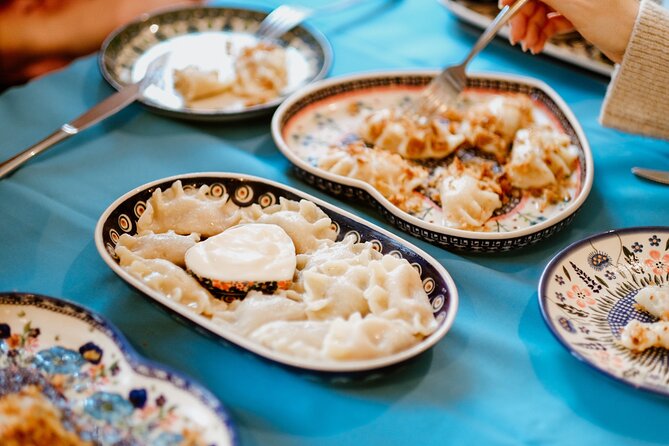
If you arrive in Wrocław for only a day or two, you need a plan that does two jobs at once: it helps you find your way around and it gives you something to eat that feels local. This tour starts at 5:00 pm and runs about 2 to 3 hours, which hits the sweet spot between daylight sightseeing and dinner time chaos.
You start at Small Iglica on Plac Solny, then you walk and taste your way through the center. That rhythm matters. You’re not bouncing around the city on your own schedule, and you’re not stuck waiting for reservations. Instead, you get a guided flow: city stops for quick context, then the next tasting where that context makes the food make sense.
Price and value: what $107.40 buys you (and why it’s not just food)
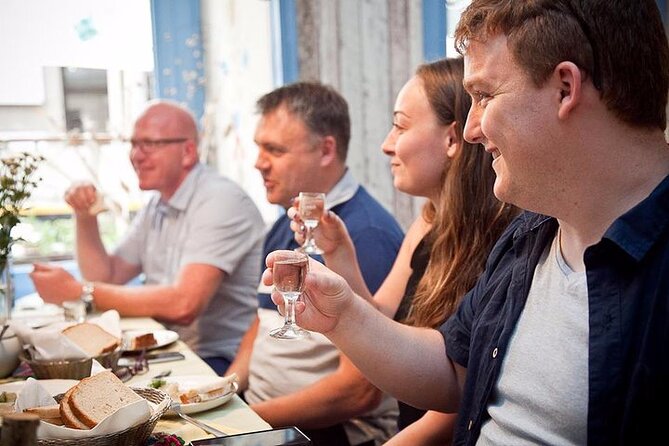
At $107.40 per person, the tour costs more than what you’d pay eating casually on your own. That’s true in many European cities, including Poland. Food is often affordable. The question is: what are you really purchasing?
Here’s the practical breakdown from what’s included:
- 10–11 types of food from local restaurants (not just one or two dishes)
- A shot of Polish vodka
- Polish craft beer
- A guide who ties dishes to food culture and history
- Stops that help you orient yourself in the center
For me, the value is less about the dollar amount and more about how much you get in one evening without planning. You don’t have to:
- choose five places that work together,
- figure out what to order,
- manage pacing so you’re not full too early,
- or ask for the cultural story behind what you’re eating.
Also, the tour is booked ahead on average (around 50 days), which usually signals demand for something like this. I take that as a hint that it’s an easy, popular way to kick off a trip.
Small-group walking format: the sweet spot for conversation
This is where the tour feels different from the big group “line up and move” style. The tour description emphasizes a more personal experience with a small group limited to ten people. The operator also lists a maximum of 35 travelers, so in a worst-case scenario you might not feel like a private tour.
Still, even with a larger cap, the structure helps:
- You’re moving on foot in the center.
- Each tasting comes with explanation.
- You have time to ask questions while you’re still in the flow.
In the feedback I read, guides were praised for being friendly and for making the experience feel like a real night out, not a scripted lecture. One guide (Vlada) stood out for pairing food choices with a lot of history and architecture talk; other guides (Jasmine and Julia) were also mentioned for strong city knowledge and lively hosting.
Stop 1 in Wrocław: 5 eateries, 10–11 tastings, and a guide who sets the tone
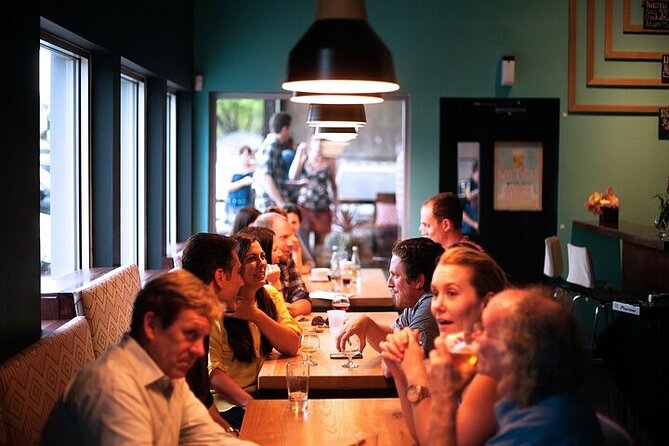
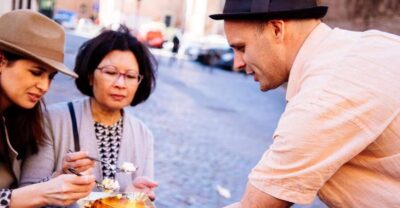
The heart of the tour is the food crawl itself. You’ll visit five eateries favored by local residents, mixing family-run spots and local bars. The guide walks with you, tells stories, and nudges you toward what to notice with each dish.
What I like about this approach is that it teaches you how Polish eating works, not just what to order. You start seeing patterns: hearty soups, comforting starches, and flavors that feel made for cold-weather and long meals. The pace also helps. Multiple tastings mean you get variety without committing to a single heavy entrée for a full dinner.
What you should expect to eat
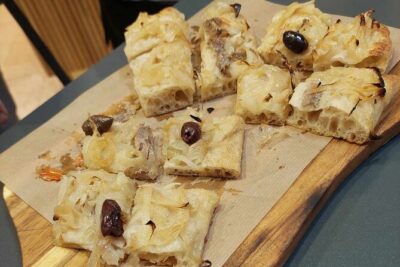
The tour includes 10–11 types of food, so you can plan for a full meal. In guides’ past selections, typical items included classics like pierogi (often spelled pierogi/pyrogi in English), soups, sausages/kielbasa, and sweet bites like Polish jelly donuts. Another highlight from a prior tour was a traditional soup served in a bread bowl, plus plenty of samples that felt like portions, not crumbs.
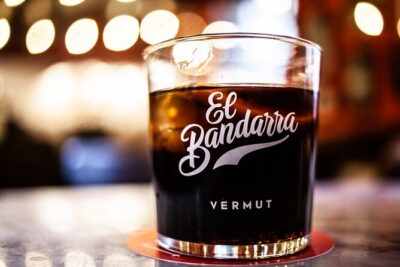
You’ll also be trying Polish vodka and Polish craft beer during the evening. That drink pairing matters because it changes how you experience the flavors. It also keeps the mood social while you walk from place to place.
When you might feel the pacing
The tour typically runs around two hours, but there have been occasions where it extended to closer to four hours due to extra time in the central area. That’s not necessarily bad—just know that if you have another reservation the same night, give yourself buffer time.
Solny Square and the 24-hour flower market: quick sightseeing with a purpose
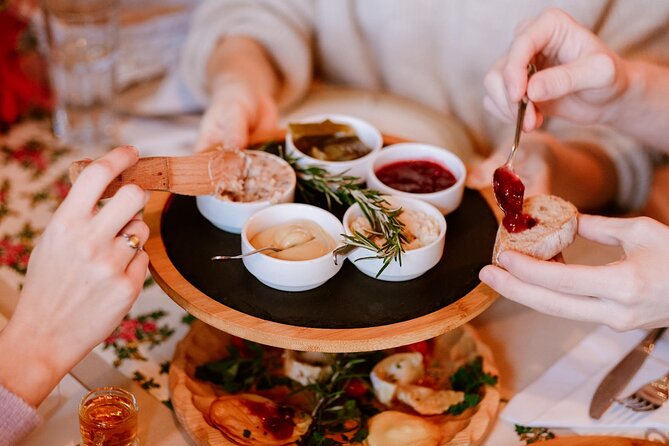
After the first stretch of eating, you step into Solny Square, a historic spot dating back to 1242. The famous feature here is the 24-hour flower market, which makes this square feel alive even when the rest of the city settles down.
Why it’s a good mid-tour stop: it gives your feet a moment to reset while you get a sense of how locals use public space. It also helps your brain connect the earlier food stories to the broader idea of Polish daily life—markets, routines, and community gathering points.
This stop is short, about 5 minutes, so you’re not getting stuck in sightseeing mode. It’s more like a breather and a reset.
Old Town historic center: Gothic details and merchant-house color
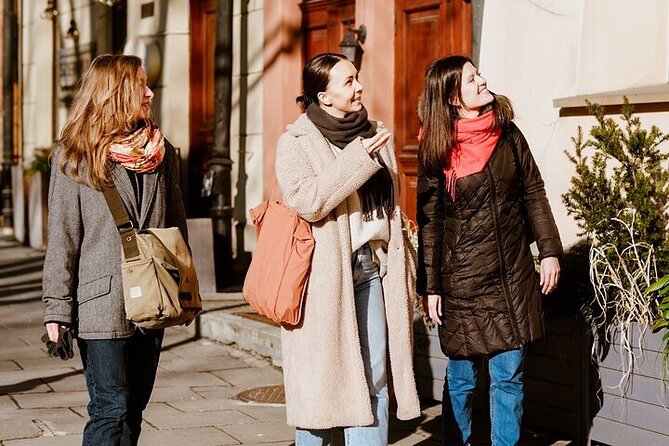
Next comes the Old Town / Historic Center area, where you’re looking at the city’s classic architecture clues. The big focus here is on details like the Gothic features of the Town Hall and the colorful facades of merchant houses.
Even if you’re not an architecture nerd, this stop pays off. It helps you understand why guides put so much emphasis on stories at the table. Wrocław’s food scene didn’t grow in a vacuum. It developed alongside the city’s commerce, guild culture, and changing eras.
This stop is also quick, around 10 minutes, so you get the sense of the place without eating up your whole evening.
Jatki and the butchers’ stalls turned artisan lane
At Jatki, you’re in a spot that carries its past in a very physical way. This is the site where butchers’ stalls once stood. Today, it functions as a lively area with artisan shops and cultural events.
What I like here is the contrast: meat markets and trade roots, now transformed into browsing and small crafts. It’s an easy stop to understand even if you don’t know Polish—because the idea is written into the place itself.
This is a short stop (about 5 minutes), which keeps the tour moving and keeps you hungry for the next tastings.
White Stork Synagogue area: the Four Denomination District story in real life
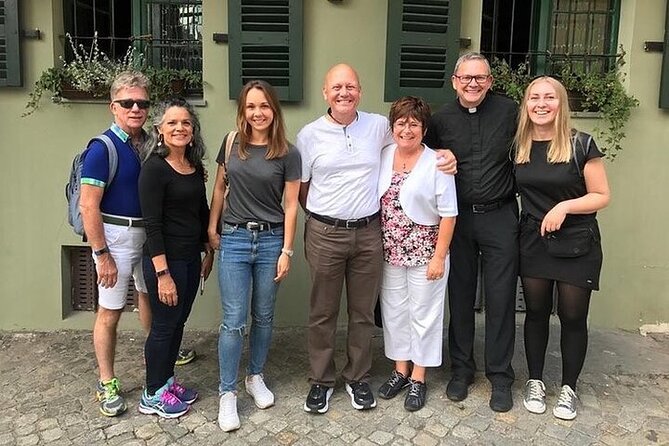
One of the most interesting cultural parts of the route is the White Stork Synagogue area and what’s known as the Four Denomination District. Historically, Catholics, Orthodox Christians, Protestants, and Jews coexisted here.
Today, it’s an area loved by locals, full of bars and cafés. So instead of treating the stop like a museum, the tour frames it as a living neighborhood where old religious history and modern hangout culture overlap.
This also helps you understand Wrocław as a city of layers. In a place like this, food and drink aren’t just entertainment—they’re part of the everyday social map.
This segment is longer than the others at about 20 minutes, which gives you time to linger if you like the vibe and snap photos if that’s your thing.
Vodka and craft beer: included, but watch the timing
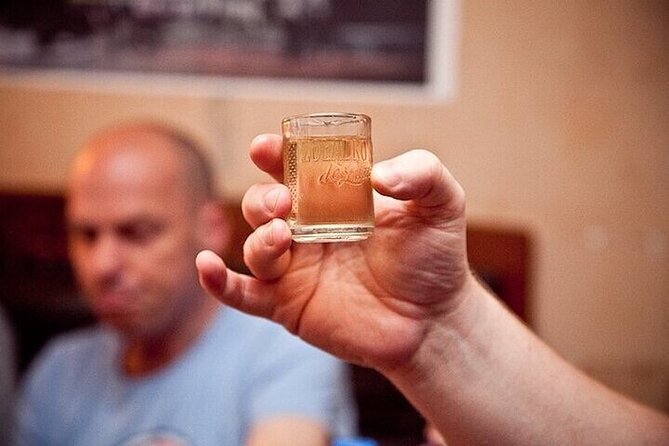
The tour includes a shot of Polish vodka and Polish craft beer. In most cases, that means you’ll get the drinks spread through the evening with your tastings.
That said, there’s one practical caution from the feedback I saw: in at least one tour experience, participants felt the first drink came later than expected, around the 4th stop. So don’t plan your night expecting an early beer in your hand right at the start.
Bring a positive mindset and a bit of patience. You’ll get drinks, but the flow seems designed to match the food rhythm.
What to do before and after: eat light, then let the tour feed you
For a tour like this, your best strategy is simple: don’t show up starving, but also don’t show up stuffed. Several people emphasized the idea of come hungry, because the tastings add up to a meal.
If you want to keep the evening comfortable:
- drink water before you start walking,
- wear shoes you can stand in for a couple of hours,
- and plan to keep dinner minimal afterward.
Many people finished the tour feeling like they had already eaten enough for a full evening meal, so you may not need a heavy sit-down dinner afterward unless you’re craving something specific.
Guides make the difference: Vlada, Jasmine, Julia, and the talk-to-you style
The tour’s success hinges on the guide. Names that came up in positive feedback include Vlada, Jasmine, and Julia.
- Vlada was repeatedly praised for being a standout conversational partner and for connecting food to history, architecture, and Polish traditions. People also highlighted that he made careful food choices based on guests’ preferences.
- Jasmine earned strong notes for being fun, knowledgeable about Poland, and for delivering a selection that felt substantial.
- Julia was specifically mentioned for using iPad photos to show what places looked like inside or how they used to look, which adds a visual layer to the city stories.
This is why I like this tour as a first-night activity. You walk away not only with a full stomach, but with a mental map of what to try again later—especially if you’re going to return to the same neighborhoods.
Drawbacks to weigh: cost, drink timing, and occasional hiccups
No tour is perfect, so here are the issues you should consider before booking.
Price feelings
Some participants felt the pricing was high relative to how cheap food can be when you buy it yourself. That frustration is understandable if you judge value only by the ingredient cost of the dishes. But remember: you’re paying for planning, restaurant coordination, and guide time, plus the included vodka and beer.
If you want a bargain, DIY eating wins. If you want a guided “eat and learn” night that simplifies your trip, it competes well with other paid experiences.
Drink timing
As mentioned, one tour felt that drinks came later than expected. If alcohol is a big part of your plan, you might want to mentally prepare yourself that the beer or vodka might not show up in the first stretch.
Reservation problems
One issue that came up: early restaurant stops apparently ran without reservations, which forced extra walking. The operator response emphasized that they worked to fix it and compensate. In real life, restaurant coordination can still go sideways, especially in busy cities. Keep that in mind and give yourself some flexibility.
Who should book this tour (and who might skip it)
This tour is a strong fit if you:
- want an easy first-night plan in Wrocław,
- like classic Polish foods and want help ordering,
- enjoy walking a historic center while learning how the city works,
- and don’t mind paying for a guide-led experience.
You might skip it if you:
- prefer to plan meals completely on your own,
- are very budget-focused and don’t want to pay for guided storytelling,
- or you only want a light snack instead of tasting that adds up to a full meal.
Should you book Delicious Poland in Wrocław?
I’d book this if you want a guided evening that does two things at once: it feeds you and it teaches you enough about Wrocław to navigate the city with confidence afterward. The included tastings (10–11), plus vodka and craft beer, are the kind of combination that turns the tour into a real part of your trip, not just a quick activity.
But book it with the right expectations. This is not a cheap way to eat in Poland. It’s a packaged experience where you pay for organization, pacing, and a guide who makes the history feel connected to what’s on your plate.
If your schedule allows and you’re staying in the center, this is one of those tours that can save you time on day one—so you can spend the rest of the trip doing things at your own pace.
FAQ
What’s included in the Wrocław food tasting tour?
You’ll get tasting of 10–11 types of food from local restaurants, plus a shot of Polish vodka and Polish craft beer. The tour also includes food, cultural, and historical anecdotes.
How long is the tour, and when does it start?
It lasts about 2 to 3 hours and starts at 5:00 pm. The route is planned to end back at the meeting point.
Where does the tour meet?
The meeting point is Small Iglica, Plac Solny, 52-443 Wrocław, Poland.
Is the tour offered in English?
Yes, it’s offered in English, and a multi-lingual guide may operate the tour.
Is the group small?
The tour is described as a small-group experience (limited to ten people), and the activity has a maximum of 35 travelers.
What if the weather is bad?
The tour operates in all weather conditions, and the cancellation terms say that if the experience is canceled due to poor weather, you’ll be offered a different date or a full refund.