REVIEW · VIENNA
Vienna: Typical Austrian Food Tour with Coffee House Visit
Book on GetYourGuide →Operated by Food Tours Vienna · Bookable on GetYourGuide
A great Vienna morning starts with cake. This tour mixes old-school coffee house culture with market-and-counter Austrian favorites, then adds wine and sweets so you’re eating (and walking) like you actually live here.
I love the mix of stops: you get both the morning ritual (coffee and cake) and the savory hits (including leberkäse and Austrian cheeses), so it never feels one-note. The other thing I really like is the guide style. Guides such as chef Lucas (and also Harry in other groups) bring real product know-how and a sense of humor that keeps the group moving at a good pace.
One drawback to plan for: it’s food-heavy and you’ll walk about two miles. Wear comfortable shoes, and if you’re strictly vegan, this isn’t designed for you (though you should still ask about possible swaps when you book).
In This Review
- Key takeaways before you go
- Vienna’s coffee house start: Cafe Sperl and the morning ritual
- Naschmarkt cheese tasting: market food you can actually learn from
- Leberkäse and local snacks: the savory middle that keeps you full
- Candy and chocolate in old Vienna: sweet stops that feel historic, not random
- Wine tasting in a historic cellar: Grüner Veltliner and the why behind it
- The butcher-shop finale: bacon, bone-in ham, and why it’s not just meat
- How the 4-hour format works (and how to avoid the food crash)
- Value check: is $176 worth it?
- Who should book this tour, and who should skip it
- Should you book this Vienna food tour?
- FAQ
- Where do I meet for the tour?
- How long is the Vienna typical Austrian food tour?
- How much does it cost?
- What tastings and drinks are included?
- Does the tour visit Naschmarkt?
- How much walking should I expect?
- Is the wine tasting included?
- What languages is the tour guide available in?
- Is it suitable for vegans or wheelchair users?
Key takeaways before you go
- Cafe Sperl start: traditional Viennese coffee house vibes with coffee and cake to set the tone
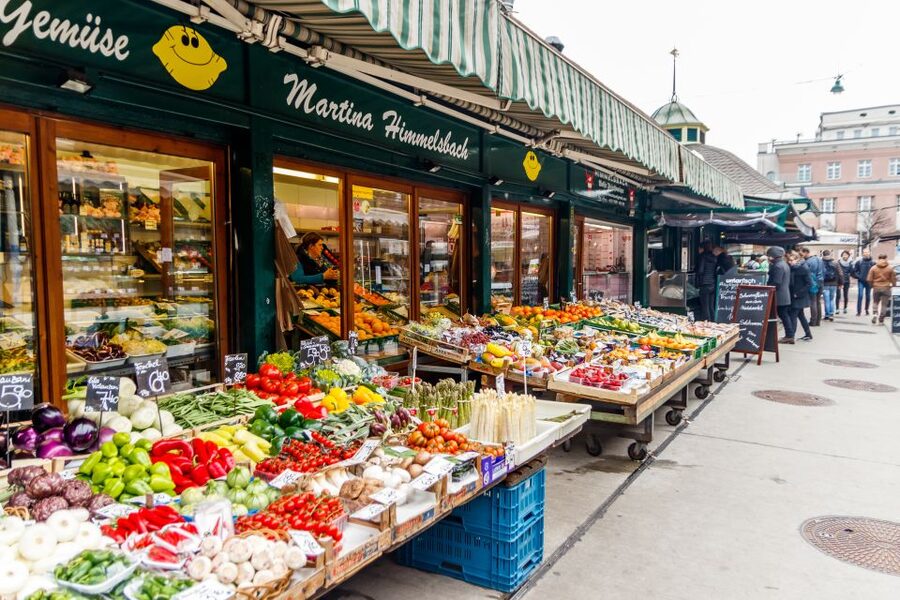
- Naschmarkt cheese tasting: a focused taste of Austrian regional products in one of Vienna’s most famous markets
- Savory to sweet flow: leberkäse, candy tastings, and a stop at an artisanal chocolate shop in an old Palais
- Historic wine cellar tasting: classic Austrian wines, including Grüner Veltliner
- Meat lover’s finale: bone-in ham and Austrian bacon at a traditional butcher shop
- You’ll walk: roughly two miles in about four hours, rain or shine
Vienna’s coffee house start: Cafe Sperl and the morning ritual
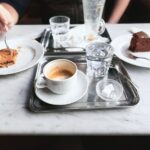
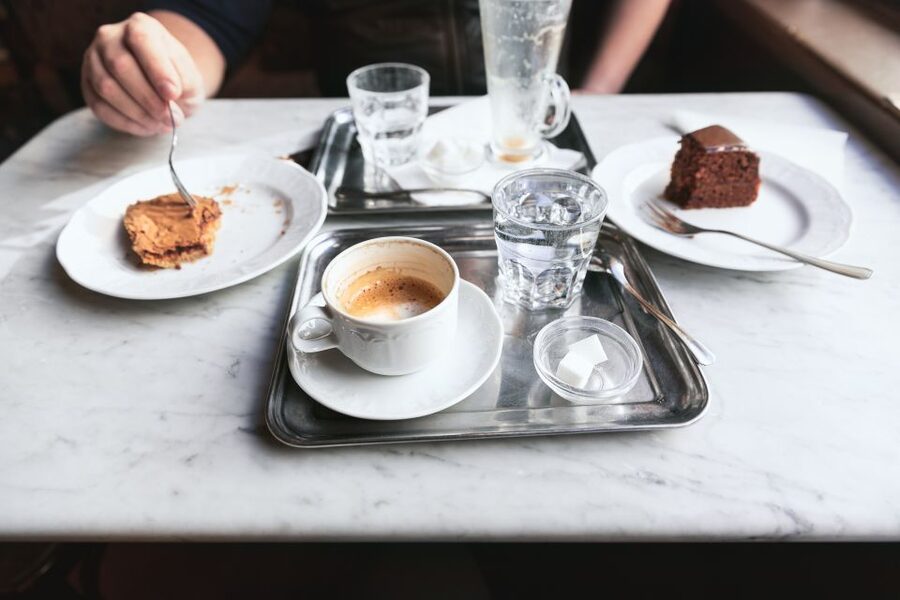
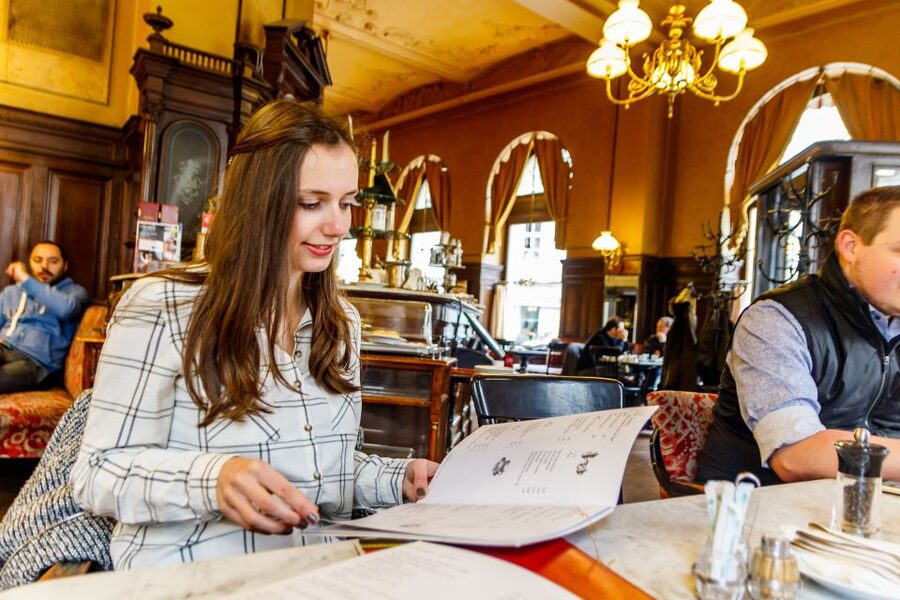
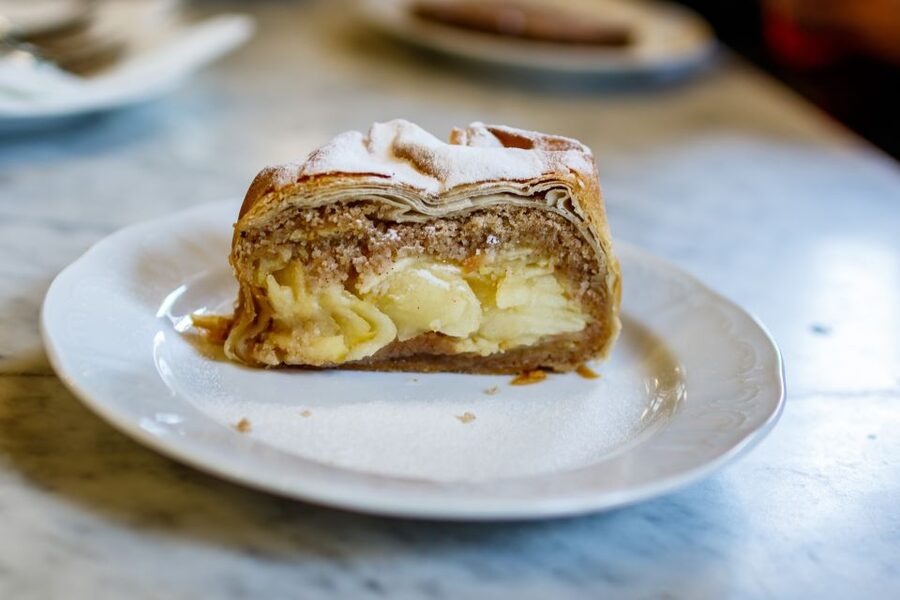
If you want the classic Vienna feeling fast, this is a strong way to start. You meet in front of Cafe Sperl, a well-known traditional coffee house, and the tour begins with coffee and cake. This matters because Viennese coffee houses aren’t just for caffeine. They’re a social institution: the tables, the pace, the order of things. Starting here helps you understand why Vienna’s food culture feels slow on purpose.
You’ll get time to settle in with a coffee tasting and a proper coffee-house breakfast-style start (about 30 minutes). Then the walk begins, so you’re not stuck in a single room waiting to be fed. I like that balance: you get one comfortable “Vienna intro” moment, then you’re back out where the city smells like life—bread, roast coffee, and market produce.
One more practical note: the first stop is the easiest moment to feel the rhythm of the tour. If you’re the type who needs a warm-up, this is your warm-up.
You can also read our reviews of more food & drink experiences in Vienna
Naschmarkt cheese tasting: market food you can actually learn from
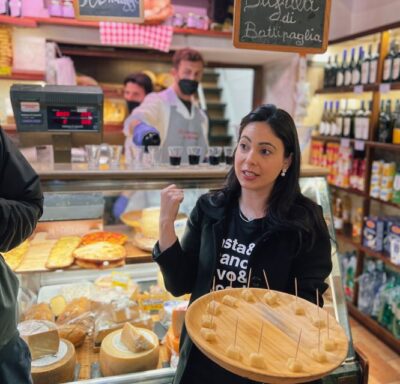
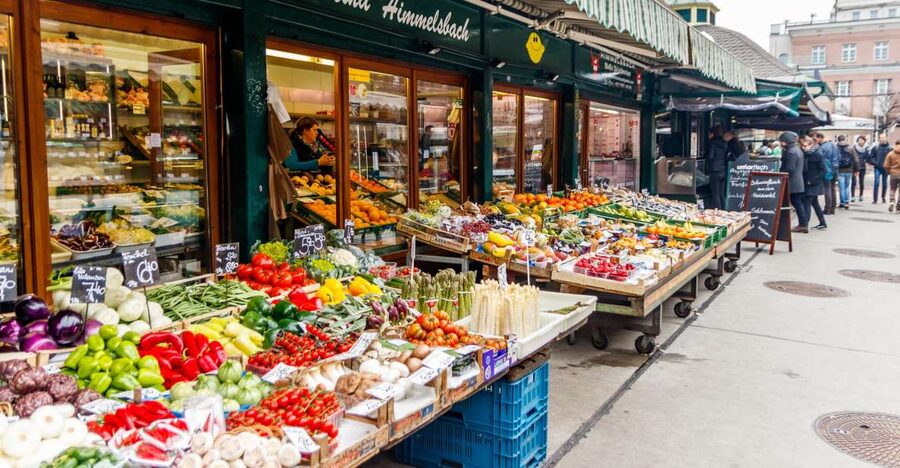
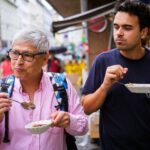
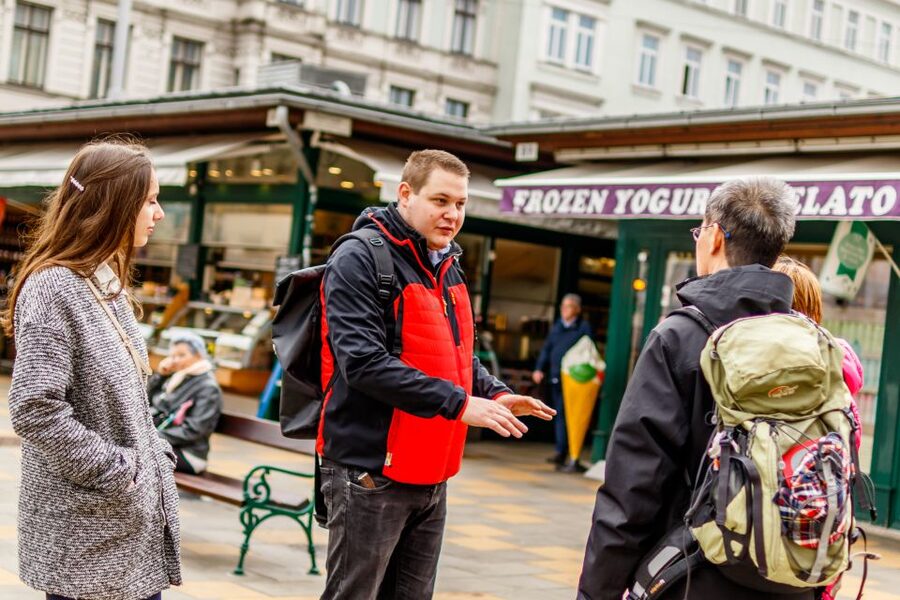
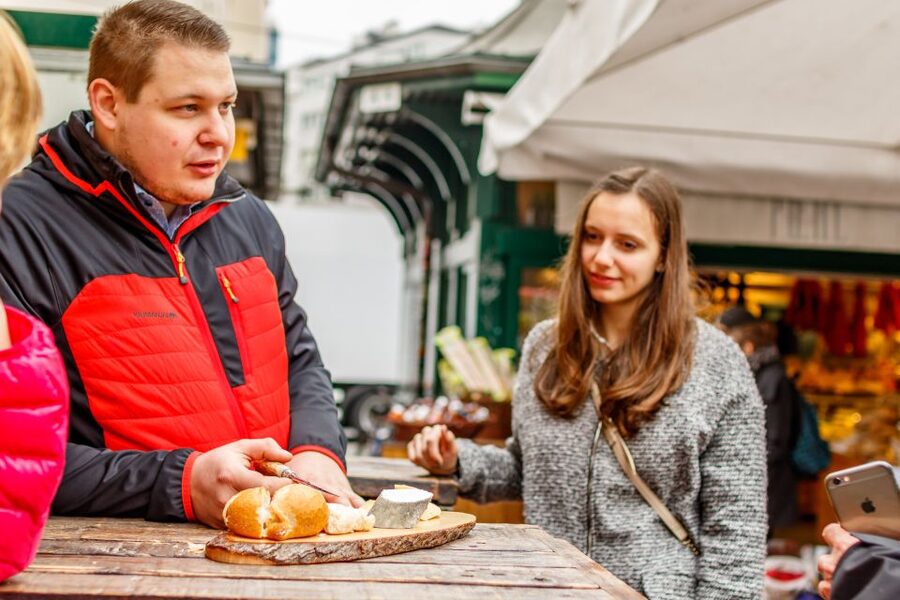
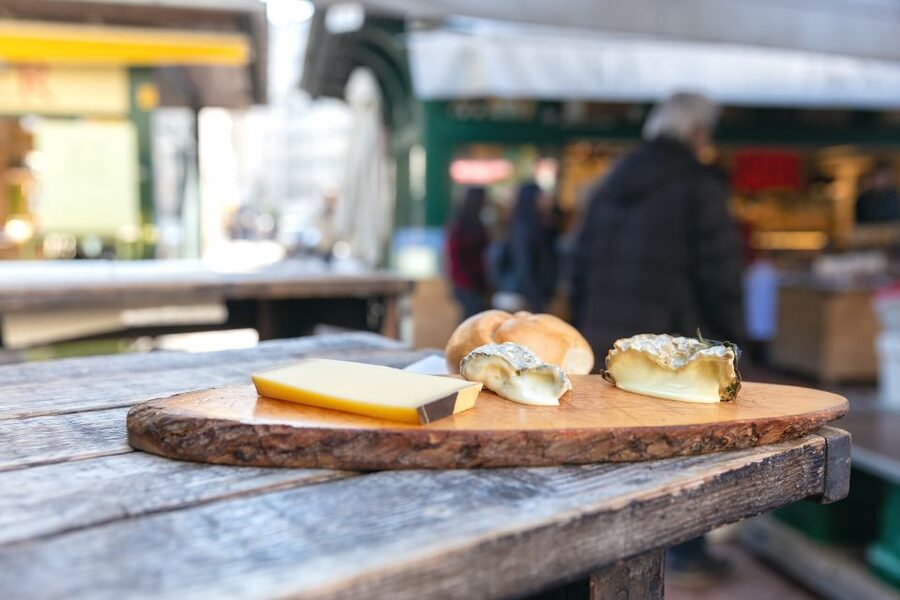
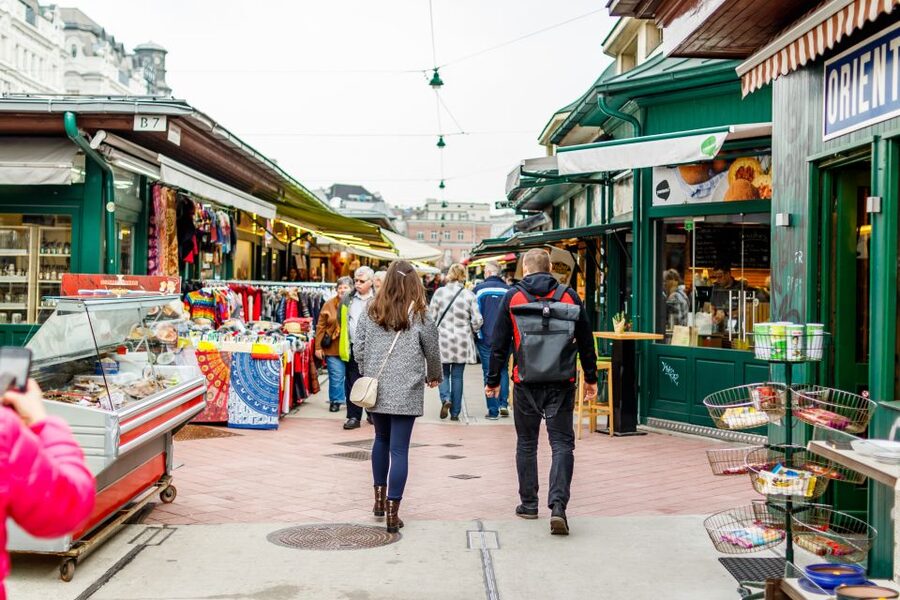
After the coffee house, you head toward Vienna’s food market energy, and the highlight here is Naschmarkt. You’ll spend time tasting a selection of local cheeses as part of a market visit. This is a great angle for first-timers because Naschmarkt can look like a maze if you arrive on your own. With a guide, you’re not just browsing—you’re sampling and learning what to look for and why certain products are valued.
What makes this stop useful is the way it connects the dots. Austrian cuisine isn’t built on just one signature dish. It’s built on regional ingredients—dairy, cured meats, seasonal produce—and the market puts that variety on display. Cheese is a smart place to start because it’s easy to compare textures and flavors, and it teaches you how “Austrian” can mean different things depending on region and season.
You’ll also get time for the market atmosphere itself. Even if you don’t buy anything, you’ll leave with a clearer sense of what’s where and what to seek out later if you want to shop for picnic supplies or gifts.
Leberkäse and local snacks: the savory middle that keeps you full
Savory food is where this tour really builds momentum. At a local restaurant stop, you’ll taste traditional Leberkäse and side dishes. If you’ve never had it, think of it as the Austrian answer to hearty deli comfort food: salty, rich, and designed to satisfy.
This stop works because of pacing. The tour is structured so you’re not just gulping tastings back-to-back. You eat, then you walk. Then you eat again. That rhythm keeps the experience fun instead of chaotic. One review specifically noted that the pacing feels planned so you’re not stuffed too early, and I agree with the logic: leberkäse is heavy, so timing matters.
Then there’s the “local snacks” angle. You’re not only tasting one dish; you’re getting a little spread of what people actually order when they want something satisfying but not fancy. That’s a practical way to learn what Austrian cuisine tastes like on an ordinary day.
Candy and chocolate in old Vienna: sweet stops that feel historic, not random
Vienna has a sweet tooth, and this tour doesn’t treat sweets as an afterthought.
You’ll have a dedicated candy stop tied to one of Austria’s best and last candy manufacturers. The fun part here is the craft: you get to watch how candy is pulled and formed, which turns your tasting into something you can remember. And the tasting itself includes pralines and other treats along the way, so it’s not just a photo moment.
Next comes an artisanal chocolate shop inside an old Palais. This is one of the nicer “sensory breaks” on the tour: chocolate shops smell like cocoa and sugar the moment you step inside. You’ll taste chocolate truffles/pralines as part of the stop, and you’ll also likely hear the difference between what makes Swiss-style sweetness vs Austrian craft sweetness feel distinct—at least that’s the kind of explanation guides often share when they’re pairing and presenting.
If you’re worried about sweets taking over, you can still manage it. The tour is built so sweetness arrives after savory. That keeps your palate balanced. Also, you’ll walk between stops, so you’re not just accumulating sugar in place.
Wine tasting in a historic cellar: Grüner Veltliner and the why behind it
The wine part isn’t thrown in as a random add-on. You’ll do a wine tasting in a historic cellar and sample classic Austrian wines. One of them is Grüner Veltliner, and that grape is basically Austria’s calling card.
What you gain from a guided tasting like this is context. Without it, wine tasting can turn into a quick sip-and-spit exercise. With a guide, you learn what to pay attention to—how wine tastes change with the region, how people talk about flavor, and why some bottles show up again and again in Austrian tables.
This stop is also timed so it complements your eating. By now you’ve had savory and sweet. Wine works like a reset: it cleans the palate, adds aroma, and ties the whole “food and drink like a local” theme together.
One practical tip: if you’d rather not drink a lot, tell the guide early. In at least one group experience, the guide adjusted so non-drinkers still had a good tasting experience. You’ll get more out of the tour if you communicate your preferences at the start rather than powering through.
A few more Vienna tours and experiences worth a look
The butcher-shop finale: bacon, bone-in ham, and why it’s not just meat
The last stops bring you back to the meat side of Austrian eating. You’ll finish with a traditional butcher shop tasting, including Austrian bacon and bone-in ham. This is a satisfying ending because it closes the loop: coffee house → market cheese → savory leberkäse → sweet craft → wine → meats. That’s how Austrian cuisine often feels when you eat it in real life: multiple textures, multiple forms of richness, and a focus on quality ingredients.
Also, butcher-shop tastings teach you something you can use later. You’ll start recognizing what makes cured meat good—salt level, fat-to-meat balance, and how it’s meant to be served. Even if you don’t remember every detail, you’ll have a better gut sense for what to order when you see it on a menu.
The finish location is Dr.-Karl-Lueger-Platz (1010 Wien), which is a convenient “you’re done” point for heading toward lunch plans or continuing your Vienna day.
How the 4-hour format works (and how to avoid the food crash)
This tour runs about four hours and includes seven stations of tastings and drink stops, plus walking in between. The total walking is around two miles. That’s not huge, but it’s enough that your legs should be ready.
Here’s how I’d plan your day around it:
- Do not show up with a heavy breakfast. The tour is designed to feed you well across multiple stops.
- Bring comfortable shoes. This is not a sit-and-sip experience.
- Expect rain or shine. You’ll be outdoors enough that you should dress like you mean it. Weatherproof clothing matters.
- Drink water when you can. Wine happens, coffee happens, so water keeps you comfortable.
Group flow is part of the experience too. The tour format gives your stomach breaks between tastings, and guides like Lucas and Harry are known (in different groups) for keeping energy high without rushing people. If you’re the type who likes a relaxed rhythm, that’s a big plus.
Value check: is $176 worth it?
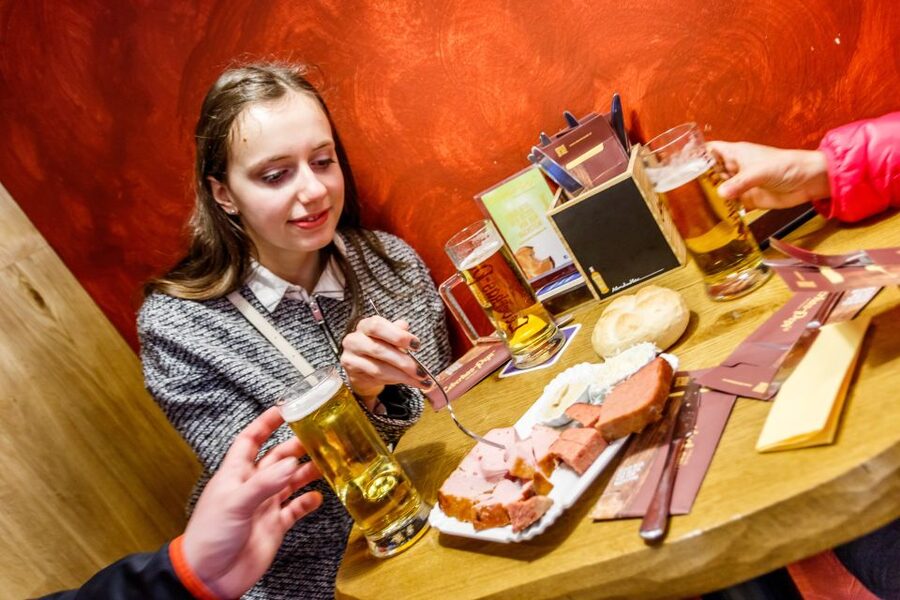
At $176 per person for four hours, this isn’t a budget snack tour. The value comes from the number of distinct tastings and the guided “how to understand it” factor.
You get:
- coffee and cake at a traditional Viennese coffee house
- cheese tasting at Naschmarkt
- leberkäse and side dishes at a local stop
- candy tasting with craft demonstration
- chocolate tastings at an artisanal shop in an old Palais
- a guided wine tasting in a historic cellar with Grüner Veltliner
- bacon and bone-in ham at a butcher shop
If you tried to reproduce this yourself, you’d spend money just on the drinks and bites, and you’d still be missing the guidance that tells you what you’re tasting and why it matters. Paying for the guide is the shortcut to better choices—and fewer dead ends. Also, you’re walking through central Vienna with a structure, so the tour doubles as orientation.
So, is it worth it? If you want a concentrated “Austrian flavors sampler” in one morning, yes. If you already have a plan for wine, cheese, and a lot of food stops on your own, you might feel it’s pricey. But for most first-timers, it’s a practical way to eat well without hours of research.
Who should book this tour, and who should skip it
This tour is a strong fit if you:
- want a guided introduction to traditional Austrian food in a short time
- enjoy tasting lots of different items rather than one big meal
- like pairing food with drink, especially wine
- want a walking route that helps you learn your way around Vienna
It’s less ideal if you:
- need strict vegan options. The tour is listed as not suitable for vegans.
- hate walking. You’re in motion for about two miles.
- don’t want alcohol involved at all. Wine tasting is part of the experience, even though some guides can adjust for non-drinkers if you tell them upfront.
Also keep this in mind for mobility planning: the information includes wheelchair accessibility, but it also notes not suitable for wheelchair users. If accessibility matters for you, ask the operator directly before booking.
Should you book this Vienna food tour?
Book it if you want an organized, food-first Vienna morning that covers coffee house culture, market cheese, Austrian comfort food, craft sweets, and a proper wine tasting in a historic cellar. The structure makes it easier to try a lot without turning your day into a planning headache.
Skip it if you’re the kind of traveler who wants light browsing and minimal eating, or if your dietary needs don’t align with what this tour is built to serve.
If you’re on the fence, here’s the simplest deciding rule: if you can handle four hours of tastings and a couple miles of walking, this tour is a good value for what you eat and learn.
FAQ
Where do I meet for the tour?
You meet in front of Cafe Sperl.
How long is the Vienna typical Austrian food tour?
The tour lasts about 4 hours.
How much does it cost?
It costs $176 per person.
What tastings and drinks are included?
All tastings and drinks are included, with stops for coffee and cake, cheese, leberkäse and side dishes, candy, chocolate, wine tasting, and meat tastings.
Does the tour visit Naschmarkt?
Yes. There is a stop at Naschmarkt with a cheese tasting and a market visit.
How much walking should I expect?
You should expect to walk up to about two miles during the tour.
Is the wine tasting included?
Yes. You’ll have a wine tasting in a historic wine cellar, including Grüner Veltliner.
What languages is the tour guide available in?
The live tour guide is available in English and German.
Is it suitable for vegans or wheelchair users?
The tour is listed as not suitable for vegans. For wheelchair use, the information includes wheelchair accessibility but also states it is not suitable for wheelchair users, so it’s best to confirm directly before booking.